Overview
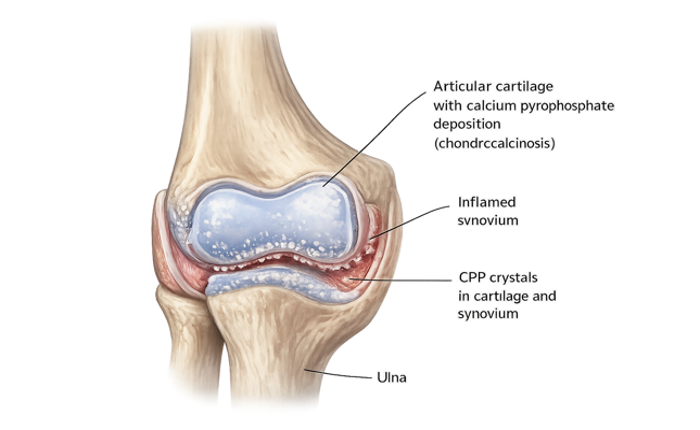
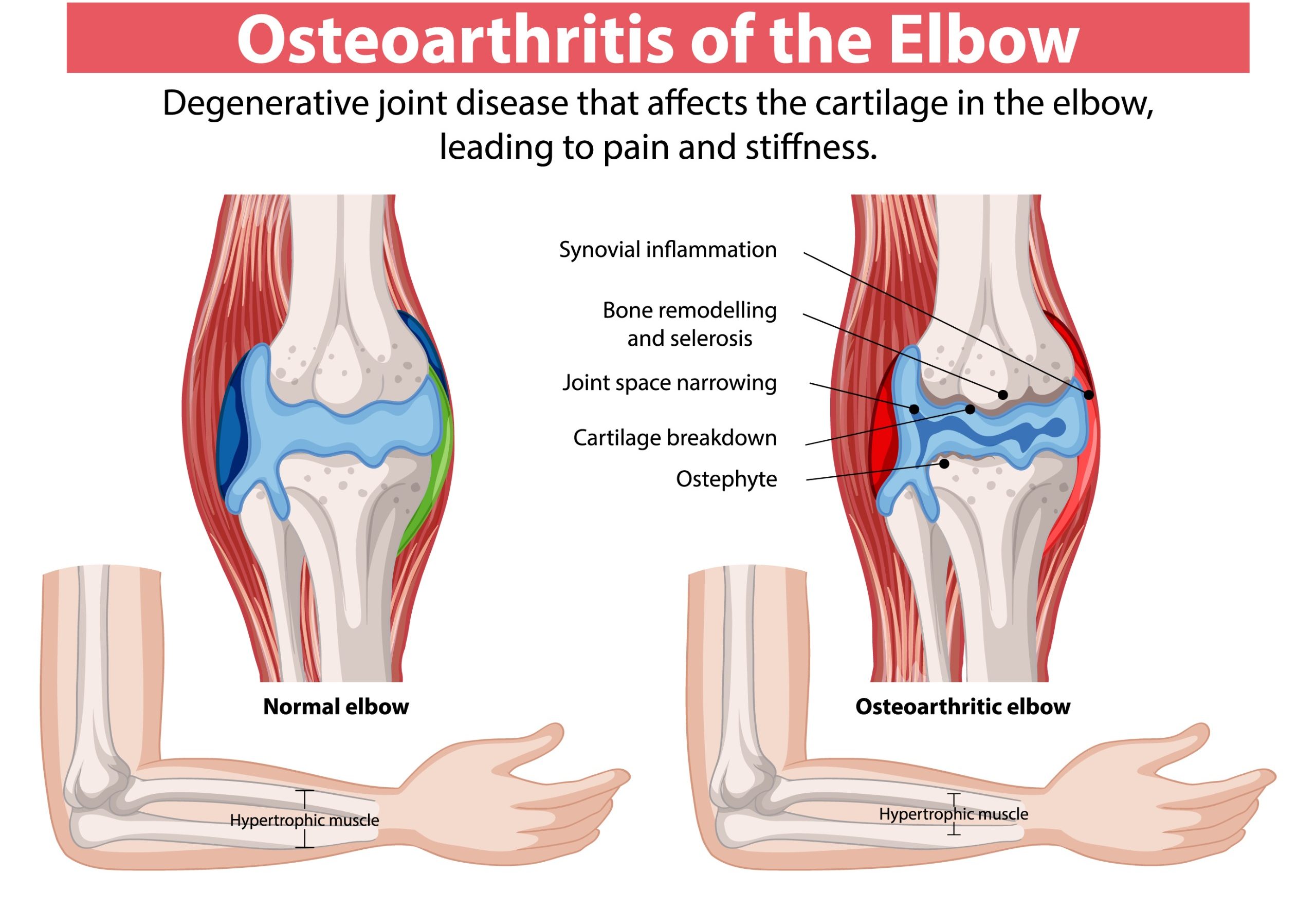
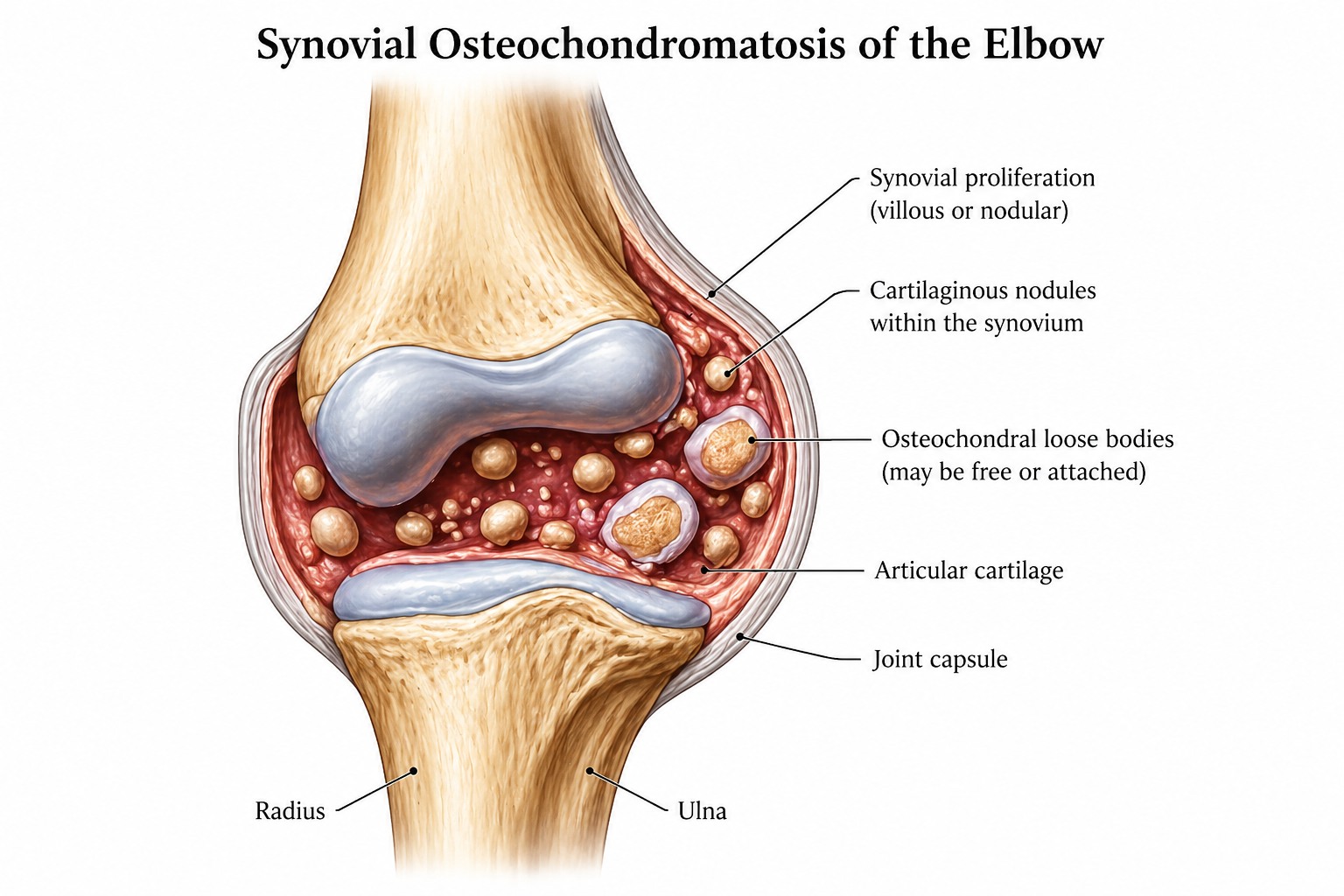
Synovial osteochondromatosis (SOC) is a rare benign condition in which the synovial lining of a joint undergoes metaplastic transformation — normal synovial cells change into cartilage-forming cells. These cells produce multiple small cartilaginous nodules within the synovial membrane, which progressively calcify, detach into the joint space, and become loose bodies (free-floating fragments).
The elbow is the second most commonly affected joint after the knee. Loose bodies can number from a few to several dozen and range from tiny fragments to bodies over 2 cm in diameter. They cause progressive pain, mechanical symptoms (locking, catching), joint damage, and stiffness.
Dr Senthilvelan performs arthroscopic removal of loose bodies combined with synovectomy of the abnormal synovium as the definitive treatment. Complete synovectomy is important to prevent recurrence — incomplete removal of the abnormal synovium leads to new body formation over time.
Quick Facts | Details |
Also Known As | Synovial Chondromatosis, Synovial Osteochondrosis, Primary Synovial Chondromatosis |
Affected Area | Synovial lining and joint cavity of the elbow; loose bodies in multiple joint recesses |
Who It Affects | Adults aged 30–60 years; slightly more common in men; dominant arm affected more frequently |
Prevalence | Rare; incidence approximately 1–2 per million per year; elbow is the second most commonly affected large joint (~15–25% of cases) |
Treatment | Arthroscopic removal of loose bodies and synovectomy; open surgery for large or inaccessible bodies; MRI surveillance for recurrence |
Causes & Risk Factors
- Primary SOC — idiopathic synovial metaplasia; no clear precipitating cause; abnormal transformation of synovial cells
- Secondary chondromatosis — loose bodies from prior joint disease (OA, OCD, fracture); more common than true primary SOC
- No specific hereditary pattern — sporadic occurrence in most cases
- Mechanical factors — repetitive joint loading may promote synovial metaplasia in susceptible individuals
- Rare malignant transformation — synovial chondrosarcoma is an extremely rare complication; histological examination mandatory
Symptoms
- Mechanical symptoms — intermittent locking (sudden inability to straighten or bend the elbow), catching, or giving way
- Pain — activity-related aching; may be severe during locking episodes; background aching between events
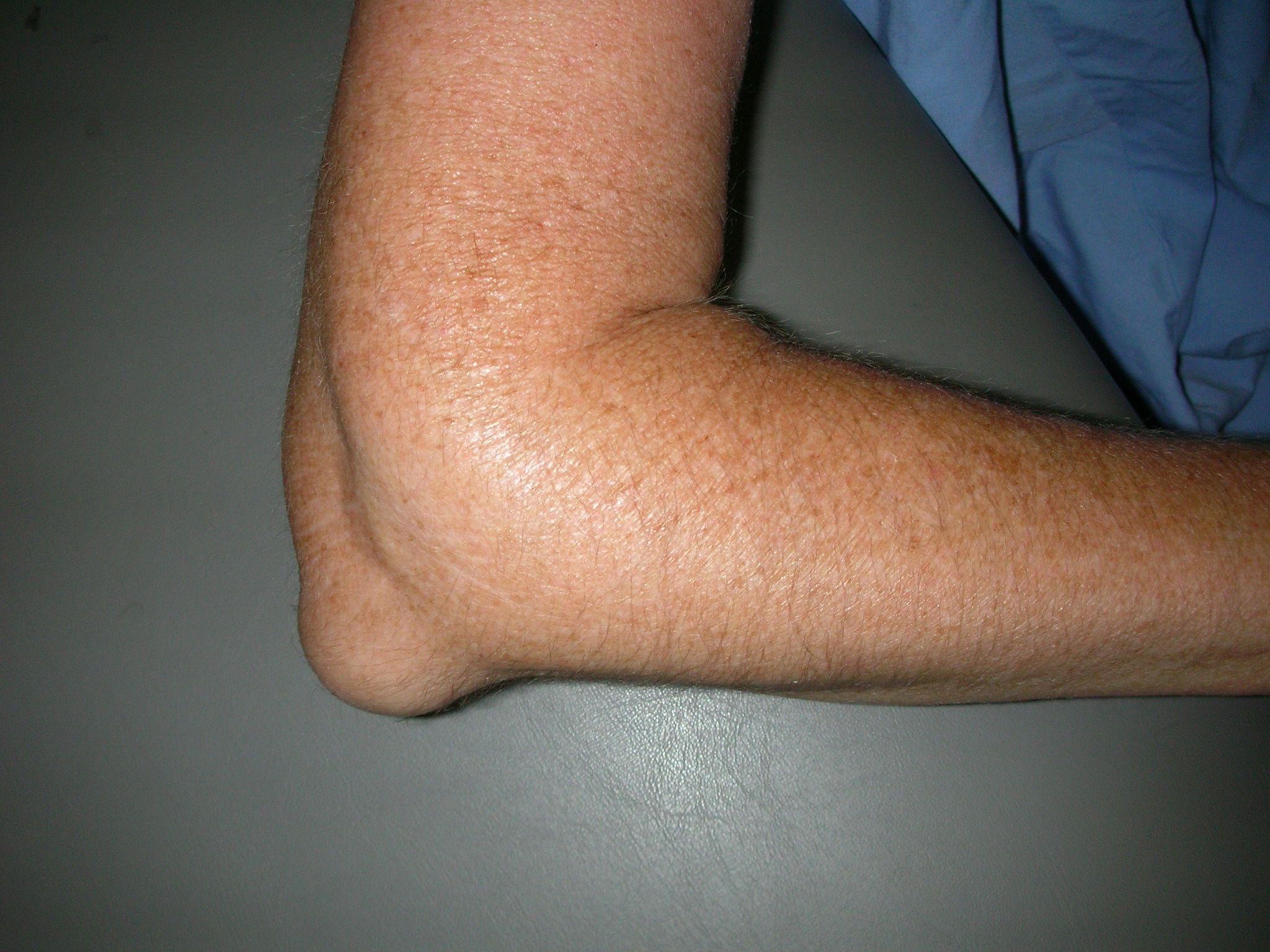
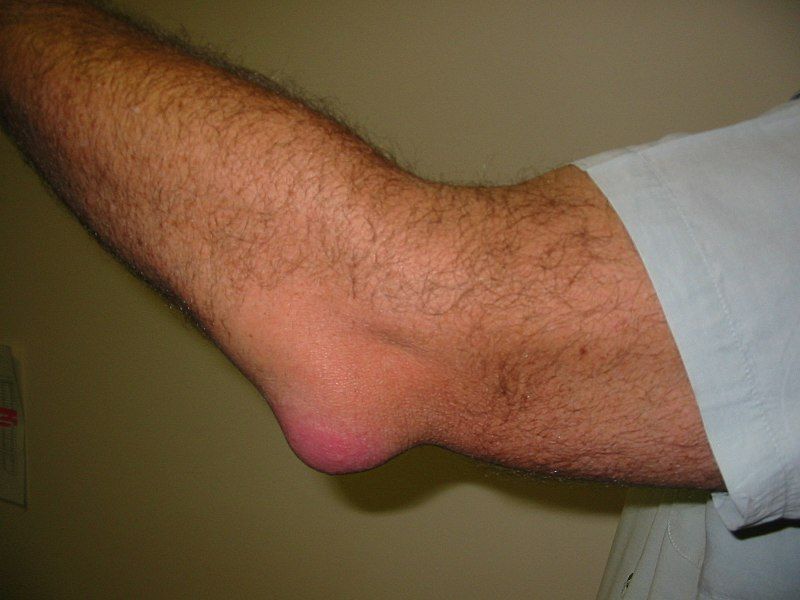
- Swelling — persistent or episodic; synovial thickening and joint effusion
- Restricted range of motion — both flexion and extension limited; loss of extension especially common
- Palpable loose bodies — occasionally felt as hard, mobile lumps; particularly in olecranon or antecubital fossa
- Crepitus — grinding or crunching during movement
- Progressive course — symptoms worsen over months to years; secondary OA develops if untreated
How is it Diagnosed?
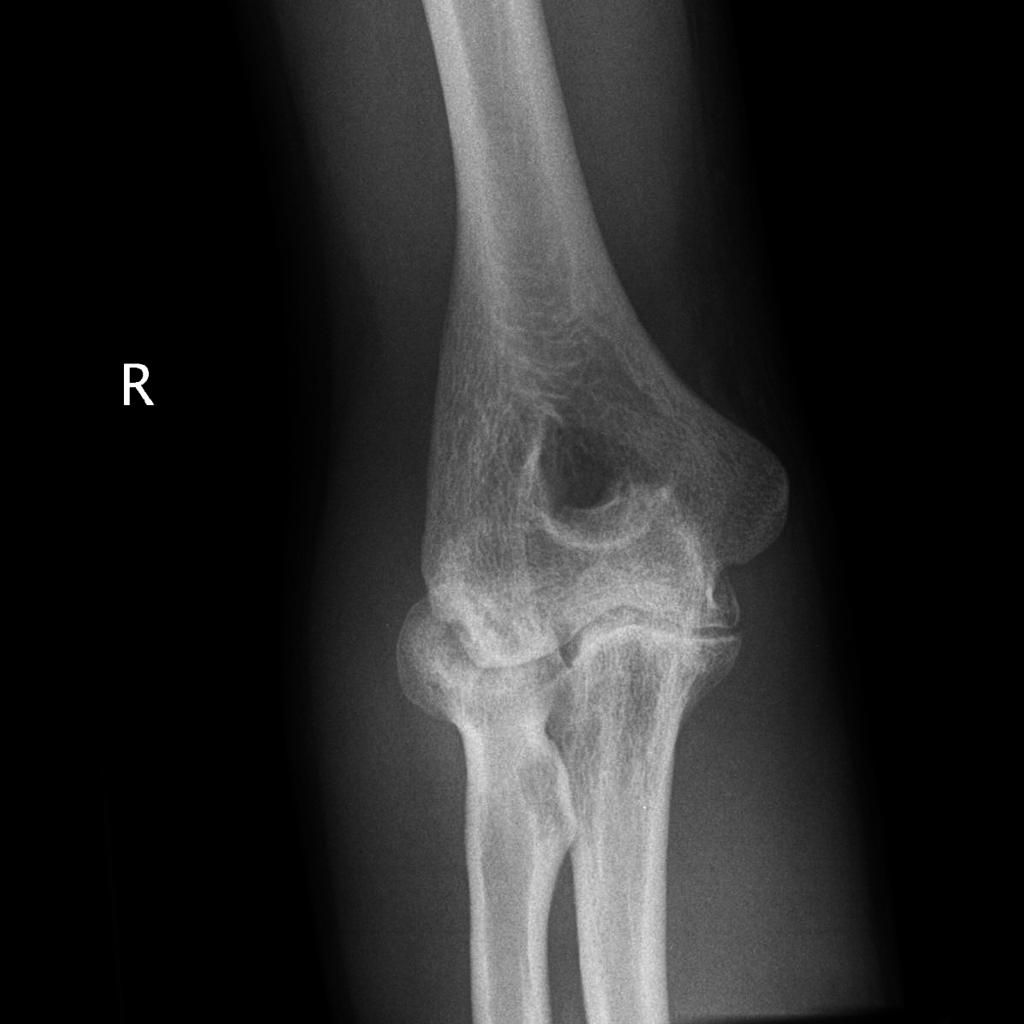
- Plain X-rays — multiple calcified loose bodies visible if mineralised; classic “snowstorm” or “cluster” appearance; may appear normal if bodies are purely cartilaginous
- CT scan — superior to X-ray for counting and mapping body location; essential for surgical planning
- MRI — demonstrates both calcified and non-calcified bodies; synovial thickening; joint effusion; assesses articular cartilage
- Ultrasound — may identify loose bodies in accessible recesses; useful for aspiration
- Arthroscopy — definitive: visualises all loose bodies and allows concurrent removal
- Histology — ALL excised material sent for examination; essential to confirm benign diagnosis and exclude synovial chondrosarcoma
Treatment Options
Treatment Type | Details |
Observation | For asymptomatic or minimally symptomatic early disease with small bodies; monitor with serial imaging |
Physiotherapy | Symptomatic management; maintain ROM and muscle strength; not curative |
Arthroscopic Removal + Synovectomy | Treatment of choice: 8-zone survey; retrieval of all accessible loose bodies; thorough synovectomy using shaver and electrocautery; day-case procedure |
Open Surgery | Required for very large bodies >2 cm, bodies in inaccessible recesses, or extensive synovial involvement; can be combined with arthroscopy |
Ulnar Nerve Decompression | If cubital tunnel involvement identified; performed concurrently |
Cartilage Management | If secondary OA present: microfracture, ACI, or osteochondral grafting for significant chondral defects |
Recovery & Rehabilitation
- After arthroscopic surgery: day-case; sling for 24 hours; immediate active-assisted movement; physiotherapy from within 48 hours
- Return to work (office): 1–2 weeks; manual work: 4–6 weeks; sport: 6–12 weeks depending on procedure extent
- Expected outcomes: resolution of locking in >90%; improved ROM (typically 20–30° extension gain); pain significantly reduced
- Recurrence: 15–30% within 5 years in primary SOC; MRI surveillance at 1, 2, and 5 years recommended
- Histology results typically received within 1–2 weeks; reviewed at post-operative appointment
Why choose Dr Senthilvelan?
Synovial osteochondromatosis requires thorough arthroscopic technique to locate and remove all loose bodies across all elbow joint recesses, combined with meticulous synovectomy. Dr Senthilvelan’s training in systematic elbow arthroscopy and his experience with the 8-zone survey ensure comprehensive treatment. Histological analysis of all excised tissue is performed as standard at MIOT International.
Frequently Asked Questions
1. My elbow "locks" sometimes and I cannot straighten it — could this be loose bodies?
Yes — intermittent locking (sudden inability to fully straighten or bend the elbow) is one of the most characteristic symptoms of loose bodies within the elbow joint. The loose body becomes trapped between the articular surfaces, mechanically blocking movement. The elbow typically “unlocks” after gently moving the arm. This symptom, combined with loose bodies on X-ray or CT, is a strong indication for arthroscopic removal.
2. How many loose bodies can form in synovial osteochondromatosis?
The number varies enormously — from a handful to several dozen or even more than a hundred in florid cases. Loose bodies range in size from a few millimetres to over 2 cm. Over time they tend to grow as they accumulate cartilage matrix, and new bodies continue to form as long as the abnormal synovium remains. Complete synovectomy — removing the source — is therefore as important as removing the existing loose bodies.
3. Can X-rays miss loose bodies in the elbow?
Yes — if loose bodies are in the early, purely cartilaginous (non-calcified) stage, they are completely invisible on plain X-ray. As they progressively calcify and ossify, they become visible. MRI is the most sensitive investigation, showing both calcified and non-calcified bodies. CT is most useful for surgical planning — clearly showing the number, size, and location of all calcified bodies.
4. Is there a risk of cancer with synovial osteochondromatosis?
Malignant transformation to synovial chondrosarcoma is extremely rare — estimated at less than 5% of primary SOC cases. Features raising concern include rapid recurrence after complete excision, aggressive-appearing imaging, and high-grade histological features. This is why histological examination of all excised tissue is mandatory. In the vast majority of patients, the condition is entirely benign.
5. Will the loose bodies keep coming back after surgery?
There is a recurrence rate of approximately 15–30% within 5 years after surgery, even with thorough synovectomy. This occurs because the molecular signals driving synovial metaplasia may persist. Recurrence is more likely in primary SOC than secondary chondromatosis. Regular MRI surveillance (at 1, 2, and 5 years) allows early detection. Recurrence does not imply malignant change — repeat arthroscopic synovectomy can be performed.