Overview
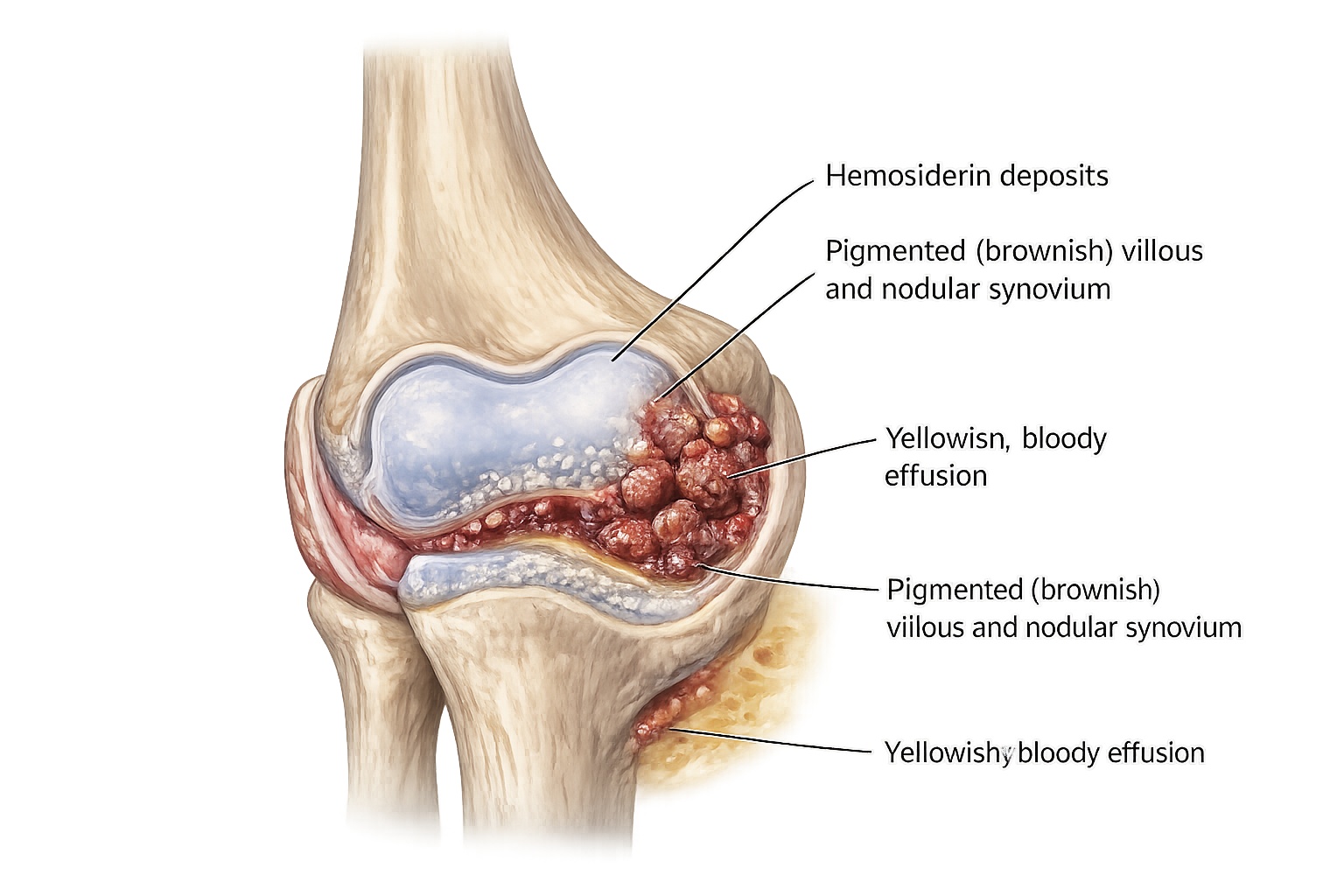
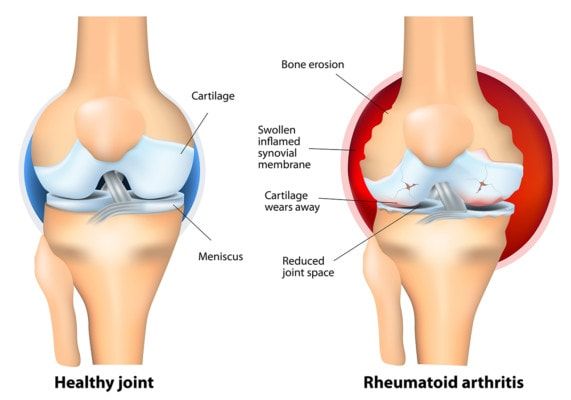
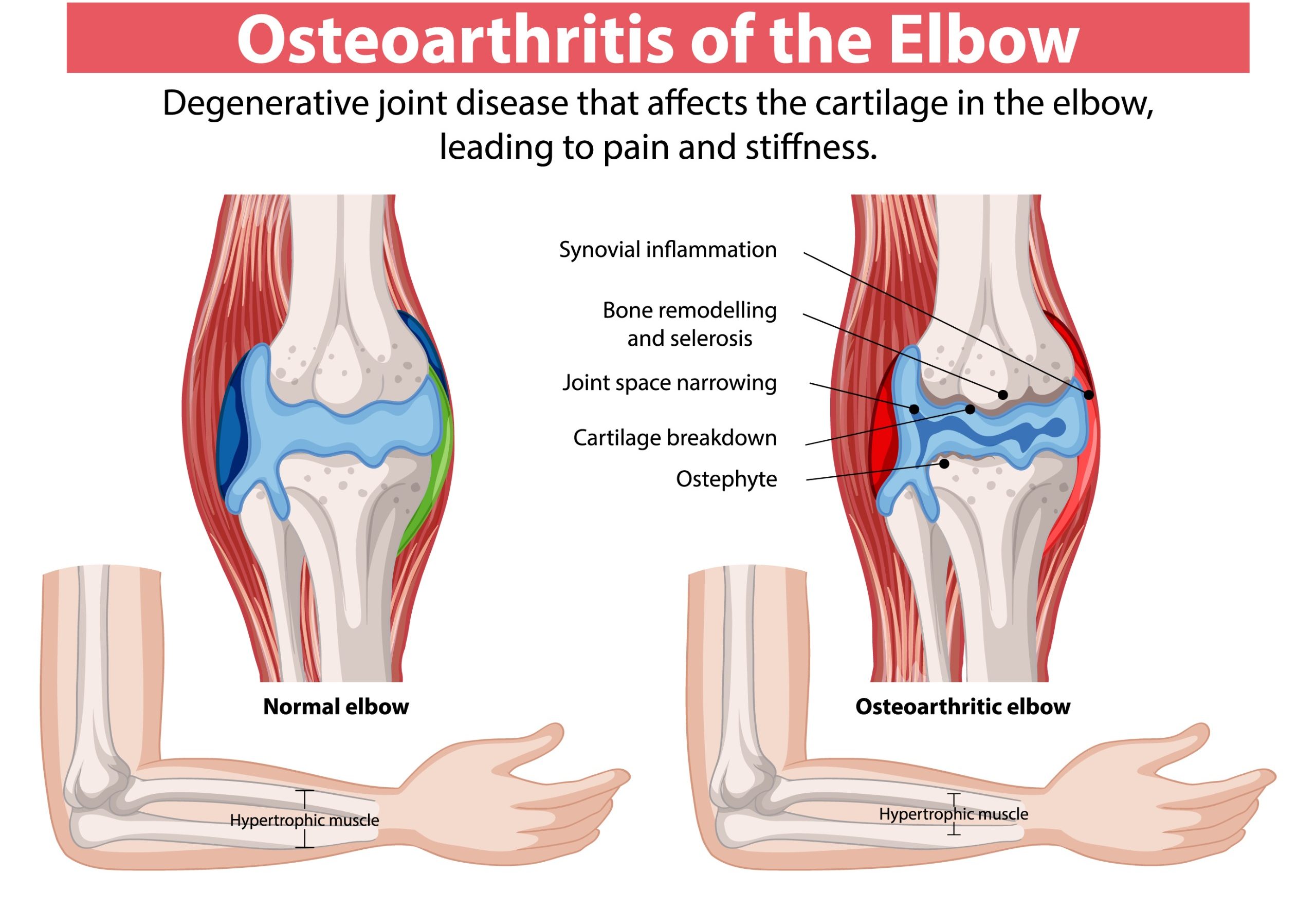
Haemophilic arthropathy is a progressive destructive joint disease caused by repeated haemarthroses (bleeds into the joint) in patients with haemophilia. Iron from red blood cells deposited in the synovial membrane triggers a chronic inflammatory reaction — synovitis — which is biochemically similar to rheumatoid arthritis and causes progressive cartilage erosion and joint destruction.
Modern prophylactic factor replacement therapy has dramatically reduced haemarthroses in countries where these treatments are accessible. However, patients who have sustained repeated bleeds — either before prophylaxis was available or due to inhibitor development — frequently present with established arthropathy requiring surgical management.
All surgical interventions in haemophilia must be carefully planned with haematology to ensure adequate factor replacement before, during, and after the procedure. Dr Senthilvelan works within the MIOT haematology team to provide safe, effective surgical care.
Quick Facts | Details |
Also Known As | Haemophilic Elbow, Haemarthrosis-Induced Arthropathy |
Affected Area | Ulnohumeral and radiocapitellar joints; synovial membrane; subchondral bone |
Who It Affects | Males with haemophilia A (Factor VIII deficiency) or haemophilia B (Factor IX deficiency); severity correlates with factor level |
Prevalence | The elbow is the third most commonly affected joint in haemophilia (after knee and ankle); involved in ~40% of patients with severe haemophilia |
Treatment | Factor replacement prophylaxis; arthroscopic synovectomy; radionuclide synovectomy; total elbow arthroplasty for end-stage disease |
Causes & Risk Factors
- Haemophilia A — Factor VIII deficiency; X-linked recessive; most common form (1 in 5,000 male births)
- Haemophilia B — Factor IX deficiency; less common (1 in 25,000 male births)
- Recurrent haemarthroses — each bleed deposits iron (haemosiderin) in the synovium, triggering synovitis
- Synovitis perpetuates further bleeding — highly vascular inflamed synovium re-bleeds easily, creating a cycle
- Inhibitor development — some patients develop antibodies against infused factor, making treatment more complex
- Target joint formation — a joint with 3+ bleeds in 6 months is a target joint with accelerated progression
Symptoms
- Acute haemarthrosis — sudden severe pain, rapid swelling, warmth, and near-complete loss of movement
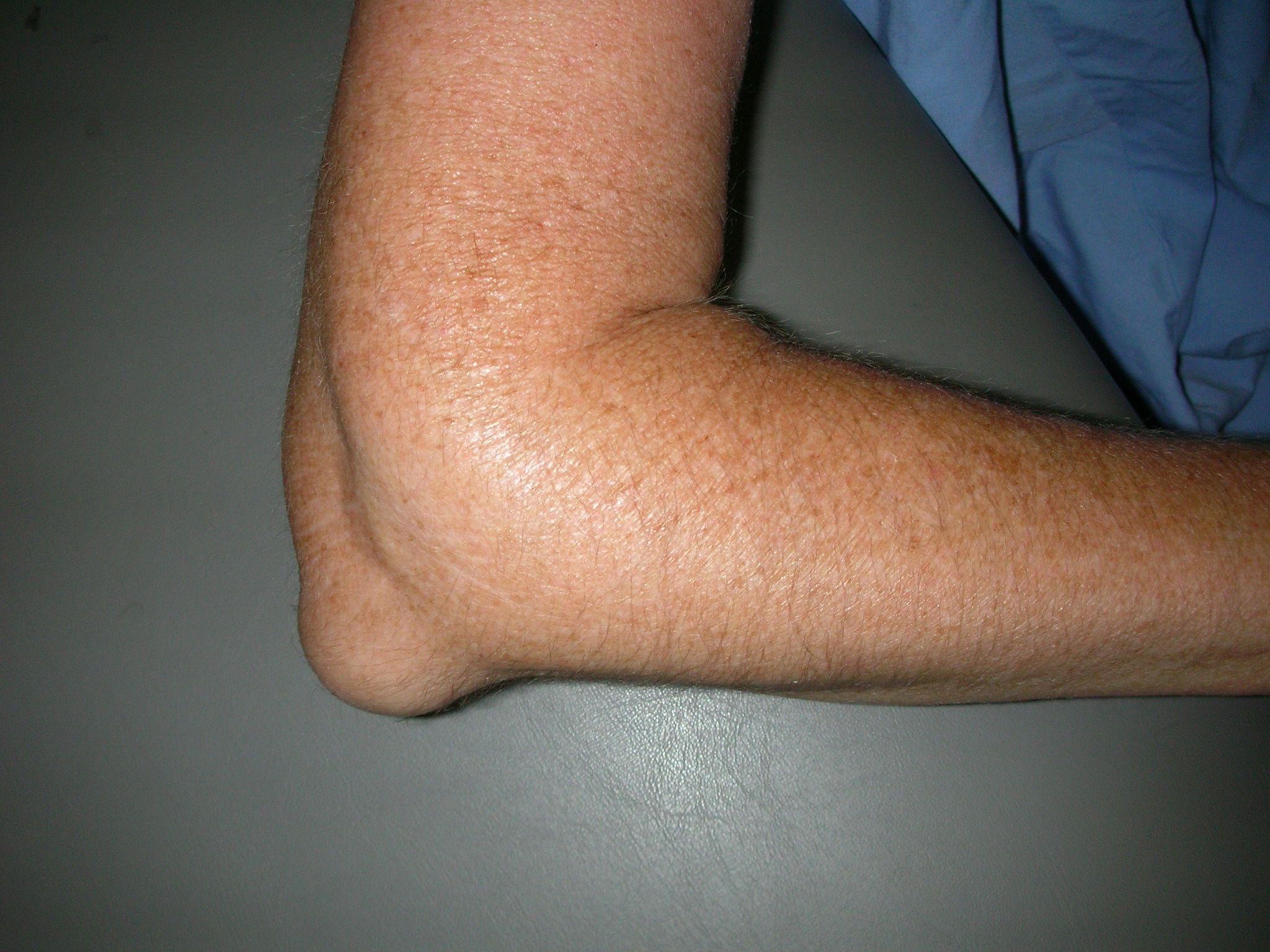
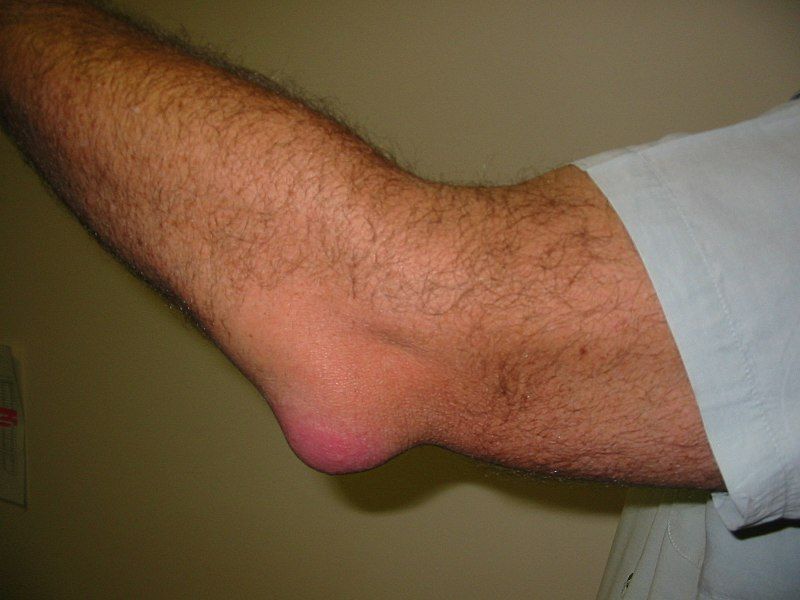
- Chronic synovitis — persistent boggy swelling; aching background pain; reduced range of motion
- Flexion contracture — loss of full extension; a hallmark of established haemophilic elbow disease
- Crepitus — grinding from cartilage erosion
- Joint deformity — progressive valgus or varus angulation in advanced disease
- Muscle wasting — forearm and biceps atrophy from disuse and pain inhibition
- Nerve symptoms — cubital tunnel involvement possible in severe disease
How is it Diagnosed?
- Haematology assessment — factor level, inhibitor screen, bleeding history, current prophylaxis regimen
- Clinical examination — ROM measurement, joint effusion, synovial thickening, neurological assessment
- Pettersson scoring — radiographic classification specific to haemophilic arthropathy (0–13 scale)
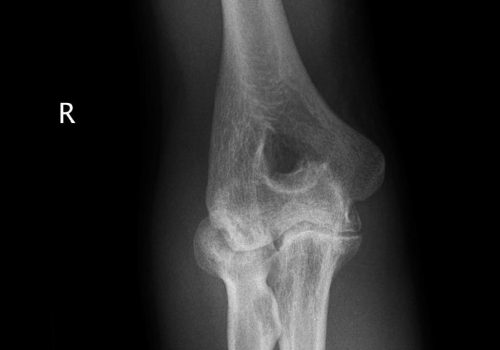
- Plain X-rays — widening of the intercondylar notch, joint space loss, subchondral cysts
- MRI — highly sensitive for synovial hypertrophy, haemosiderin deposition, cartilage damage
- Ultrasound — useful for detecting acute haemarthrosis and guiding aspiration

Treatment Options
Treatment Type | Details |
Factor Replacement Prophylaxis | Regular (usually 3× per week) factor VIII or IX infusion; target trough level >1%; first-line treatment |
Acute Haemarthrosis Management | Immediate factor replacement to 80–100%; rest, ice, elevation; avoid NSAIDs |
Physiotherapy | Between bleeds: ROM exercises, muscle strengthening; hydrotherapy; splinting for contracture |
Radionuclide Synovectomy | Rhenium-186 injection for elbow; destroys inflamed synovium; reduces bleeding frequency by ~80% |
Arthroscopic Synovectomy | For chronic synovitis with recurrent bleeds despite prophylaxis (Pettersson 0–6); under adequate factor cover |
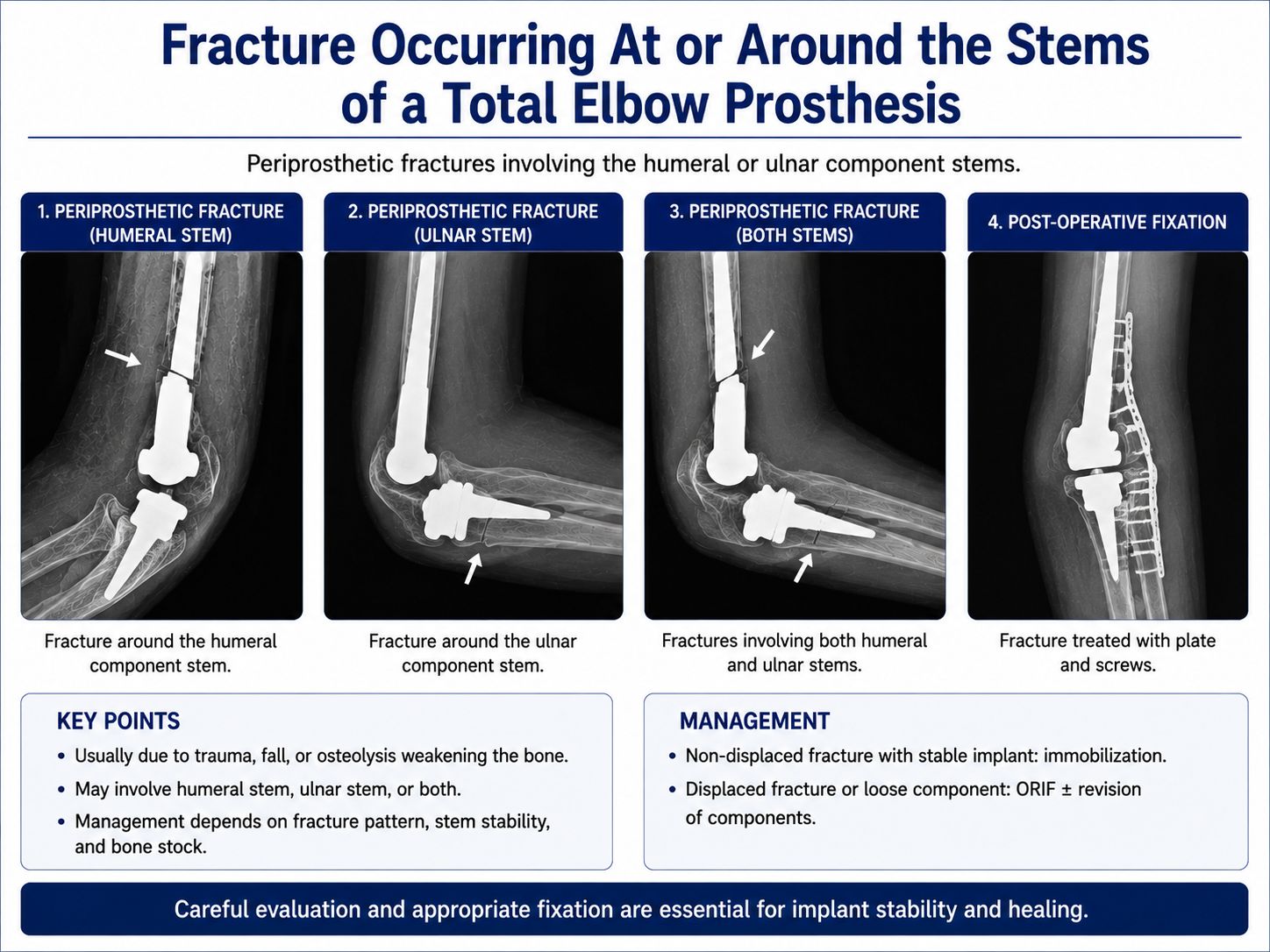
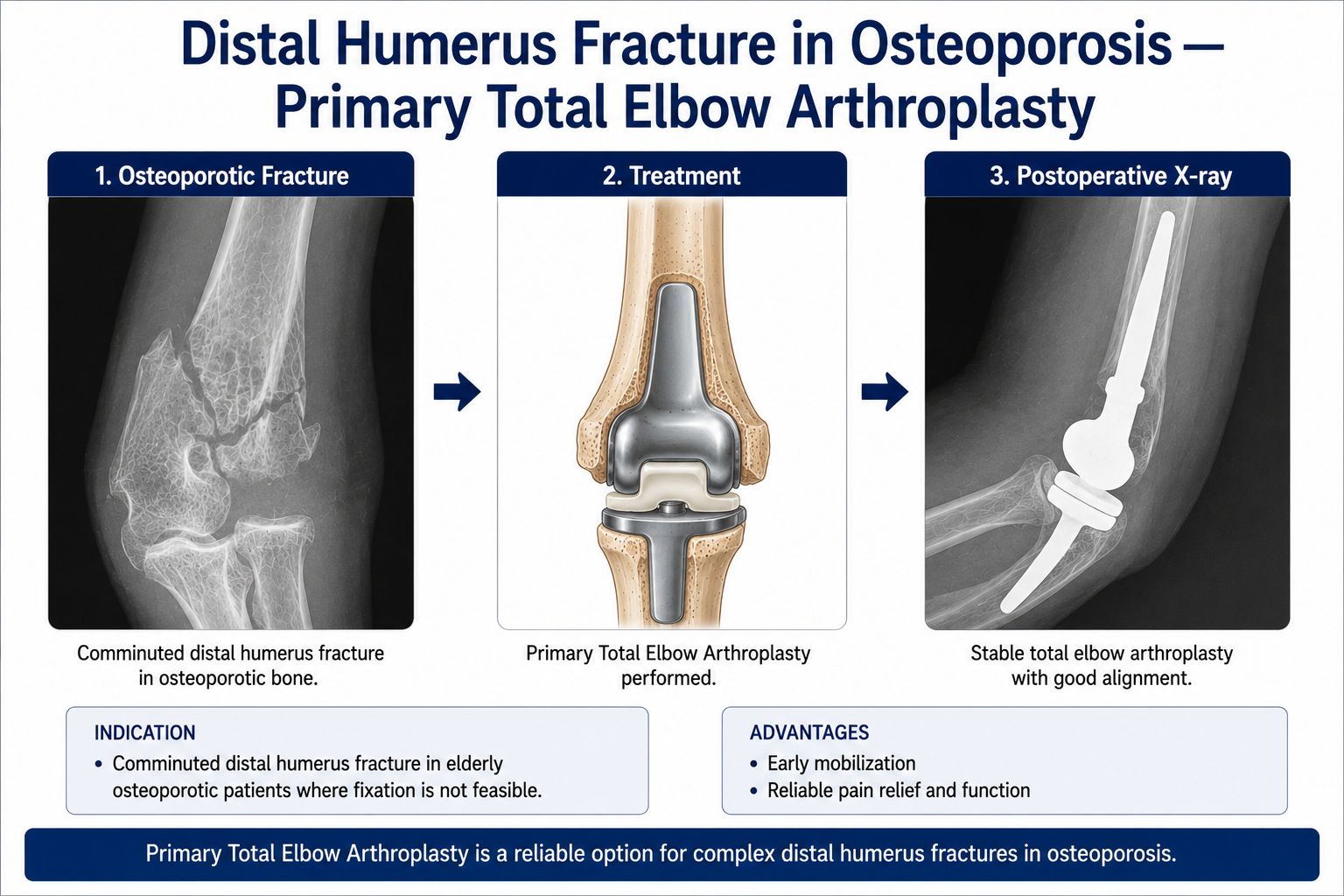
Total Elbow Arthroplasty | For Pettersson score 8–13; meticulous haematological planning; post-op factor prophylaxis 2–4 weeks |
Recovery & Rehabilitation
- All surgical recovery must be planned with haematology — factor levels maintained for 10–14 days post-arthroscopy and 2–4 weeks post-TEA
- After arthroscopic synovectomy: mobilisation within 24 hours; physiotherapy immediately; continue prophylaxis; expect 80% reduction in bleed frequency
- Long-term: continue prophylaxis; maintain conditioning; have a clear bleed management protocol
- Patient and family education on haemostasis, factor administration, and acute haemarthrosis signs is integral to outcomes
Why choose Dr Senthilvelan?
Elbow surgery in haemophilia requires specialist orthopaedic expertise combined with highly coordinated haematological management. Dr Senthilvelan works closely with MIOT International’s haematology team to provide comprehensive surgical care for patients with haemophilic arthropathy.
Frequently Asked Questions
1. How does haemophilia damage the elbow joint?
Each time blood enters the elbow joint, the iron released from red blood cells is absorbed by the synovial lining. This iron acts as a chemical irritant, triggering chronic inflammation (haemophilic synovitis). The inflamed synovium releases enzymes that gradually erode the articular cartilage and underlying bone. The more frequently bleeds occur, the faster this process progresses — making prophylactic factor replacement the most important treatment.
2. Can the joint damage from haemophilia be reversed?
Unfortunately, established cartilage loss and bone erosion cannot be reversed. However, the progressive damage can be halted or slowed by synovectomy (removing the inflamed synovium) and by optimising factor prophylaxis to prevent further haemarthroses. Early intervention — before Pettersson grade advances significantly — gives the best chance of preserving the joint.
3. What is radiosynoviorthesis and is it safe?
Radiosynoviorthesis (radionuclide synovectomy) is an injection of a radioactive substance directly into the joint. It destroys the inflamed synovial lining using targeted radiation without the risks of open surgery. For the elbow, rhenium-186 is typically used. It is a day procedure, well-tolerated, and can reduce bleeding frequency by up to 80%. It is particularly useful for patients with inhibitors or those not fit for general anaesthesia. It is safe when performed correctly.
4. Is elbow replacement safe in patients with haemophilia?
Yes — with careful planning. Total elbow arthroplasty in haemophilia requires meticulous perioperative factor replacement and prolonged post-operative prophylaxis. The infection risk is slightly higher due to the immunological challenges of haemophilia management. However, in appropriately selected patients with advanced arthropathy, TEA provides excellent pain relief and functional improvement.
5. My child has haemophilia — at what age should I be concerned about elbow damage?
Joint damage begins with the first bleeds, often in early childhood. The goal of modern paediatric haemophilia management is prophylaxis from the first or second bleed — before target joints develop. If your child is on prophylaxis and has not developed a target elbow joint (3+ bleeds in 6 months), the risk of significant arthropathy is low. If a target joint does develop, early radiosynoviorthesis or arthroscopic synovectomy should be considered before structural damage advances.