Overview
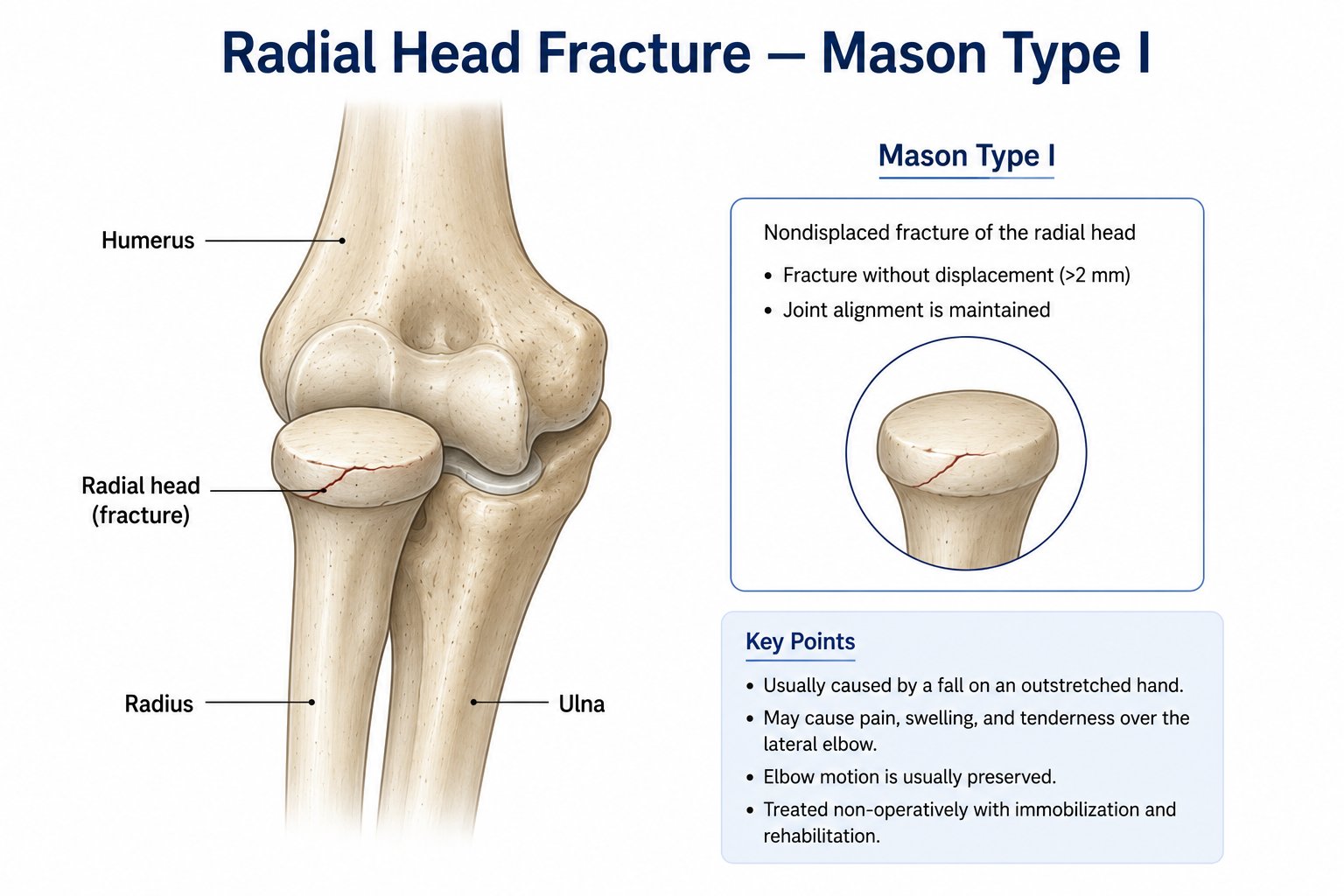
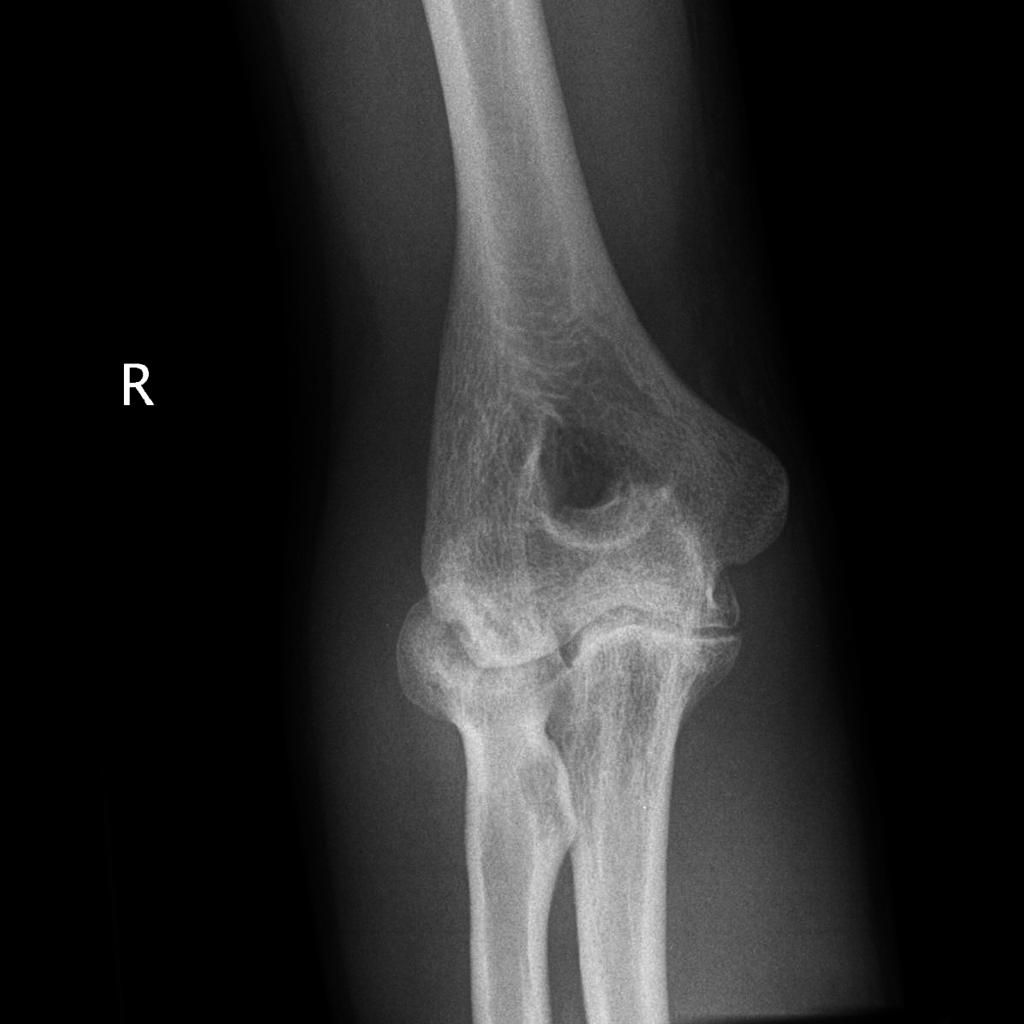
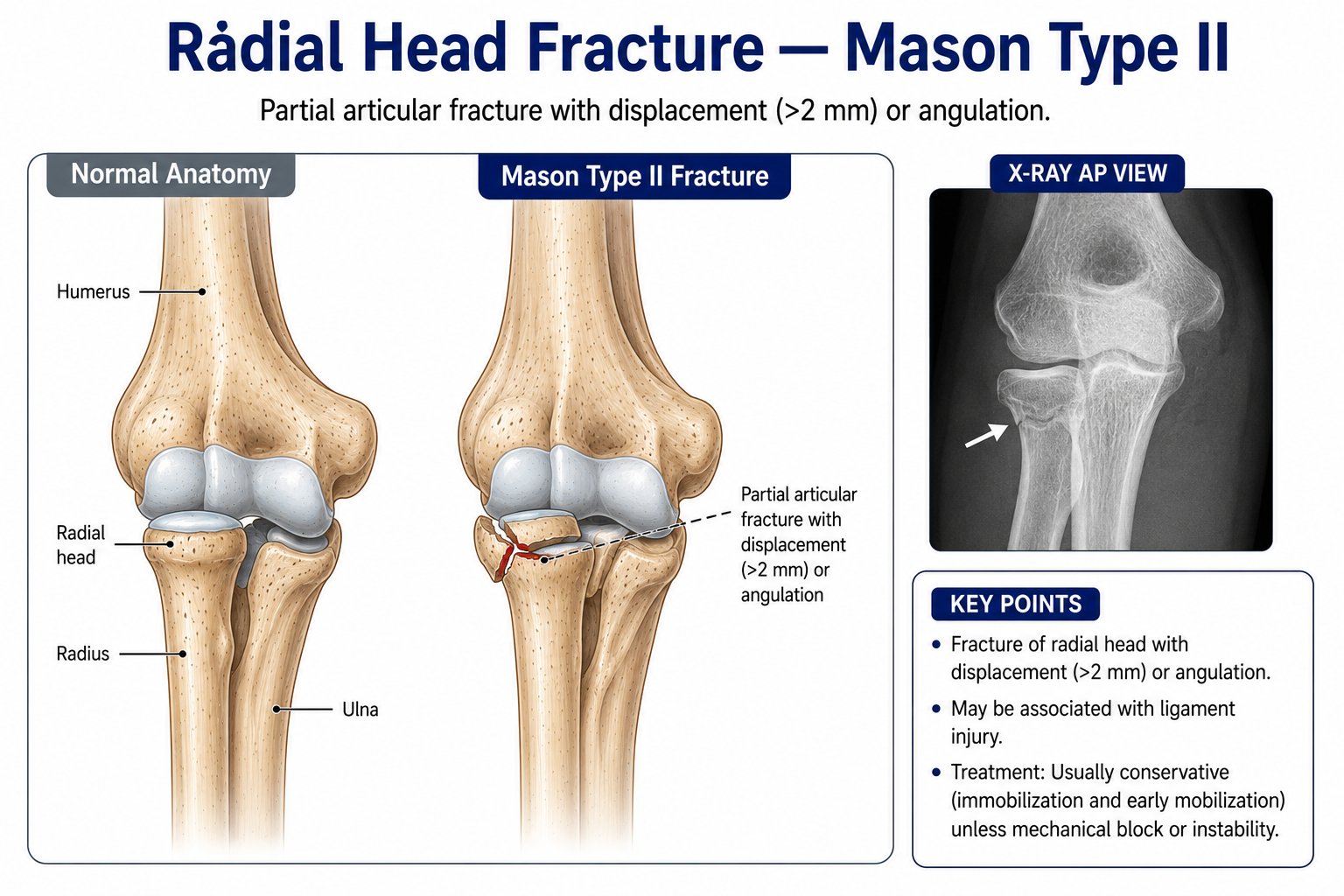
A Mason Type II radial head fracture is a partial articular fracture in which the fracture fragment is displaced by more than 2mm from its native position on the radial head. Unlike Type I fractures (non-displaced), Type II fractures may create a step in the articular surface that causes a mechanical block to forearm rotation, impairs radiocapitellar joint congruity, and — if left untreated — predisposes to early post-traumatic arthritis.
The critical decision in Type II fractures is whether the fragment is causing a mechanical block to forearm rotation (in which case ORIF is clearly indicated) or whether rotation is full and free despite the displacement (in which case careful non-operative management may be appropriate for small fragments involving <25–30% of the radial head articular surface).
When ORIF is performed, the fixation must be placed in the non-articulating “safe zone” of the radial head — the anterolateral 90° arc that does not contact the lesser sigmoid notch of the ulna during forearm rotation. Headless compression screws (Herbert, Acutrak) are countersunk below the articular surface to avoid implant impingement. Early mobilisation from the first post-operative day is essential.
Quick Facts | Details |
Also Known As | Mason II Radial Head Fracture, Displaced Partial Radial Head Fracture |
Affected Area | Radial head articular surface — partial articular fracture (typically involving the antero-lateral segment, which is the primary weight-bearing zone with the capitellum) |
Who It Affects | Adults of any age; slightly more common in young active adults; typical mechanism is a fall onto an outstretched arm with an axial and valgus loading component |
Prevalence | Mason Type II fractures account for approximately 25–30% of radial head fractures; they represent the subset requiring active decision-making regarding operative vs non-operative treatment based on displacement, mechanical block, and associated injuries |
Treatment | ORIF with 2–3 headless compression screws in the non-articulating “safe zone” (anterolateral 90° arc); early mobilisation from day 1 post-op; non-operative selected only for fractures without mechanical block, <2 fragments, and <30% head involvement |
Causes & Risk Factors
- Fall onto an outstretched hand — the primary mechanism; axial and valgus force; the antero-lateral radial head segment is loaded against the capitellum and shears off
- Motor vehicle accidents — dashboard or airbag contact
- Sports injuries — contact sports, cycling falls
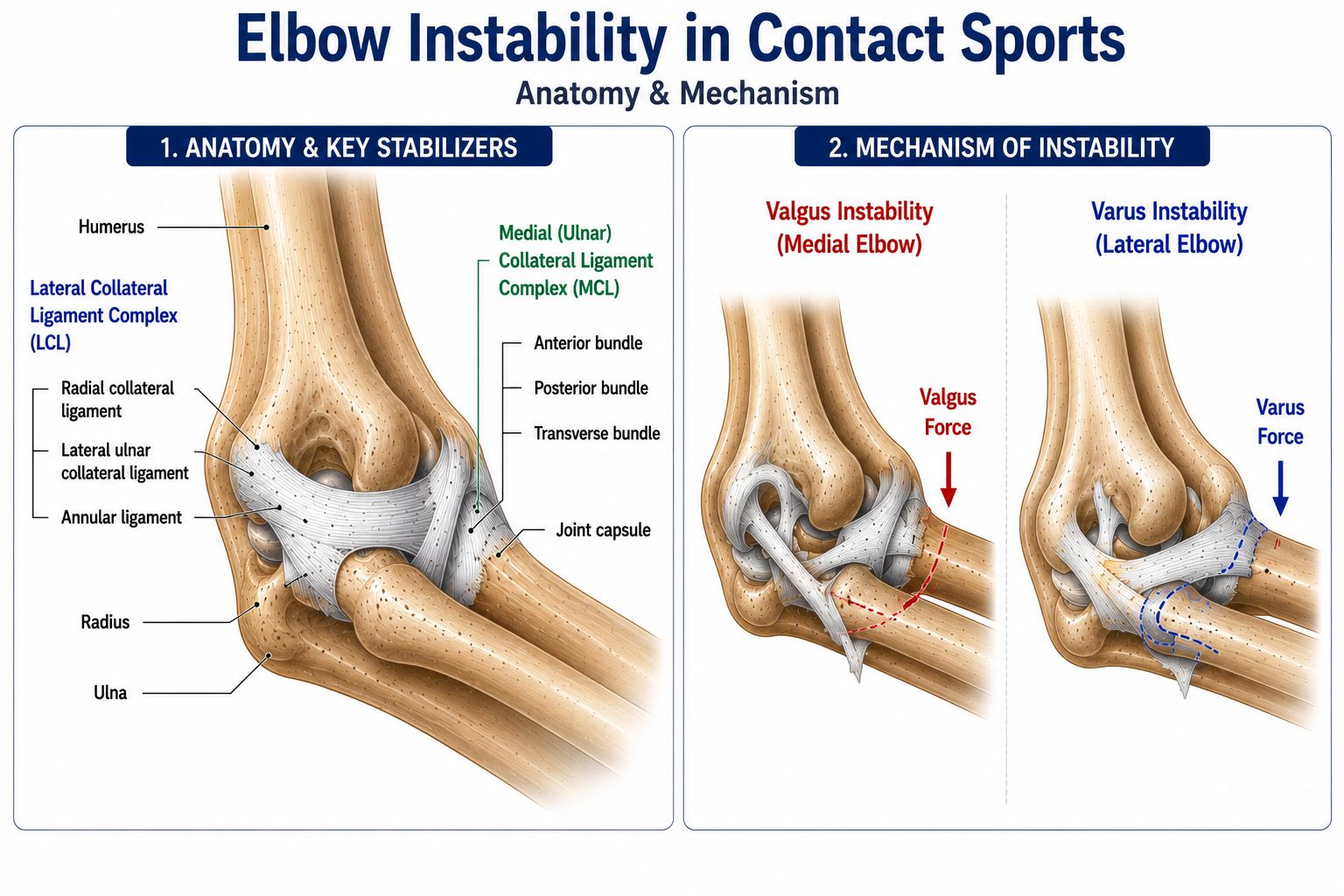
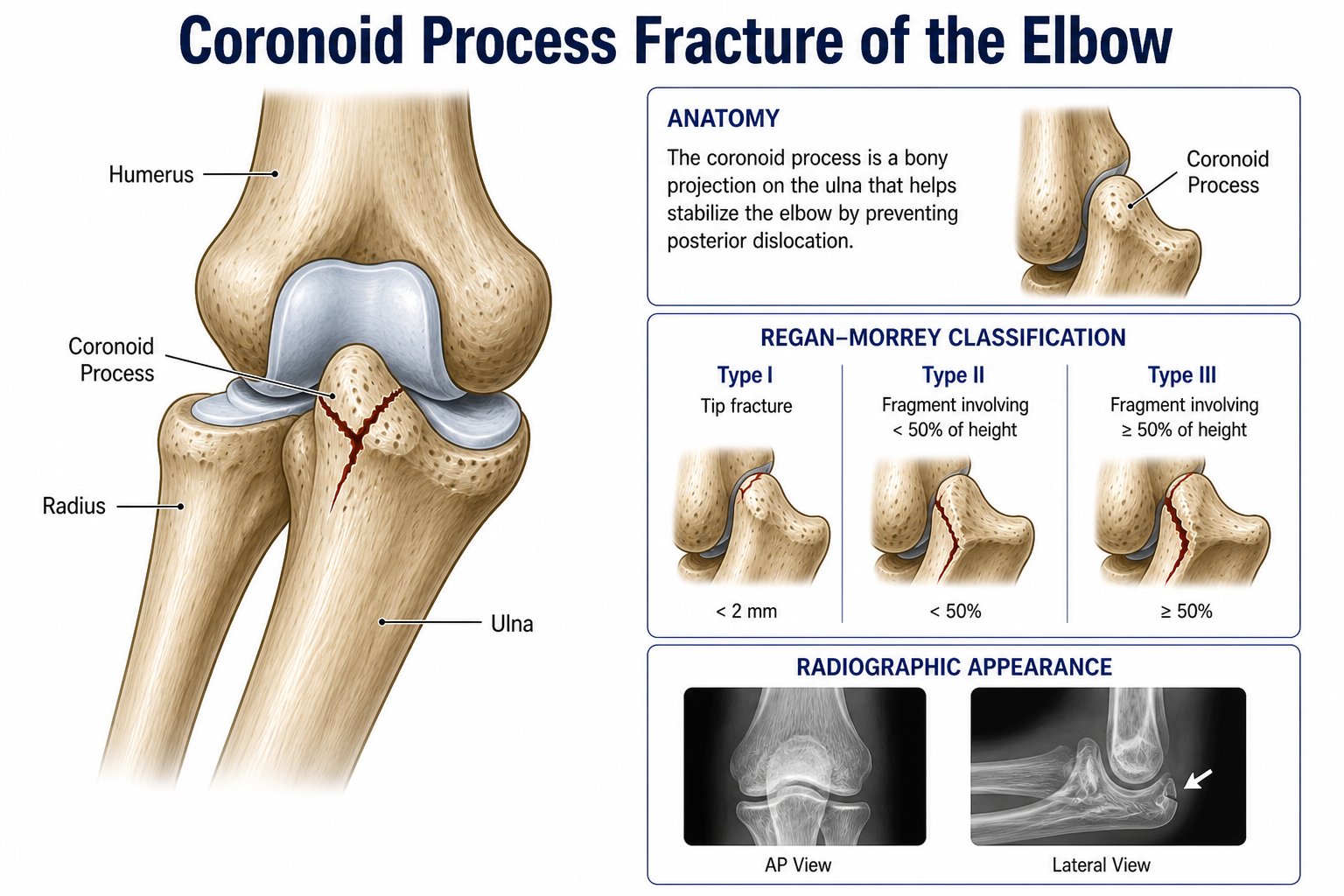
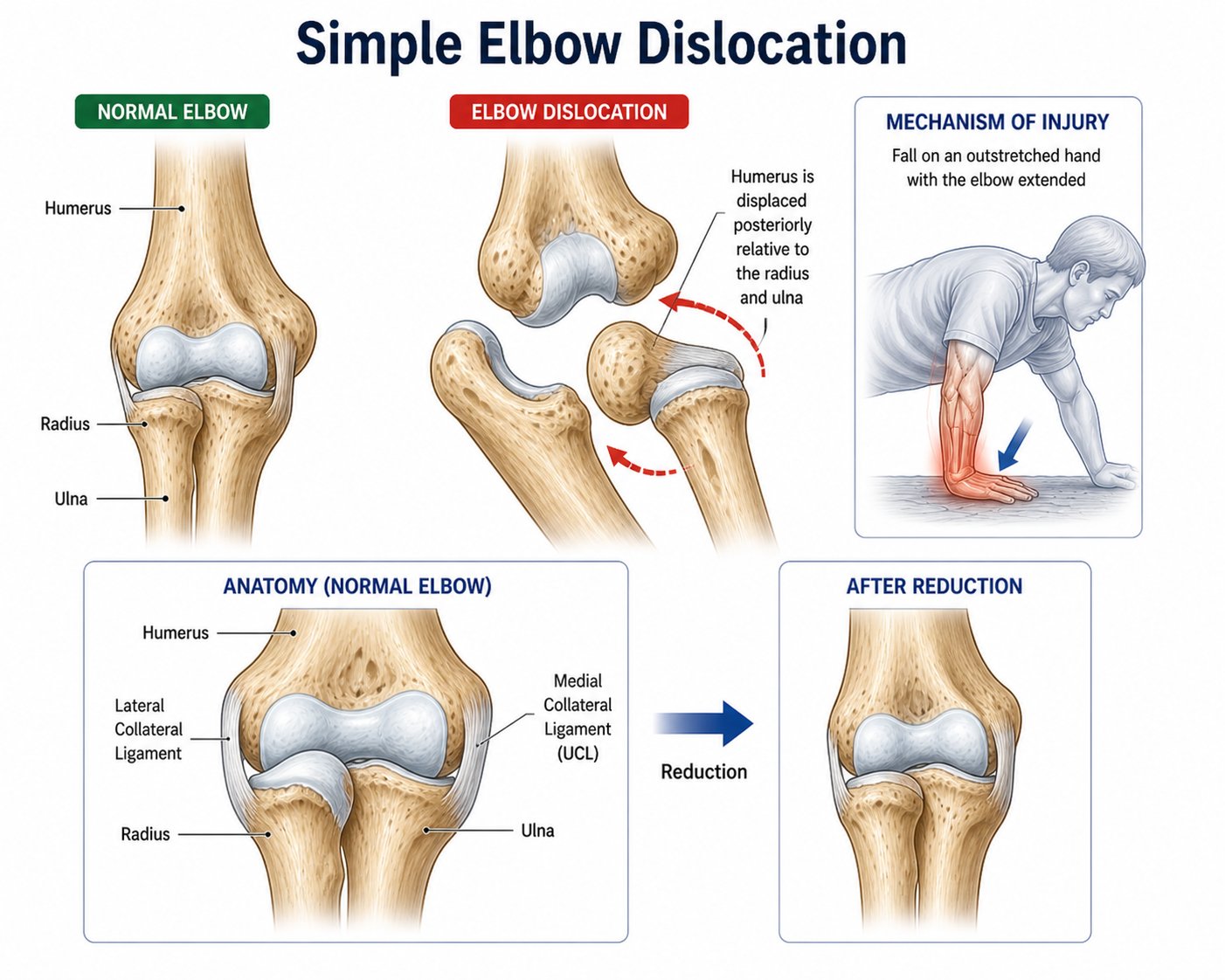
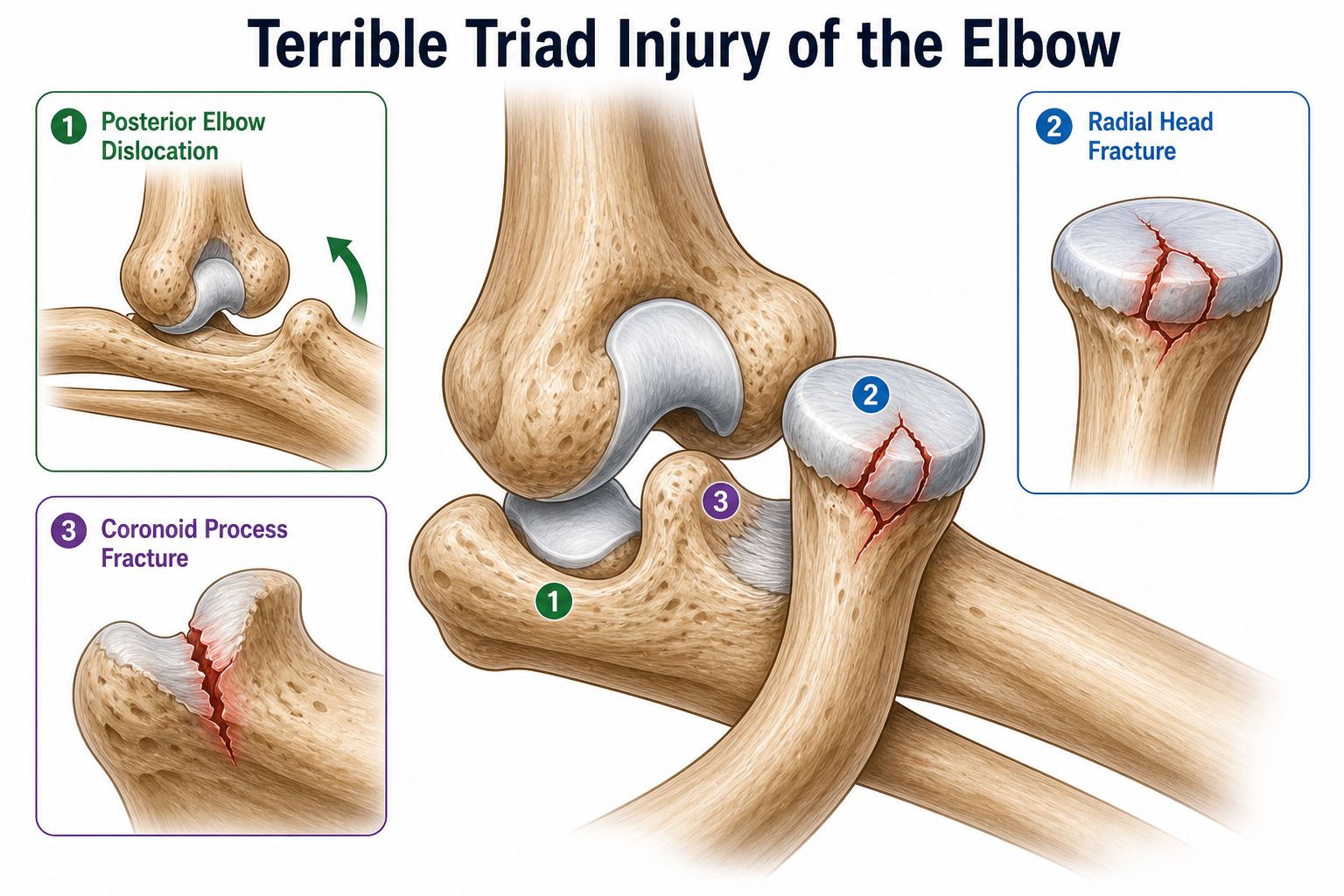
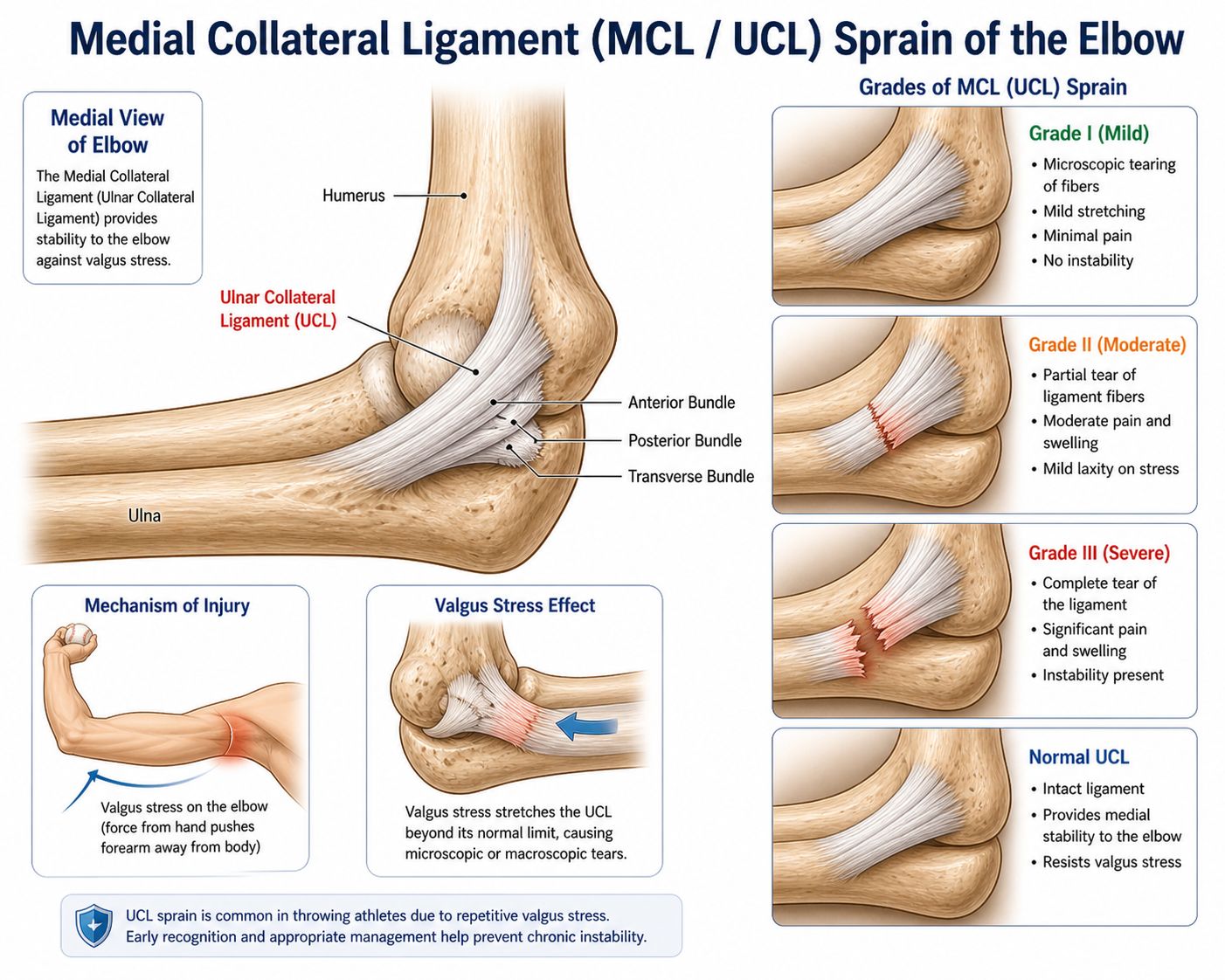
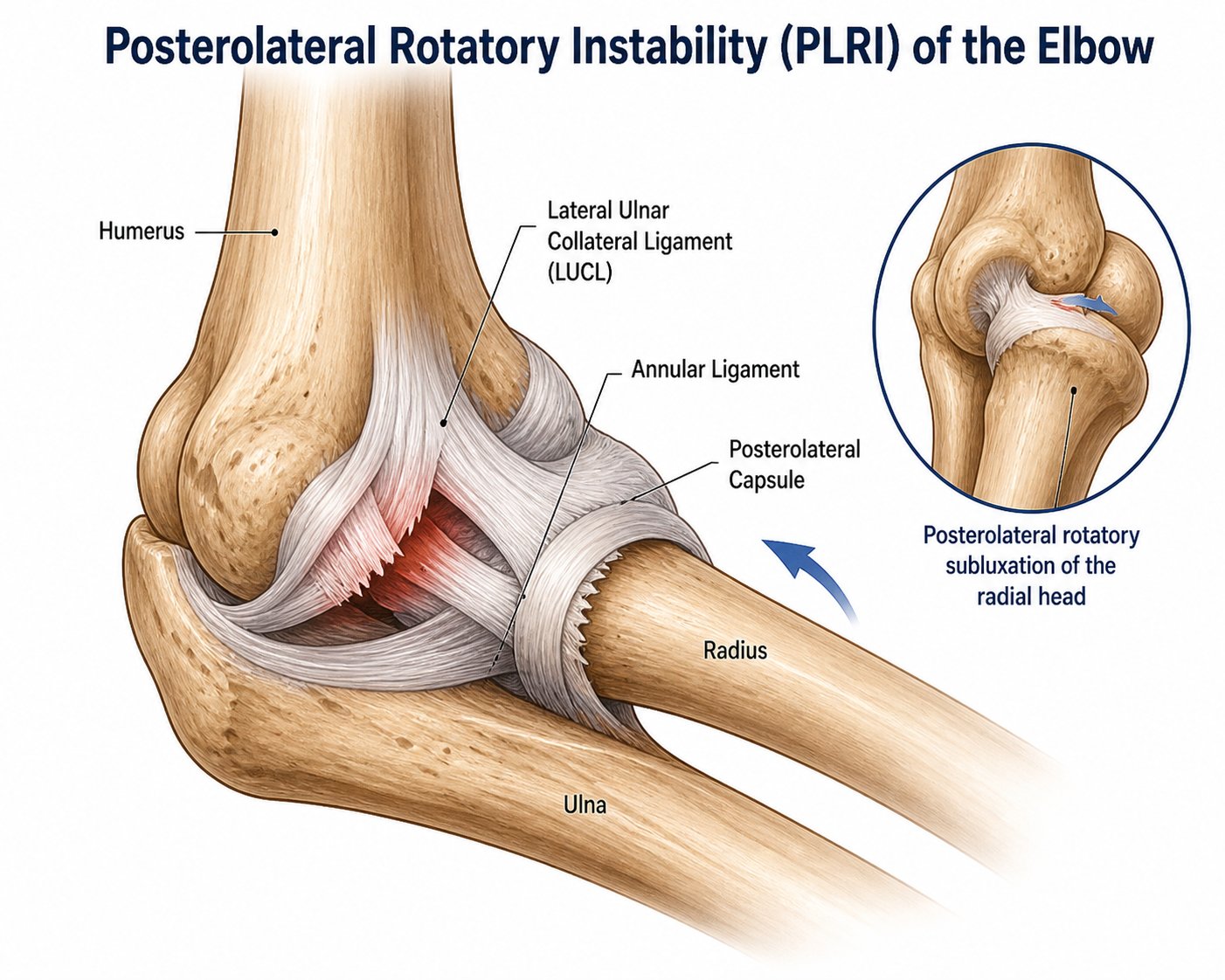
- Associated injuries — Mason II fractures often occur with concurrent injuries: LCL disruption (if valgus force), coronoid fracture (varus posteromedial force), terrible triad components; always exclude concurrent injuries
Symptoms
- Lateral elbow pain — over the radial head; severe in acute injuries
- Restricted and painful forearm rotation — the key assessment point; if there is a hard block to rotation (rather than just pain), ORIF is indicated
- Tenderness over the radial head — 2–3cm distal to the lateral epicondyle
- Swelling — haemarthrosis; anterior fat pad sign on X-ray
- Bruising — lateral elbow; may extend into the forearm
- Exclude concurrent injuries — assess MCL (valgus stress); coronoid (anterior tenderness); DRUJ (wrist pain — Essex-Lopresti); stability after aspiration + LA
How is it Diagnosed?
- Plain X-rays — AP and lateral elbow; displaced articular fragment; fat pad sign; assess for concurrent fractures
- Aspiration + local anaesthetic — essential; aspirate haemarthrosis; inject LA; reassess forearm rotation; if rotation still blocked post-LA → mechanical block → ORIF indicated
- CT scan — RECOMMENDED for all Mason II fractures; precisely defines: fragment size, exact location, number of fragments, displacement, and concurrent injuries; essential for pre-operative planning
- Assessment of concurrent injuries — X-ray of wrist (Essex-Lopresti); valgus stress test for MCL; clinical assessment for coronoid fracture
Treatment Options
Treatment Type | Details |
ORIF — Headless Compression Screws | Kocher or Kaplan interval approach; radial head exposed; anatomical reduction of fragment; 2–3 mini headless compression screws (Acutrak, Herbert) in the non-articulating safe zone (anterolateral 90° arc); screws countersunk below articular cartilage; protect PIN throughout |
Non-Operative (Selected Cases) | For fractures: <2mm displacement (borderline II/I); <25–30% head articular involvement; no mechanical block after LA injection; <2 fragments; stable elbow; closely monitored with serial X-ray and early physiotherapy |
Concurrent Injury Management | If MCL disruption present: stability check post-ORIF; hinged brace if lax; If Essex-Lopresti suspected: reduce radial head first, then assess DRUJ; If coronoid fracture: address coronoid first (see Conditions 16 and 19) |
Early Mobilisation | Critical: active-assisted forearm rotation and elbow flexion-extension from day 1 post-ORIF; physiotherapy from day 1; delay stiffens the elbow rapidly |
Implant Removal | If hardware becomes prominent or symptomatic after healing (typically 12–18 months): outpatient removal |
Recovery & Rehabilitation
- After ORIF: forearm rotation exercises from day 1; full ROM targeted by 6 weeks; strengthening from week 6
- Return to work: office work 2–4 weeks; light manual work 6–8 weeks; heavy manual work 3–4 months
- Return to sport: 3–4 months; contact sport 4–6 months
- Outcome: >85% good-excellent results with properly performed ORIF and early mobilisation; articular step-off <2mm at the time of fixation is the most important prognostic factor
- Late complications: post-traumatic arthritis (related to initial articular damage, not surgery); implant prominence (managed by hardware removal)
Why choose Dr Senthilvelan?
Mason Type II radial head fractures require precise decision-making about operative vs non-operative treatment, accurate CT-based surgical planning, and meticulous headless screw placement in the safe zone. Dr Senthilvelan performs radial head ORIF with routine PIN identification and early mobilisation protocols that minimise stiffness.
Frequently Asked Questions
1. What is the "safe zone" for radial head fixation and why does it matter?
The radial head is not a complete circle that articulates all the way around — only the medial two-thirds of the radial head (approximately 240°) contacts the lesser sigmoid notch of the ulna during forearm rotation. The anterolateral 90° arc is the ‘safe zone’ that does not articulate and is therefore the only safe location to place fixation screws. If screws are placed outside this zone — in the articulating portion — they will impinge against the proximal radioulnar joint during forearm rotation, causing pain, restricted rotation, and joint damage. Identifying the safe zone during surgery is a fundamental technical requirement.
2. What happens if a Mason Type II fracture is not treated?
An untreated Mason Type II fracture with significant displacement can lead to: a permanent mechanical block to forearm rotation (if the fragment is in the rotation arc); post-traumatic radiocapitellar arthritis (from articular step-off and incongruity); lateral elbow instability (if the LCL was also disrupted); and Essex-Lopresti complications if the interosseous membrane was injured. The risk of these outcomes depends on the fragment size, displacement, and concurrent injuries — which is why careful assessment and appropriate treatment decision-making is so important.
3. Can a Mason Type II fracture be treated without surgery?
Yes — for selected fractures. Non-operative management is appropriate when: the fragment involves less than 25–30% of the radial head surface; there is no mechanical block to forearm rotation (confirmed after aspiration and local anaesthetic injection); the fragment displacement is minimal (2–3mm); the elbow is stable overall; and there are fewer than two main fragments. These criteria must be carefully assessed — and the patient must commit to early active physiotherapy and serial X-ray follow-up to confirm no secondary displacement.
4. Is the nerve at risk during this surgery?
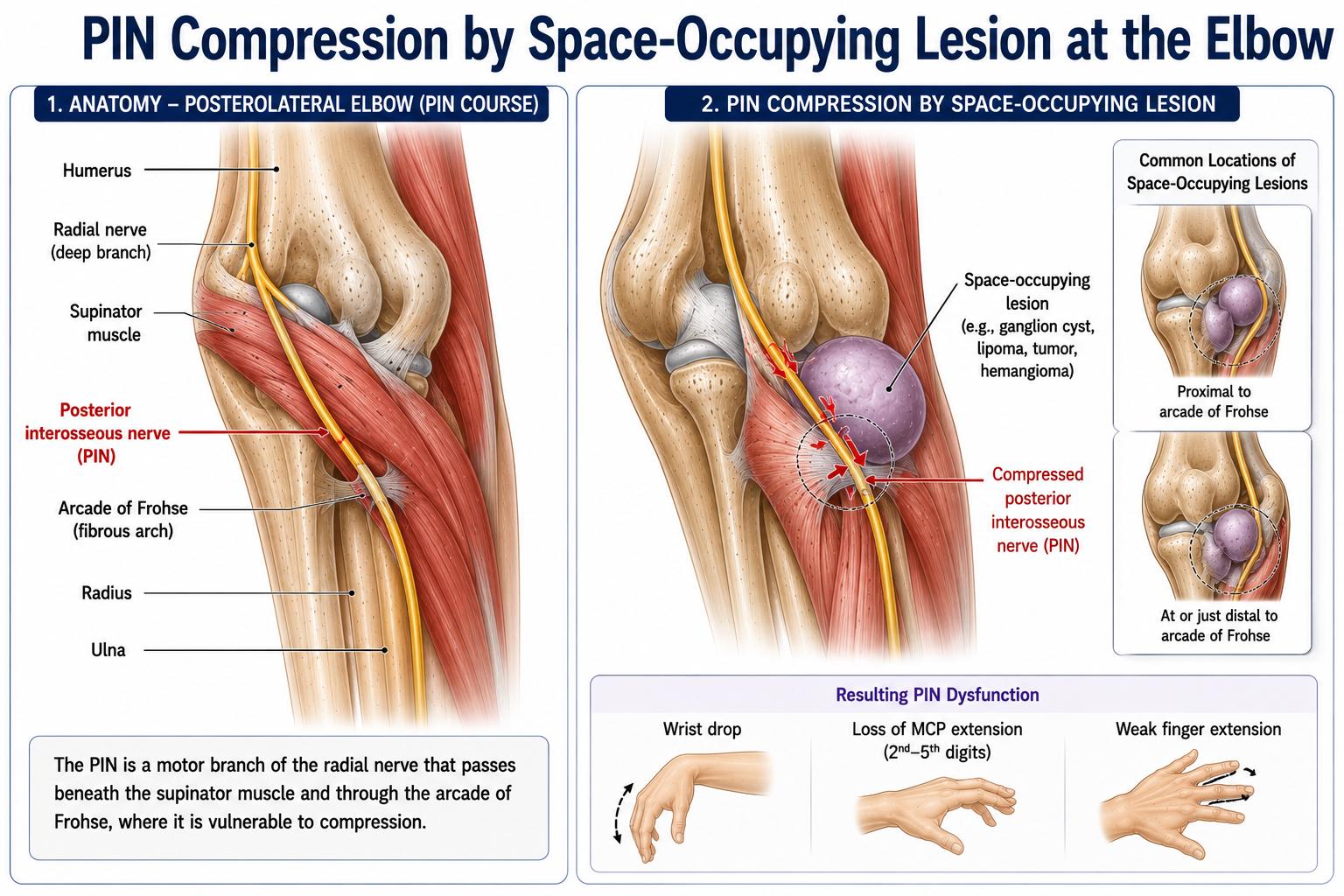
Yes — the posterior interosseous nerve (PIN) is at risk during any surgical approach to the lateral elbow. The PIN enters the radial tunnel and passes through the arcade of Frohse (the supinator) just distal to the radial head. During the Kaplan or Kocher approach to the radial head, the forearm is kept in full pronation throughout the critical surgical steps — this moves the PIN posteriorly away from the operative field. Despite these precautions, transient PIN neuropraxia (temporary finger extension weakness) occurs in approximately 2–3% of radial head surgeries and typically recovers fully within 6–12 weeks.
5. Will I need more surgery in the future after radial head ORIF?
Most patients do not require further surgery. The main reason for secondary procedures is implant prominence — the headless screws can occasionally become palpable or symptomatic as the soft tissue swelling around the elbow resolves, requiring outpatient hardware removal at 12–18 months. A small number of patients develop post-traumatic arthritis years after radial head fracture regardless of treatment quality — this relates to the initial cartilage damage at the time of injury rather than the surgery itself.