Overview
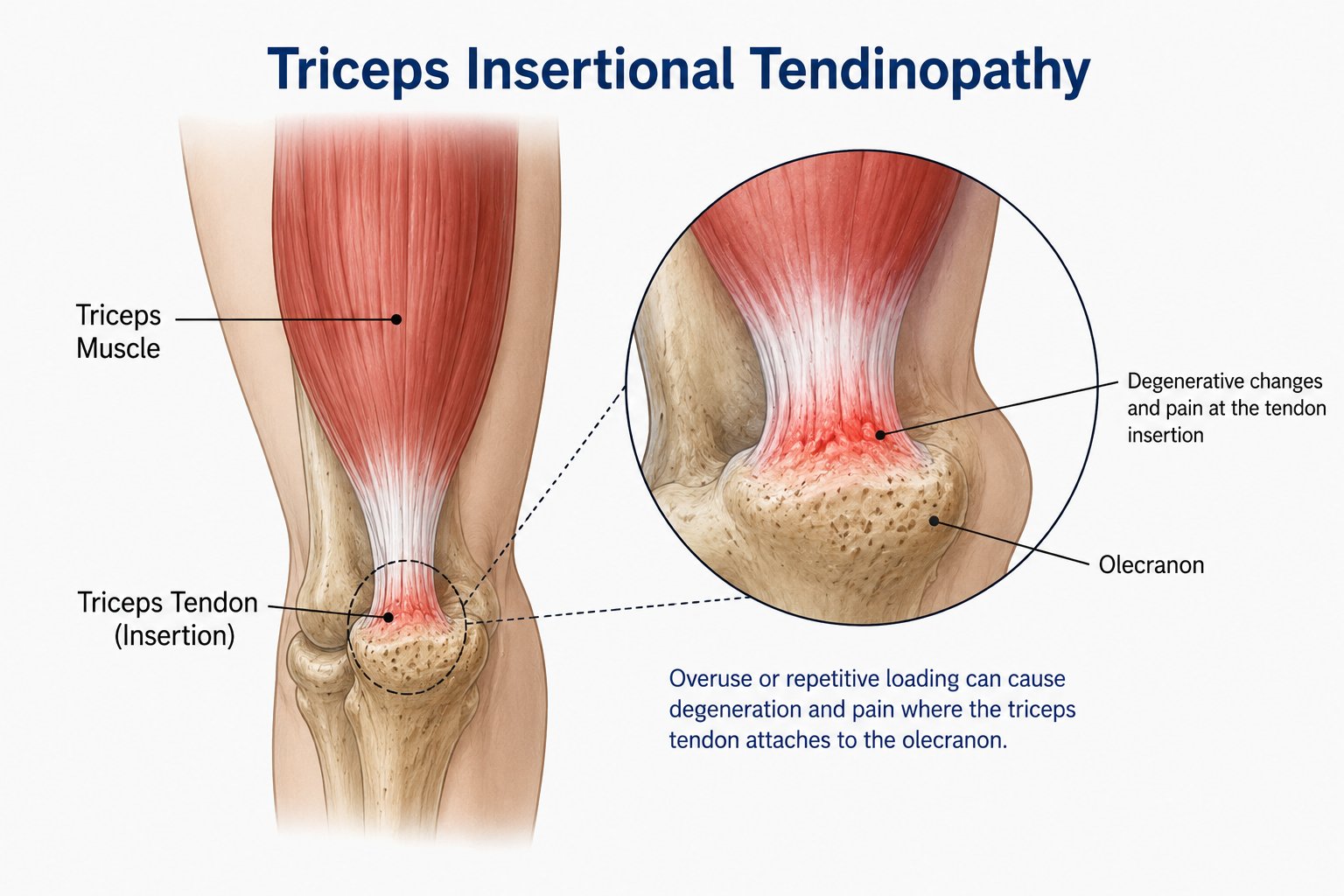
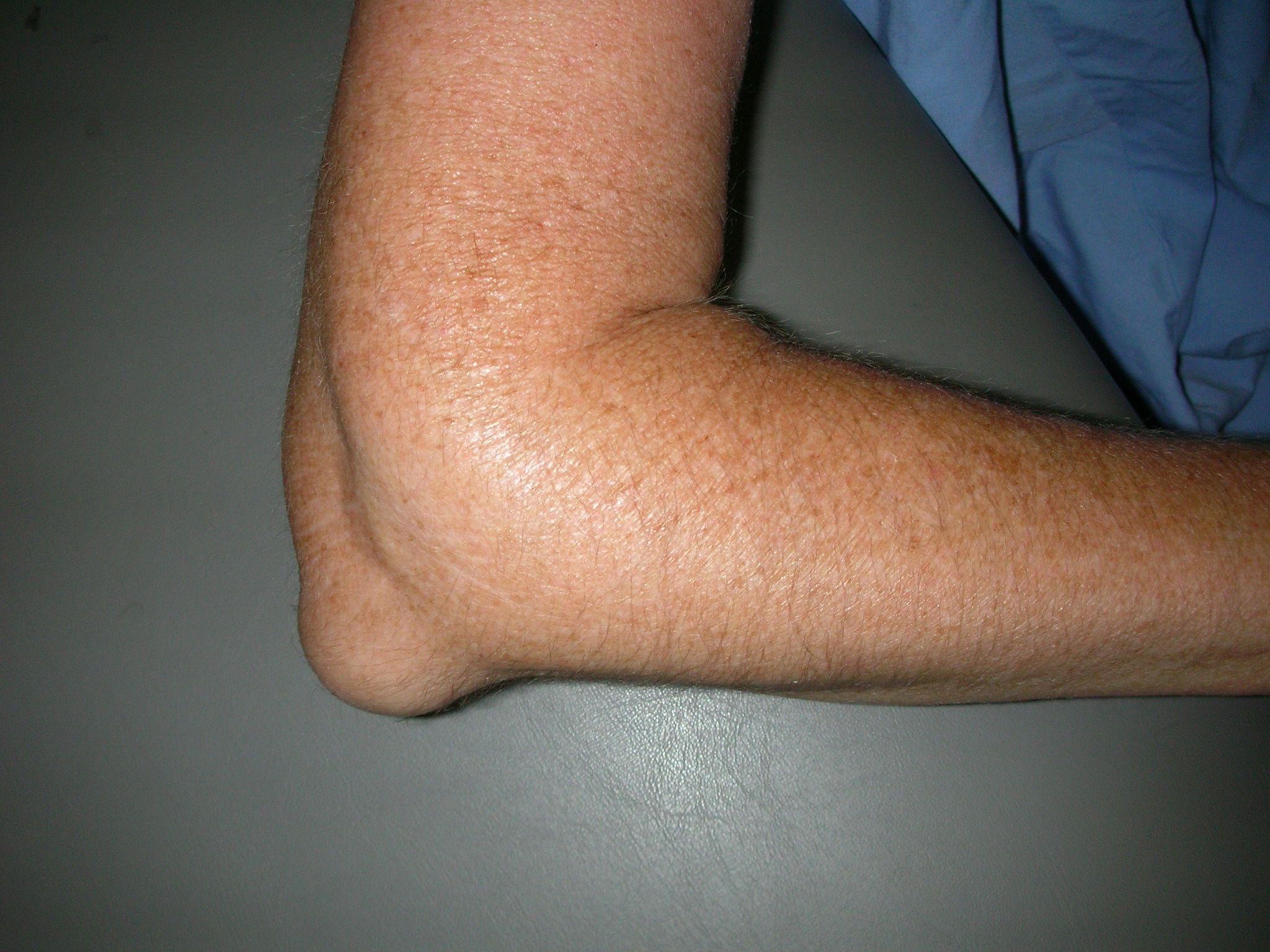
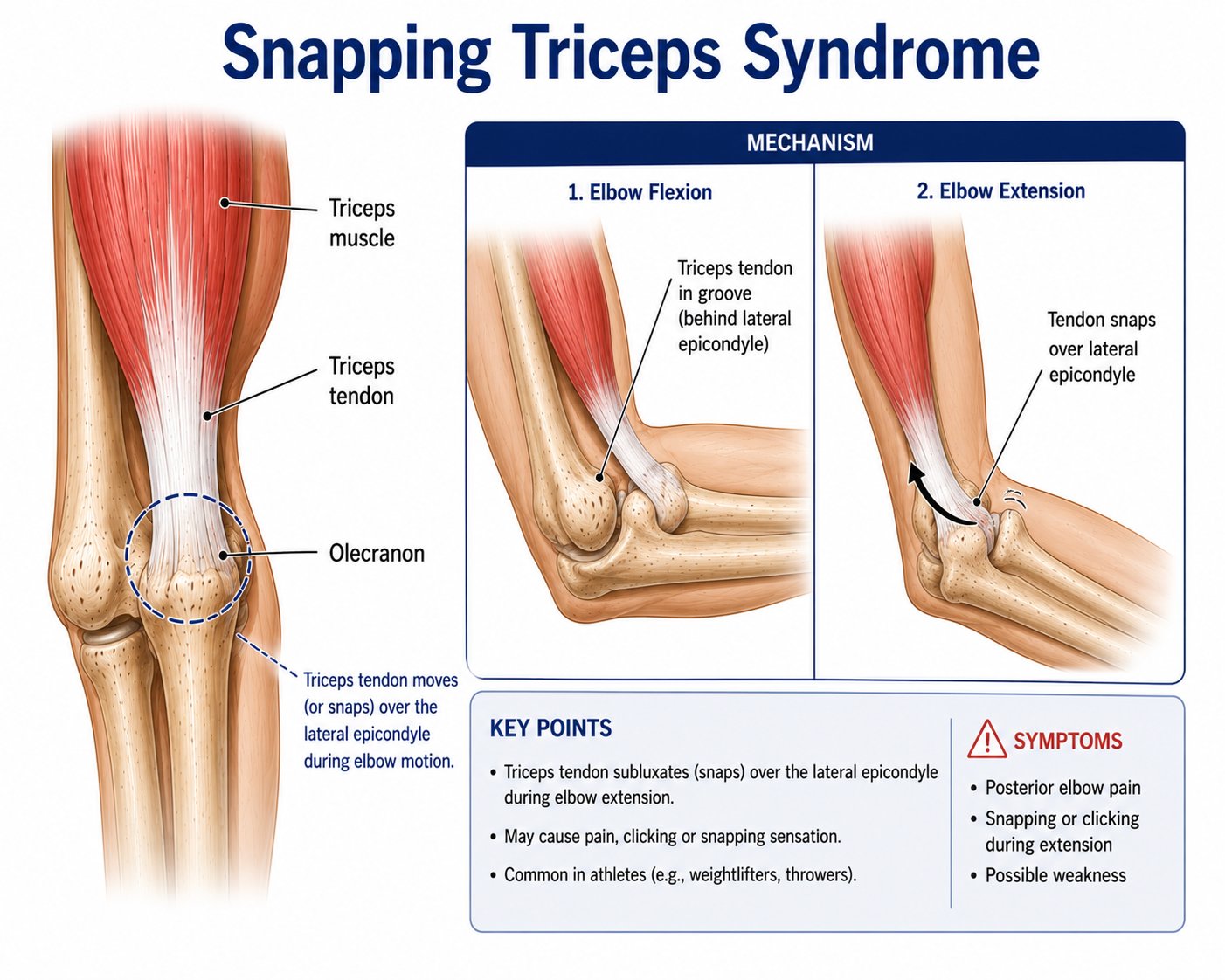
Snapping triceps syndrome occurs when the medial head of the triceps (or the medial border of the triceps tendon) displaces anteriorly over the medial epicondyle during elbow flexion, producing a palpable or audible snap. On elbow extension, it snaps back. In many patients, the ulnar nerve also snaps simultaneously (Condition 29), making the two conditions closely related and often co-existing.
The medial triceps head is a distinct, well-developed muscle belly that can be significantly hypertrophied in bodybuilders and strength athletes. When the cubital tunnel retinaculum is absent or lax, both the ulnar nerve and the medial triceps head may displace together over the epicondyle during flexion.
Diagnosis is best made by dynamic palpation or dynamic ultrasound, which can identify which structure (nerve, triceps, or both) is snapping during active elbow flexion. Treatment is initially conservative, but symptomatic snapping that causes pain, functional limitation, or ulnar nerve irritation may require surgical intervention.
Quick Facts | Details |
Also Known As | Medial Triceps Subluxation, Snapping Elbow — Medial, Triceps Tendon Instability |
Affected Area | Medial head of the triceps; medial border of the triceps tendon; medial epicondyle and cubital tunnel; ulnar nerve |
Who It Affects | Active adults and young athletes, particularly those in throwing sports, overhead sports, bodybuilders with prominent medial triceps development, and patients with generalised ligamentous laxity |
Prevalence | Less common than ulnar nerve subluxation (Condition 29) but often co-exists with it; accounts for a proportion of medial elbow snapping complaints; true prevalence unknown due to frequent confusion with ulnar nerve snapping |
Treatment | Activity modification and anti-inflammatory measures first; surgical medial triceps head transposition or fascial release if conservative treatment fails and snapping causes functional limitation or pain |
Causes & Risk Factors
- Prominent medial triceps head — a well-developed, hypertrophied medial triceps head is predisposed to displacement in individuals with a shallow or absent cubital tunnel groove
- Absent or lax cubital tunnel retinaculum (Osborne’s ligament) — same anatomical variant that causes ulnar nerve subluxation; when the retinaculum is absent, both the nerve and the triceps can displace
- Generalised ligamentous laxity — hypermobile individuals are predisposed to snapping of multiple periarticular structures
- Repetitive overhead and elbow flexion activities — throwing, swimming, gymnastics; repeated flexion cycles cause progressive attenuation of the medial restraints
- Prior medial elbow surgery — cubital tunnel surgery can alter the anatomy and predispose to triceps snapping
- Anatomical variant — some individuals have a distinct accessory medial triceps head that is particularly prone to anterior displacement
Symptoms
- Palpable or audible snapping at the medial elbow during flexion — the defining symptom
- Medial elbow pain — localised to the medial epicondyle; often most noticeable during or after repeated elbow flexion activities
- Concurrent ulnar nerve symptoms — tingling and numbness in the ring and little fingers in cases where the ulnar nerve is also subluxating
- Activity-related exacerbation — worse with throwing, bench pressing, pull-ups, and repeated elbow flexion-extension
- Tenderness over the medial epicondyle and triceps insertion on the medial side
- Patient can often demonstrate the snap — active elbow flexion in front of a mirror; patients are acutely aware of the sensation
- Differentiation from ulnar nerve snap — dynamic ultrasound distinguishes the two; both can feel similar to the patient
How is it Diagnosed?
- Clinical examination — palpate the medial elbow during slow active elbow flexion; feel which structure (nerve, triceps, or both) displaces over the epicondyle; assess cubital tunnel contents; Tinel sign; motor and sensory testing for ulnar nerve involvement
- Dynamic ultrasound (diagnostic gold standard) — real-time visualisation during active elbow flexion; clearly identifies whether the ulnar nerve, medial triceps, or both are snapping; assesses the cubital tunnel retinaculum; quantifies the degree of displacement
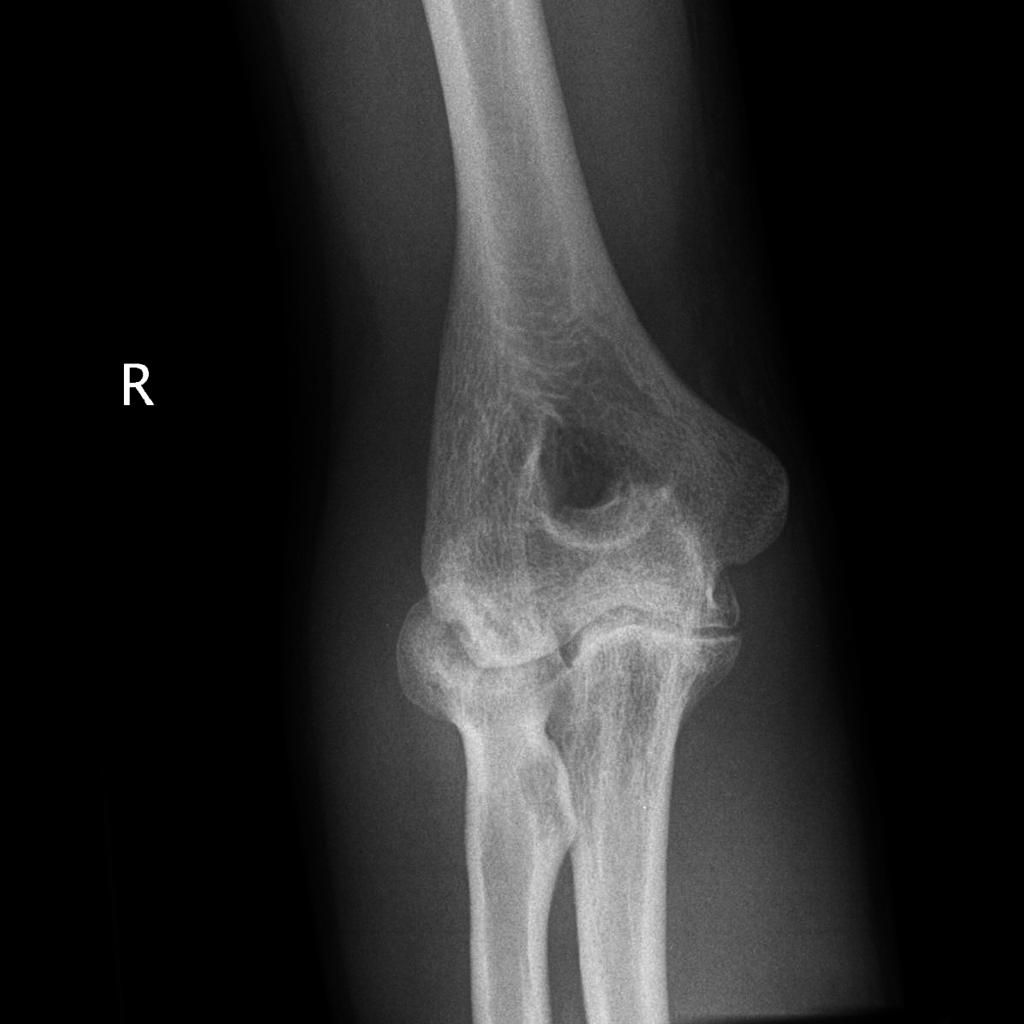
- MRI — medial triceps hypertrophy; cubital tunnel retinaculum absence; concurrent ulnar nerve changes; useful for surgical planning
- Plain X-rays — assess medial epicondyle morphology; exclude calcification or bony abnormality

Treatment Options
Treatment Type | Details |
Activity Modification | Reduce or avoid provocative activities (heavy triceps exercises, throwing); modify training programme; often adequate for mild or intermittently symptomatic snapping |
Corticosteroid Injection | Peritendinous injection around the medial triceps head; reduces local inflammation; provides temporary relief; not a long-term solution |
Physiotherapy | Eccentric triceps loading; medial elbow stability training; proprioception; may reduce frequency and severity of snapping |
Surgical Medial Triceps Transposition | For symptomatic snapping with pain or functional limitation unresponsive to conservative treatment; the medial head of the triceps is identified and sutured to the posterior fascia of the arm to prevent anterior displacement; concurrent ulnar nerve transposition if the nerve is also subluxating |
Medial Triceps Fascia Release | For cases where the snap is due to a tight medial triceps fascia riding over the epicondyle; selective fascial release in the plane of the snapping; avoids moving the muscle belly |
Recovery & Rehabilitation
- After conservative treatment: most mild cases improve with activity modification over 4–8 weeks; return to training with modification
- After surgical transposition: sling 2 weeks; gentle ROM from week 1; physiotherapy from week 2; return to throwing and overhead sport: 3–4 months
- If concurrent ulnar nerve transposition performed: recovery as per Condition 23 (anterior subcutaneous transposition)
- Outcomes: 80–85% resolution of snapping and pain with surgical treatment; recurrence uncommon if the transposition is performed correctly
Why choose Dr Senthilvelan?
Snapping triceps syndrome is often misdiagnosed as isolated ulnar nerve subluxation. Dr Senthilvelan uses dynamic ultrasound assessment to precisely identify the snapping structure before planning surgery, and addresses both the medial triceps and the ulnar nerve concurrently when both are involved.
Frequently Asked Questions
1. How do I know if my medial elbow snap is the triceps or the nerve?
The two conditions — snapping triceps and ulnar nerve subluxation — feel very similar and often co-exist. Dynamic ultrasound is the most reliable way to distinguish them: the ultrasound probe is placed over the medial epicondyle during active elbow flexion in real time, clearly identifying which structure (nerve, medial triceps, or both) displaces anteriorly. Clinical examination can sometimes detect a difference — the ulnar nerve snaps as a taut cord, while the medial triceps snaps as a broader, softer structure — but ultrasound provides the definitive answer.
2. Is snapping triceps syndrome always painful?
No — many individuals with medial triceps subluxation are aware of the snapping but have no pain or functional limitation. Asymptomatic snapping requires no treatment. The condition becomes clinically relevant when the snapping is painful, causes localised inflammation at the medial epicondyle, or is associated with ulnar nerve irritation. The decision to treat is based entirely on symptoms, not on the presence of snapping alone.
3. Can this cause permanent damage if left untreated?
For pure, isolated medial triceps snapping without ulnar nerve involvement, long-term structural damage is unlikely but possible — repeated snapping over years can cause local tendon wear, medial epicondyle irritation, and progressive medial elbow pain. When the ulnar nerve is also subluxating concurrently, the concern is more significant — repeated nerve trauma can lead to progressive cubital tunnel syndrome with neurological deficit. This is why ulnar nerve involvement should always be assessed and addressed if present.
4. I am a bodybuilder with a very prominent medial triceps head that snaps — can this be prevented?
In bodybuilders with a hypertrophied medial triceps, the snapping is often a consequence of the muscle bulk relative to the available space in the medial cubital tunnel area. Activity modification — particularly reducing the emphasis on triceps isolation exercises (such as triceps pushdowns with extreme elbow flexion range) — can reduce the frequency of snapping. Avoiding exercises that repeatedly take the elbow from full extension to full flexion under load is beneficial. If snapping persists and is symptomatic, surgical transposition provides durable relief.
5. If I have surgery, can I return to bodybuilding?
Yes — after medial triceps transposition surgery, a return to full bodybuilding training including triceps exercises is typically achieved at 3–4 months post-operatively with a graduated loading programme. The surgical transposition secures the medial triceps head against anterior displacement, so the snapping should not recur. Full training volume and intensity can be gradually restored over the 3–6 month recovery period.