Overview
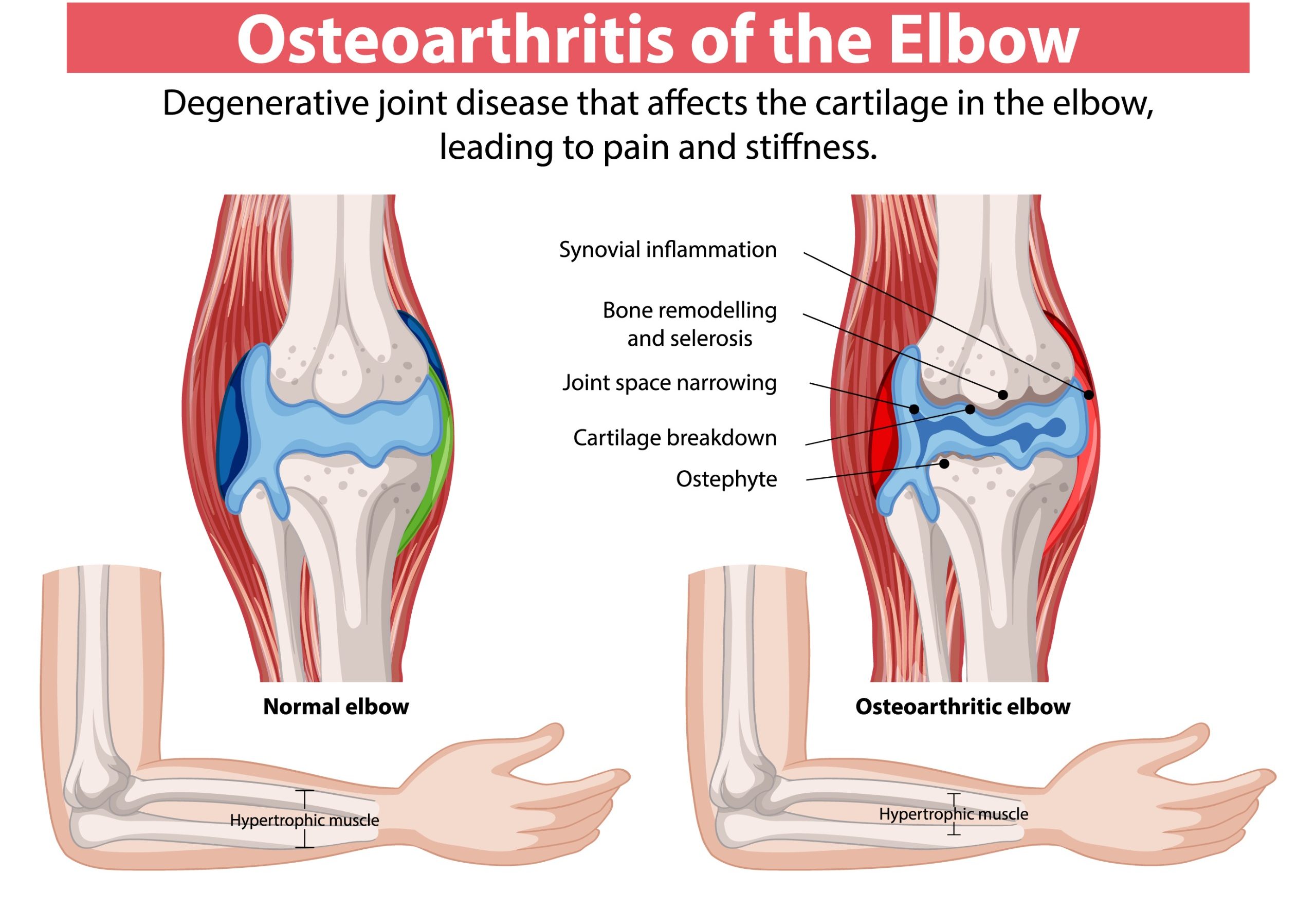
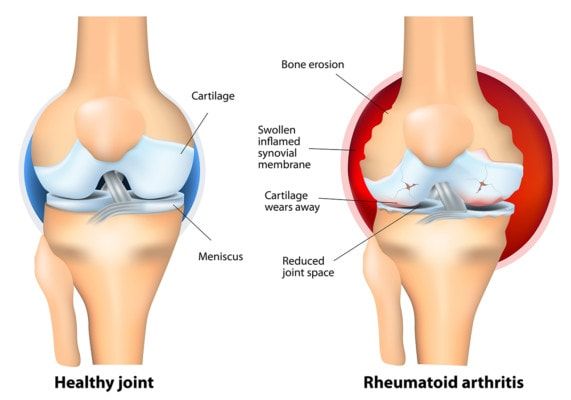
Rheumatoid arthritis (RA) is a systemic autoimmune condition in which the body’s immune system attacks the synovial lining of joints, causing chronic inflammation (synovitis). In the elbow, this leads to progressive synovial thickening, destruction of the articular cartilage, erosion of subchondral bone, and eventual joint collapse.
Elbow involvement in RA typically begins as painful swelling and stiffness, with gradual loss of the extension arc. Without effective medical treatment, the disease progresses through established Larsen grades from I (minimal erosion) to V (complete joint destruction). The medial column is often preferentially affected, and ulnar nerve involvement is common.
Modern biological therapies (TNF inhibitors, JAK inhibitors) have dramatically improved disease control, and fewer patients now progress to requiring surgical intervention. However, in patients with established joint damage, Dr Senthilvelan offers highly effective surgical solutions — including arthroscopic synovectomy for early-moderate disease and total elbow arthroplasty for end-stage disease.
Quick Facts | Details |
Also Known As | RA Elbow, Rheumatoid Elbow, Inflammatory Elbow Arthritis |
Affected Area | Ulnohumeral, radiocapitellar and proximal radioulnar joints; periarticular soft tissues |
Who It Affects | Affects 1% of the population; elbow involved in up to 50% of RA patients; women more commonly than men (3:1) |
Prevalence | Elbow involvement present in ~50% of patients with established RA; the third most commonly affected upper limb joint |
Treatment | Medical management (DMARDs, biologics) is first-line; arthroscopic synovectomy for Larsen grade I–III; total elbow arthroplasty for grade IV–V |
Causes & Risk Factors
- Autoimmune dysregulation — immune cells attack the synovial membrane causing chronic inflammation
- Genetic susceptibility — HLA-DR4 and other MHC class II alleles increase risk
- Environmental triggers — smoking is the single most modifiable risk factor for RA severity
- Female sex and hormonal factors — oestrogen modulates immune response; more common in women
- Elbow-specific: hypertrophied synovium fills the joint, blocks movement, and erodes cartilage and bone
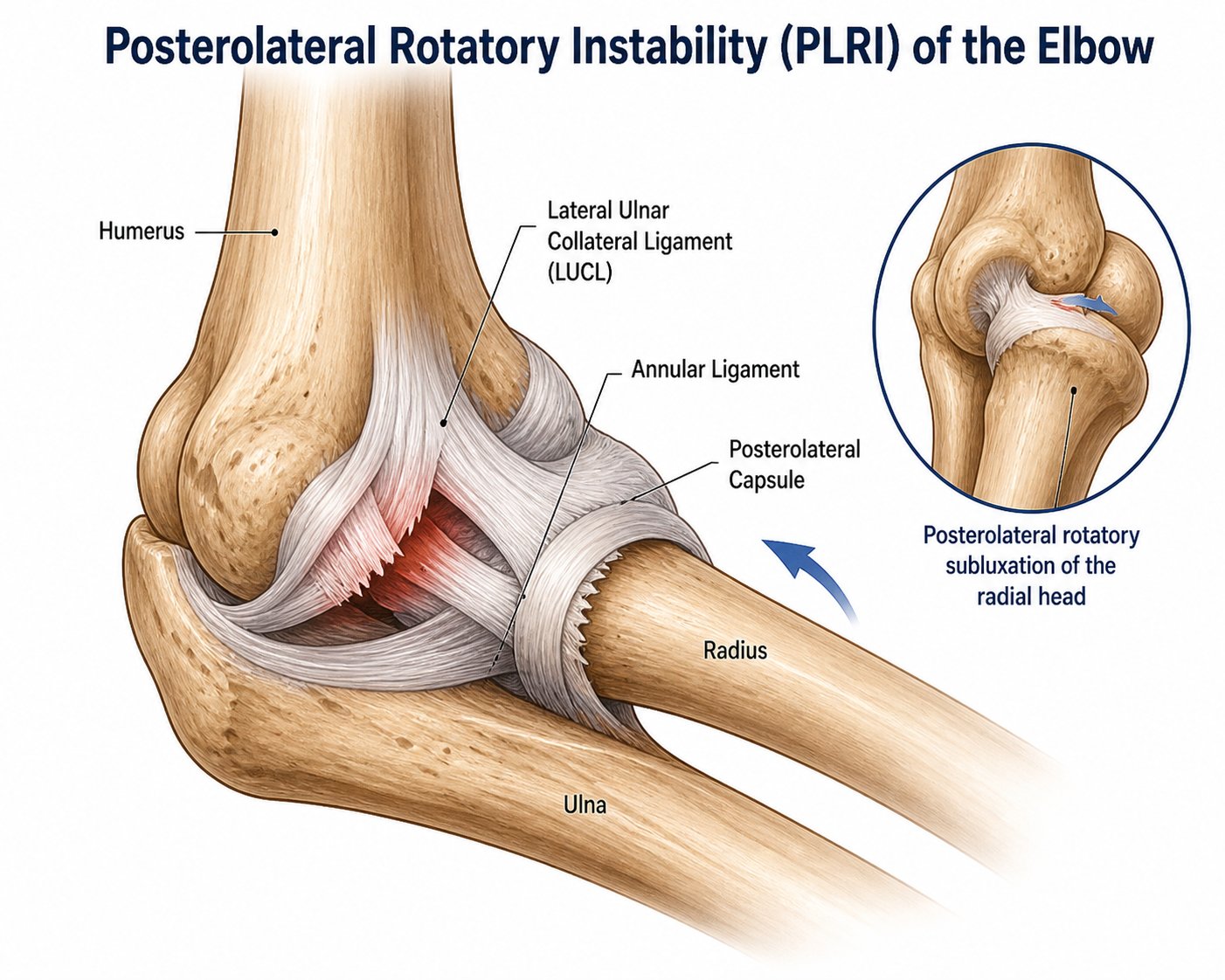
- Subluxation risk — in advanced RA, the radial head can sublux as lateral ligamentous structures are eroded
- Bilateral tendency — RA typically affects both elbows, though often asymmetrically
Symptoms
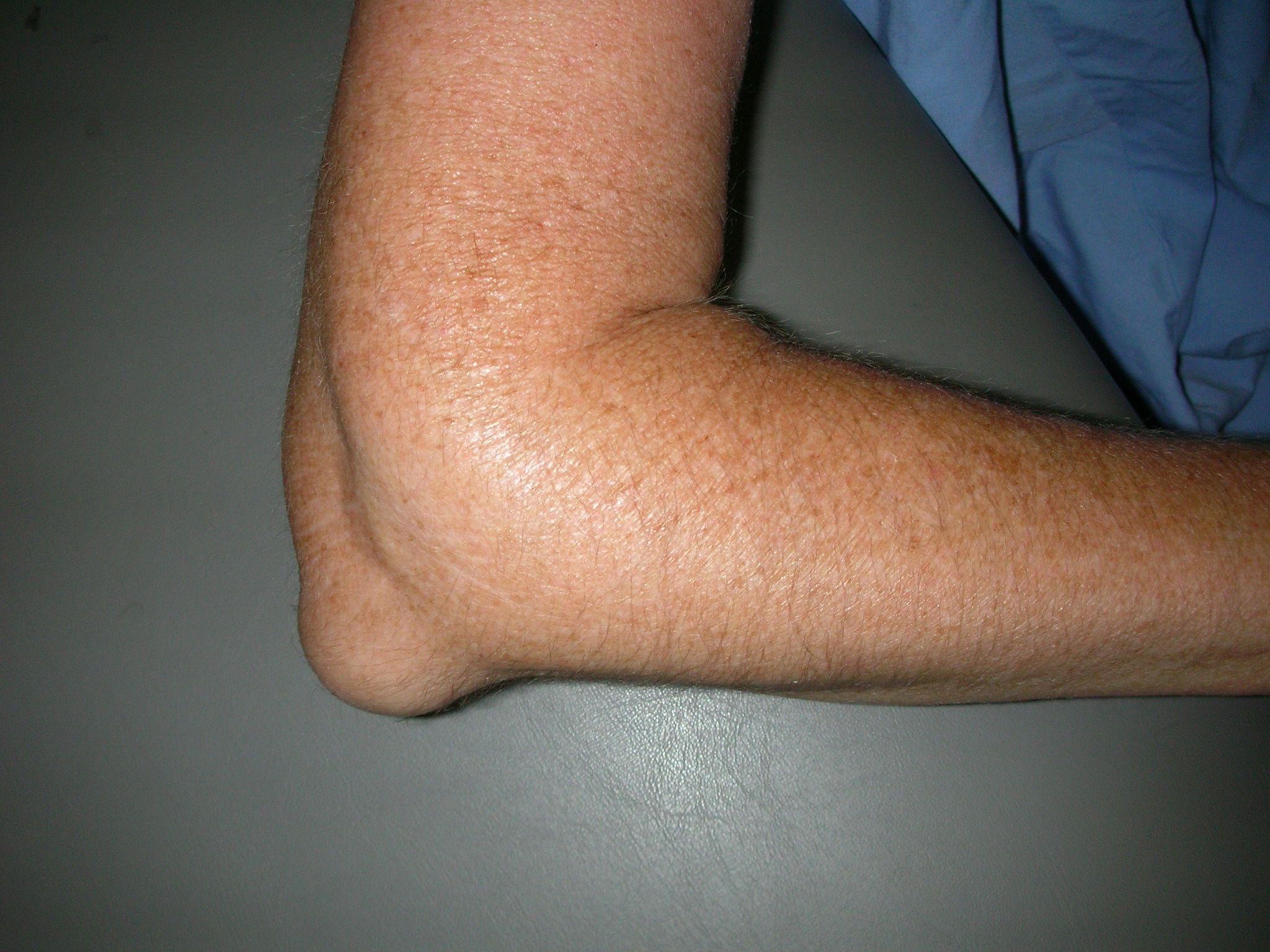
- Synovitis — painful, boggy swelling around the entire elbow; typically bilateral but asymmetric
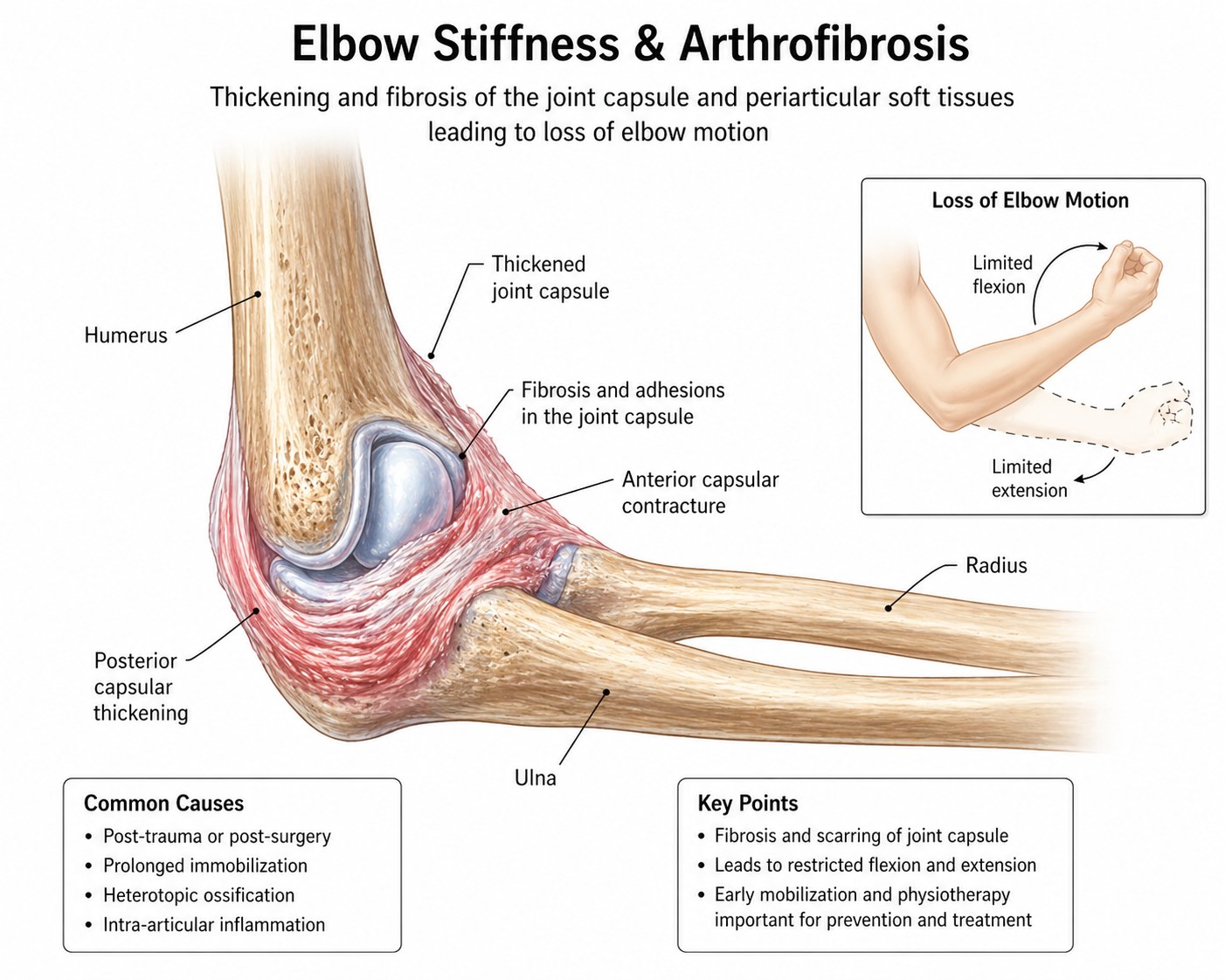
- Loss of full extension — early sign; a flexion contracture of even 10–15° is noticeable and limiting
- Loss of forearm rotation — pronation and supination restricted as radiocapitellar joint is involved
- Morning stiffness — characteristically lasting >30 minutes; classic RA hallmark
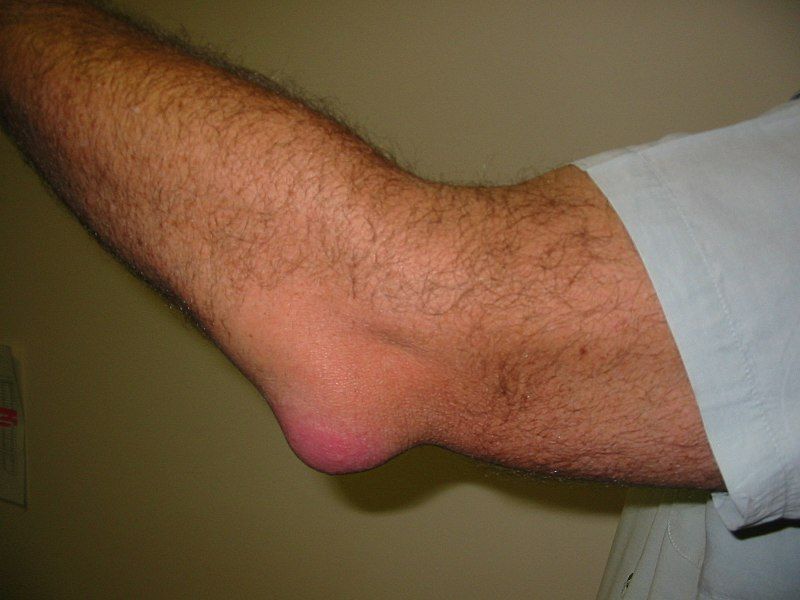
- Rheumatoid nodules — firm subcutaneous lumps at the olecranon or along the forearm in 20–30%
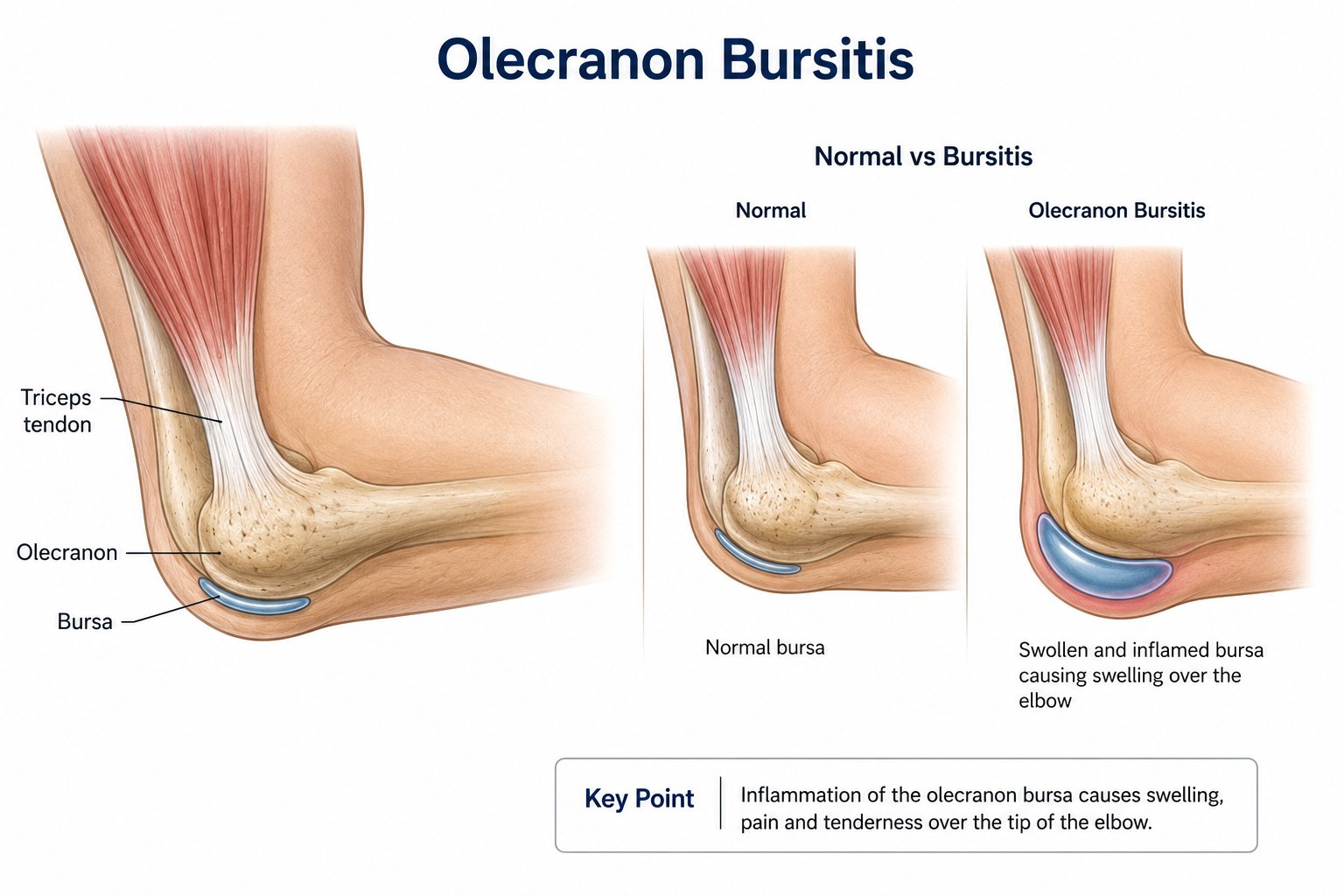
- Olecranon bursitis — fluctuant swelling at the tip of the elbow; common in RA
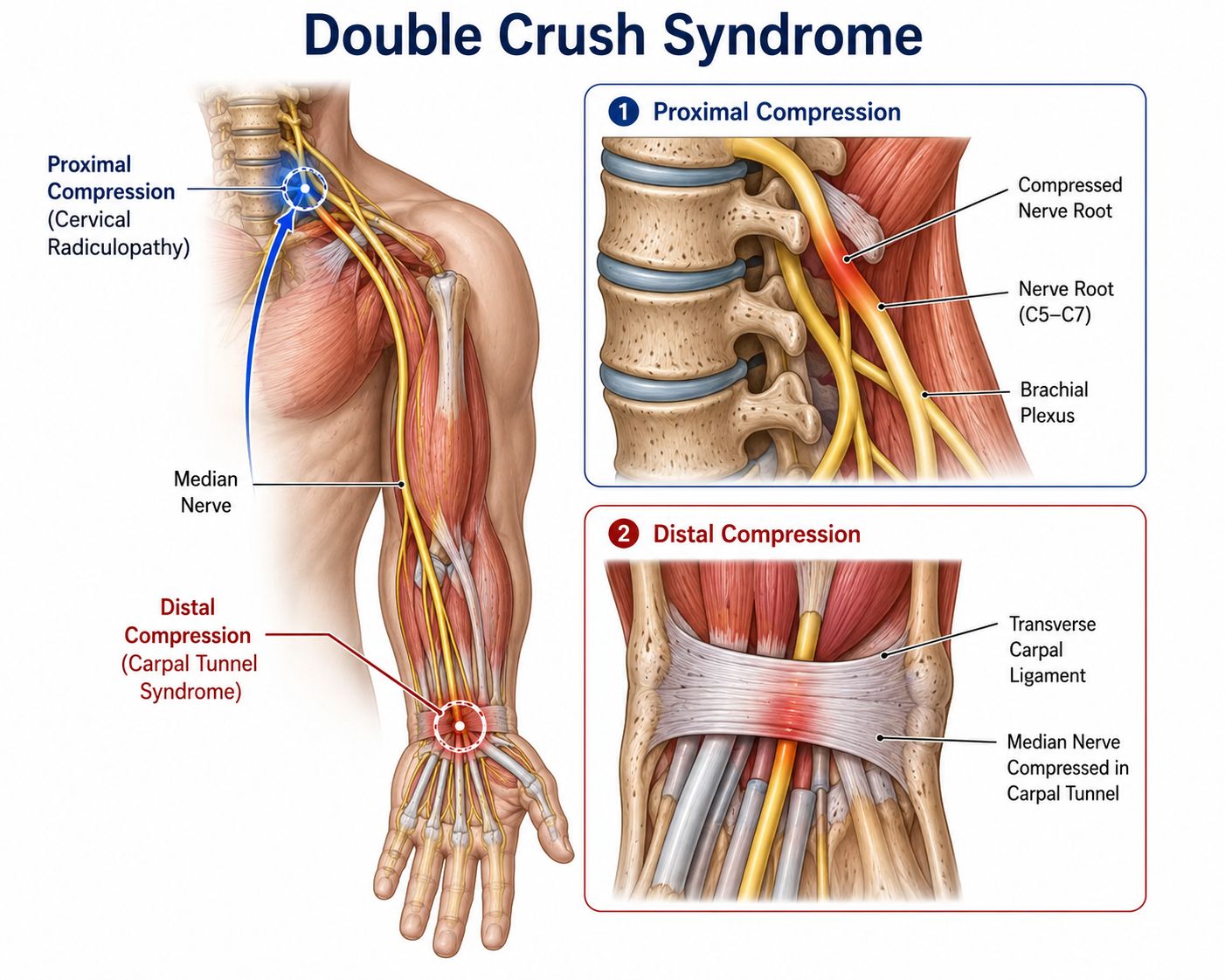
- Ulnar nerve symptoms — tingling or weakness in ring and little fingers from cubital tunnel involvement
- Joint instability — lateral or posterolateral instability in advanced disease as ligaments are eroded
How is it Diagnosed?
- Clinical examination — assess ROM, synovial thickening, elbow alignment, nerve function, grip strength
- Blood tests — RF, anti-CCP antibodies, ESR, CRP, FBC, LFT
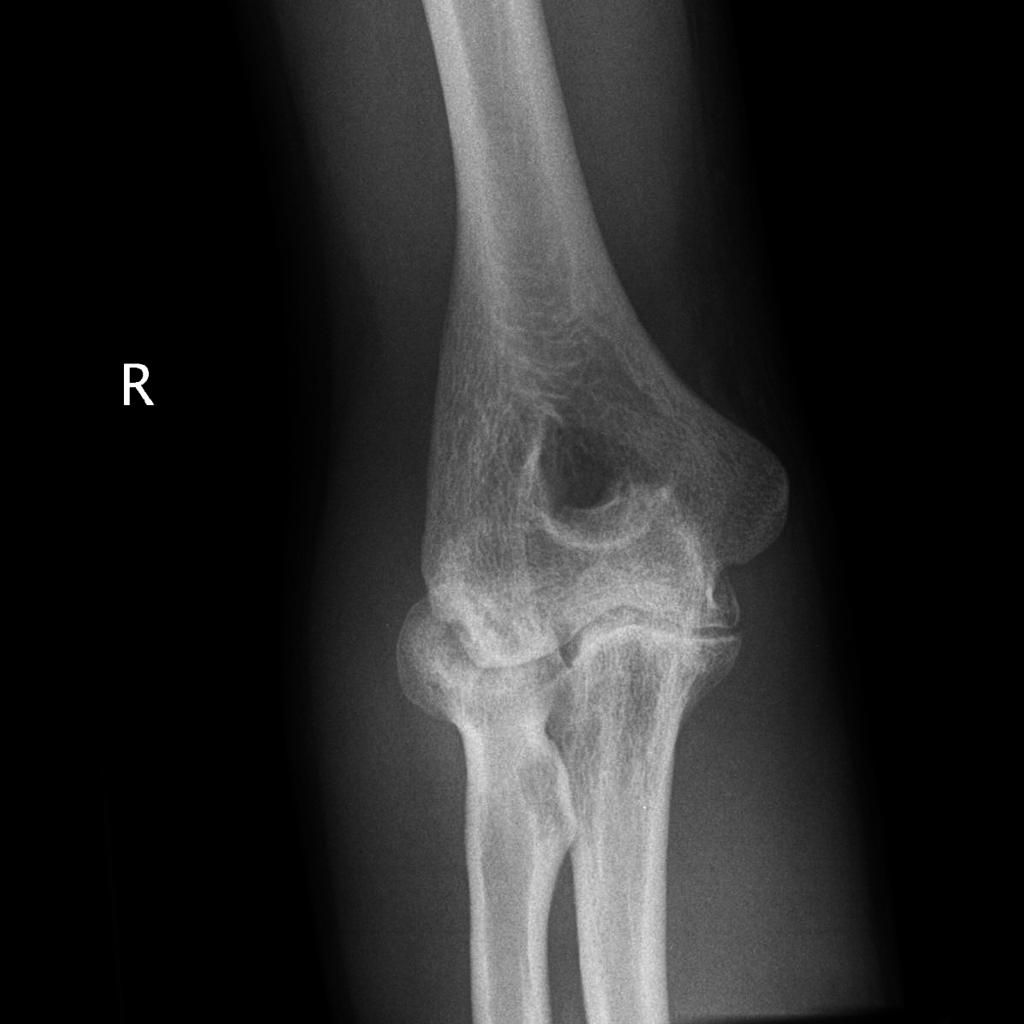
- Plain X-rays (AP + lateral) — Larsen grading I through V
- Ultrasound — sensitive for synovitis, effusion, erosions, and Doppler signal of active disease
- MRI — most sensitive for early erosions, bone marrow oedema, and cartilage damage
- Rheumatology review — essential for diagnosis confirmation and biologic eligibility assessment

Treatment Options
Treatment Type | Details |
DMARDs (Disease-Modifying) | Methotrexate first-line; leflunomide, sulfasalazine, hydroxychloroquine; monitored by rheumatologist |
Biologic Therapy | TNF inhibitors, IL-6 inhibitors, JAK inhibitors; for inadequate DMARD response; significantly reduces need for surgery |
Intra-articular Corticosteroid | Triamcinolone injection under ultrasound guidance; useful during flares; maximum 3 per year |
Arthroscopic Synovectomy | Larsen grade I–III with preserved joint space despite 6 months medical therapy; thorough anterior + posterior synovectomy; day-case |
Radionuclide Synovectomy | Yttrium-90 injection; synovial ablation; used where surgery not appropriate |
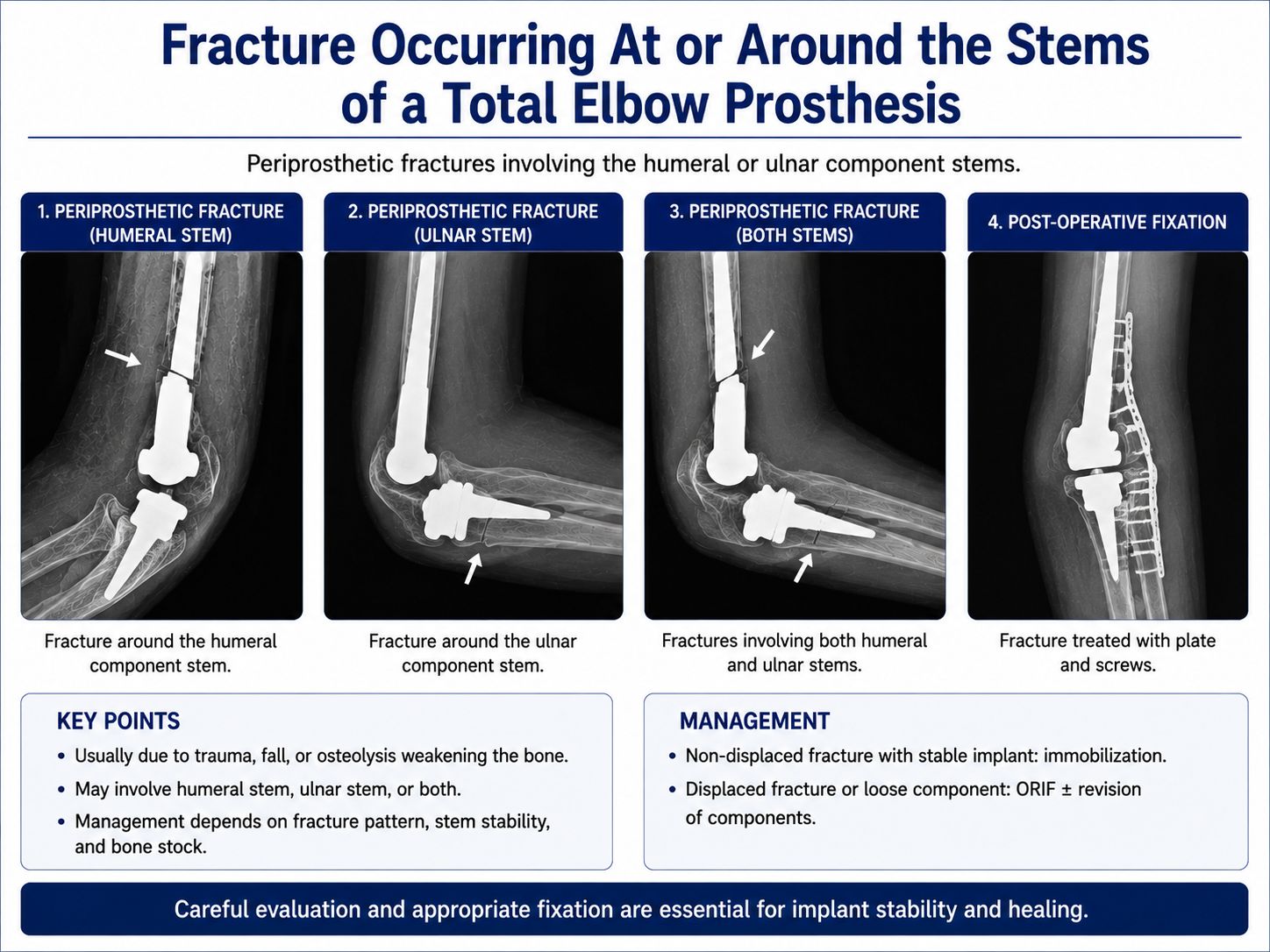
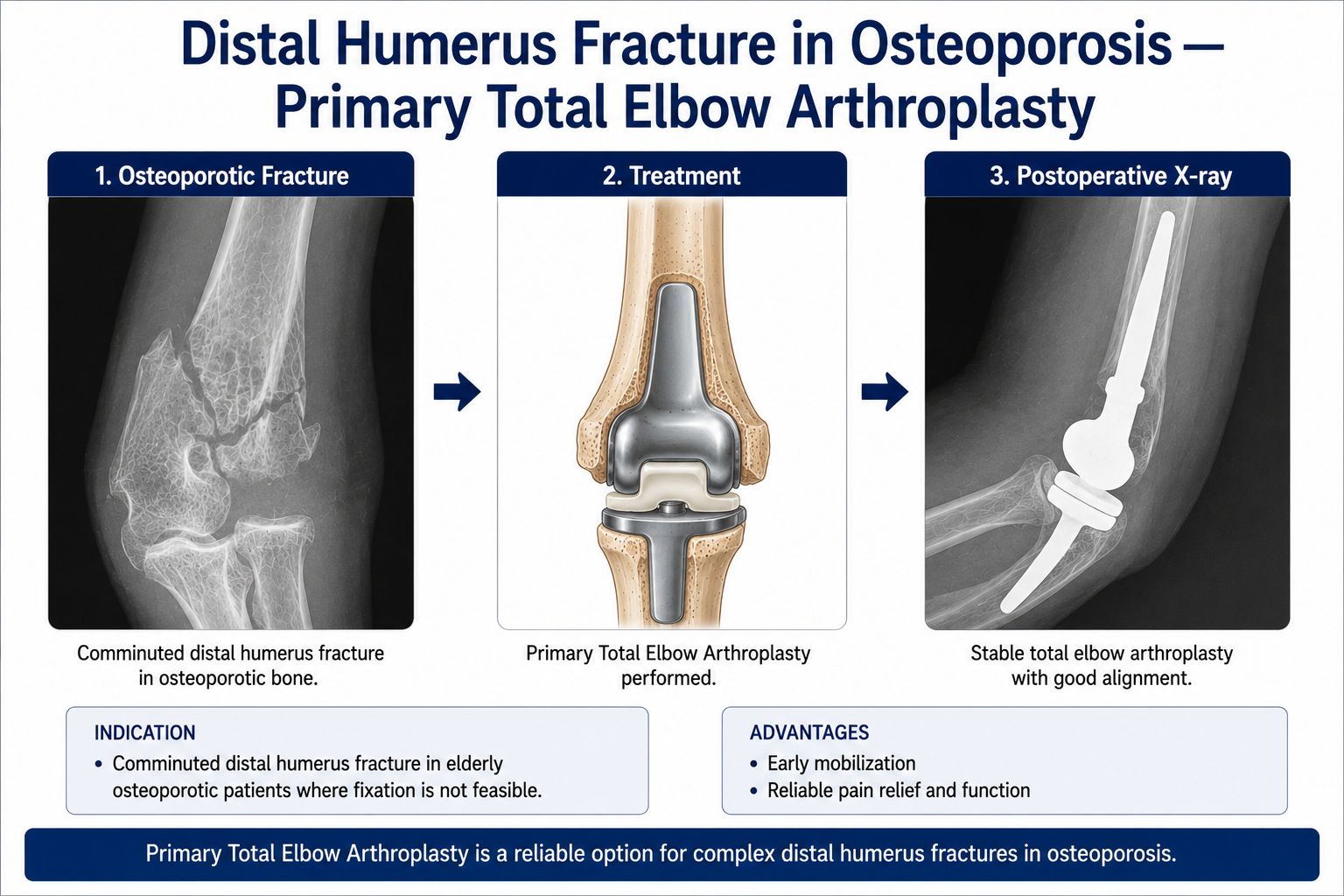
Total Elbow Arthroplasty (TEA) | Larsen grade IV–V; semi-constrained linked implant; routine ulnar nerve transposition; permanent 1 kg restriction |
Recovery & Rehabilitation
- After arthroscopic synovectomy: day-case; immediate mobilisation; physiotherapy within 48 hours; continue DMARDs — disease-modifying treatment must continue to prevent recurrence
- After total elbow replacement: 1–2 nights; physiotherapy from day 1; light activities 6–8 weeks; permanent 1 kg lift restriction
- Regular rheumatology follow-up remains essential after any surgical intervention
- RA patients achieve excellent long-term outcomes after TEA — among the best of all diagnoses
- Compliance with DMARDs or biologics is the most important factor in preventing recurrence after synovectomy
Why choose Dr Senthilvelan?
Managing rheumatoid arthritis of the elbow requires close collaboration between the orthopaedic surgeon and the rheumatologist. Dr Senthilvelan has extensive experience in arthroscopic synovectomy and total elbow replacement for RA, and works within the MIOT International multidisciplinary team to optimise both medical and surgical management.
Frequently Asked Questions
1. My rheumatologist has started me on biologics — do I still need surgery on my elbow?
Not necessarily. Modern biological therapies have significantly reduced the need for elbow surgery in RA by controlling synovial inflammation before irreversible joint damage occurs. If your disease is well-controlled on biologics and your elbow function is acceptable, surgery may not be required. Surgery is considered when medical therapy has been optimised but the joint remains painful or has progressed to significant structural damage (Larsen grade III–V).
2. What is arthroscopic synovectomy and when is it recommended?
Arthroscopic synovectomy is a keyhole operation to remove the inflamed synovial lining from inside the elbow joint. It is recommended when the joint still has preserved or partially preserved cartilage (Larsen grades I–III) despite 6 months of adequate DMARD or biologic therapy. The procedure significantly reduces swelling and pain, improves movement, and delays the need for joint replacement. It does not cure RA but can provide symptom relief for 5–10 years in well-selected patients.
3. Will I need to stop my methotrexate or biologics before elbow surgery?
This depends on the specific medication and the procedure. Methotrexate is generally continued perioperatively as stopping it increases flare risk. Biologics are typically withheld for 1–2 drug half-lives before surgery and restarted once wound healing is confirmed (usually 2 weeks post-op). Dr Senthilvelan coordinates directly with your rheumatologist to plan the optimal perioperative medication schedule.
4. Is total elbow replacement safe in patients with RA who are on immunosuppression?
Yes, with appropriate precautions. RA patients on DMARDs and biologics have a slightly higher risk of wound complications and infection, which is carefully managed by the perioperative medication protocol. The overall infection rate for TEA in RA is approximately 2–5%, and the long-term outcomes in terms of pain relief and function are excellent. RA patients are among the best candidates for elbow replacement.
5. I have RA nodules at my elbow — should they be removed?
Rheumatoid nodules at the elbow are usually benign and do not need removal unless they are painful, ulcerating, getting infected, or very bothersome cosmetically. Isolated nodule excision has a high recurrence rate in active RA. If your RA medication is optimised, nodules may regress. If excision is planned, it is most effectively combined with other elbow surgical procedures under the same anaesthetic.