Overview
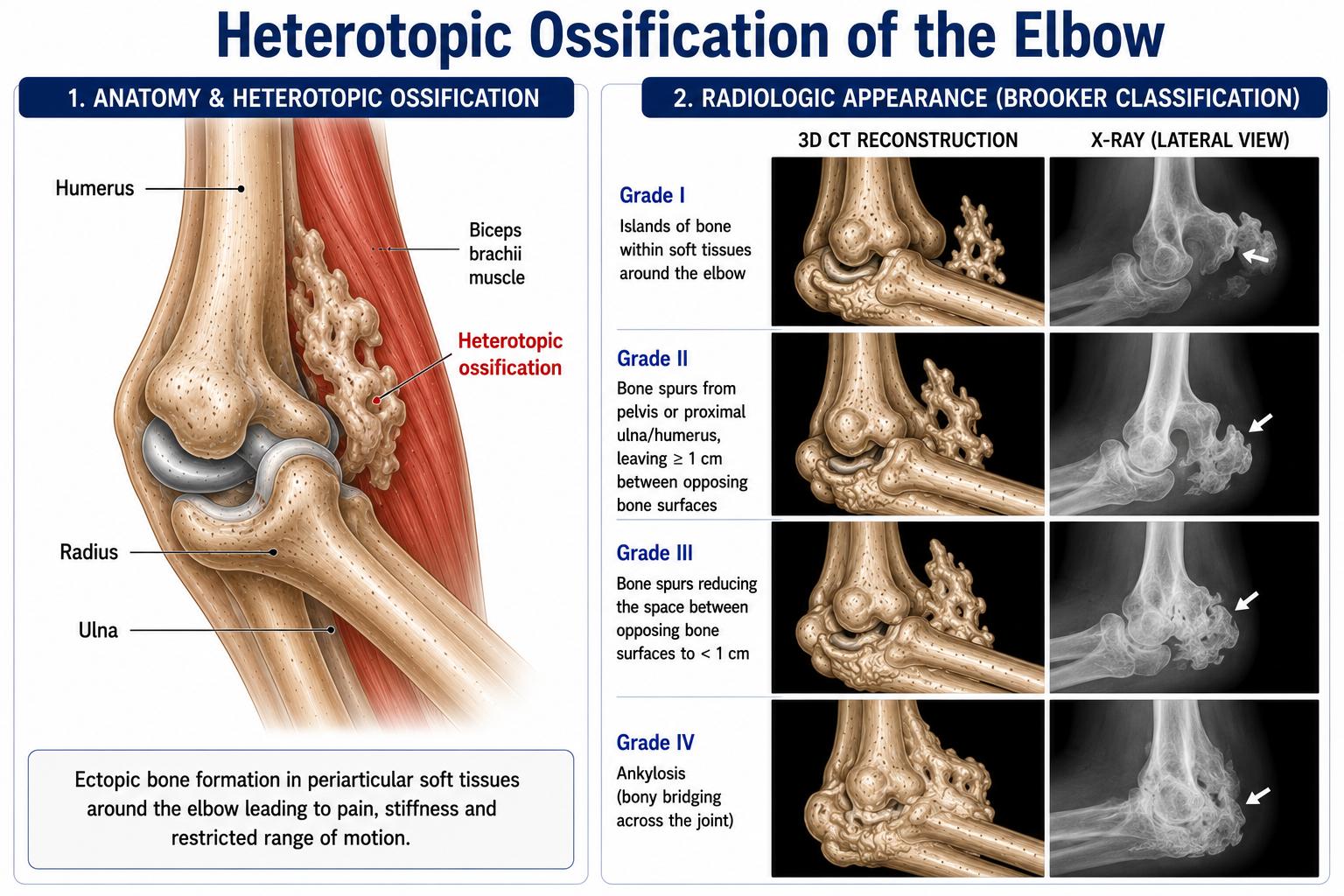
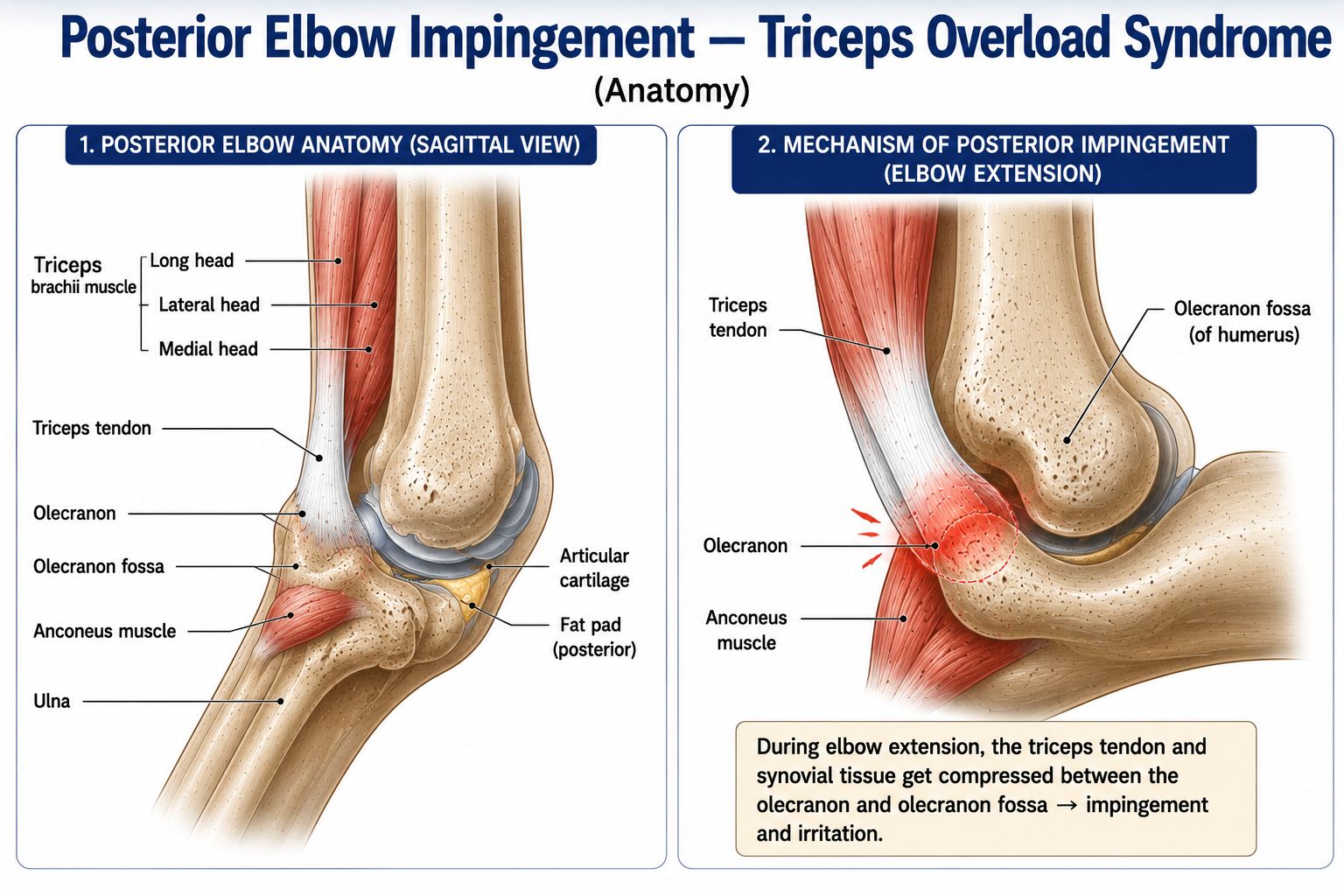
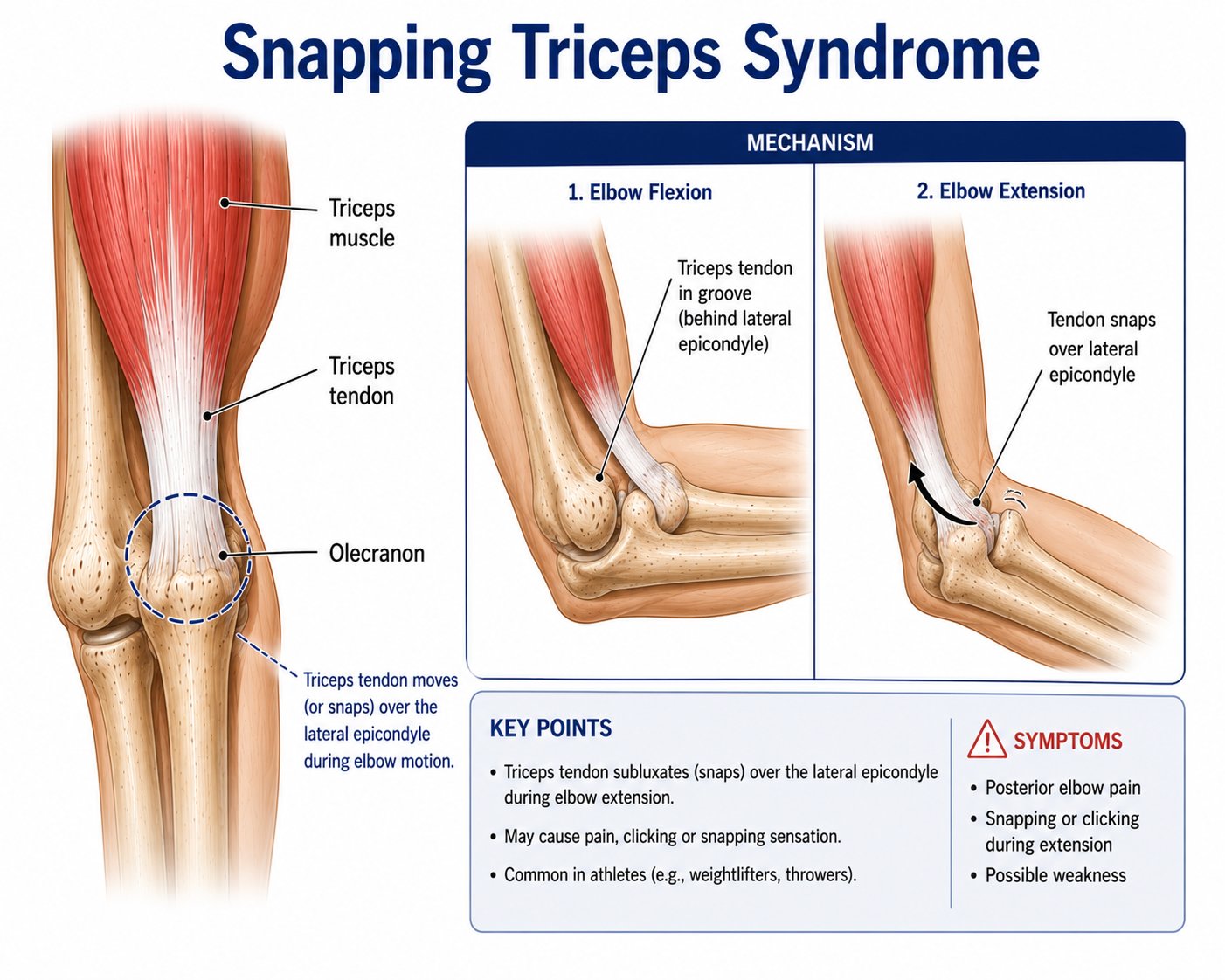
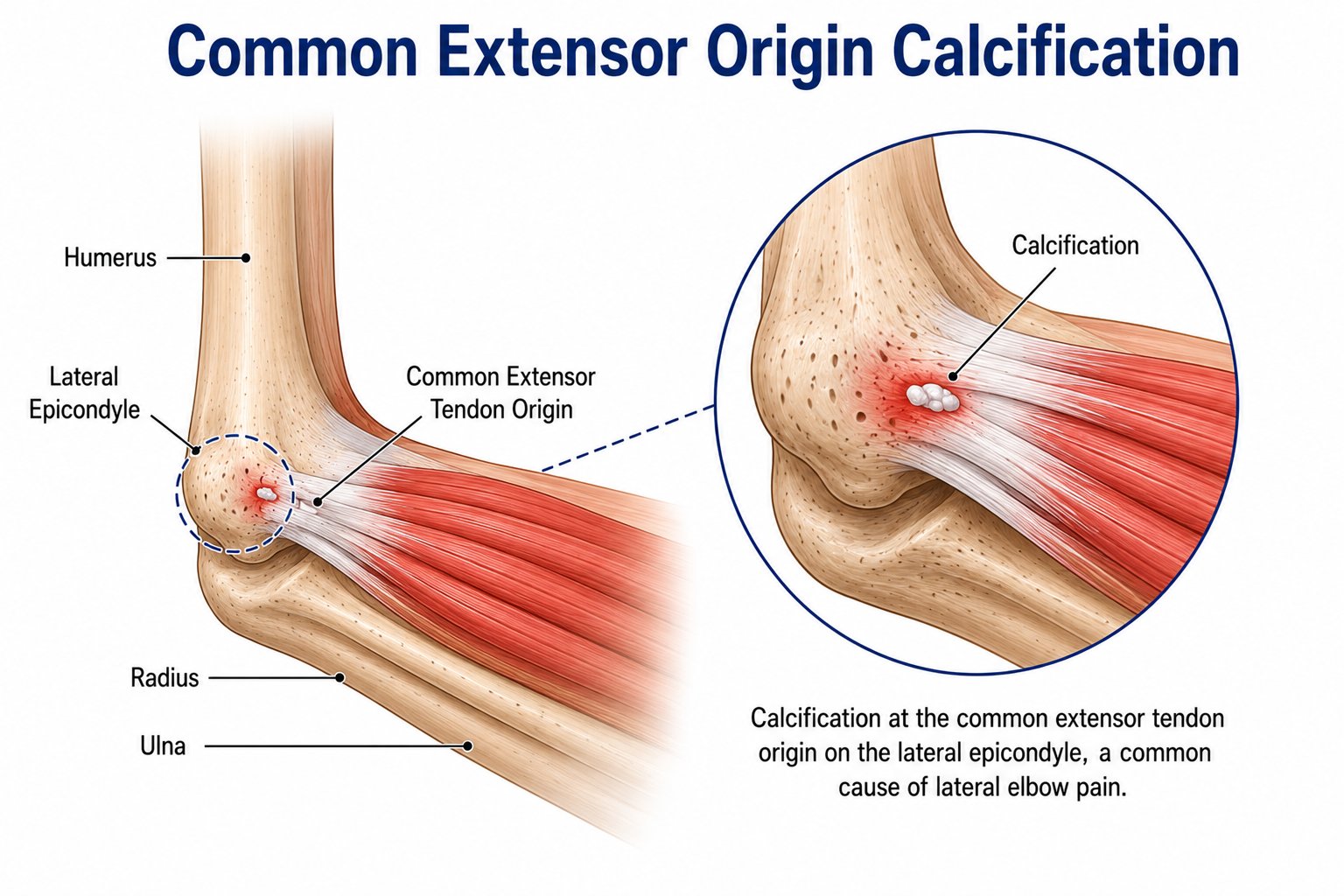
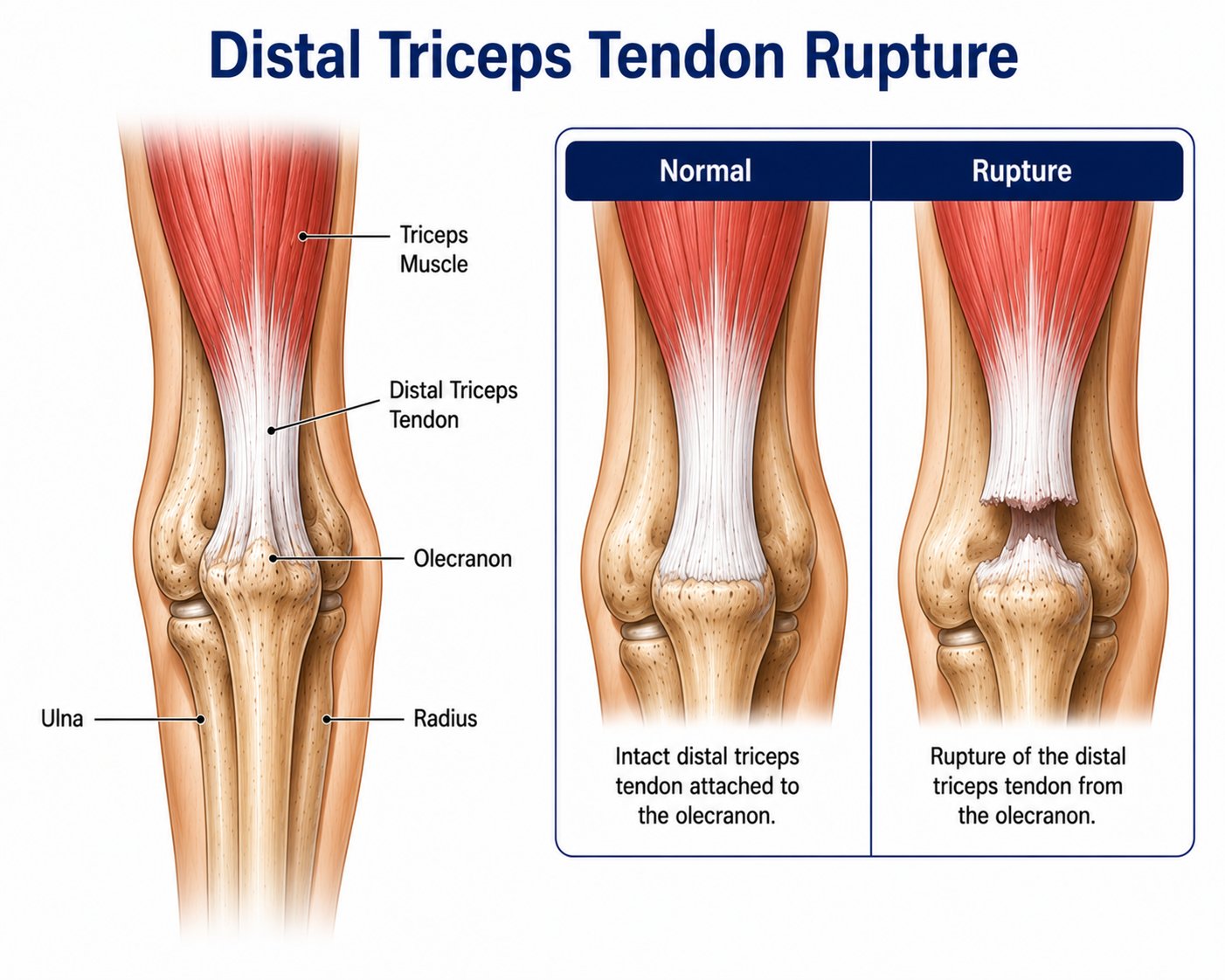
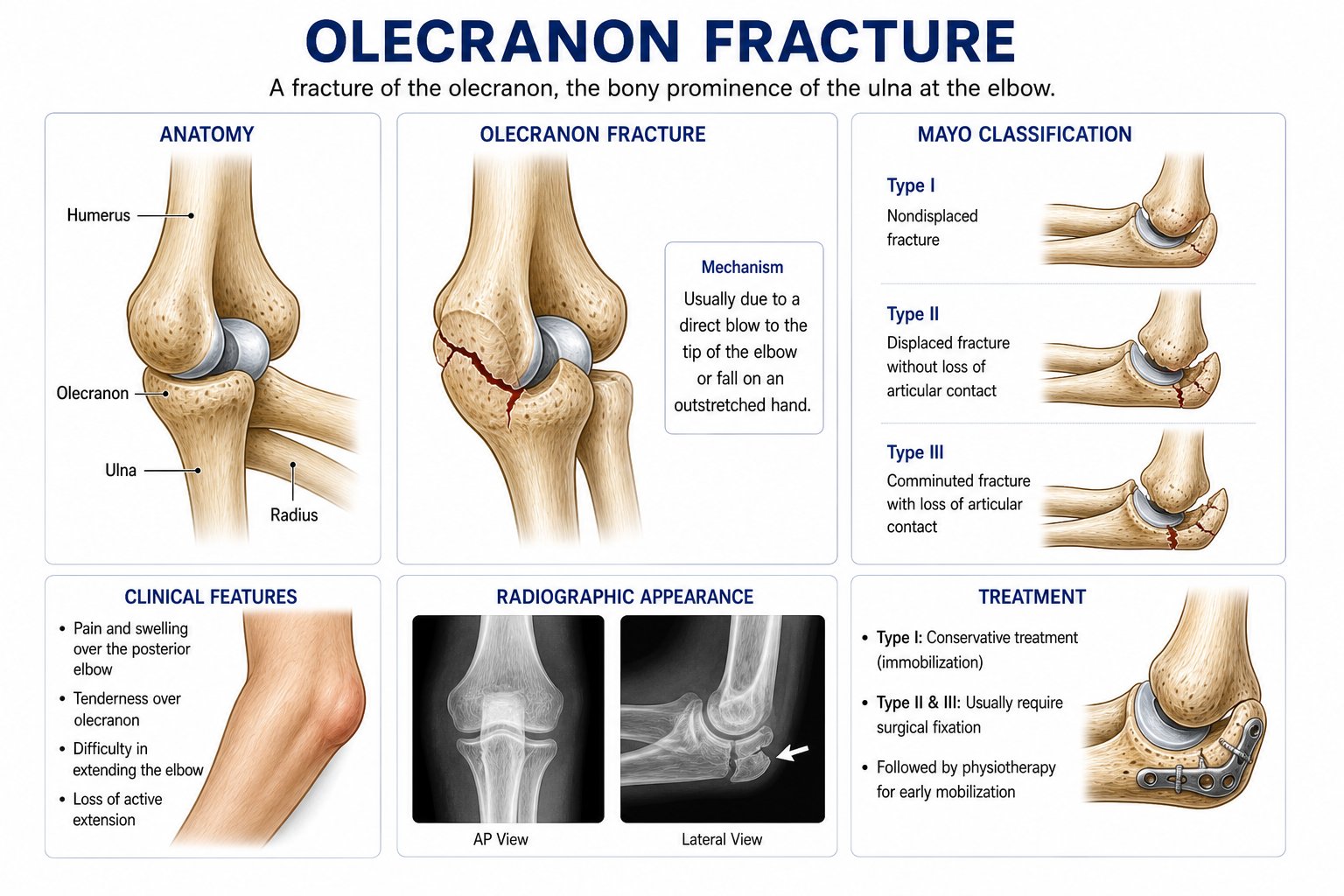
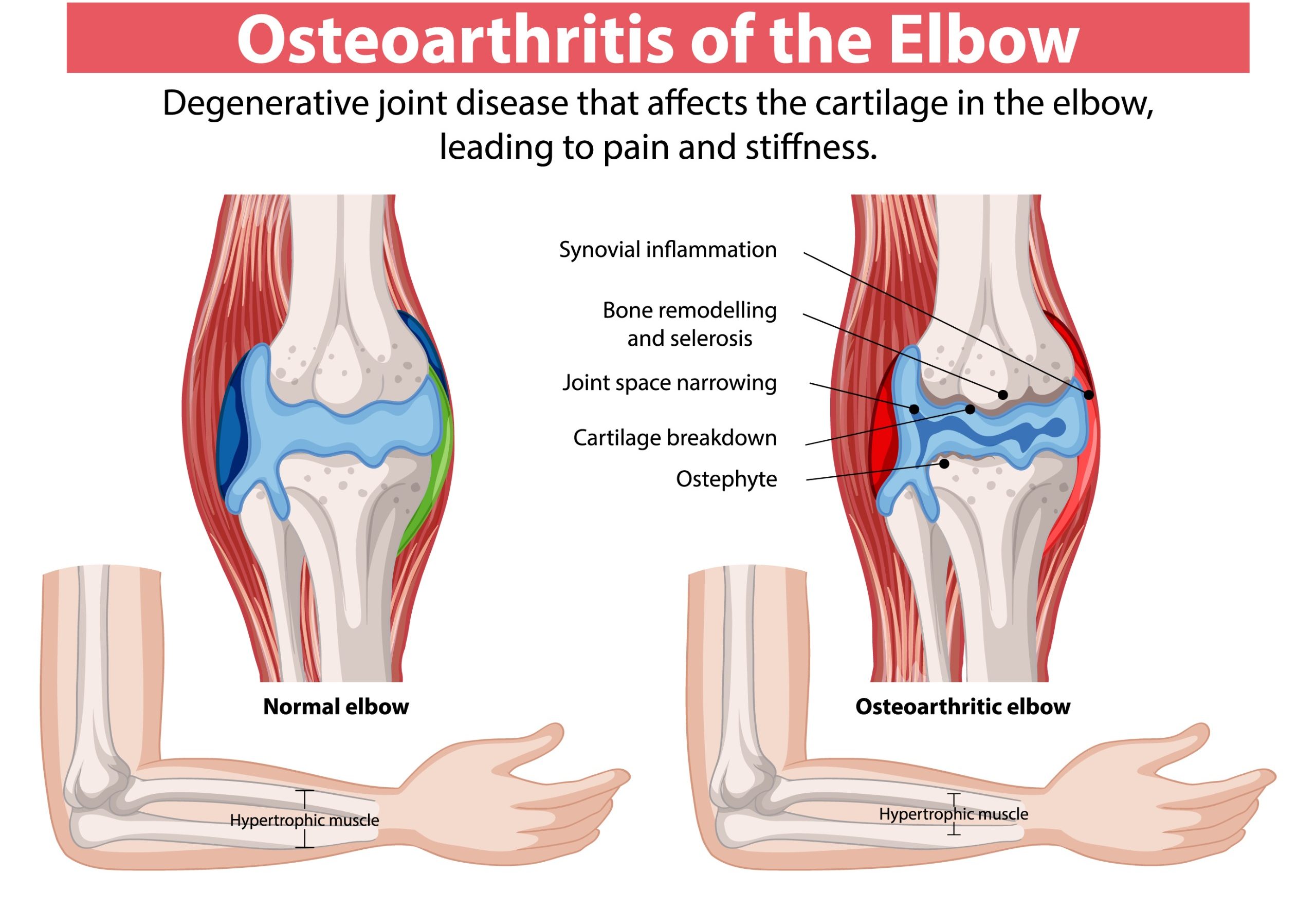
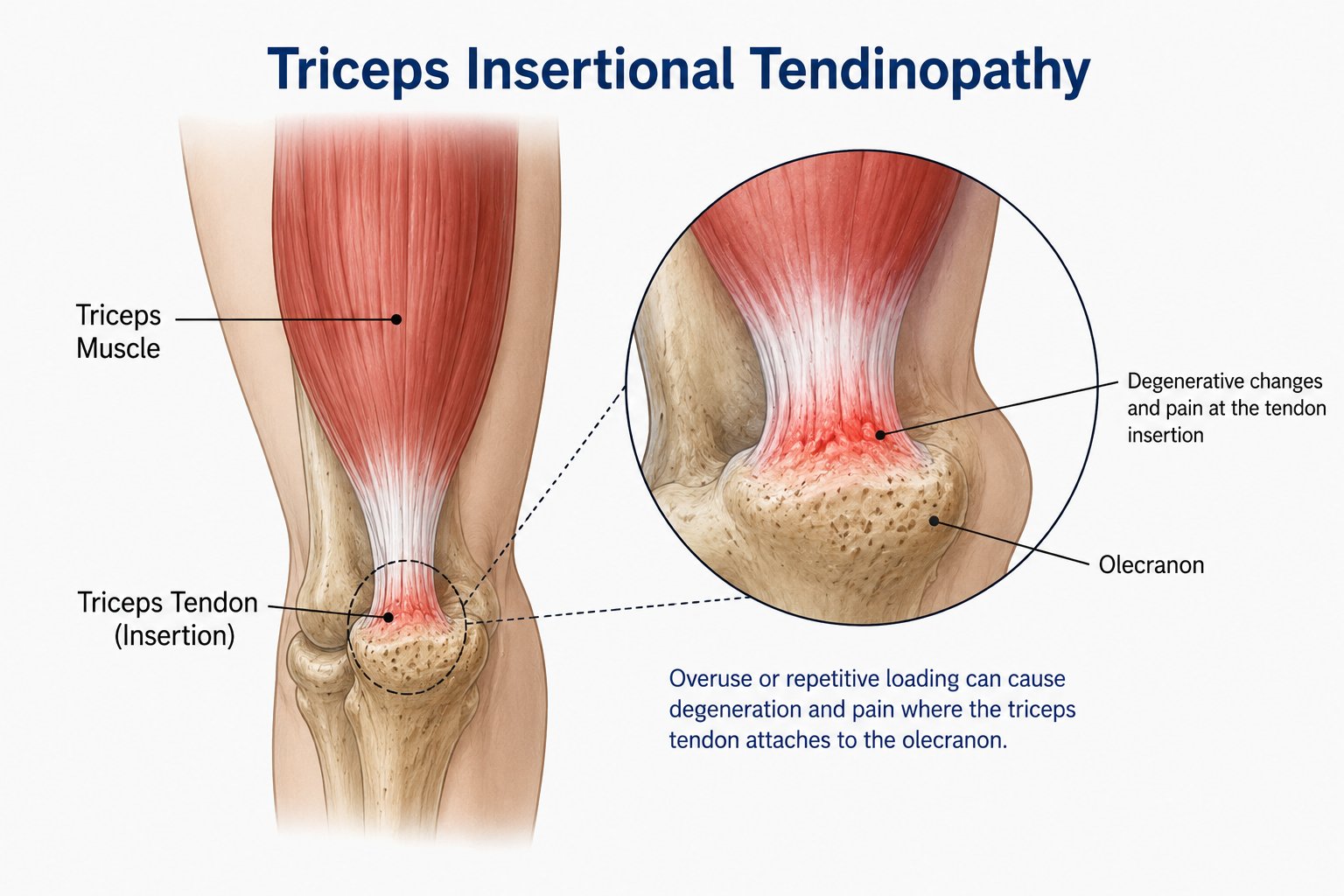
Triceps insertional tendinopathy is a chronic degenerative condition of the triceps tendon at its attachment to the olecranon process. Similar to other insertional tendinopathies (such as Achilles insertional tendinopathy or patellar tendinopathy), it involves angiofibroblastic degeneration of the tendon fibres at the enthesis, often with associated calcification within the tendon and reactive bony spurs (osteophytes) at the olecranon tip.
The condition presents as posterior elbow pain localised to the olecranon tip that is consistently reproduced by resisted elbow extension — bench pressing, push-ups, triceps dips, and overhead pressing are the most common provocative activities. It is particularly prevalent in weightlifters and bodybuilders who subject the triceps to high-intensity eccentric loading during heavy compound pressing movements.
Management follows the same evidence-based principles as other insertional tendinopathies: activity load management, eccentric loading physiotherapy, and PRP injection for persistent cases. Surgical débridement — removing the degenerate tissue and any olecranon tip osteophyte — is reserved for truly refractory cases that have failed 6 months of well-executed conservative treatment.
Quick Facts | Details |
Also Known As | Triceps Tendinitis, Triceps Tendinosis, Posterior Elbow Tendinopathy |
Affected Area | Distal triceps tendon at the olecranon insertion; enthesis (tendon-bone junction); may involve the olecranon bursa and olecranon tip |
Who It Affects | Active adults aged 30–60 years; weightlifters and bodybuilders (bench press, overhead press); overhead athletes (throwers, volleyball players); manual workers performing repetitive elbow extension |
Prevalence | Less common than lateral or medial epicondylalgia; estimated to account for 2–5% of elbow tendinopathy presentations; often coexists with olecranon bursitis or olecranon tip osteophyte formation |
Treatment | Activity modification, eccentric physiotherapy, NSAIDs; PRP injection for persistent tendinopathy; surgical débridement of degenerate tissue ± olecranon tip osteophyte excision for refractory cases |
Causes & Risk Factors
- Repetitive high-load elbow extension — bench press (particularly with a wide grip and deep descent), overhead press, triceps dips, skull crushers; generates high eccentric load at the triceps insertion
- Sudden increase in pressing volume or intensity — overload injury when training load exceeds the tendon’s adaptive capacity
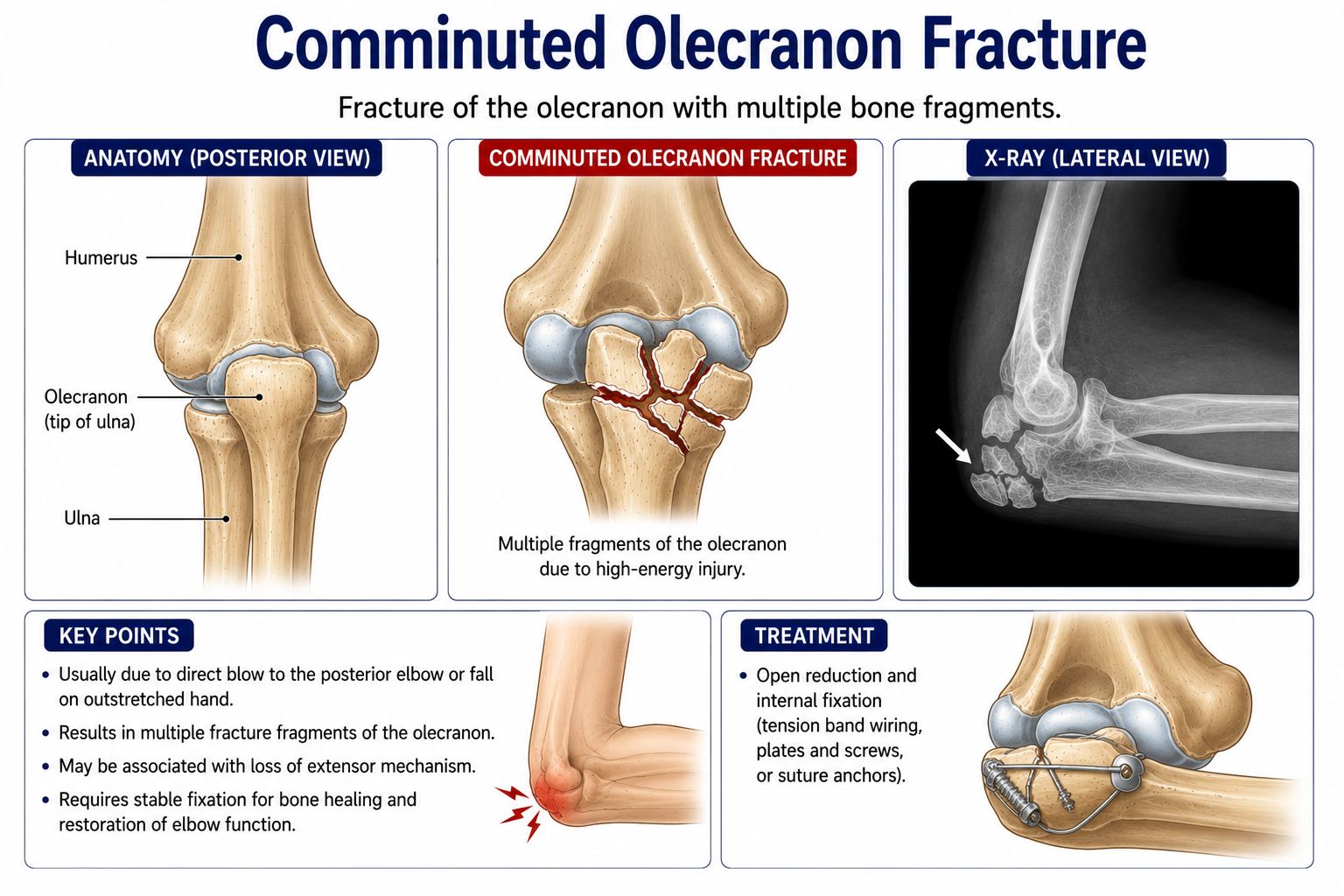
- Olecranon tip osteophyte formation — a bony spur at the tip of the olecranon creates a mechanical abutment that irritates the tendon fibres at the enthesis during elbow extension
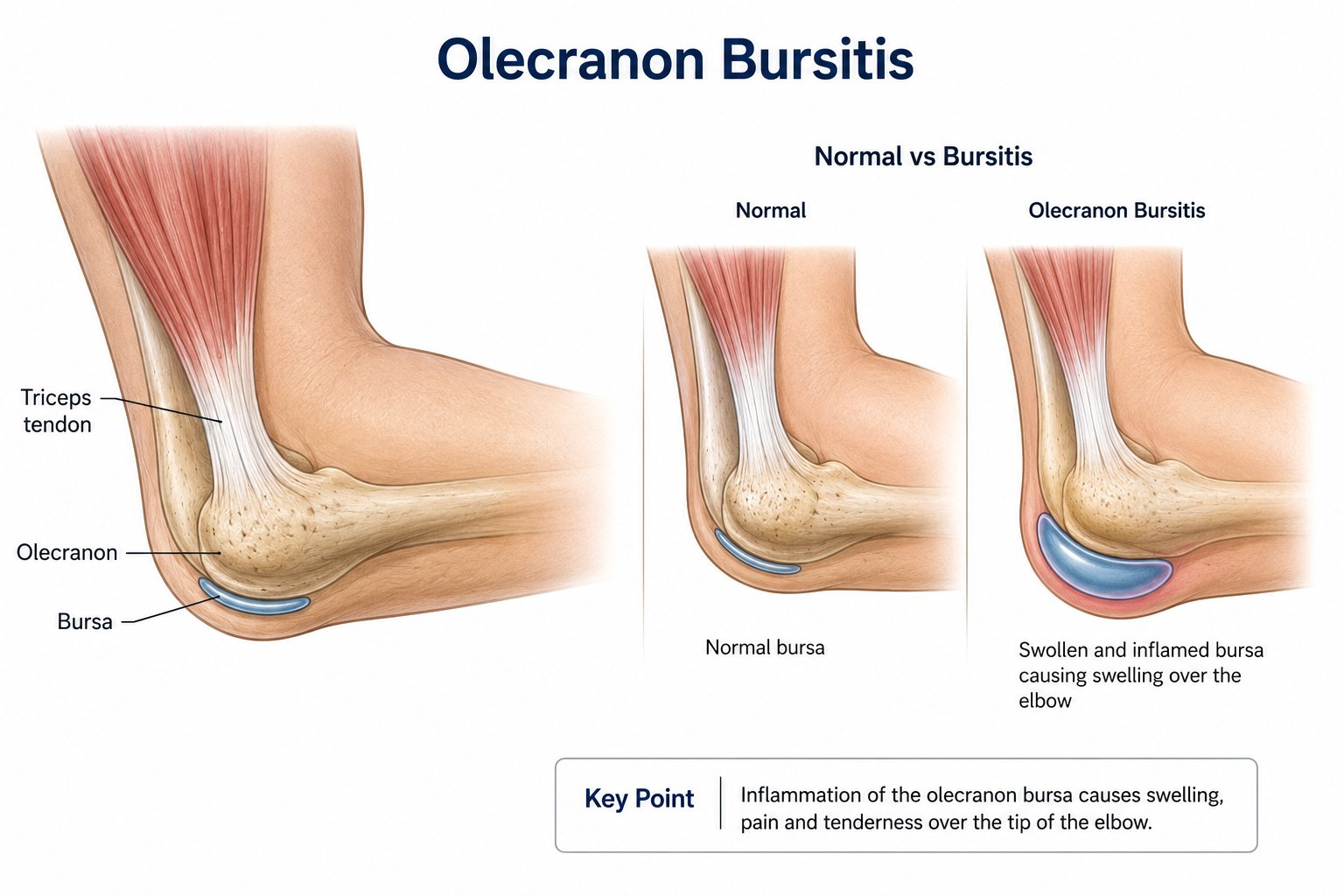
- Prior olecranon bursitis — chronic bursal inflammation can extend to affect the adjacent tendon insertion
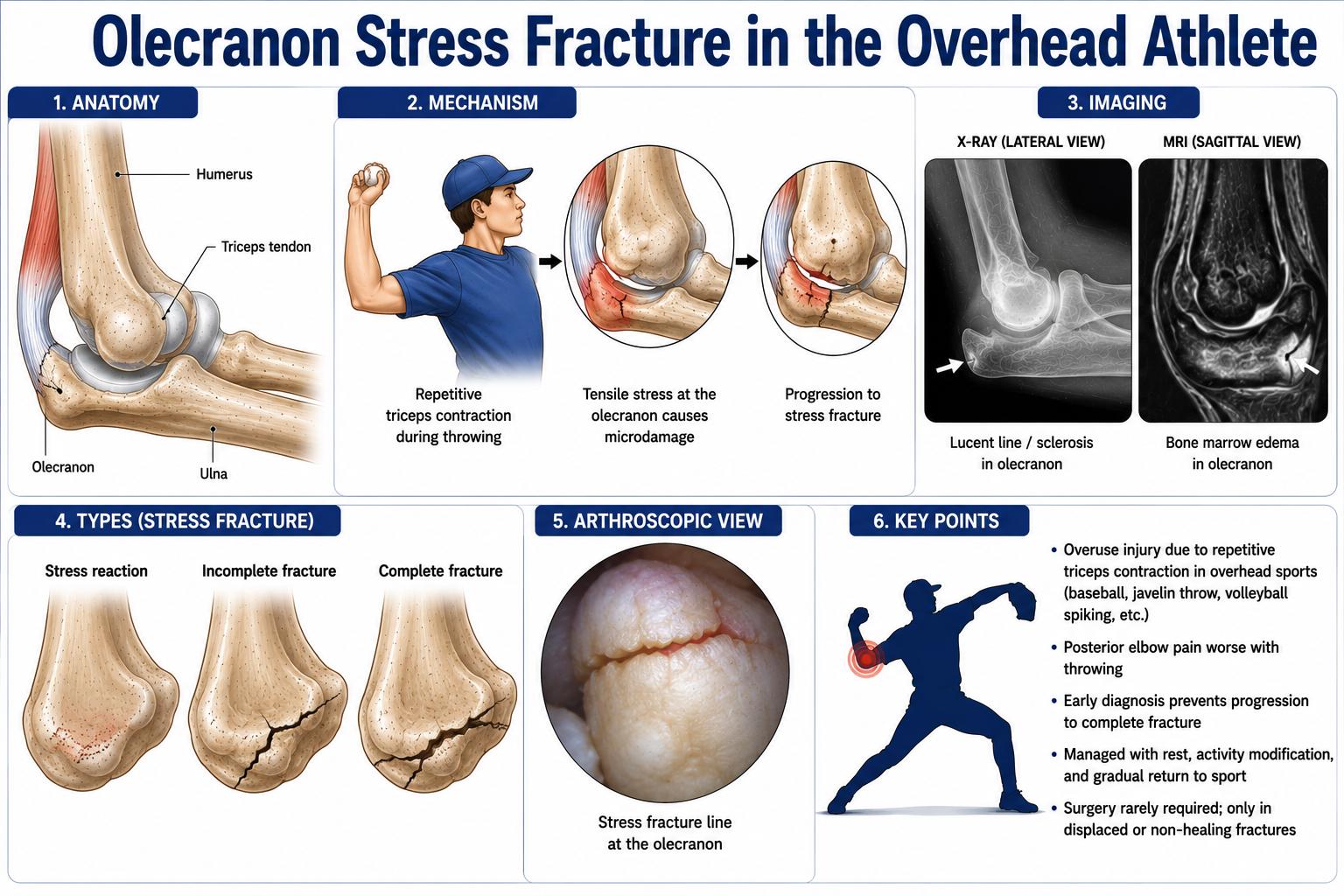
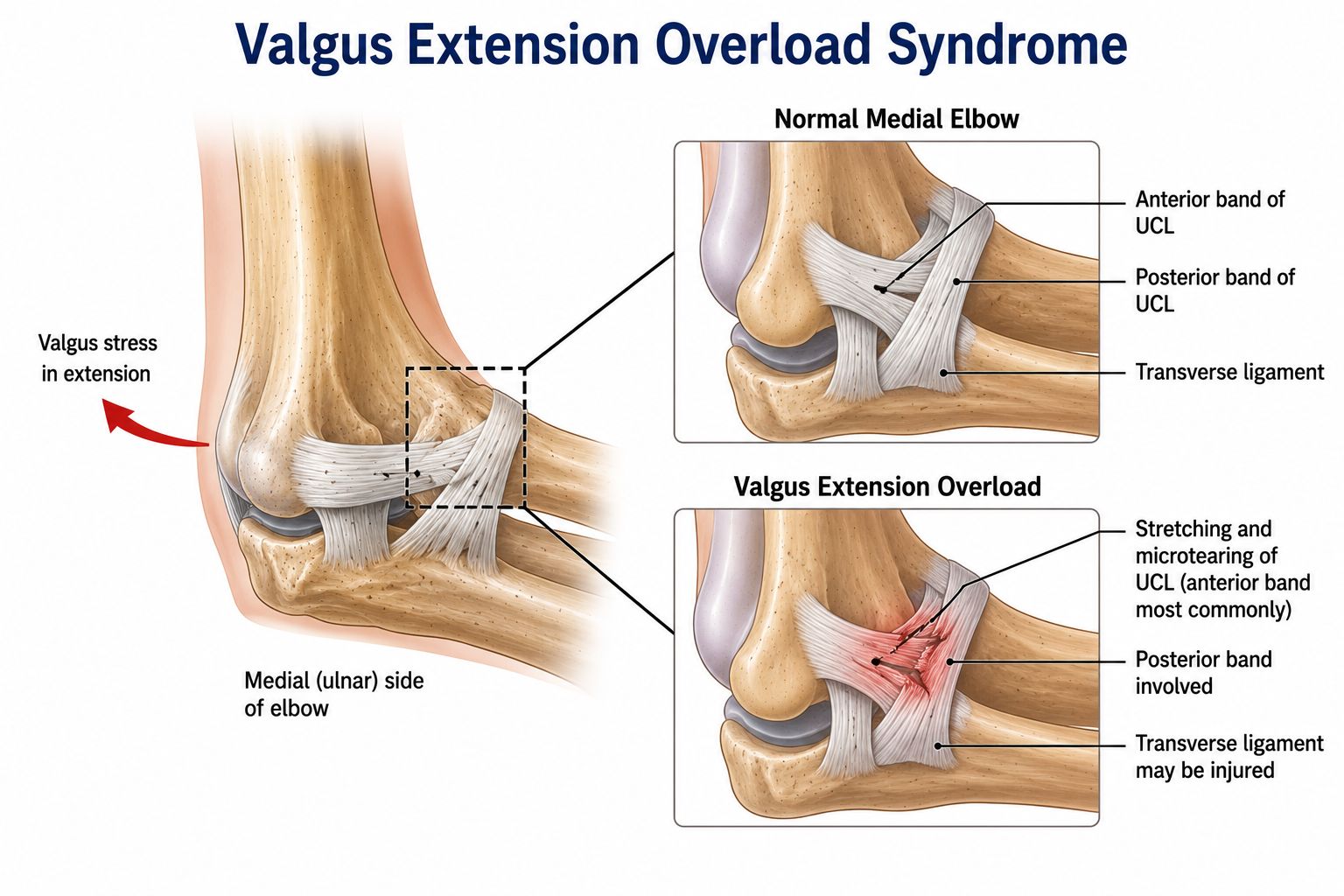
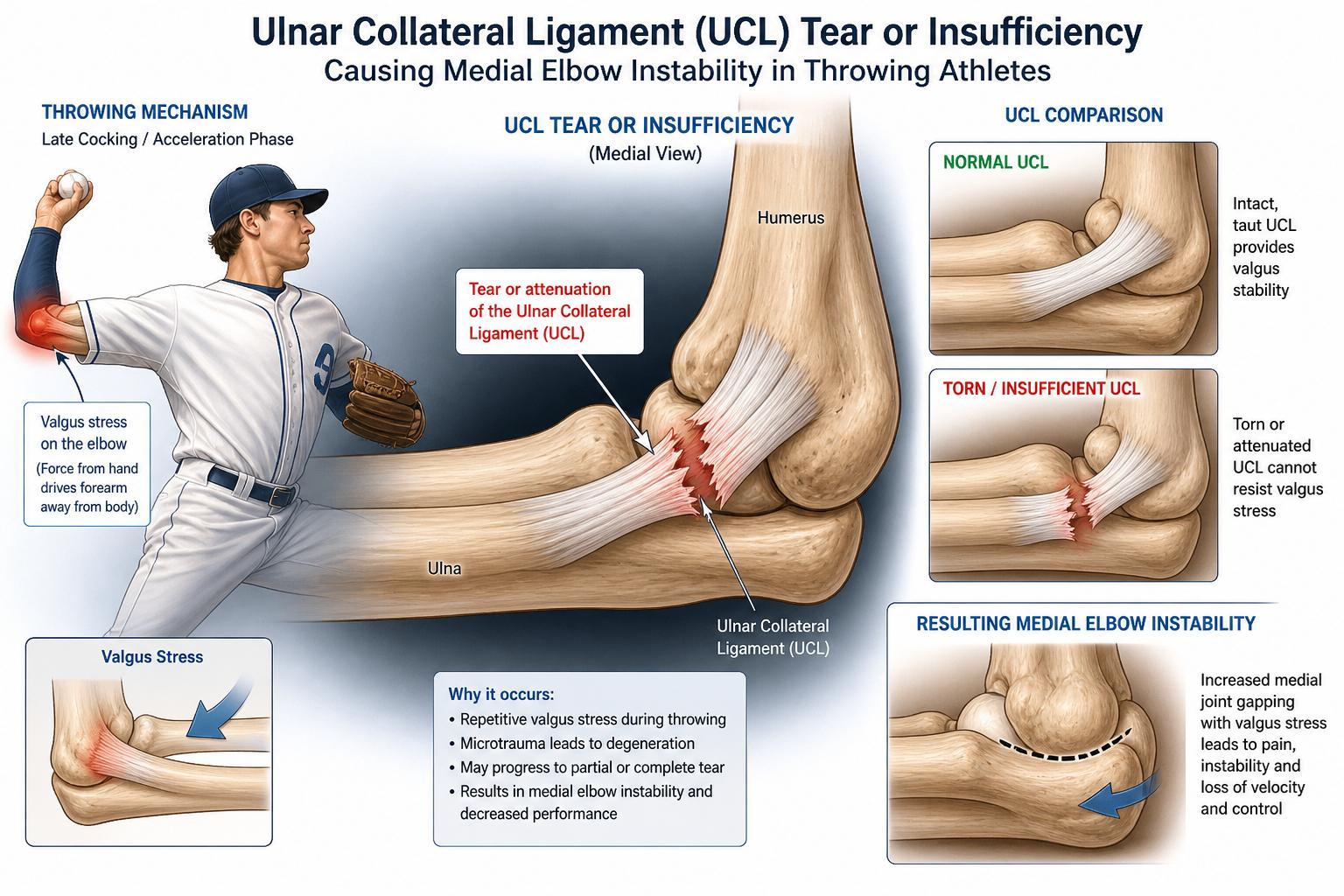
- Throwing athletes — valgus extension overload in throwers causes posteromedial impingement at the olecranon, which may extend to involve the triceps insertion
- Age-related tendon degeneration — the enthesis becomes progressively more vulnerable to degeneration after the fourth decade
- Systemic factors — anabolic steroid use, fluoroquinolone antibiotics, and metabolic conditions affecting tendon collagen quality
Symptoms
- Posterior elbow pain at the olecranon tip — the hallmark; localised aching at the bony prominence of the elbow
- Pain with resisted elbow extension — bench pressing, push-ups, triceps dips, and extension against resistance consistently reproduce the pain
- Pain at the terminal arc of extension — impingement of the olecranon tip against the olecranon fossa during full elbow extension
- Tenderness on direct palpation — directly over the triceps tendon insertion and olecranon tip
- Morning stiffness — stiffness and aching after rest that warms up with activity; typical of insertional tendinopathy
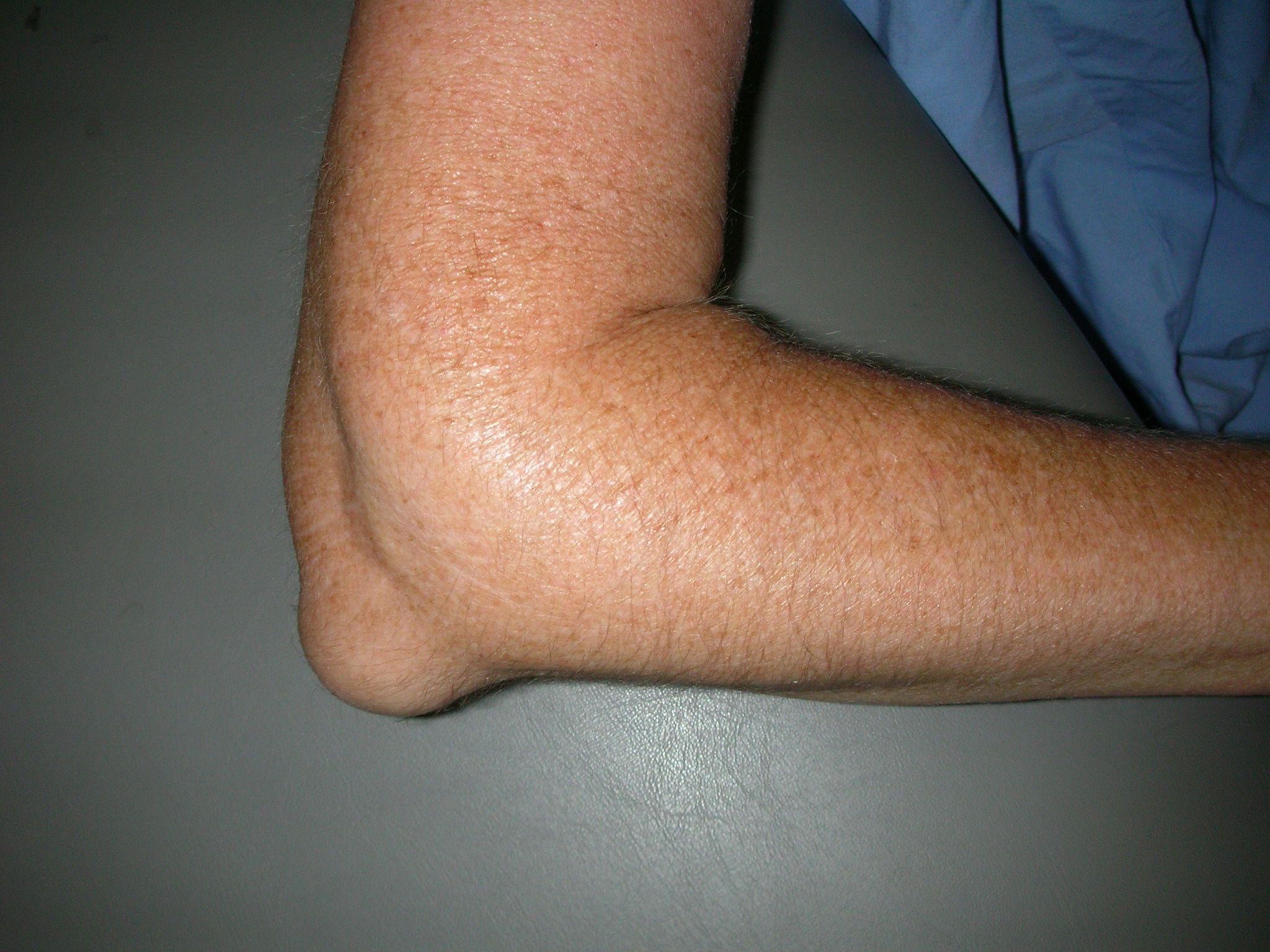
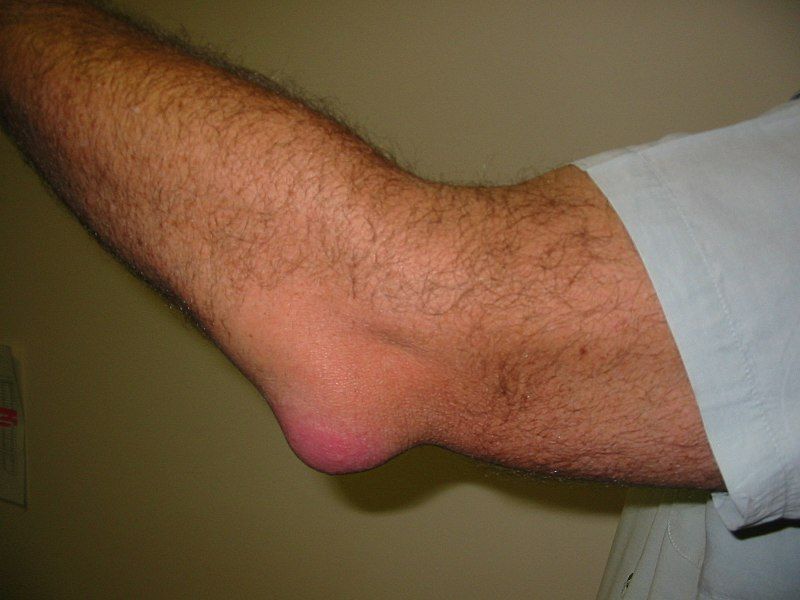
- Swelling — local swelling at the olecranon tip; may coexist with olecranon bursitis
- Calcification palpable — in long-standing cases, intratendinous calcification may be palpable as a firm nodule within the tendon
How is it Diagnosed?
- Clinical examination — posterior elbow tenderness at the olecranon tip and triceps insertion; resisted extension test; passive full flexion stretch (stretches the triceps and loads the insertion); assess for concurrent olecranon bursitis
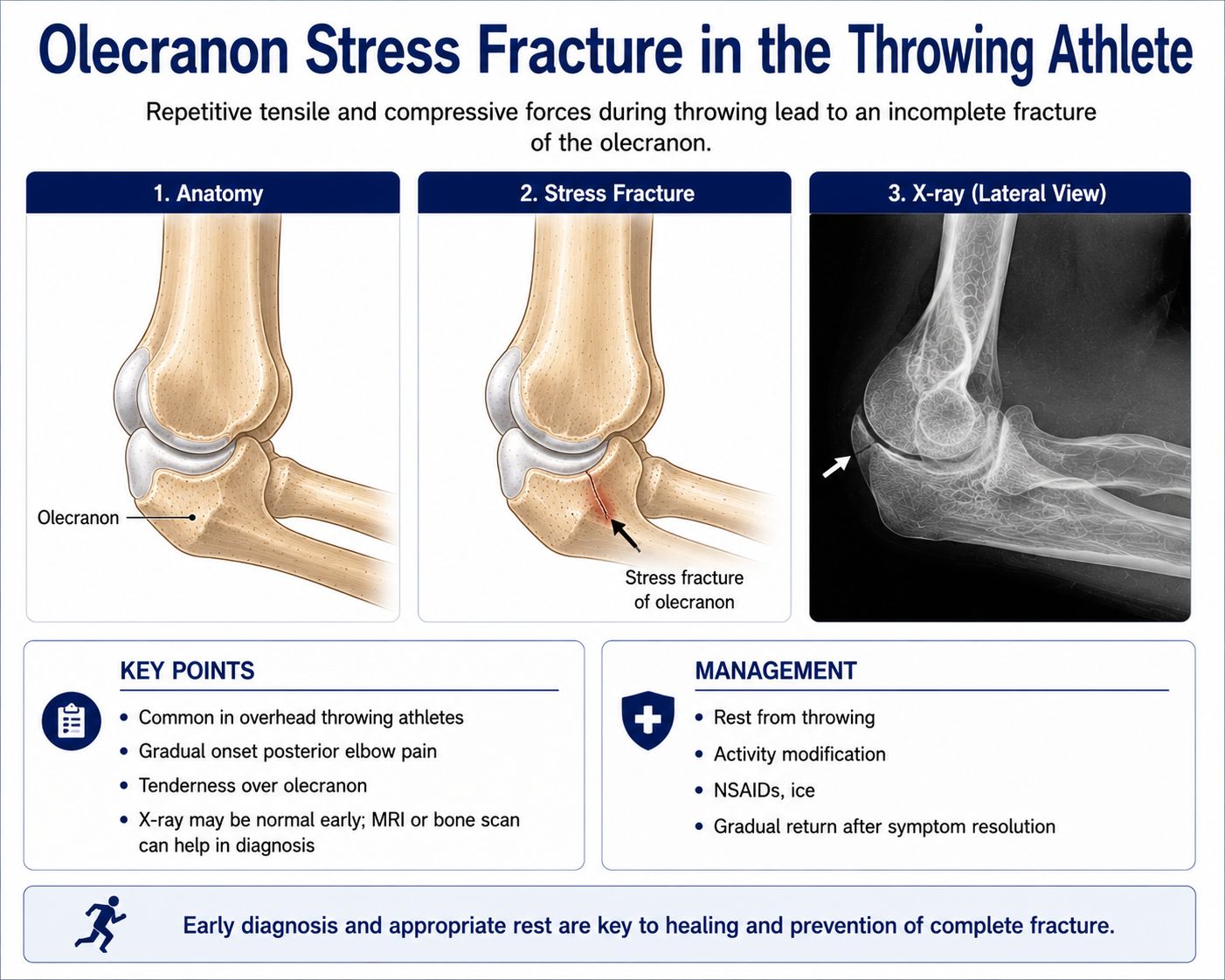
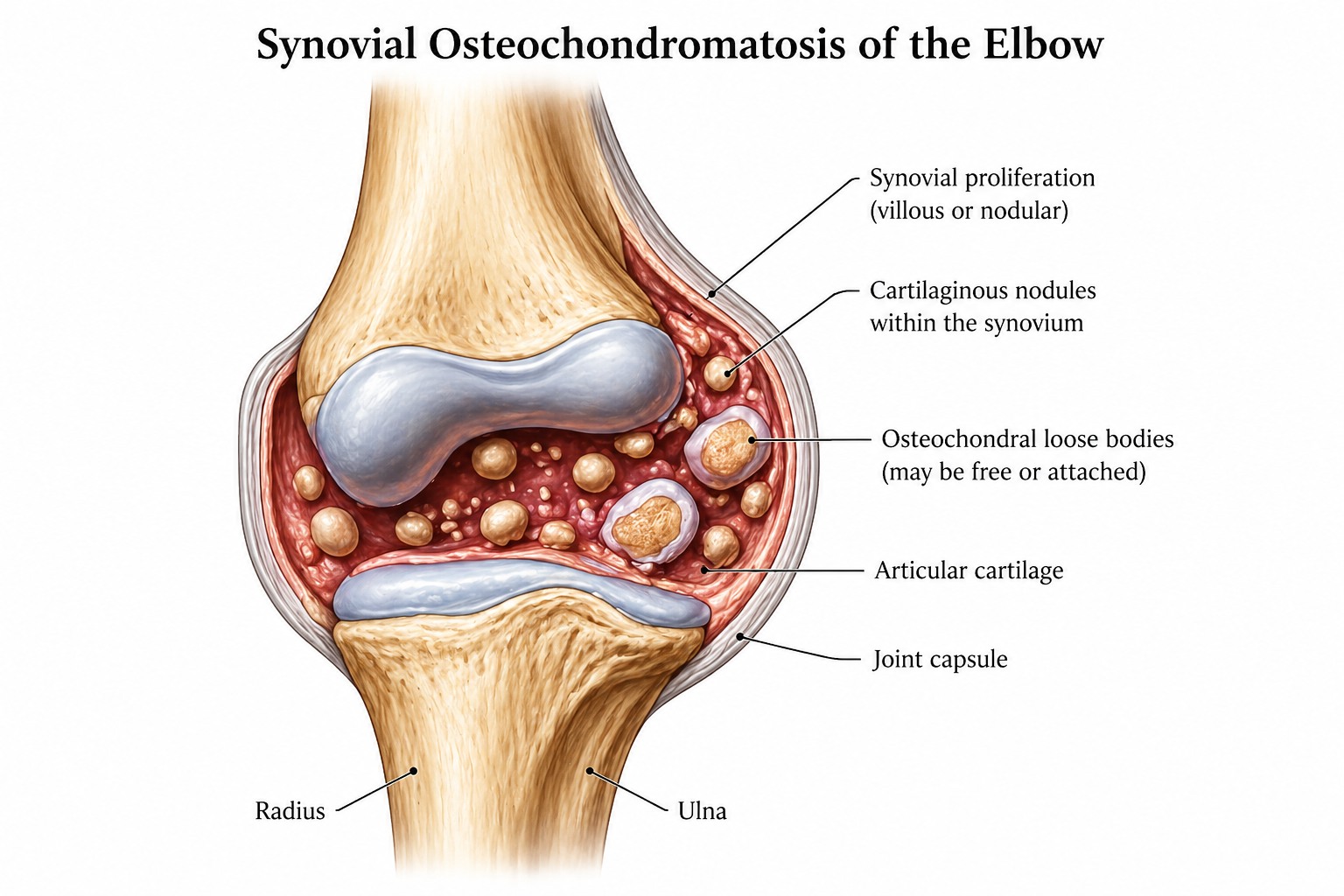
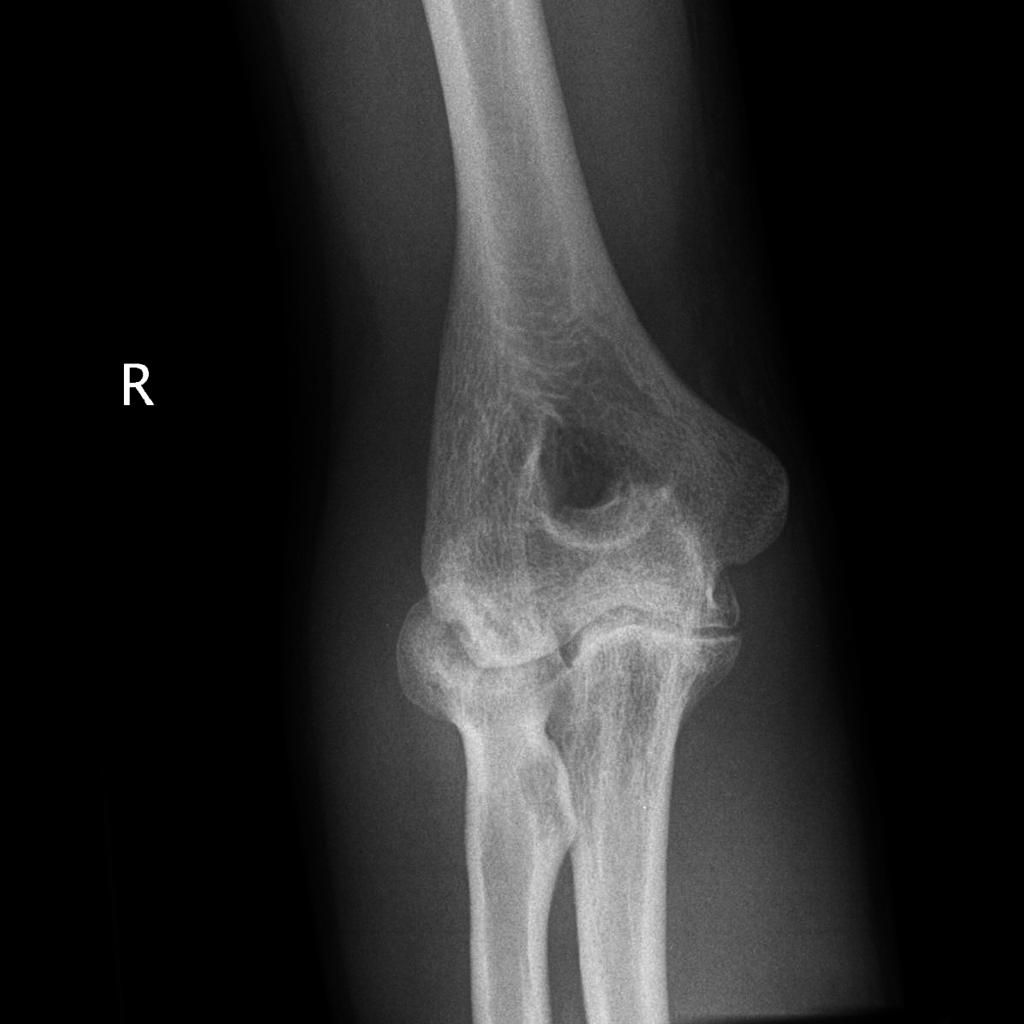
- Plain X-rays (AP + lateral) — olecranon tip osteophyte; intratendinous calcification; posterior impingement loose bodies within the olecranon fossa
- Ultrasound — hypoechoic tendinopathy at the triceps insertion; Doppler neovascularity; intratendinous calcification; concurrent bursal fluid
- MRI — T2 signal changes at the triceps enthesis; bone marrow oedema in the olecranon tip (enthesopathy); concurrent partial tear assessment; olecranon fossa loose bodies

Treatment Options
Treatment Type | Details |
Activity Modification | Reduce bench press depth and volume; avoid terminal extension exercises; modify training programme; relative rest 4–6 weeks |
Eccentric Physiotherapy | Eccentric triceps loading programme (modified decline push-ups, theraband eccentric extension); the most effective conservative intervention; 6–12 weeks |
NSAIDs | Short course of oral or topical NSAIDs; anti-inflammatory effect at the enthesis; adjunct to physiotherapy |
PRP Injection | Ultrasound-guided PRP injection at the degenerate enthesis zone; preferred over corticosteroid (which weakens the tendon-bone junction in insertional tendinopathies); 6–8 weeks of extension loading restriction after injection |
Extracorporeal Shockwave (ESWT) | For insertional calcification component; 3–5 sessions; stimulates calcification resorption and tendon repair |
Surgical Débridement | For refractory cases >6 months; posterior elbow approach; excision of degenerate tendon tissue from the olecranon footprint; olecranon tip osteophyte excision if present; loose body removal from olecranon fossa; tendon repair if significant tissue removed; day-case procedure |
Recovery & Rehabilitation
- Conservative: most cases improve over 3–6 months with dedicated eccentric physiotherapy and load management
- PRP injection: 6–8 weeks of modified activity; return to full training 10–12 weeks
- After surgical débridement: posterior splint 2 weeks protecting the repair; active ROM from week 2; progressive extension loading from week 8; return to pressing exercises 4–6 months
- Olecranon osteophyte excision: if performed concurrently, the same recovery timeline applies
- Long-term: permanent modification of pressing technique (controlled depth, avoiding full terminal extension overload) reduces recurrence risk
Why choose Dr Senthilvelan?
Triceps insertional tendinopathy requires differentiation from olecranon bursitis, posterior impingement, and incipient triceps tendon tear — all of which can coexist. Dr Senthilvelan uses ultrasound and MRI to precisely characterise the pathology and tailors treatment to whether the primary problem is enthesopathy, calcification, bursitis, or osteophyte impingement.
Frequently Asked Questions
1. My posterior elbow hurts when I bench press — is this triceps tendinopathy?
Posterior elbow pain specifically reproduced by bench pressing, push-ups, or triceps extension exercises is a classic presentation of triceps insertional tendinopathy. Key distinguishing features from other causes of posterior elbow pain are: the pain is at the very tip of the elbow (olecranon), it is worse with active elbow extension against resistance rather than passive flexion, and it is consistently reproduced by the same exercises. X-ray and ultrasound will confirm the diagnosis and identify whether olecranon osteophyte or calcification are contributing.
2. Should I use a corticosteroid injection or PRP for triceps tendinopathy?
For insertional tendinopathies — where the tendon attaches to bone at the enthesis — corticosteroid injection is generally avoided because it can weaken the tendon-bone junction and increase the risk of tendon avulsion. PRP is the preferred injectable treatment for triceps insertional tendinopathy, as it provides growth factor stimulation for tendon repair without the weakening effect. A 6–8 week period of reduced extension loading after PRP injection is essential to allow the biological healing process to occur.
3. What is an olecranon tip osteophyte and how does it contribute to my symptoms?
An olecranon tip osteophyte is a bony spur that forms at the tip of the olecranon as a result of chronic entheseal stress and reactive bone formation. During full elbow extension, the olecranon tip enters the olecranon fossa of the humerus. If an osteophyte is present, this bony abutment causes mechanical impingement — pain at terminal extension — and irritates the overlying triceps tendon. Osteophytes are visible on a lateral elbow X-ray and can be excised arthroscopically or through a small open posterior approach during the same procedure as tendon débridement.
4. Can I continue training with triceps tendinopathy?
Yes — complete rest is not necessary and may even be counterproductive. The key is intelligent load management: reduce the volume and intensity of heavy pressing exercises (particularly bench press and overhead press), eliminate exercises that cause direct posterior elbow pain at the olecranon, and replace them with lower-load, pain-free alternatives. Eccentric triceps loading exercises — performed within the pain-free range — actually stimulate tendon remodelling and are the cornerstone of conservative treatment.
5. If surgery is needed, how much time off training will I need?
After surgical débridement of the triceps insertion, a sling is worn for 2 weeks to protect the repair. Active range-of-motion exercises begin at 2 weeks. Progressive resistance loading of the triceps begins at 8 weeks. Return to bench pressing and compound pressing exercises typically takes 4–6 months with a graduated protocol. Full training volume and intensity is usually restored by 6 months.