Overview
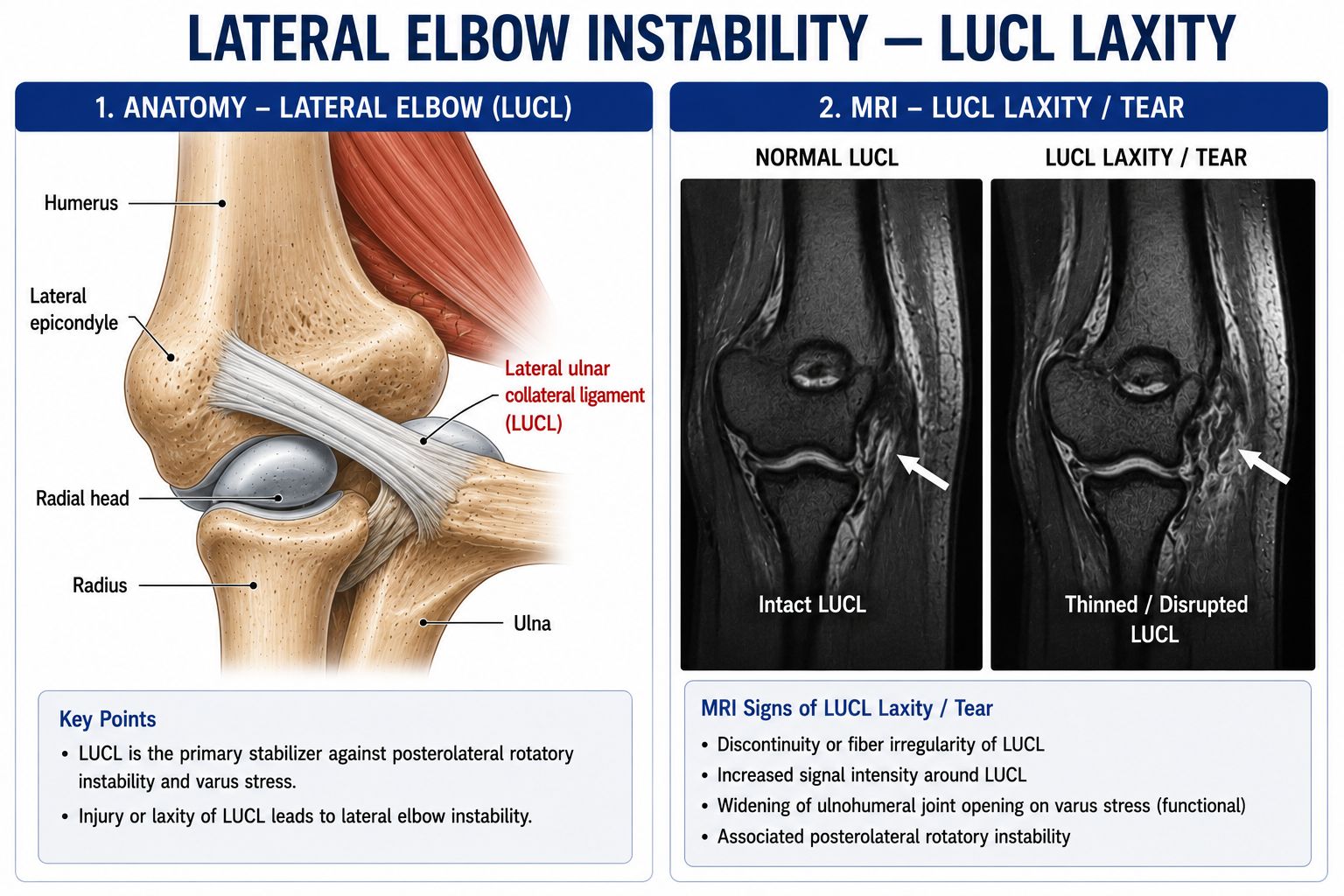
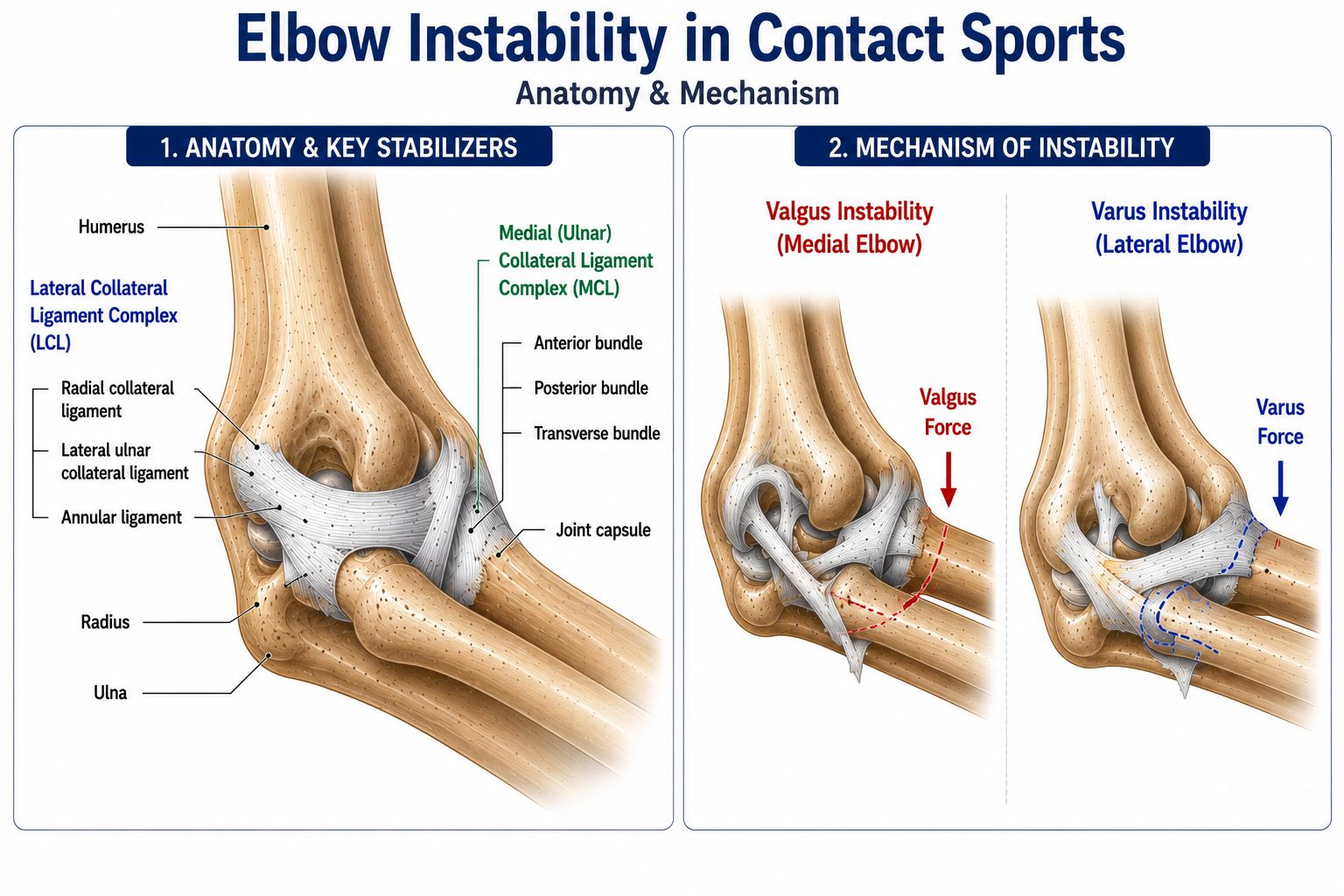
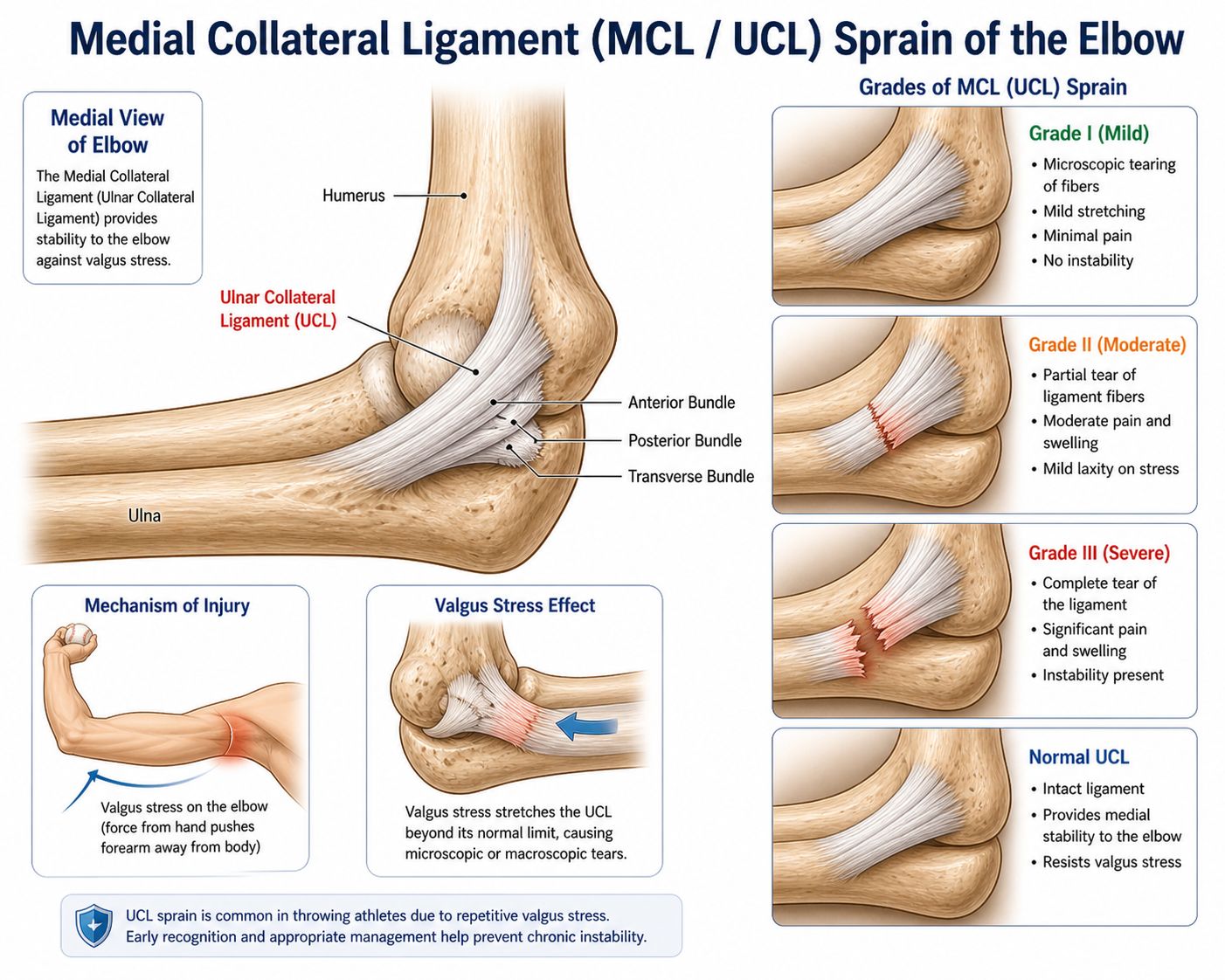
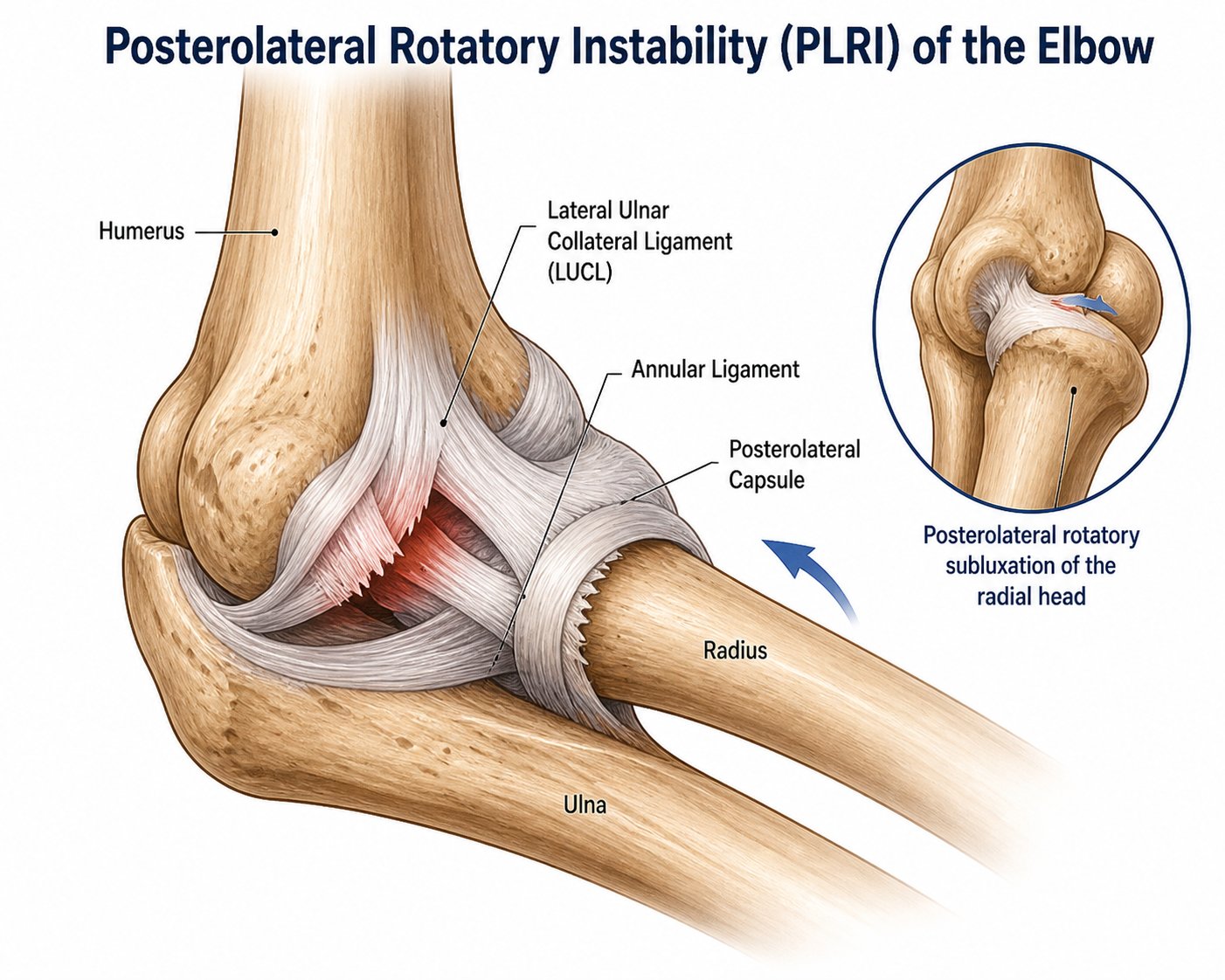
Posterolateral rotatory instability (PLRI) is the most common form of chronic elbow instability, caused by insufficiency of the lateral ulnar collateral ligament (LUCL) — the key ligament preventing the forearm from rotating away from the humerus in a posterolateral direction.
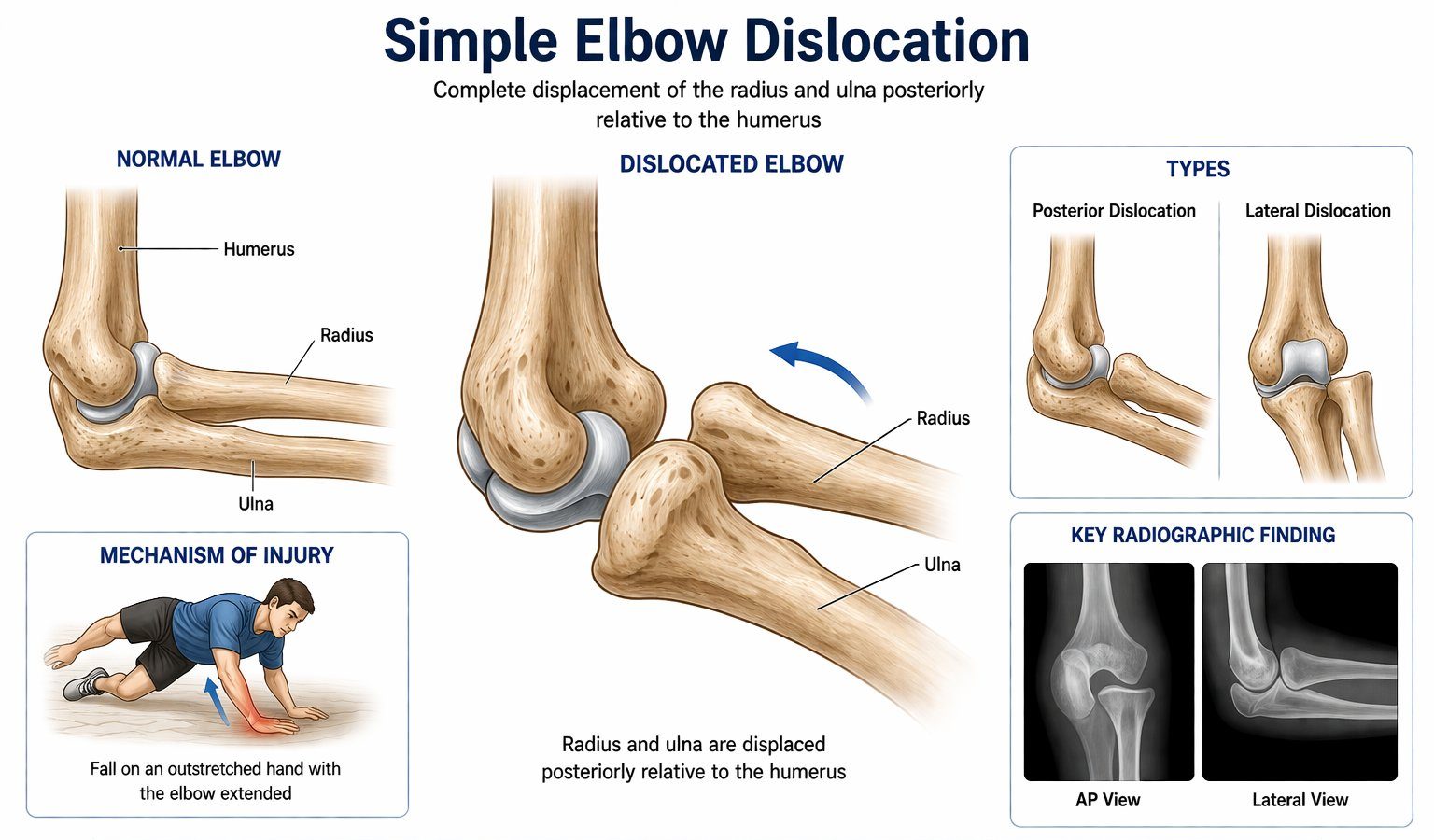
In PLRI, the classic symptom is a sense of the elbow giving way, clicking, or clunking — particularly when rising from a chair with the forearms supinated and the elbow in extension. In severe cases, the radial head and proximal ulna visibly subluxate posterolaterally relative to the distal humerus.
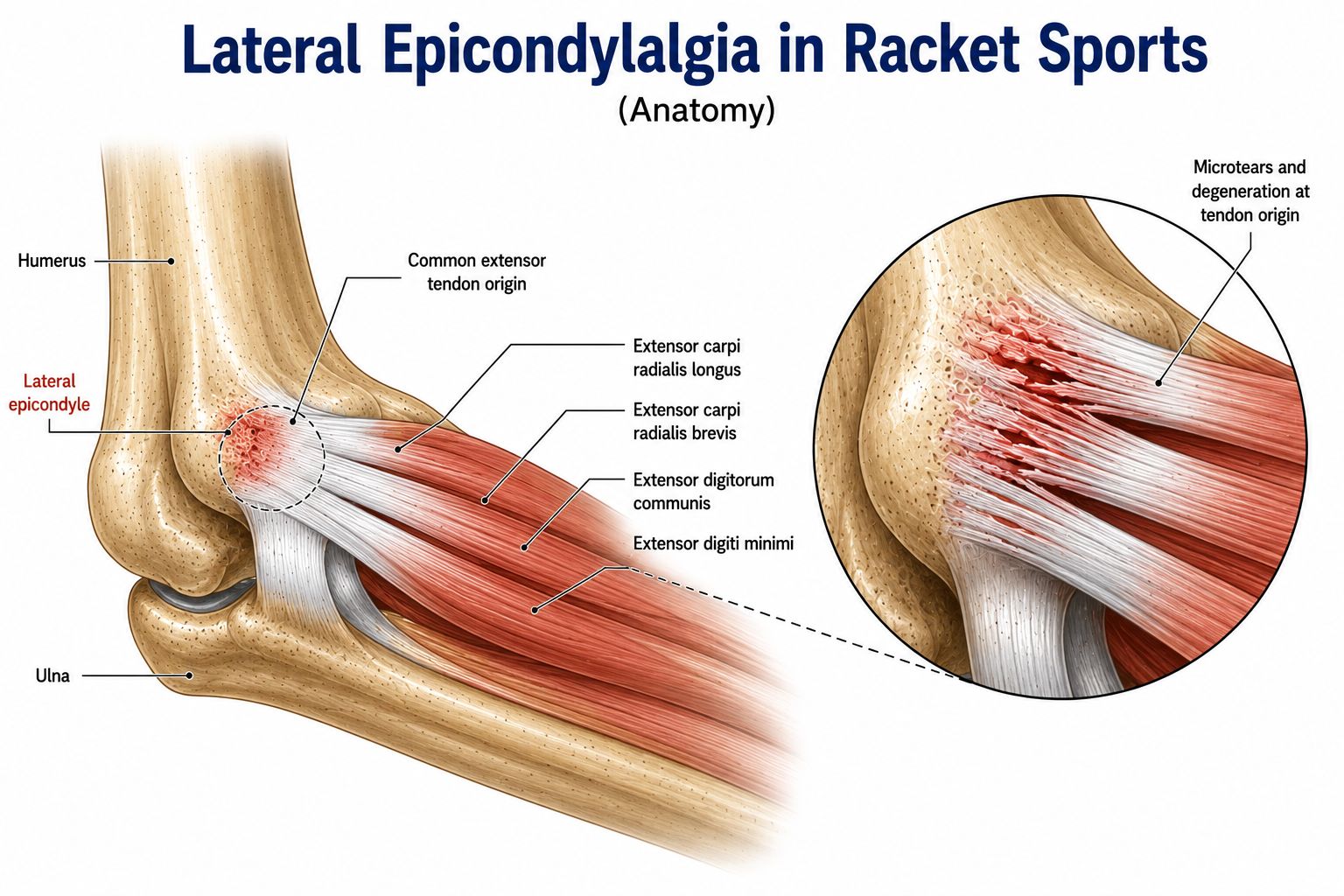
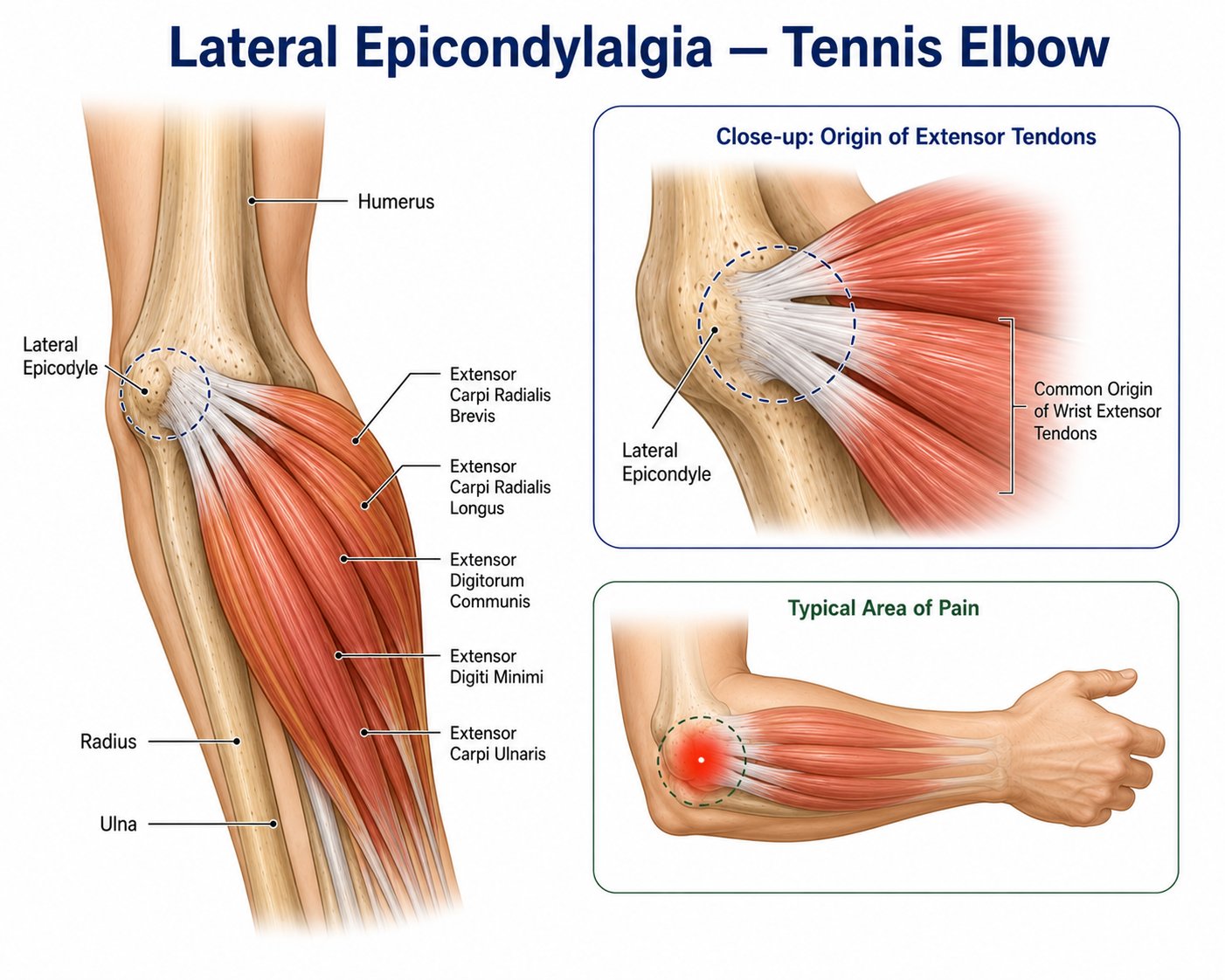
PLRI is frequently overlooked or misdiagnosed as lateral epicondylalgia (tennis elbow). A key clinical clue is that symptoms occur in a specific position — extension combined with supination and axial loading — and that prior lateral elbow surgery is often part of the history.
Quick Facts | Details |
Also Known As | PLRI, Lateral Elbow Instability, LUCL Insufficiency, Posterolateral Pivot Shift |
Affected Area | Lateral ulnar collateral ligament (LUCL) complex; lateral column of the elbow; radiocapitellar and ulnohumeral lateral joint |
Who It Affects | Adults of any age following lateral elbow injury, dislocation, or inadvertent LUCL damage during lateral epicondyle surgery; also from cubitus varus deformity or repetitive varus stress |
Prevalence | The most common pattern of chronic elbow instability; significantly underdiagnosed; a proportion of patients with failed tennis elbow surgery have underlying PLRI |
Treatment | LUCL repair (acute avulsion) or reconstruction with tendon graft (chronic); bracing and physiotherapy for mild cases; surgical reconstruction for symptomatic instability |
Causes & Risk Factors
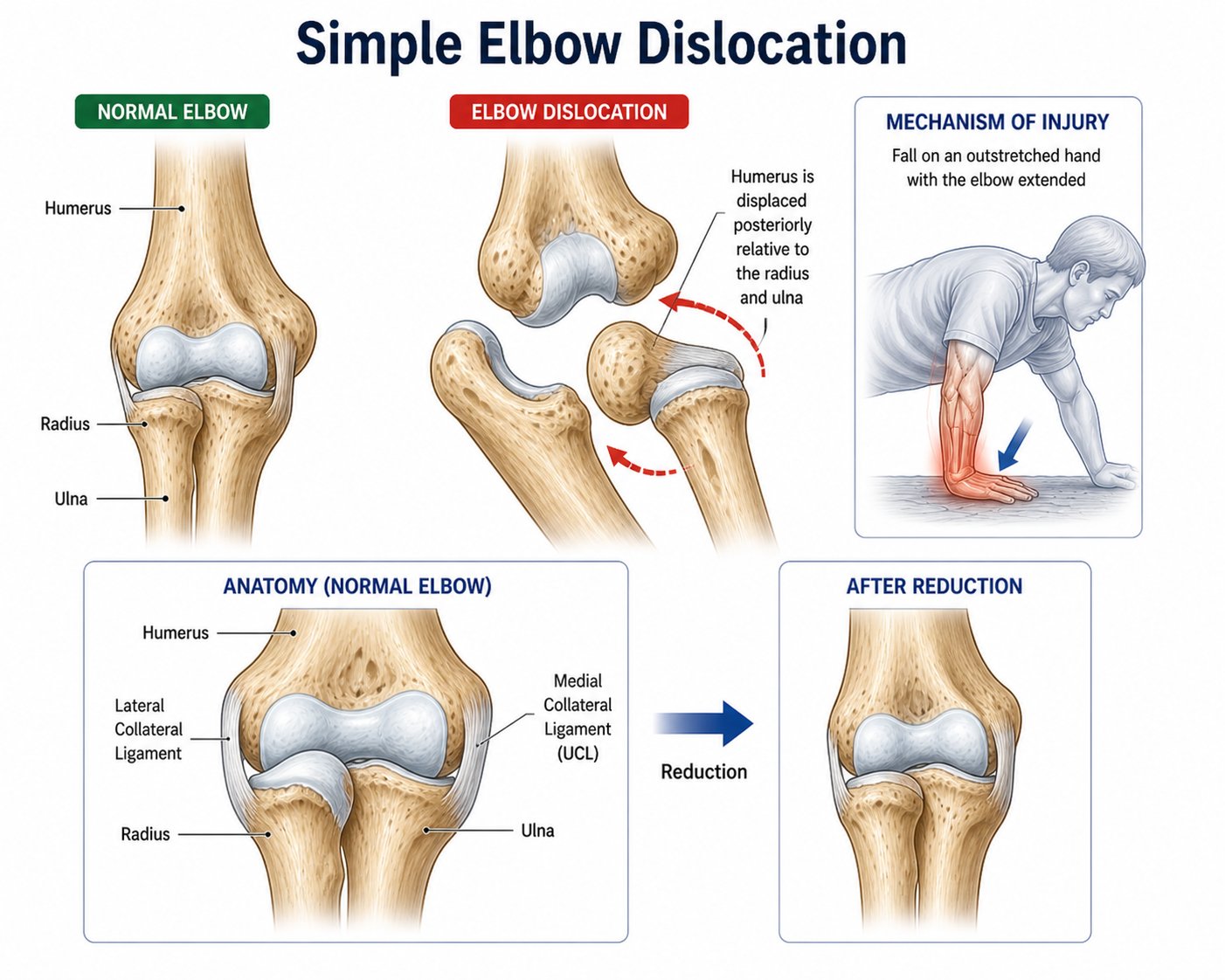
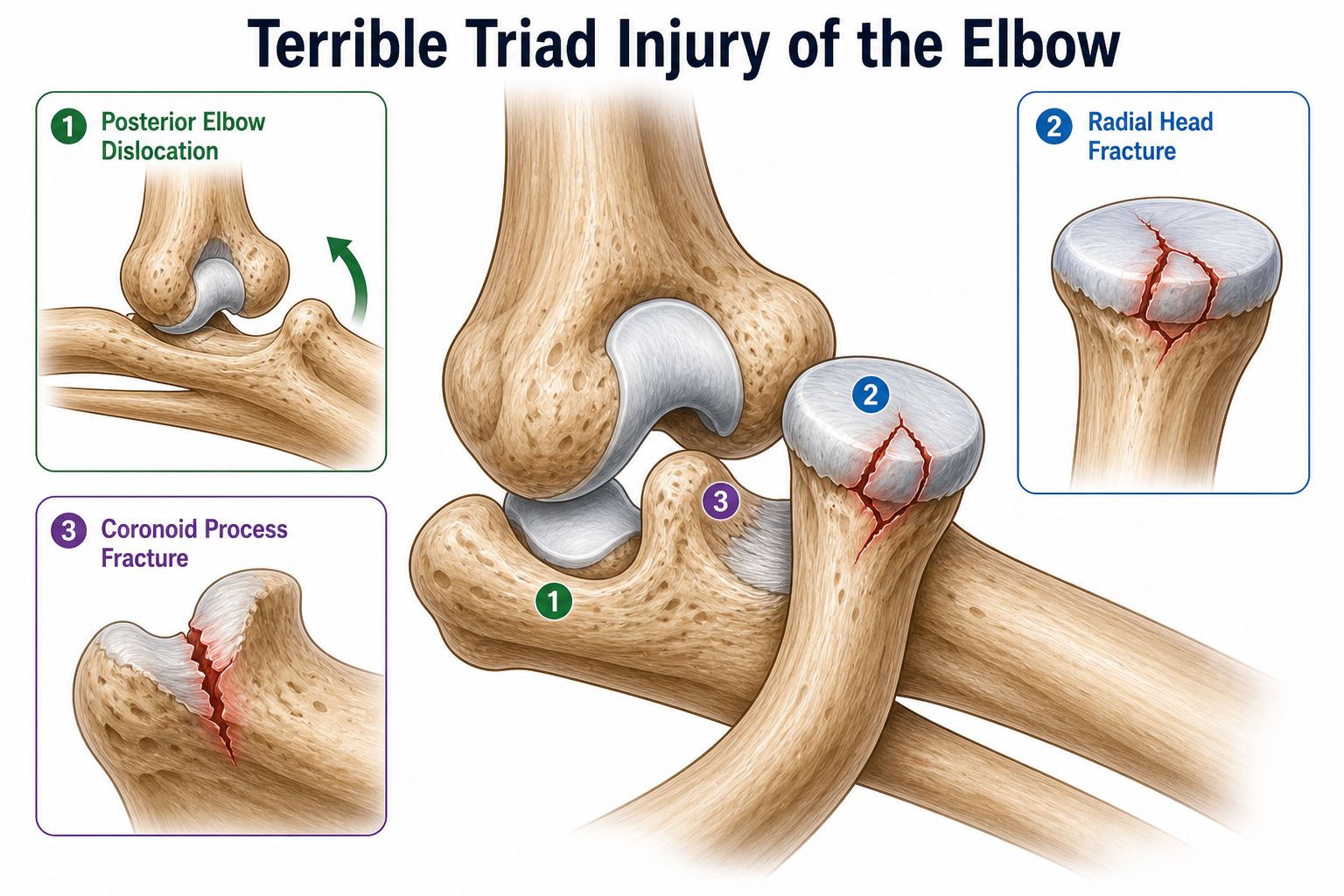
- Elbow dislocation — the LUCL is the first structure to fail; if incompletely healed, chronic PLRI results
- Lateral epicondyle surgery — over-zealous ECRB release risks inadvertent injury to the LUCL posterior fibres
- Repeated corticosteroid injections into the lateral elbow may weaken periligamentous tissues over time
- Varus trauma — a blow or fall creating varus force disrupts the lateral ligament complex
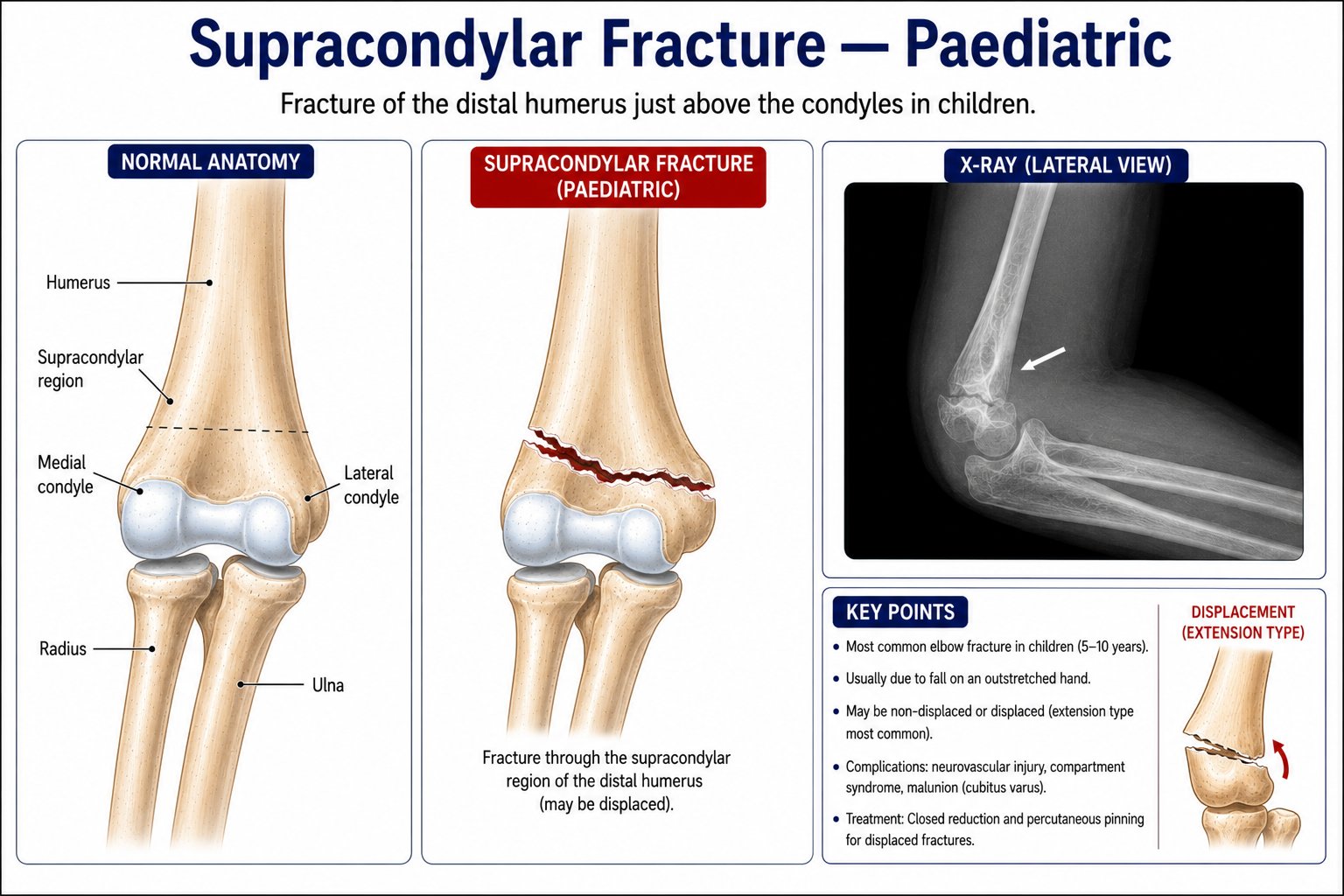
- Iatrogenic — cubitus varus deformity from childhood supracondylar malunion creates chronic varus stress attenuating the LUCL
- Idiopathic — congenital ligamentous laxity in hypermobile individuals
Symptoms
- Giving way, clicking, or clunking of the elbow — particularly when pushing up from a chair or doing press-ups
- Pain and apprehension on the lateral side of the elbow — worse with extension and supination under load
- Sensation of elbow “going out” — in the position of extension + forearm supination + axial load
- Chronic lateral elbow ache — often misdiagnosed as tennis elbow; fails all injections and physiotherapy
- Weakness — inability to perform push-up activities or use the arm in extension without apprehension
- Previous history of elbow dislocation, lateral trauma, or lateral elbow surgery
How is it Diagnosed?
- Clinical examination — lateral pivot shift test: patient supine, arm overhead; axial compression + valgus + supination as elbow flexed from extension; positive: apprehension or visible subluxation at 40° flexion
- Chair push-up test — patient pushes up from chair with forearms supinated; reproduces apprehension; highly specific
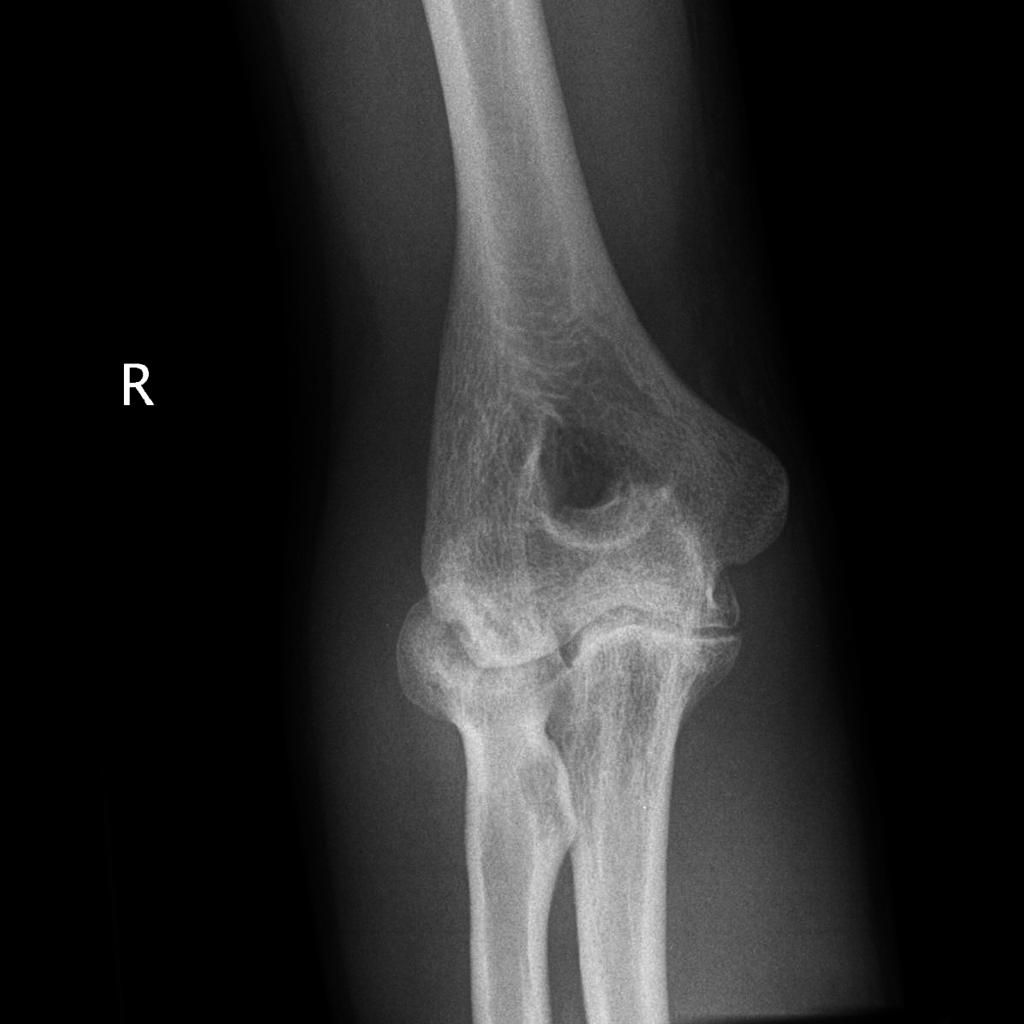
- Plain X-rays — may show subtle posterolateral subluxation of the radial head
- MRI — LUCL avulsion or attenuation at humeral origin (lateral epicondyle)
- Examination under anaesthesia + arthroscopy — gold standard; confirms by demonstrating lateral joint opening under arthroscopic visualisation

Treatment Options
Treatment Type | Details |
Physiotherapy (Mild Cases) | Dynamic stability training; flexor-pronator and periscapular strengthening; avoid provocative positions; functional bracing |
Functional Bracing | Elbow brace restricting terminal extension and supination; useful for mild instability or while awaiting surgery |
LUCL Repair (Acute Avulsion) | For acute LUCL avulsion with good tissue quality; suture anchor repair; best within 3 weeks of injury |
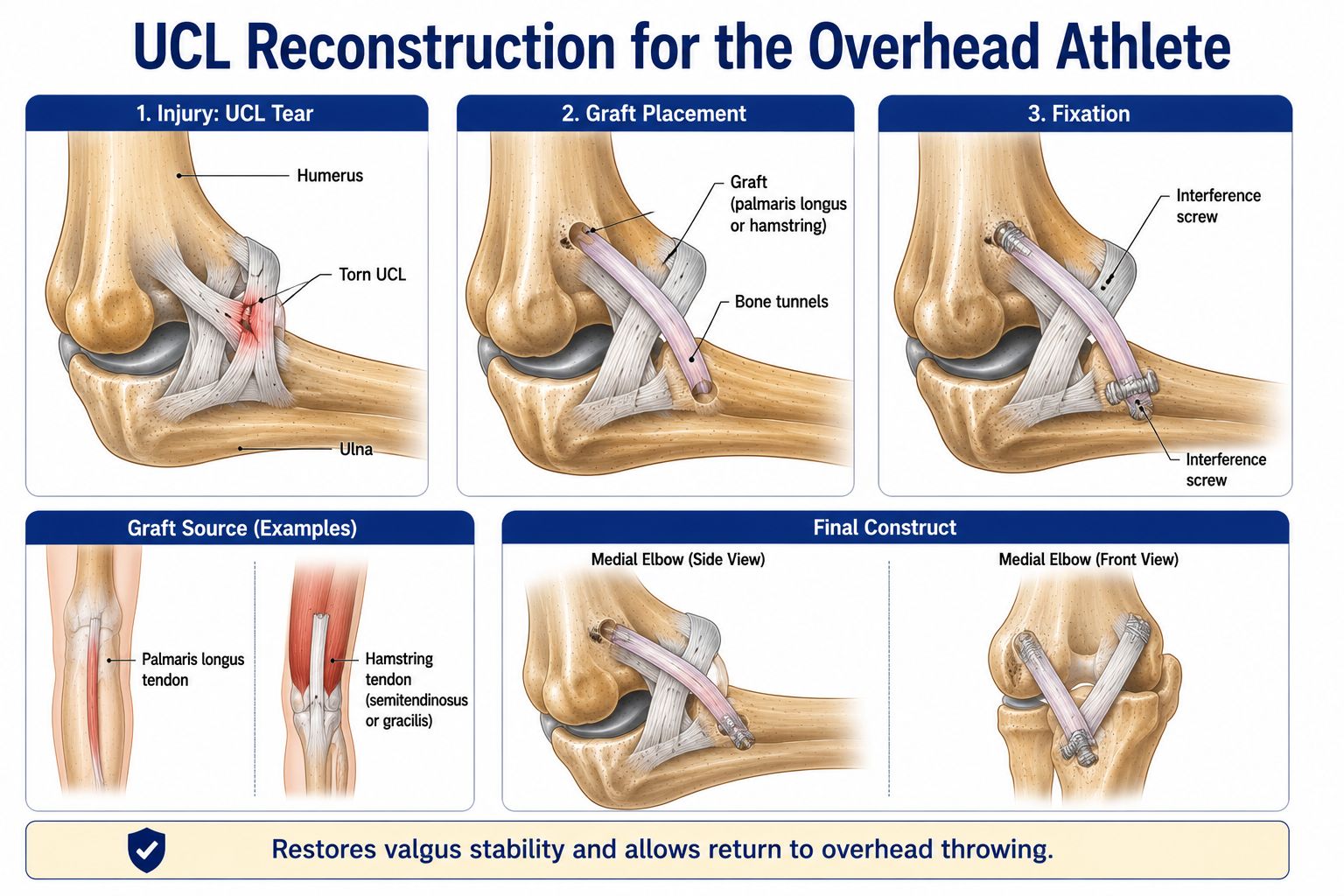
LUCL Reconstruction | Standard for chronic PLRI; palmaris longus graft most common; passed through tunnel at isometric point on lateral epicondyle and through ulna; tensioned at 30° flexion with forearm pronated |
Address Underlying Cause | Cubitus varus: corrective osteotomy before or concurrent with LUCL reconstruction |
Concurrent Lateral Epicondyle Pathology | ECRB release can be performed through same approach; protect LUCL posterior fibres throughout |
Recovery & Rehabilitation
- After LUCL reconstruction: posterior splint 2 weeks; hinged brace (0–120°) weeks 2–6; physiotherapy from week 2; full ROM by 6 weeks; strengthening phase 6–12 weeks; return to sport 4–6 months
- Avoid supination + extension + axial load for the first 12 weeks
- Expected outcomes: 85–90% good-to-excellent results for stability; most return to previous function and sport
- Recurrence rate: <10% with correct graft placement and appropriate rehabilitation
Why choose Dr Senthilvelan?
PLRI is frequently missed because it requires a high index of clinical suspicion and specific examination techniques. Dr Senthilvelan has advanced training in elbow instability assessment and LUCL reconstruction — a technically demanding procedure where precise graft placement at the isometric point on the lateral epicondyle is critical to a successful outcome.
Frequently Asked Questions
1. Could my "tennis elbow" actually be PLRI?
Possibly — particularly if your lateral elbow pain has not responded to multiple corticosteroid injections, physiotherapy, or even surgery for tennis elbow. PLRI can closely mimic lateral epicondylalgia but the treatment is entirely different. Key distinguishing features include: symptoms during specific movements like pushing up from a chair; a sense of giving way or clicking; and a history of elbow dislocation or lateral elbow surgery. An experienced elbow surgeon can usually distinguish PLRI from tennis elbow with careful examination.
2. How is PLRI diagnosed — what tests are performed?
The most reliable clinical test is the lateral pivot shift test, performed with the patient supine and the arm raised overhead. The examiner applies axial compression, valgus force, and supination to the forearm while slowly bending the elbow. In PLRI, this reproduces apprehension or a clunking sensation. The chair push-up test is another useful screen. Arthroscopy under anaesthesia provides definitive confirmation.
3. Can PLRI cause tennis elbow surgery to fail?
Yes. Unrecognised PLRI is one of the causes of failed lateral epicondyle surgery. When the lateral elbow is painful from instability rather than (or in addition to) ECRB tendinopathy, treating only the tendinopathy while missing the ligament laxity will not resolve symptoms. There is also a risk that over-releasing the common extensor origin inadvertently damages the LUCL posterior fibres, causing or worsening PLRI.
4. What tendon is used for the LUCL reconstruction?
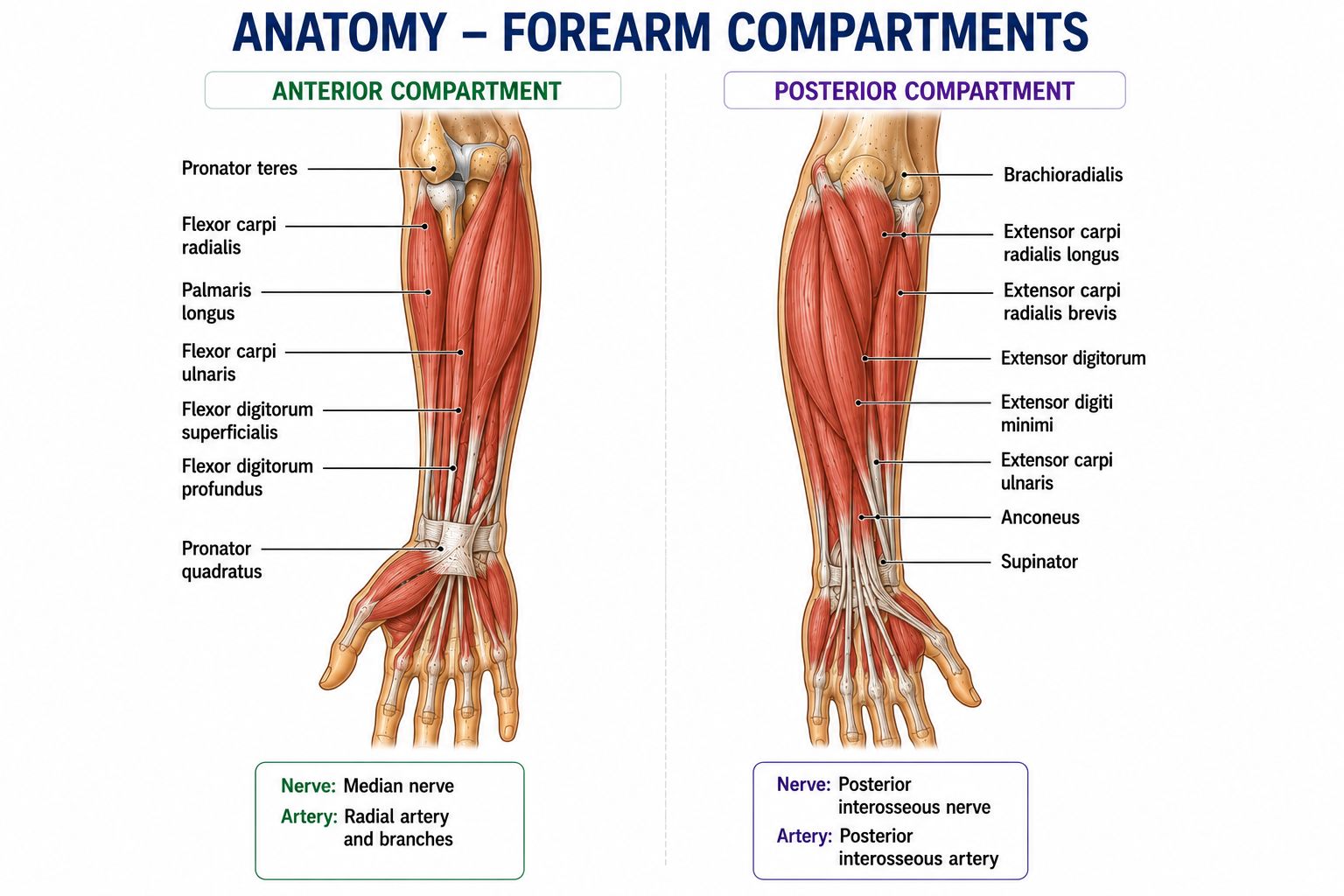
The palmaris longus tendon — on the front of the forearm; absent in approximately 15% of people — is most commonly used. If absent, the gracilis from the inner thigh, a strip of triceps tendon, or a synthetic graft can be used. Harvest of the palmaris longus causes no functional loss as it is expendable.
5. Could corticosteroid injections for tennis elbow have caused my instability?
Multiple deep corticosteroid injections into the lateral elbow region have been associated with weakening of the LUCL complex, which runs deep to the common extensor origin. While a single injection is very unlikely to cause PLRI, repeated injections may progressively weaken the periligamentous tissues. If you have developed giving way or clunking symptoms after lateral elbow injections, PLRI should be assessed and excluded with a specialist examination.