Overview
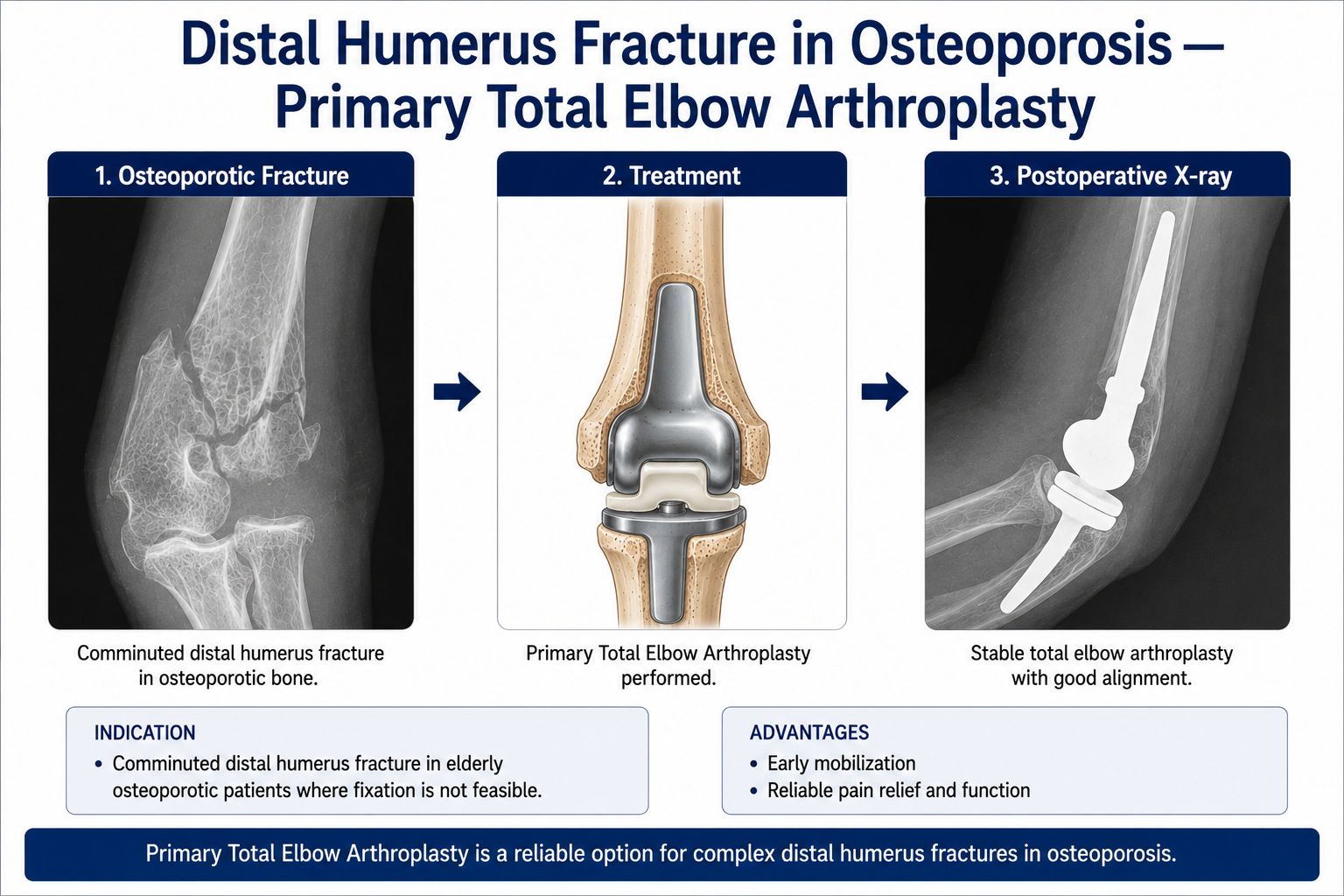
For most of the history of elbow surgery, complex distal humerus fractures in the elderly were treated with attempts at ORIF — often resulting in hardware failure, loss of fixation, non-union, stiffness, and the need for salvage total elbow arthroplasty. The landmark Frankle trial (2003) and subsequent evidence established that primary TEA for elderly patients with distal humerus fractures gives significantly better and more reliable outcomes than attempted ORIF on osteoporotic bone.
The reason is straightforward: osteoporotic bone cannot reliably hold the screws needed for stable plate fixation. Articular fragments are too small and fragile to reconstruct anatomically. Hardware loosens, fragments collapse, and the patient is left with a painful, stiff, non-functional elbow requiring further surgery. TEA bypasses these problems — replacing the destroyed articular surface with a reliable prosthesis and allowing immediate mobilisation.
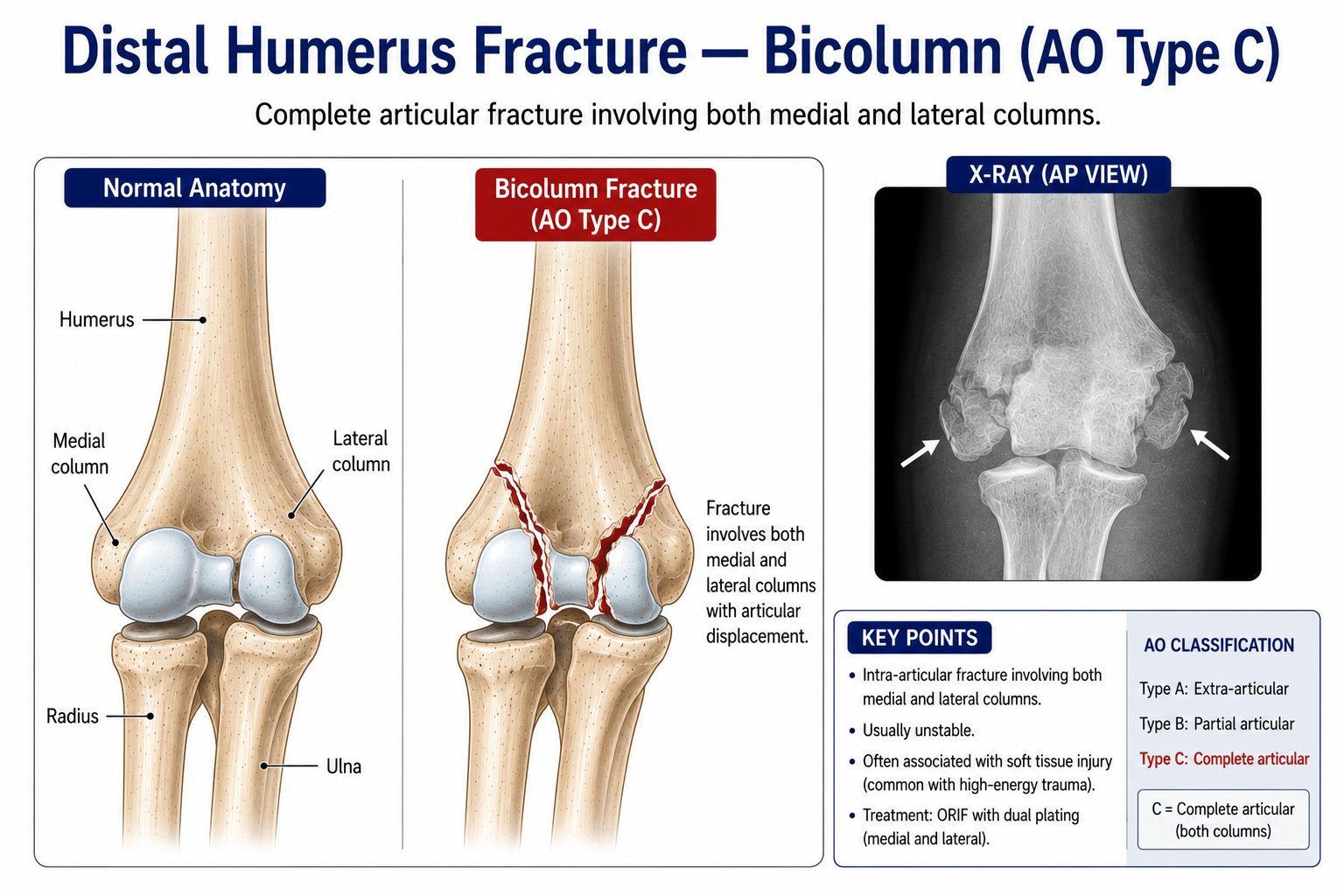
The indications for primary TEA over ORIF in distal humerus fractures are: age >65 years; AO Type C2 or C3 fracture with severe comminution; pre-existing elbow arthritis or osteoporosis; rheumatoid arthritis (the most ideal indication); and surgeon assessment that anatomical ORIF is not achievable in the available bone quality. The permanent 1kg single-hand lifting restriction is a lifelong requirement that must be discussed pre-operatively.
Quick Facts | Details |
Also Known As | Elderly Distal Humerus Fracture, Osteoporotic Distal Humerus Fracture, TEA for Fracture |
Affected Area | Distal humerus — AO Type C comminuted intra-articular fracture in osteoporotic or rheumatoid bone; bone quality insufficient for reliable ORIF |
Who It Affects | Women over 65 years with post-menopausal osteoporosis; patients with rheumatoid arthritis; elderly patients with pre-existing elbow arthritis; patients on long-term corticosteroids causing bone loss |
Prevalence | The elderly osteoporotic distal humerus fracture is an increasing public health problem; approximately 30% of distal humerus fractures in patients over 65 years have bone quality insufficient for reliable ORIF; TEA for this indication has dramatically changed outcomes in this group |
Treatment | Primary total elbow arthroplasty (TEA) strongly preferred over ORIF for: patients >65 years with AO Type C fracture + osteoporosis or RA; semi-constrained linked implant (Coonrad-Morrey type); Bryan-Morrey approach; immediate mobilisation; permanent 1kg single-hand lift restriction |
Causes & Risk Factors
- Post-menopausal osteoporosis — the most common risk factor; bone mineral density below the fracture threshold means complex comminuted fractures from low-energy falls
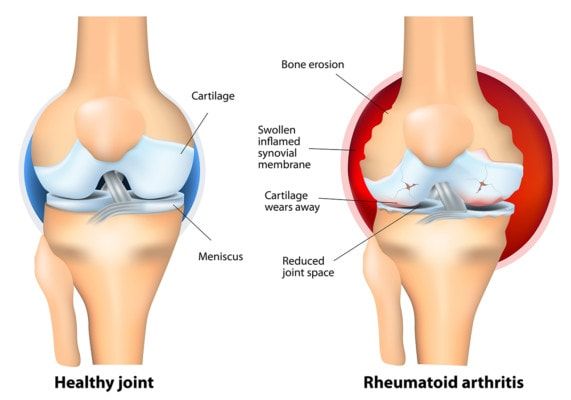
- Rheumatoid arthritis — the combination of RA (affecting elbow articular surfaces) and RA-related osteoporosis makes ORIF particularly unreliable; TEA is the ideal solution
- Long-term corticosteroid use — reduces bone density and collagen quality; patients with RA, COPD, or inflammatory bowel disease on long-term steroids
- Fall from standing height — the mechanism is modest; the bone quality is the primary determinant of fracture complexity in this group
- Pre-existing elbow pathology — prior elbow arthritis, stiffness, or previous surgery reduces bone stock available for ORIF
Symptoms
- Acute elbow pain — following a fall from standing height
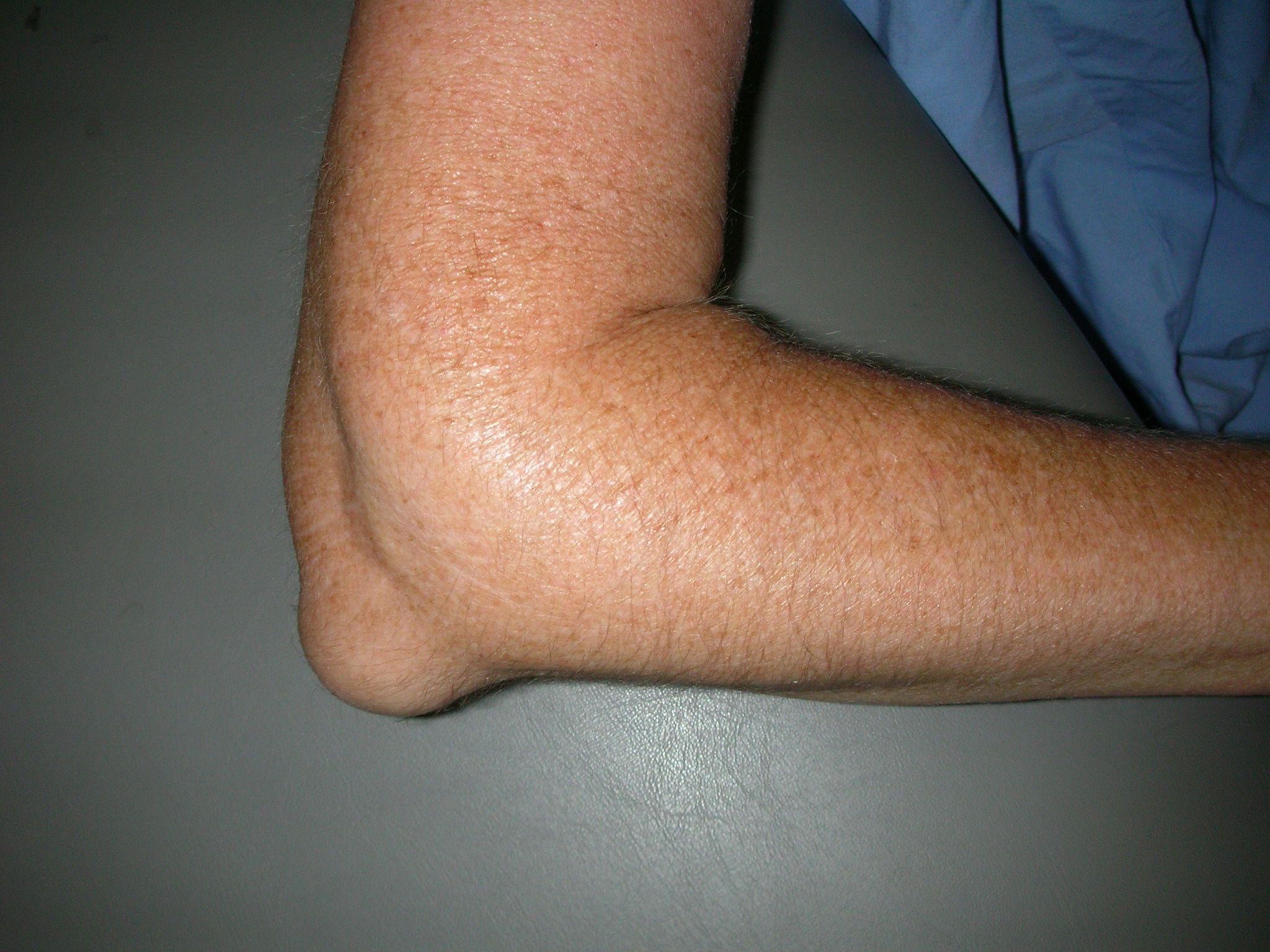
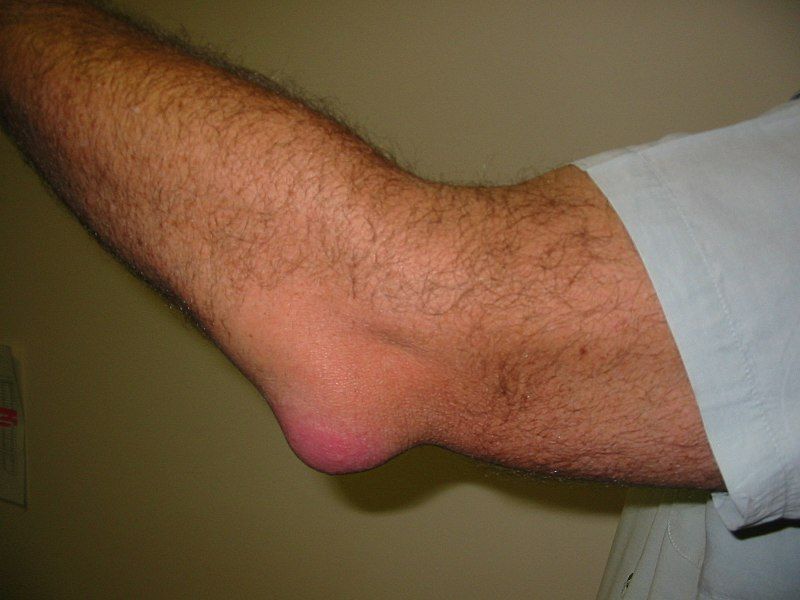
- Elbow deformity — swelling and deformity; similar presentation to a bicolumn fracture
- Inability to use the arm — the arm is held at the side
- Neurovascular assessment — ulnar nerve (most at risk in distal humerus fractures); anterior interosseous nerve; radial pulse
How is it Diagnosed?
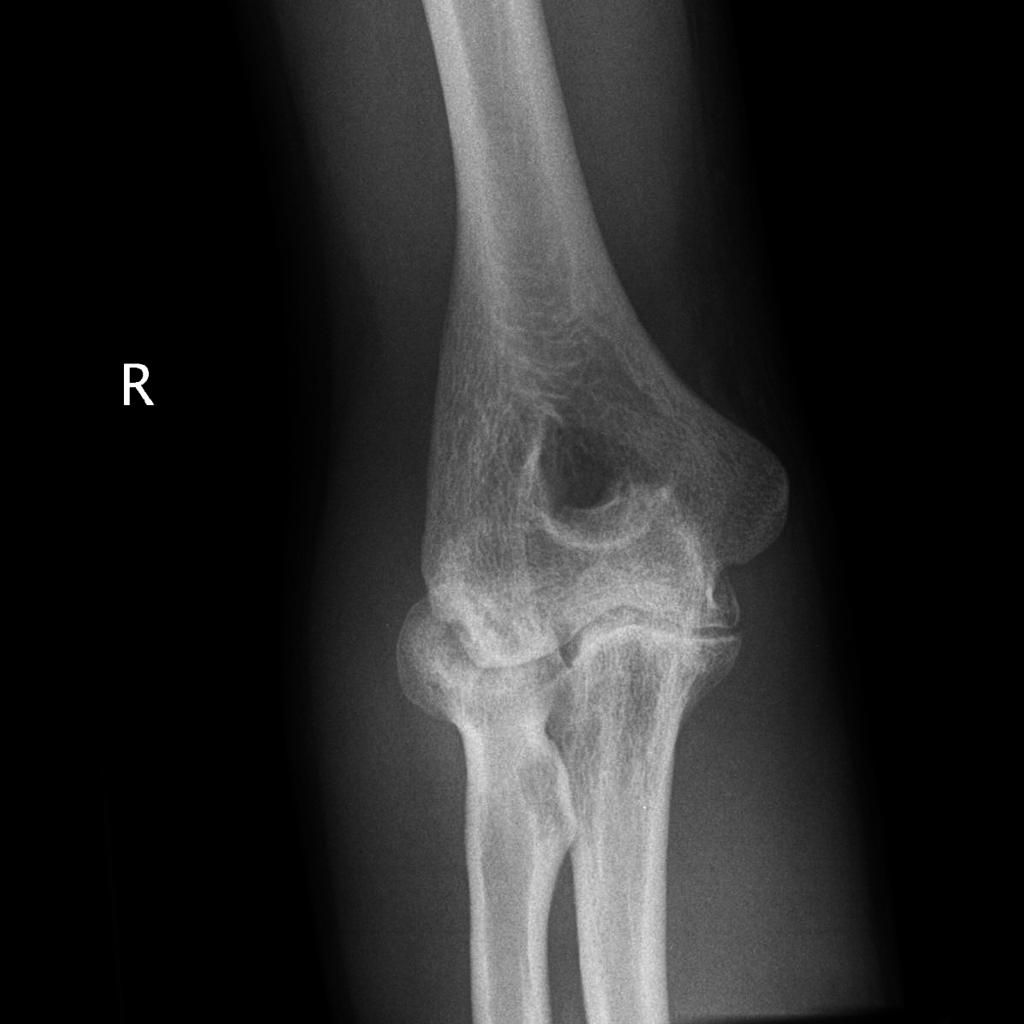
- Plain X-rays (AP + lateral) — comminuted distal humerus fracture; AO classification; severity of comminution
- CT scan — defines fragment count and size; confirms that ORIF would require fixation of very small fragments in poor bone; 3D reconstruction for surgical planning
- DEXA scan (if available) — bone mineral density; confirms osteoporosis in ambiguous cases
- Pre-operative anaesthetic assessment — elderly patients require general or regional anaesthetic assessment, particularly for cardiac and respiratory comorbidities

Treatment Options
Treatment Type | Details |
Primary Total Elbow Arthroplasty | Bryan-Morrey triceps-preserving approach; remove fracture fragments; prepare the humeral canal; insert the humeral component (cemented); prepare the ulnar canal; insert the ulnar component (cemented); link the two components (snap-fit or bolt); test ROM and stability; close in layers; drain; routine ulnar nerve anterior transposition throughout |
Semi-Constrained Linked Implant | Coonrad-Morrey (DePuy) is the most widely used; provides inherent stability through the linked hinge — important in the osteoporotic patient where ligamentous reconstruction is unreliable; allows 7° of varus-valgus laxity to reduce constraint forces on the fixation |
ORIF (Exception: High-Demand Younger Old) | For patients aged 65–70 years who are very active and willing to risk a more complex outcome: ORIF with dual locking plates may be attempted; this decision requires detailed discussion of the trade-offs; TEA restricts lifting permanently but ORIF risks hardware failure and re-operation |
Conservative Management (Rare) | For patients medically unfit for surgery (e.g. severe cardiac failure, end-stage renal failure): “bag of bones” technique — sling until pain subsides; accept limited function; suitable only when life expectancy is short or surgical risk is prohibitive |
Recovery & Rehabilitation
- After TEA for fracture: same recovery as TEA for arthritis; physiotherapy begins day 1; light activities 6–8 weeks; permanent 1kg single-hand lifting restriction — LIFELONG
- The “bag of bones” approach produces poor functional results but is appropriate when surgical risk is unacceptably high
- Most elderly patients achieve excellent pain relief, functional range of motion, and satisfaction after TEA for fracture
- Key message: TEA for elderly distal humerus fracture is not a “giving up” approach — it is a proactive decision that gives reliably better outcomes than struggling with ORIF on poor bone
- Follow-up at 6 weeks, 3 months, 1 year, and then every 2–3 years; implant surveillance X-ray at each visit
Why choose Dr Senthilvelan?
Dr Senthilvelan performs primary total elbow arthroplasty for elderly distal humerus fractures, achieving immediate pain relief and early mobilisation without the risk of hardware failure that complicates ORIF in osteoporotic bone. His UK fellowship training included dedicated exposure to elbow arthroplasty, one of the most technically specialised elbow procedures.
Frequently Asked Questions
1. My mother is 72 and broke her elbow badly — why is the surgeon recommending a joint replacement rather than fixing it?
For elderly patients with complex distal humerus fractures and osteoporotic bone, total elbow replacement gives more reliable results than attempting to fix the fragments with plates and screws. The problem with ‘fixing’ osteoporotic bone is that the screws may not hold reliably — leading to the metal work cutting out, the fracture collapsing, and a painful non-functional elbow. Total elbow replacement bypasses this problem by replacing the joint entirely with a reliable prosthesis that allows immediate movement and provides lasting pain relief. Multiple studies confirm better outcomes with TEA than ORIF in this patient group.
2. What is the 1kg lifting restriction after elbow replacement and why is it permanent?
After total elbow arthroplasty, patients are instructed never to lift more than 1kg with the operated arm in a single-handed grip (approximately the weight of a full mug of tea). This restriction is permanent for life and is the most important rule for protecting the implant. Elbow replacements are not designed for heavy loading — unlike hip or knee replacements, the elbow is a small joint and the implants are correspondingly smaller. Exceeding the weight limit repeatedly causes accelerated loosening of the cemented components, which can lead to implant failure and the need for complex revision surgery.
3. Will a total elbow replacement last for the rest of my mother's life?
For a 72-year-old patient with a distal humerus fracture, the implant is very likely to last for the remainder of her life — particularly if the lifting restriction is respected. Modern cemented total elbow replacements in elderly patients achieve 10–15+ year survival rates in the vast majority of cases. The key factors for longevity are: adhering to the 1kg lifting restriction; attending regular follow-up appointments for surveillance X-rays; and avoiding falls or direct elbow impacts.
4. Can rheumatoid arthritis patients have elbow replacement for a fracture?
Yes — rheumatoid arthritis patients are actually the ideal candidates for primary elbow arthroplasty following distal humerus fracture. RA patients have compromised articular surfaces (making ORIF reconstruction of the articular surface even less meaningful), osteoporotic bone from disease and steroid treatment (making ORIF fixation unreliable), and lower physical demands (making the 1kg restriction less restrictive on their lifestyle). Multiple studies show the best long-term outcomes after TEA in any diagnosis are in RA patients — and RA fracture patients are among the most grateful recipients of elbow arthroplasty.
5. Is the operation safe for an elderly patient who may have other health problems?
Total elbow arthroplasty is a well-tolerated procedure in most elderly patients. It can be performed under general or regional (nerve block) anaesthesia — the latter being particularly safe as it avoids the need for general anaesthesia in patients with significant cardiorespiratory comorbidities. A pre-operative anaesthetic assessment will identify any additional risk factors and optimise the patient accordingly. The alternative — conservative ‘bag of bones’ management — is only appropriate for the very frail or medically unfit, as the results are generally poor.