Overview
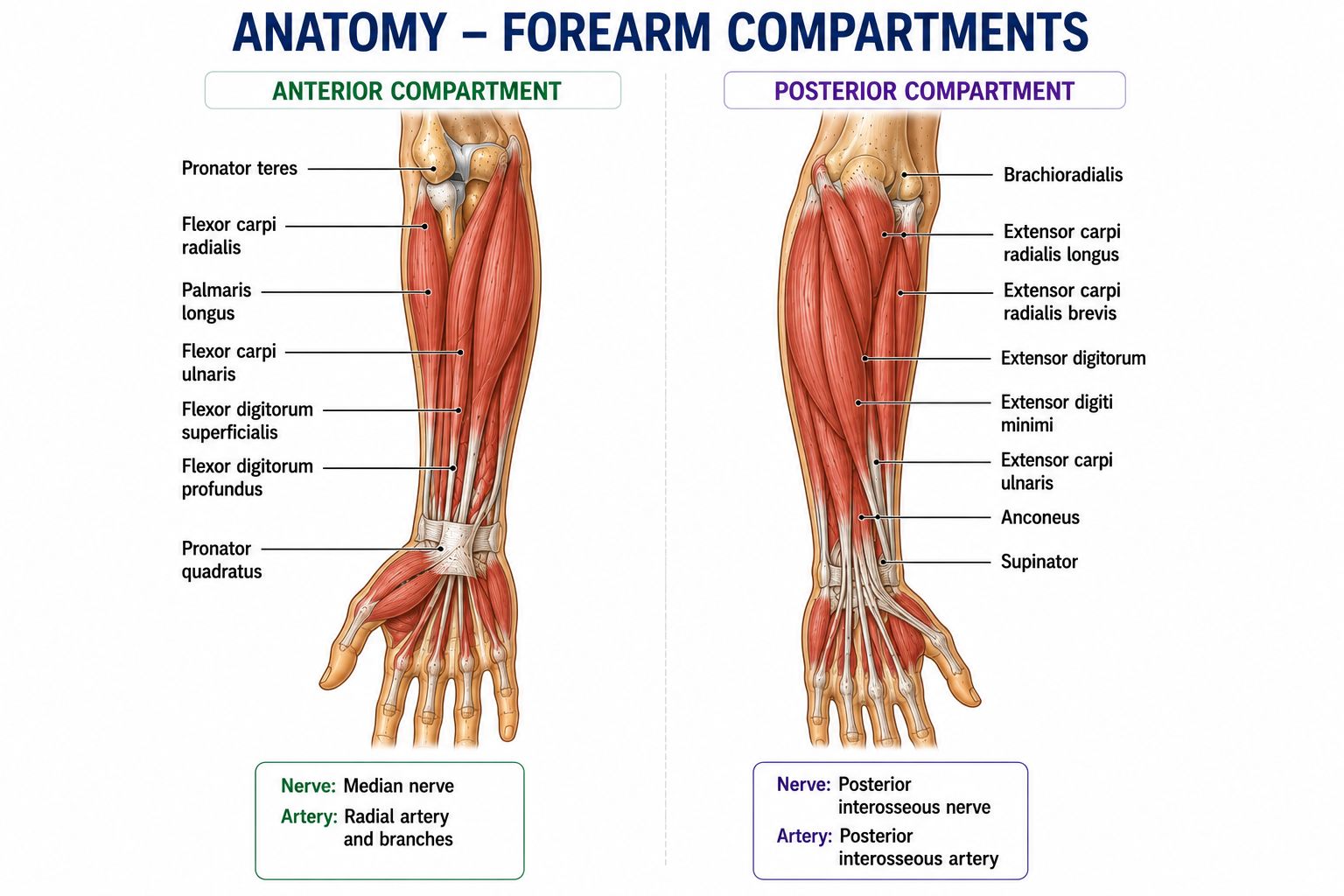
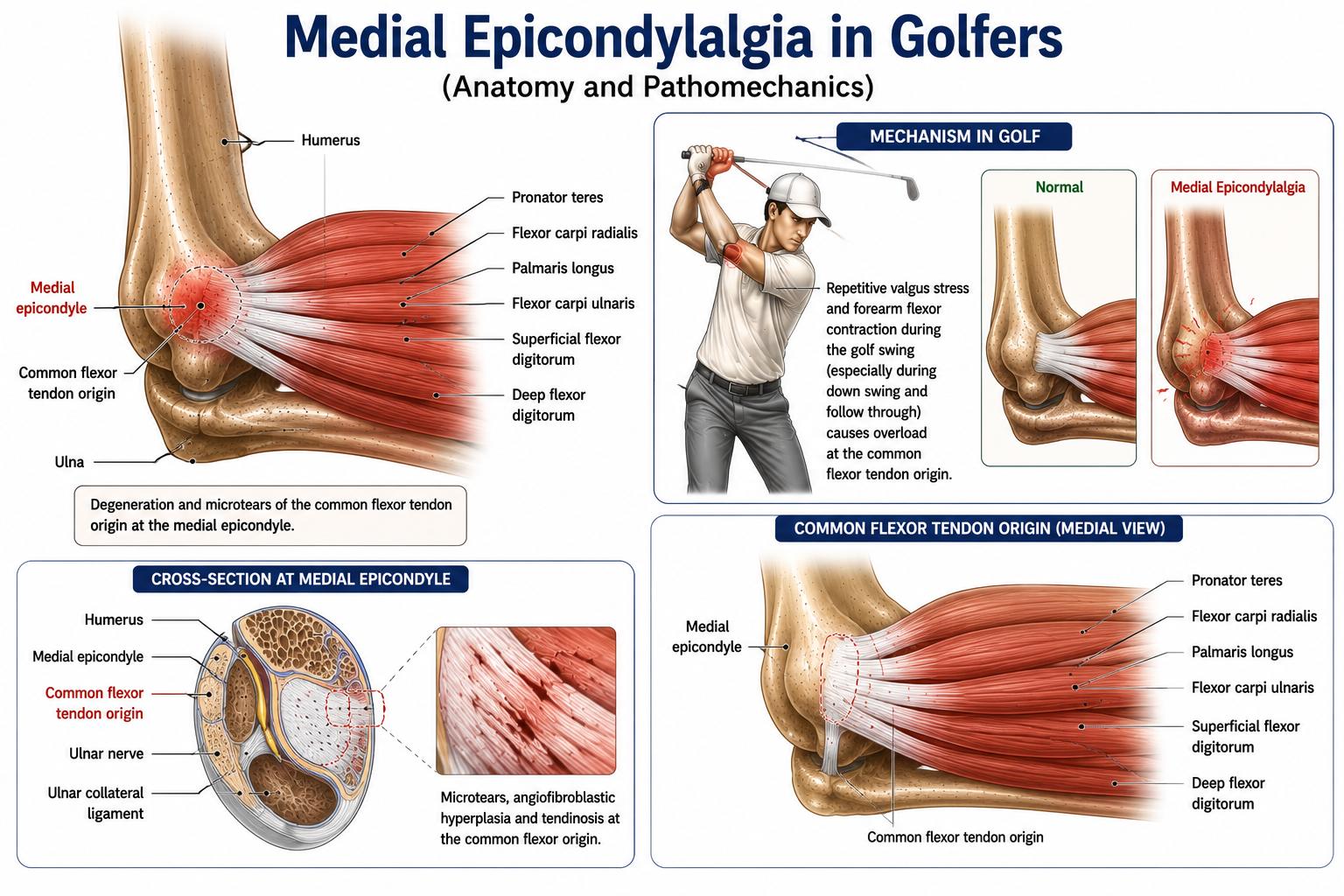
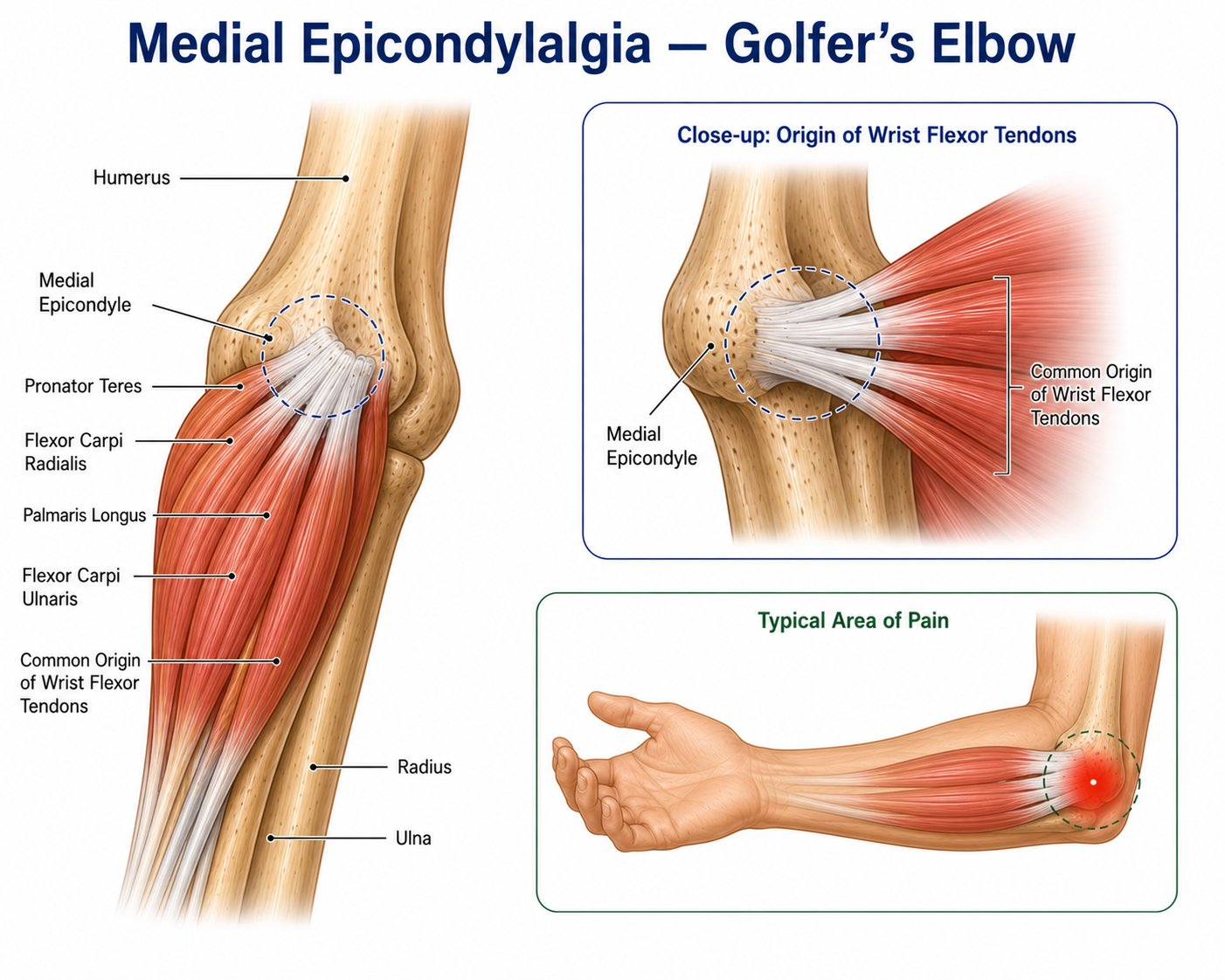
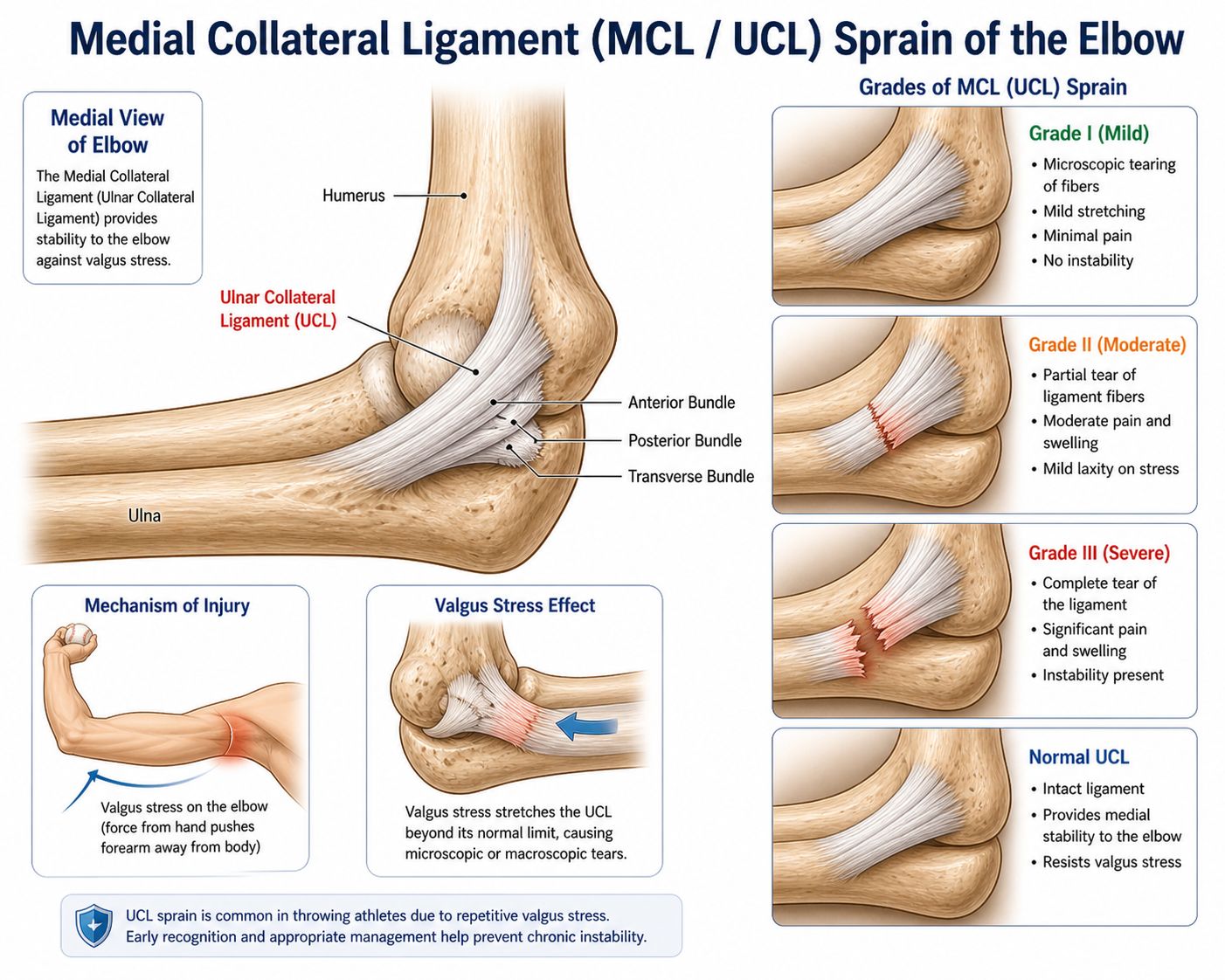
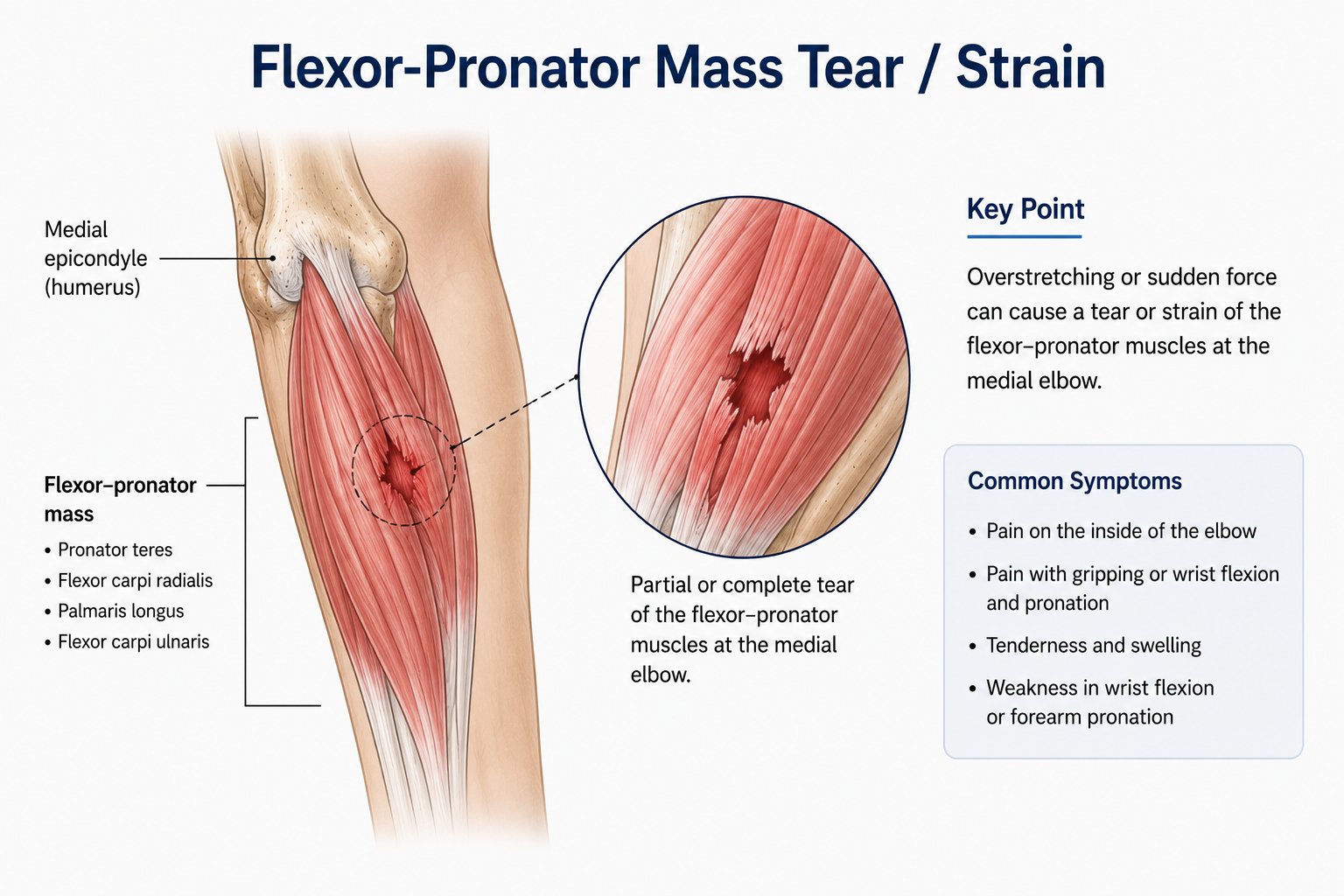
The flexor-pronator mass is the group of muscles originating from the medial epicondyle: pronator teres (PT), flexor carpi radialis (FCR), palmaris longus, flexor carpi ulnaris (FCU), and flexor digitorum superficialis (FDS). This muscle mass serves a dual role: it performs forearm pronation and wrist flexion, and — critically — it acts as the primary dynamic stabiliser of the medial elbow, protecting the underlying UCL from valgus forces during throwing.
Injury to the flexor-pronator origin can range from a mild strain (Grade I: microscopic muscle fibre damage without loss of continuity) through to a partial tear (Grade II) or a complete avulsion (Grade III). In throwing athletes, the acute complete avulsion is dramatic — it often occurs during a single maximum-effort throw or bowling delivery, producing a pop, sudden pain, and immediate loss of throwing ability.
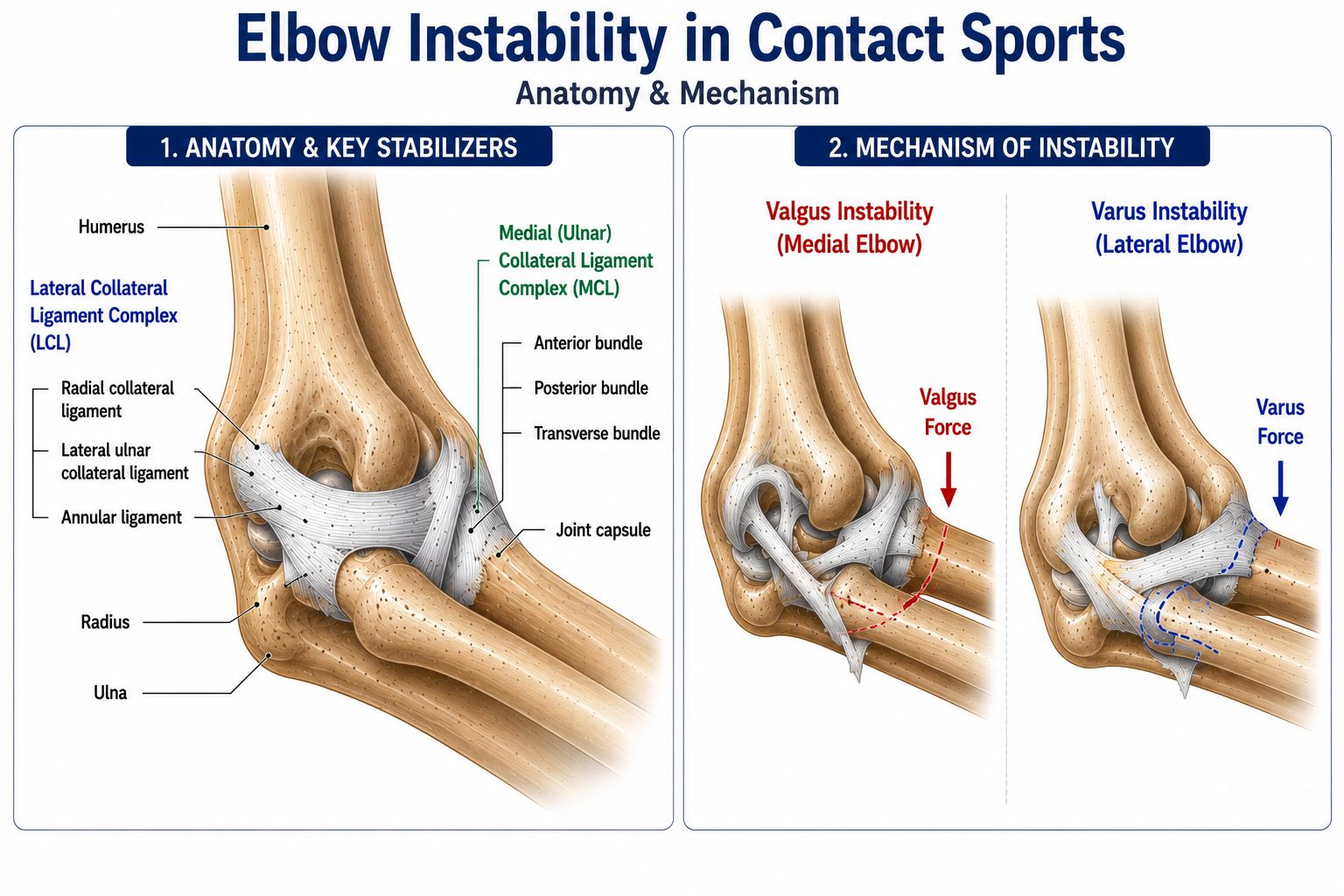
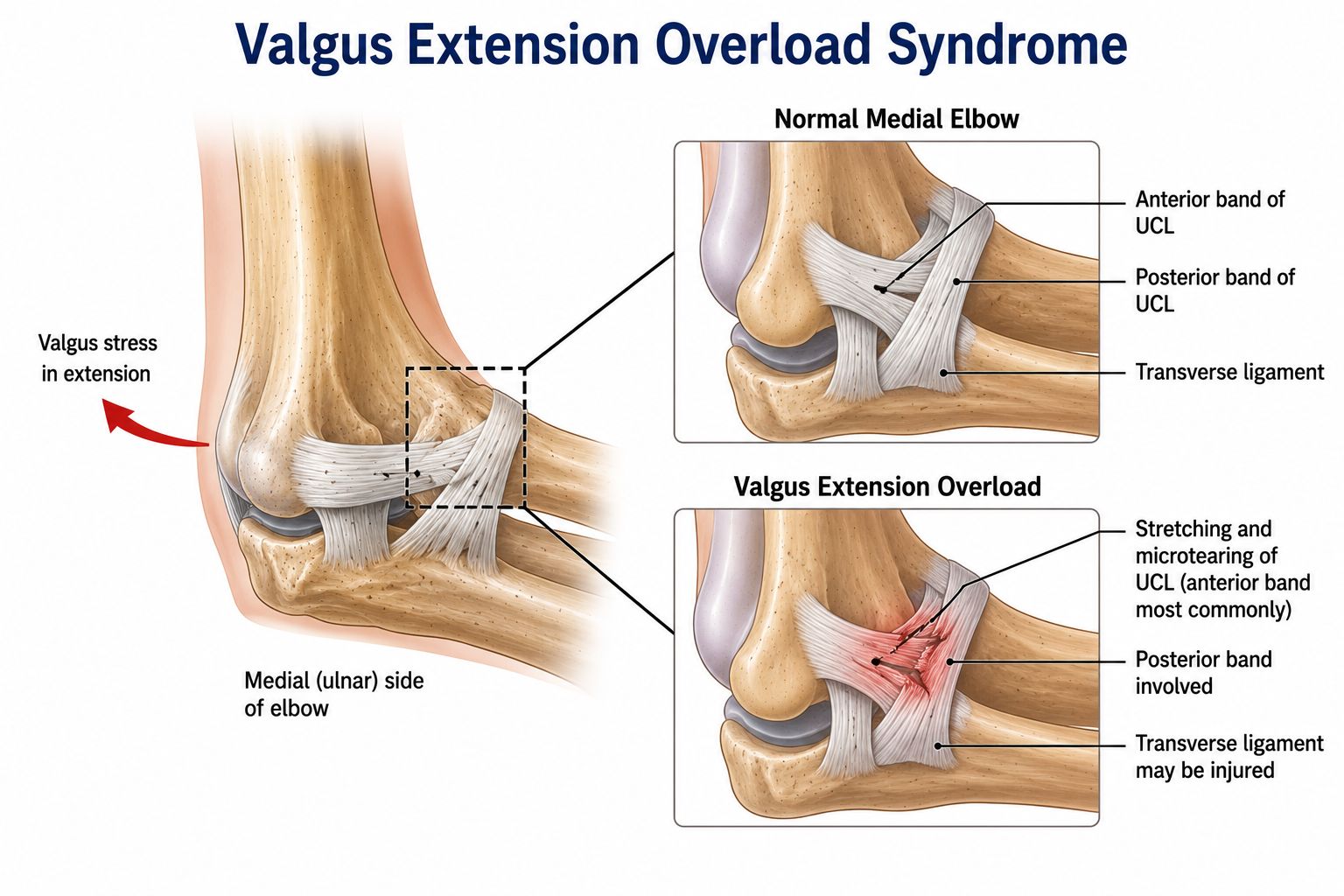
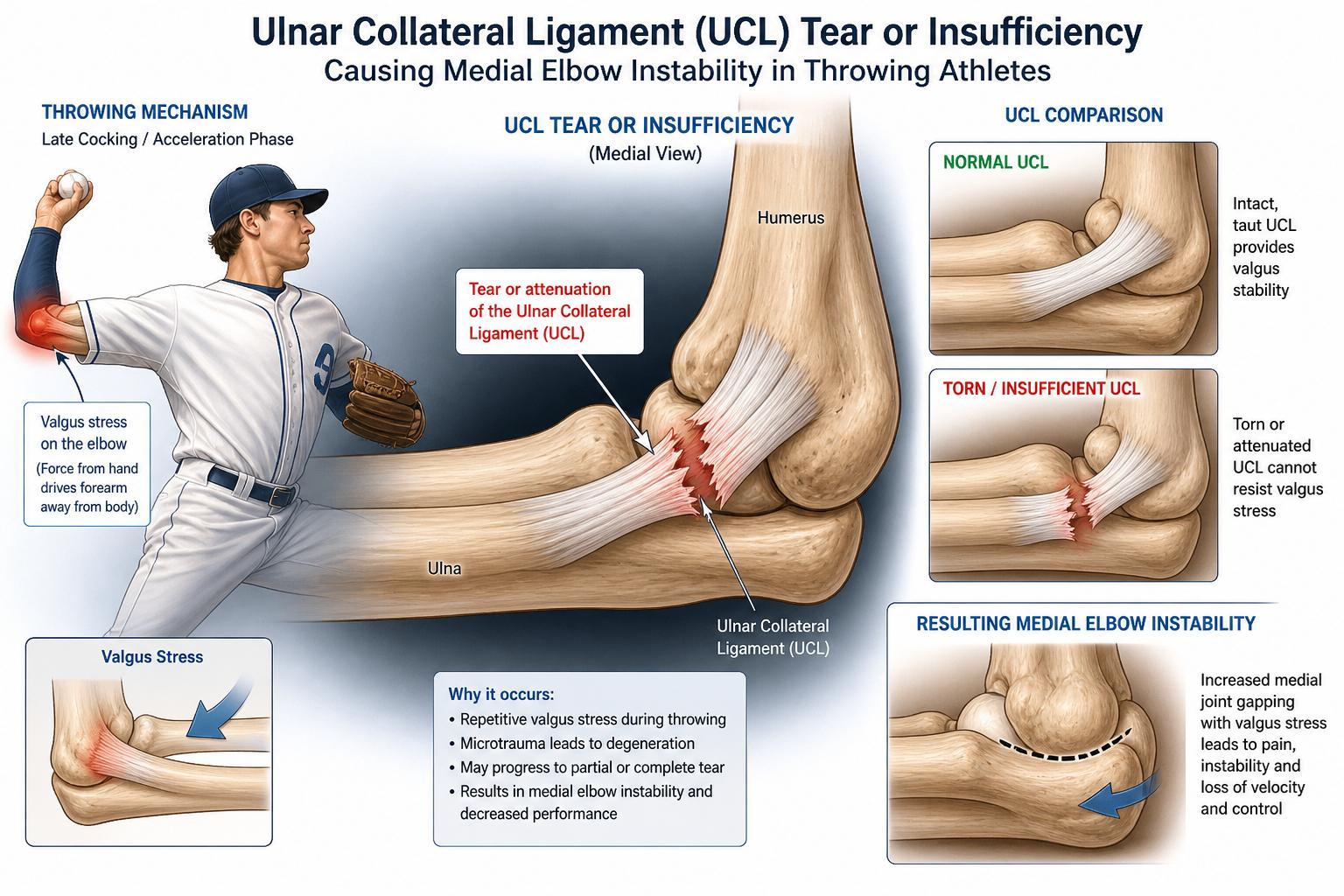
The relationship between the flexor-pronator mass and the UCL is clinically important: in athletes with UCL insufficiency, the flexor-pronator mass is under increased compensatory load, predisposing it to strain. Conversely, a tear of the flexor-pronator mass reduces the dynamic protection of the UCL, putting the ligament at risk. Both structures must be assessed together in any throwing athlete presenting with medial elbow pain.
Quick Facts | Details |
Also Known As | Flexor-Pronator Strain, CFO Strain, Medial Epicondyle Avulsion Strain, Pronator Teres Origin Tear |
Affected Area | Common flexor-pronator origin (CFO) at the medial epicondyle; primarily pronator teres and flexor carpi radialis; adjacent to the anterior band of the UCL |
Who It Affects | Throwing athletes (fast bowlers, baseball pitchers); overhead sports; acute injury in any adult from a single violent valgus event; workers performing sudden eccentric forearm loading |
Prevalence | Common in throwing athletes; often coexists with UCL insufficiency; acute complete tears are less common than chronic strain; an important cause of medial elbow pain in athletes alongside UCL injury |
Treatment | Acute strain (Grade I-II): RICE, splint 2–3 weeks, then physiotherapy and PRP; Complete tear (Grade III): surgical repair; Chronic strain: physiotherapy, PRP, activity modification; protect UCL from further valgus stress |
Causes & Risk Factors
- Acute valgus overload — a single maximum-effort throw or bowling delivery; the eccentric load exceeds the tensile strength of the origin
- Chronic repetitive overload — cumulative fatigue from high-volume throwing; particularly in athletes without adequate conditioning of the flexor-pronator group
- UCL insufficiency — when the UCL is deficient, the flexor-pronator mass is under increased dynamic stress, predisposing to both acute and chronic injury
- Sudden eccentric loading in non-athletes — catching a heavy falling object; a fall onto an outstretched arm with forced supination
- Poor throwing mechanics — excessive trunk side-bend and early arm pronation increase medial elbow load
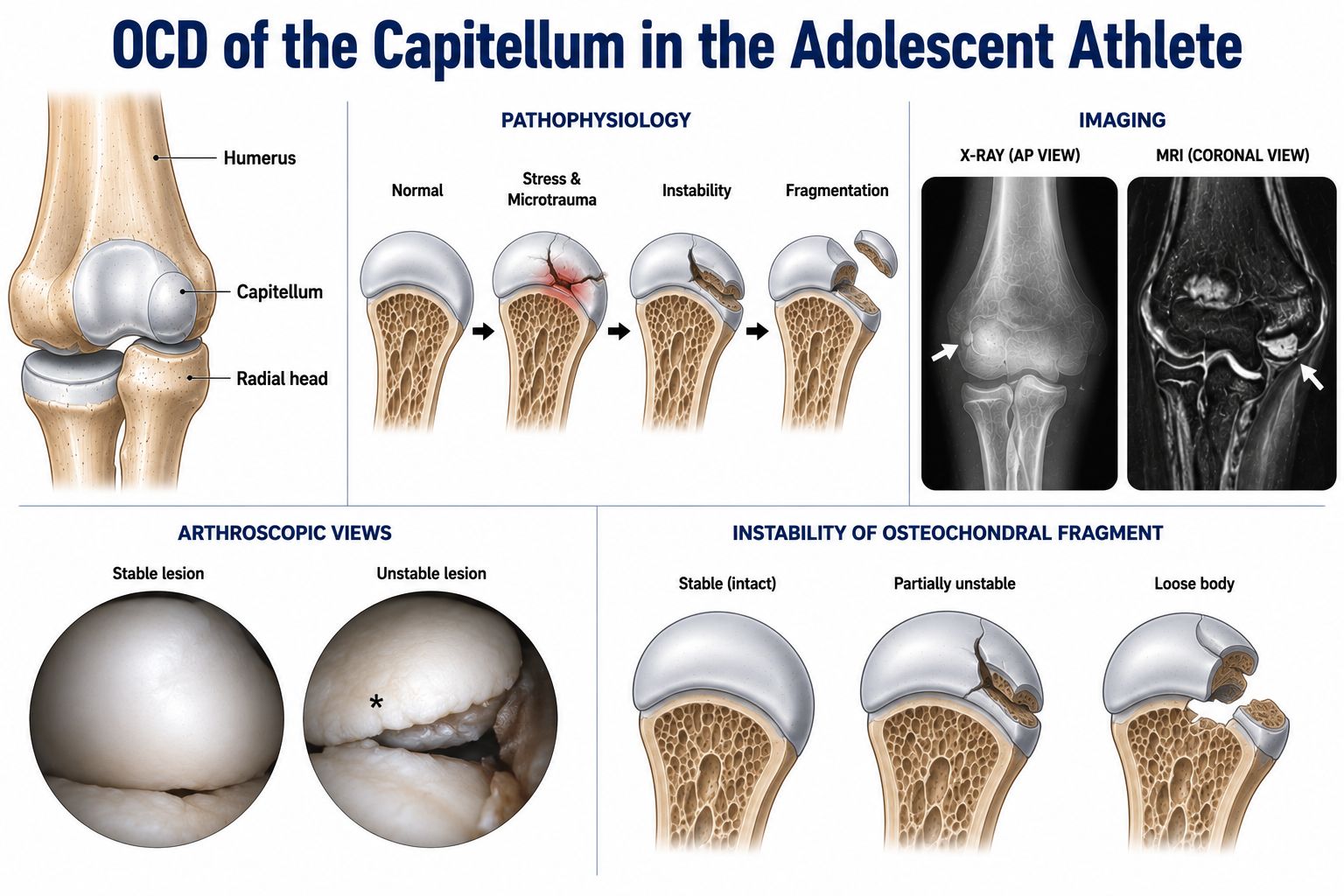
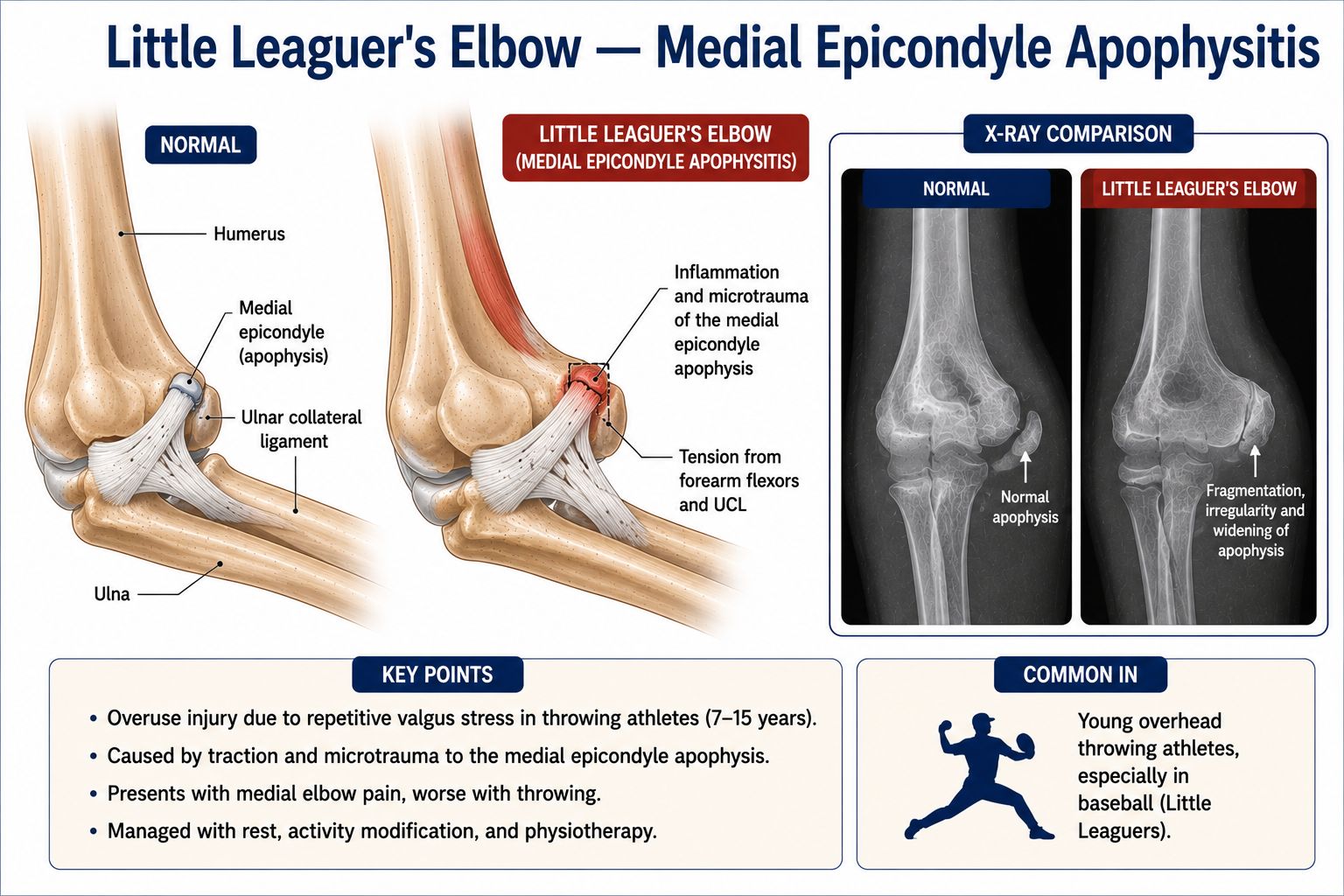
- Adolescent athletes — medial epicondyle apophysitis precedes flexor-pronator strain; apophysis closes at 15–17 years
Symptoms
- Acute Grade III tear: sudden medial elbow pain with a pop or tearing sensation during a throw; immediate inability to continue throwing; bruising develops over 24–48 hours
- Grade I–II strain: medial elbow aching and soreness after throwing; localised tenderness over the flexor-pronator origin; no pop or immediate loss of function
- Tenderness — 1–2cm distal to the medial epicondyle, over the flexor-pronator origin
- Pain with resisted wrist flexion and forearm pronation — provocation of the flexor-pronator origin
- Weakness — reduced forearm pronation and wrist flexion strength in severe tears
- Concurrent UCL symptoms — valgus stress pain in athletes with co-existing UCL insufficiency
- Bruising — antecubital fossa and medial forearm bruising in acute complete tears
How is it Diagnosed?
- Clinical examination — medial epicondyle tenderness (distinguish from UCL line); resisted wrist flexion and forearm pronation test; valgus stress test (assess concurrent UCL); compare bilaterally
- MRI — most sensitive: T2 signal at the flexor-pronator origin; extent of tear; concurrent UCL assessment; MRI distinguishes Grade I strain (oedema without tear), Grade II (partial tear), Grade III (complete avulsion)
- Ultrasound — identifies tear extent; Doppler signal; guides injection; concurrent UCL assessment with dynamic valgus stress
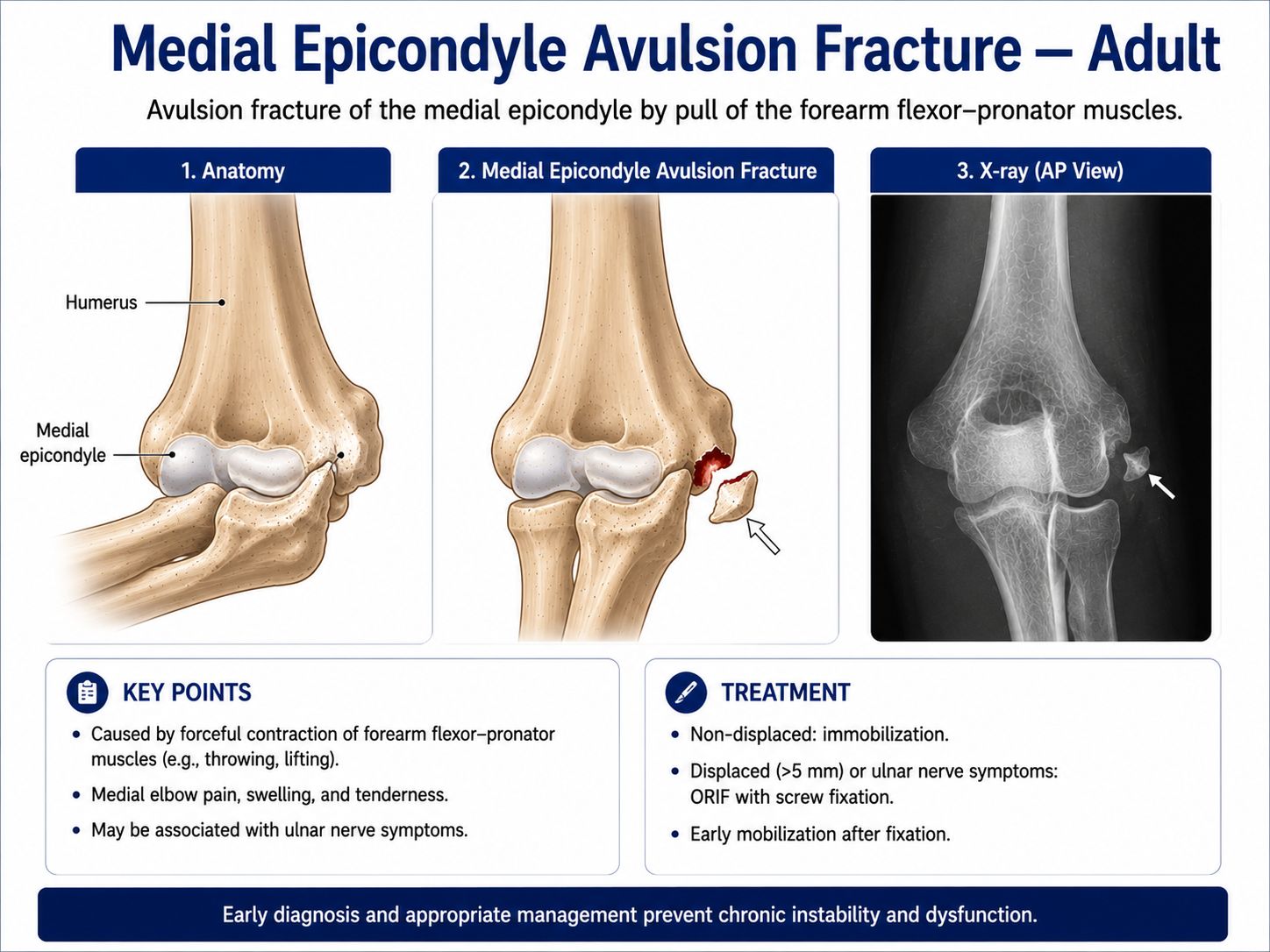
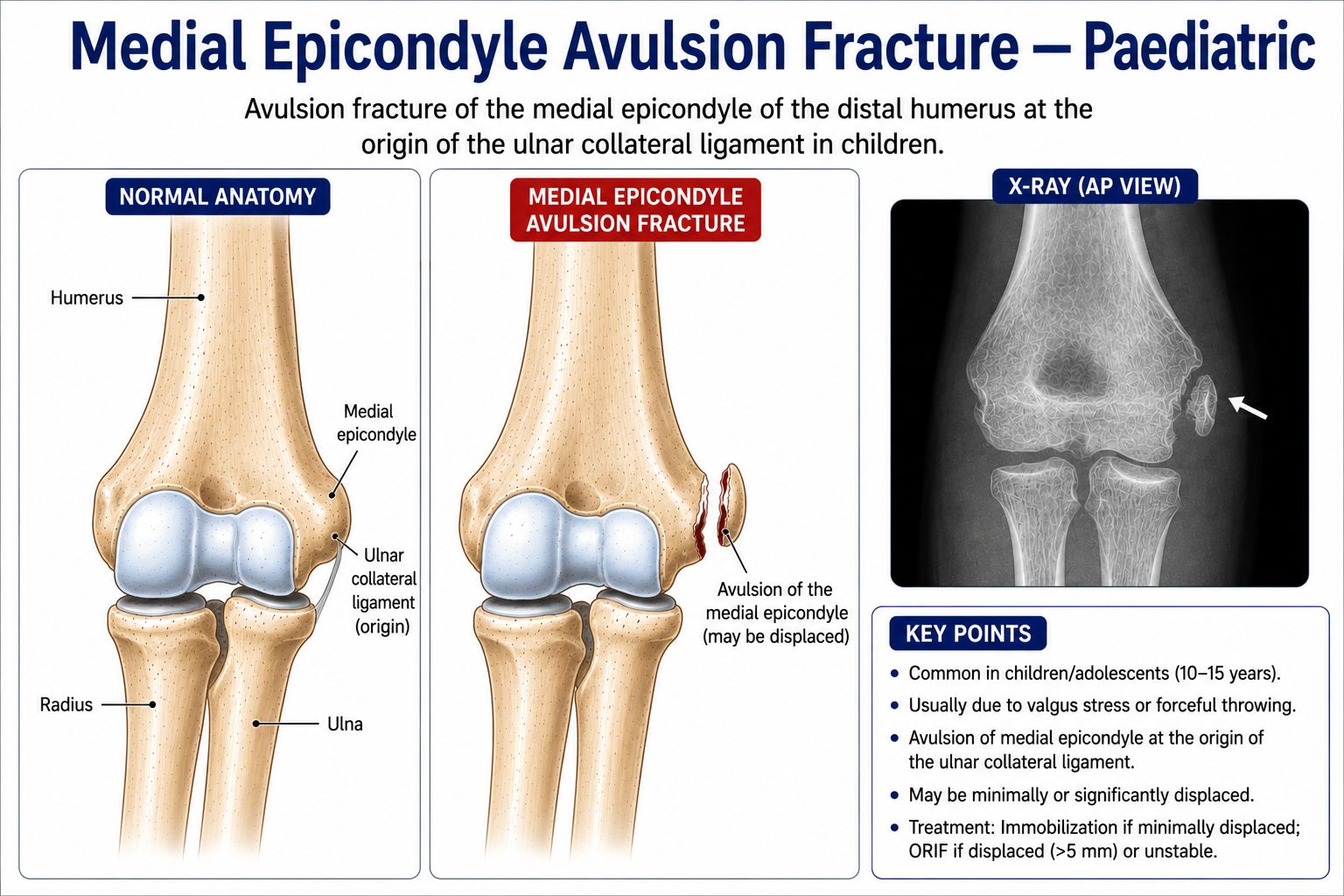
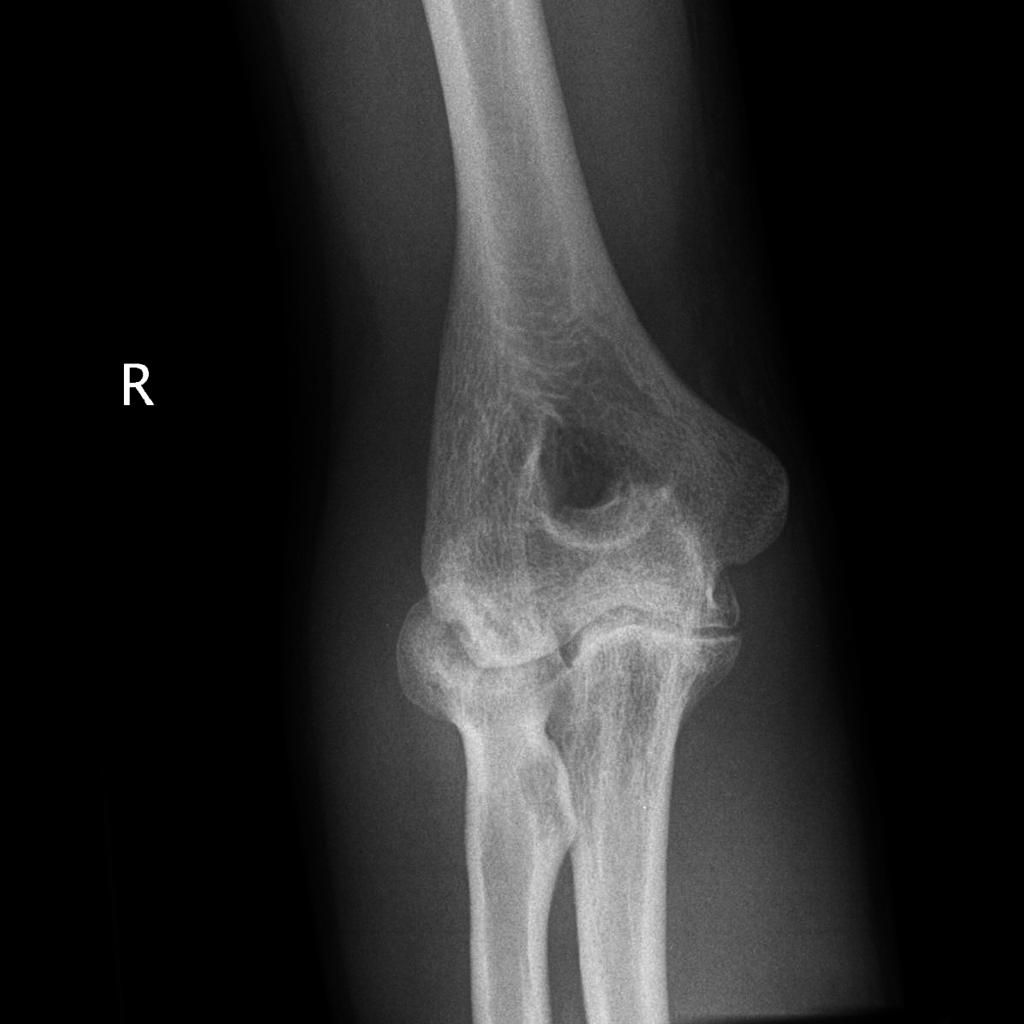
- X-rays — may show medial epicondyle avulsion fragment in complete tears; calcification in chronic cases

Treatment Options
Treatment Type | Details |
RICE — Acute Phase | Rest, ice, compression, elevation; sling for comfort in Grade II–III injuries; 2–4 weeks |
Physiotherapy | Restore ROM; progressive flexor-pronator loading; eccentric strengthening; biomechanical correction of throwing mechanics; graduated return-to-throw protocol |
PRP Injection | Ultrasound-guided PRP at the tear site or degenerate origin; for Grade II partial tears and chronic strain; 6 weeks restriction from throwing after injection; 50–70% return to sport without surgery |
Surgical Repair (Grade III Acute) | For complete acute avulsion in competitive throwing athletes; reattachment to medial epicondyle via suture anchors; protect UCL throughout; concurrent UCL assessment essential; if UCL tear present: address at same setting |
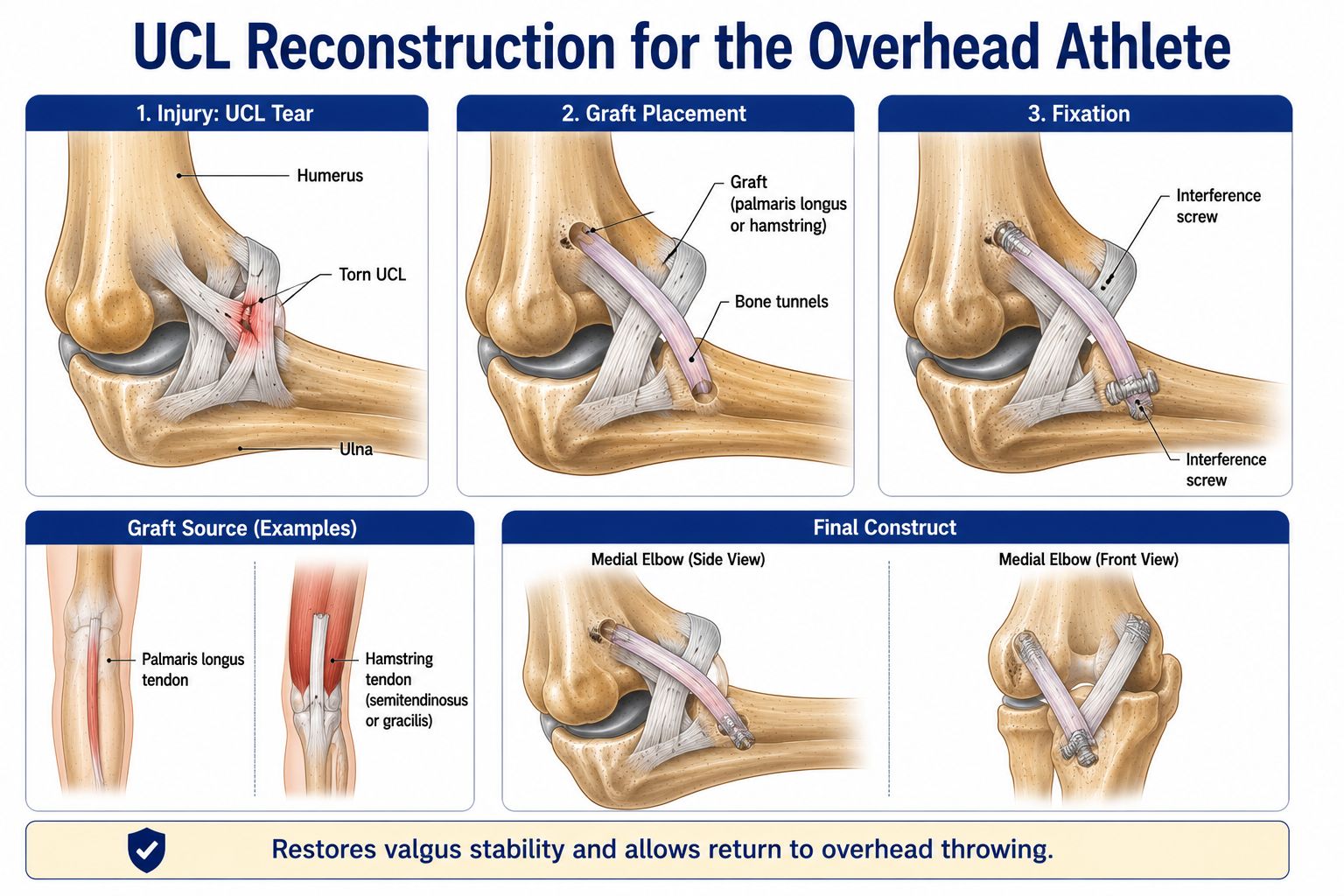
Address Concurrent UCL Insufficiency | If valgus stress test positive or MRI shows UCL tear: UCL reconstruction planned at same or staged setting; failure to address UCL results in persistent medial elbow failure |
Bracing | Hinged elbow brace for valgus unloading during return to throwing; protects healing flexor-pronator origin and UCL |
Recovery & Rehabilitation
- Grade I: return to throwing in 2–4 weeks with physiotherapy and load management
- Grade II (PRP): 6 weeks rest from throwing; graduated return at 3–4 months
- After surgical repair (Grade III): sling 2 weeks; physiotherapy from week 2; interval throwing begins at month 3; return to competitive throwing 6–9 months
- Concurrent UCL reconstruction: extends recovery to 9–12 months (see Condition 13)
- Key predictor of outcome: whether concurrent UCL insufficiency is present and addressed
Why choose Dr Senthilvelan?
Flexor-pronator mass tears require systematic assessment of the concurrent UCL status — the two structures are intimately related and must both be addressed for the medial elbow to be fully restored. Dr Senthilvelan evaluates every medial elbow injury in athletes with valgus stress testing, MRI arthrography, and examination under anaesthesia where needed.
Frequently Asked Questions
1. I felt a pop at my medial elbow while bowling — is this my flexor-pronator muscle or my UCL?
Both can produce a pop on the medial side of the elbow during a throw, and both can occur simultaneously. Key distinguishing features are: the flexor-pronator tear produces tenderness directly at the muscle origin (1–2cm distal to the medial epicondyle), with pain on resisted wrist flexion. UCL tear tenderness is more distal and specific to the ligament line, with pain reproduced by the valgus stress test. MRI — particularly MR arthrography — is the most accurate way to distinguish the two and identify which is the primary injury (or whether both are present).
2. Can a flexor-pronator tear heal without surgery?
Most Grade I and Grade II flexor-pronator strains and partial tears heal well with appropriate conservative management — rest, physiotherapy, and PRP injection. Grade III complete avulsions in competitive throwing athletes generally require surgical repair to restore full throwing function. In recreational or non-throwing patients, Grade III tears can sometimes be managed conservatively with acceptable functional results — but the decision depends on the patient’s activity level and whether concurrent UCL insufficiency is present.
3. Why does the flexor-pronator muscle need to be protected when treating UCL injuries?
The flexor-pronator mass is the primary dynamic stabiliser of the medial elbow — it acts as the first line of defence against valgus stress, protecting the underlying UCL. When the flexor-pronator is torn or weakened, the UCL takes increased load and is at higher risk of injury. Conversely, when the UCL is reconstructed, the rehabilitation programme specifically targets flexor-pronator strengthening as the key to protecting the new graft and restoring valgus stability. The two structures function as a team, and rehabilitation of one without the other produces incomplete results.
4. How long before I can bowl again after a flexor-pronator injury?
For a Grade I strain: 2–4 weeks of modified rest followed by a graduated return-to-bowling programme. For a Grade II tear treated with PRP: 3–4 months. For a Grade III surgical repair without concurrent UCL reconstruction: 6–9 months with a formal interval bowling programme. For a Grade III tear with concurrent UCL reconstruction: 9–12 months. These timelines assume optimal rehabilitation compliance and assume the injury is isolated — concurrent injuries lengthen recovery.
5. Should I have the flexor-pronator and UCL repaired together if both are injured?
Yes — when both the flexor-pronator origin and the UCL are significantly injured, addressing both at the same surgical setting is generally preferred. This avoids a second operation and allows combined rehabilitation from the start. The flexor-pronator mass is released (via the Hotchkiss over-the-top approach or the medial column approach), the UCL is reconstructed through the same exposure, and both are repaired together. The recovery timeline is driven by the UCL reconstruction (9–12 months for competitive throwing athletes).