Overview
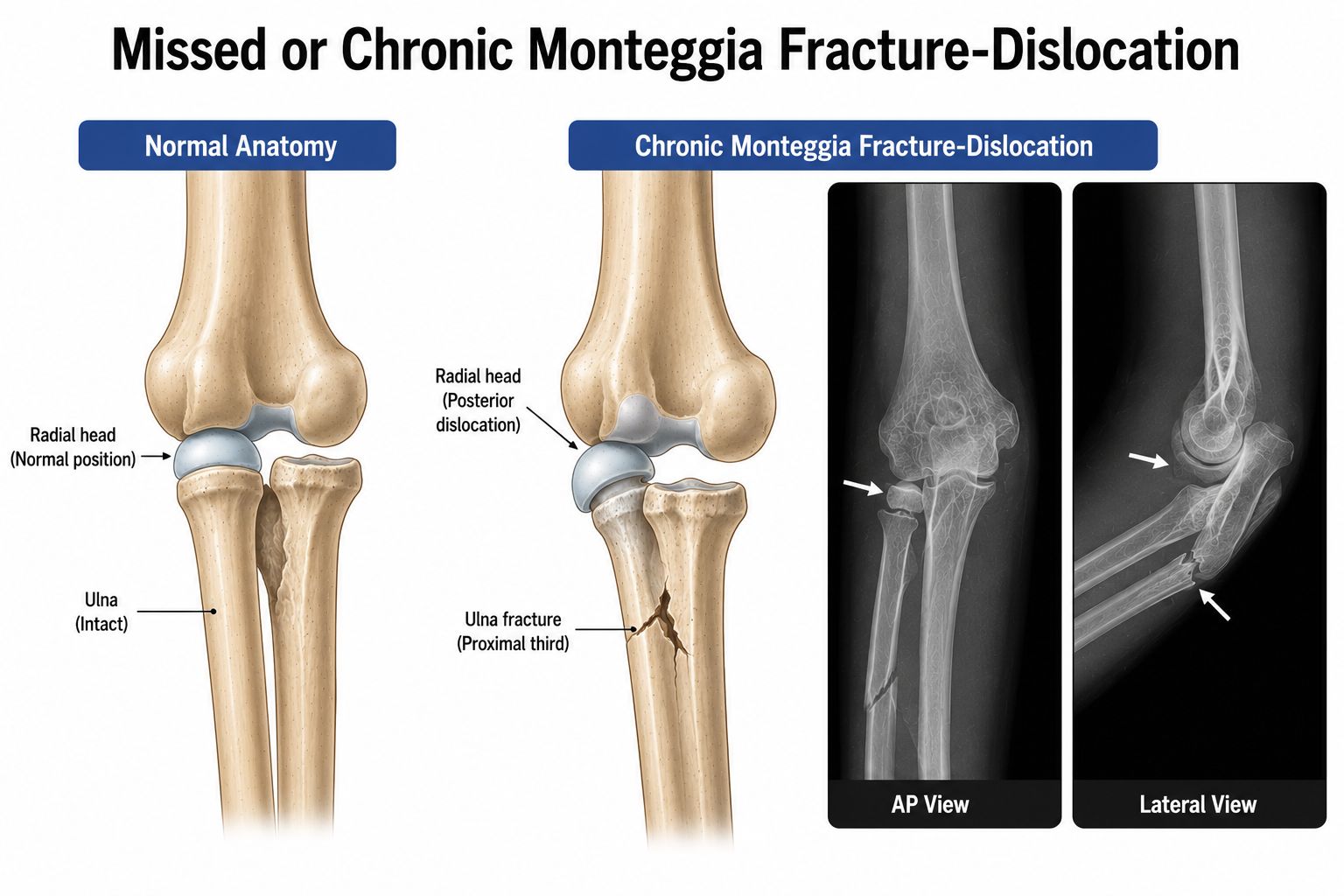
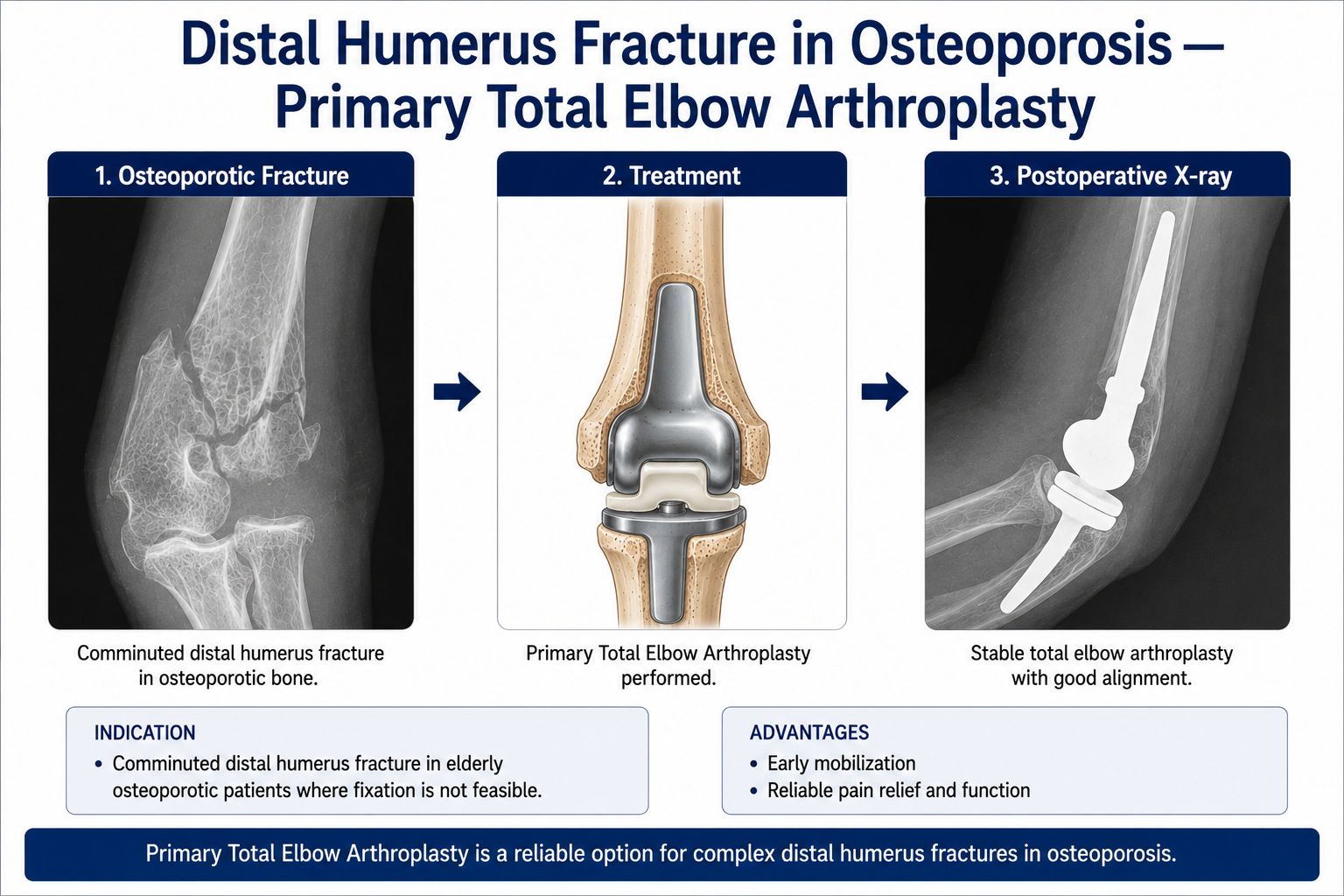
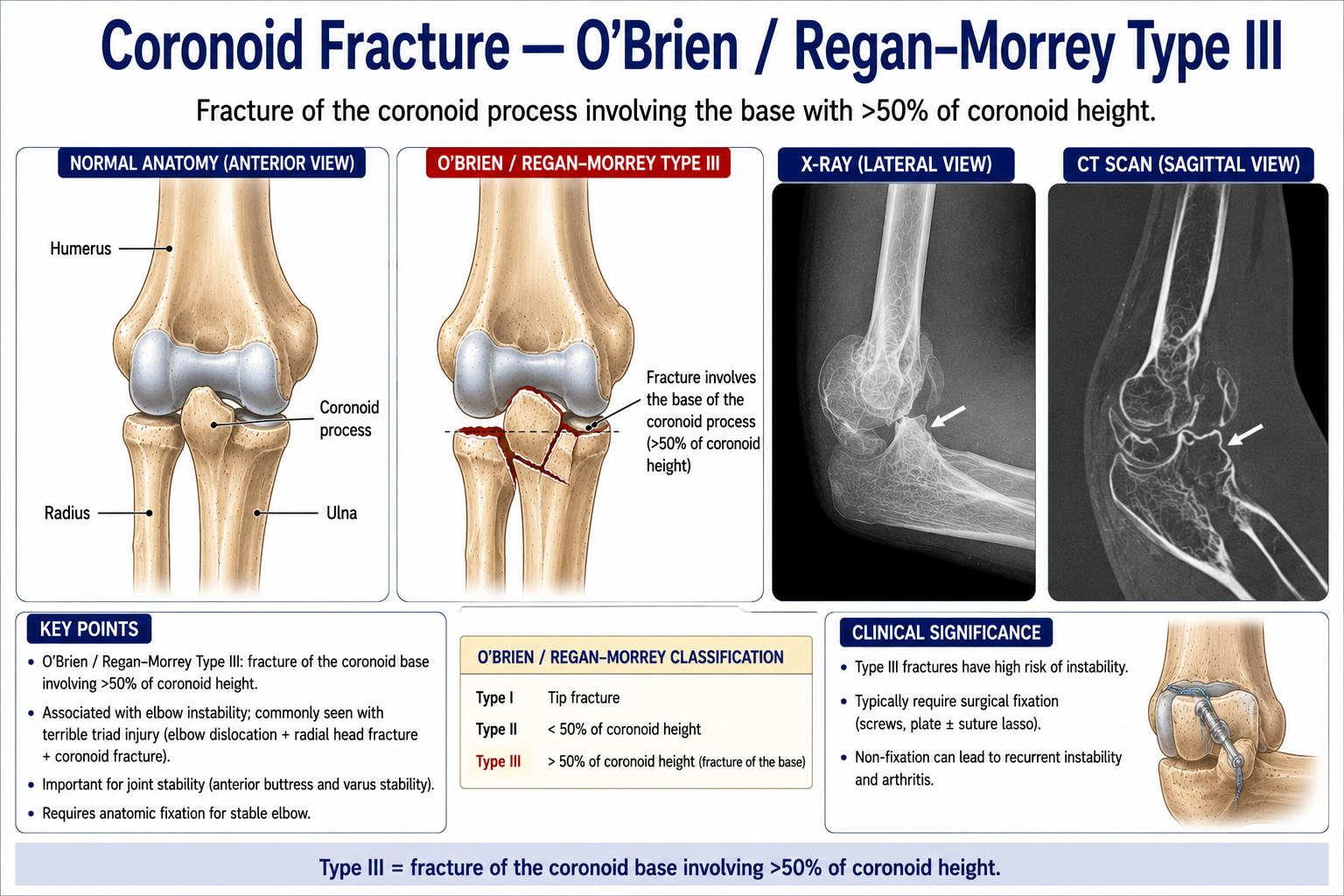
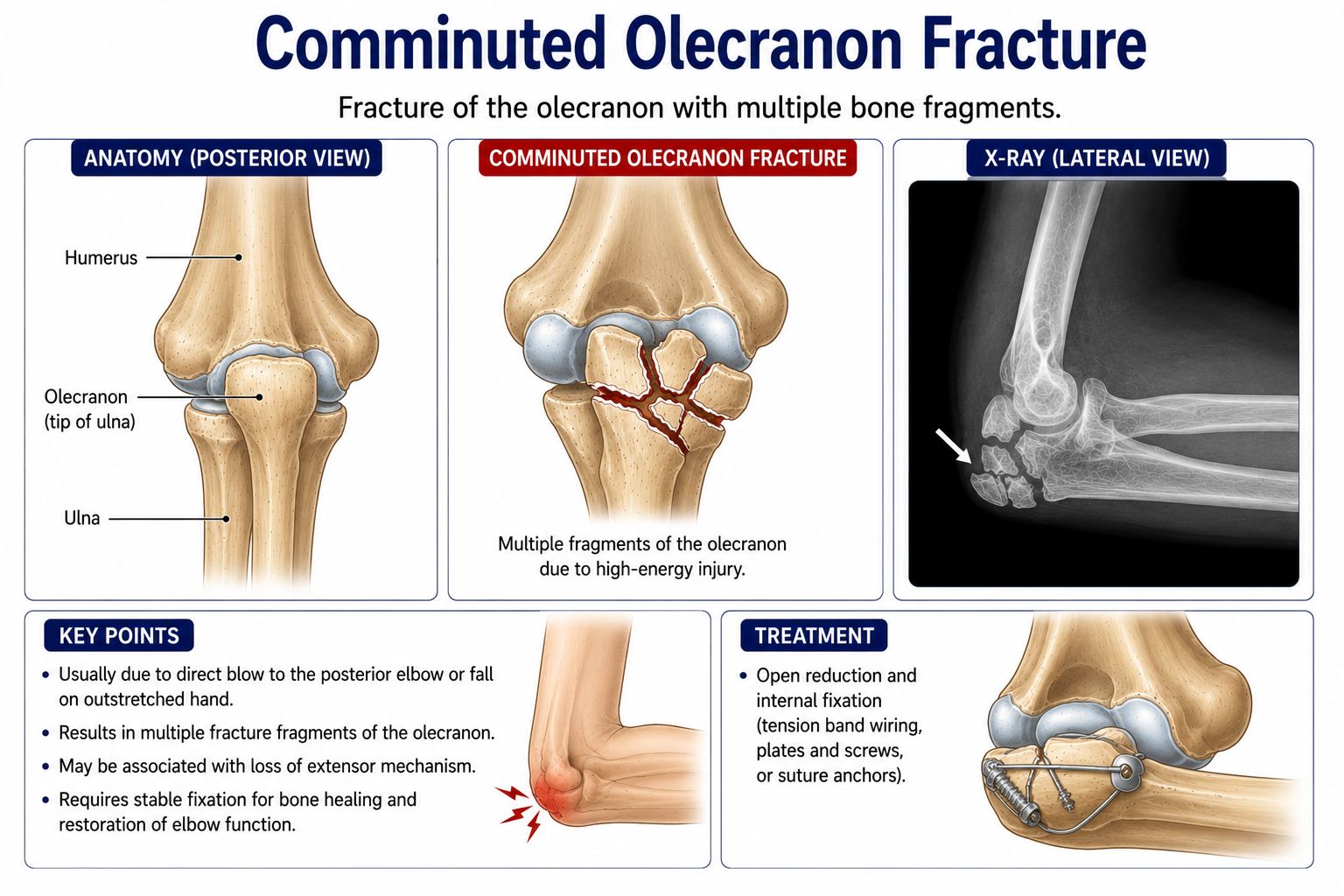
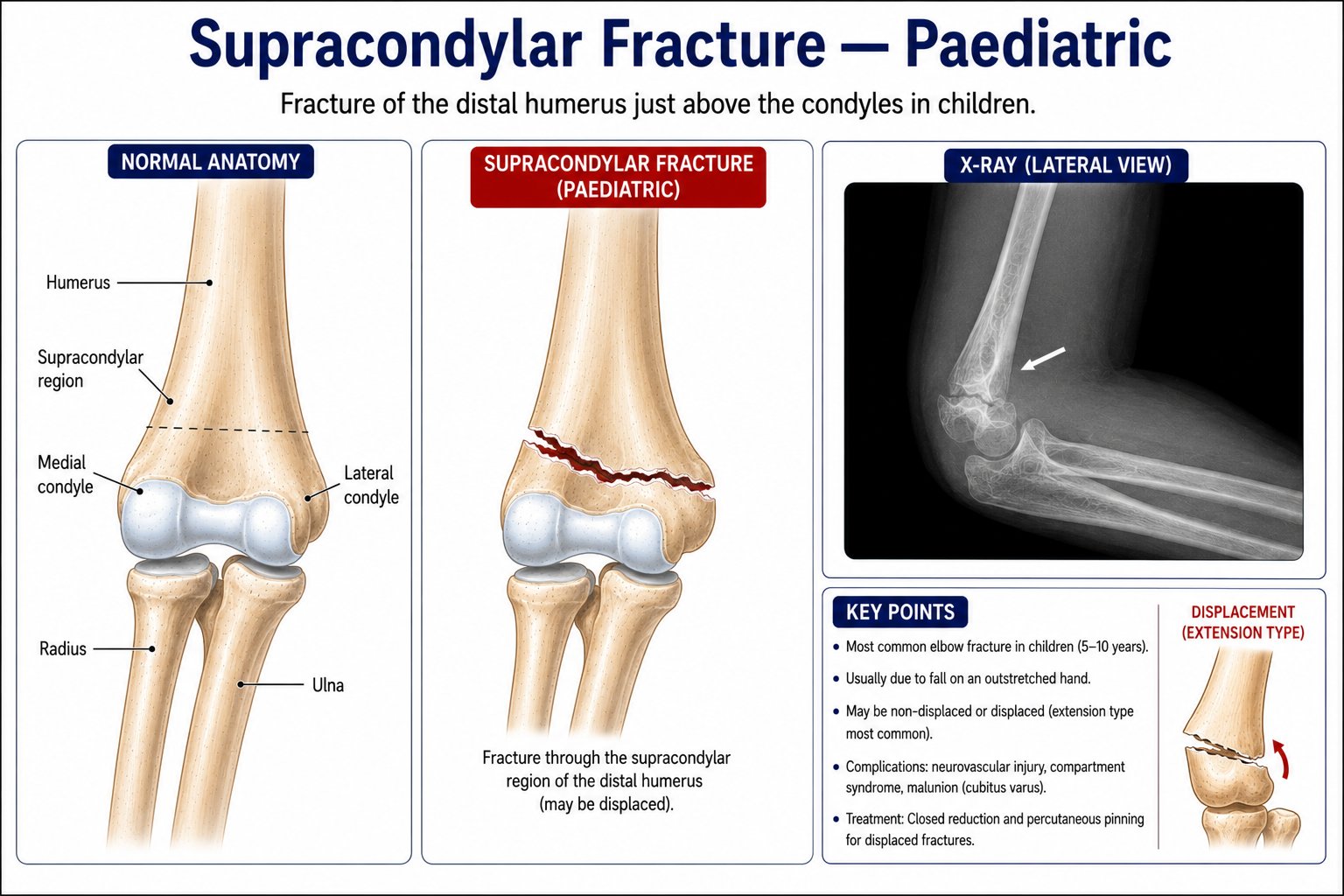
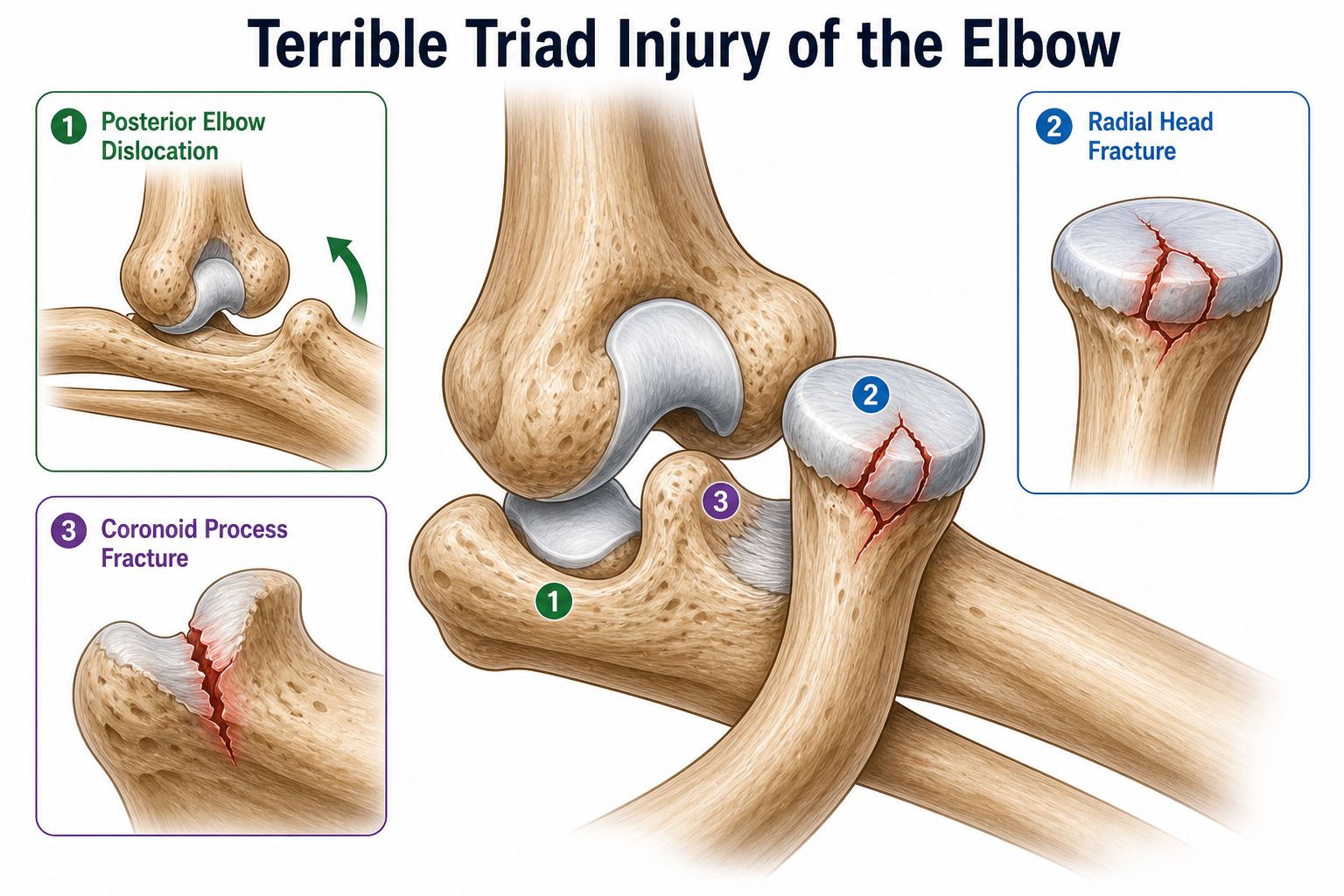
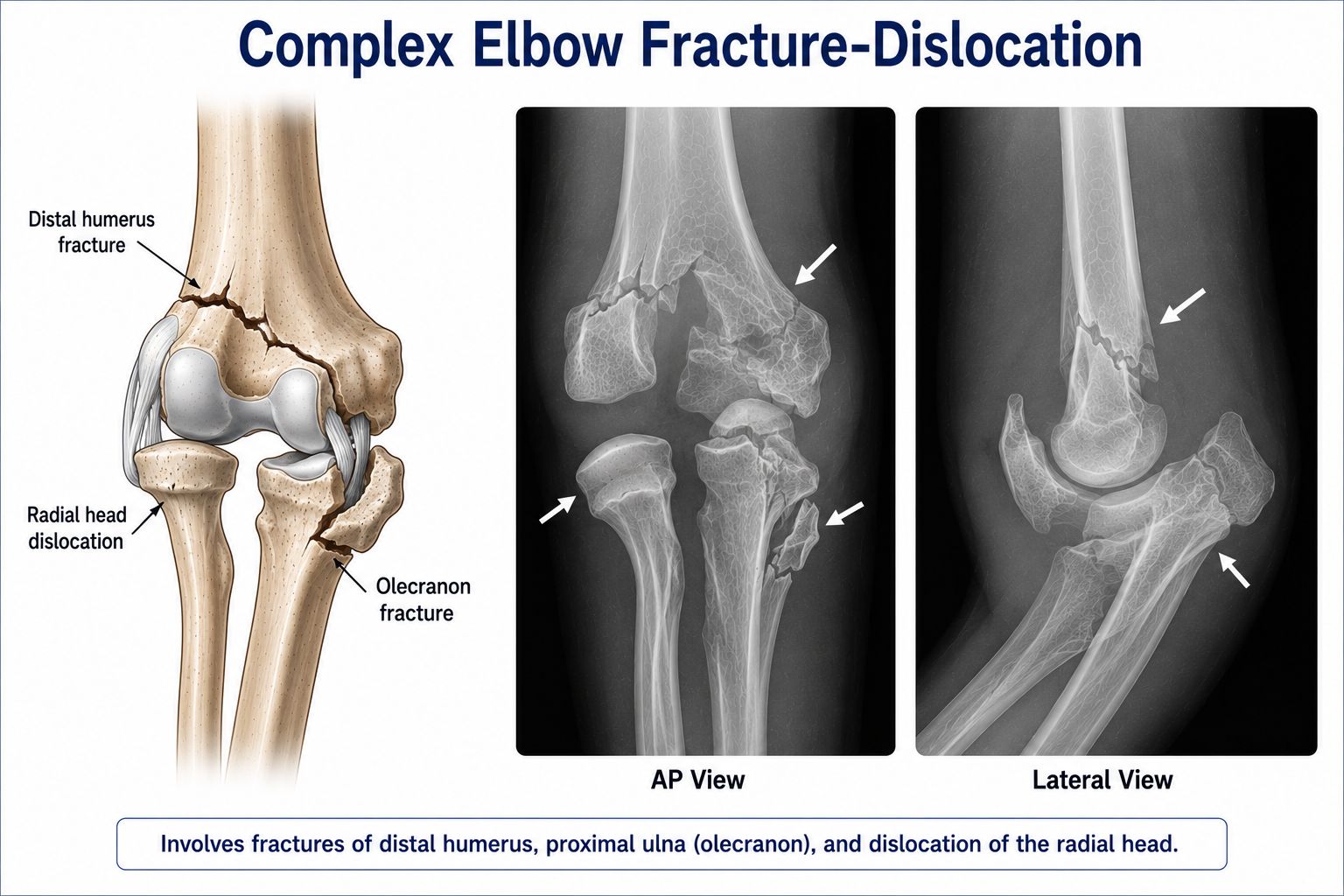
Complex elbow fracture-dislocations encompass a spectrum of injury patterns beyond the “terrible triad” — all sharing the feature of multi-structure disruption of both the bony stabilisers and the ligamentous stabilisers of the elbow simultaneously. The most important distinct patterns are: (1) the varus posteromedial rotatory injury (VPMRI) — anteromedial coronoid facet fracture + LCL injury without radial head fracture; (2) the trans-olecranon fracture-dislocation — olecranon fracture with anterior dislocation of the forearm; and (3) combined terrible triad with additional distal humerus involvement.
The unifying principle across all these patterns is the O’Brien systematic repair sequence — a stepwise approach to restoring stability by addressing each disrupted structure in a defined order, testing stability after each repair, and proceeding to the next step only if instability persists. This approach has transformed outcomes for complex elbow injuries from the historically poor results of piecemeal or inadequate treatment.
The challenge in complex elbow fracture-dislocations is that no two injuries are identical — the combination of injured structures varies, and the surgical plan must be individually tailored based on pre-operative CT and MRI findings, intra-operative stability testing, and tissue quality encountered at surgery. Dr Senthilvelan’s systematic approach and experience with all components of elbow reconstruction ensures that even the most complex injury patterns are systematically addressed.
Quick Facts | Details |
Also Known As | Complex Elbow Fracture-Dislocation, Trans-Olecranon Fracture-Dislocation, Varus Posteromedial Rotatory Injury (VPMRI), Complex Elbow Instability |
Affected Area | Multiple structures simultaneously: olecranon ± coronoid ± radial head ± distal humerus articular surface ± lateral and medial collateral ligaments |
Who It Affects | Adults of any age; predominantly from high-energy trauma in young adults or low-energy falls in elderly; the most complex group of elbow injuries requiring specialist surgical management |
Prevalence | True complex elbow fracture-dislocations beyond the terrible triad are less common but represent the apex of surgical complexity in elbow injury; trans-olecranon fracture-dislocations and VPMRI are the most important patterns beyond the terrible triad |
Treatment | Systematic O’Brien sequence: (1) coronoid ORIF → (2) radial head ORIF or replacement → (3) LCL repair → (4) stability check → (5) MCL/UCL repair if unstable → (6) hinged external fixator if residually unstable; all steps at single operative setting |
Causes & Risk Factors
- High-energy axial compression through the forearm — the primary mechanism; a fall from height, motorcycle accident, or industrial crush injury
- Varus posteromedial loading (VPMRI) — a specific fall mechanism where varus stress is applied with axial compression and medial rotation; shears the anteromedial coronoid facet and disrupts the LCL without the valgus component needed for radial head fracture
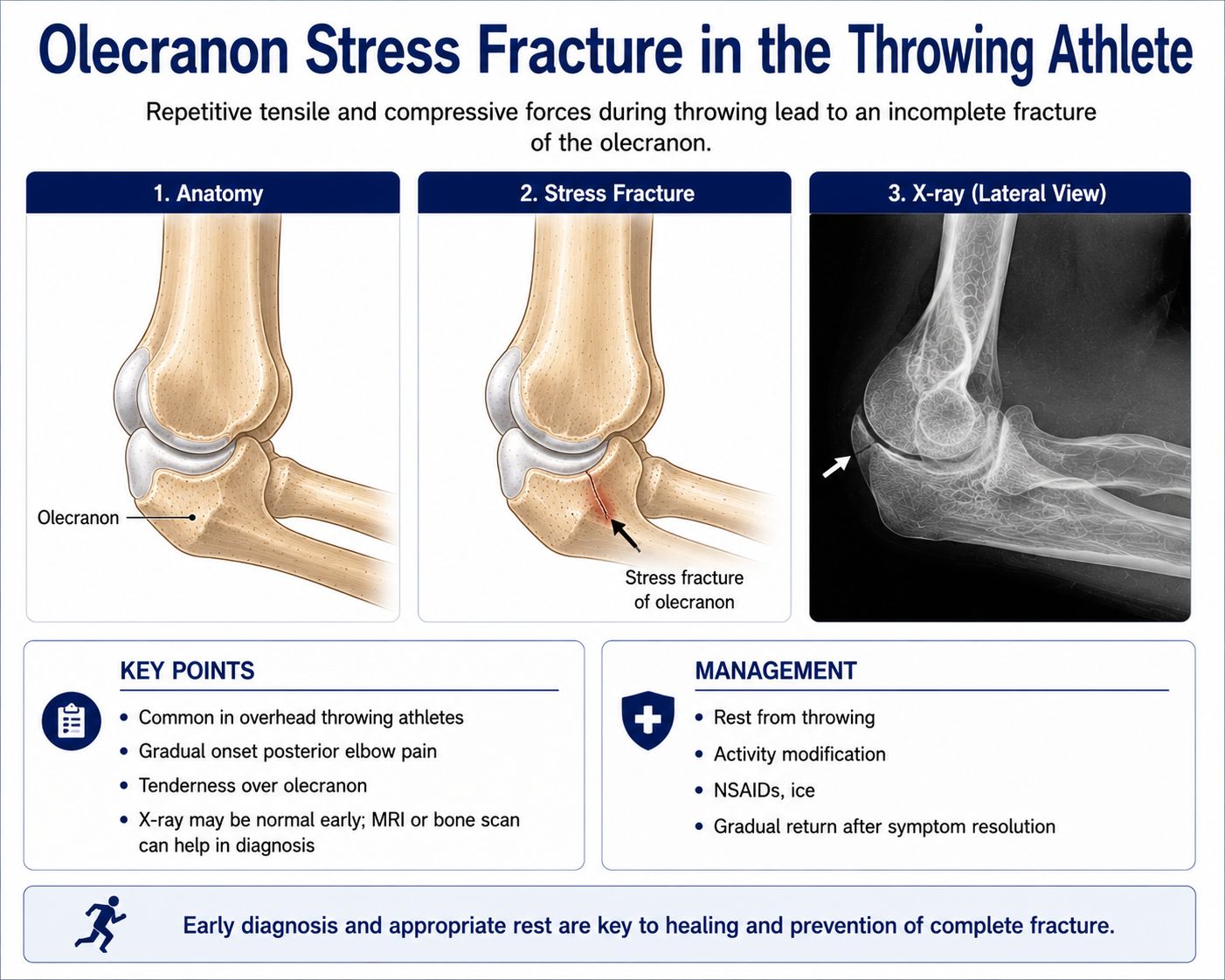
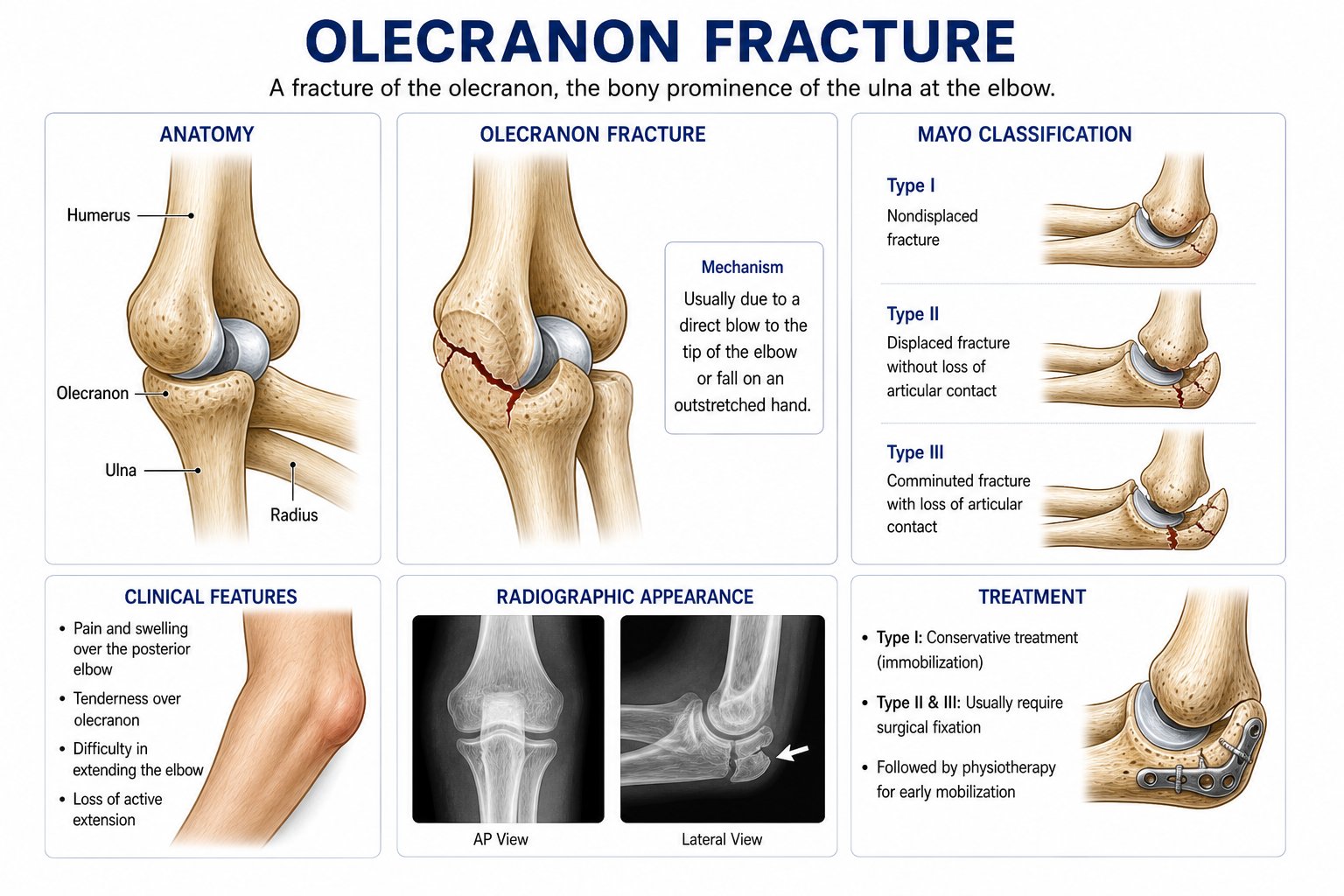
- Transolecranon fracture-dislocation — an axial loading mechanism on the flexed elbow; the olecranon fractures and the forearm translates anteriorly (anterior dislocation — less common than posterior)
- Combined mechanisms — especially in elderly patients, low-energy falls can produce complex combined patterns through multiple simultaneous failure points in osteoporotic bone
Symptoms
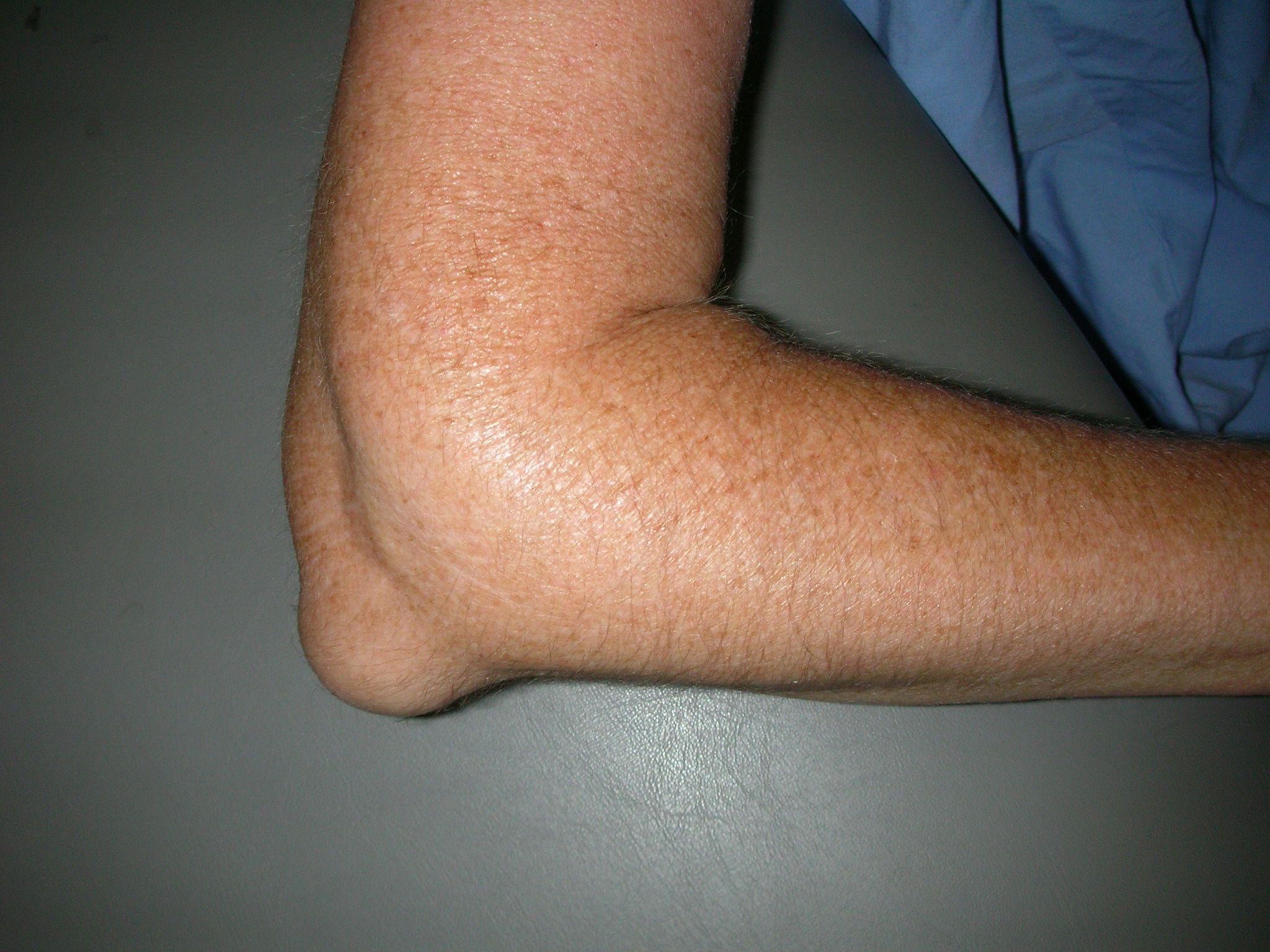
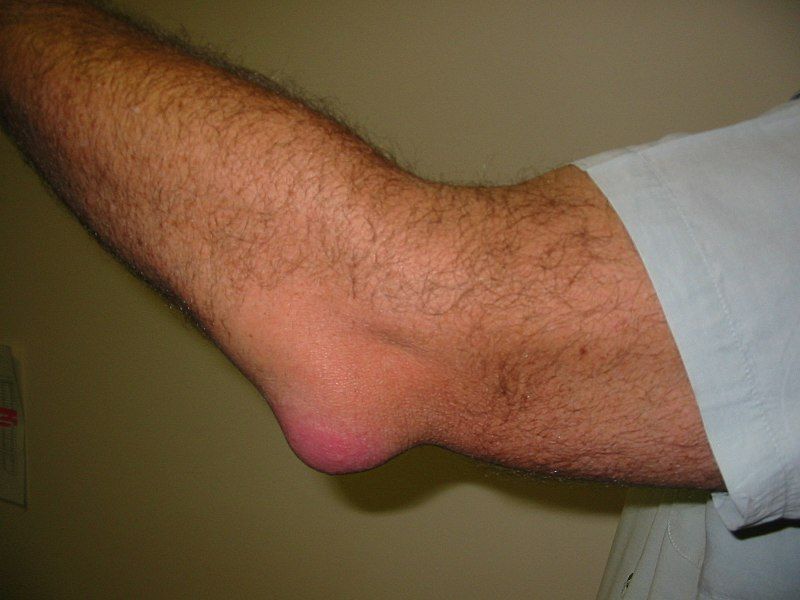
- Gross elbow deformity — the arm appears significantly distorted; multiple bony prominences may be palpable
- Severe pain — the patient cannot use or move the arm
- Extensive swelling and bruising — haemarthrosis plus soft tissue haemorrhage
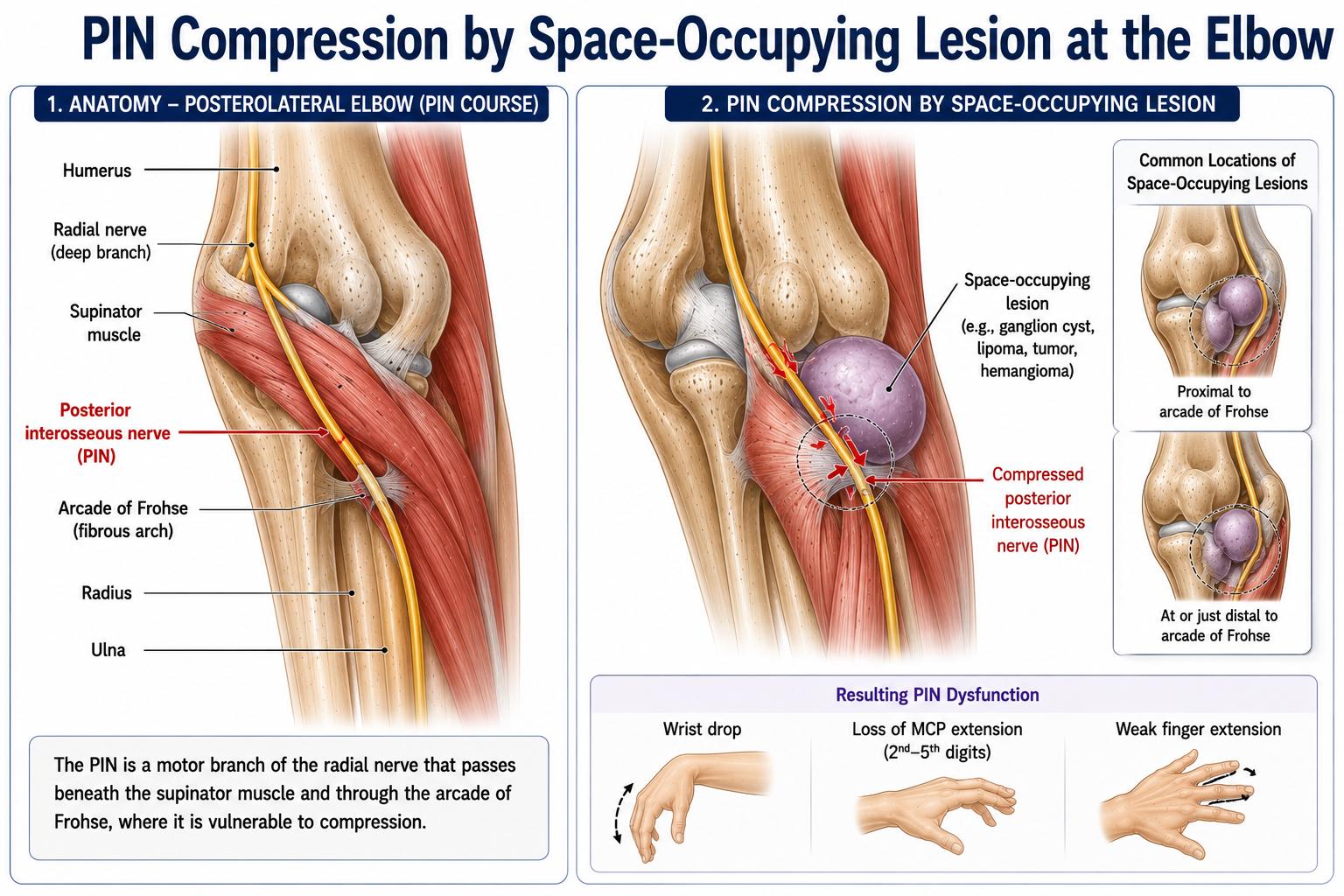
- Multi-nerve risk — systematic assessment of all nerves (AIN, PIN, radial, median, ulnar) is mandatory and documented pre-operatively
- Vascular assessment — radial pulse; hand perfusion; skin viability over the olecranon or anterior elbow in open fractures
- Open injury assessment — skin breaches require urgent wound management concurrent with fracture management
How is it Diagnosed?
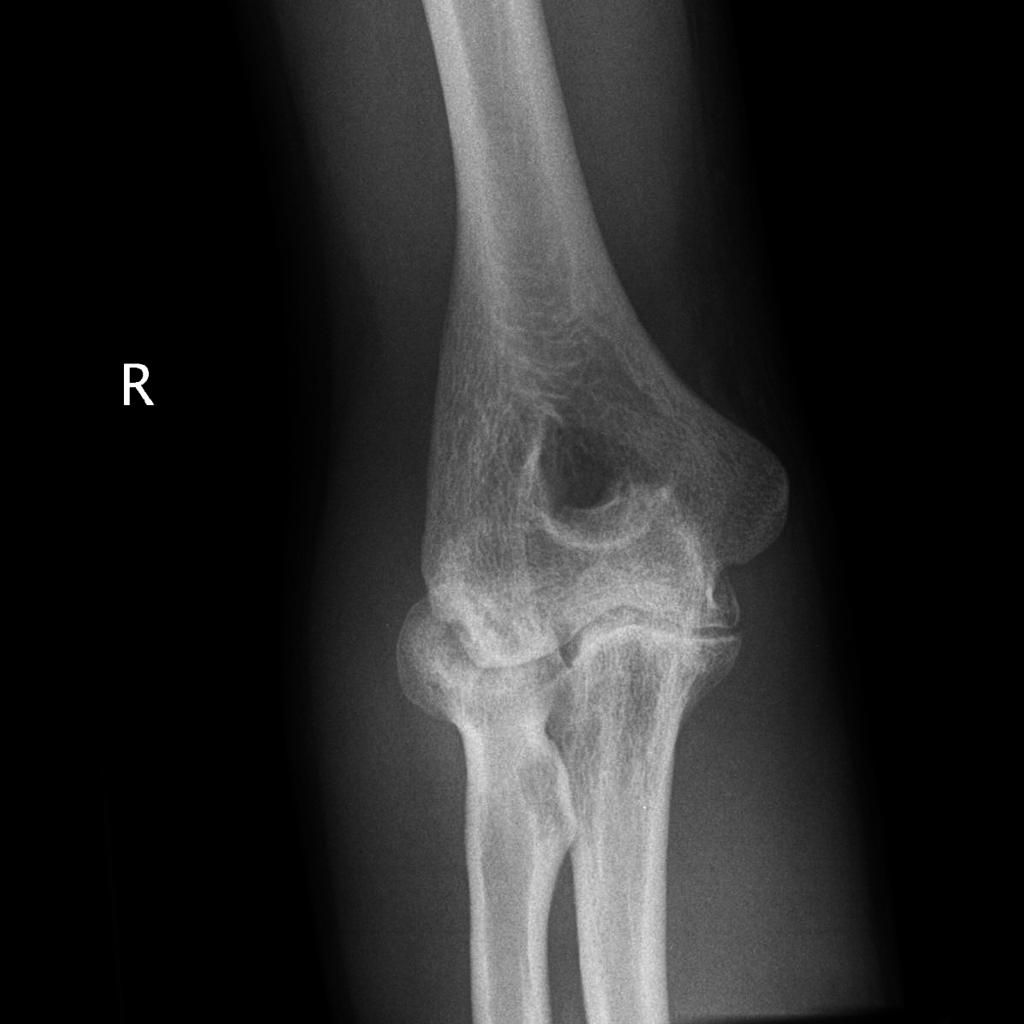
- Plain X-rays (AP + lateral) — complete the injury pattern survey; classify the dislocation direction and identify all visible fractures
- CT scan with 3D reconstruction — ESSENTIAL for all complex patterns; maps every fracture fragment, quantifies displacement, defines the injury pattern, and allows virtual surgical planning
- MRI — soft tissue assessment of all four ligaments; concurrent tendon injuries; cartilage damage; typically performed after emergency fracture management if not acutely available
- Examination under anaesthesia (EUA) — performed at the start of the surgical reconstruction; systematic valgus/varus stability testing in all planes before and after each repair step
Treatment Options
Treatment Type | Details |
Emergency Reduction & Stabilisation | Closed reduction of the dislocation under sedation or GA; splint/plaster for short-term stabilisation; urgent CT for surgical planning; aim for definitive surgery within 24–48 hours of injury |
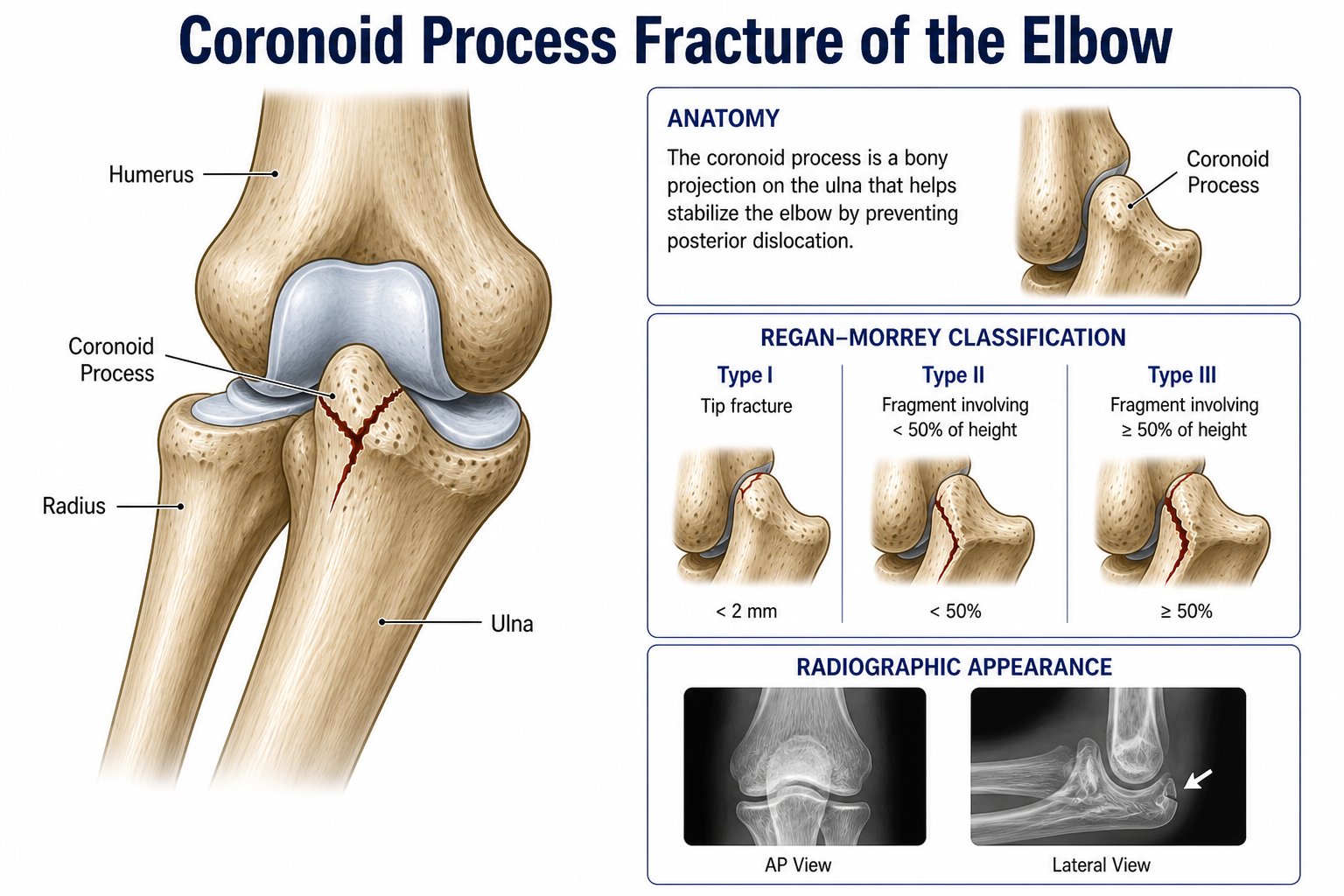
Step 1: Coronoid ORIF | Always address the coronoid first (the keystone of stability); approach chosen based on fracture pattern (medial for anteromedial facet; anterior for large sagittal fractures); fix with buttress plate, headless screws, or suture-lasso |
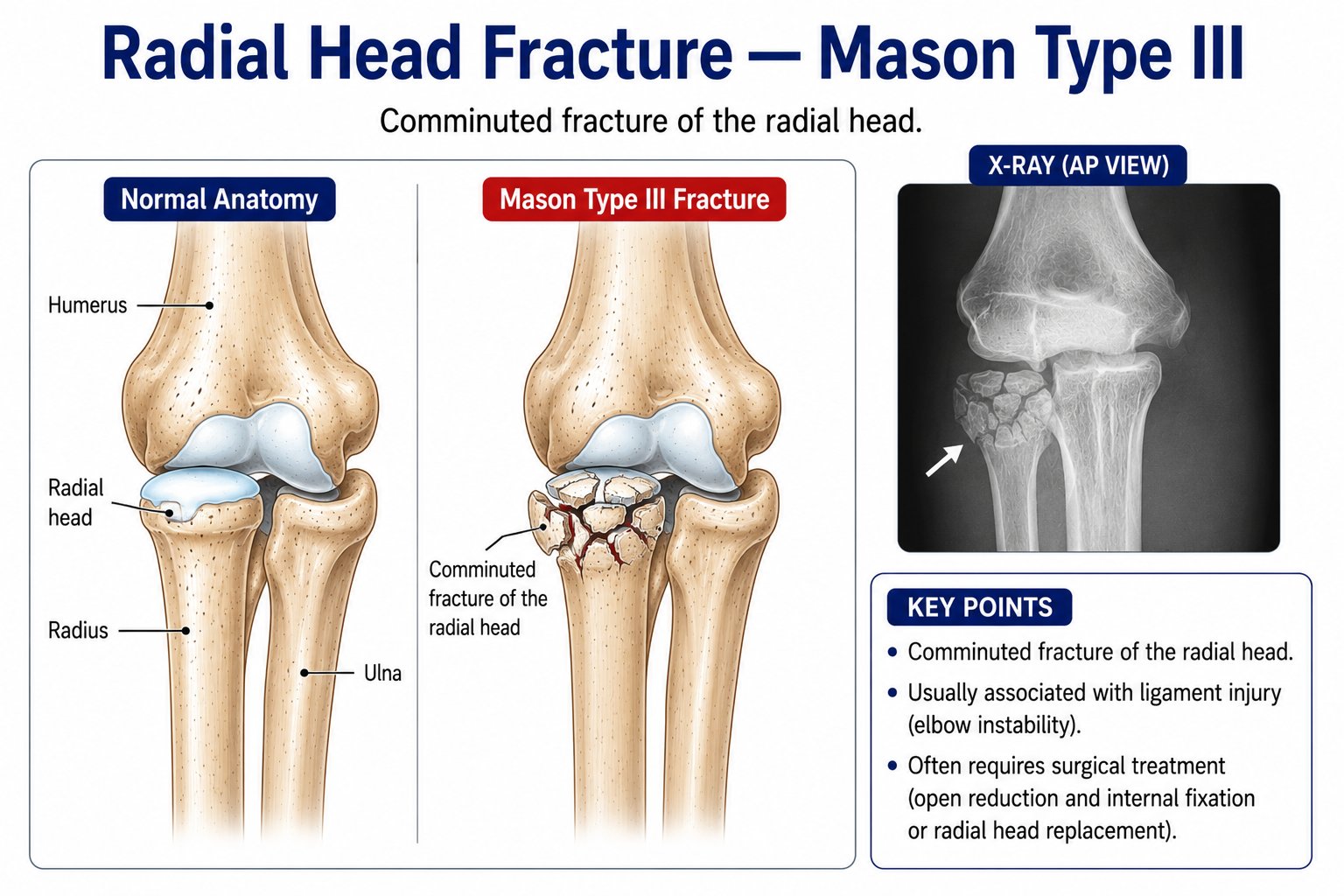
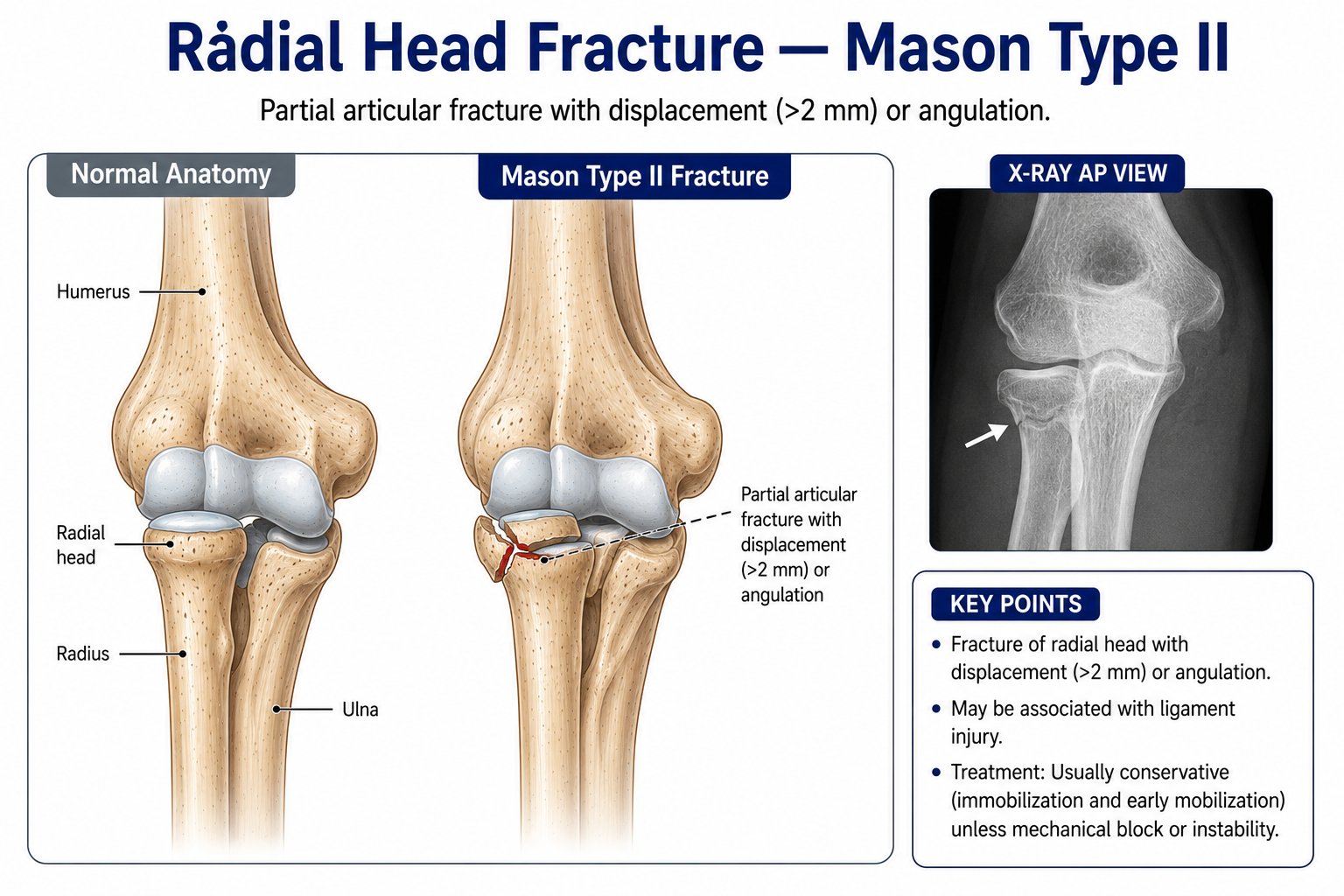
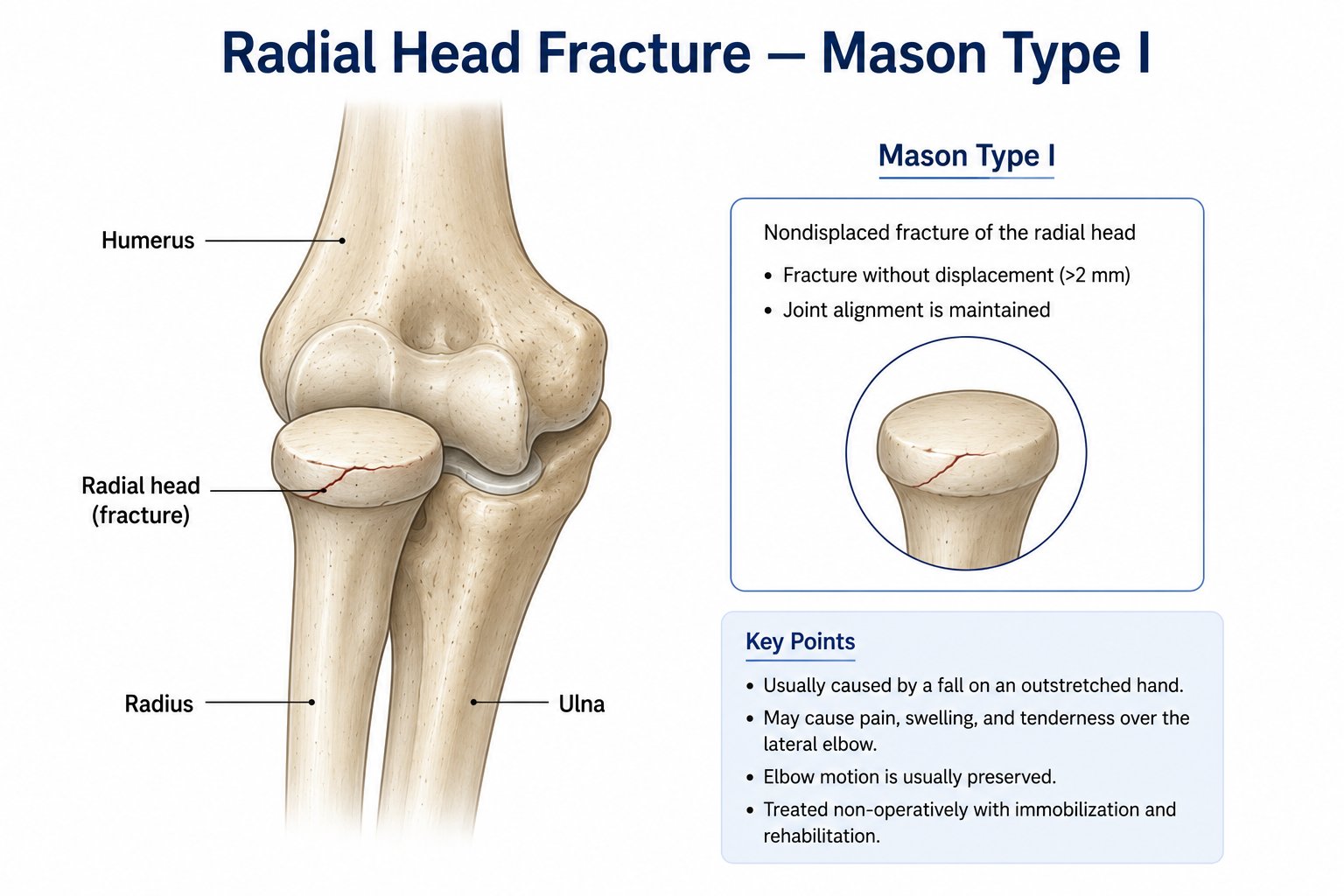
Step 2: Radial Head ORIF or Replacement | Reconstruct or replace the radial head (see Conditions 46–47); NEVER excise in this setting |
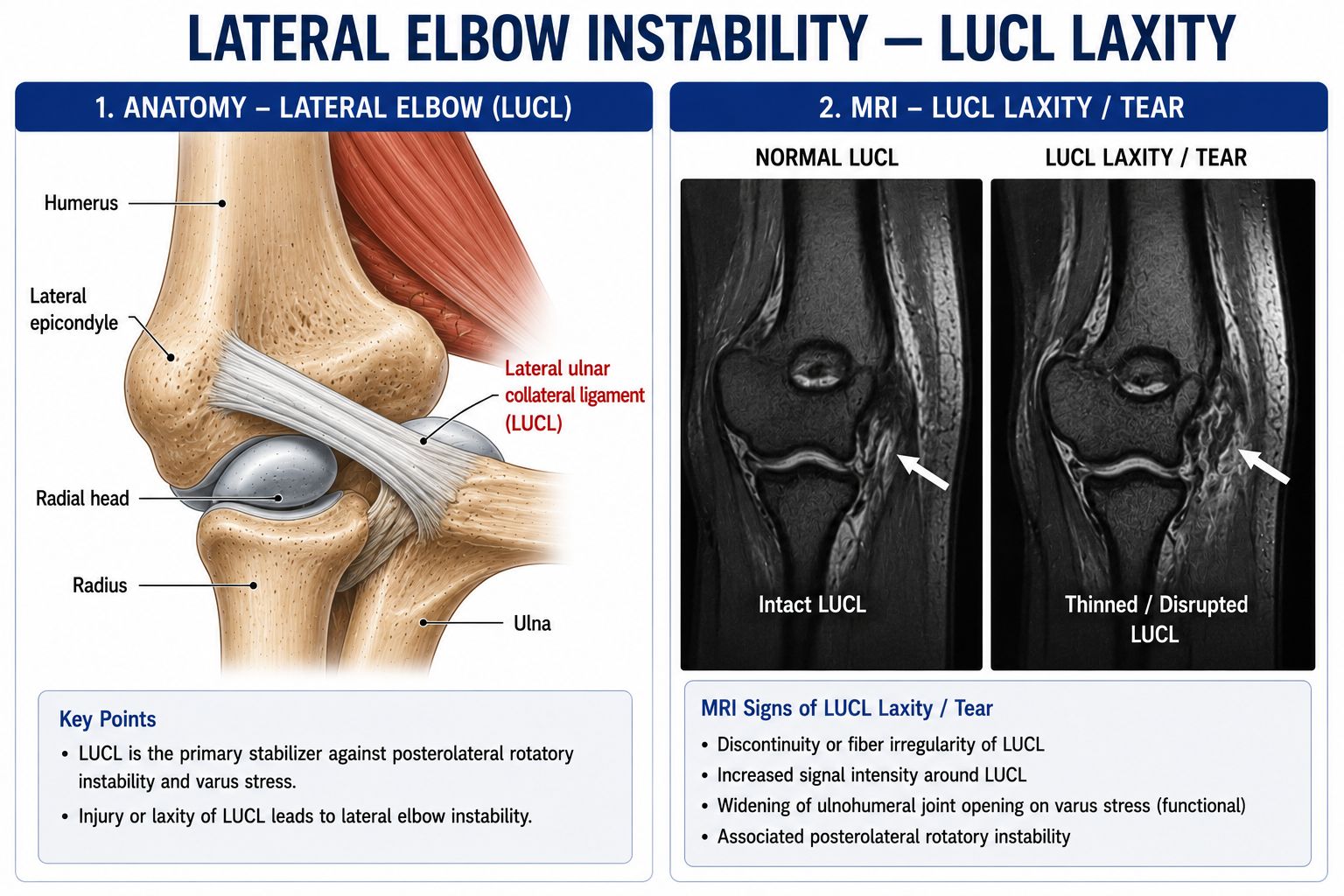
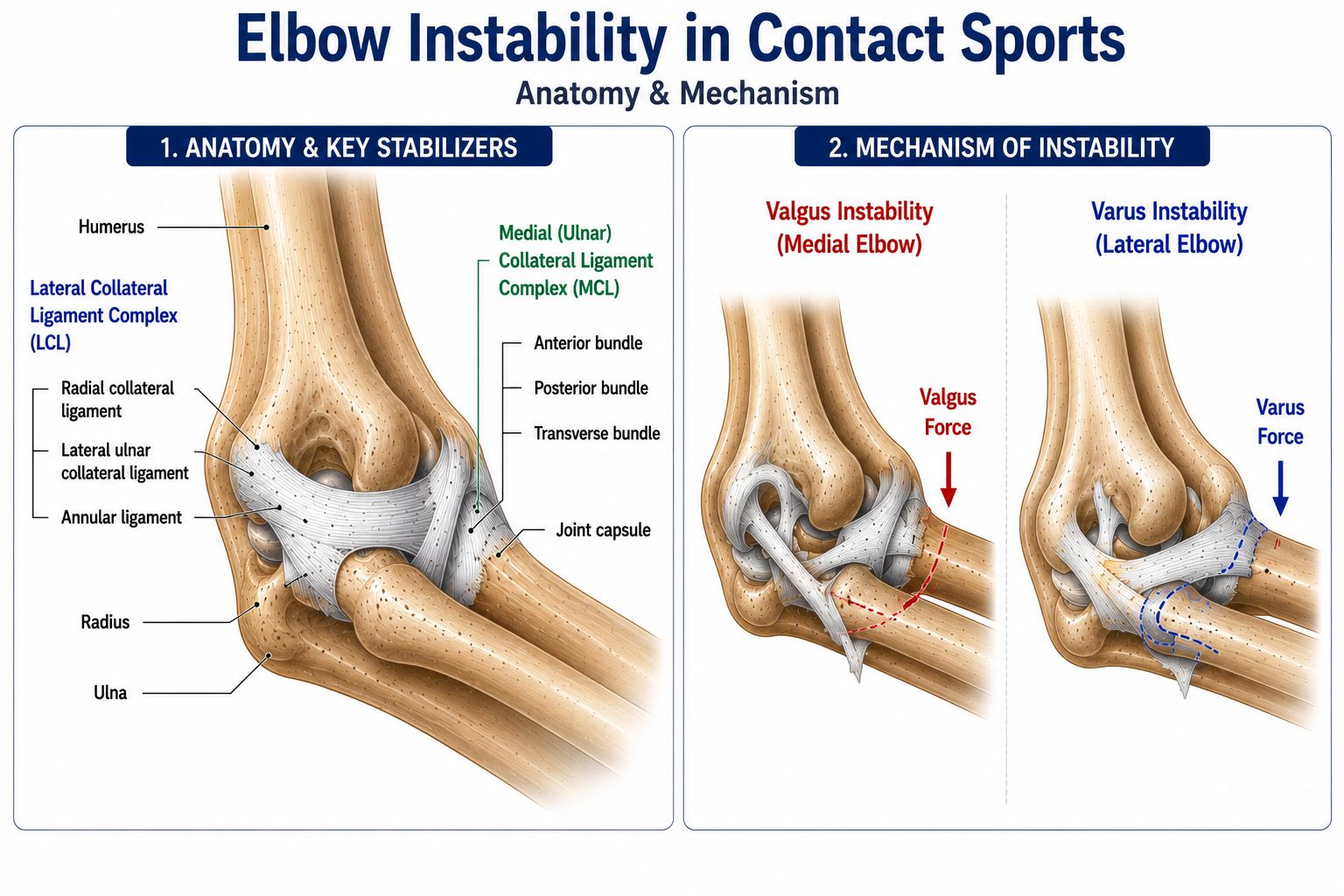
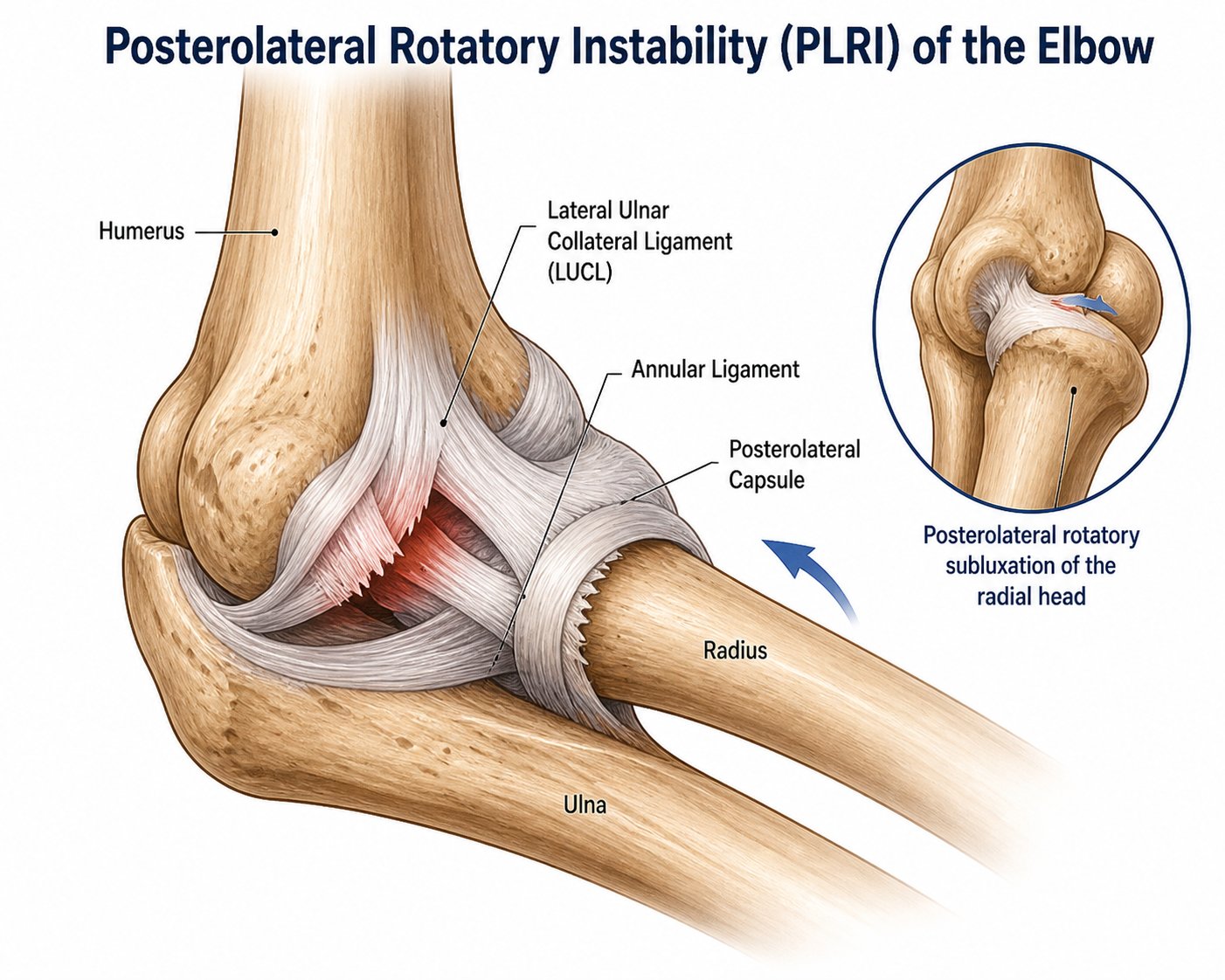
Step 3: LCL Repair | Suture anchor repair of the LCL complex to the lateral epicondyle; restores lateral column ligamentous stability |
Step 4: Stability Check | Fluoroscopic assessment through full arc of motion; if elbow stable 0–130°: proceed to closure; if unstable below 90° flexion: proceed to MCL/UCL repair |
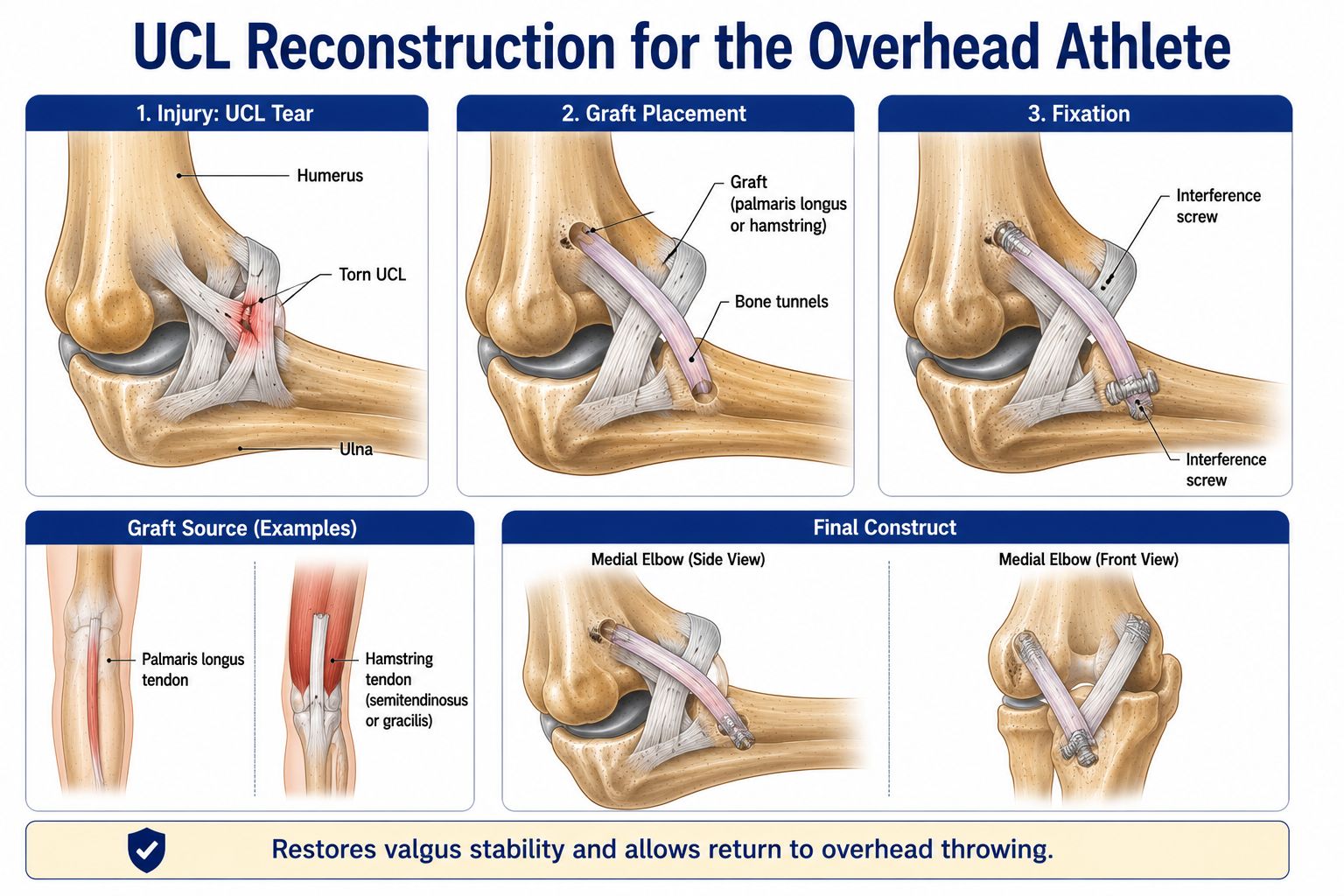
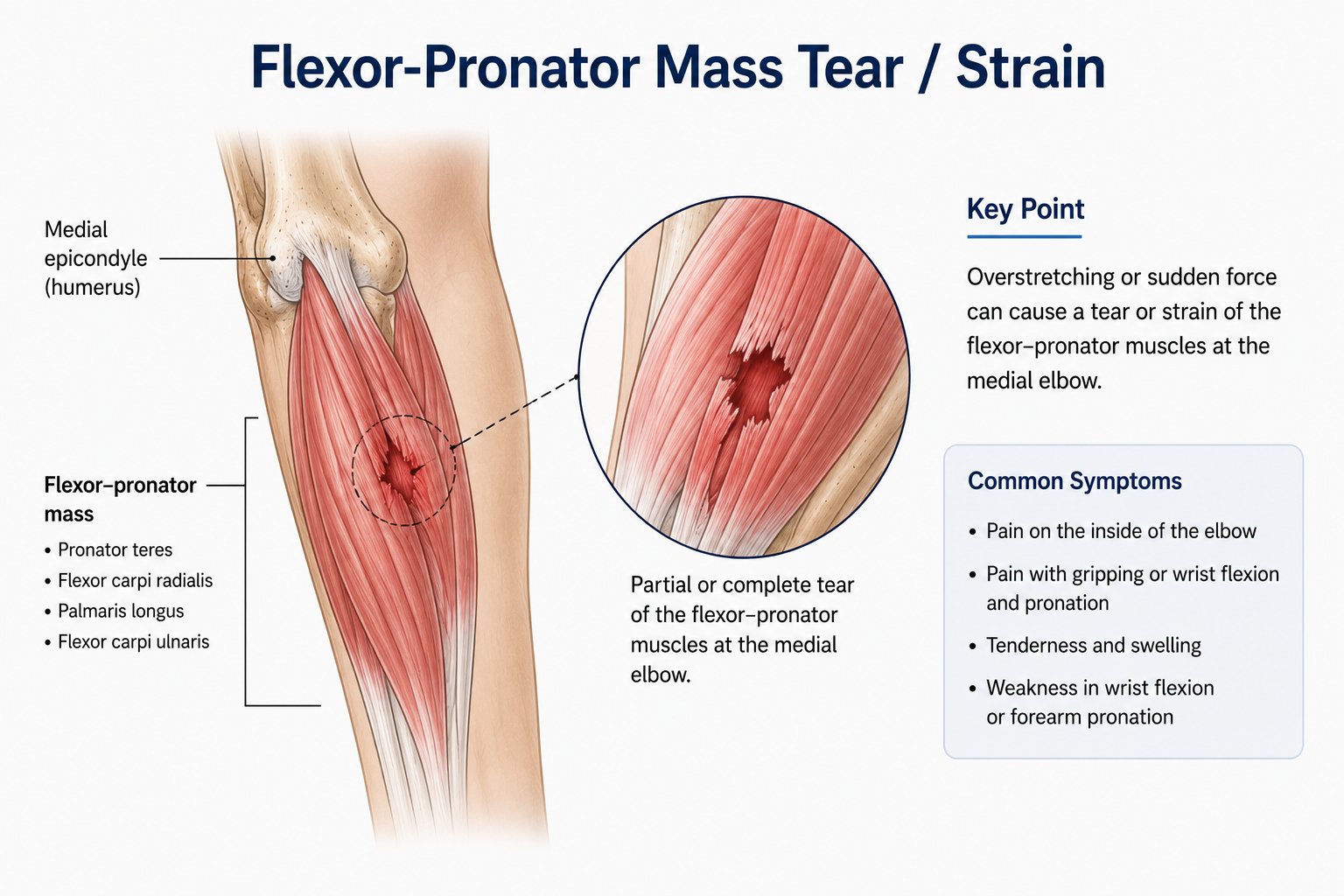
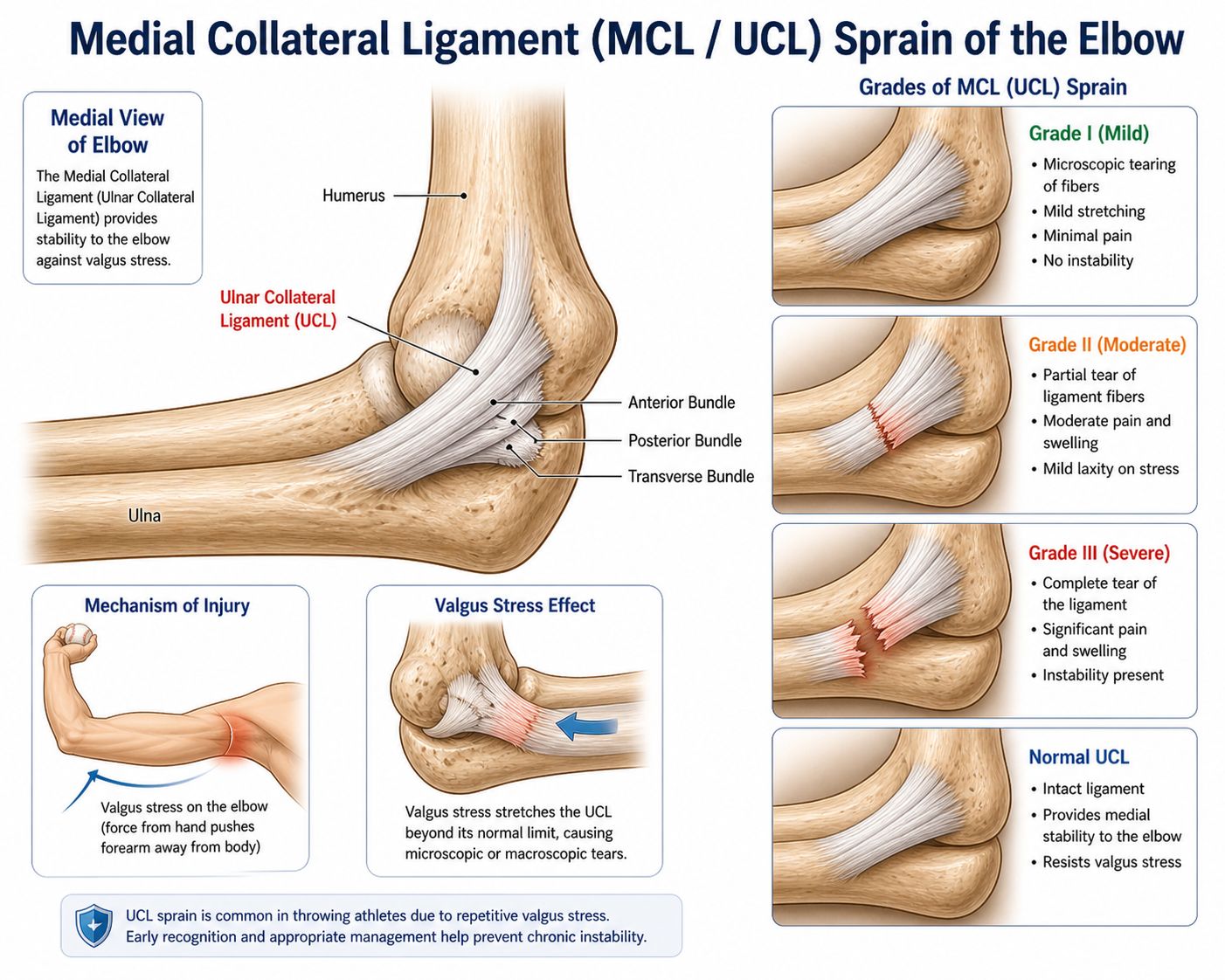
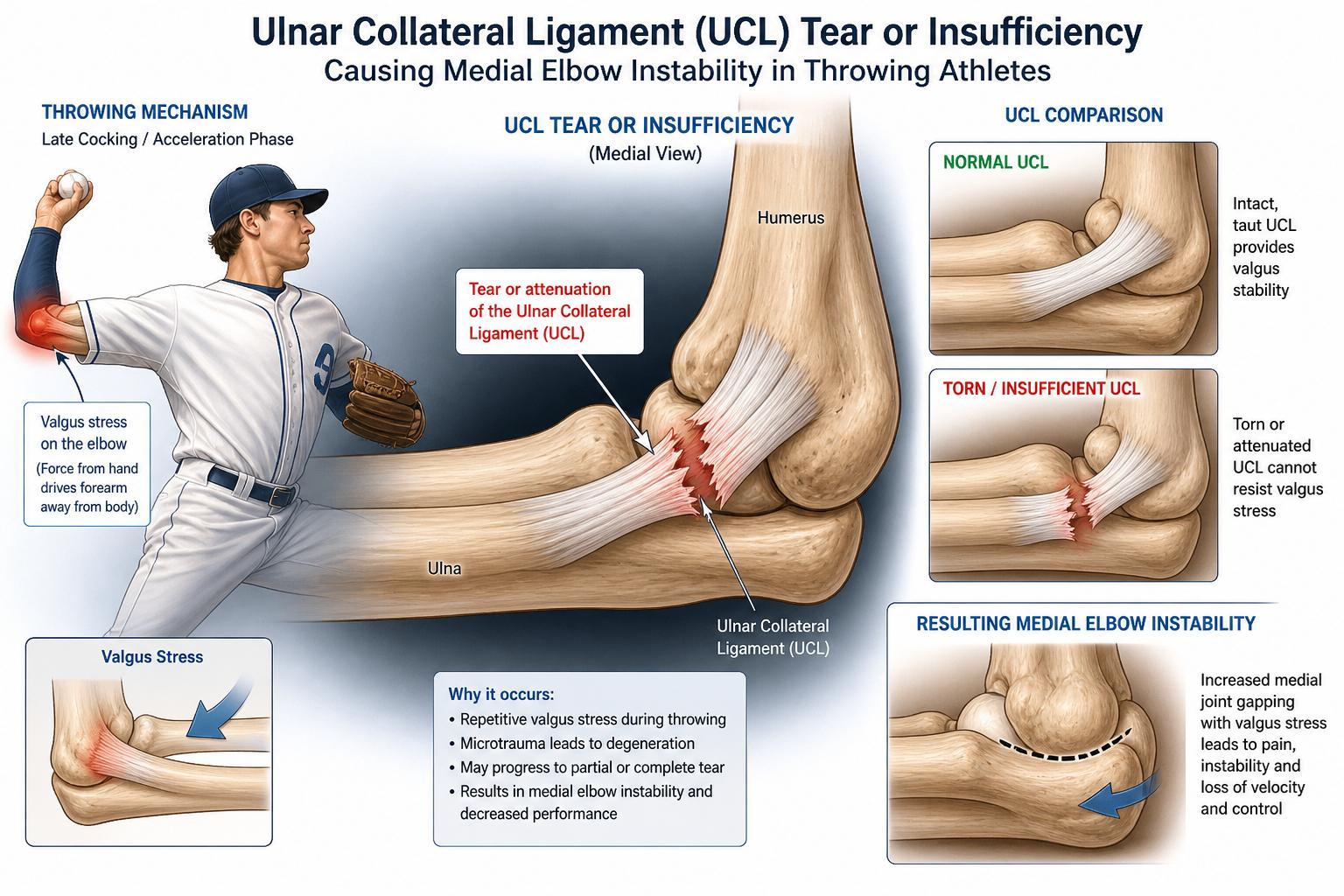
Step 5: MCL/UCL Repair | Medial approach; repair UCL to medial epicondyle with suture anchors; combined with concurrent concurrent medial coronoid fixation as needed |
Step 6: Hinged External Fixator | For residual instability after all ligament repairs — typically when tissue quality is too poor for reliable repair; provides external stability while healing occurs; allows motion through stable arc; removed at 4–6 weeks |
Recovery & Rehabilitation
- After systematic reconstruction: physiotherapy begins from day 1–2; hinged brace protecting against varus-supination stress for 6 weeks
- Full ROM targeted by 12 weeks; strengthening from 10–12 weeks
- Return to work: office 4–8 weeks; manual work 4–6 months depending on complexity
- Outcome: with systematic reconstruction, 70–85% good-excellent results; the quality of the reconstruction — particularly the coronoid and LCL — most strongly predicts stability and function
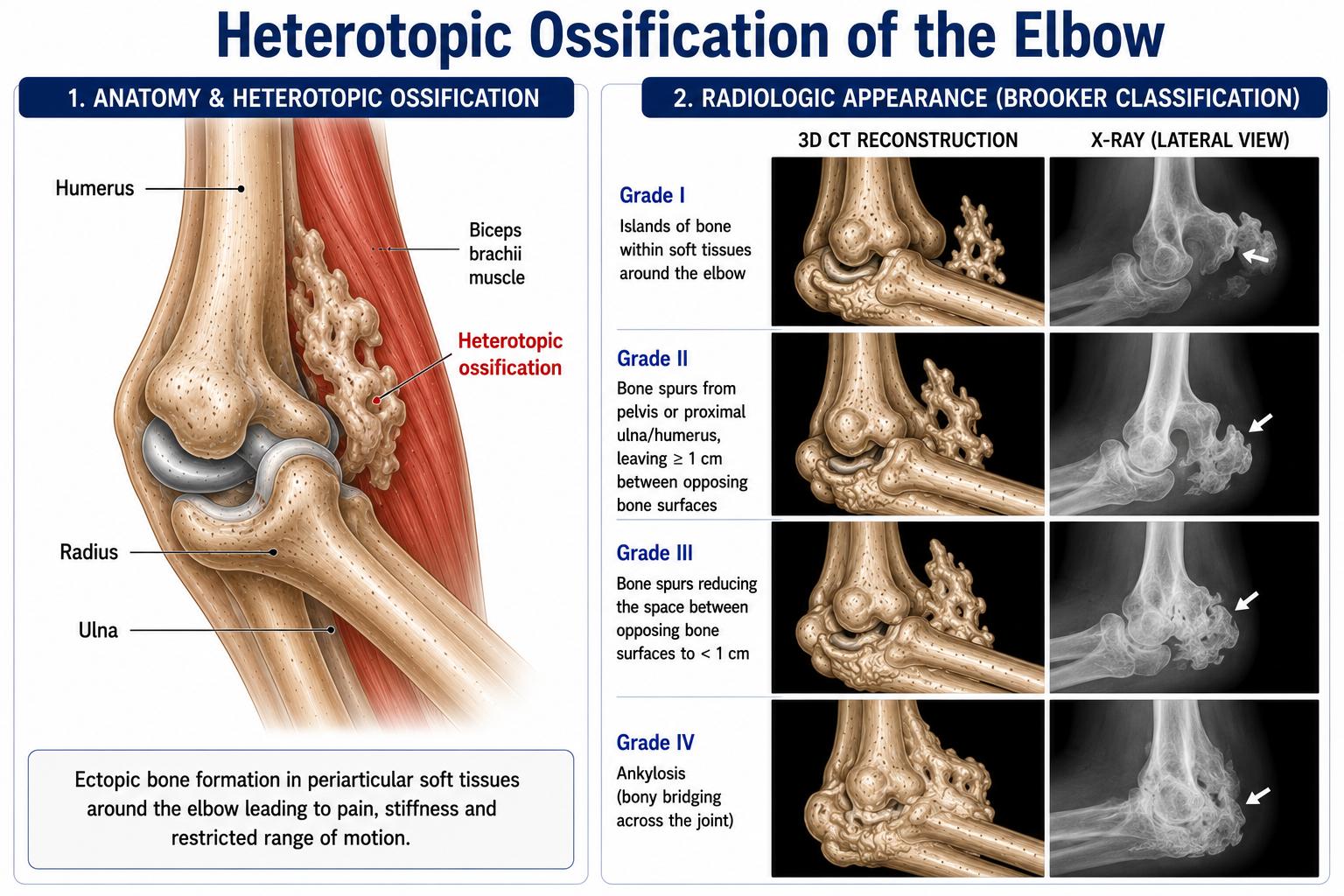
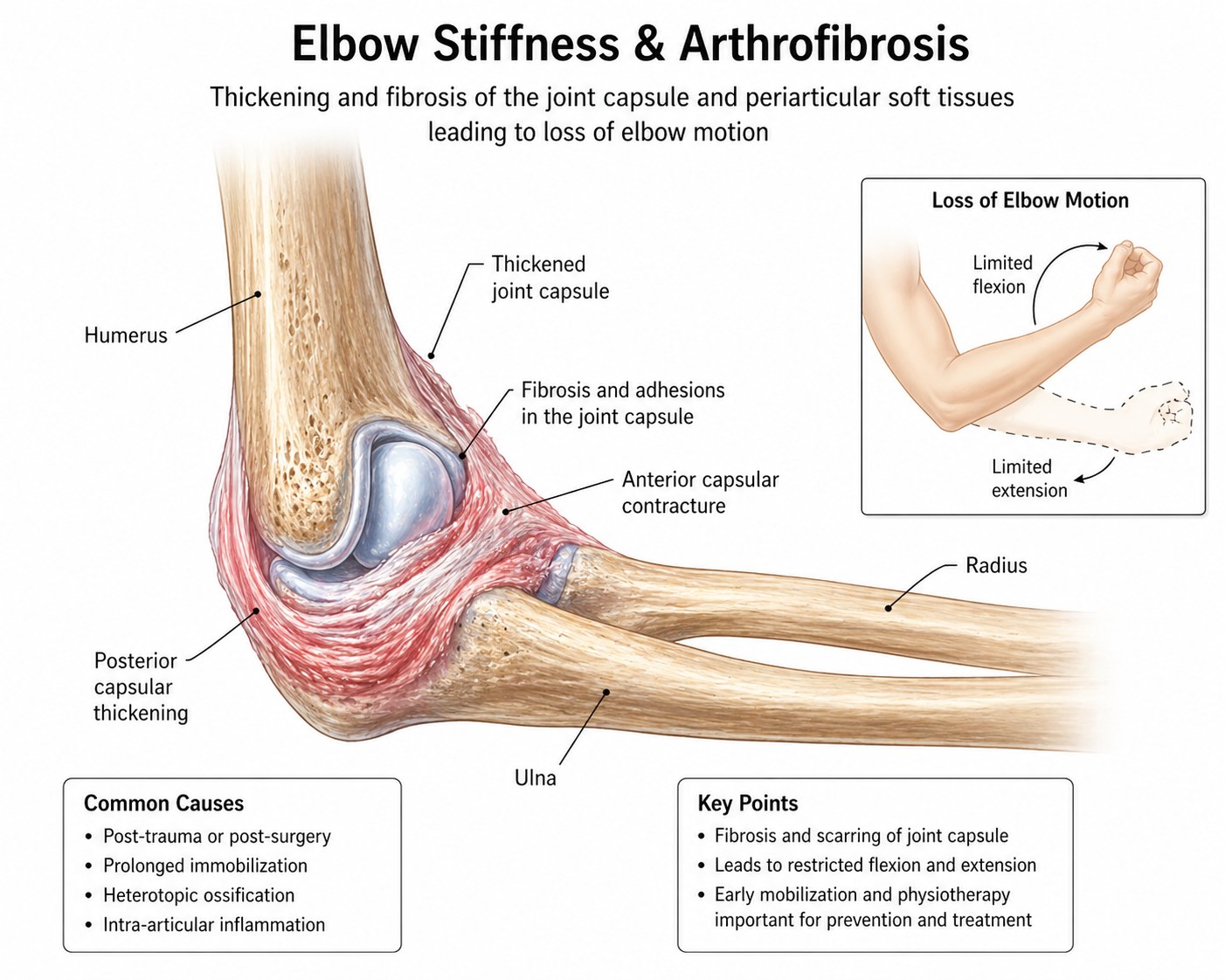
- Most common complication: stiffness (managed with early physiotherapy); heterotopic ossification (prophylaxis with indomethacin for 6 weeks in high-energy injuries)
- Second most common: recurrent instability (requires assessment, possible revision ligament reconstruction)
Why choose Dr Senthilvelan?
Complex elbow fracture-dislocations represent the pinnacle of elbow surgical complexity — they require a surgeon who is familiar with all components of elbow reconstruction and can apply the systematic O’Brien sequence even in the most challenging anatomical situations. Dr Senthilvelan’s comprehensive training in elbow fracture surgery, arthroplasty, and ligament reconstruction from his UK fellowship at Royal Bournemouth Hospital provides the breadth of expertise needed for these challenging injuries.
Frequently Asked Questions
1. What makes a complex elbow fracture-dislocation different from a simple elbow dislocation?
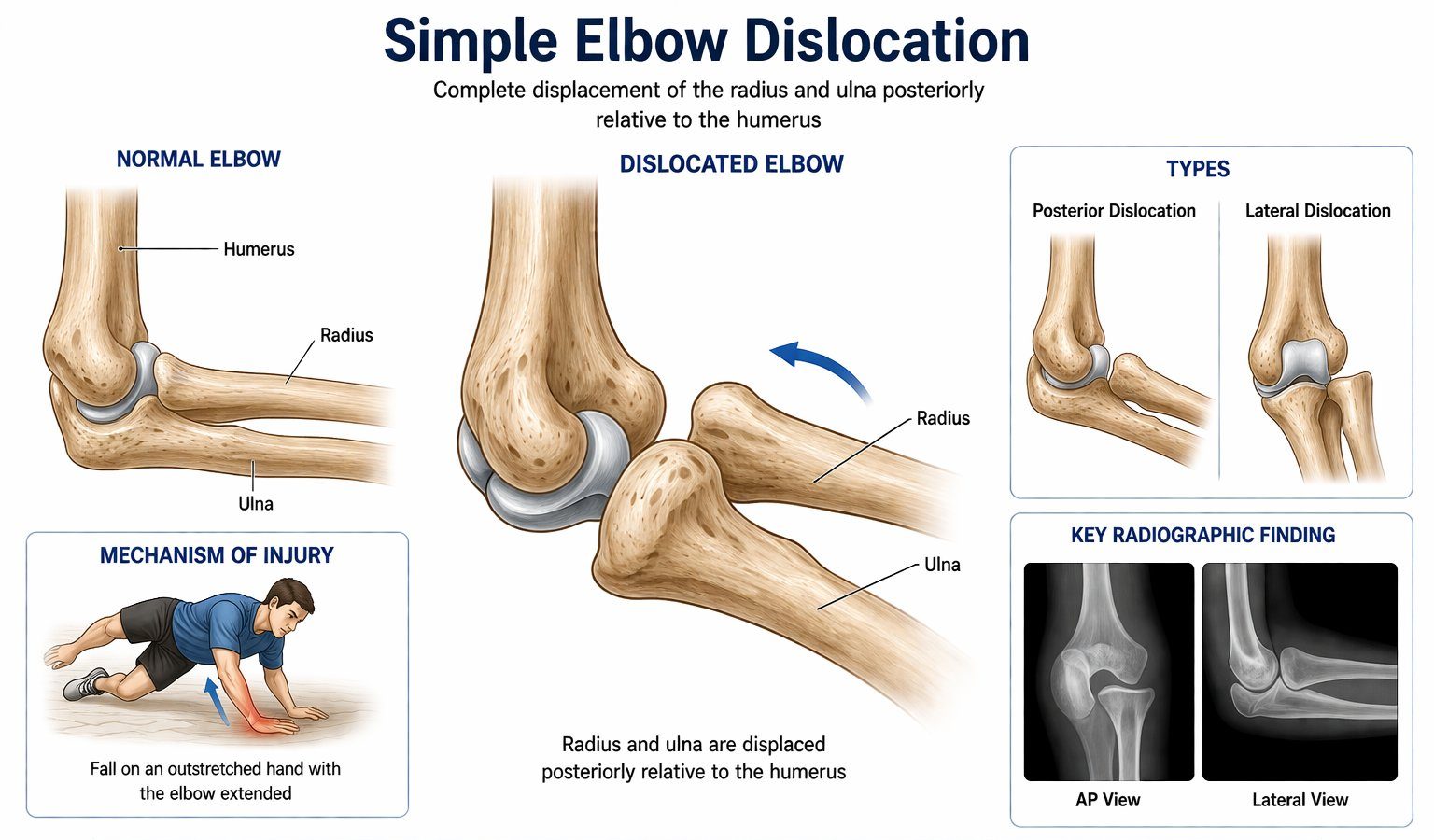
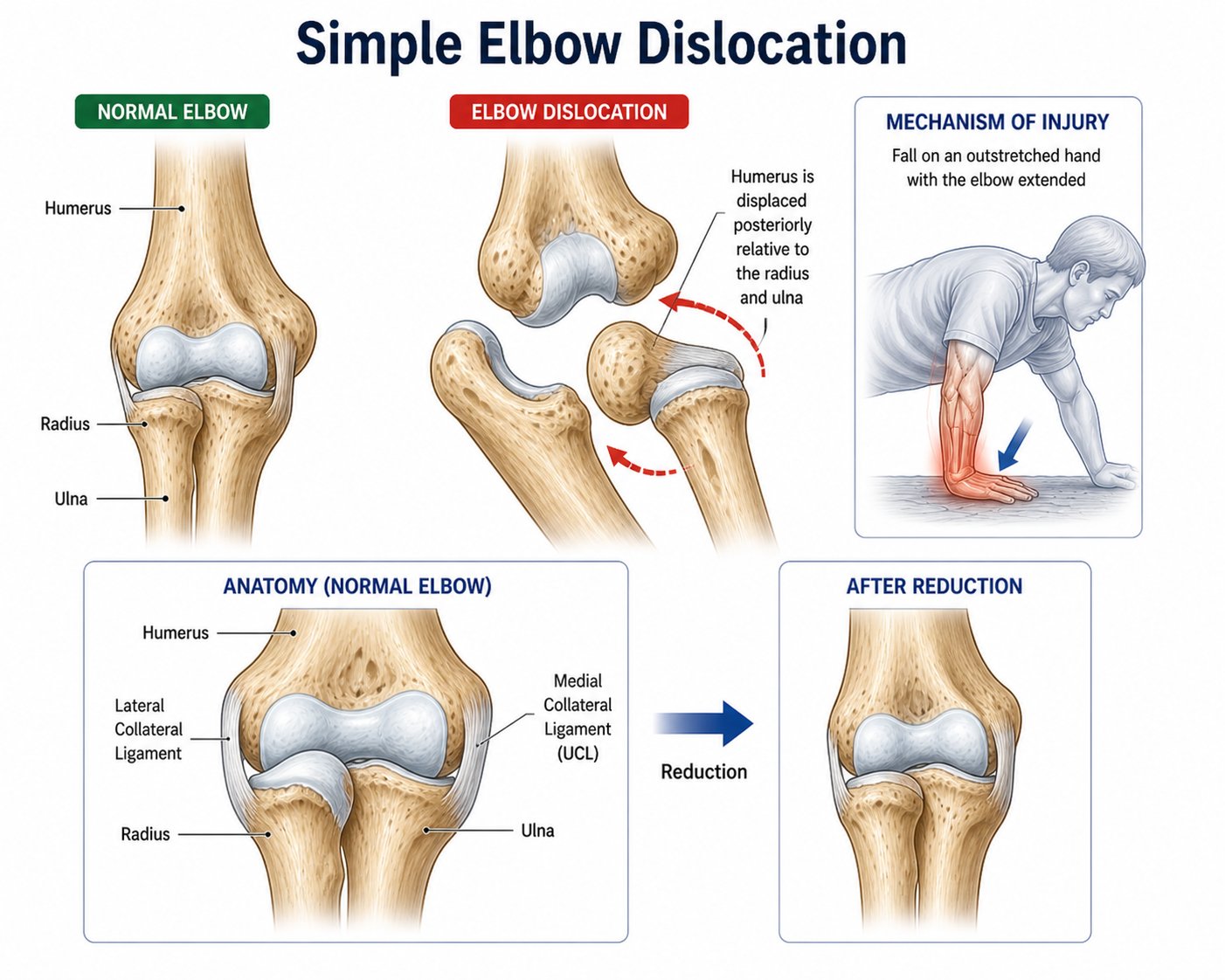
A simple elbow dislocation involves only the ligaments and capsule — the bones are not fractured. It reduces with closed manipulation and heals well with early mobilisation. A complex fracture-dislocation involves the simultaneous fracture of one or more bony stabilisers (coronoid, radial head, olecranon) in addition to ligament disruption. This removes the structural supports that normally prevent re-dislocation — the elbow cannot simply be reduced and mobilised because it will re-dislocate without surgical reconstruction of the fractured bony buttresses.
2. What is the O'Brien sequence and why is it done in a specific order?
The O’Brien sequence is a systematic surgical protocol for reconstructing complex elbow fracture-dislocations in a defined order: (1) coronoid first (the foundation of posterior bony stability), (2) radial head (lateral column restoration), (3) LCL repair (lateral ligamentous stability), (4) stability check, and (5) MCL/UCL repair only if still needed. The order is critical because each step builds on the previous one. If you fix the LCL before the coronoid, for example, the LCL cannot do its job because the bony buttress it relies on is not present. The sequence is designed to achieve stability at each step, proceeding to the next only if the elbow remains unstable.
3. What is a VPMRI and how is it different from a terrible triad?
VPMRI (varus posteromedial rotatory injury) is a specific elbow fracture-dislocation pattern caused by varus force with axial compression and medial rotation — a different mechanism than the valgus force that causes the terrible triad. VPMRI produces: (1) fracture of the anteromedial coronoid facet (rather than the coronoid tip as in terrible triad), (2) disruption of the LCL, but (3) no radial head fracture (because there is no valgus force to compress the radiocapitellar joint). Treatment focuses on the anteromedial facet coronoid fixation (medial approach with buttress plate) and LCL repair — without radial head management needed.
4. Will I need a hinged frame outside my elbow after this surgery?
Only in the minority of cases where, after fixing all the fractured bones and repairing all the ligaments, the elbow is still not stable through a full functional range. This happens when the soft tissue quality is too poor for reliable ligament repair — for example, in revision injuries or very chronic dislocations where the tissues have been stretched and scarred. The hinged external fixator is a metal frame applied outside the arm that maintains joint reduction while the repaired structures heal, while simultaneously allowing elbow motion through the stable arc. It is removed as an outpatient procedure at 4–6 weeks.
5. How do I know if my surgeon has the expertise to manage a complex elbow fracture-dislocation?
Complex elbow fracture-dislocations require a surgeon with subspeciality training in elbow surgery — specifically in all the component procedures: coronoid fixation, radial head replacement, LCL repair, UCL repair/reconstruction, and hinged external fixator application. General orthopaedic surgeons may not have exposure to all of these procedures in sufficient volume to apply them systematically. Seeking a referral to a dedicated upper limb surgeon with specific elbow training is appropriate for these injuries. Dr Senthilvelan’s fellowship training in elbow surgery at Royal Bournemouth Hospital — one of the UK’s specialist elbow centres — provides this breadth of expertise.