Overview
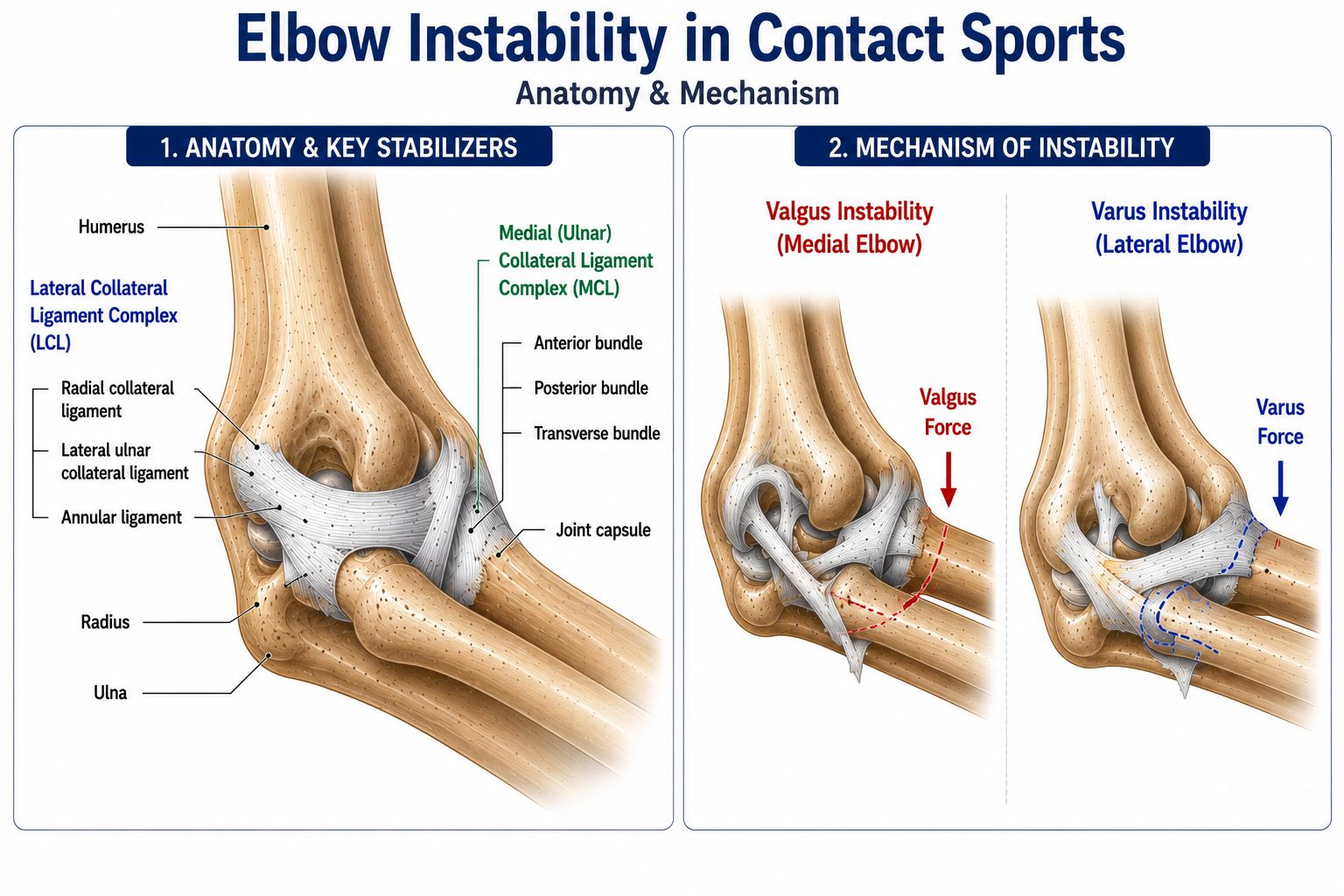
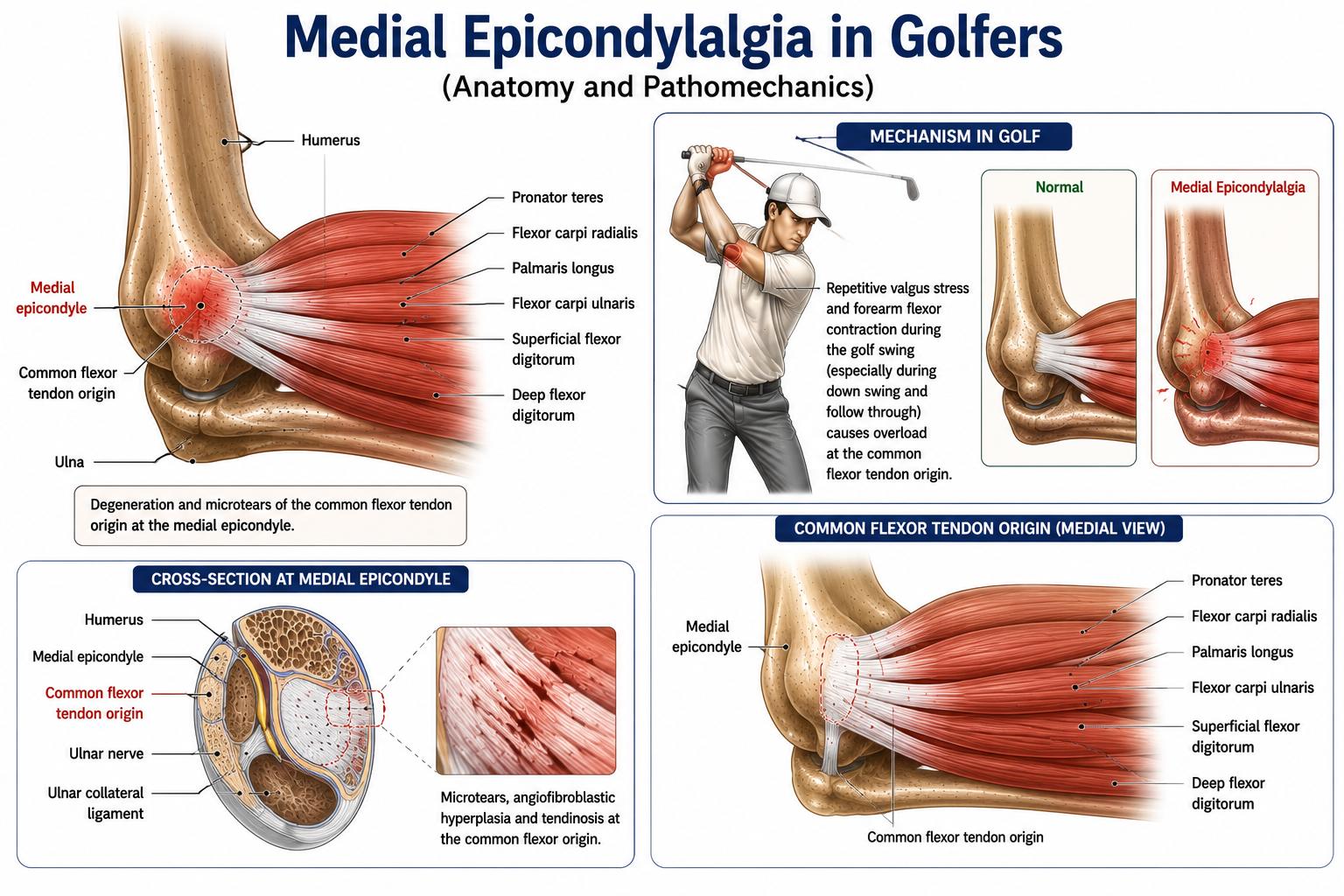
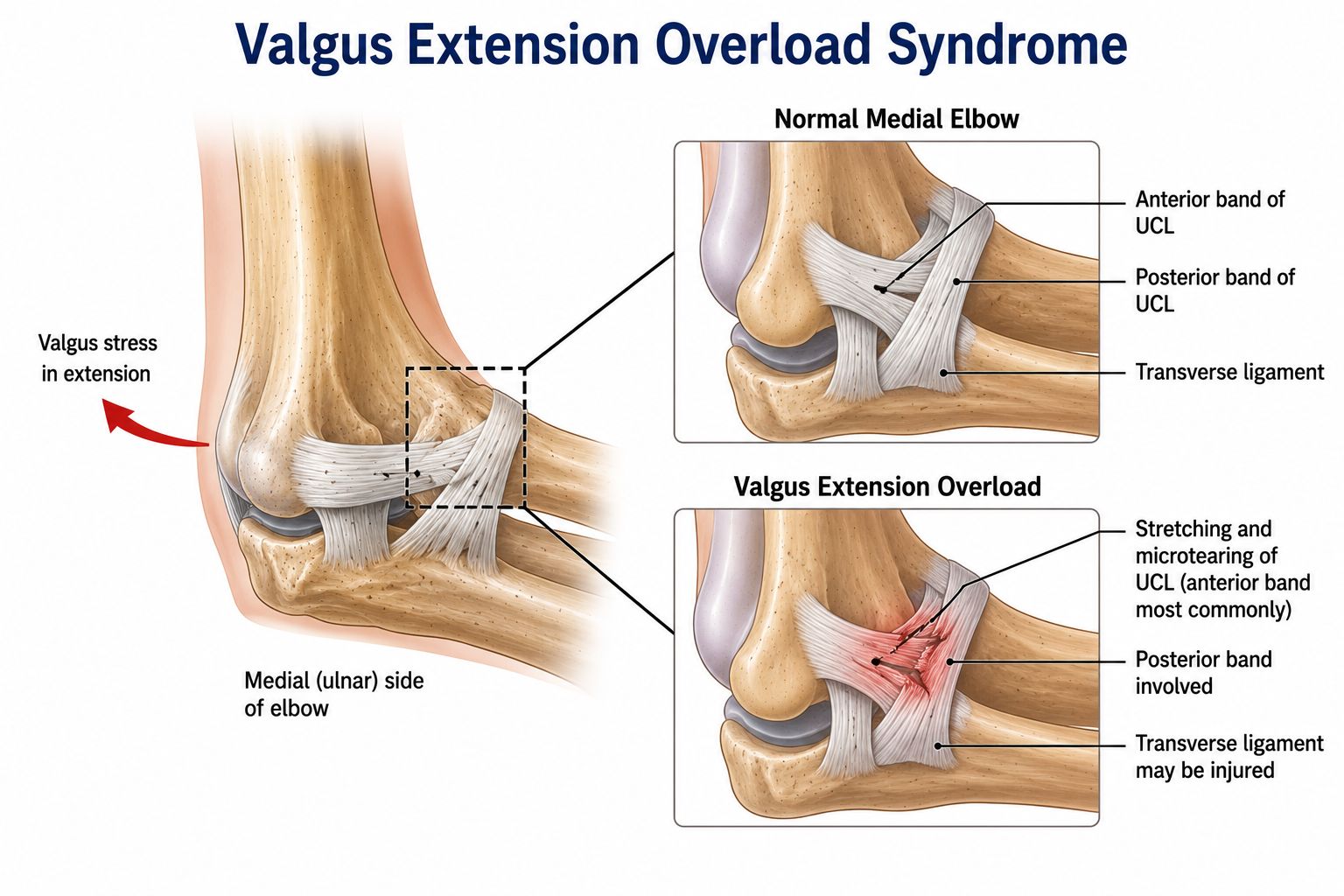
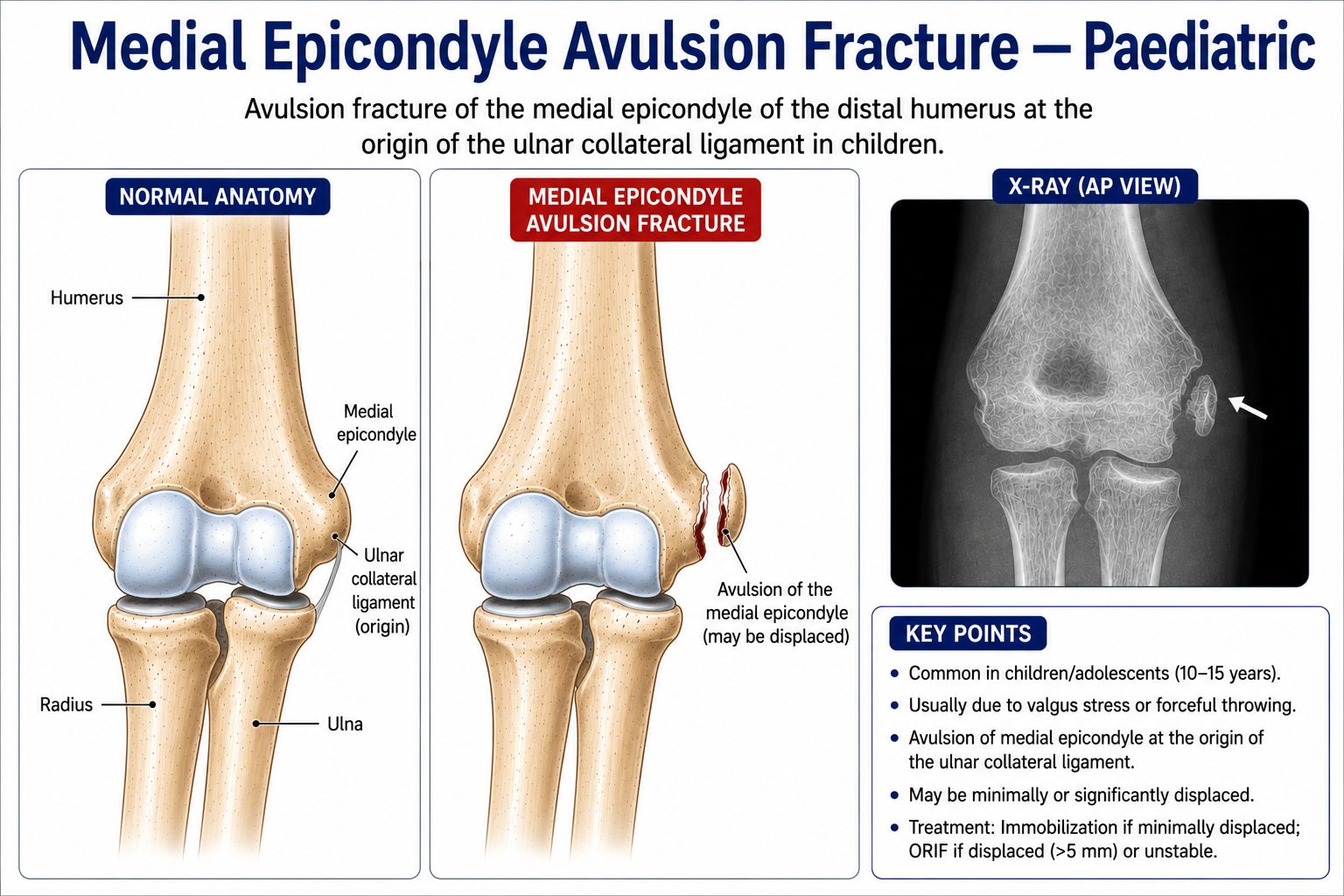
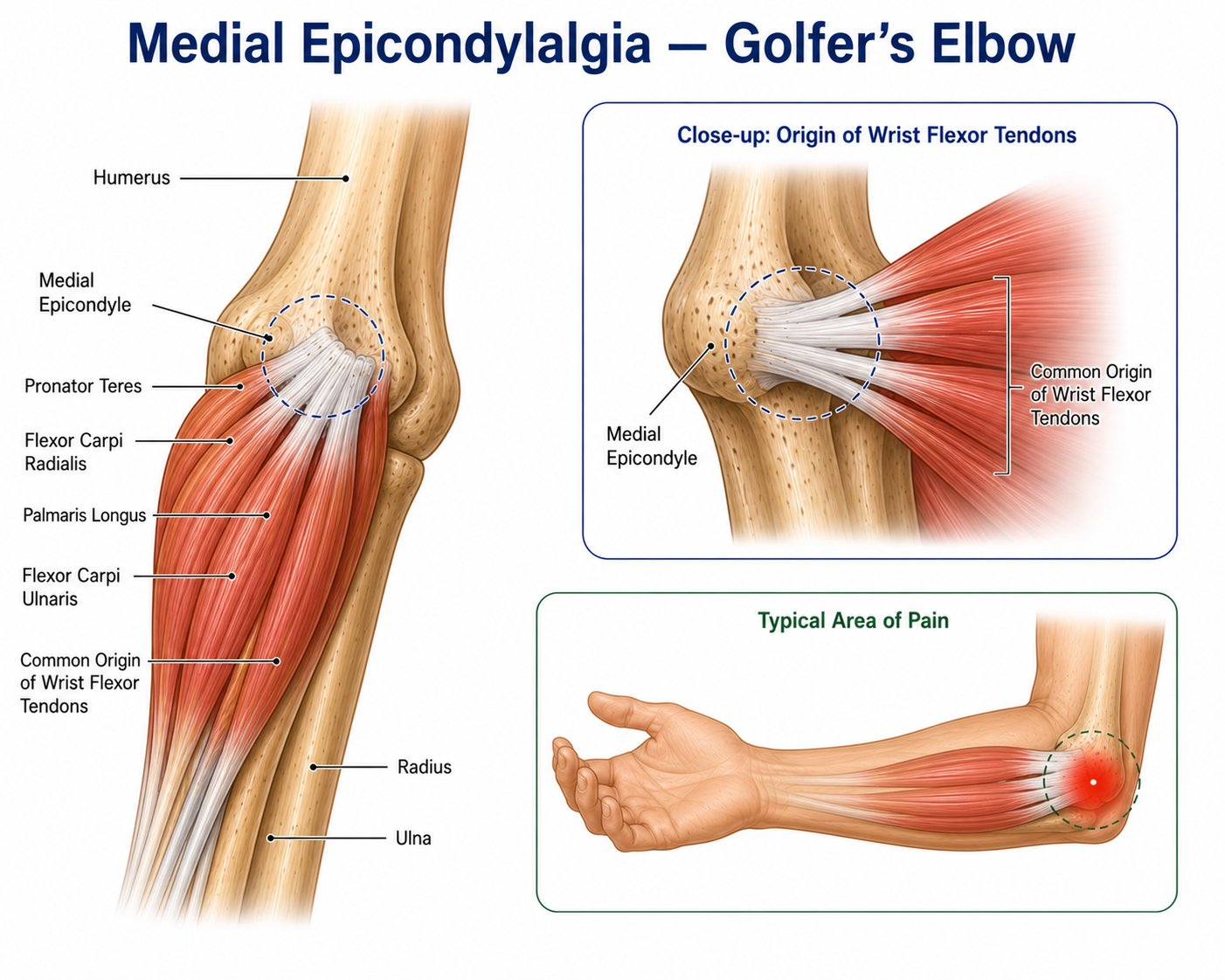
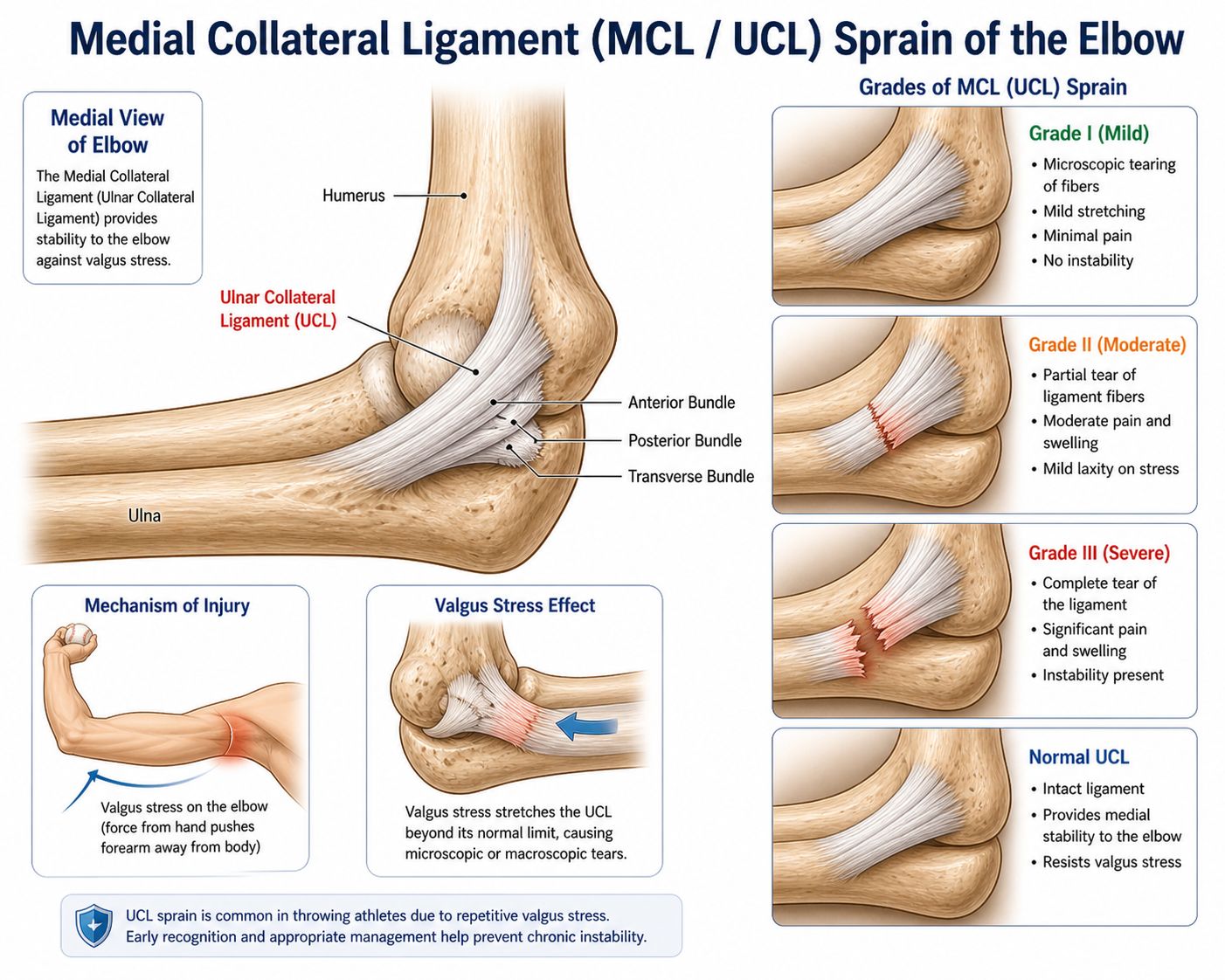
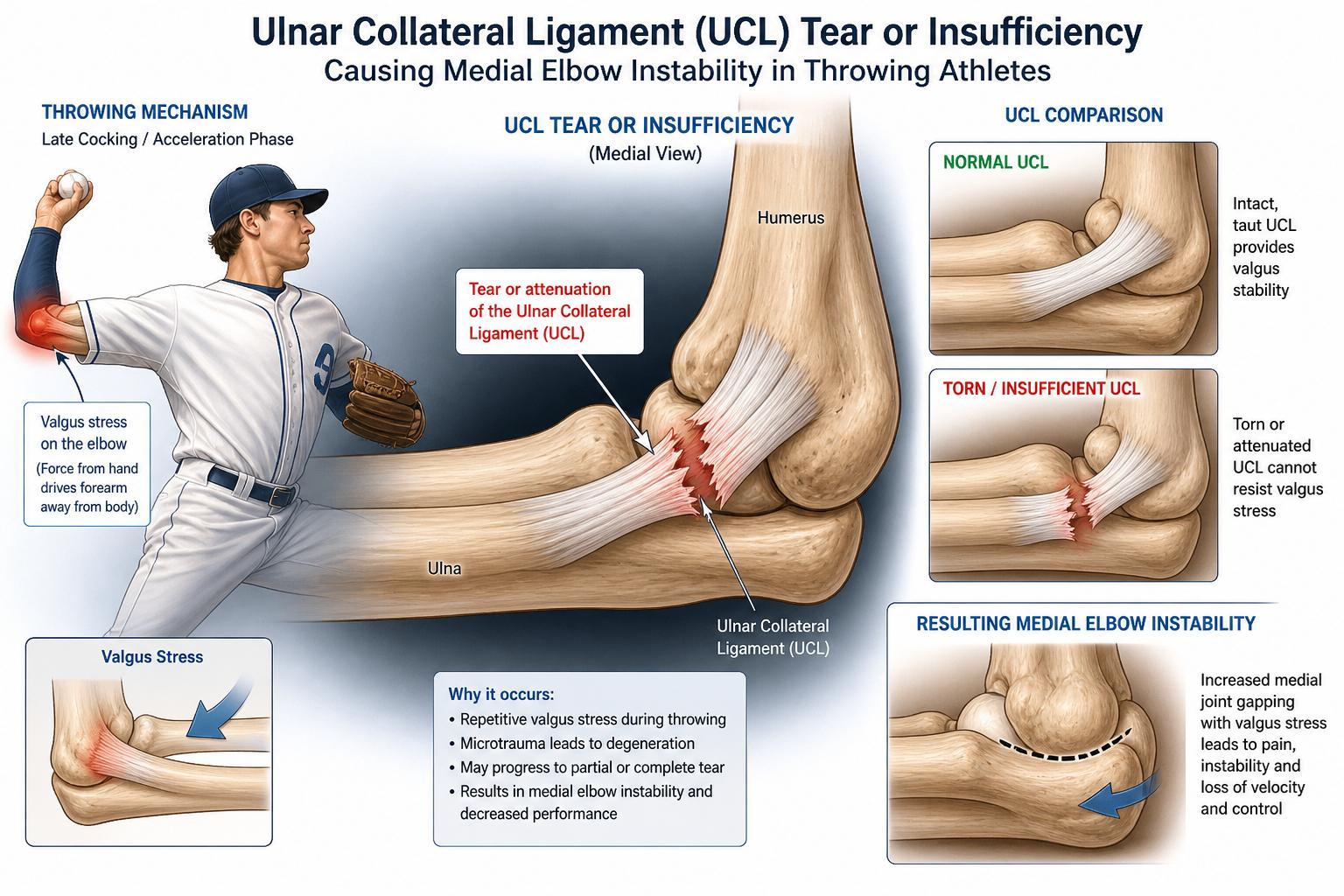
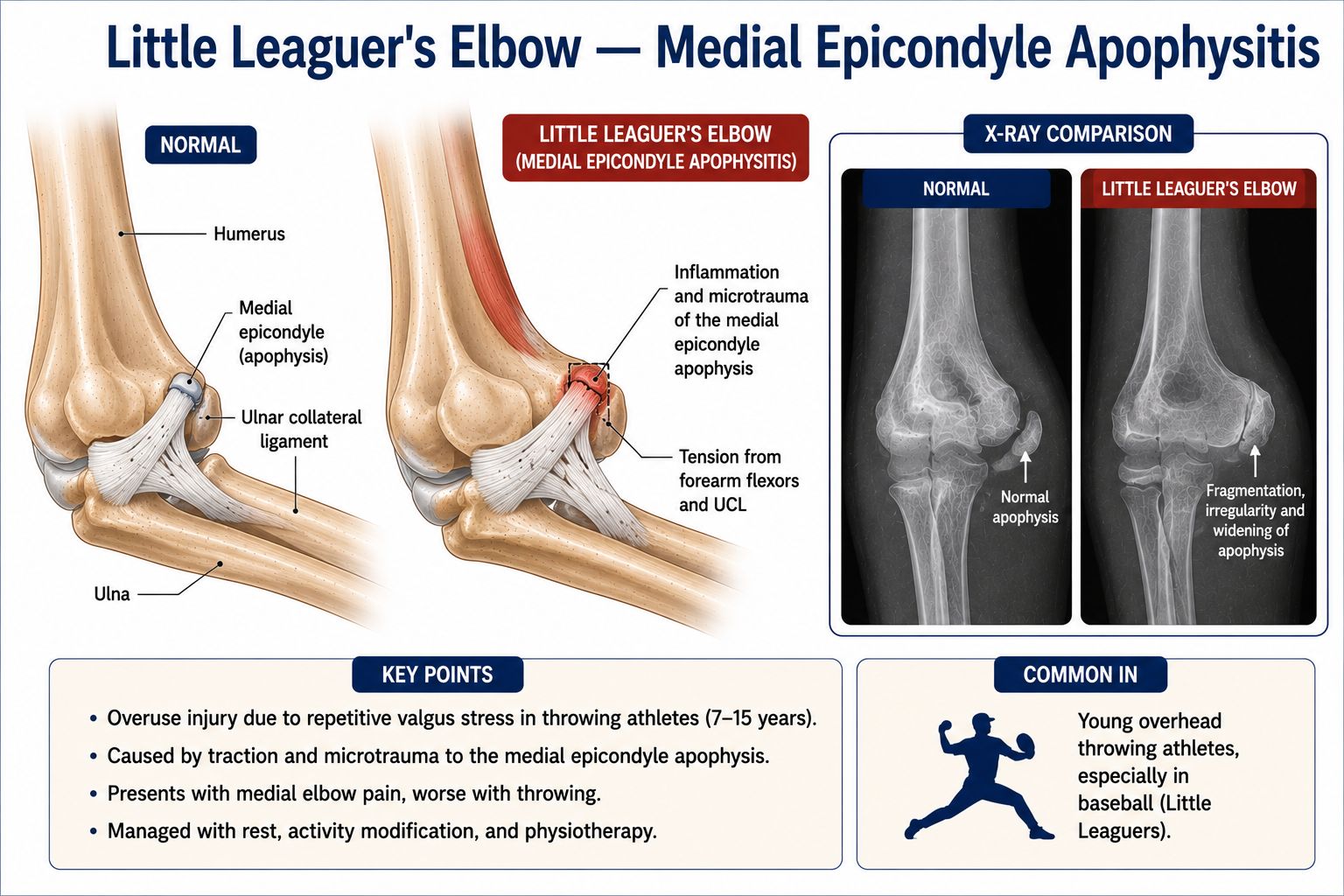
Little Leaguer’s elbow is a traction apophysitis of the medial epicondyle — an overuse injury unique to skeletally immature throwing athletes in whom the medial epicondyle apophysis (the growth plate) is weaker than the attached ligament and tendon structures. During the throwing motion, the repetitive valgus stress transmitted through the UCL and common flexor-pronator origin progressively stresses and then fragments the cartilaginous apophyseal plate, causing pain, swelling, and tenderness at the medial epicondyle.
The condition is important for three reasons: (1) it is the most common cause of medial elbow pain in young cricketers and baseball players; (2) if not recognised and rested, the traction apophysitis can progress to acute avulsion fracture of the medial epicondyle; and (3) it is almost entirely preventable through enforcement of age-appropriate throwing load limits and adequate rest periods.
The term ‘Little Leaguer’s elbow’ is sometimes used more broadly to describe all medial elbow pain in young throwers, but in its specific definition it refers to this traction apophysitis. The apophysis fuses to the humerus between ages 15–17 years, at which point the condition naturally resolves — but by this age the athlete may have developed secondary UCL insufficiency if overloading continued.
Quick Facts | Details |
Also Known As | Little Leaguer’s Elbow, Medial Apophysitis — Elbow, Traction Apophysitis Medial Epicondyle |
Affected Area | Medial epicondyle apophysis — the growth plate (secondary ossification centre) of the medial epicondyle in children and adolescents; attachment of the UCL and common flexor-pronator origin |
Who It Affects | Children and adolescents aged 9–14 years; peak age 11–13 years; predominantly boys; cricket fast bowlers, baseball pitchers, and tennis players; the condition resolves when the apophysis fuses at age 15–17 years |
Prevalence | The most common cause of medial elbow pain in young throwing athletes; prevalence in young competitive baseball pitchers reported at 20–30%; increasing with year-round youth sport participation; the most important preventable sports injury in youth throwing sports |
Treatment | Absolute rest from throwing 4–6 weeks; physiotherapy; enforce age-appropriate pitch/ball count limits; ORIF if acute avulsion fracture occurs; formal graduated return-to-throw programme; education of coaches and parents |
Causes & Risk Factors
- Repetitive valgus stress during throwing — the same force that causes UCL injury in adults causes apophyseal stress in skeletally immature athletes, because the growth plate is weaker than the ligament
- Year-round throwing without adequate off-season — the elimination of the off-season has dramatically increased the incidence of this condition
- Violation of pitch/bowl count limits — young players bowling or pitching more than age-appropriate recommendations
- Early specialisation in throwing sports — children focusing exclusively on one sport before skeletal maturity, without cross-training
- Rapid growth phase — the adolescent growth spurt (ages 11–13) is associated with increased vulnerability as bone growth temporarily outpaces musculotendinous adaptation
- Poor throwing mechanics — lack of proper coaching; muscle fatigue during long sessions causing mechanical breakdown
Symptoms
- Medial elbow pain during or after throwing — the primary symptom; well-localised to the medial epicondyle
- Tenderness directly over the medial epicondyle — the apophysis is the point of maximum tenderness
- Swelling over the medial epicondyle — localised soft tissue swelling
- Stiffness — morning stiffness; stiffness after rest; reduced terminal extension
- Loss of throwing velocity or distance — the athlete subconsciously reduces effort to protect the painful elbow
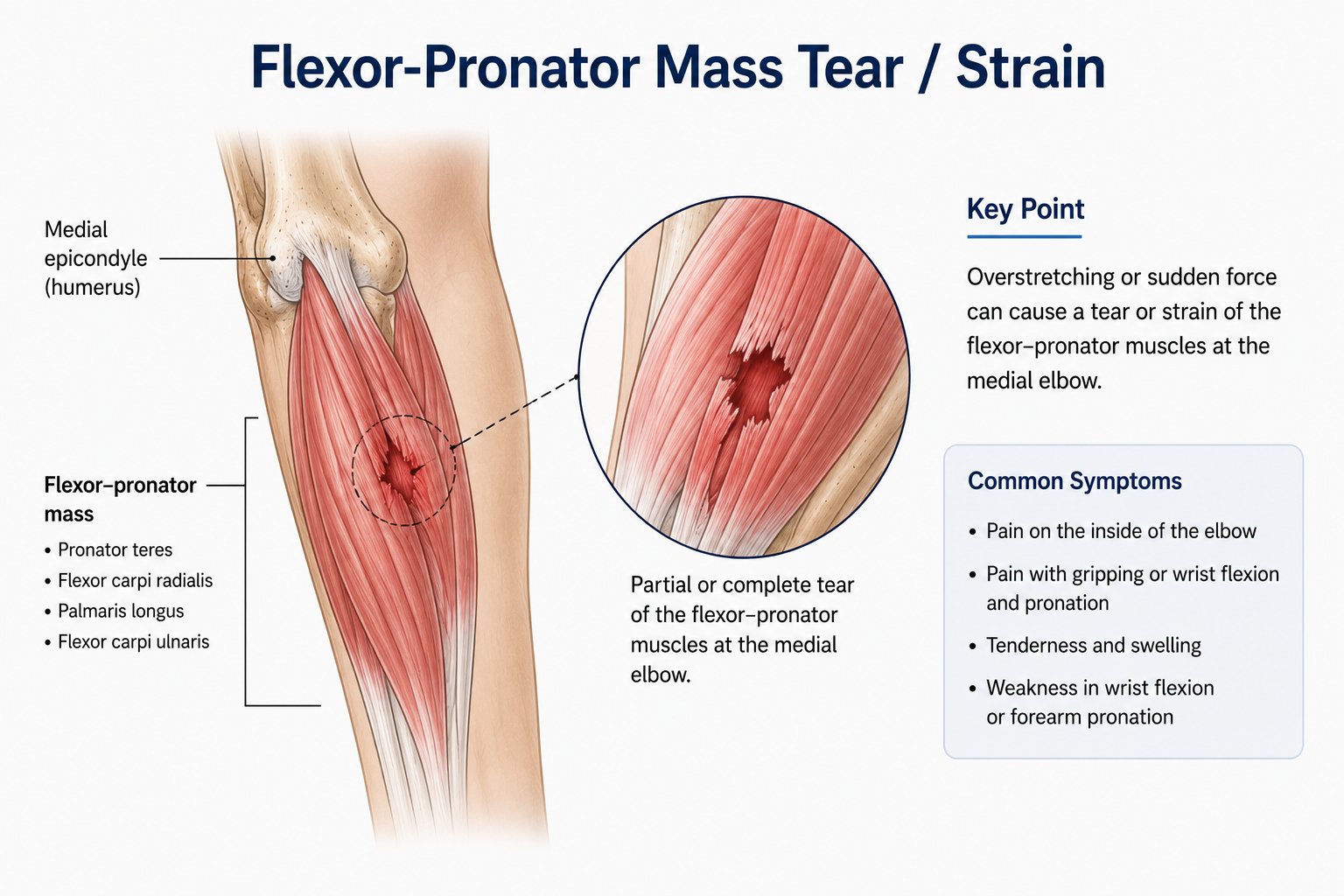
- Pain with resisted wrist flexion — the flexor-pronator origin tensions the apophysis
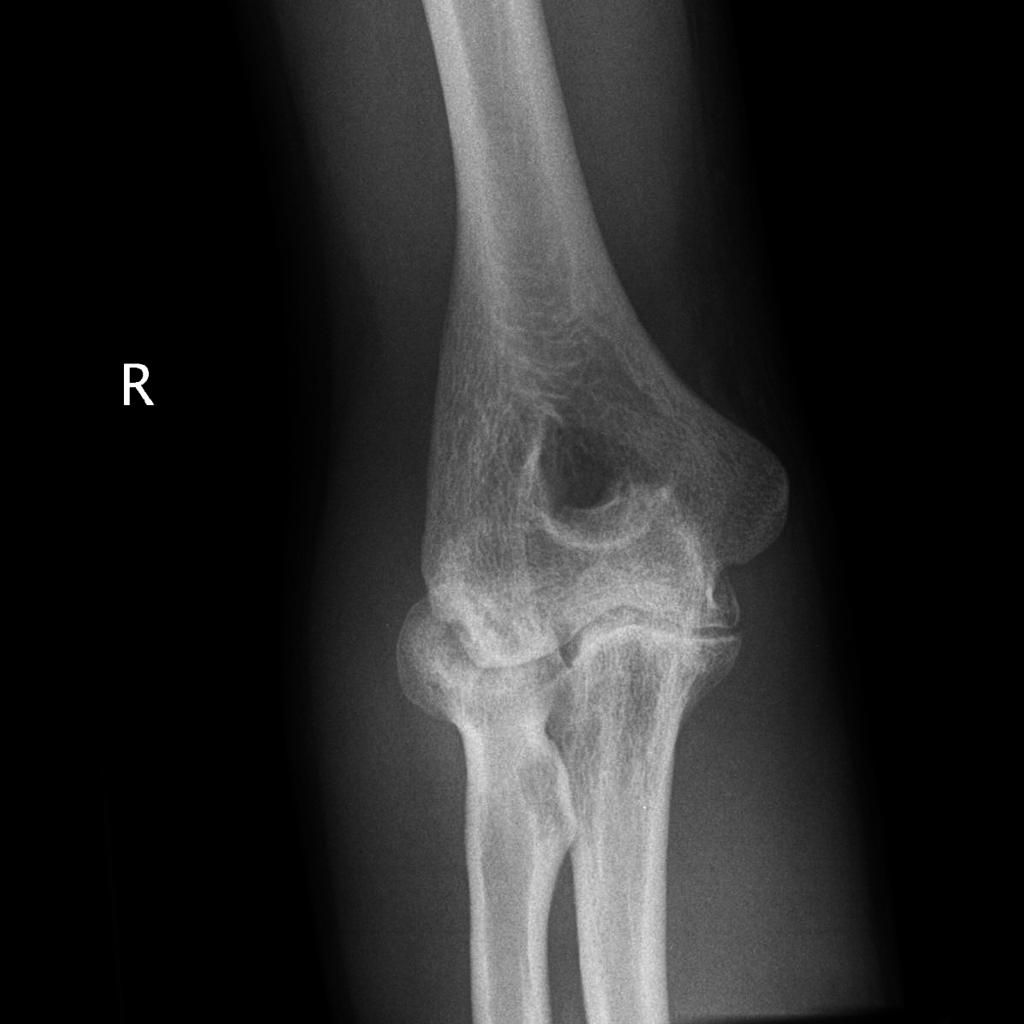
- X-ray findings — widening, irregularity, or fragmentation of the medial epicondyle apophysis compared to the normal side; always compare with the opposite arm
How is it Diagnosed?
- Clinical examination — medial epicondyle tenderness; valgus stress test (to assess UCL contribution); flexor-pronator resisted testing; range of motion; ulnar nerve assessment
- Plain X-rays (AP + lateral) — compare with the opposite normal elbow: medial epicondyle widening, sclerosis, or fragmentation versus normal smooth apophysis; exclude acute avulsion (fragment widely displaced)
- MRI — bone marrow oedema within the apophysis; soft tissue oedema; concurrent UCL signal change; cartilage assessment
- Ultrasound — apophyseal widening and vascularity; useful in the clinic for immediate assessment

Treatment Options
Treatment Type | Details |
Absolute Rest from Throwing | The cornerstone of treatment; complete cessation of all throwing for a minimum of 4–6 weeks; “complete rest” means no throwing, not reduced throwing; the young athlete will recover much faster with complete rest than with gradual reduction |
Anti-inflammatory Management | NSAIDs for 2 weeks; ice after any painful activity; pain-free activity only during rest period |
Physiotherapy | Flexibility training (wrist flexors, forearm pronators, shoulder rotators); strength conditioning without throwing; address mechanical faults identified before the injury |
Enforce Pitch / Bowl Count Limits | After return to throwing: enforce USA Pitch Smart / ECB age-appropriate guidelines: under 14: maximum 85 pitches/day; under 10: 75 pitches/day; adequate rest between outings; no year-round throwing |
Graduated Return-to-Throw Programme | After pain-free rest period and MRI/X-ray improvement: systematic interval throwing programme starting at 50% effort over flat ground, progressively increasing distance, effort, and volume over 6–8 weeks before return to competition |
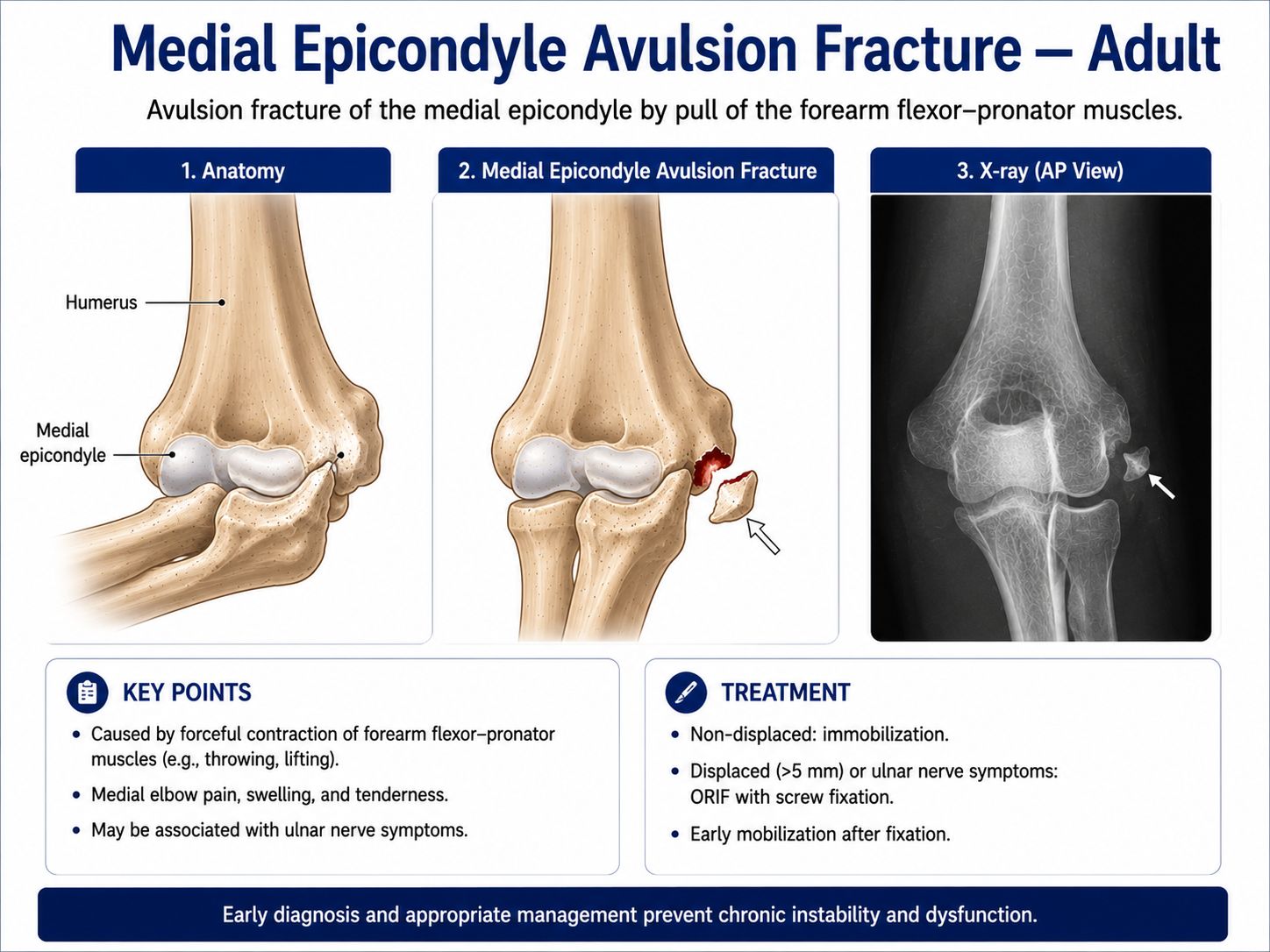
ORIF if Acute Avulsion Occurs | If traction apophysitis progresses to complete avulsion fracture (widely displaced fragment on X-ray): ORIF with a single compression screw (see Condition 51); rest, graduated return-to-throw as above after fixation |
Education Programme | Coach, parent, and athlete education about throw count limits, rest importance, the risk of year-round throwing, and the serious long-term consequences of ignoring medial elbow pain in young athletes |
Recovery & Rehabilitation
- With complete rest: X-ray and clinical improvement within 4–8 weeks in most cases
- Return to throwing: begins after 4–6 weeks of symptom-free rest; formal interval throwing programme 6–8 weeks
- Return to competitive play: typically 3–4 months from initial diagnosis
- Long-term: the apophysis fuses and the condition naturally resolves at skeletal maturity (15–17 years); athletes who rest adequately and follow pitch count guidelines do not suffer long-term consequences
- Prevention is the most important intervention: pitch count enforcement, adequate rest, and proper coaching reduce the incidence dramatically
Why choose Dr Senthilvelan?
Little Leaguer’s elbow is a condition where the most important treatment decisions involve education and prevention rather than surgery. Dr Senthilvelan works with young athletes, parents, and coaches to ensure that pitch/bowl count limits are understood and enforced, that adequate rest is provided, and that the return-to-throw programme is systematically managed — protecting the young athlete’s future throwing career.
Frequently Asked Questions
1. My 12-year-old son bowls fast cricket and has medial elbow pain — is this serious?
It is important and needs assessment, but it is treatable. Medial elbow pain in a young fast bowler most commonly represents Little Leaguer’s elbow — a stress reaction of the medial epicondyle growth plate from repetitive valgus loading during bowling. The good news is that with complete rest from bowling (4–6 weeks minimum), the growth plate heals and the athlete fully recovers. The key is not to minimise the pain and keep playing — continued bowling through pain risks progression to a complete avulsion fracture.
2. How many balls per day can my child safely bowl?
Age-appropriate ball/pitch count limits are essential for preventing this injury. General guidelines (adapted from USA Pitch Smart, which has the most comprehensive evidence base): under age 10: maximum 75 pitches/day; ages 10–12: 85 pitches/day; ages 13–16: 95 pitches/day; with mandatory rest days after outings depending on pitch count. Your child should have a complete off-season of at least 2–3 months per year with no overhead throwing. Exceeding these limits significantly increases the risk of both Little Leaguer’s elbow and UCL injury.
3. Can Little Leaguer's elbow become a permanent injury?
In most cases, no — the condition fully resolves when the apophysis fuses (at age 15–17) and with adequate rest. However, if overloading continues without rest, the apophysis can fragment or avulse completely — requiring surgical fixation and a much longer recovery. Continuing to throw through medial elbow pain at this age also stresses the UCL (which attaches to the same growth plate), potentially causing UCL stretching that persists even after the growth plate fuses.
4. My child was diagnosed with Little Leaguer's elbow last year and is now 14 — can they continue playing cricket?
Yes, with appropriate management. By age 14–15, the medial epicondyle apophysis is beginning to fuse in most children, reducing the vulnerability to traction apophysitis. If the apophysis has healed on X-ray or MRI and the child is pain-free, a graduated return to competitive bowling is appropriate — with ball count limits, adequate rest between sessions, and an off-season. Annual assessment by a specialist is reasonable to monitor the transition through skeletal maturity.
5. What are the long-term consequences if Little Leaguer's elbow is ignored?
Continuing to throw through medial apophyseal pain risks: (1) acute avulsion fracture — the apophysis is pulled completely off the humerus, requiring surgery; (2) persistent UCL stretching — the UCL attaches to the apophysis, and chronic overstress can stretch the ligament even before skeletal maturity; (3) delayed or irregular apophyseal fusion — causing a persistently symptomatic medial epicondyle; (4) a higher lifetime risk of UCL insufficiency and the eventual need for Tommy John surgery as an adult. The condition is so preventable and so treatable when caught early — which is why any medial elbow pain in a young thrower must be taken seriously.