Overview
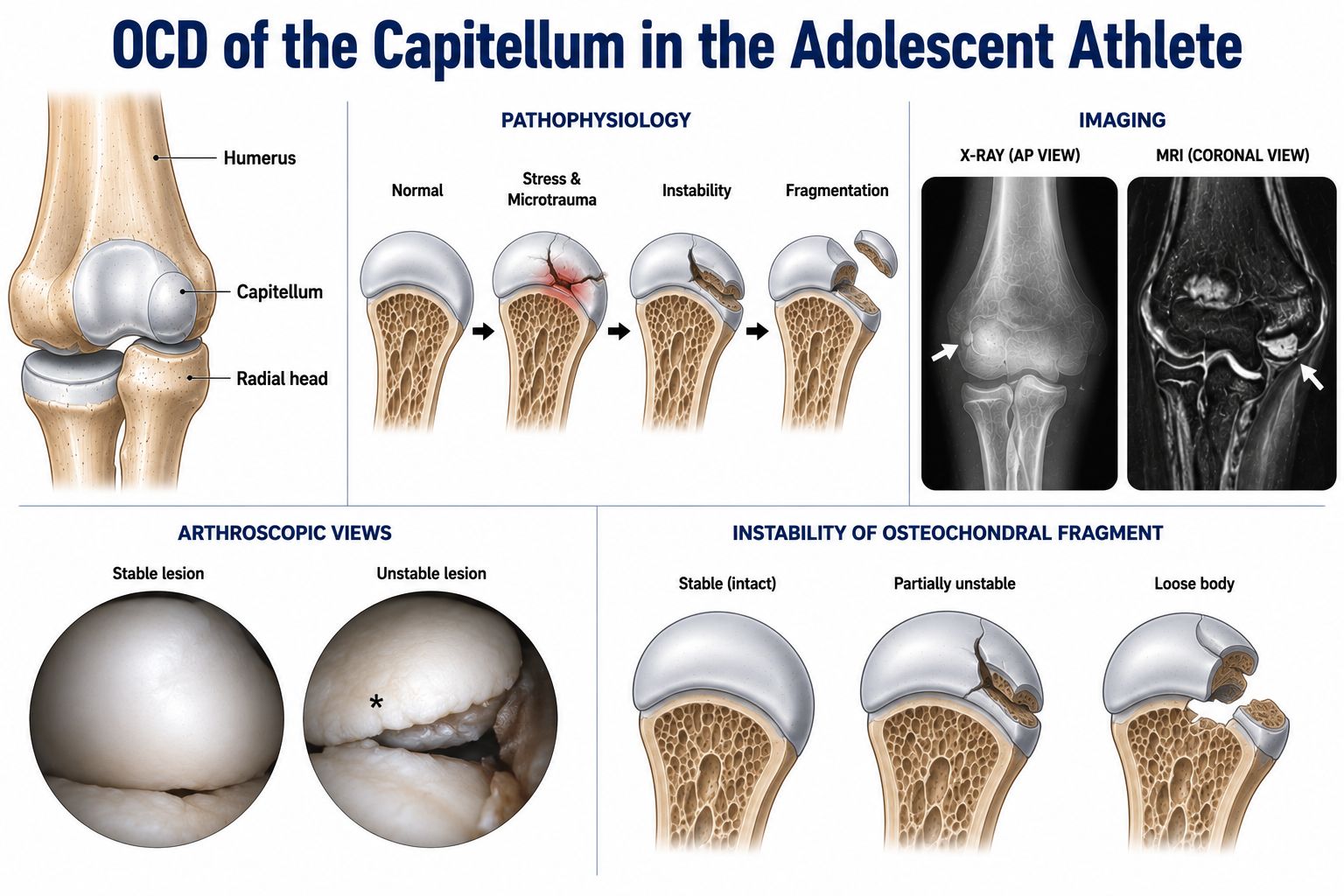
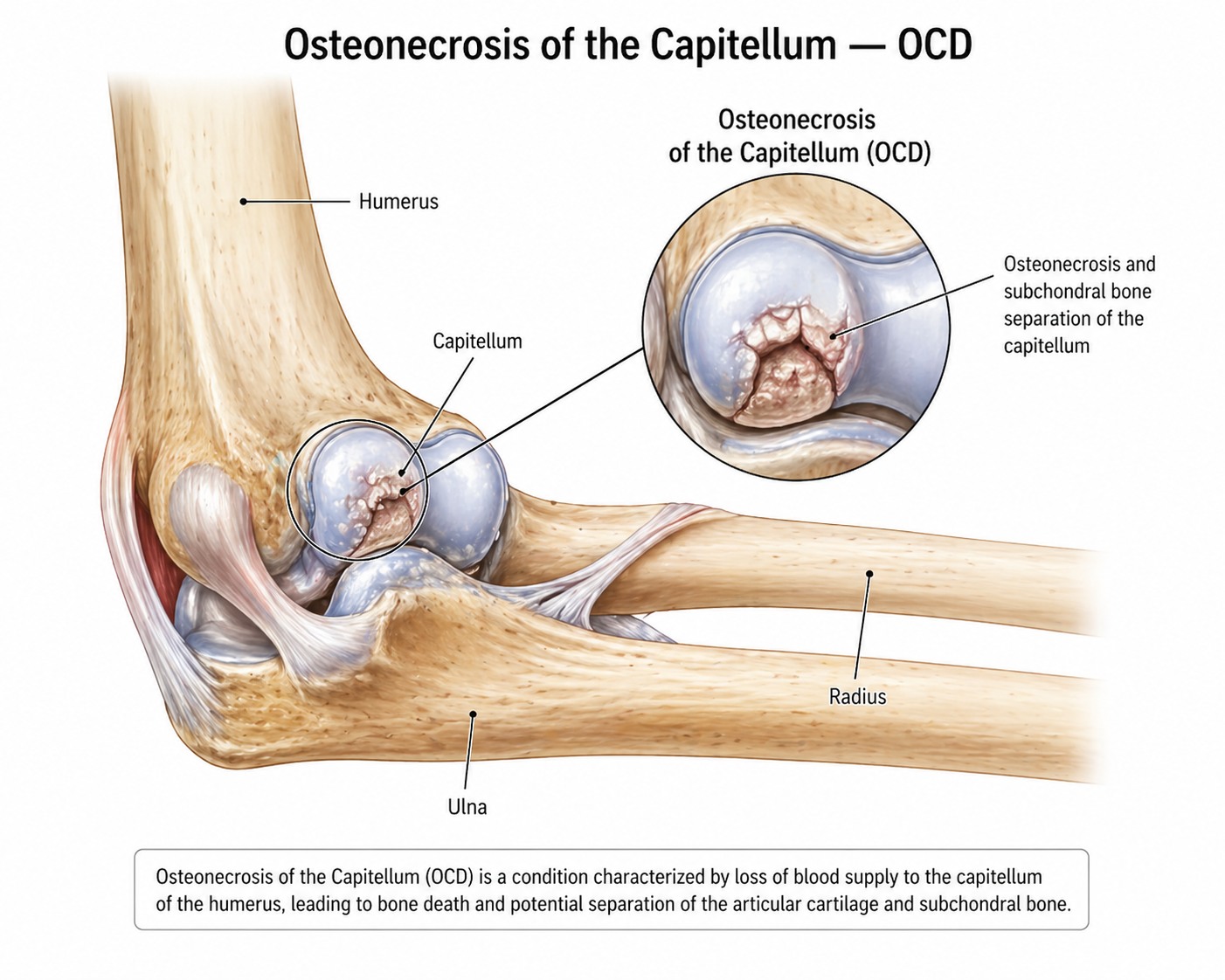
Osteonecrosis of the capitellum refers to the death of bone in the capitellum due to disruption of its blood supply. In children under 10, this presents as Panner disease — a self-limiting condition that resolves fully with rest. In older adolescents and young athletes, it presents as Osteochondritis Dissecans (OCD) — a more serious condition involving a focal area of subchondral bone death and potential detachment of an osteochondral fragment.
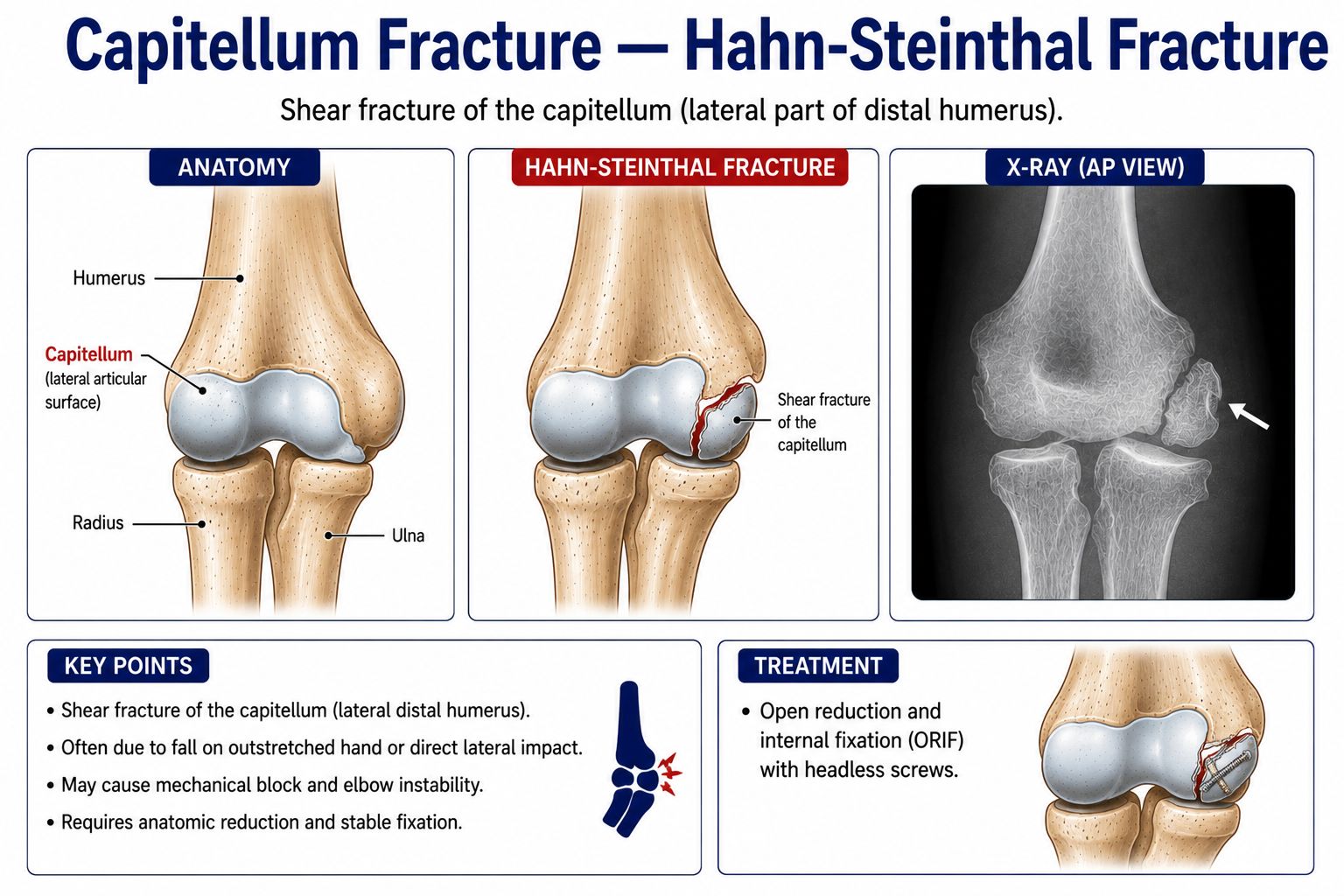
The capitellum is particularly vulnerable because it relies on a limited retrograde blood supply from a single end artery. Repetitive valgus loading — common in throwing sports and gymnastics — compresses the radiocapitellar joint and progressively impairs this blood supply, leading to osteochondral breakdown.
Early diagnosis and appropriate management are critical in OCD. Stable lesions respond well to prolonged rest from throwing. Unstable lesions require surgical intervention — either fixation of the fragment or débridement with bone marrow stimulation (microfracture) to encourage healing.
Quick Facts | Details |
Also Known As | Panner Disease (children), Osteochondritis Dissecans (OCD) Capitellum, Capitellar AVN |
Affected Area | Capitellum — the rounded lateral end of the distal humerus articulating with the radial head |
Who It Affects | Panner disease: boys aged 5–10 years; OCD: adolescents aged 11–16, especially overhead and throwing athletes (gymnasts, baseball pitchers, tennis players) |
Prevalence | OCD of capitellum seen in 2–3% of overhead athletes with lateral elbow pain; significant proportion of elbow pain in young throwing athletes |
Treatment | Panner disease: fully conservative; OCD stable lesion: rest and activity restriction 3–6 months; OCD unstable: arthroscopic fixation (large fragments) or débridement + microfracture (small/unsalvageable) |
Causes & Risk Factors
- Repetitive valgus compression loading during throwing, gymnastics, and racket sports
- End-artery blood supply vulnerability — the capitellum receives a retrograde supply from a single vessel
- Rapid growth phase — OCD develops most commonly during the adolescent growth spurt
- Dominant arm affected almost exclusively
- Excessive training volume without adequate rest
- Panner disease: self-limiting osteochondrosis in younger children (5–10 years); entire capitellum involved; fully reversible
- Secondary osteonecrosis in adults: following lateral elbow fractures, dislocation, or prolonged steroid use
Symptoms
- Lateral elbow pain — localised to the radiocapitellar region; worse with throwing, gymnastics, or racket use
- Activity-related aching — initially only with throwing; progresses to pain with everyday activities
- Reduced range of motion — loss of full extension (flexion contracture) is an early warning sign in young athletes
- Locking or catching — if a fragment has detached and become a loose body
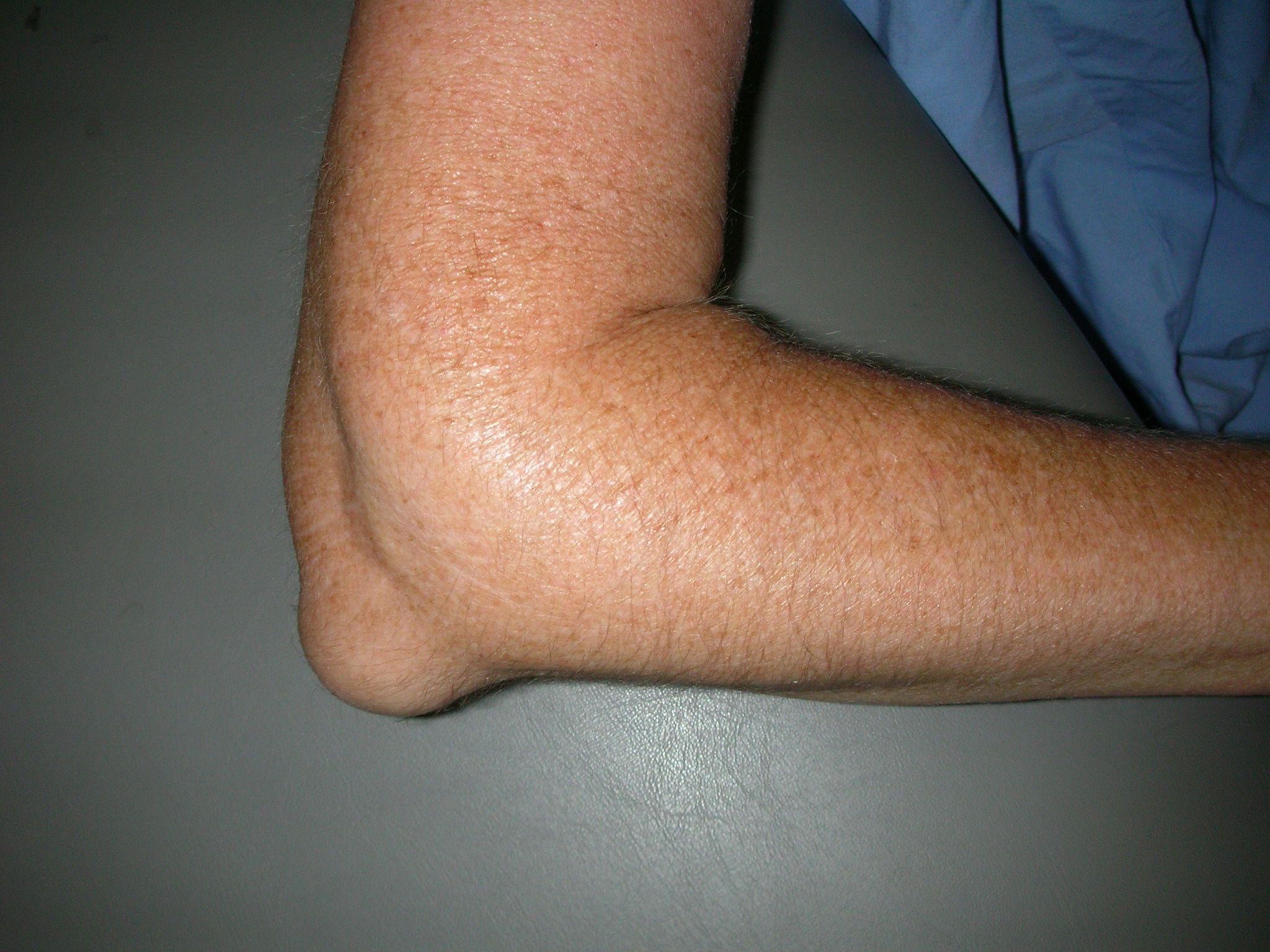
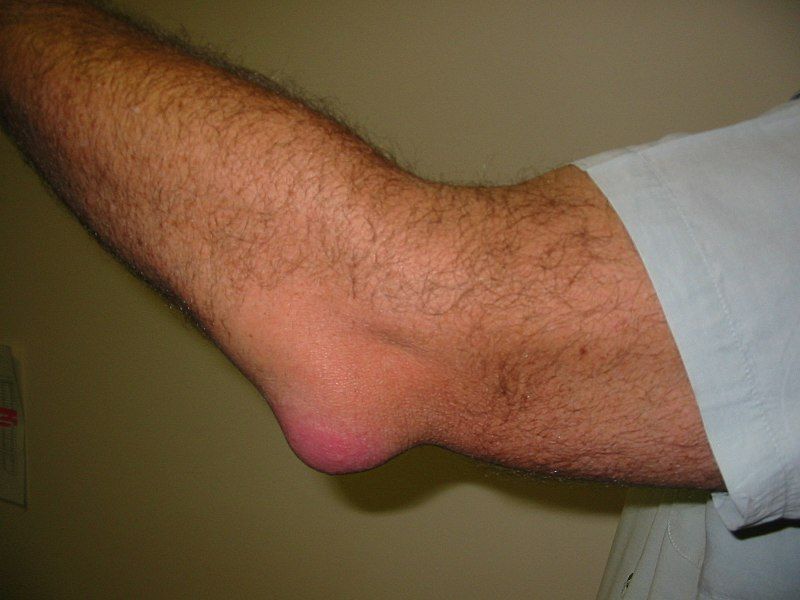
- Swelling — lateral elbow effusion around the radiocapitellar joint
- Localised tenderness over the lateral epicondyle and capitellum
- Panner disease: diffuse aching, mild swelling, and stiffness in a child aged 5–10; resolves completely within 1–2 years
How is it Diagnosed?
- Clinical examination — lateral elbow tenderness; ROM measurement; radiocapitellar compression test
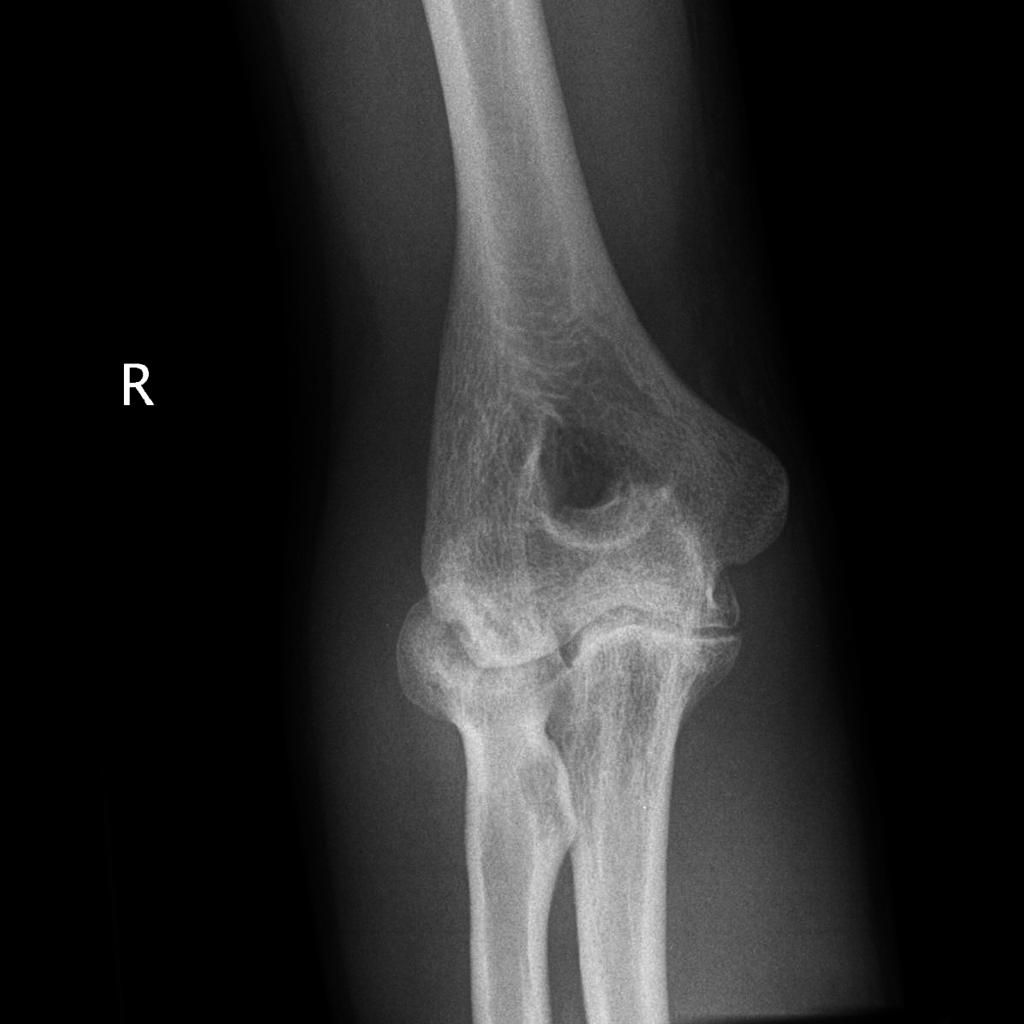
- Plain X-rays — may appear normal early; later shows radiolucency or flattening of capitellum; Panner: generalised irregularity of the whole capitellum
- MRI (imaging of choice) — defines size and stability of OCD lesion; T2 fluid signal rim around fragment indicates instability
- CT scan — useful for pre-operative planning; accurately maps fragment size, location, and subchondral bone loss
- Arthroscopy — definitive assessment of cartilage stability; probe test distinguishes stable from unstable; allows concurrent treatment
Treatment Options
Treatment Type | Details |
Activity Restriction (Stable OCD) | Complete cessation of throwing or compressive sport for 3–6 months; serial MRI to confirm healing; graduated return-to-sport protocol |
Physiotherapy | Maintain ROM; strengthen periscapular and forearm musculature; address biomechanical throwing faults; core stability |
Panner Disease | Fully conservative; rest from overhead activity 6–12 months; full recovery expected; no surgery required |
Arthroscopic Fixation (Large Stable Fragment >1cm) | Headless compression screw fixation or bioabsorbable pins; best results in skeletally immature patients; return to sport 6–12 months |
Arthroscopic Débridement + Microfracture | For unstable fragments too small or fragmented for fixation; subchondral bone perforated with awl to stimulate fibrocartilage; good results for lesions <2cm diameter |
Osteochondral Autograft (OATS/Mosaicplasty) | For large unstable lesions or failed microfracture; osteochondral plugs from knee press-fit into capitellum defect; restores hyaline cartilage |
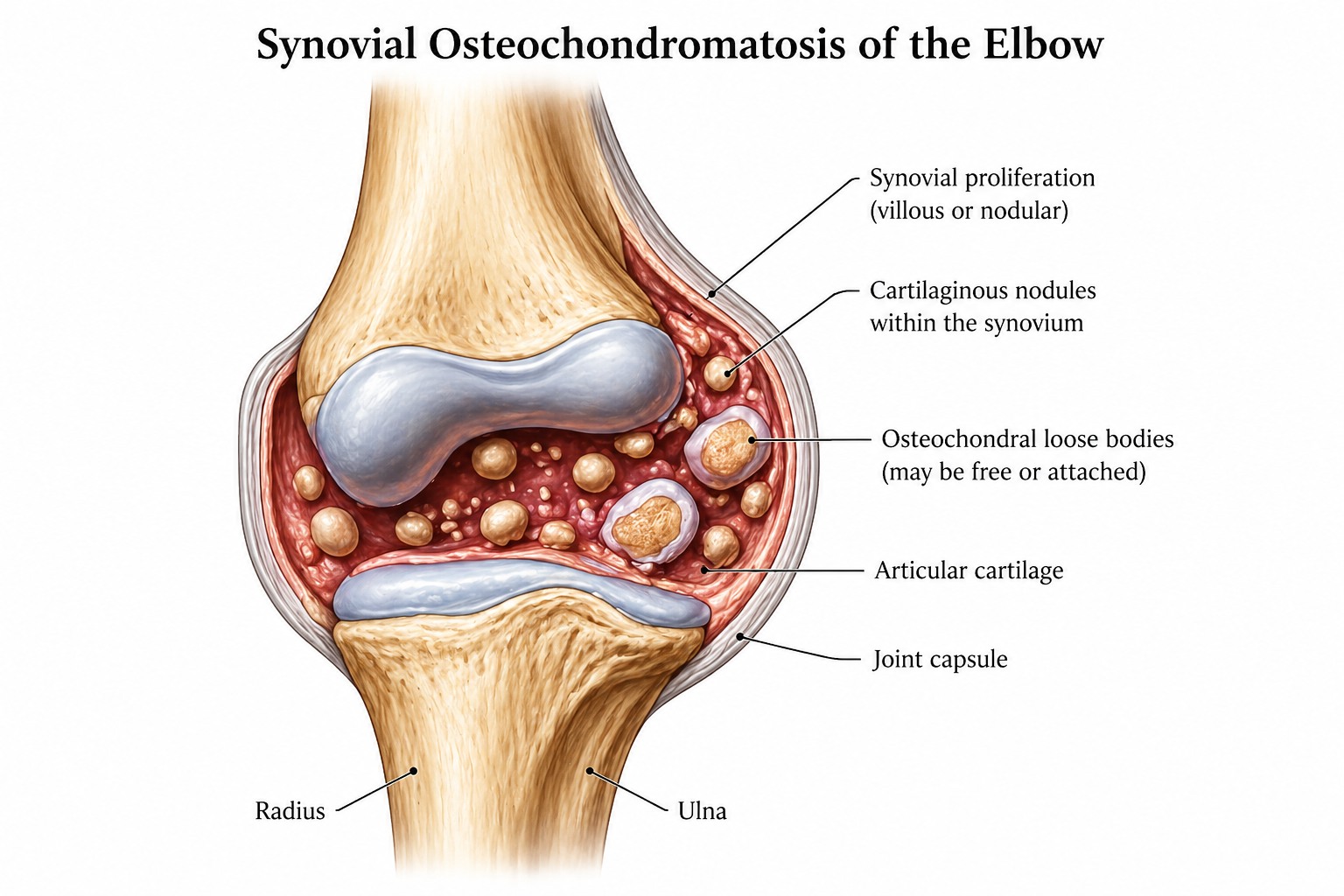
Loose Body Removal | For detached fragments causing locking; arthroscopic retrieval; address underlying osteochondral defect concurrently |
Recovery & Rehabilitation
- Panner disease: full recovery in 12–24 months with conservative management; no long-term sequelae
- Stable OCD conservatively: 85% healing rate with 3–6 months rest; formal throwing programme before return to competition
- After arthroscopic fixation: non-weight-bearing activity 6 weeks; return to competition 9–12 months; MRI at 6 months to confirm healing
- After microfracture: fibrocartilage maturation 3–6 months; return to throwing 6–9 months; good outcomes for lesions <2cm
- Key predictor: lesion stability at time of diagnosis; early detection gives the best chance without surgery
Why choose Dr Senthilvelan?
Dr Senthilvelan has specific expertise in the arthroscopic assessment and surgical treatment of capitellar OCD in young athletes. His systematic arthroscopic survey and experience with fragment fixation and microfracture techniques ensure each patient receives a precisely tailored treatment plan, with return-to-sport guided by objective healing criteria.
Frequently Asked Questions
1. What is the difference between Panner disease and OCD of the capitellum?
Panner disease and OCD of the capitellum are distinct conditions despite similar symptoms. Panner disease occurs in children aged 5–10 years, involves the entire capitellum, and is fully self-limiting — it heals completely with rest. OCD of the capitellum occurs in older adolescents (11–16 years), involves a focal area of bone death with potential fragment detachment, and has a more variable outcome that may require surgery. The distinction is based on age and imaging characteristics.
2. My child is a competitive bowler with lateral elbow pain — how serious is this?
Lateral elbow pain in a young throwing athlete should be investigated promptly with X-ray and MRI. A capitellar OCD lesion found early (when the overlying cartilage is still intact and the fragment has not detached) has an excellent prognosis with rest and activity modification. However, if the diagnosis is missed and the athlete continues to throw through pain, the fragment can detach, become a loose body, and require more extensive surgery with a longer recovery and less predictable outcome.
3. Can surgery fully restore the elbow to normal in a young athlete with OCD?
Results are best in skeletally immature patients where healing biology is most favourable. Fragment fixation in large stable lesions achieves healing in 80–90% of cases, allowing return to competitive sport. However, some degree of radiocapitellar incongruity may persist, and long-term studies show a higher rate of early-onset lateral compartment arthritis in athletes with OCD even after successful treatment.
4. How long does a young athlete need to rest from throwing after OCD is diagnosed?
For a stable OCD lesion, the recommended rest period is 3–6 months of complete cessation from throwing and compressive overhead activity. After this, a formal graduated return-to-throwing programme is followed over another 2–3 months before return to competition. Serial MRI is used to confirm radiological healing before progressing. Total time from diagnosis to competitive throwing is typically 6–12 months.
5. Can OCD of the capitellum occur in non-throwing sports?
Yes — OCD of the capitellum is also seen in gymnasts, wheelchair athletes, and occasionally in contact sports. Any repetitive compressive load through the radiocapitellar joint in a growing adolescent can precipitate OCD. The same principles of diagnosis and management apply regardless of the sport.