Overview
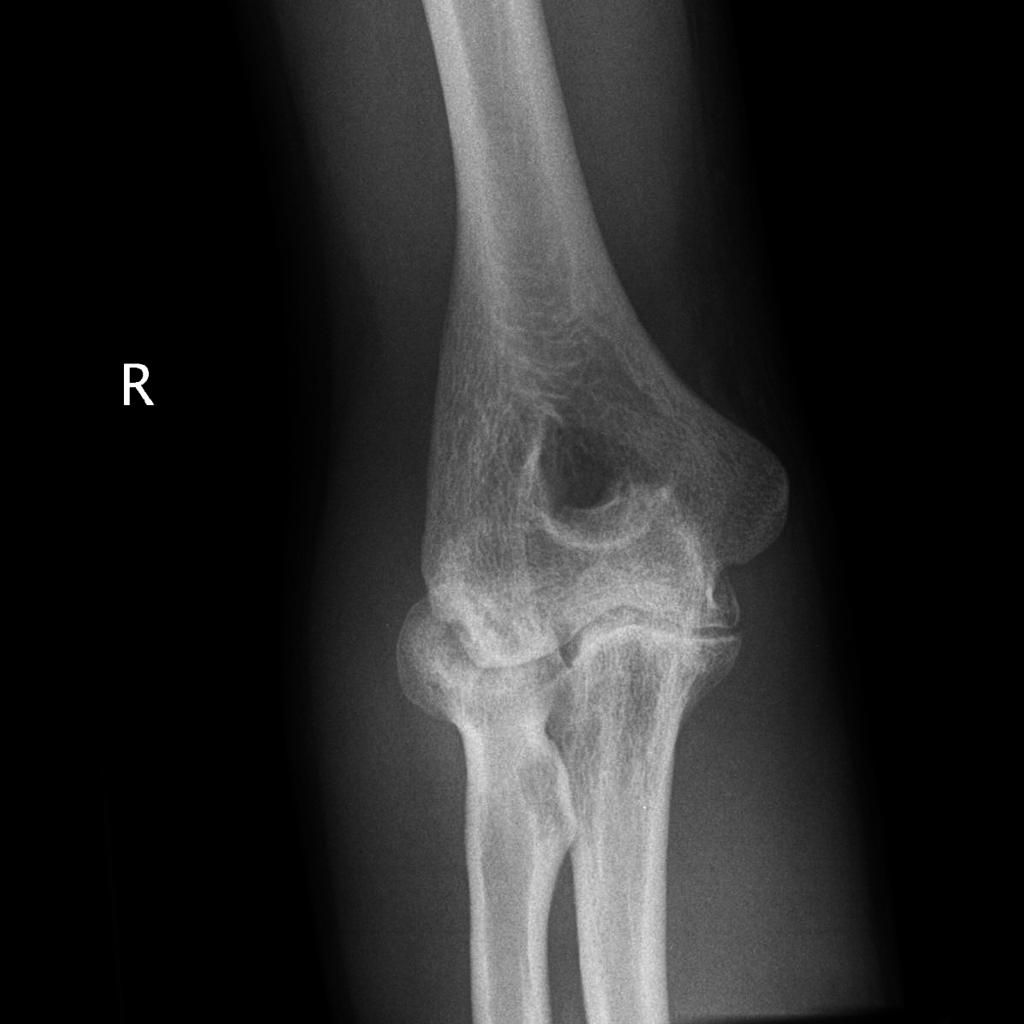
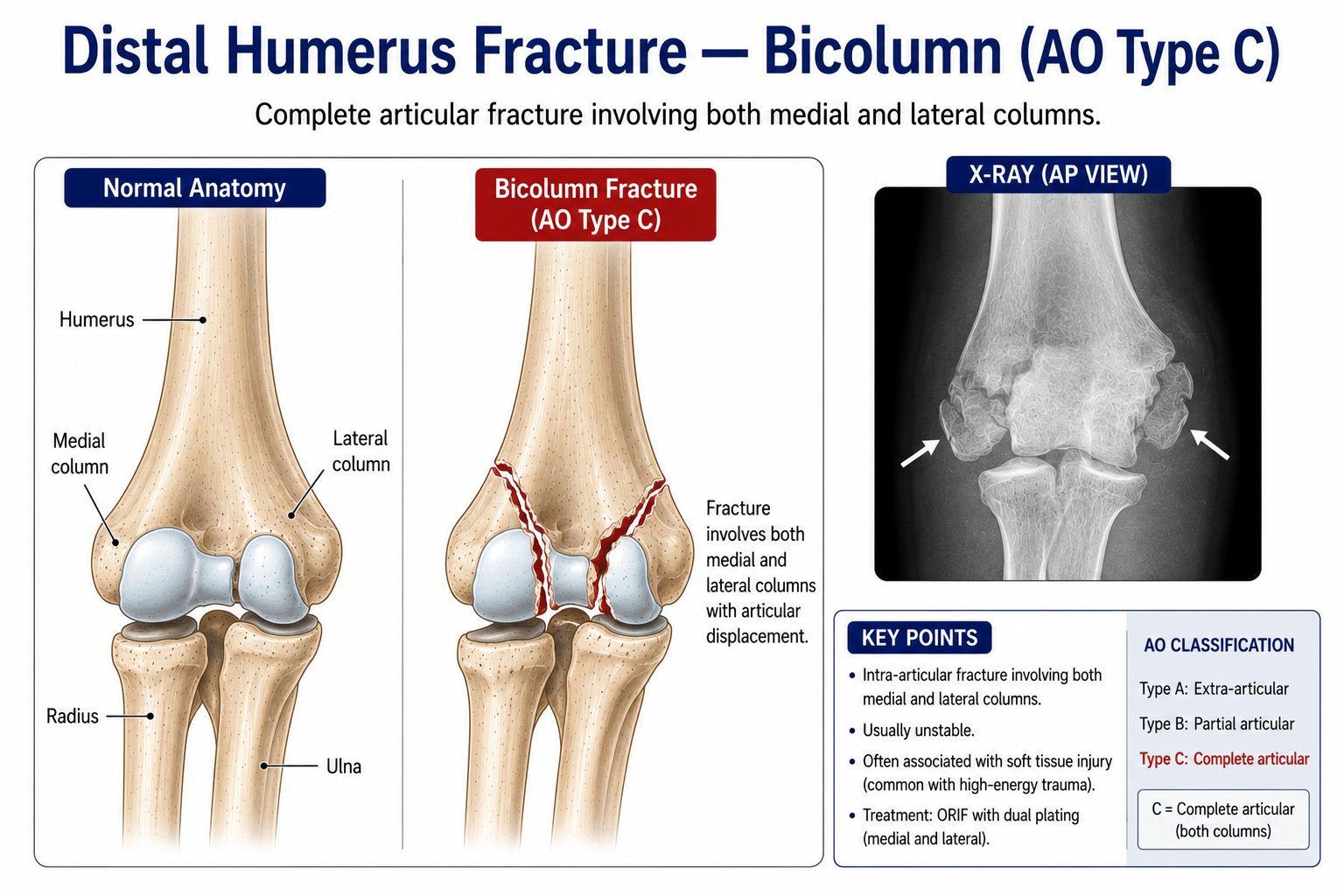
The distal humerus is shaped like a triangle, with two columns — medial and lateral — meeting at the articular region (the trochlea and capitellum). A Type C (bicolumn) fracture disrupts both columns and the articular surface, creating an extremely unstable situation with the articular block floating free of the humeral shaft. This is one of the most surgically challenging fractures in orthopaedics.
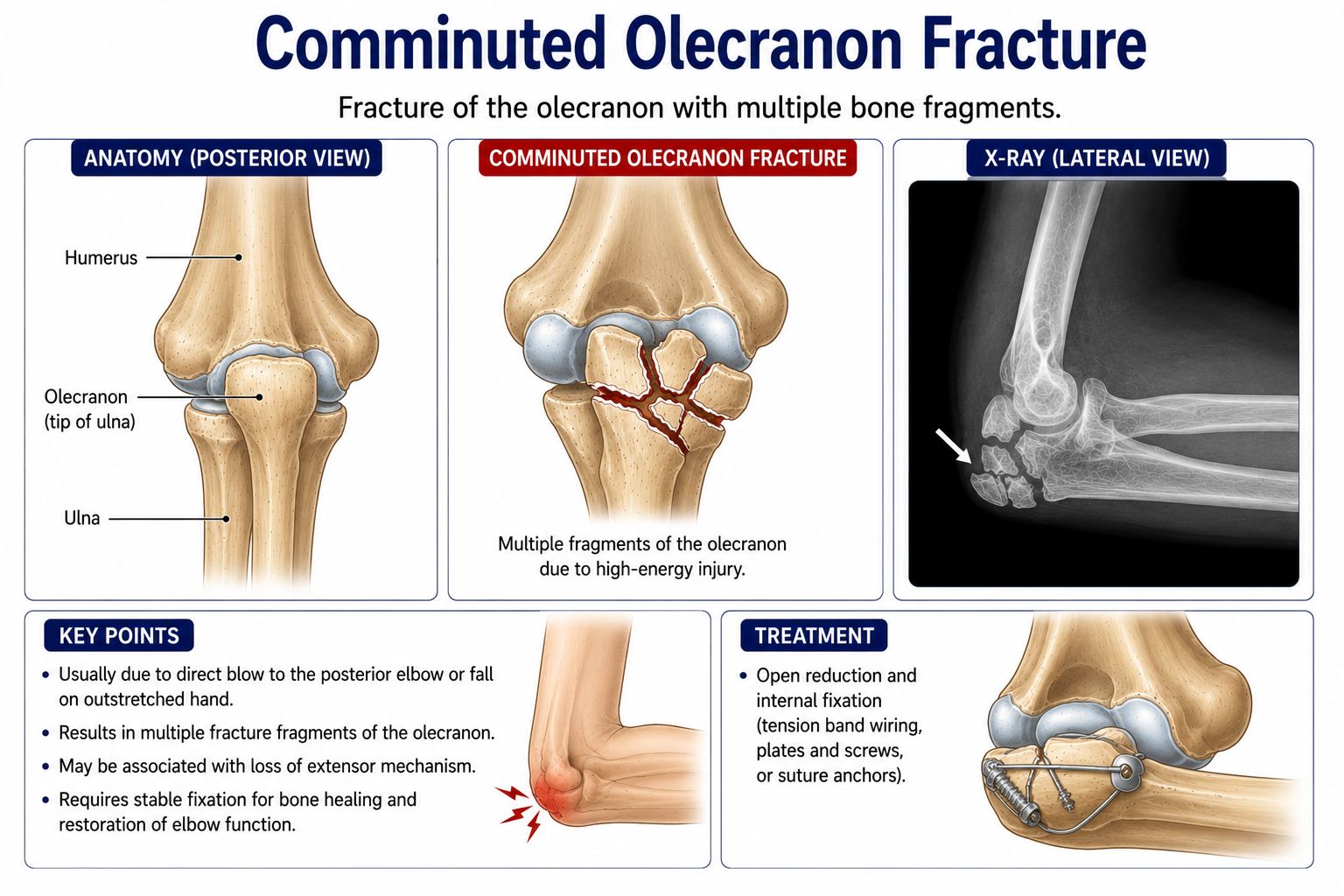
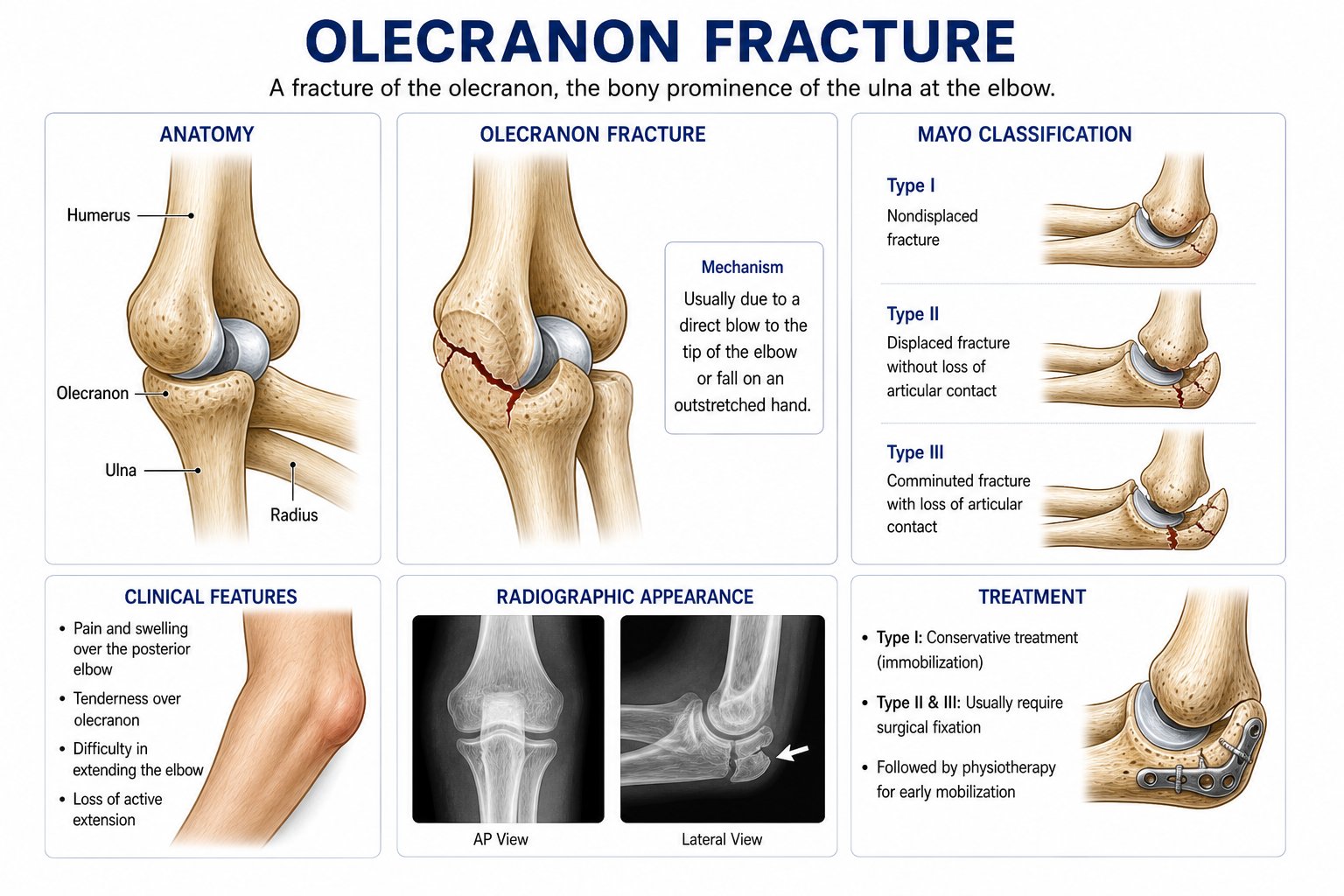
The surgical goals are: anatomical reduction of the articular surface; rigid fixation of both columns with dual locking plates; and sufficient stability to allow early active mobilisation. The key principle — developed through biomechanical work by Jupiter and Ring — is that the two plates must be applied in a 90° orthogonal or parallel configuration, creating a three-dimensional frame that resists all deforming forces. Olecranon osteotomy (cutting the olecranon and reflecting it posteriorly) provides the best surgical view of the articular surface.
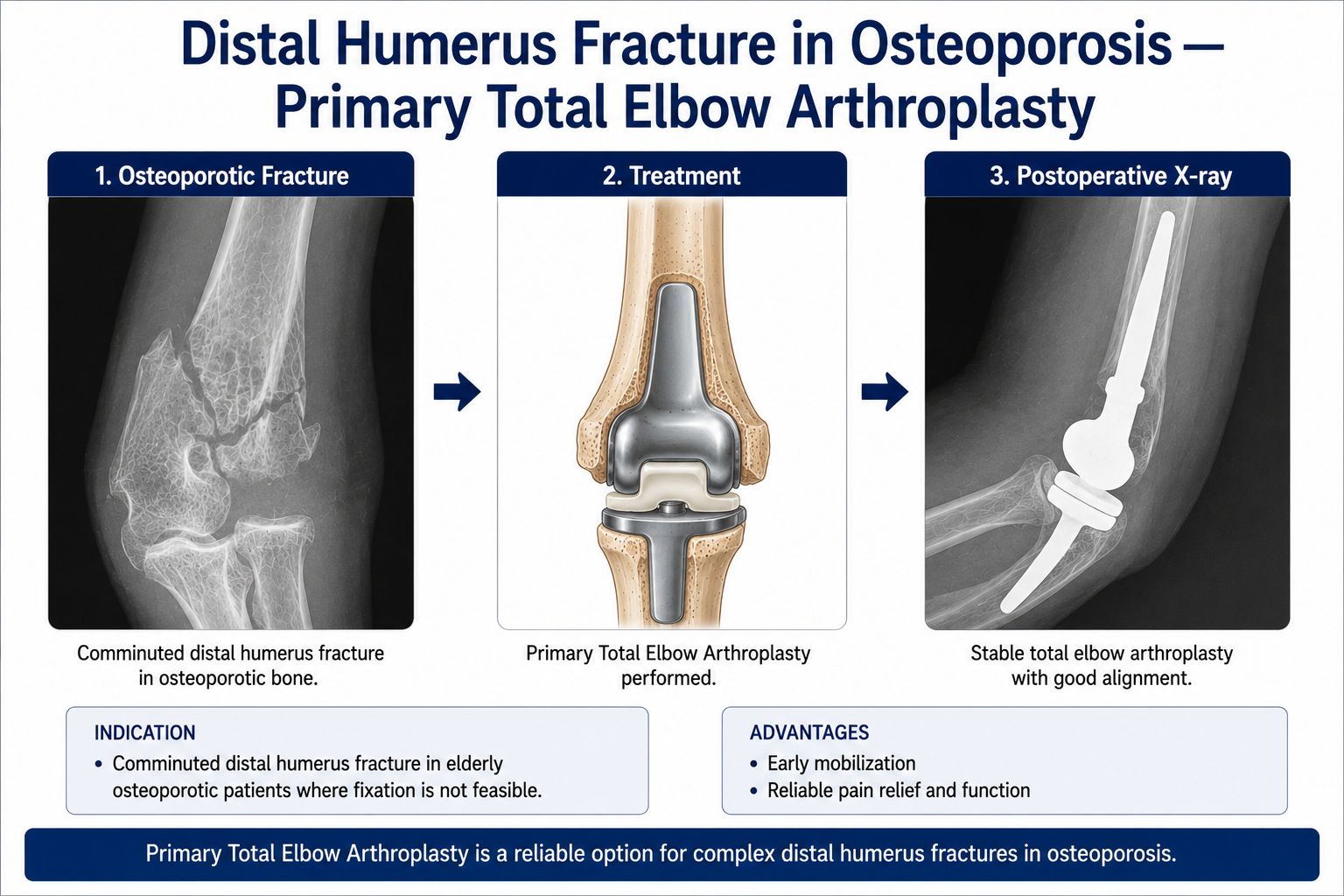
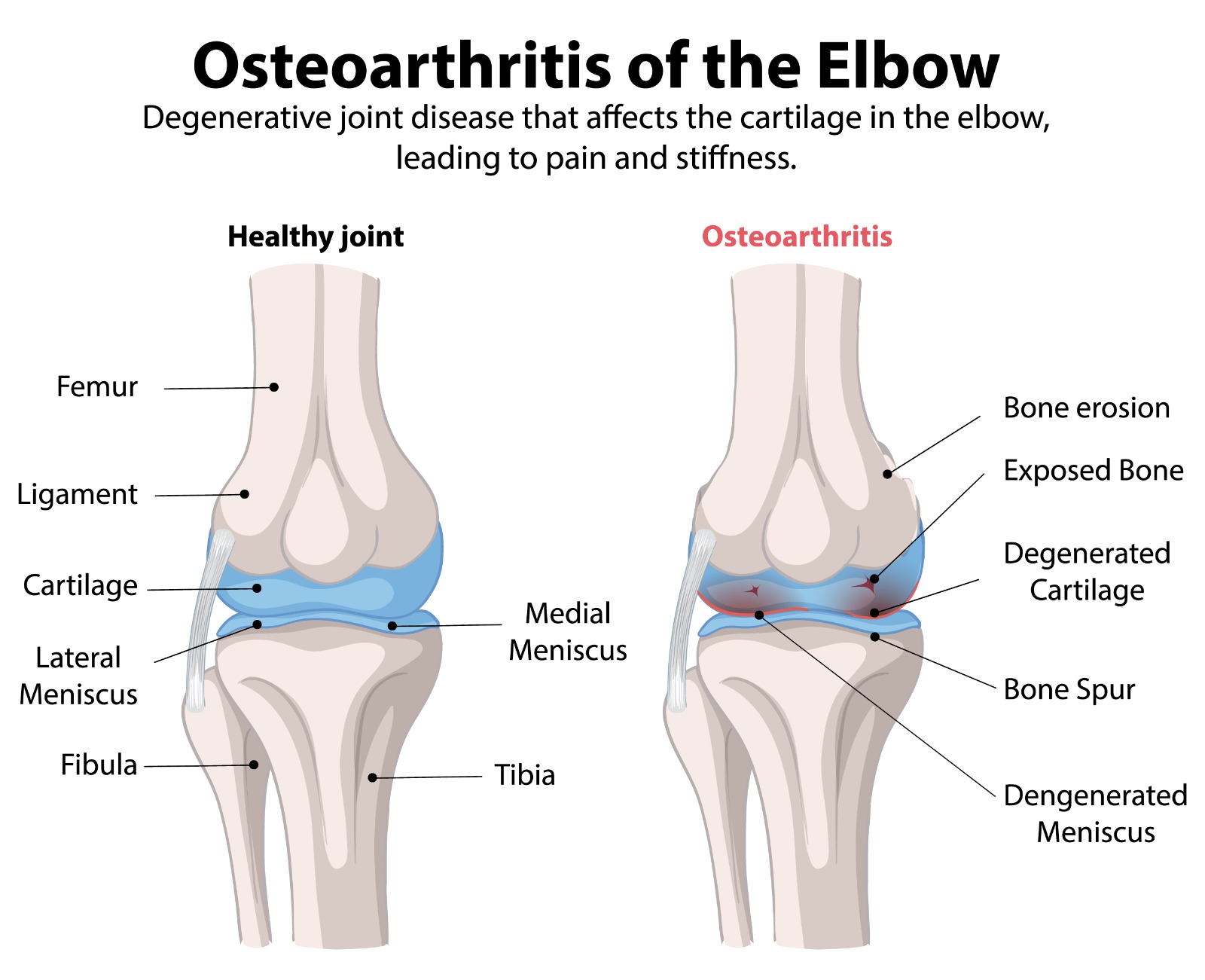
In elderly patients with osteoporotic bone or pre-existing elbow arthritis, the bone quality is often insufficient for reliable ORIF — screws may not achieve adequate purchase, and the articular fragments may be too comminuted to reconstruct. In these patients, primary total elbow arthroplasty gives consistently superior outcomes compared to attempts at ORIF on poor bone.
Quick Facts | Details |
Also Known As | Intercondylar Fracture Humerus, AO 13-C Fracture, Bicondylar Distal Humerus Fracture, T-condylar Fracture |
Affected Area | Distal humerus — the medial column (medial epicondyle and trochlea) and lateral column (lateral epicondyle and capitellum) both fractured; the articular block separated from the shaft |
Who It Affects | Bimodal distribution: young adults from high-energy trauma; elderly patients (especially women) from low-energy osteoporotic falls; these two groups require different surgical strategies |
Prevalence | Accounts for approximately 2% of all fractures in adults; 30% of distal humerus fractures; one of the most demanding fractures to surgically treat in the upper limb; outcomes significantly influenced by surgical expertise |
Treatment | Young adults: ORIF with parallel or orthogonal dual locking plates; olecranon osteotomy for articular access; Elderly osteoporotic (>65y, RA, severe comminution): primary total elbow arthroplasty (TEA) — superior outcomes to ORIF in this group |
Causes & Risk Factors
- High-energy trauma in young adults — motor vehicle accidents, falls from height, industrial injuries; produces comminuted fracture patterns
- Low-energy osteoporotic falls in the elderly — falling from standing height; produces complex comminuted patterns despite low energy due to bone fragility; particularly in women with post-menopausal osteoporosis
- Direct blow to the flexed elbow — the olecranon acts as a wedge splitting the articular surface (“nutcracker” mechanism)
- Fall onto an outstretched hand with axial compression — more common in young adults
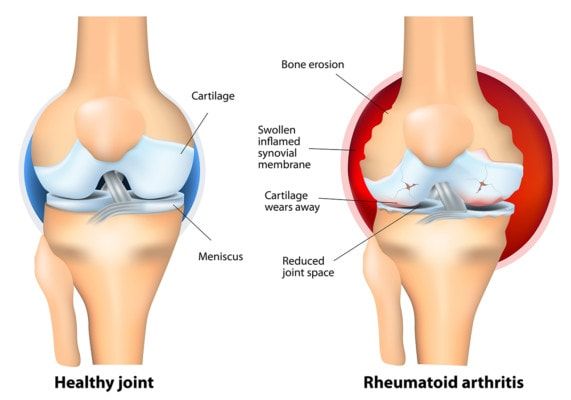
- Rheumatoid arthritis — the articular surface is already compromised; low-energy falls cause fracture through arthritic bone
Symptoms
- Severe elbow pain — immediately following the injury; often the patient cannot support the forearm
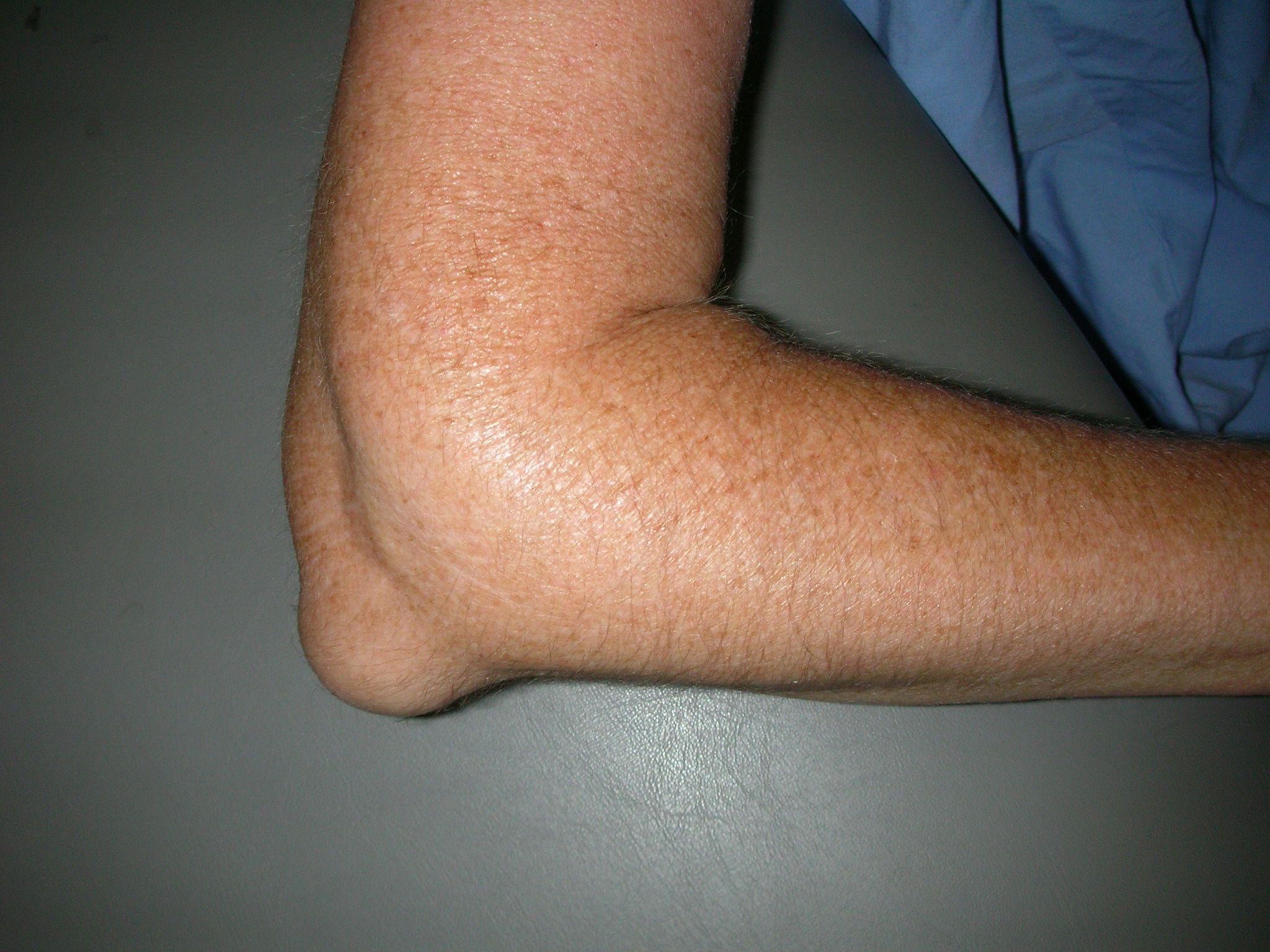
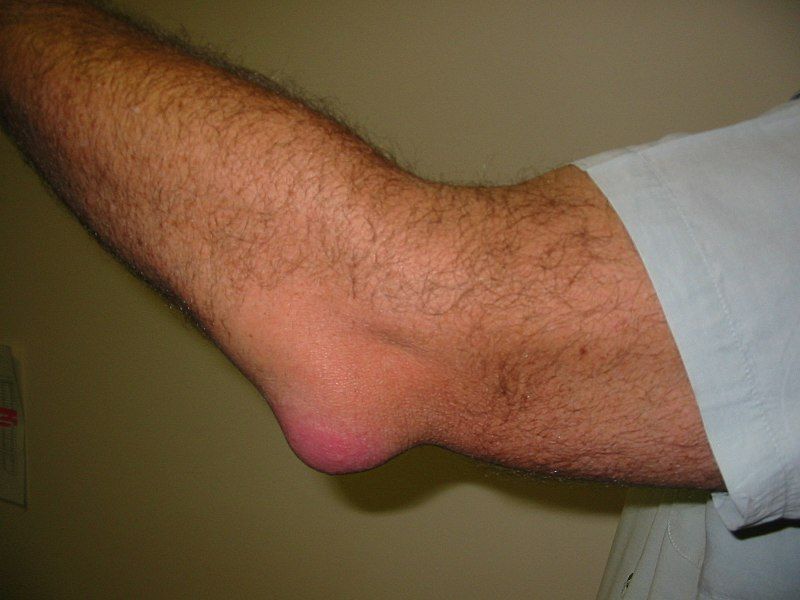
- Elbow deformity — significant swelling and deformity; may appear similar to an elbow dislocation
- Crepitus — palpable crepitus from the fracture fragments on any attempted movement
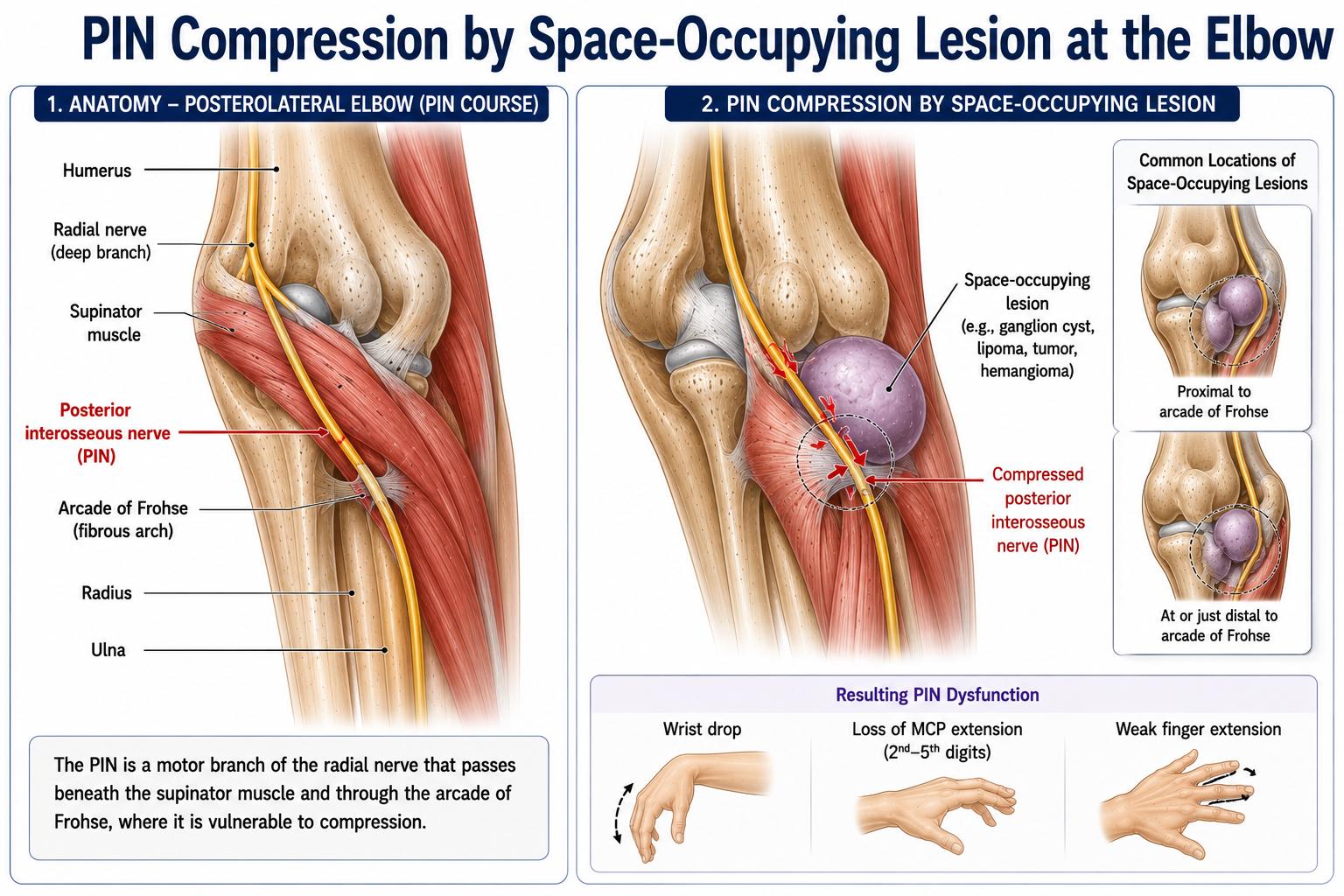
- Neurovascular compromise — assess the radial (PIN and superficial branch), ulnar, and anterior interosseous nerves; check radial pulse; document carefully before surgery as baseline
- Significant swelling — rapidly progressive haemarthrosis and soft tissue swelling; may compromise skin
- Open fracture — posterior elbow wounds suggest open fracture; requires urgent wound assessment
How is it Diagnosed?
- Plain X-rays (AP + lateral) — confirms fracture; AO classification (C1: simple articular; C2: simple articular multifragment metaphysis; C3: complex articular and metaphysis)
- CT scan — MANDATORY for all Type C distal humerus fractures; 3D reconstruction for surgical planning; defines articular fragment count, displacement, comminution, and bone quality
- Neurovascular assessment — document before surgery; post-operative changes in neurovascular status require urgent re-exploration
Treatment Options
Treatment Type | Details |
ORIF — Dual Locking Plate (Young Adults) | Posterior approach; olecranon osteotomy for articular access (chevron osteotomy preferred); reduce articular surface first (lag screw fixation); then apply medial and lateral locking plates in parallel or orthogonal configuration; achieve bicortical purchase in every screw; repair olecranon osteotomy with TBW or plate |
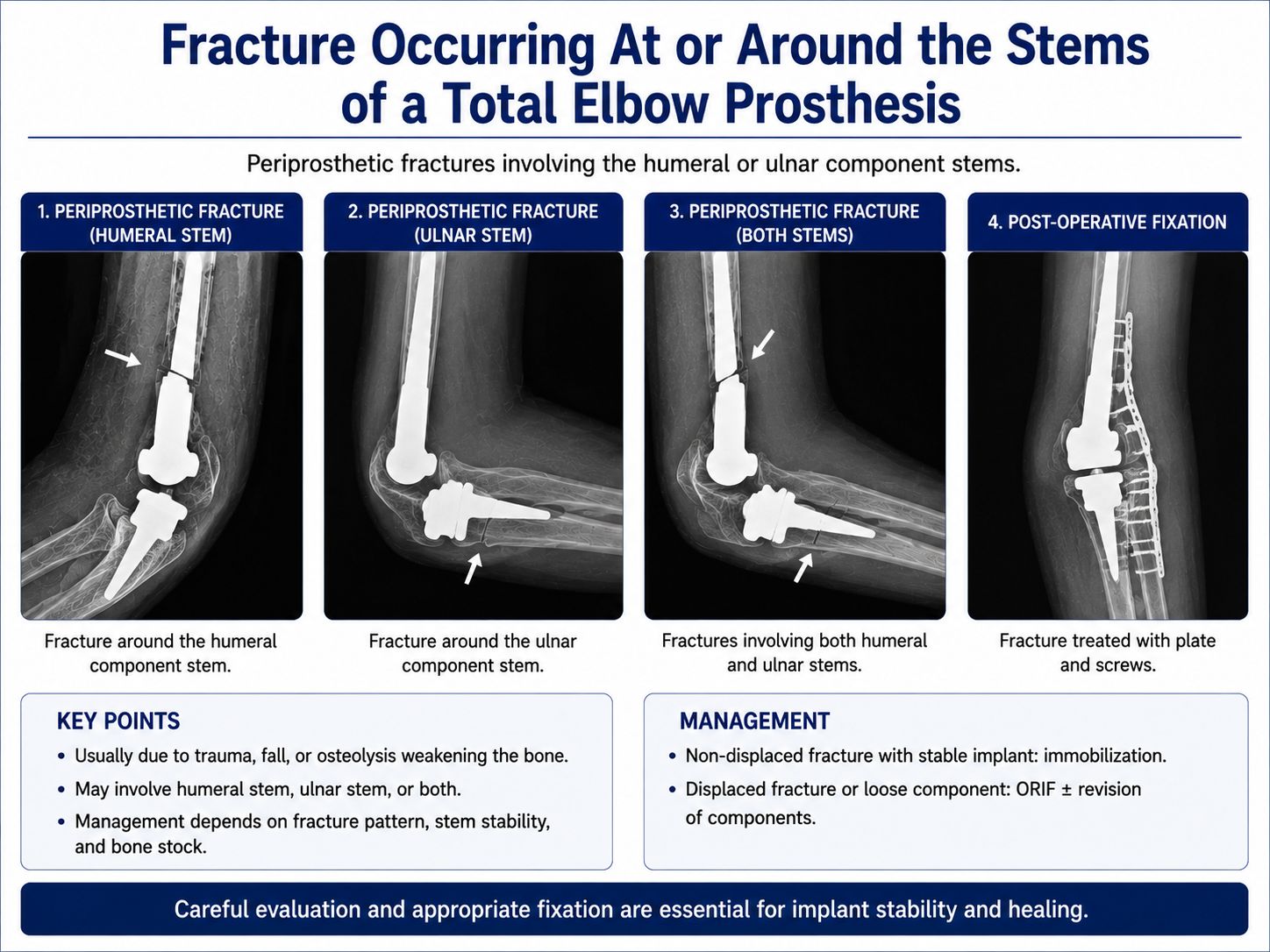
Primary Total Elbow Arthroplasty (Elderly) | For patients >65 years with: significant osteoporosis; comminution precluding stable ORIF; pre-existing elbow arthritis; rheumatoid arthritis; semi-constrained linked implant (Coonrad-Morrey); Bryan-Morrey approach; ulnar nerve transposition; immediate mobilisation; permanent 1kg lift restriction |
Transolecranon Approach (Alternative to Osteotomy) | For selected fracture patterns; avoids osteotomy complications; less extensile but no osteotomy healing required |
Ulnar Nerve Management | Identify and protect the ulnar nerve throughout; subcutaneous transposition in most cases to prevent post-operative cubital tunnel syndrome from perioperative scarring |
Post-operative Mobilisation | Critical: physiotherapy begins from day 1–2 post-op; active-assisted ROM in sling; hinged brace is NOT used after ORIF (restricts motion); CPM machine for the first 48 hours in some protocols |
Recovery & Rehabilitation
- After ORIF in young adults: sling 48 hours; ROM from day 1–2; full ROM targeted by 10–12 weeks; strengthening from 12 weeks; return to heavy manual work 6–12 months
- After TEA in elderly: same as for TEA in other diagnoses; ROM from day 1; light activities 6–8 weeks; permanent 1kg lift restriction
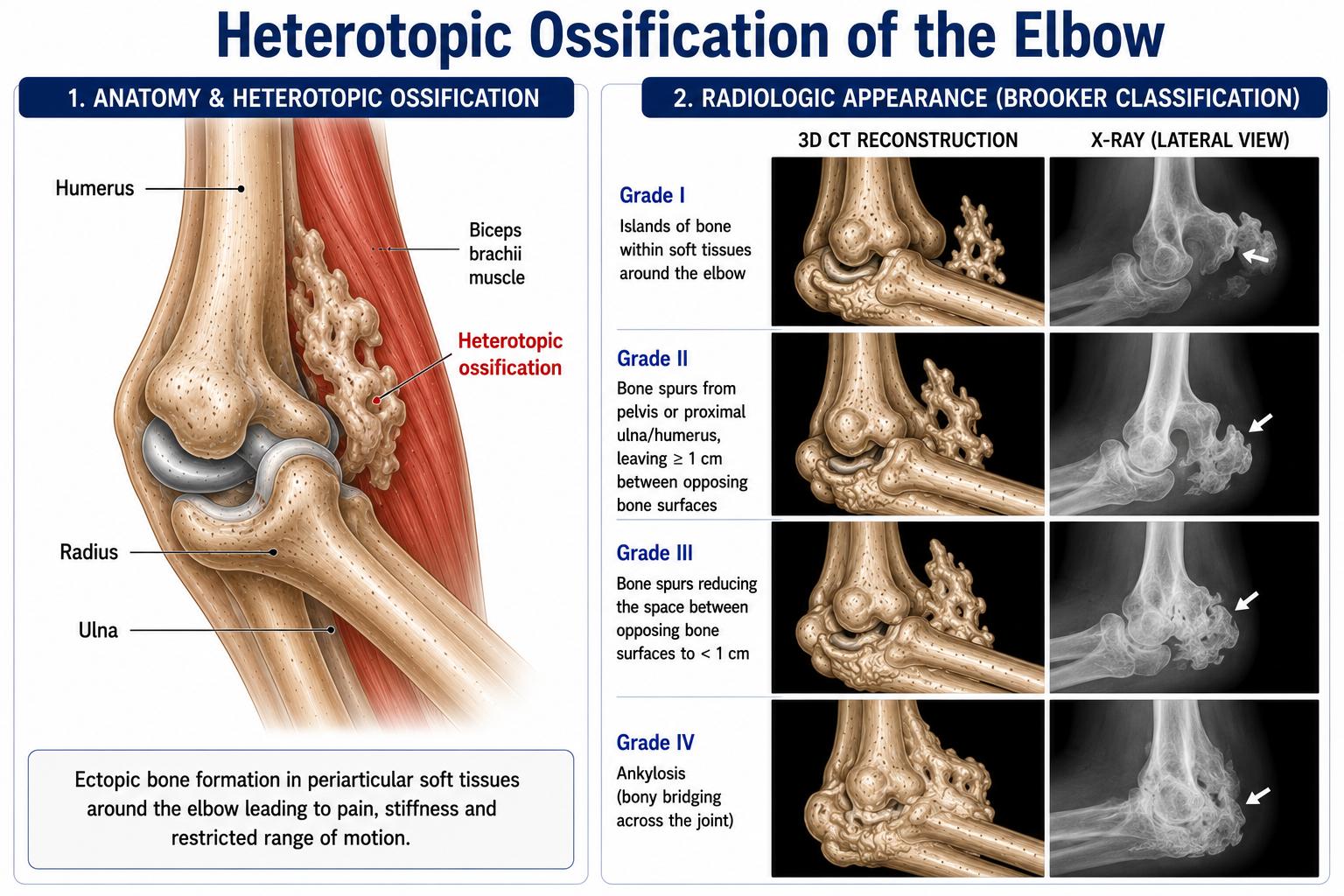
- Most common complication: stiffness; prevented by early physiotherapy; heterotopic ossification prophylaxis (indomethacin 6 weeks) in young adults after high-energy injuries
- Olecranon osteotomy healing: confirmed on X-ray at 6–8 weeks; TBW hardware may require removal at 12–18 months
- Prognosis: good outcomes in 70–80% of young adults with ORIF; excellent outcomes in elderly with TEA (85–90% good-excellent)
Why choose Dr Senthilvelan?
Bicolumn distal humerus fractures are among the most technically demanding fractures in elbow surgery — the outcome is directly proportional to surgical expertise and the quality of the reconstruction. Dr Senthilvelan has specific training in complex elbow fracture fixation from his fellowship at Royal Bournemouth Hospital, including dual-plate ORIF and primary TEA for elderly patients.
Frequently Asked Questions
1. What is an olecranon osteotomy and why is it performed?
An olecranon osteotomy is a planned surgical cut through the olecranon (the bony tip of the elbow). By cutting the olecranon, the triceps muscle and the posterior elbow can be folded back, providing a wide, direct view of the entire distal humerus articular surface — the trochlea and capitellum. This exposure is essential for complex fractures where precise anatomical reduction of the articular fragments cannot be achieved through standard posterior approaches. At the end of the operation, the olecranon is replaced and fixed with TBW or a locking plate. The osteotomy heals within 6–8 weeks.
2. I am 70 years old with a broken elbow — is a joint replacement better than trying to fix my own bones?
For elderly patients (typically over 65 years) with distal humerus fractures where the bone quality is poor (osteoporosis) or where the fracture is very comminuted, total elbow arthroplasty (TEA) consistently gives better and more reliable results than attempting ORIF. This is because fragile osteoporotic bone may not hold the screws needed for stable fixation, resulting in loss of reduction, collapse, and persistent pain and stiffness. TEA provides immediate pain relief, allows early mobilisation, and gives excellent functional outcomes in this patient group — avoiding a second, more complex surgery later. There is a permanent 1kg lifting restriction.
3. What plates are used for a distal humerus fracture and why are two needed?
Two pre-contoured locking plates are used — one along the medial column and one along the lateral column of the distal humerus, applied in either a parallel or a 90° orthogonal configuration. Two plates are needed because the distal humerus has two structural columns that must both be reconstructed to create a stable three-dimensional frame. A single plate is biomechanically inadequate for these complex fractures. Modern pre-contoured locking plates are specifically designed for the distal humerus geometry, with multiple locking screws directed into the small articular fragments.
4. Is the ulnar nerve at risk during this surgery?
Yes — the ulnar nerve is the primary nerve at risk during distal humerus fracture surgery. It runs in the cubital tunnel immediately adjacent to the medial column, which must be surgically exposed and plated. The nerve is identified, protected throughout, and in most cases transposed anteriorly (moved away from the medial operative field) to protect it from scarring and post-operative compression. Transient ulnar nerve tingling (neuropraxia) occurs in approximately 10–15% of cases despite careful handling; most resolve within 3–6 months.
5. How long before I can lift normally after this surgery?
After ORIF in a young adult with a well-fixed bicolumn fracture, light lifting (under 2kg) typically begins at 6–8 weeks. Gradual return to full lifting takes 6–12 months, depending on the severity of the initial fracture and the quality of healing. After total elbow arthroplasty in an elderly patient, the permanent lifting restriction is 1kg single-handed — this is a lifelong restriction necessary to protect the implant from loosening and to maximise its longevity.