Overview
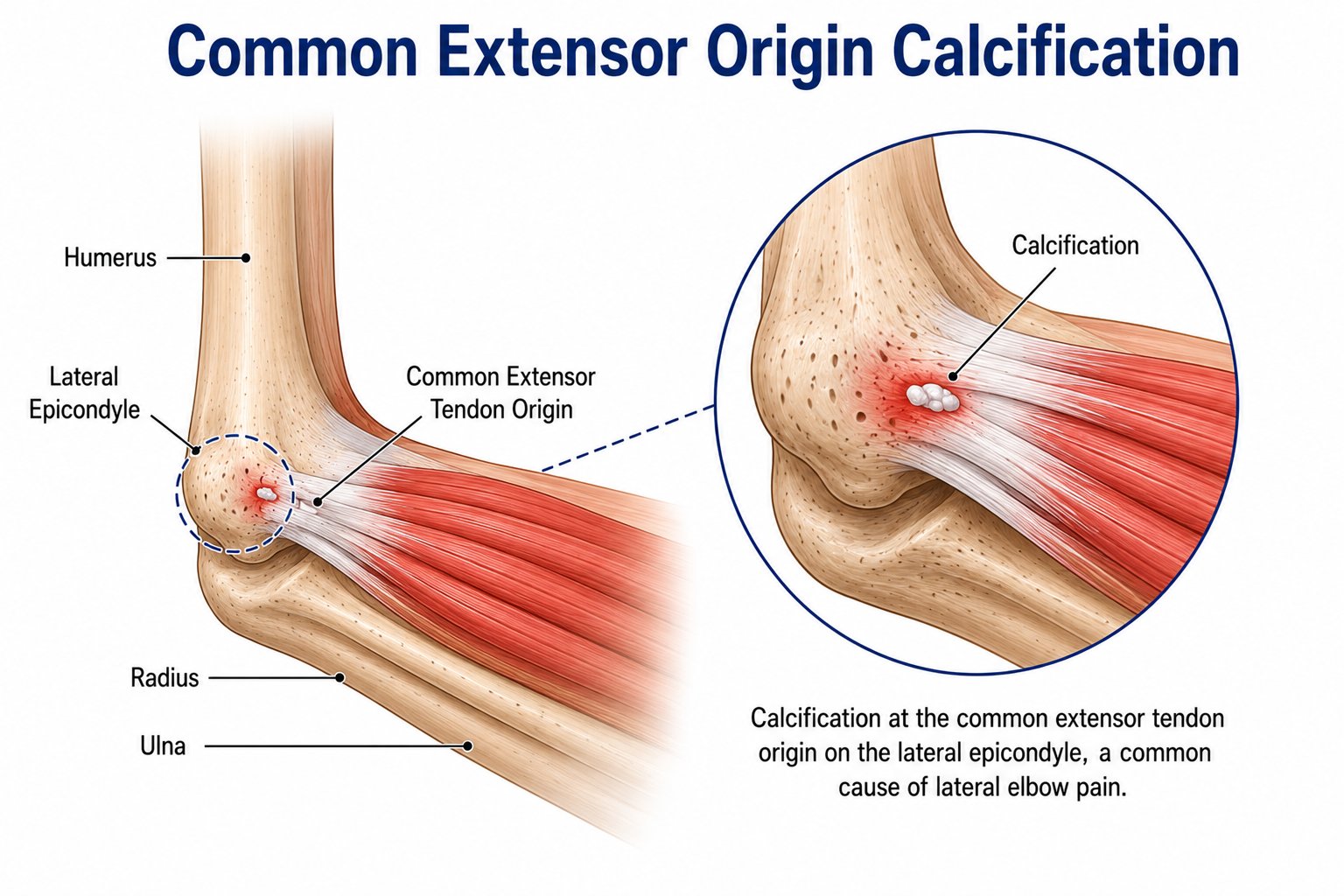
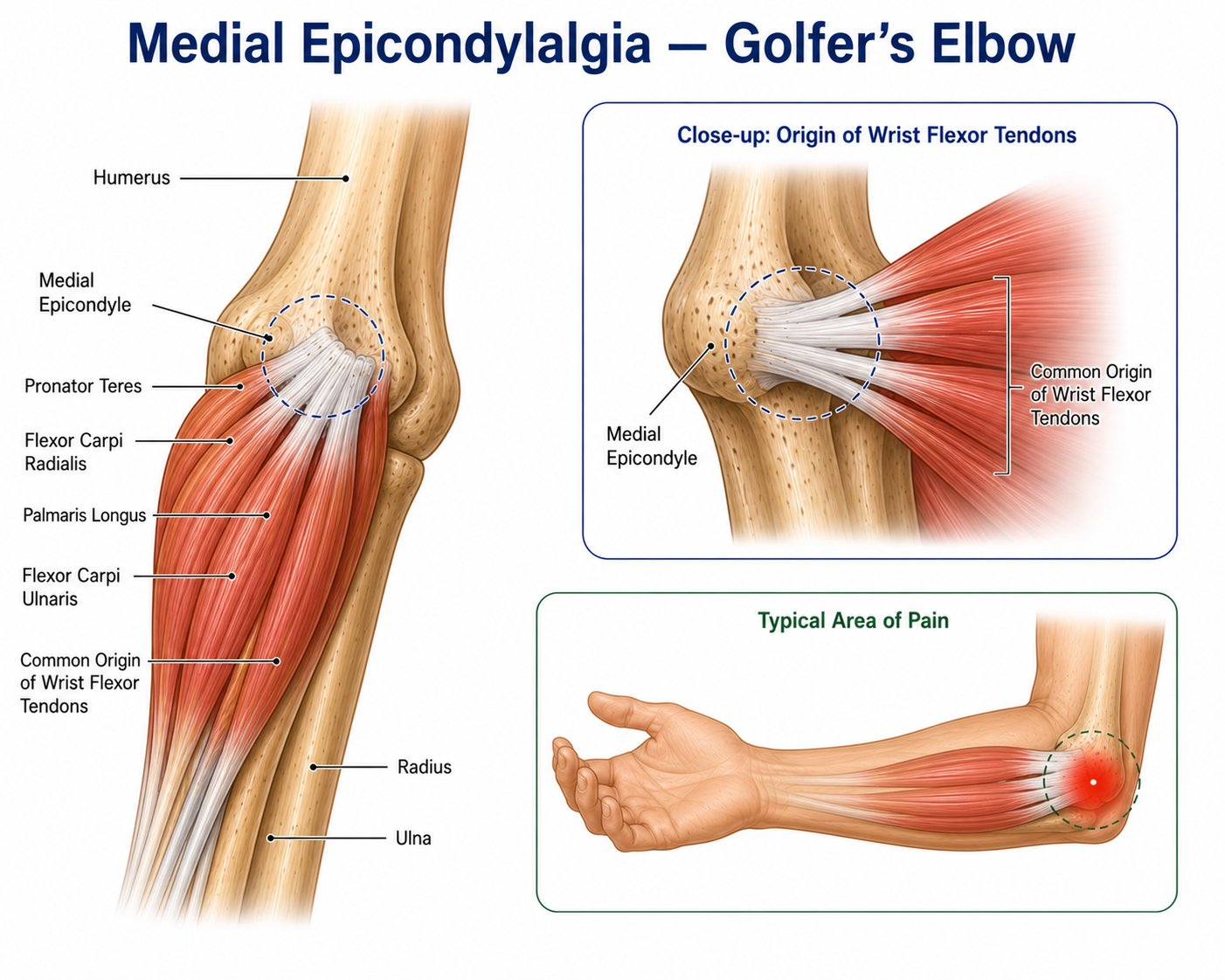
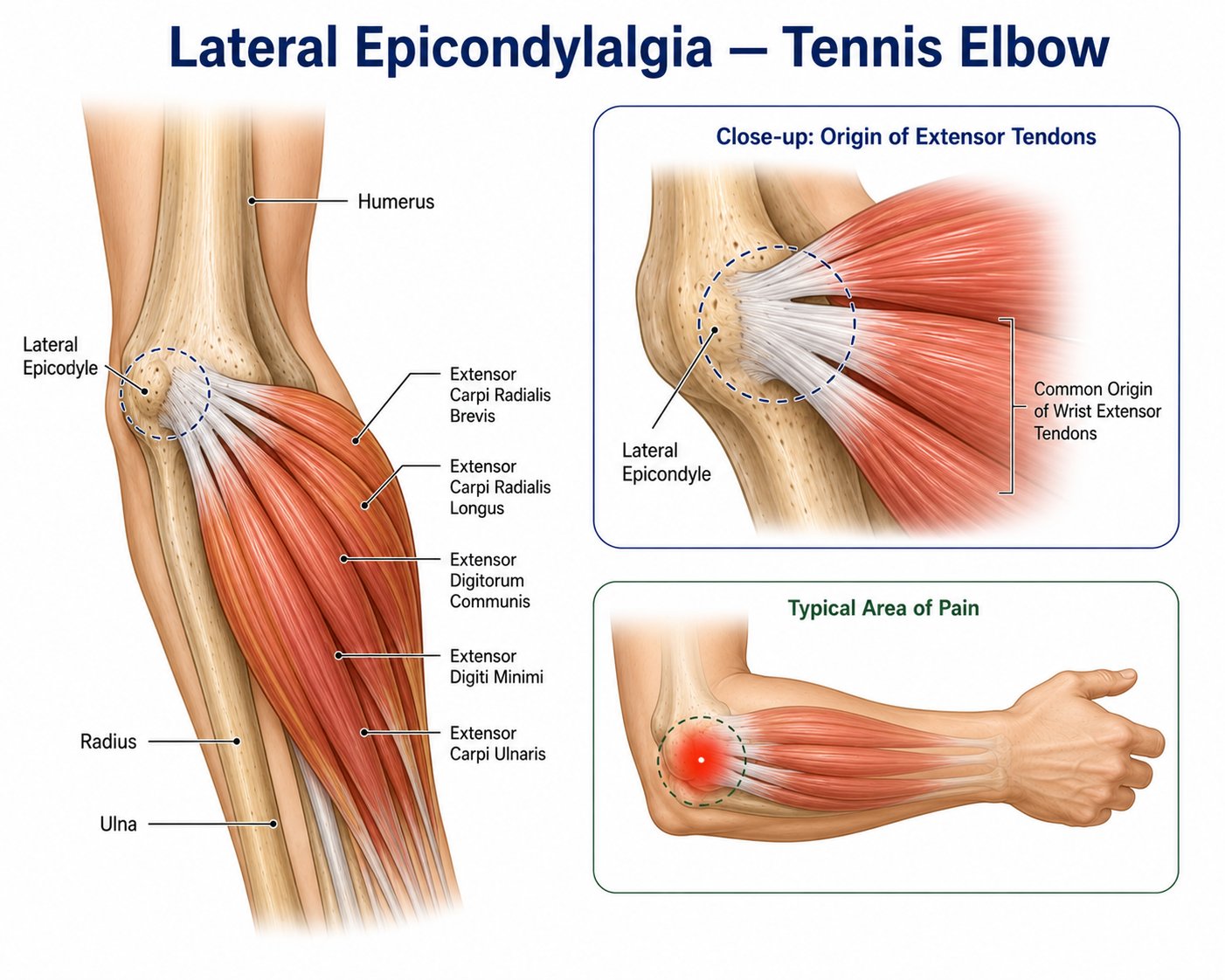
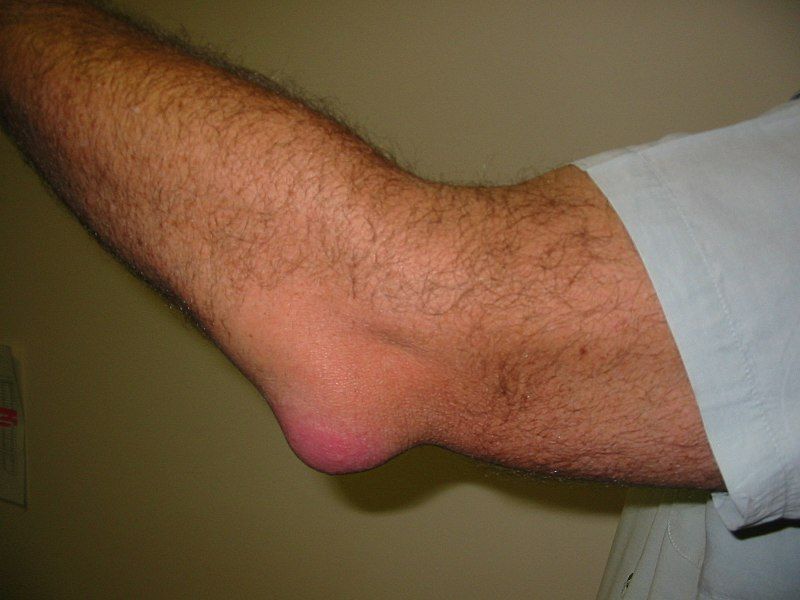
Psoriatic arthritis (PsA) is a chronic inflammatory arthritis that occurs in patients with psoriasis. The elbow can be affected in two ways: as a peripheral joint with inflammatory synovitis within the elbow joint itself, and at the entheses — the insertion points of tendons and ligaments around the elbow (enthesitis). Enthesitis at the lateral or medial epicondyle can closely mimic tennis or golfer’s elbow.
Unlike rheumatoid arthritis, PsA is seronegative (negative rheumatoid factor and anti-CCP in most cases), tends to be asymmetric, and can affect the spine as well as peripheral joints. Modern biologic therapy has transformed disease control, and surgical intervention is now reserved for patients with established structural joint damage.
Management requires close collaboration between dermatology, rheumatology, and orthopaedic surgery for optimal outcomes.
Quick Facts | Details |
Also Known As | PsA Elbow, Psoriatic Elbow Arthropathy |
Affected Area | Elbow joint; entheses (tendon insertions at lateral and medial epicondyles); periarticular soft tissues |
Who It Affects | Affects ~30% of patients with psoriasis; equal sex distribution; any age but typically 30–50 years |
Prevalence | Psoriasis affects 2–3% of the population; PsA develops in 1 in 3 psoriasis patients; elbow is one of the commonly affected upper limb joints |
Treatment | Dermatology-rheumatology co-management with DMARDs and biologics; local corticosteroid injections; arthroscopic synovectomy for structural disease; arthroplasty for end-stage |
Causes & Risk Factors
- Autoimmune inflammation — dysregulation of TNF-alpha, IL-17, IL-23 pathways in psoriatic skin and joints
- Genetic susceptibility — HLA-B27 in axial PsA; HLA-C*06 in psoriatic skin disease
- Psoriasis precedes arthritis in ~80% of cases; arthritis onset typically 5–10 years after skin disease begins
- Environmental triggers — injury, infection, stress may precipitate flares
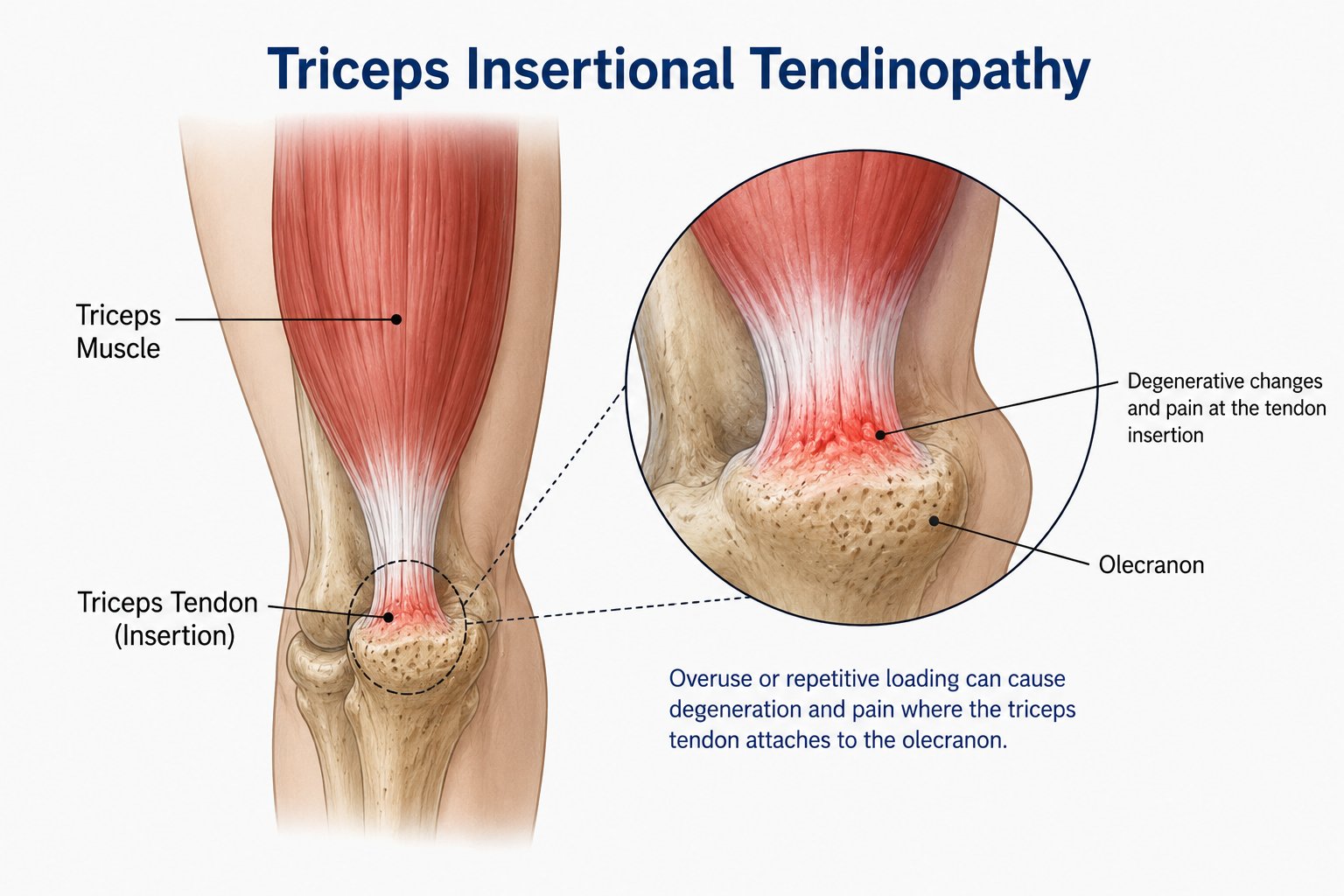
- Enthesitis at elbow — inflammation at triceps, common extensor and flexor tendon insertions
- Nail psoriasis — presence of nail involvement strongly predicts psoriatic arthritis development
- Obesity and metabolic syndrome — significantly increase risk of developing PsA
Symptoms
- Joint pain and swelling — typically asymmetric; may involve one or several joints
- Morning stiffness — lasting >30 minutes in active disease
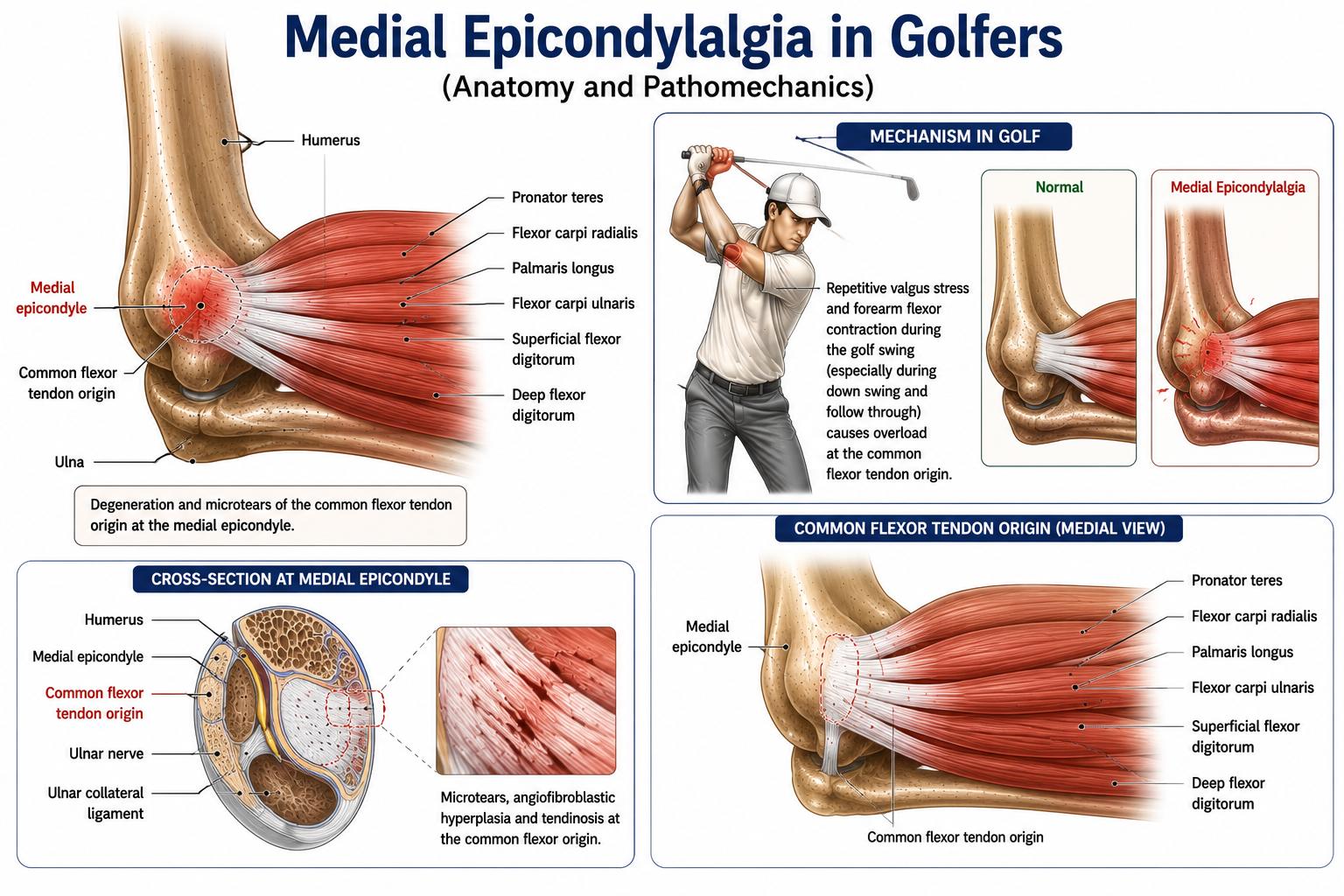
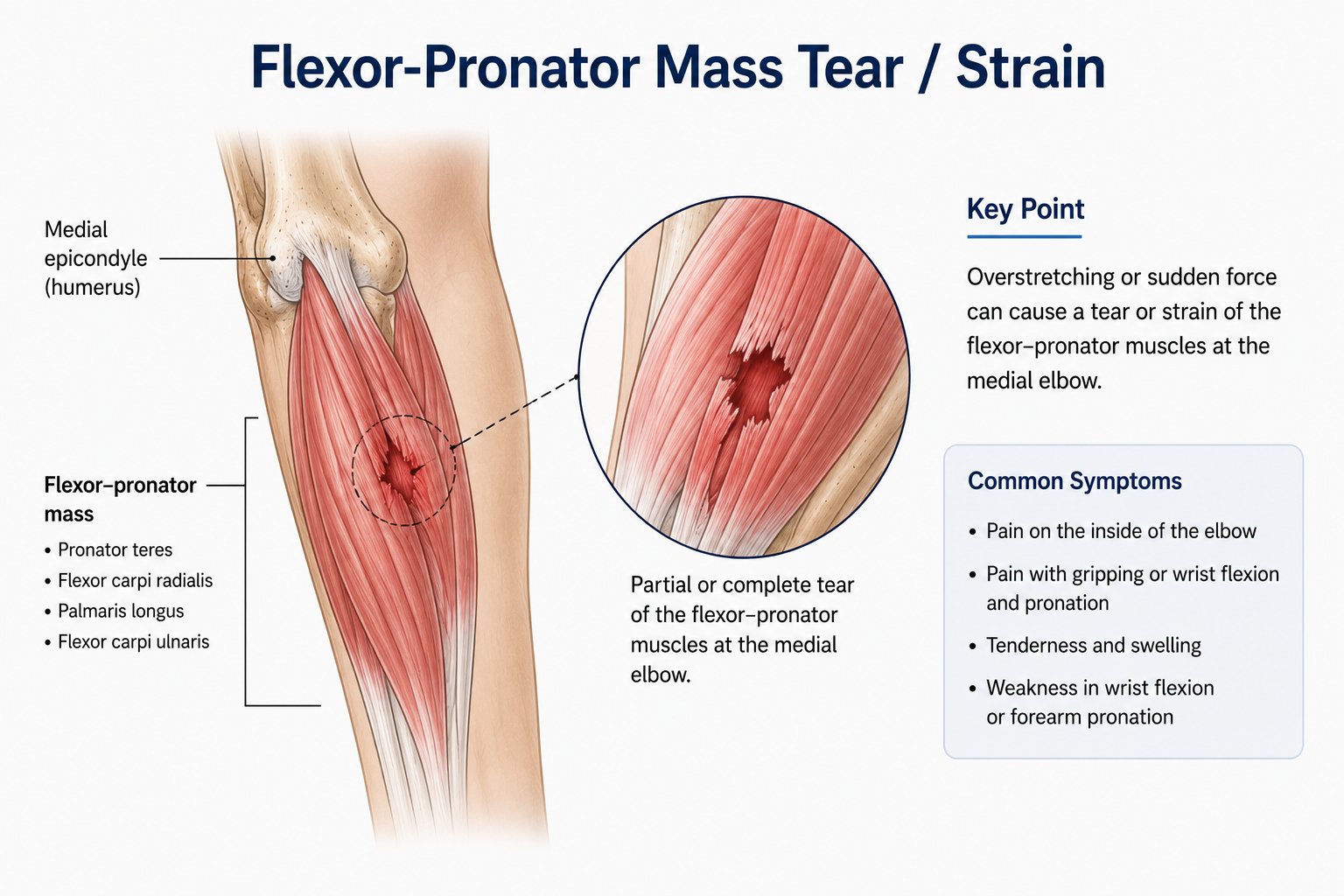
- Enthesitis — tenderness and swelling at the lateral or medial epicondyle; mimics tennis or golfer’s elbow
- Dactylitis — sausage-digit swelling of a finger or toe; hallmark feature of PsA
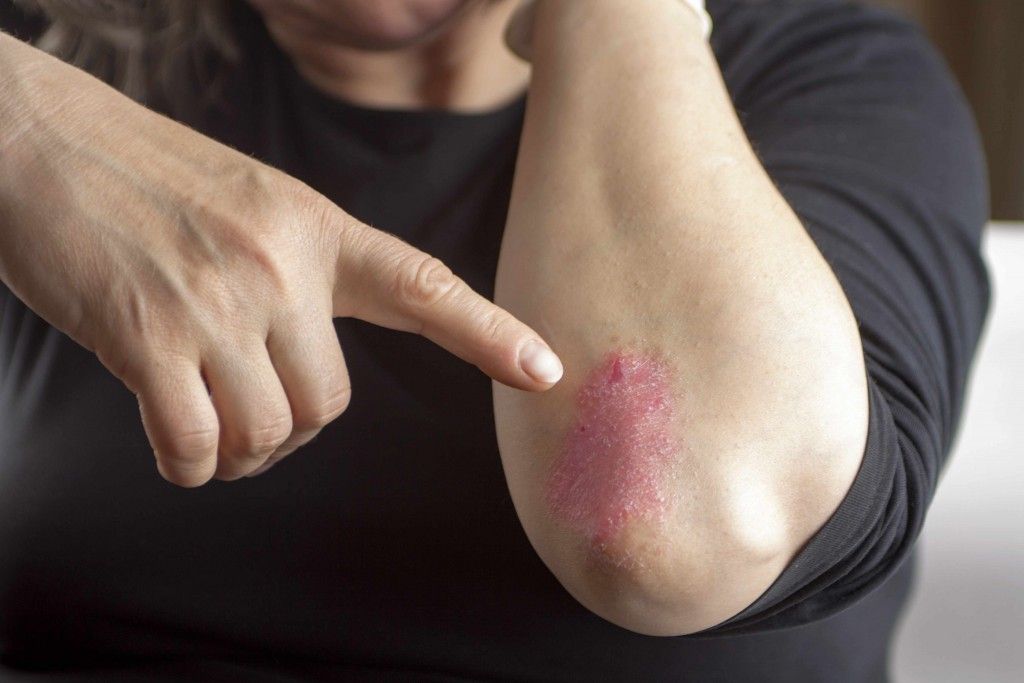
- Skin psoriasis — red, scaly plaques; elbow extensor surfaces are a predilection site
- Nail changes — pitting, onycholysis, or subungual hyperkeratosis in >80% of PsA patients
- Reduced grip strength and forearm rotation in moderate-severe elbow involvement
How is it Diagnosed?
- CASPAR criteria — established diagnostic criteria for PsA including skin/nail psoriasis, seronegative status
- Clinical examination — assess skin, nails, joint pattern, enthesitis, spinal involvement
- Blood tests — RF and anti-CCP typically negative; ESR, CRP, uric acid, HLA-B27
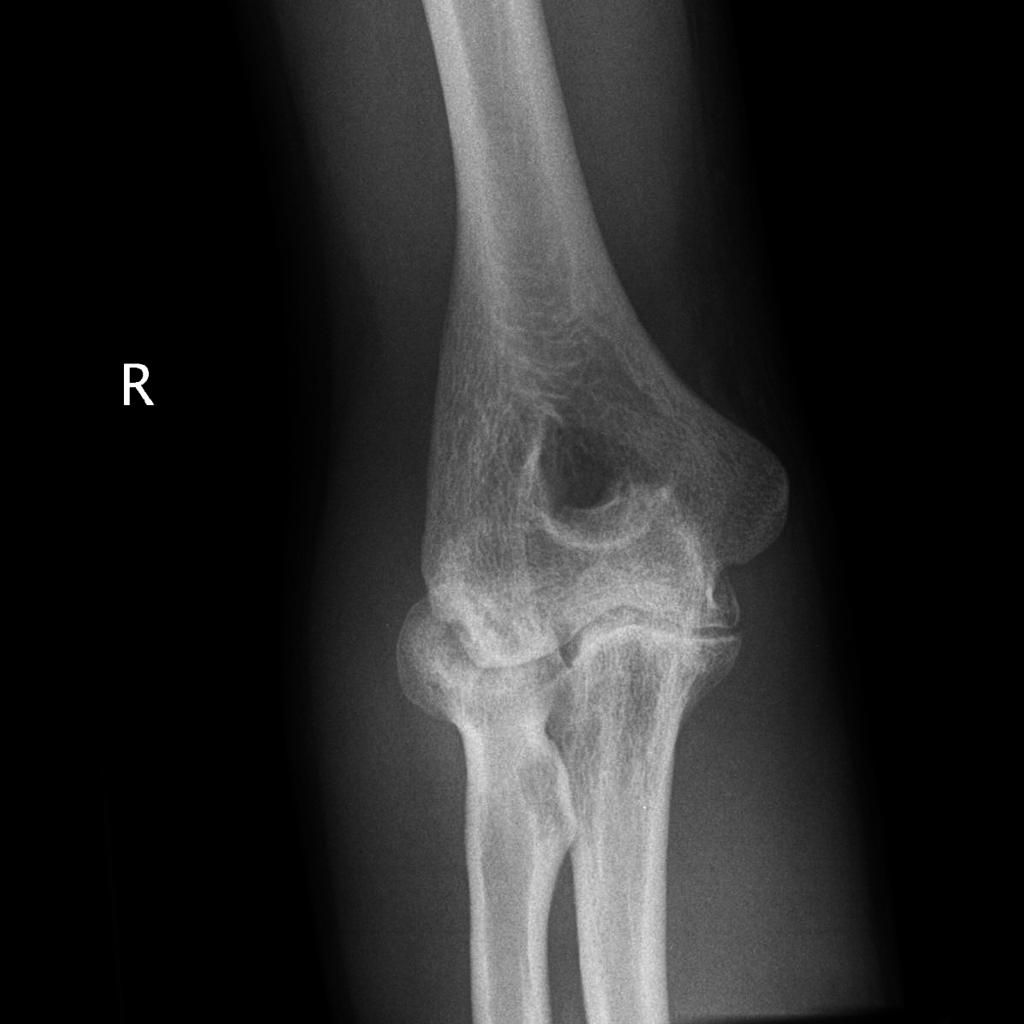
- Plain X-rays — pencil-in-cup deformity in severe disease; erosions; periosteal reaction; enthesophytes
- Ultrasound — highly sensitive for enthesitis (thickened tendon, Doppler signal) and synovitis
- MRI — bone marrow oedema, enthesitis, synovitis; useful for early diagnosis
- Dermatology / rheumatology co-assessment — essential for diagnosis confirmation and treatment decisions

Treatment Options
Treatment Type | Details |
NSAIDs | First-line for mild-moderate PsA; celecoxib or naproxen; monitor for psoriatic skin worsening |
DMARDs | Methotrexate (best evidence in skin and joints), leflunomide, sulfasalazine; monitored by rheumatologist |
Biologic Therapy | IL-17 inhibitors (secukinumab) and TNF inhibitors strongest dual efficacy for skin and joints; IL-23 inhibitors emerging |
Local Corticosteroid Injection | Intra-articular or peritendinous steroid; note: systemic steroids can cause psoriasis rebound |
Enthesitis Management | Physiotherapy, offloading, NSAIDs; ultrasound-guided peritendinous injection; PRP for refractory cases |
Arthroscopic Synovectomy | For structural elbow involvement with preserved joint space despite medical therapy |
Total Elbow Arthroplasty | For end-stage PsA; coordinate biologic holiday perioperatively; semi-constrained implant |
Recovery & Rehabilitation
- Medical therapy optimisation should precede any surgical consideration — many patients achieve full symptom control with modern biologics
- After arthroscopic synovectomy: day-case; physiotherapy from day 1; return to daily activities 2–3 weeks; continue DMARDs or biologics
- After TEA: physiotherapy from day 1; light activities 6–8 weeks; permanent 1 kg lift restriction
- Skin disease monitoring post-operatively: surgical stress can trigger psoriatic flares
- Enthesitis responds well to dedicated physiotherapy combined with biologic therapy in most cases
Why choose Dr Senthilvelan?
Psoriatic arthritis requires a multidisciplinary approach combining dermatology, rheumatology, and orthopaedic expertise. Dr Senthilvelan works within the MIOT International specialist team to ensure that patients with PsA receive integrated care from optimal medical management through to surgical intervention when required.
Frequently Asked Questions
1. How is psoriatic arthritis of the elbow different from rheumatoid arthritis?
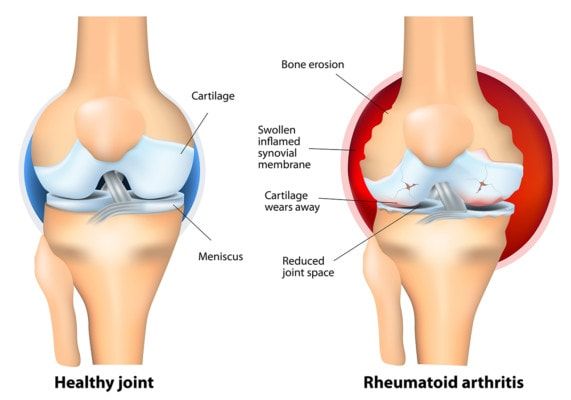
Both are inflammatory arthritides, but they have key differences. Psoriatic arthritis is seronegative (rheumatoid factor and anti-CCP are negative), tends to be asymmetric, is associated with skin and nail psoriasis, and can cause enthesitis. Psoriatic arthritis can also affect the spine. Rheumatoid arthritis is typically symmetric, strongly associated with rheumatoid factor and anti-CCP, and specifically targets the synovial lining without the skin features.
2. Can my elbow pain be the first sign of psoriatic arthritis even if my skin disease is mild?
Yes. Arthritis can precede or coincide with psoriasis in up to 15–20% of cases, and in others it develops years after mild, easily overlooked skin changes. If you have psoriasis — even mild scalp or nail involvement — and develop inflammatory joint pain with morning stiffness and swelling, psoriatic arthritis should be considered. A combined assessment with dermatology and rheumatology is recommended.
3. Does treating the skin psoriasis help the elbow arthritis?
Not always directly, but effective systemic therapy for psoriasis — particularly biologic agents such as IL-17 inhibitors — has strong dual efficacy for both skin and joints. Medications used only for skin (such as topical treatments) generally do not adequately control joint disease. A systemic treatment approach targeting both skin and joints simultaneously is optimal.
4. My elbow pain is at the outer (lateral) side — is this tendinitis or psoriatic arthritis?
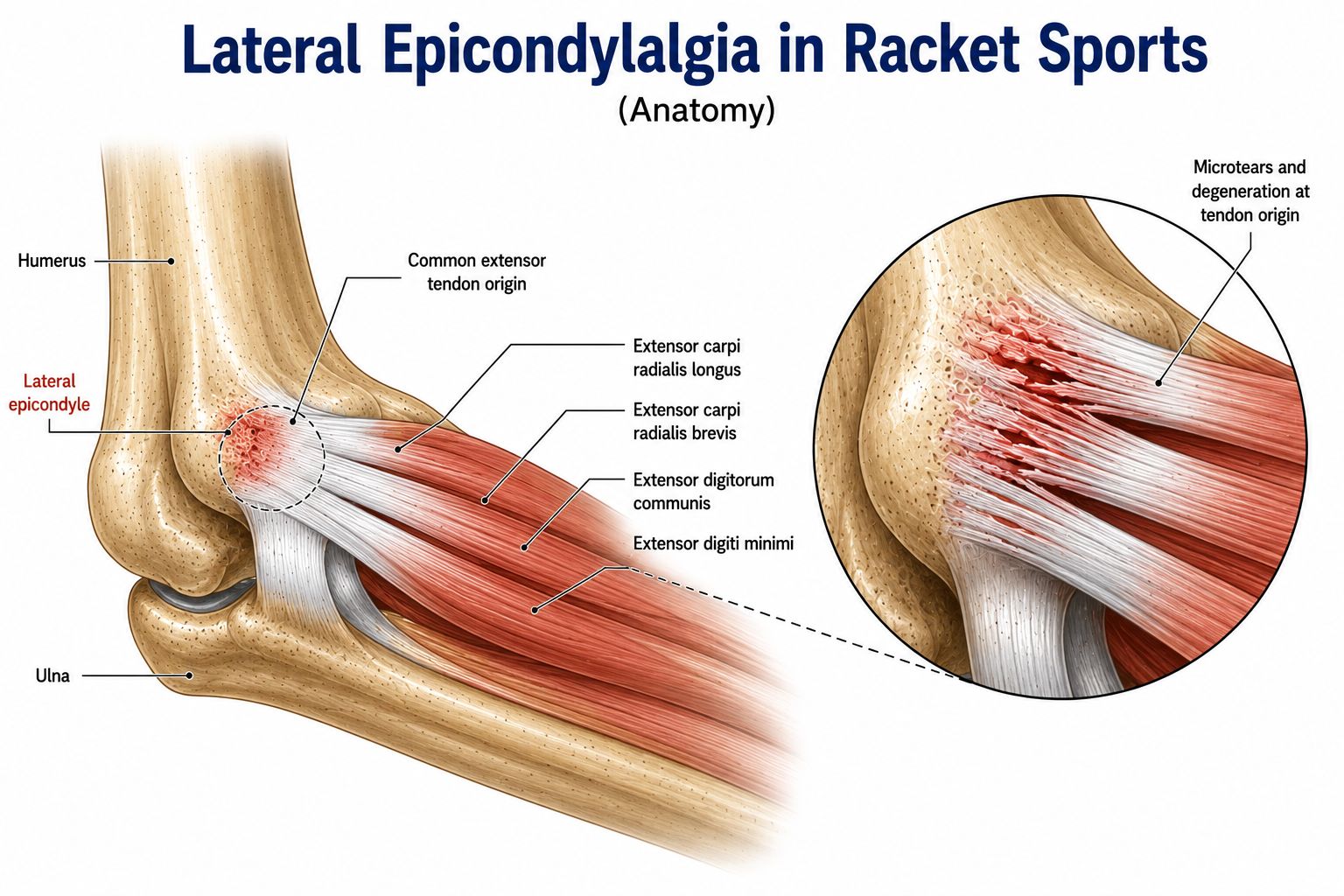
Both can cause lateral elbow pain. Psoriatic arthritis can cause enthesitis at the common extensor origin — inflammation at the tendon’s attachment to the lateral epicondyle — which closely mimics lateral epicondylalgia (tennis elbow). Key differences include: inflammatory enthesitis tends to be more diffuse, is associated with morning stiffness and other joint or skin symptoms, responds less well to corticosteroid injection, and may show characteristic changes on ultrasound. A thorough assessment will distinguish between the two.
5. If I need elbow surgery, do I need to stop my biologic medication?
Yes — biologics are typically withheld for 1–2 drug half-lives before elective surgery to reduce the risk of wound healing complications and infection, and restarted once healing is confirmed (usually 2 weeks post-op). The exact protocol depends on the specific biologic. Dr Senthilvelan coordinates closely with your dermatologist and rheumatologist to plan the safest perioperative medication schedule.