Overview
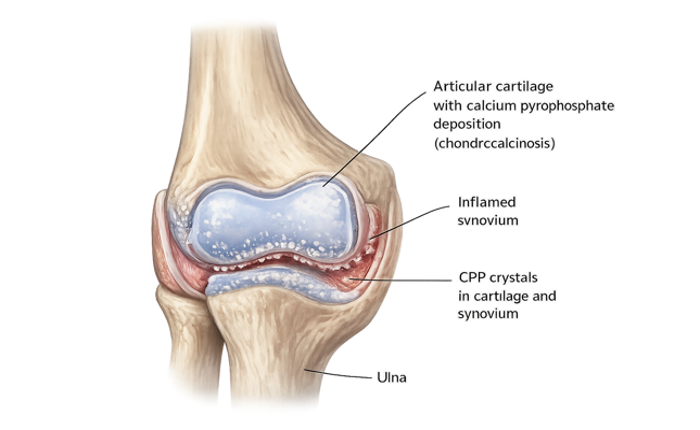
Calcium pyrophosphate deposition (CPPD) disease is caused by the deposition of calcium pyrophosphate dihydrate (CPP) crystals in articular cartilage (chondrocalcinosis) and other periarticular structures. When crystals shed into the joint space, they trigger an acute inflammatory response — clinically identical to gout but caused by a different crystal type. This acute presentation is called “pseudogout”.
In the elbow, CPPD can present as acute pseudogout, chronic pyrophosphate arthropathy, or as an incidental finding on imaging. Unlike gout, there is no effective treatment to prevent crystal formation, and management focuses on controlling inflammation and treating any underlying metabolic cause.
Clinically, CPPD can be very difficult to distinguish from gout, septic arthritis, or a flare of inflammatory arthritis — making joint aspiration with crystal analysis the critical diagnostic step.
Quick Facts | Details |
Also Known As | Pseudogout — Elbow, Calcium Pyrophosphate Deposition (CPPD), Pyrophosphate Arthropathy |
Affected Area | Ulnohumeral and radiocapitellar joints; articular cartilage; fibrocartilaginous structures; periarticular tissues |
Who It Affects | Primarily affects patients over 60 years; increases with age; associated with metabolic disorders (hyperparathyroidism, haemochromatosis, hypomagnesaemia) |
Prevalence | CPPD affects ~5% of adults; radiographic chondrocalcinosis present in 15–45% of adults over 70; elbow involvement less common than knee or wrist |
Treatment | NSAIDs and colchicine for acute pseudogout; intra-articular corticosteroid; treat underlying metabolic disorder; arthroscopic lavage for refractory cases |
Causes & Risk Factors
- Idiopathic (sporadic) — most common; occurs with ageing; related to cartilage matrix degradation
- Hyperparathyroidism — elevated PTH increases inorganic pyrophosphate; screen all CPPD patients with calcium levels
- Haemochromatosis — iron overload inhibits pyrophosphatase; check ferritin and transferrin saturation
- Hypomagnesaemia — magnesium acts as cofactor for pyrophosphatase; renal disease, diuretics, malabsorption
- Familial CPPD — rare autosomal dominant forms with earlier onset
- Prior joint trauma or surgery — induces cartilage changes predisposing to crystal deposition
- Ageing — the most consistent risk factor; chondrocalcinosis increases dramatically with each decade over 60
Symptoms
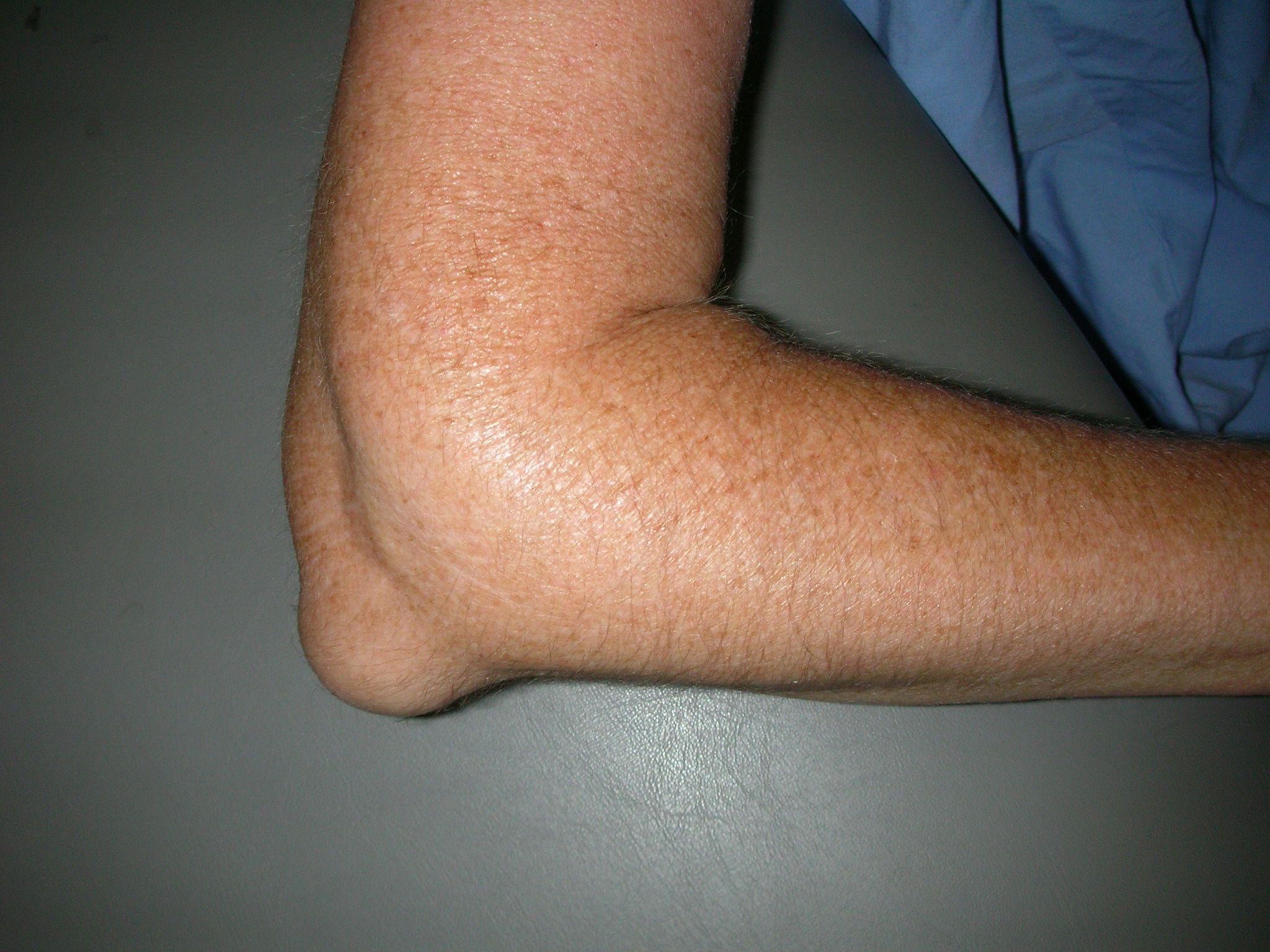
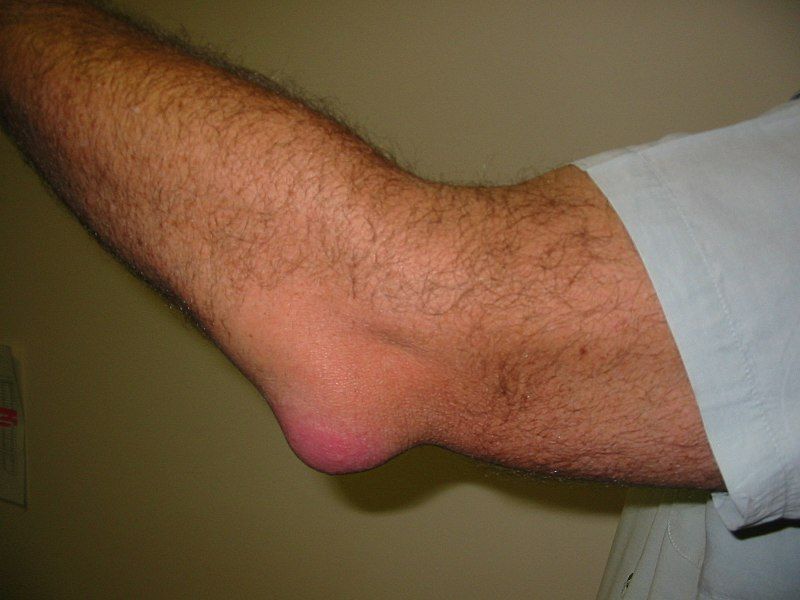
- Acute pseudogout attack — sudden severe pain, marked swelling, redness, warmth; maximum intensity within 12–24 hours; resolves in 1–3 weeks; often precipitated by illness or surgery
- Chronic pyrophosphate arthropathy — persistent aching pain, stiffness, reduced ROM similar to osteoarthritis but with inflammatory features
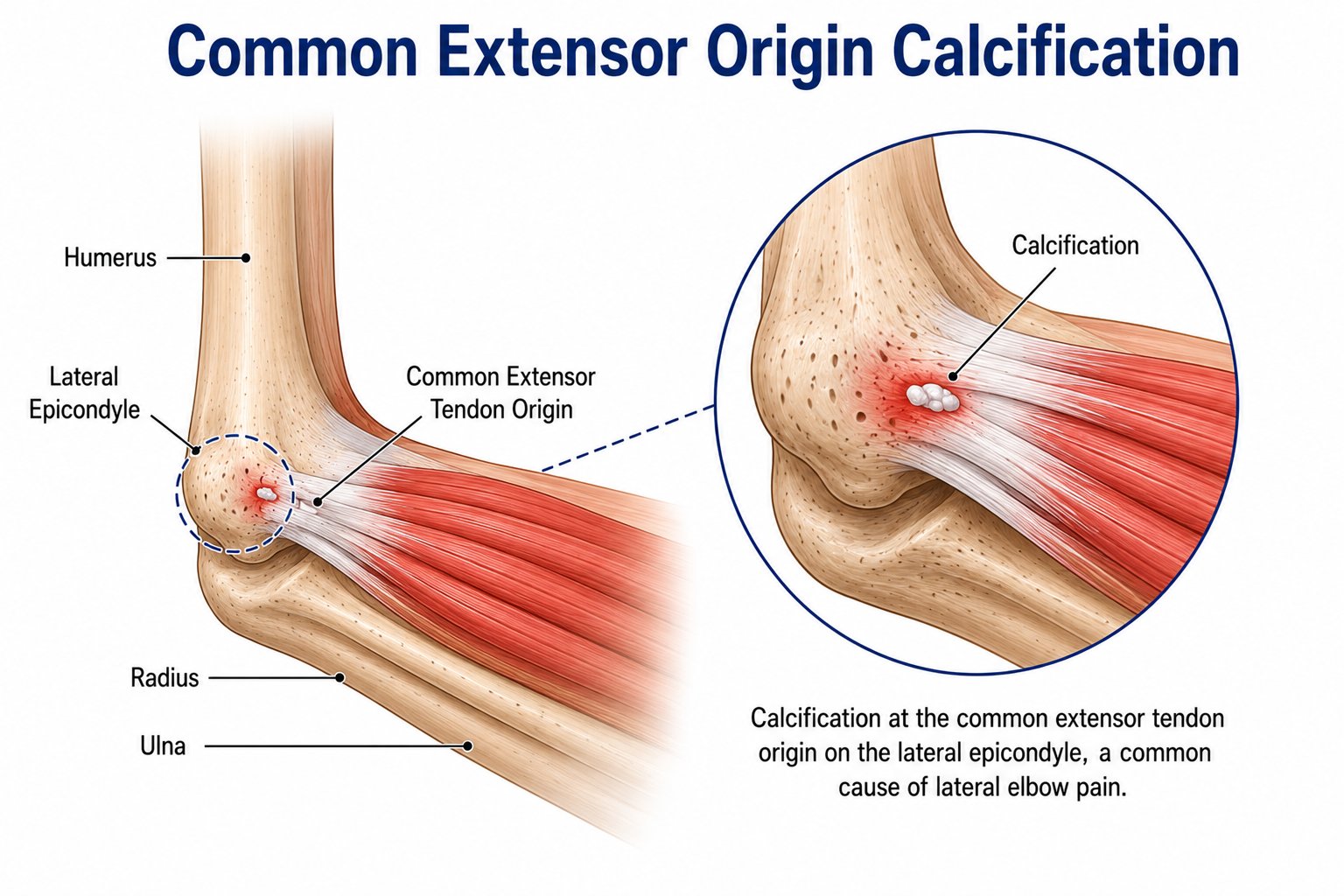
- Chondrocalcinosis on imaging — often asymptomatic; found incidentally as calcification in articular cartilage
- Solid CPPD deposits — rare; can form masses around the elbow mimicking tophi or soft tissue tumours
- Systemic features — fever, elevated CRP/ESR during acute attack; can mimic septic arthritis closely
How is it Diagnosed?
- Joint aspiration — MANDATORY to confirm diagnosis: CPP crystals are weakly positively birefringent, rhomboid-shaped under polarising microscopy; also exclude septic arthritis concurrently
- Serum calcium — hyperparathyroidism screen
- Ferritin / transferrin saturation — haemochromatosis screen
- Serum magnesium and phosphate
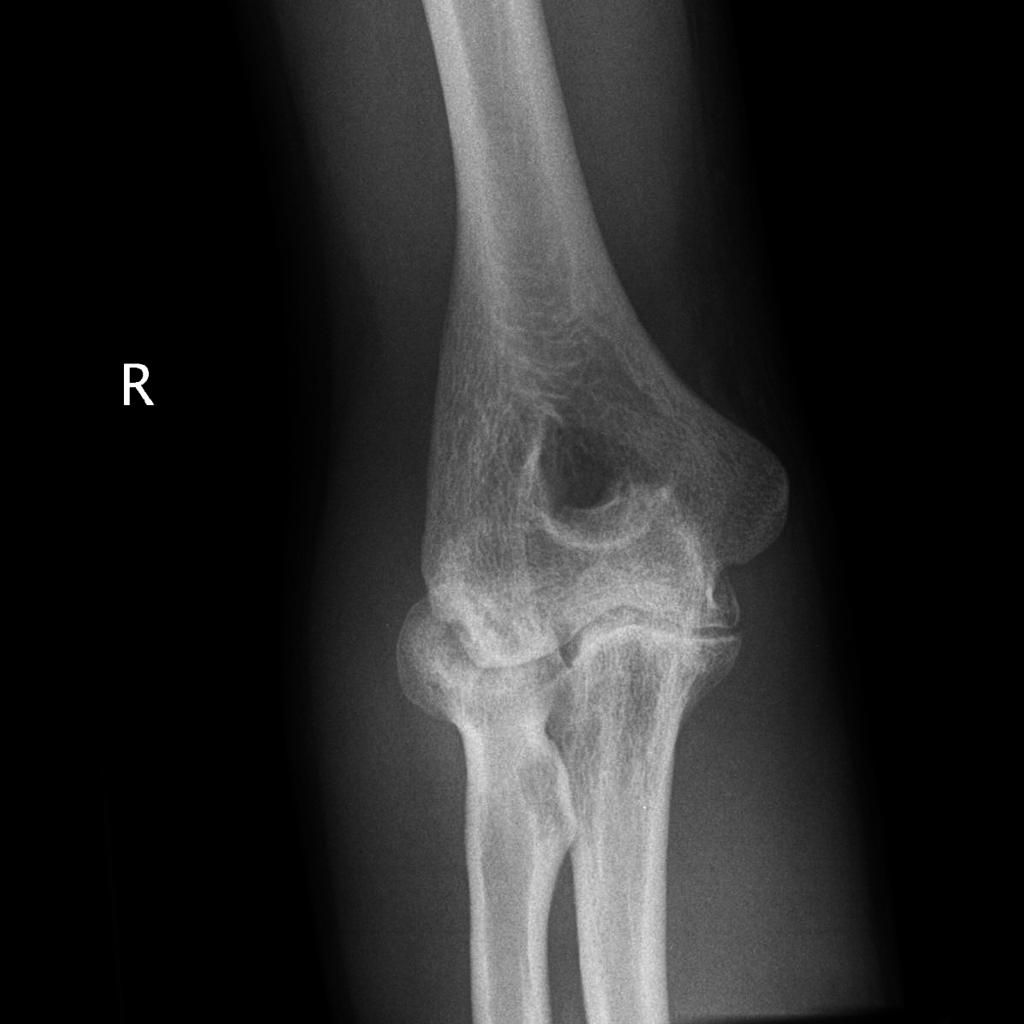
- Plain X-rays — chondrocalcinosis: calcification in articular cartilage; joint space narrowing in chronic disease
- Ultrasound — hyperechoic deposits within articular cartilage and periarticular tissues; guides aspiration
- MRI — crystal deposits as low signal foci; bone marrow oedema in acute attacks
Treatment Options
Treatment Type | Details |
Acute Attack — NSAIDs | Naproxen 500mg twice daily or indomethacin 50mg three times daily for 7–14 days; use with caution in elderly |
Acute Attack — Colchicine | 0.5mg twice to three times daily; effective especially within first 12–24 hours; reduce in renal impairment |
Intra-articular Corticosteroid | Aspiration of effusion followed by triamcinolone injection; most rapid relief; especially when NSAIDs contraindicated |
Prophylactic Low-Dose Colchicine | 0.5mg once or twice daily long-term; reduces frequency of acute attacks in recurrent disease |
Treat Underlying Metabolic Disorder | Hyperparathyroidism: parathyroidectomy; haemochromatosis: venesection; hypomagnesaemia: supplementation |
Arthroscopic Joint Lavage | For refractory CPPD with frequent attacks or mechanical symptoms; removal of crystal deposits and loose bodies |
Recovery & Rehabilitation
- Acute attacks: typically resolve within 1–3 weeks with treatment; colchicine prophylaxis reduces future attack frequency
- After arthroscopic lavage: day-case procedure; immediate mobilisation; return to activities 2–4 weeks; ongoing prophylaxis recommended
- Chronic pyrophosphate arthropathy: managed similarly to osteoarthritis — physiotherapy, NSAIDs, injections; surgical débridement if mechanical symptoms predominate
- Metabolic treatment: treating an underlying cause can halt disease progression but does not dissolve existing crystal deposits
Why choose Dr Senthilvelan?
CPPD at the elbow requires careful distinction from septic arthritis and gout, and a systematic metabolic screen. Dr Senthilvelan has extensive experience in managing crystal arthropathies — from diagnostic aspiration and injection to arthroscopic lavage for refractory cases — combined with coordination of appropriate metabolic investigations.
Frequently Asked Questions
1. How is CPPD (pseudogout) different from gout?
Both gout and pseudogout cause sudden, severe joint pain from crystal deposition, but the crystals are different. Gout is caused by monosodium urate crystals (needle-shaped, negatively birefringent) and is associated with high serum uric acid. Pseudogout is caused by calcium pyrophosphate dihydrate crystals (rhomboid-shaped, weakly positively birefringent) and is not associated with elevated uric acid. Distinguishing them requires joint fluid examination.
2. Can CPPD be cured?
No — there is currently no treatment that dissolves existing CPP crystals or prevents their formation in idiopathic cases. Management focuses on controlling acute attacks (NSAIDs, colchicine, steroid injections) and reducing their frequency (prophylactic colchicine). The exception is CPPD with an underlying metabolic cause: treating hyperparathyroidism or haemochromatosis can prevent further crystal deposition.
3. My elbow suddenly became extremely painful and swollen overnight — how do I know if it is pseudogout or septic arthritis?
Clinically, pseudogout and septic arthritis can be impossible to tell apart — both cause acute severe pain, swelling, warmth, redness, and fever. This is why joint aspiration is mandatory in any acute hot joint. The aspirated fluid is sent for both crystal examination and urgent Gram stain and culture. Until results are available, both diagnoses must be considered simultaneously.
4. I have been told I have chondrocalcinosis on my X-ray but I have no symptoms — what does this mean?
Chondrocalcinosis is common over the age of 60 and is often completely asymptomatic. It does not mean you will definitely develop symptomatic CPPD disease. However, if you develop sudden joint pain in the future, pseudogout is much more likely given your pre-existing chondrocalcinosis. No treatment is required for asymptomatic chondrocalcinosis alone, but a metabolic screen is advisable to identify any underlying cause.
5. Does the arthroscopic washout cure CPPD permanently?
Not permanently — but it can provide significant and prolonged relief. Arthroscopic washout removes the majority of crystal deposits within the joint. This significantly reduces attack frequency and chronic pain. However, because the underlying tendency to form crystals persists, new crystal deposition can occur over time. Ongoing prophylactic colchicine and treatment of any metabolic cause are important adjuncts to maintain the benefits of arthroscopic treatment.