Overview
Dialysis-related amyloidosis (DRA) is caused by the accumulation of beta-2 microglobulin (B2M) — a protein that is normally cleared by the kidneys but accumulates in renal failure. In long-term dialysis patients, B2M cannot be adequately removed by the dialysis membrane and progressively deposits in musculoskeletal tissues as amyloid fibrils — in the synovial lining of joints, joint capsules, periarticular soft tissues, and subchondral bone.
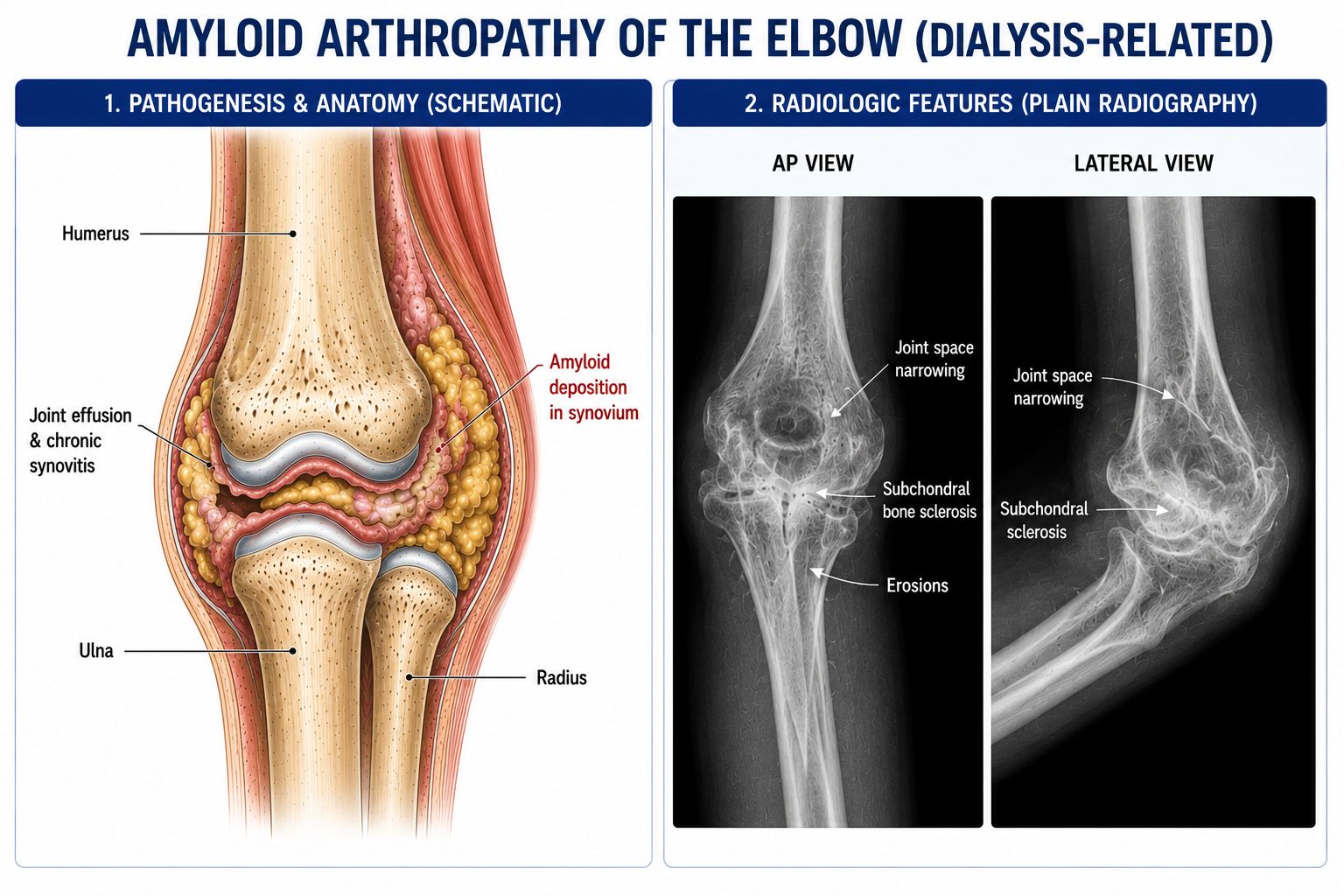
At the elbow, DRA causes progressive aching pain, swelling, and restricted range of motion. Amyloid deposits in the synovium produce a chronic synovitis; deposits in the subchondral bone produce characteristic cystic lesions visible on X-ray. The median nerve at the wrist and the ulnar nerve at the cubital tunnel are also common sites of amyloid deposition — causing carpal tunnel syndrome (very common in DRA) and cubital tunnel syndrome.
Renal transplantation is the only intervention that stops B2M production and halts disease progression — and can even cause partial regression of existing deposits. Local surgical treatment (arthroscopic débridement, synovectomy, or nerve decompression) provides symptomatic relief. Modern high-flux dialysis membranes and haemodiafiltration remove B2M more efficiently than conventional dialysis and slow the progression of DRA.
Quick Facts | Details |
Also Known As | Dialysis-Related Amyloidosis — Elbow, Beta-2 Microglobulin Amyloidosis, DRA — Elbow |
Affected Area | Synovial lining, capsule, periarticular soft tissues, and subchondral bone of the elbow; amyloid deposits accumulate progressively |
Who It Affects | Patients on long-term haemodialysis or peritoneal dialysis (>5 years); prevalence increases markedly with dialysis duration; affects the majority of patients on dialysis for >10–15 years; presents clinically from the late 1990s as dialysis survival has improved |
Prevalence | Clinically significant musculoskeletal amyloidosis affects approximately 20–40% of long-term dialysis patients; the elbow (along with the shoulder and wrist) is one of the most commonly affected joints; an important cause of elbow pain in the renal failure population |
Treatment | Control dialysis adequacy and membrane optimisation (high-flux dialysis or haemodiafiltration reduces amyloid accumulation); arthroscopic débridement and synovectomy for symptomatic joint deposits; renal transplant is the only treatment that stops amyloid production; corticosteroid injection for pain management |
Causes & Risk Factors
- Long-term dialysis (>5 years) — the primary cause; B2M accumulates progressively with increasing dialysis duration
- Haemodialysis more than peritoneal dialysis — conventional HD membranes remove B2M poorly; high-flux membranes and haemodiafiltration are more effective
- Duration is the primary risk factor — disease is rare in the first 5 years; affects 20–40% at 10 years; majority affected at 15+ years
- Age — older patients accumulate amyloid faster
- Underlying renal disease — not the cause of DRA per se, but the dialysis requirement is the driver
Symptoms
- Bilateral elbow pain — typically bilateral, symmetric; aching and stiffness worse after rest and dialysis sessions
- Joint stiffness — morning stiffness typical of inflammatory arthritis; particularly after dialysis
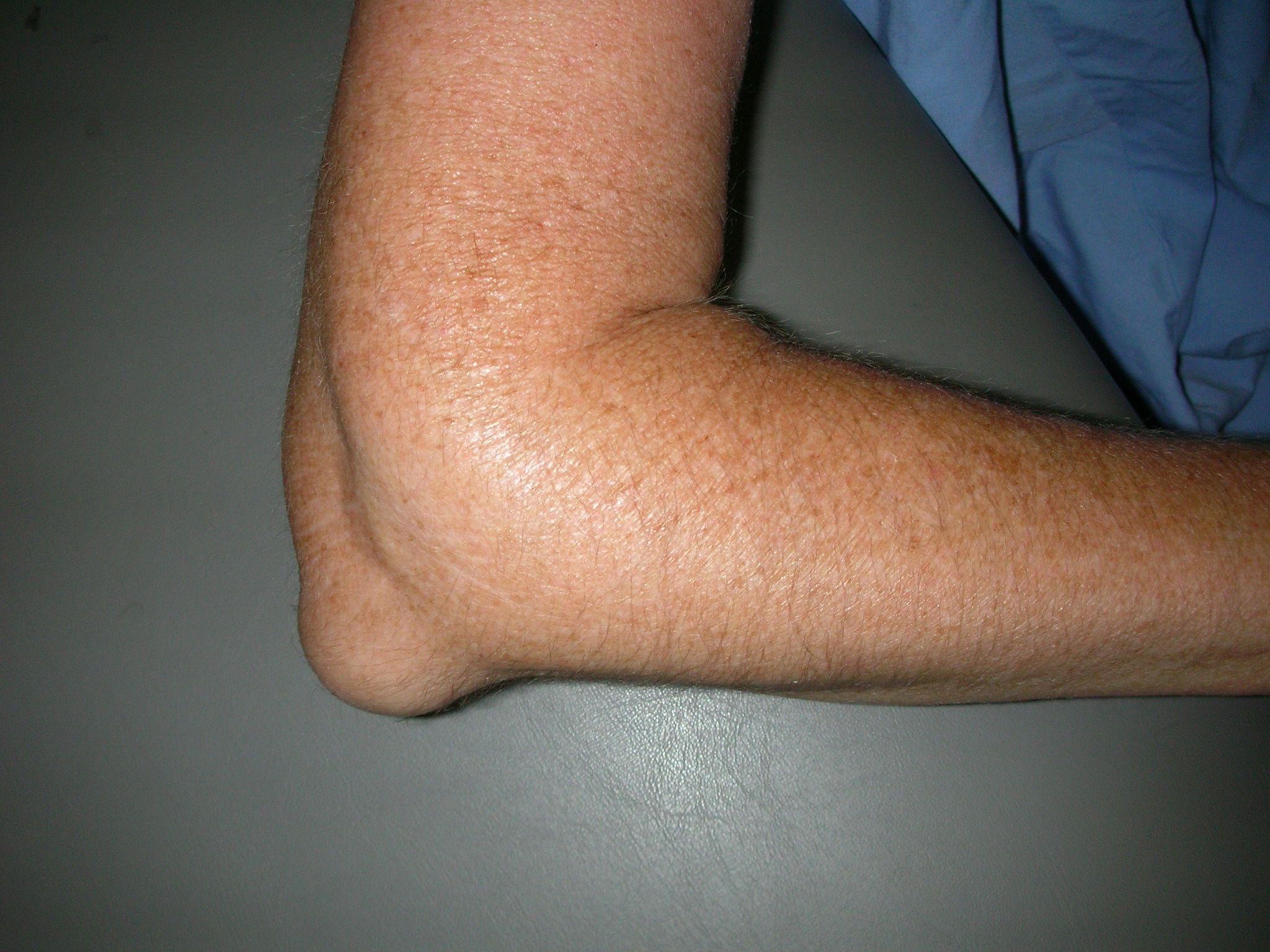
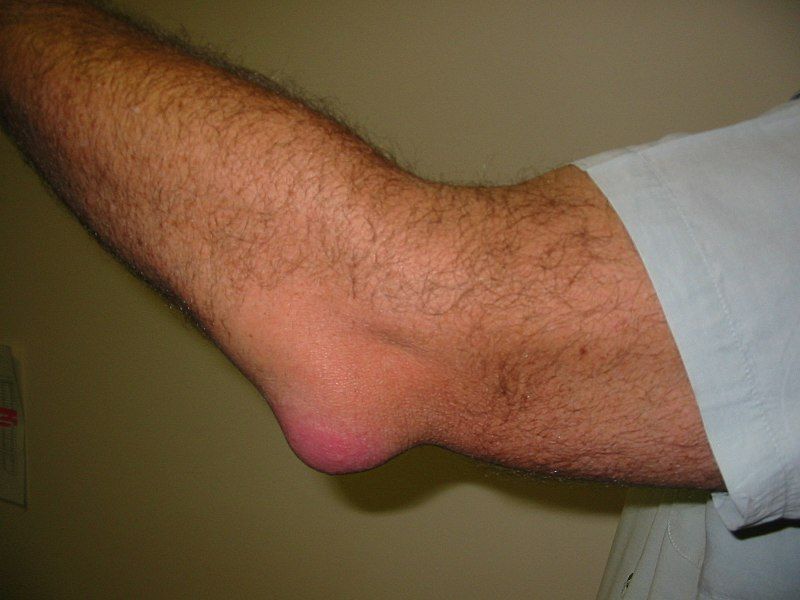
- Swelling — synovial thickening and effusion; firm rather than fluctuant
- Restricted ROM — flexion and extension progressively limited
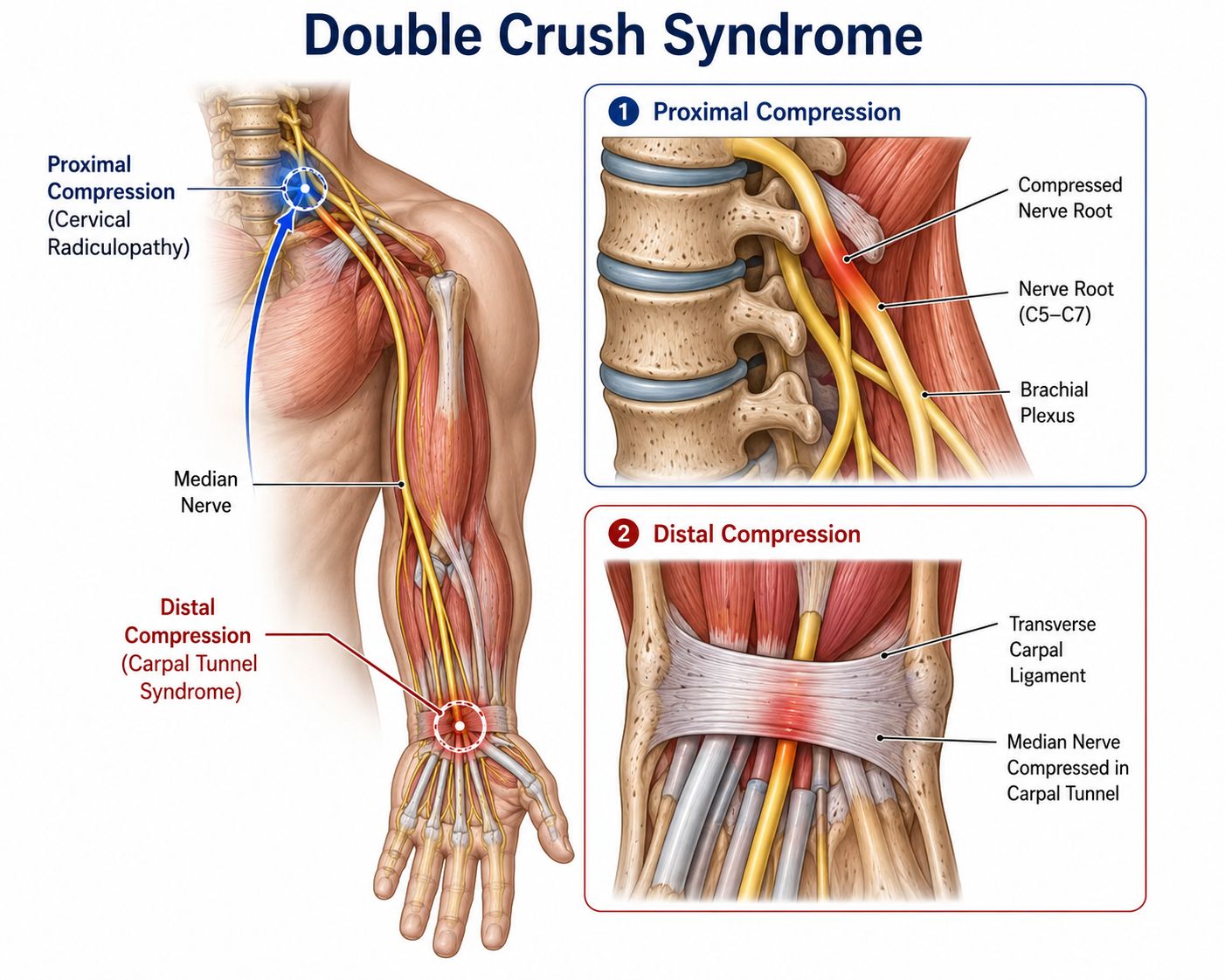
- Concurrent carpal tunnel syndrome — very commonly coexists; tingling and numbness in the thumb, index, and middle fingers (median nerve distribution at the wrist)
- Concurrent cubital tunnel syndrome — tingling in the ring and little fingers; ulnar nerve amyloid deposition in the cubital tunnel
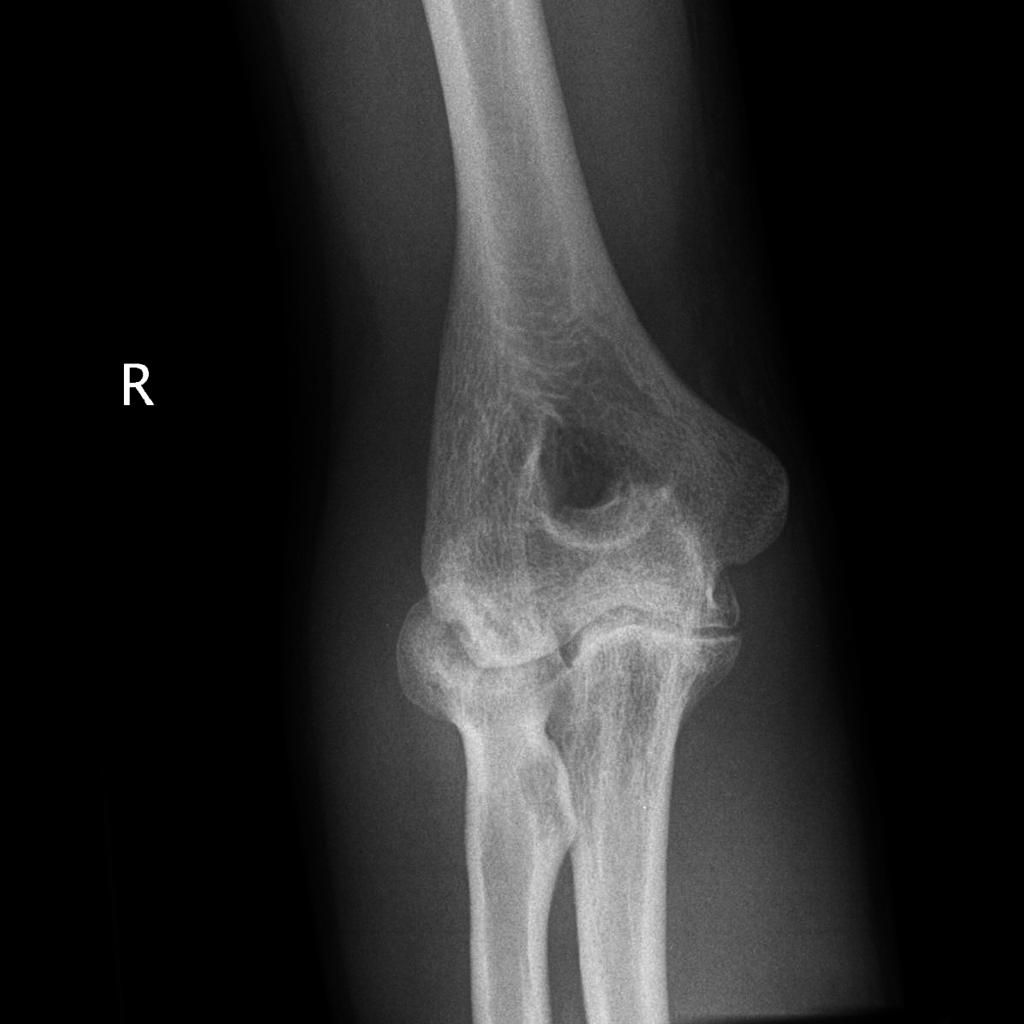
- Subchondral cysts on X-ray — punched-out bony cysts at the elbow visible radiographically; characteristic of DRA
How is it Diagnosed?
- Clinical examination — bilateral elbow pain and stiffness in a long-term dialysis patient; assess concurrent carpal tunnel and cubital tunnel symptoms; ROM measurement
- Plain X-rays — subchondral cystic lesions at the elbow; joint space narrowing; periarticular soft tissue calcification in some cases
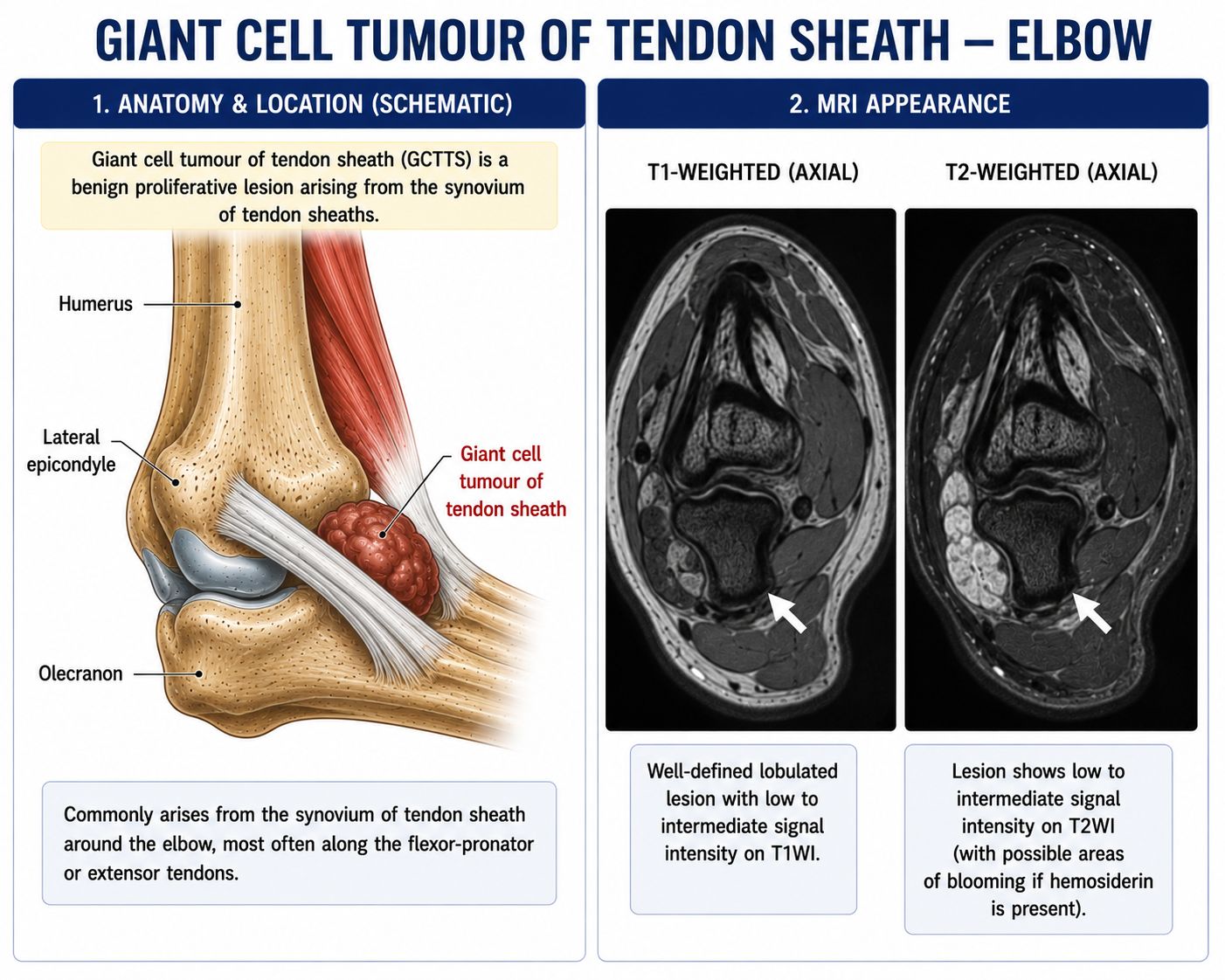
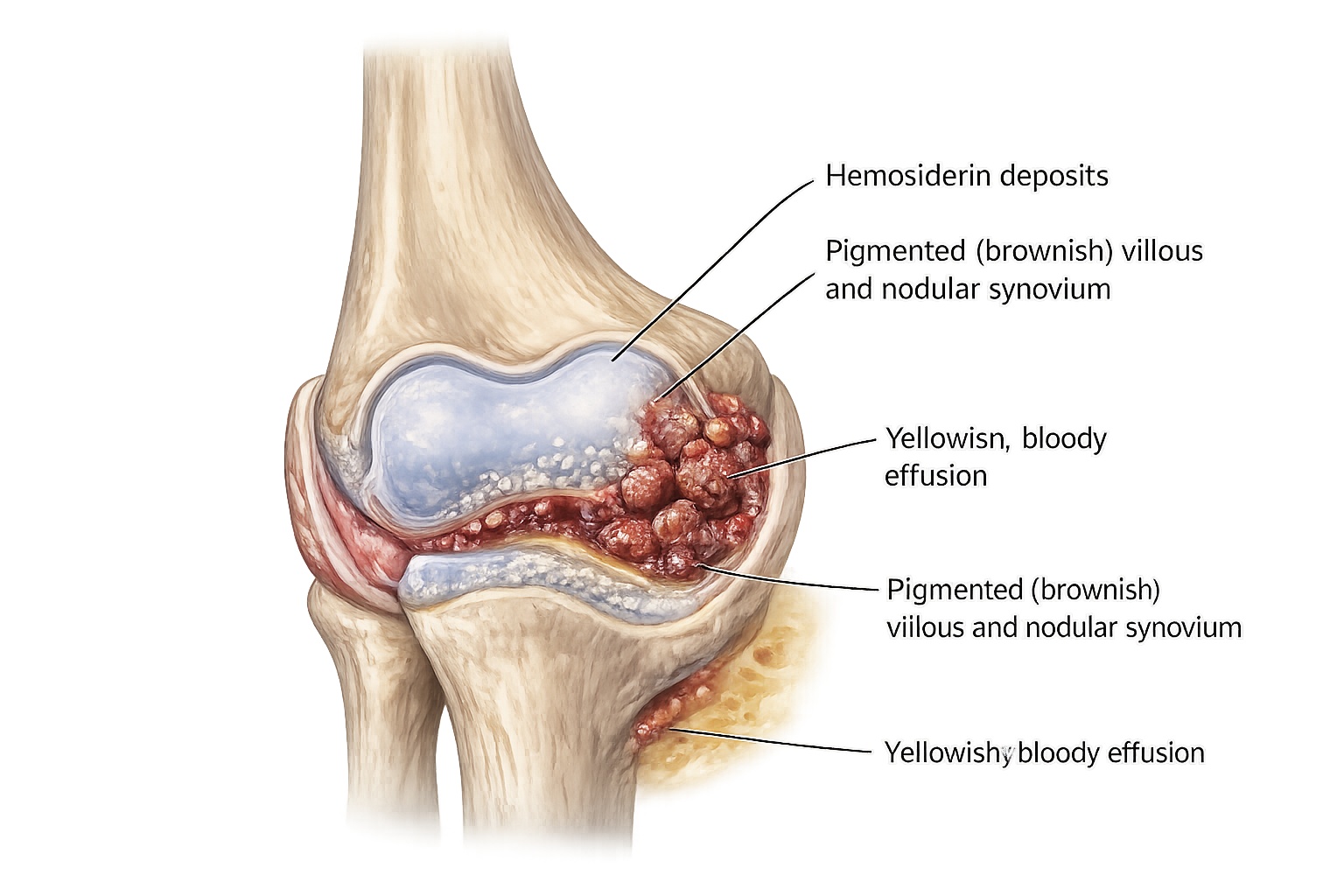
- MRI — amyloid deposits show characteristic low signal on T1 and T2 (similar to PVNS on MRI); synovial thickening; subchondral erosions; helps differentiate from rheumatoid arthritis and PVNS
- Blood tests — serum B2M levels (elevated in dialysis patients; degree of elevation correlates with amyloid load); renal function (eGFR essentially zero in dialysis patients)
- Biopsy / synovial histology — Congo red stain on excised synovial tissue shows apple-green birefringence under polarised light (diagnostic for amyloid)
- Dialysis adequacy assessment — Kt/V measurement; membrane type; number of dialysis sessions per week

Treatment Options
Treatment Type | Details |
Optimise Dialysis Adequacy | High-flux dialysis membranes (removes larger B2M molecules than conventional membranes); haemodiafiltration (most effective B2M removal); increase dialysis frequency if appropriate; this slows progression and reduces amyloid accumulation |
Corticosteroid Injection | Intra-articular or peritendinous corticosteroid injection for acute flares; provides 4–8 weeks of significant pain relief; appropriate for patients where surgery poses higher risk; maximum 3 injections per joint per year |
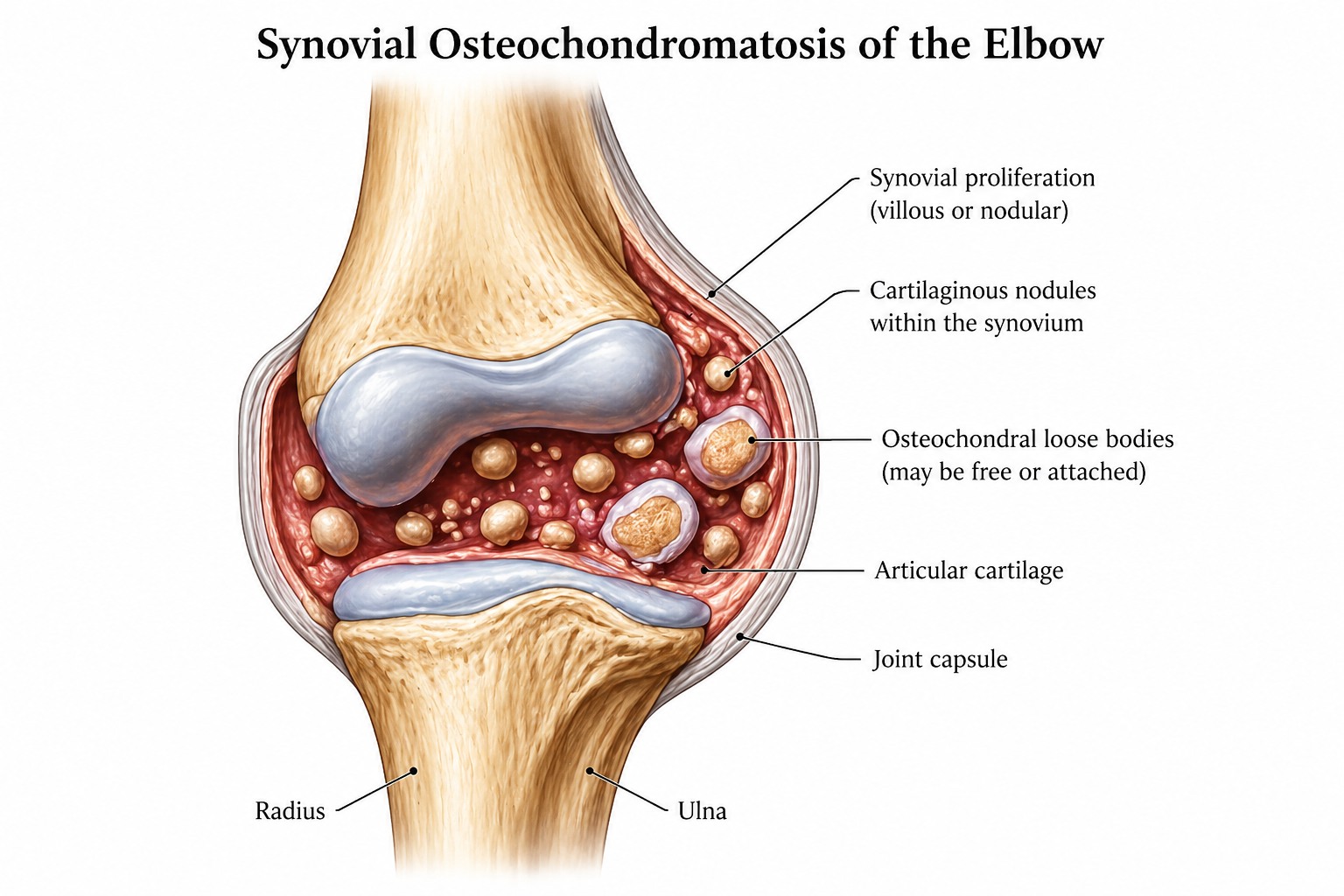
Arthroscopic Débridement + Synovectomy | For persistent symptomatic elbow involvement despite optimised dialysis; systematic arthroscopic removal of amyloid-laden synovium and loose bodies; reduces synovitis and pain; does not prevent further deposition but provides symptomatic relief; day-case or overnight procedure |
Concurrent Nerve Decompression | For concurrent carpal tunnel syndrome (very common in DRA): concurrent carpal tunnel decompression at the same anaesthetic; Cubital tunnel syndrome: concurrent in-situ release or transposition |
Renal Transplantation | The only definitive treatment that stops B2M production; after successful transplant, serum B2M levels normalise, amyloid deposits partially regress, and disease progression halts; joint symptoms often improve significantly post-transplant; Dr Senthilvelan coordinates with the renal transplant team |
Recovery & Rehabilitation
- After arthroscopic synovectomy: immediate ROM exercises; physiotherapy from day 1; return to normal activity 2–4 weeks
- Disease modification: improved dialysis modality (high-flux / haemodiafiltration) reduces the rate of disease progression; symptoms stabilise rather than continuing to worsen
- After renal transplant: gradual improvement in amyloid-related symptoms over months to years as deposits partially regress
- Long-term: annual clinical and radiological assessment; the condition is progressive without transplant; surgical palliation can be repeated for recurrent symptoms
Why choose Dr Senthilvelan?
Amyloid arthropathy at the elbow in dialysis patients requires a multidisciplinary approach — coordinating with the nephrology team on dialysis adequacy and transplant eligibility while providing orthopaedic symptom management. Dr Senthilvelan performs arthroscopic synovectomy and concurrent nerve decompression as coordinated palliative procedures, with clear communication to the patient about the disease-modifying role of transplantation.
Frequently Asked Questions
1. I have been on dialysis for 10 years and my elbows ache constantly — is this from dialysis?
Very possibly. Dialysis-related amyloidosis (DRA) is one of the most common musculoskeletal complications of long-term dialysis, affecting a significant proportion of patients after 10 years. The symptoms are typically bilateral joint pain, stiffness, and swelling — particularly at the shoulders, elbows, wrists, and fingers. X-ray may show characteristic punched-out bony cysts. MRI and joint fluid or synovial biopsy can confirm the diagnosis. Discuss your symptoms with your nephrologist, who can assess your dialysis adequacy and referral for specialist orthopaedic assessment.
2. Is renal transplantation the only real treatment?
Renal transplantation is the only treatment that stops the production of B2M and halts disease progression — it is the most important therapeutic goal for eligible patients. After transplant, serum B2M levels normalise, existing deposits partially regress, and symptoms often improve significantly. However, not all dialysis patients are transplant candidates, and the wait for a suitable donor can be prolonged. In the meantime, high-flux dialysis or haemodiafiltration slows disease progression, and arthroscopic synovectomy provides symptomatic relief.
3. My hands are also tingling — is this related to the elbow problem?
Yes — carpal tunnel syndrome is extremely common in dialysis-related amyloidosis, because amyloid deposits in the carpal tunnel compress the median nerve. It typically causes tingling and numbness in the thumb, index, and middle fingers — and is often bilateral. Cubital tunnel syndrome (ulnar nerve compression at the elbow, causing ring and little finger tingling) is also more common in dialysis patients than in the general population. Both can be addressed surgically with nerve decompression procedures, which provide excellent and durable relief.
4. Will arthroscopic surgery help my elbows?
Arthroscopic synovectomy — removing the amyloid-laden synovial tissue from inside the joint — provides significant symptomatic relief for elbow pain and stiffness caused by DRA. It reduces the synovitis, removes the mechanically irritating deposits, and allows better joint movement. However, it does not prevent further amyloid deposition — B2M continues to accumulate as long as dialysis is ongoing. Symptoms may recur over years. Surgery is best viewed as an effective palliative intervention that improves quality of life within the overall management plan.
5. How often will I need surgery?
Arthroscopic synovectomy for DRA provides symptomatic relief for approximately 2–5 years before deposits re-accumulate sufficiently to cause significant symptoms again. Repeat procedures can be performed for recurrent symptomatic episodes. The frequency depends on the rate of B2M accumulation (influenced by dialysis type and adequacy), the severity of the initial presentation, and the patient’s functional demands and tolerance. For patients who receive a renal transplant, the progression halts and surgical re-intervention is much less likely.