Overview
Gout is a metabolic disease caused by the accumulation of monosodium urate (MSU) crystals in and around joints. When serum uric acid levels exceed the solubility threshold, urate crystallises preferentially in peripheral, cooler joints. The elbow — particularly the olecranon bursa and periarticular soft tissues — is a very common site for tophus formation and acute gout attacks.
Acute gouty attacks are among the most painful conditions in medicine — the affected joint becomes exquisitely tender, red, swollen, and hot within hours. Between attacks, chronic tophaceous gout can cause persistent pain, joint deformity, mechanical symptoms from large tophi, and tendon or nerve compression.
Medical management — particularly effective urate-lowering therapy (ULT) — is the definitive treatment for gout. Surgical intervention is reserved for patients with tophaceous disease causing functional impairment, nerve compression, wound breakdown risk, or joint destruction that has not responded to medical optimisation.
Quick Facts | Details |
Also Known As | Elbow Gout, Tophaceous Gout — Elbow, Urate Arthropathy |
Affected Area | Elbow joint; olecranon bursa; periarticular soft tissues; tendon sheaths; subcutaneous tissues around the elbow |
Who It Affects | More common in men over 40; post-menopausal women; patients with renal impairment, metabolic syndrome, high-purine diet, or diuretic use |
Prevalence | Gout is the most common cause of acute inflammatory arthritis in adults; elbow involvement in ~30–40% of patients with established gout; olecranon tophi extremely common |
Treatment | Urate-lowering therapy (allopurinol) is the cornerstone; NSAIDs and colchicine for acute attacks; arthroscopic débridement and tophus removal for tophaceous or chronic disease |
Causes & Risk Factors
- Hyperuricaemia — elevated serum uric acid from overproduction or under-excretion of urate
- High-purine diet — red meat, organ meats, seafood, beer and spirits; fructose-sweetened drinks
- Renal impairment — reduced urate excretion; one of the strongest risk factors
- Diuretics — particularly thiazides and loop diuretics compete with renal urate excretion
- Metabolic syndrome — obesity, hypertension, insulin resistance, hyperlipidaemia; strongly associated
- Dehydration and alcohol — both raise urate levels and precipitate acute attacks
- Elbow-specific: the olecranon bursa is predisposed to tophus deposition due to relative coldness and mechanical stress
Symptoms
- Acute gout attack — sudden severe pain, intense redness, warmth, and swelling; maximum intensity within 12–24 hours; resolves spontaneously in 7–14 days without treatment
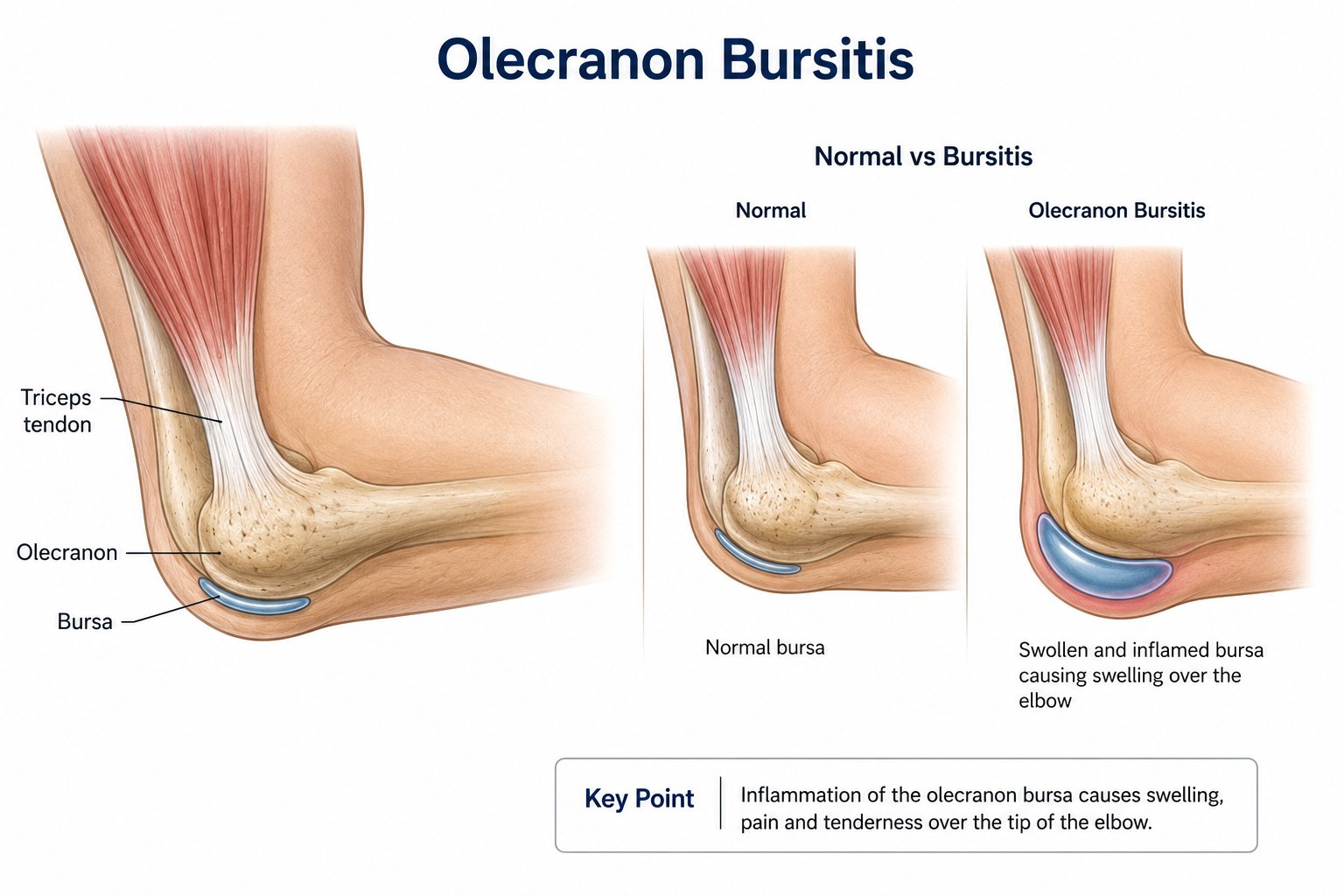
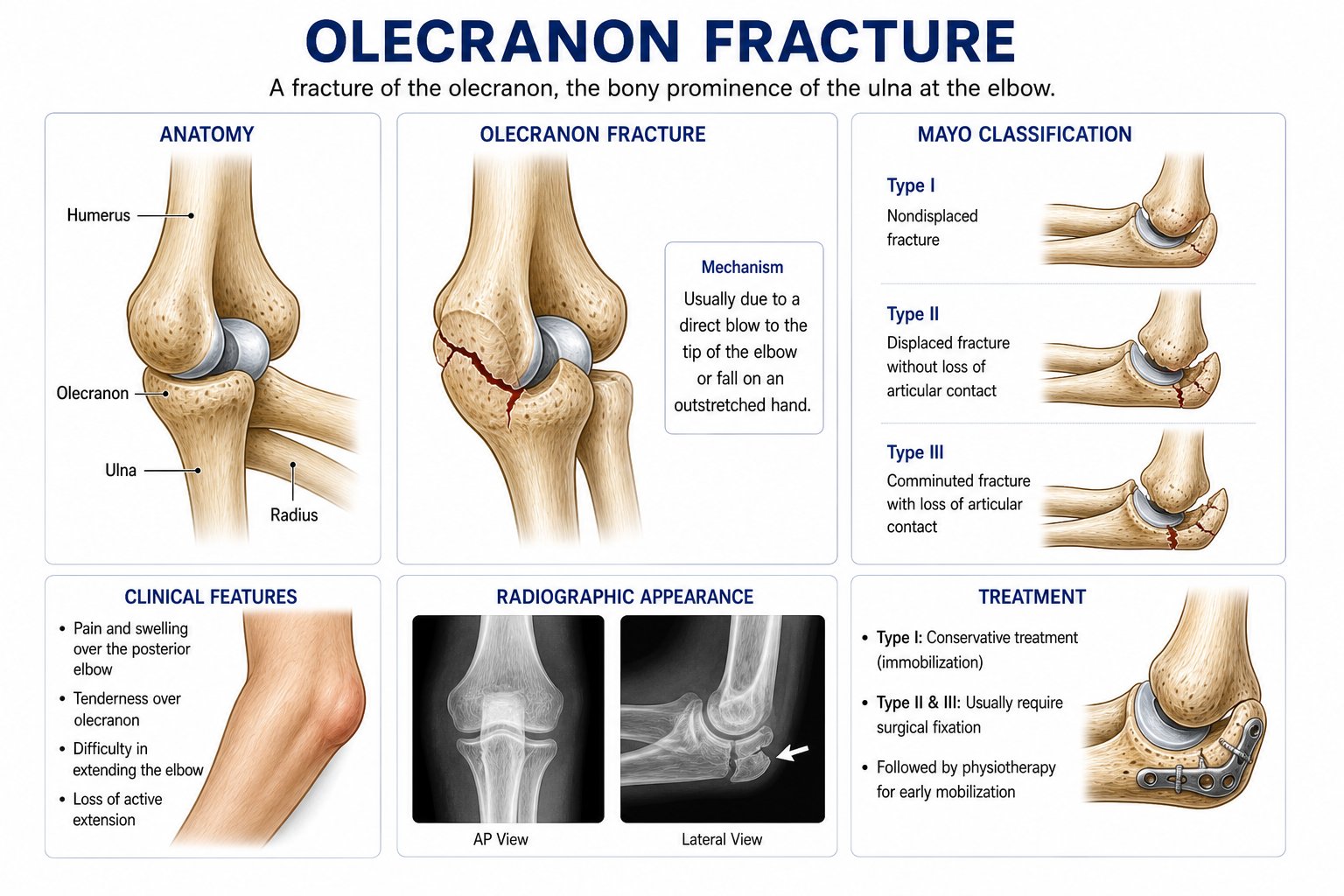
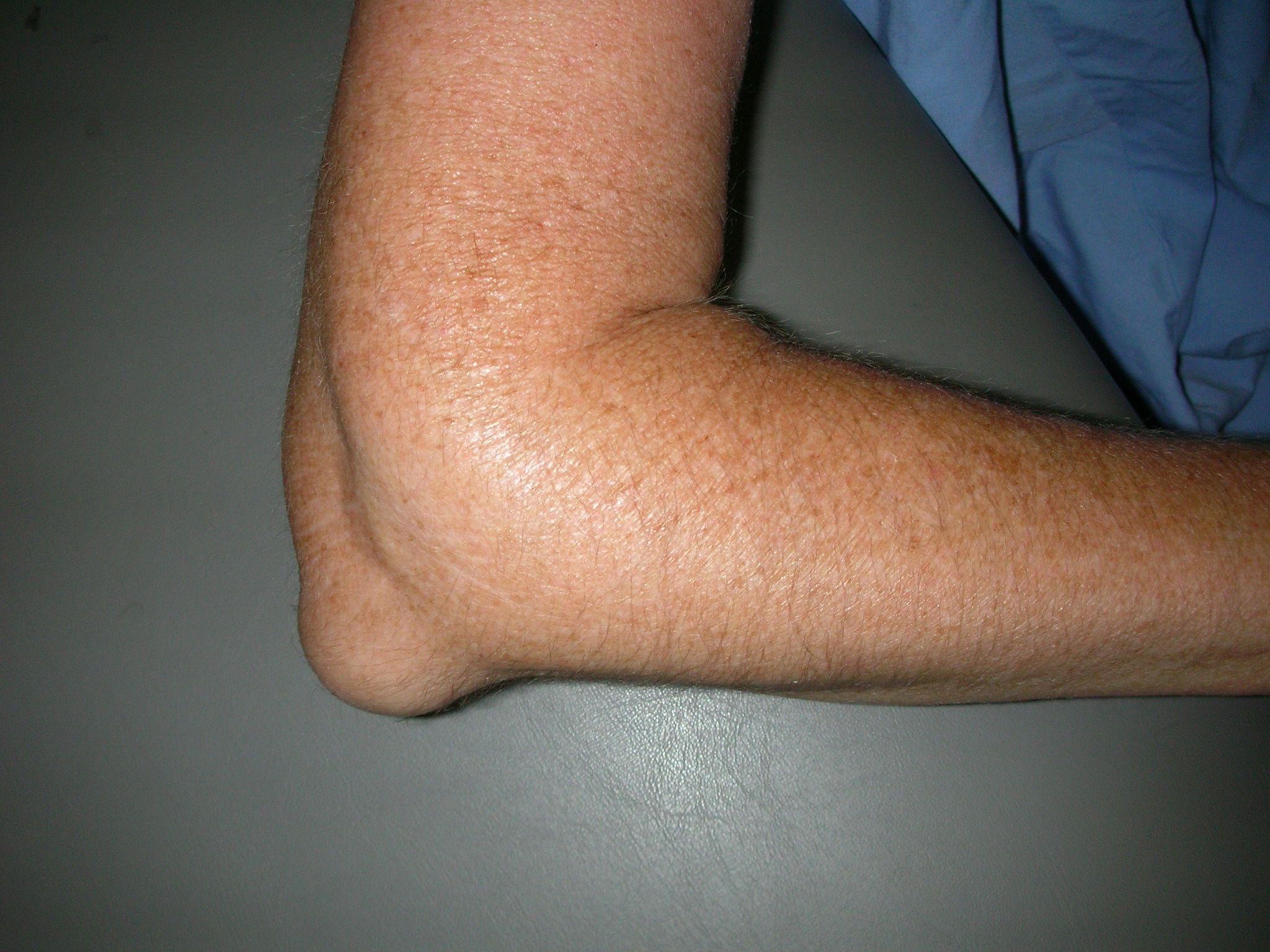
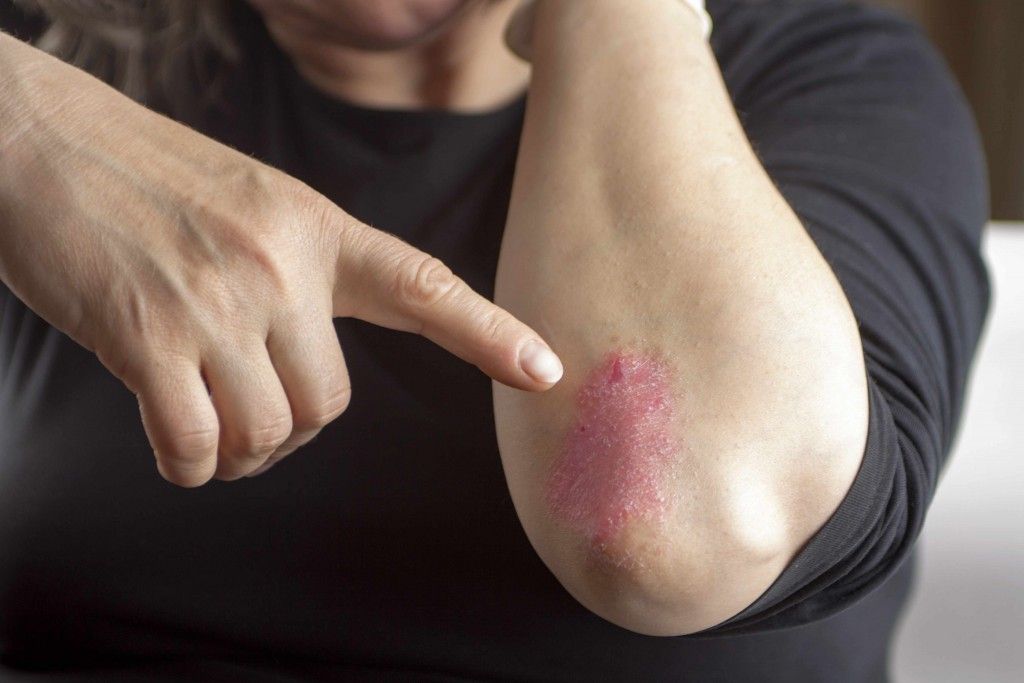
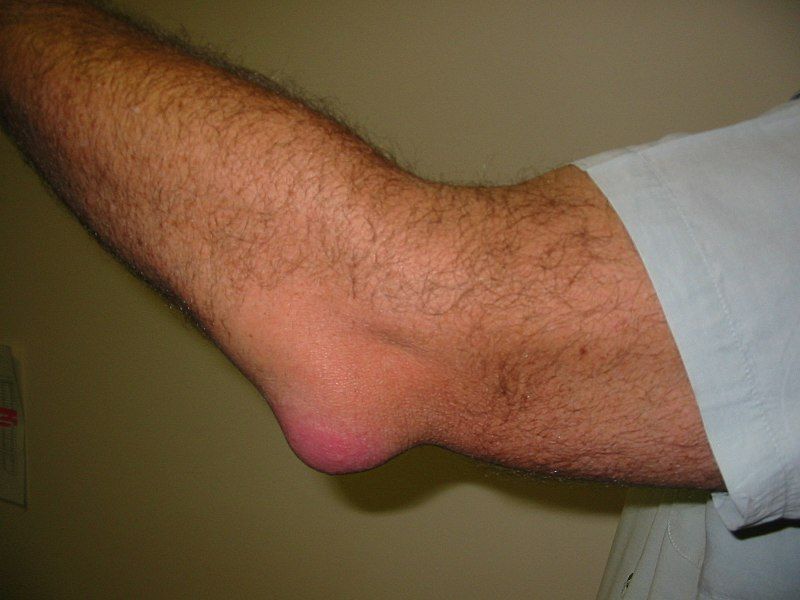
- Olecranon bursitis — fluctuant, tense swelling at the olecranon tip; may drain white chalky material (tophus)
- Subcutaneous tophi — firm, white-yellow deposits under the skin around the elbow; may ulcerate
- Chronic arthritis — between attacks, persistent dull ache and stiffness in undertreated polyarticular gout
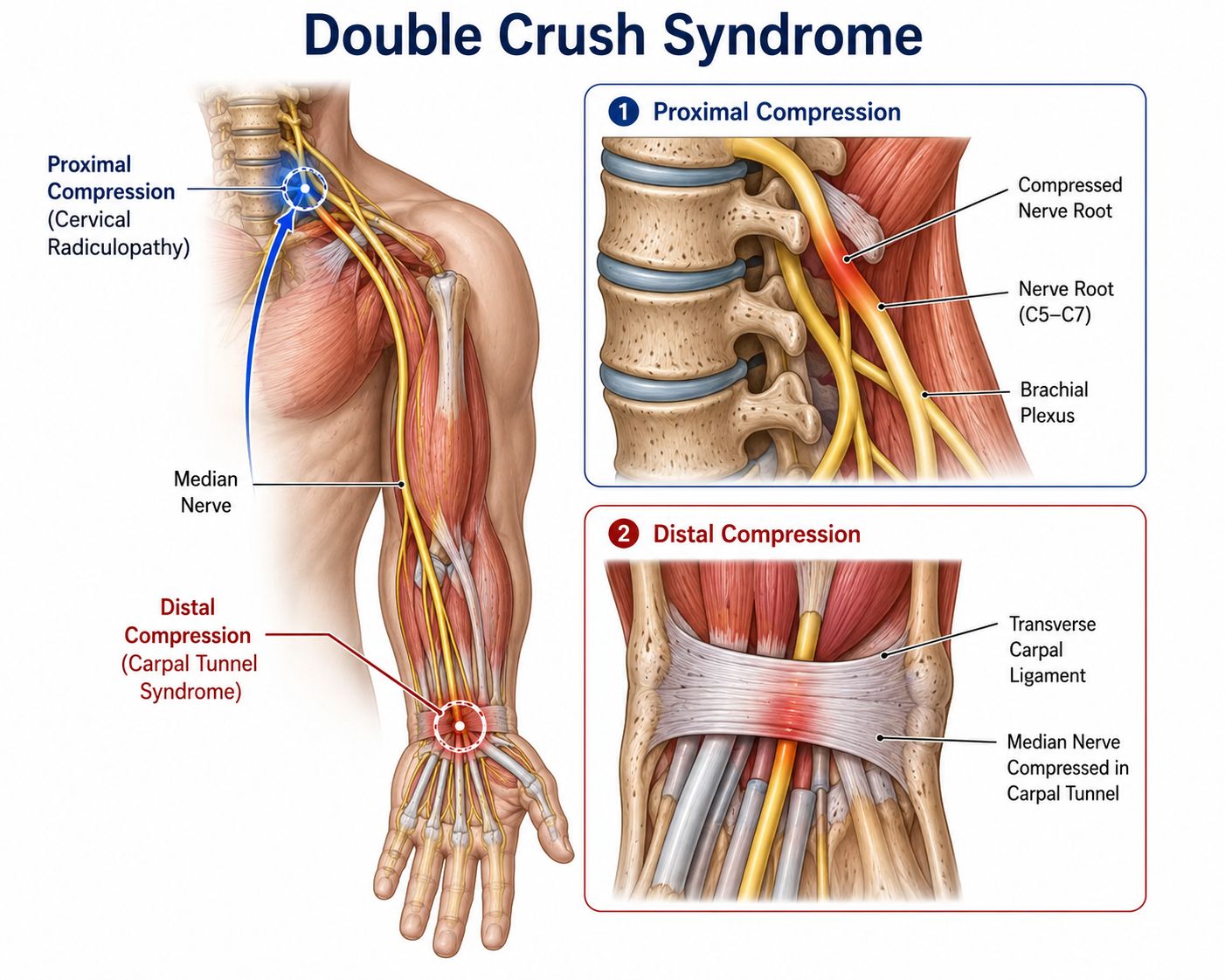
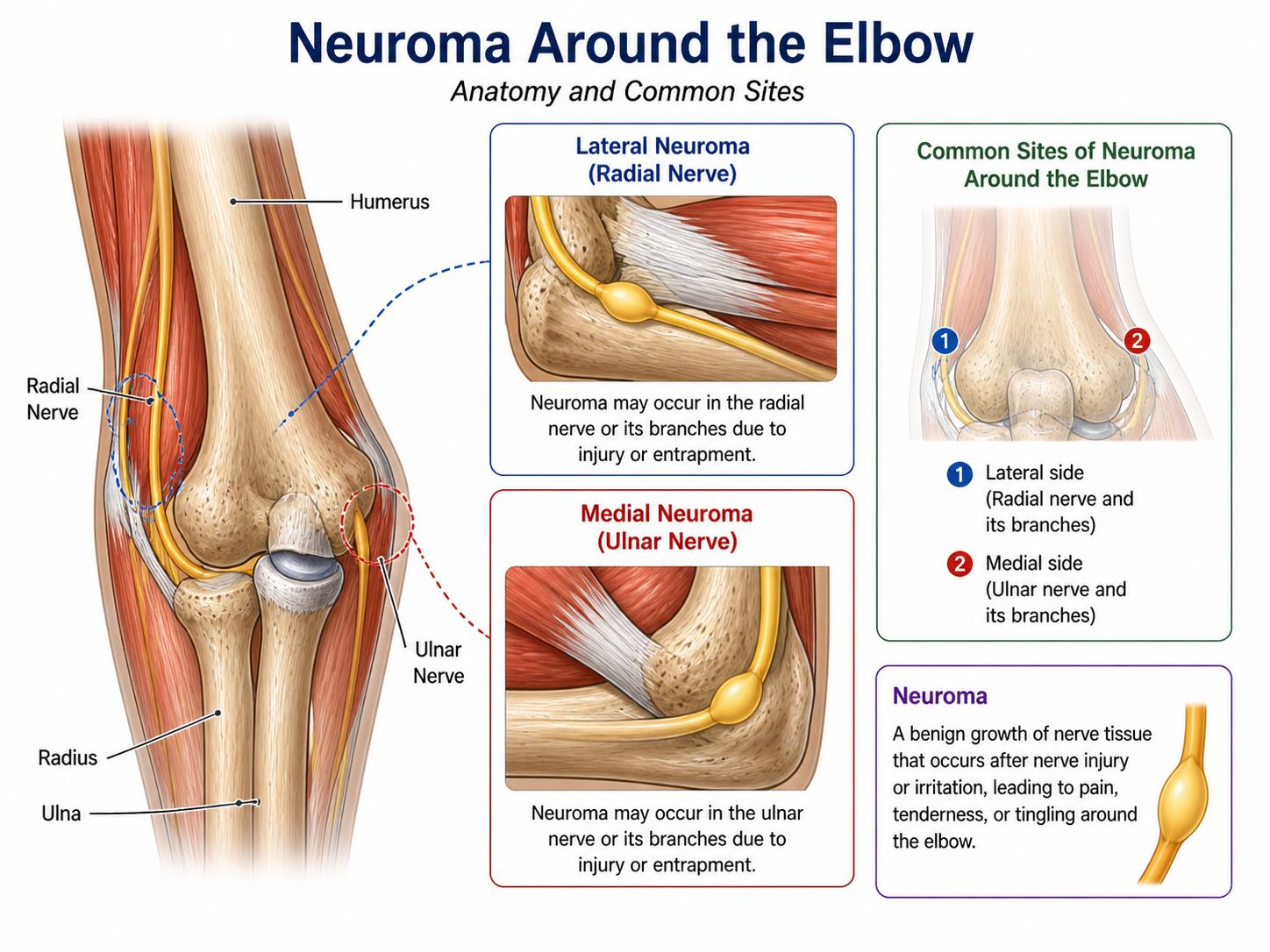
- Mechanical symptoms — large tophi can cause palpable masses, limit movement, or press on the ulnar nerve
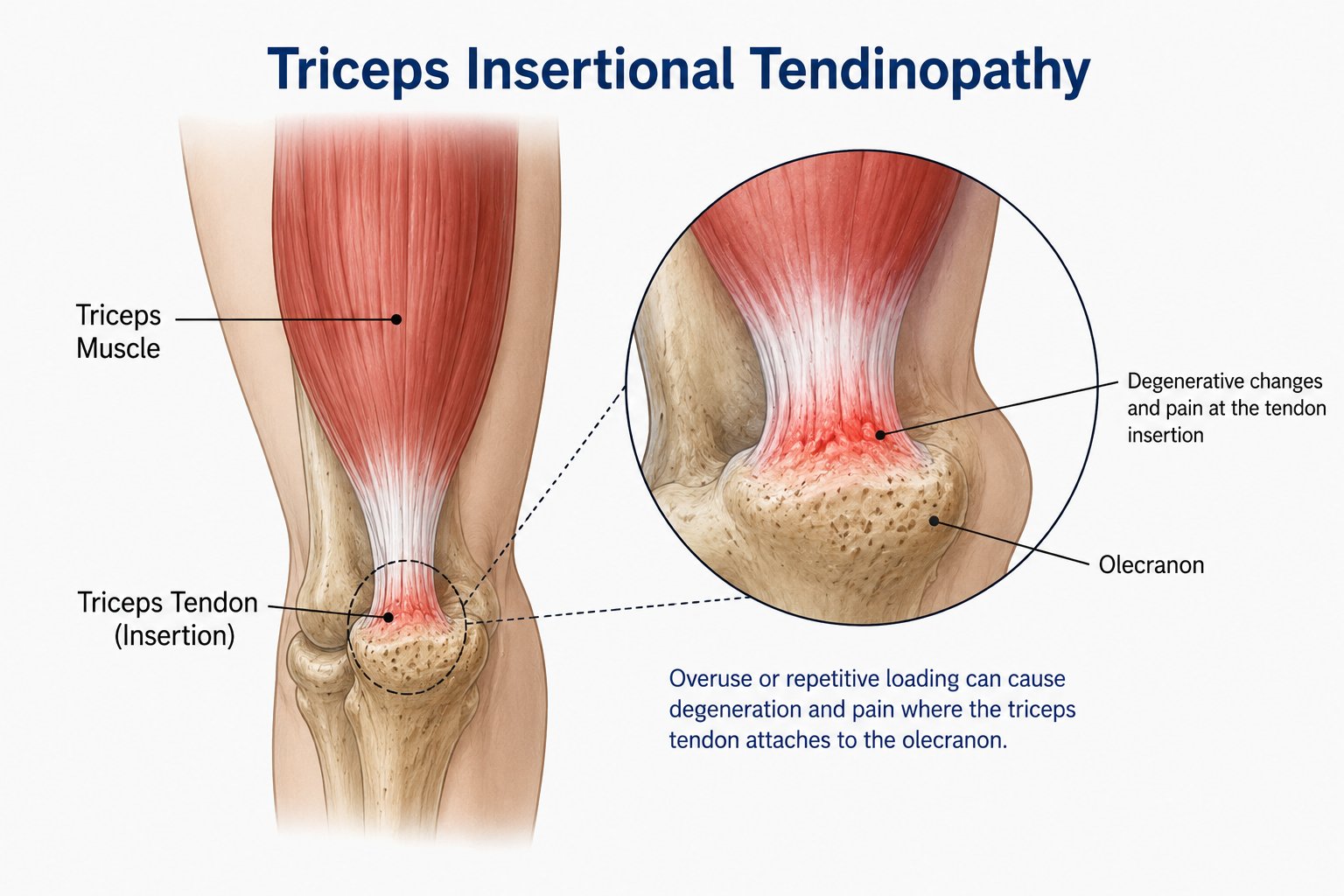
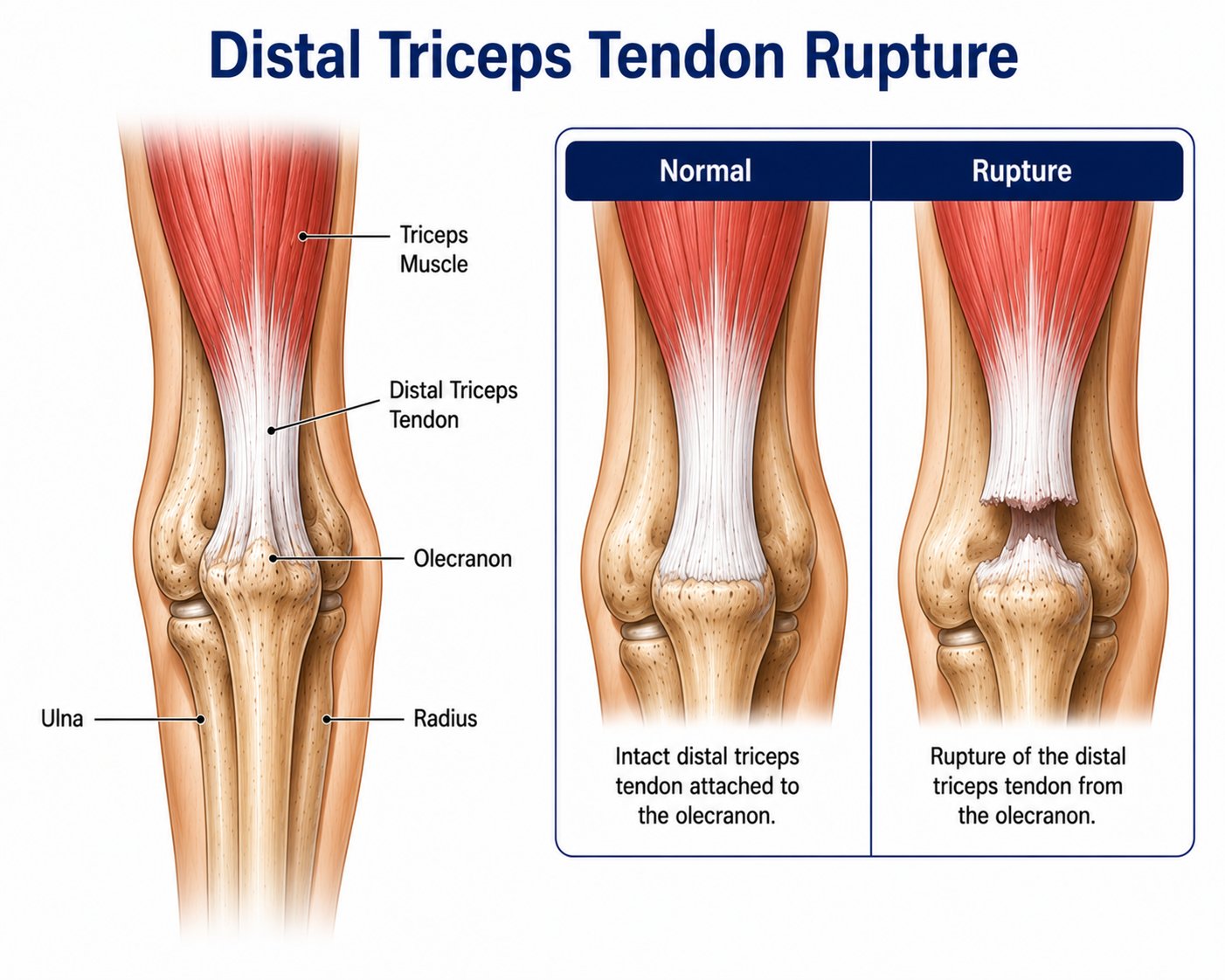
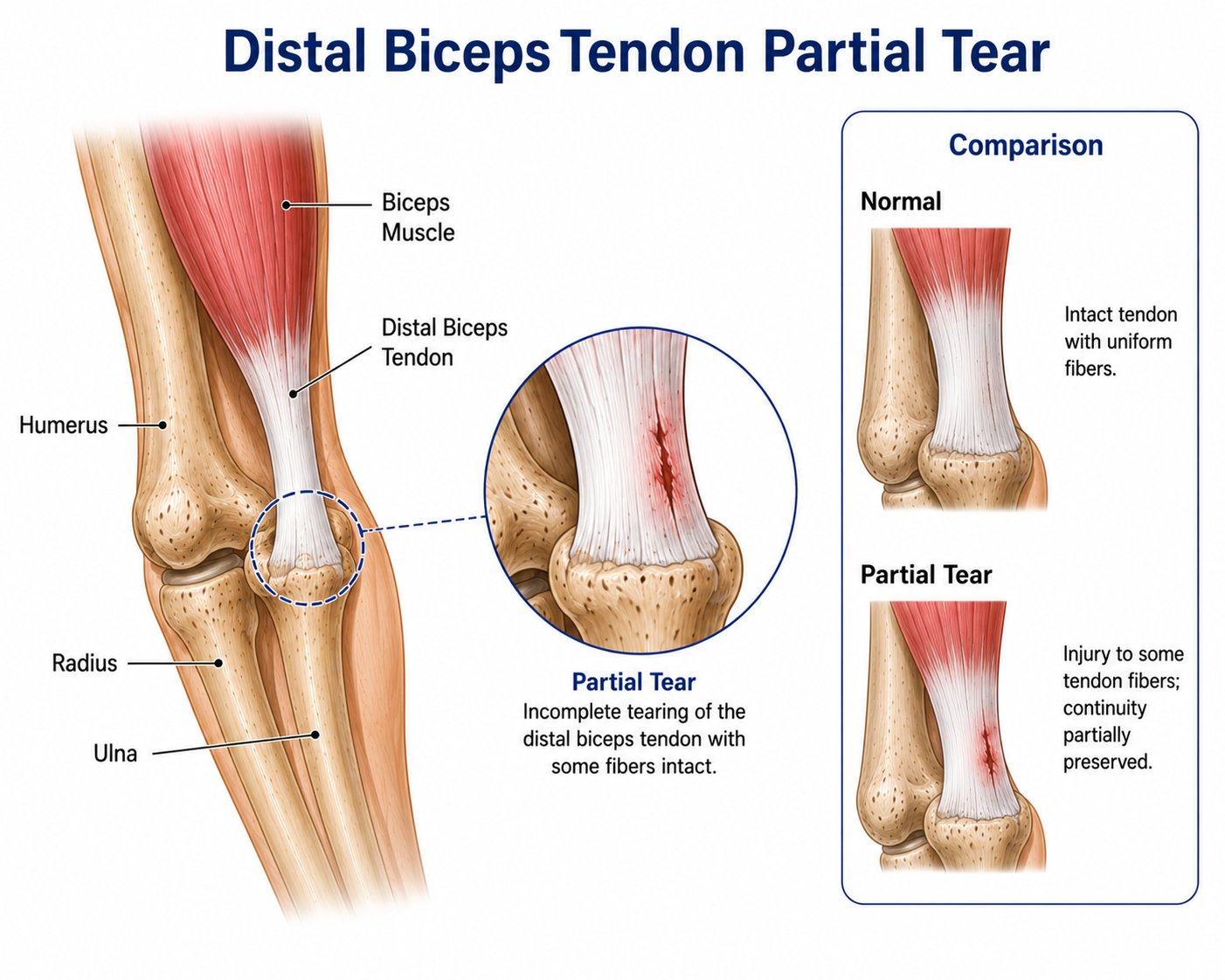
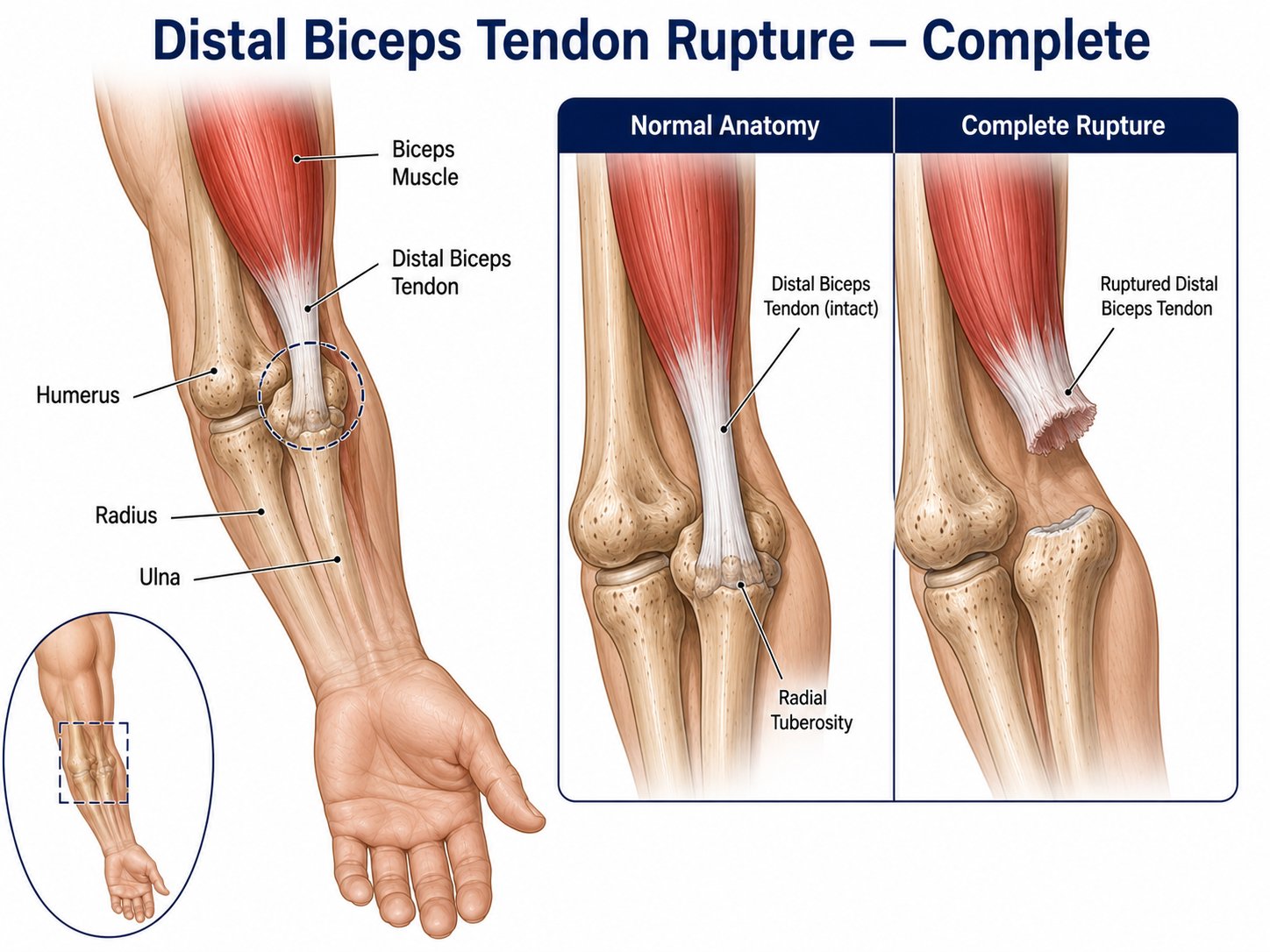
- Tendon involvement — tophus within the triceps or biceps tendons; can predispose to rupture
- Systemic features — low-grade fever, elevated CRP/ESR, malaise during acute attack
How is it Diagnosed?
- Joint aspiration — gold standard: polarising microscopy shows needle-shaped, negatively birefringent MSU crystals
- Serum uric acid — may be normal during acute attack; must be measured when patient is well
- Blood tests — FBC, renal function, LFT, fasting lipids, glucose for metabolic syndrome assessment
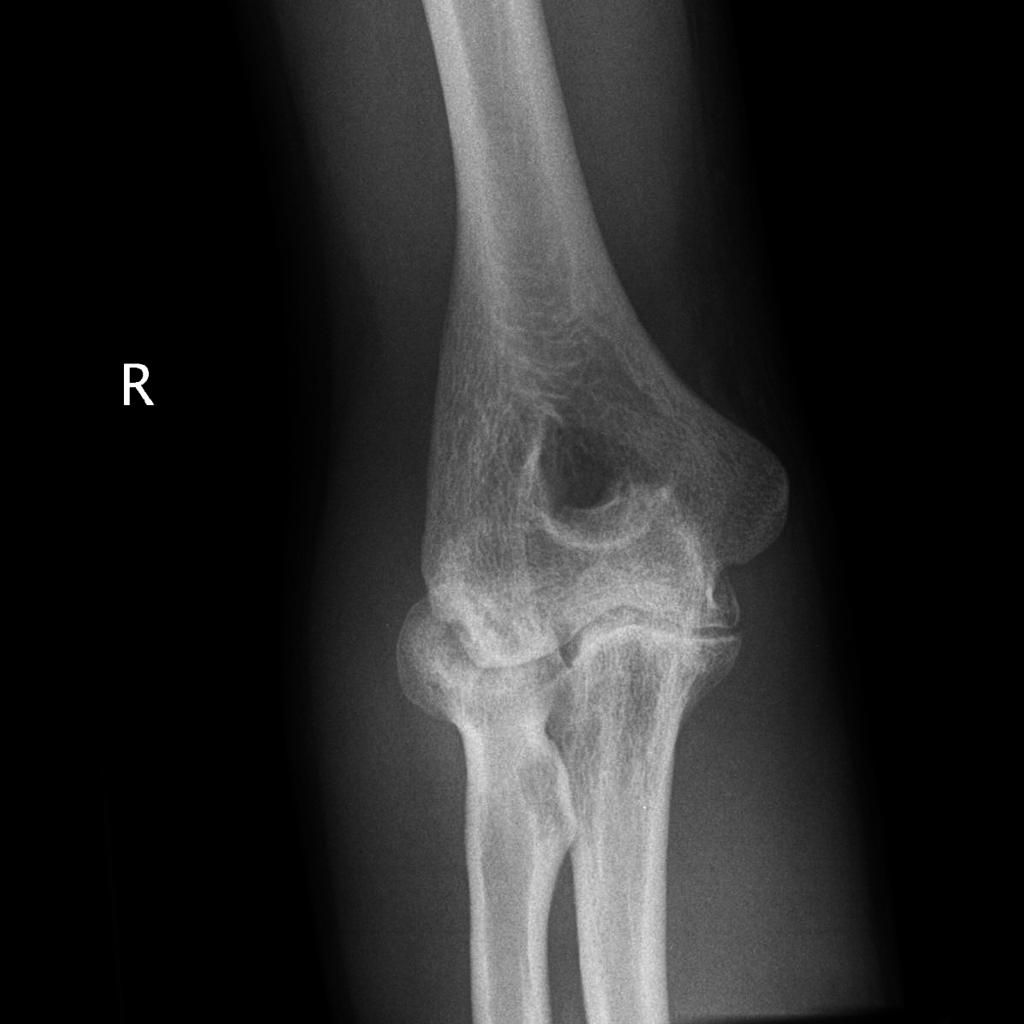
- Plain X-rays — punched-out erosions with overhanging cortical rims; late calcification of tophi
- Dual-energy CT (DECT) — highly specific for urate crystal detection; quantifies tophus burden
- Ultrasound — double contour sign; hyperechoic aggregates; highly sensitive for gout
Treatment Options
Treatment Type | Details |
Acute Attack — NSAIDs | Naproxen 500mg twice daily or indomethacin 50mg three times daily for 5–7 days; avoid aspirin; use with PPI |
Acute Attack — Colchicine | 0.5mg two to three times daily; most effective within first 12 hours; reduce dose in renal impairment |
Acute Attack — Corticosteroids | Oral prednisolone reducing course or intra-articular injection; useful when NSAIDs and colchicine contraindicated |
Urate-Lowering Therapy (ULT) | Allopurinol — first-line; start 100mg, titrate monthly; target serum urate <0.30 mmol/L; NEVER start during acute attack; lifelong |
Lifestyle Modification | Reduce purine intake; increase hydration; lose weight; stop diuretics if possible; vitamin C supplementation |
Olecranon Bursectomy | Surgical excision for chronic tophaceous olecranon bursitis; send specimen for histology |
Arthroscopic Tophus Débridement | For intra-articular tophi causing mechanical symptoms; joint washout; day-case procedure |
Open Tophus Excision | For large subcutaneous tophi threatening skin viability, causing ulceration, or compressing the ulnar nerve |
Recovery & Rehabilitation
- Acute attack: resolves in 7–14 days with treatment; colchicine or NSAID prophylaxis for 3–6 months when starting ULT to prevent mobilisation attacks
- After bursectomy or arthroscopic débridement: day-case; immediate movement; return to activities 2–4 weeks
- Most important long-term treatment: optimise ULT to maintain serum urate <0.30 mmol/L — prevents further deposition and dissolves existing tophi over months to years
- Regular monitoring of serum urate, renal function and medication at 6-monthly to annual intervals
Why choose Dr Senthilvelan?
Dr Senthilvelan treats both the orthopaedic manifestations of gout — olecranon bursitis, tophaceous disease, and crystal arthropathy — and coordinates with rheumatology or nephrology colleagues for optimal long-term metabolic management. He performs arthroscopic tophus débridement and open excision as day-case procedures at MIOT International.
Frequently Asked Questions
1. I was told I have gout in my elbow — but the swelling is at the tip, not inside the joint. Is this still gout?
Yes, very likely. The most common site of gout at the elbow is not within the joint itself but in the olecranon bursa — a small fluid-filled sac at the tip of the elbow. This causes olecranon bursitis, appearing as a fluctuant swelling at the elbow tip. The bursal fluid can be aspirated and examined under a polarising microscope to confirm the diagnosis by identifying urate crystals.
2. Can I prevent gout attacks in my elbow?
Yes — with effective urate-lowering therapy. Allopurinol, when titrated to maintain serum uric acid below 0.30 mmol/L, prevents new crystal deposition and causes existing tophi to gradually dissolve over months to years, dramatically reducing attack frequency. Lifestyle modifications are important adjuncts but are rarely sufficient alone in moderate-severe gout.
3. Do I need to stop allopurinol during a gout attack?
No — if you are already taking allopurinol and have a gout attack, do NOT stop it. Stopping allopurinol during an attack can destabilise urate levels and worsen the attack. Treat the attack with colchicine or NSAIDs and continue allopurinol at the same dose. If not yet on ULT, it should be started 2–4 weeks after the attack has fully resolved.
4. My tophus at the elbow is getting larger and the skin looks thin — what should I do?
A tophus causing thin, at-risk skin requires prompt attention. If the skin breaks down over a tophus, it can become infected and very difficult to heal. Surgical excision should be considered before ulceration occurs, combined with optimisation of urate-lowering therapy to prevent recurrence. Dr Senthilvelan will assess this at consultation.
5. I have gout in multiple joints including the elbow — do I need an orthopaedic surgeon or a rheumatologist?
Both, ideally. The rheumatologist manages the systemic metabolic disease. The orthopaedic surgeon addresses specific mechanical problems — a symptomatic tophus, bursitis not resolving, joint damage, or nerve compression. In many cases, well-optimised medical treatment avoids the need for orthopaedic intervention entirely.