Overview
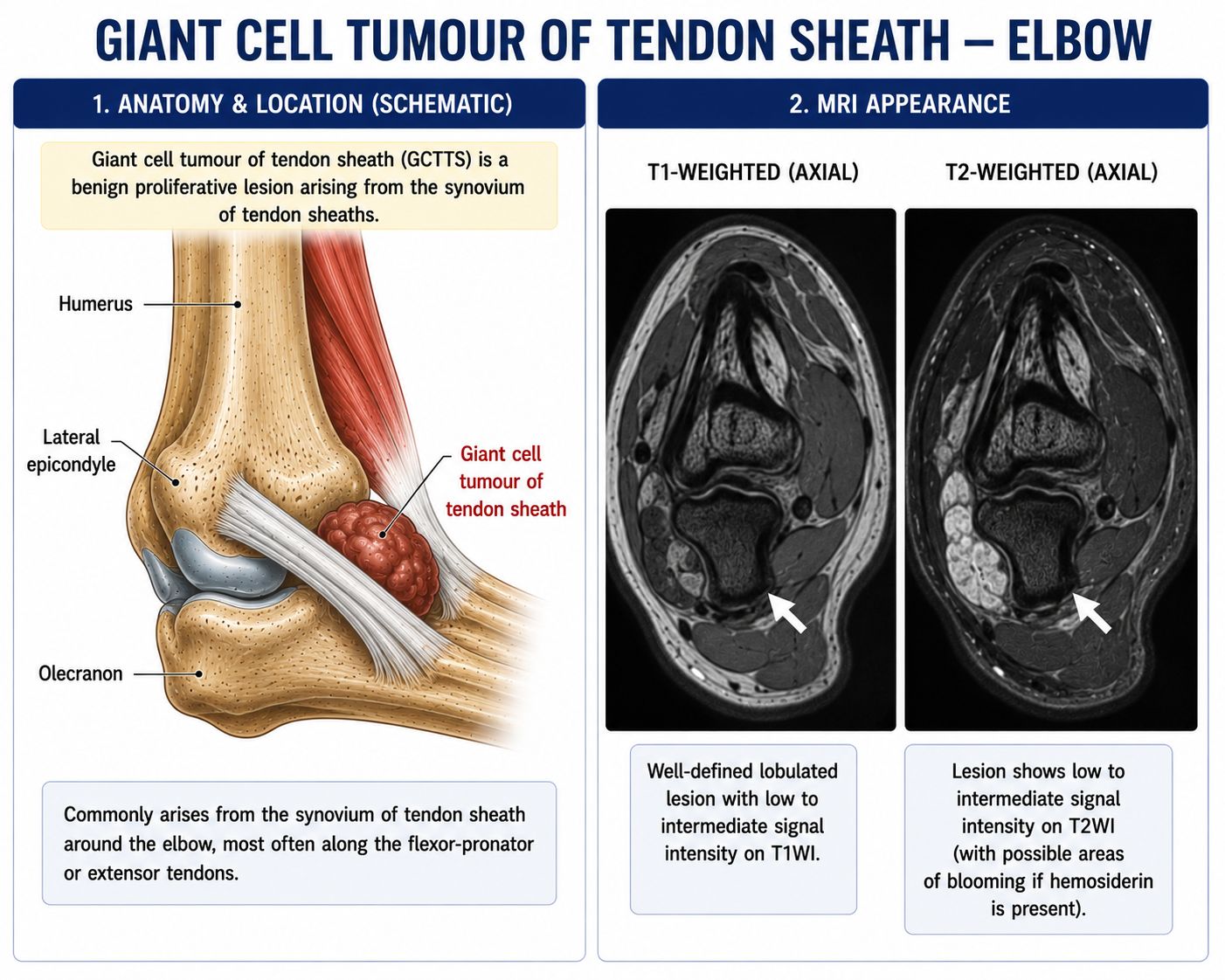
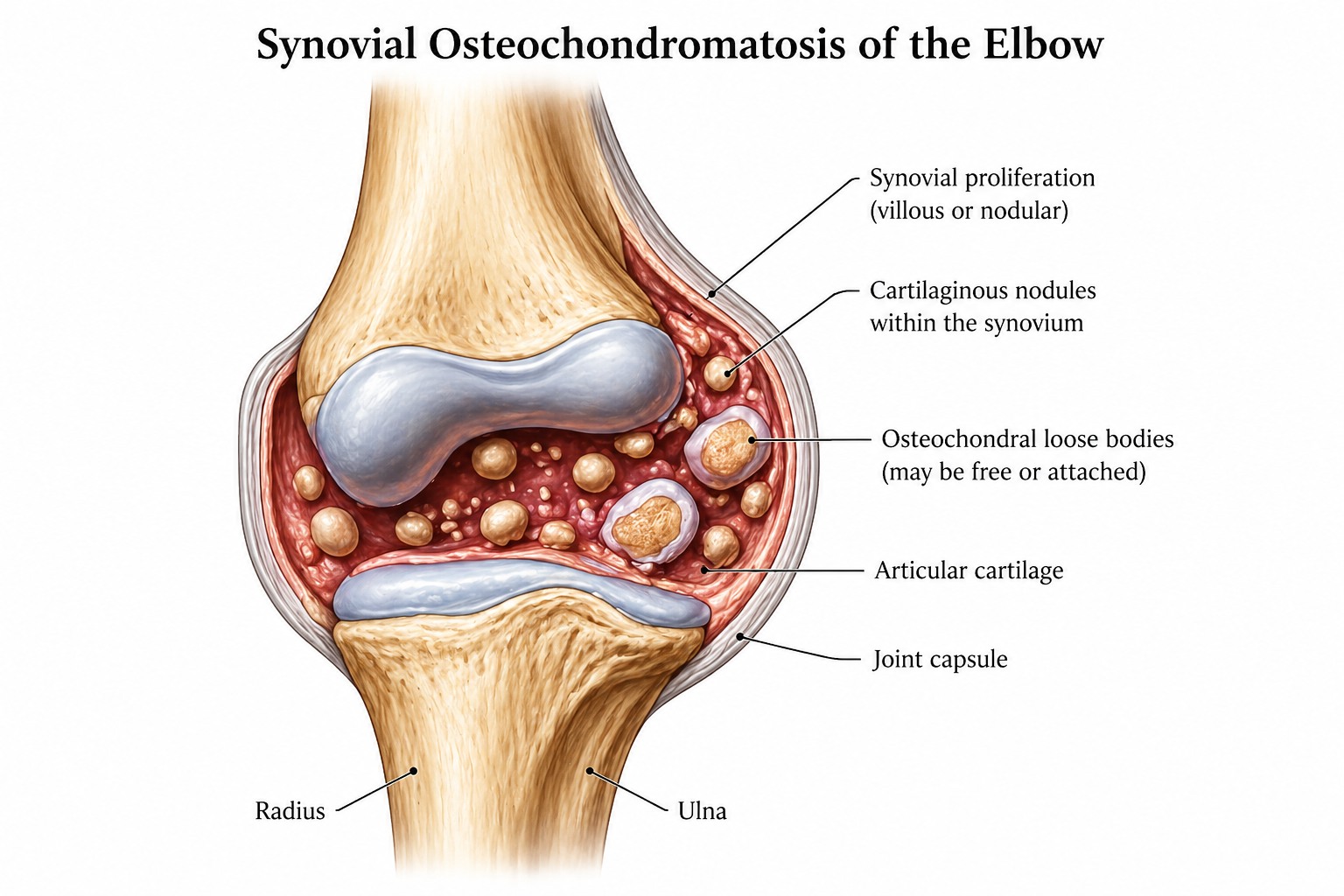
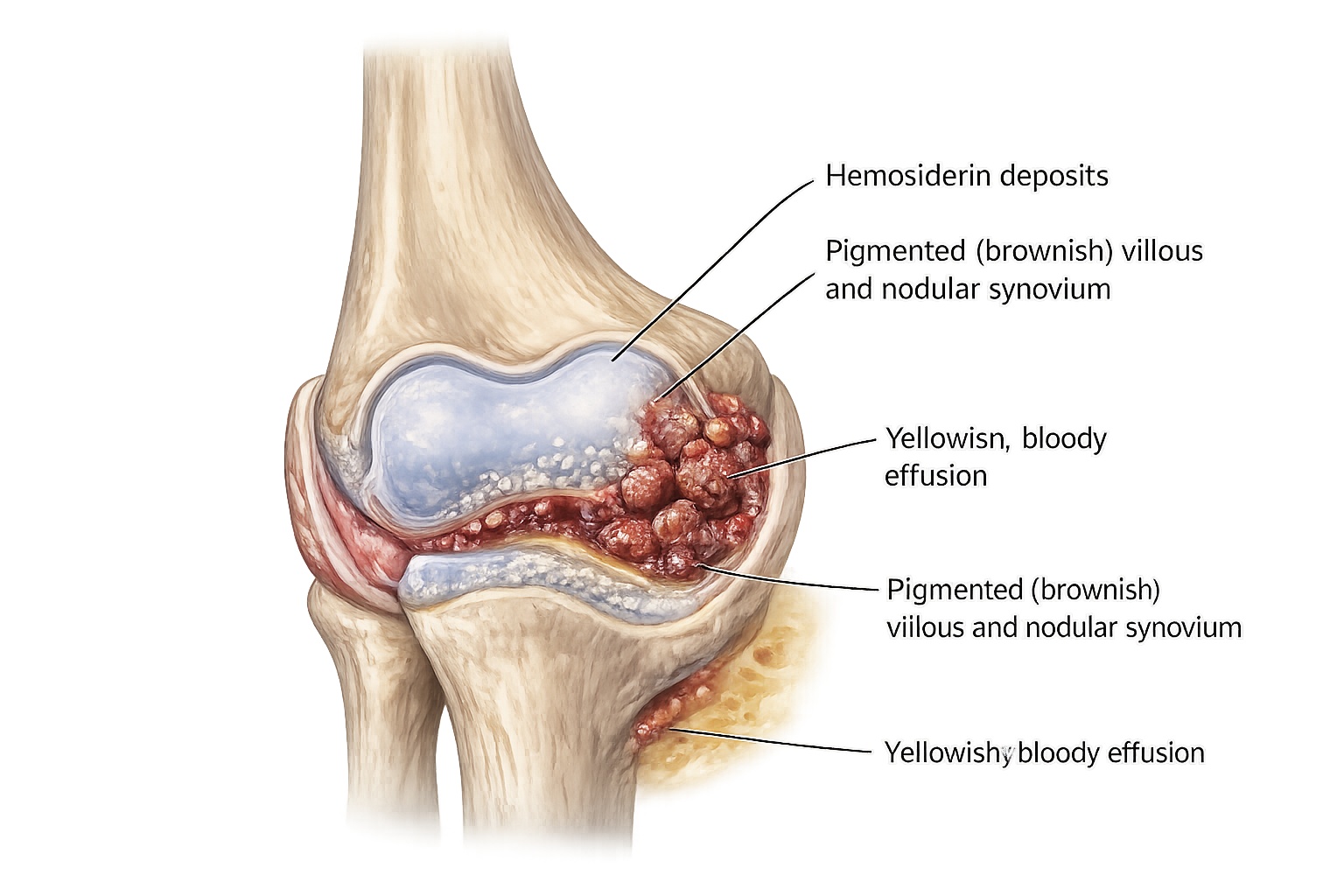
Pigmented Villonodular Synovitis (PVNS) — now more accurately termed Tenosynovial Giant Cell Tumour (TGCT) — is a rare benign but locally aggressive proliferative disorder of the synovial tissue of joints. It is characterised by overgrowth of the synovial membrane into villous or nodular projections containing haemosiderin (giving the characteristic brown pigmentation) and giant cells.
PVNS occurs in two forms: diffuse-type PVNS, in which the entire synovial lining is involved, tends to recur after surgery; and focal-type PVNS (localised nodular synovitis), in which a single discrete nodule is present — this is usually curable by excision.
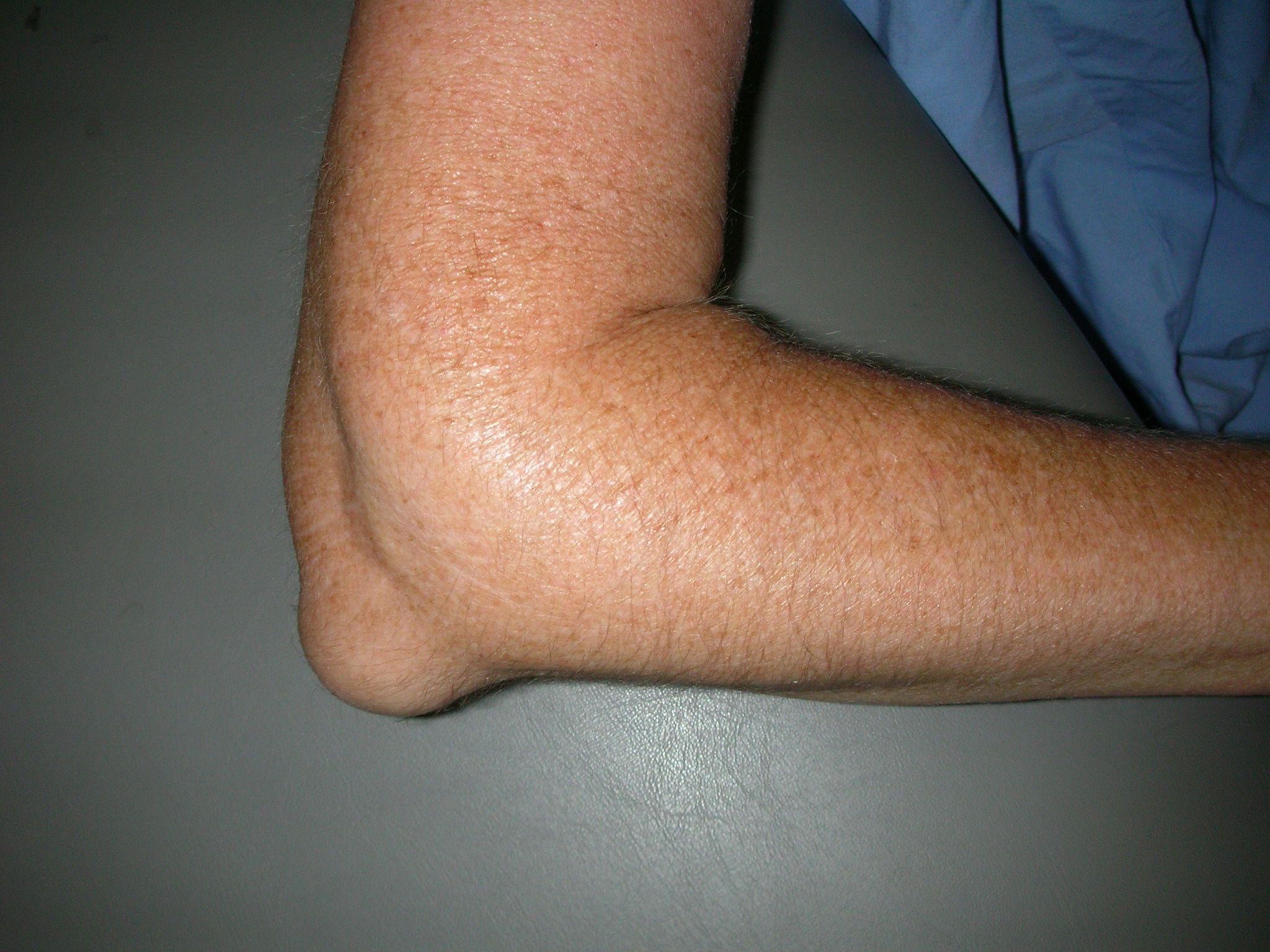
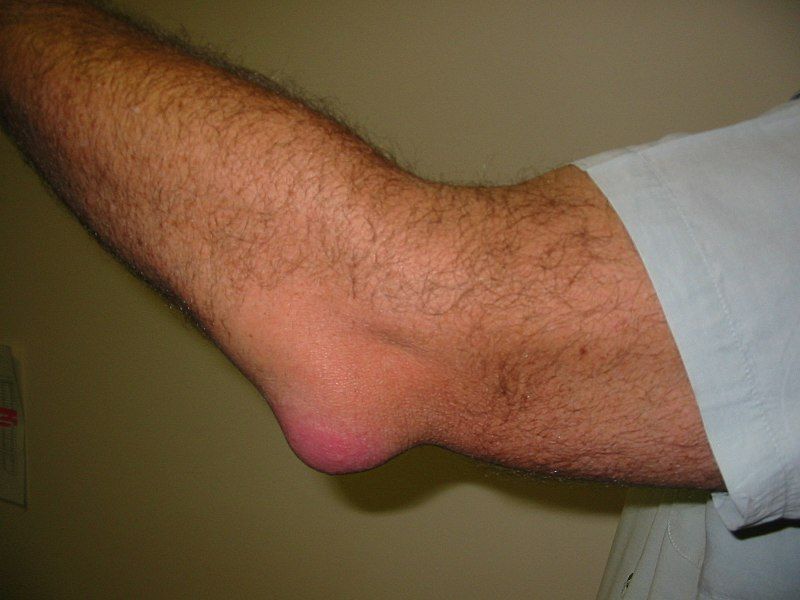
In the elbow, PVNS typically presents as progressive painful swelling with restriction of movement. MRI showing the characteristic haemosiderin-staining pattern (low signal on all sequences — blooming artefact on gradient echo) is pathognomonic. Histological confirmation is required before definitive treatment.
Quick Facts | Details |
Also Known As | PVNS, Tenosynovial Giant Cell Tumour (TGCT), Diffuse-type Giant Cell Tumour of Synovium |
Affected Area | Synovial lining of the entire elbow joint in diffuse type; localised nodule in focal type |
Who It Affects | Rare; adults aged 20–50 years; equal sex distribution |
Prevalence | Incidence approximately 1.8 per million per year; knee is most commonly affected; elbow accounts for ~5% of large-joint PVNS cases |
Treatment | Arthroscopic or open synovectomy; adjuvant radiotherapy for diffuse recurrent disease; CSF1R inhibitor therapy (pexidartinib) for unresectable or recurrent diffuse PVNS |
Causes & Risk Factors
- Neoplastic origin — PVNS is a clonal proliferative disorder, not purely reactive
- CSF1 gene translocation — overexpression of colony-stimulating factor 1 (CSF1) drives synovial cell proliferation; basis of targeted therapy
- Not caused by trauma or infection — though trauma may trigger symptomatic presentation
- No known hereditary pattern — sporadic occurrence in most cases
Symptoms
- Progressive joint swelling — insidious onset over months to years before diagnosis
- Pain — dull aching; worse with activity; may be mild relative to extent of synovial involvement
- Restricted range of motion — loss of both extension and flexion
- Palpable joint thickening — boggy or firm palpable soft tissue around the elbow
- Recurrent haemarthrosis — spontaneous bleeding from highly vascular PVNS tissue; dark-coloured aspirate
- Locking or catching — if large nodules present
- Bone erosion — in long-standing aggressive diffuse PVNS visible on X-ray or MRI
- No systemic features — PVNS is a localised condition; no fever, weight loss, or markedly elevated inflammatory markers
How is it Diagnosed?
- Clinical suspicion — progressive joint swelling in a young adult without clear cause; haemosiderin-stained aspirate
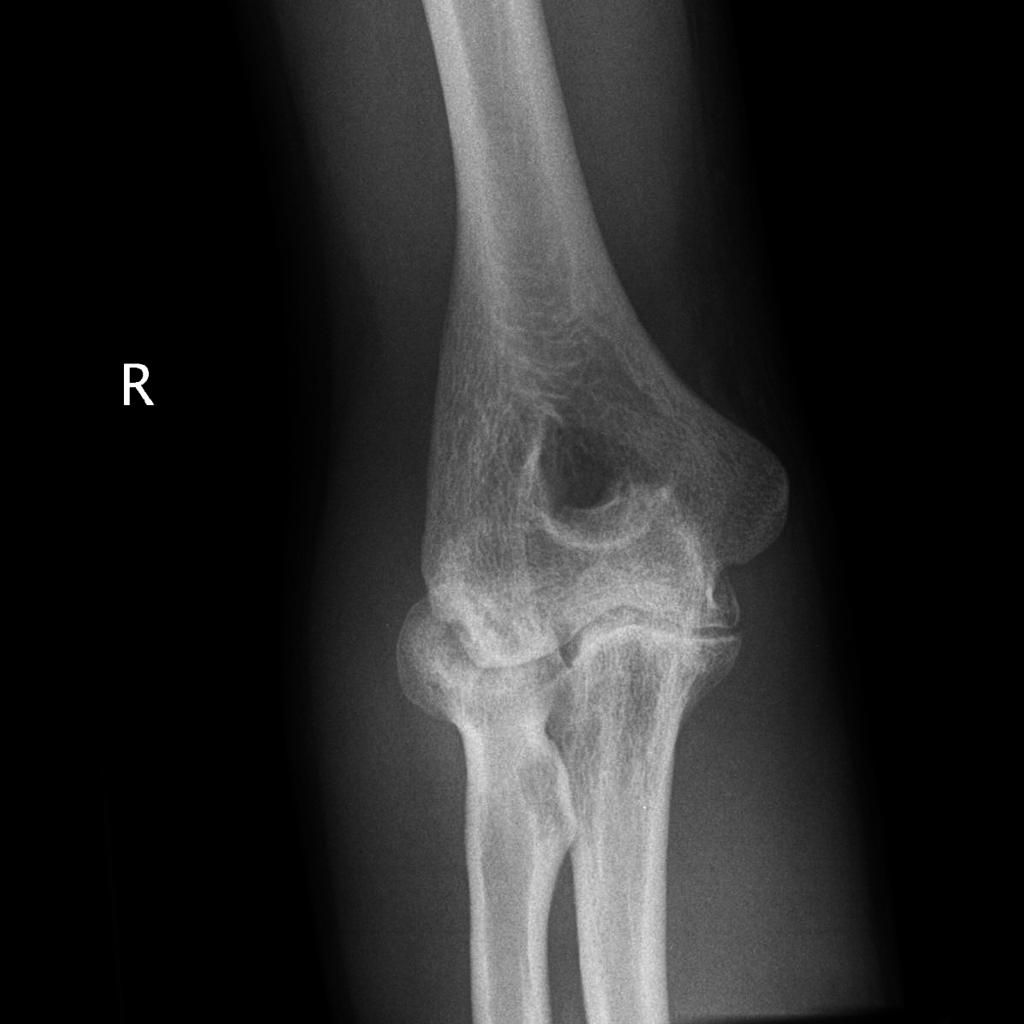
- Plain X-rays — often normal early; juxta-articular erosions in longstanding cases; no calcification
- MRI (diagnostic imaging of choice) — characteristic low signal on T1 and T2 due to haemosiderin; villous projections; blooming artefact on GRE sequences; bone erosions
- Ultrasound — nodular synovial masses; guides biopsy
- Arthroscopy with biopsy — definitive: brown or yellow-brown villous synovium; histology confirms diagnosis
- Histological confirmation — MANDATORY before treatment; differentiate from synovial sarcoma
- CT scan — bone erosion extent and 3D anatomy planning

Treatment Options
Treatment Type | Details |
Arthroscopic Synovectomy (Focal Type) | Excision of localised nodule; day-case; very low recurrence <10%; specimen for histology and molecular analysis |
Arthroscopic Synovectomy (Diffuse Type) | Thorough anterior and posterior arthroscopic synovectomy; combined approach for complete excision; recurrence rate 25–45% |
Open Synovectomy | For diffuse PVNS inaccessible arthroscopically; higher recurrence risk but more complete excision possible |
Adjuvant Radiotherapy | For recurrent diffuse PVNS or significant residual disease; 30–40 Gy to joint; reduces recurrence risk |
CSF1R Inhibitor Therapy (Pexidartinib) | Targeted molecular therapy for unresectable or multiply recurrent diffuse PVNS; significant tumour regression in ~40%; hepatotoxicity risk |
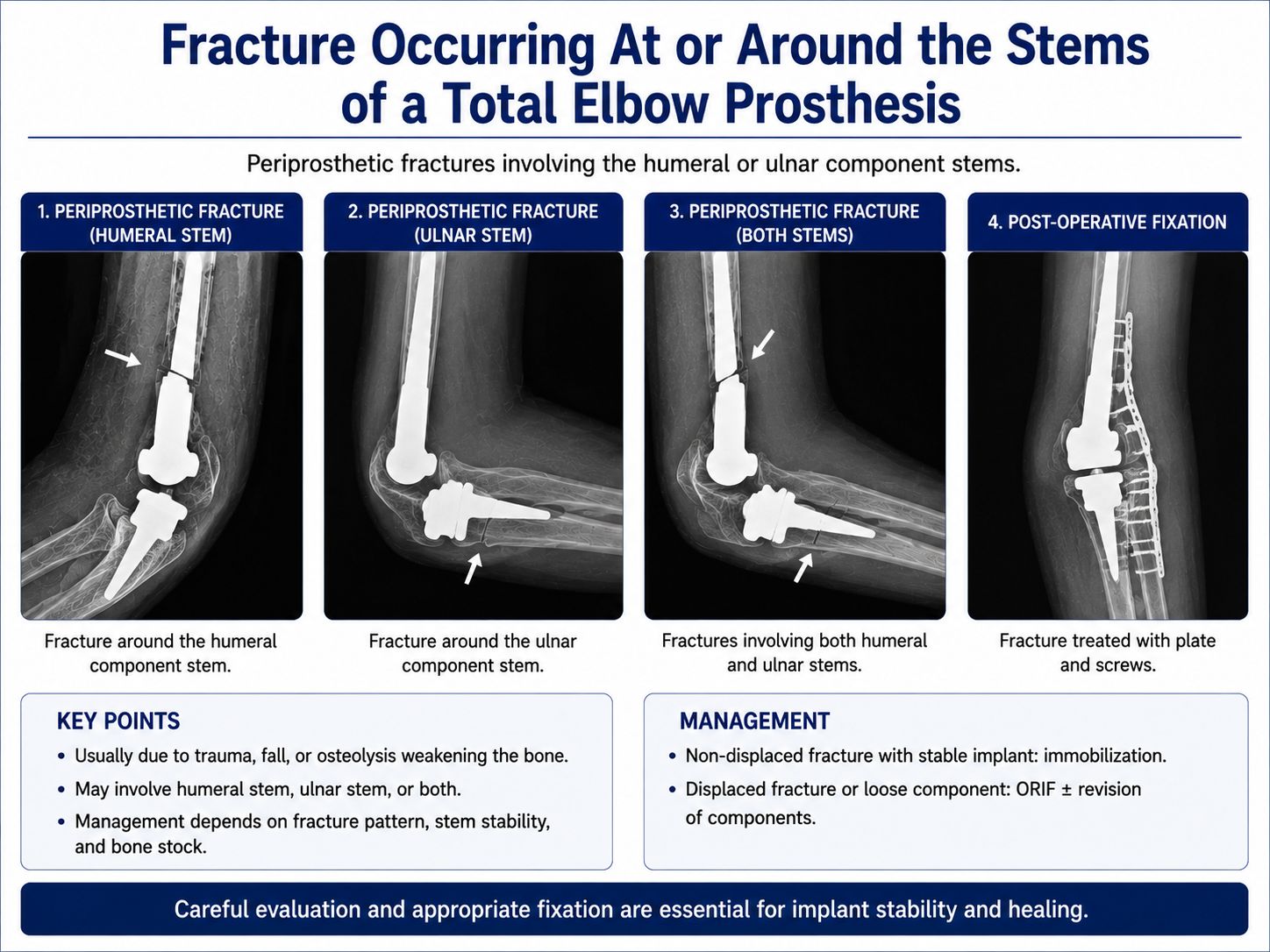
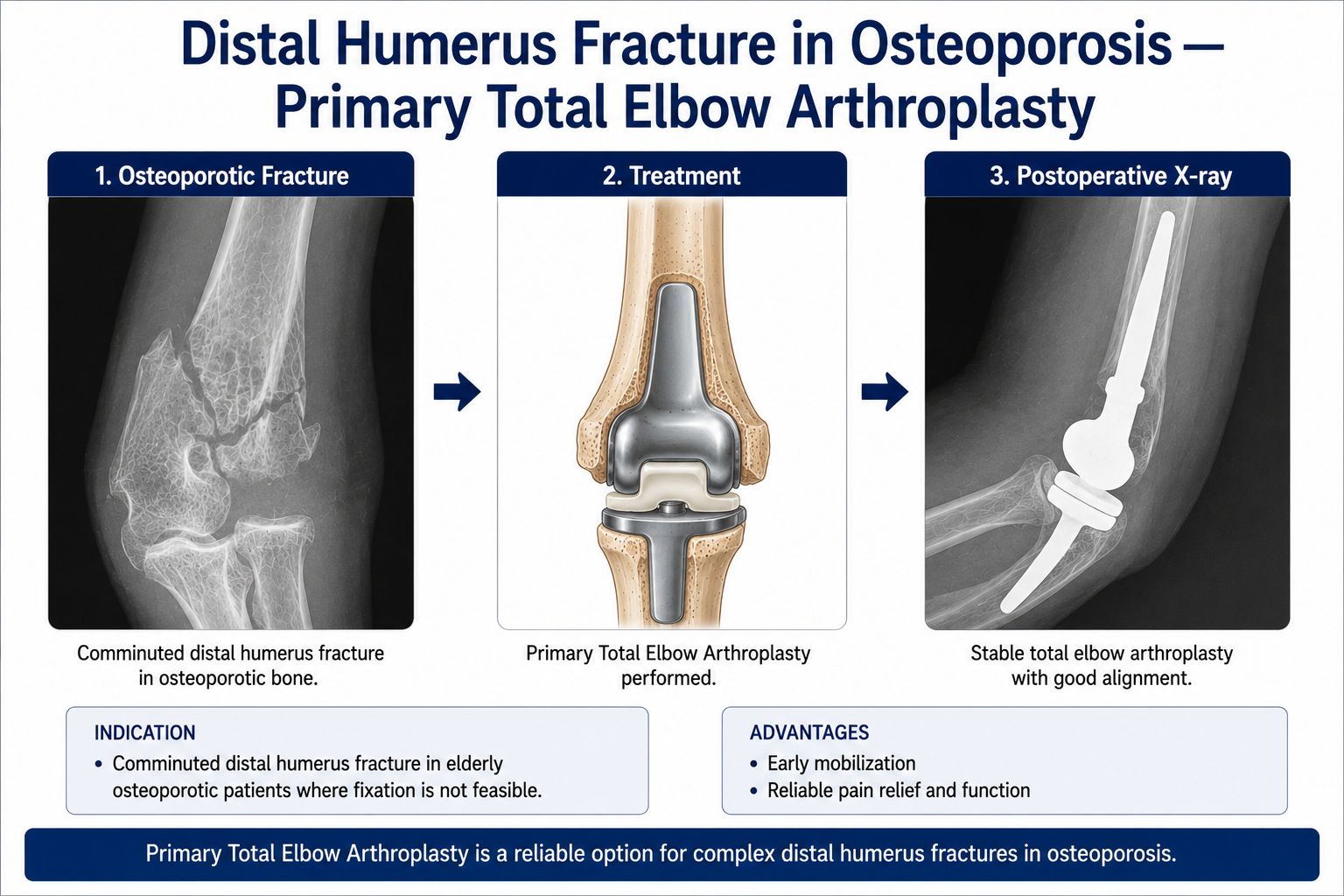
Total Elbow Arthroplasty | For end-stage joint destruction from long-standing aggressive PVNS; combined with synovectomy |
Recovery & Rehabilitation
- Focal PVNS: excellent prognosis; surgery curative >90% of cases; physiotherapy post-op; MRI surveillance at 1 and 3 years
- Diffuse PVNS: guarded prognosis; recurrence in 25–45%; close MRI surveillance at 6 months, 1 year, and annually thereafter
- After arthroscopic synovectomy: day-case or overnight; immediate ROM exercises; return to activities 4–6 weeks
- Recurrence management: repeat synovectomy; adjuvant radiation; consideration of pexidartinib; multidisciplinary sarcoma team discussion
Why choose Dr Senthilvelan?
PVNS is a rare condition that benefits from expert surgical management. Dr Senthilvelan performs thorough arthroscopic and open synovectomy for elbow PVNS, with access to MIOT International’s pathology, oncology, and radiation therapy facilities. Complex or recurrent cases are discussed at multidisciplinary sarcoma meetings.
Frequently Asked Questions
1. Is PVNS cancer?
No — PVNS (tenosynovial giant cell tumour) is benign. It does not spread to other parts of the body and does not invade vital structures beyond the local joint. However, the diffuse form is locally aggressive — it can erode into the bone around the joint and has a high tendency to recur after surgery. Rare malignant transformation has been reported but is extremely uncommon.
2. Why does PVNS keep coming back after surgery?
Diffuse PVNS is driven by a molecular abnormality (overexpression of CSF1) in the synovial cells. Even after a thorough synovectomy, residual microscopic disease can re-grow — particularly in areas technically difficult to access surgically. This explains the 25–45% recurrence rate. Complete excision at the first operation, possibly with adjuvant radiotherapy in high-risk cases, offers the best chance of lasting disease control.
3. How is PVNS diagnosed — do I need a biopsy?
Histological confirmation by biopsy is mandatory before definitive treatment. The MRI appearance is highly characteristic but other conditions — including synovial sarcoma (a rare malignant tumour) — must be definitively excluded. At MIOT International, arthroscopic synovectomy with concurrent biopsy is the preferred approach, combining diagnosis and initial treatment in a single procedure.
4. I have been told I might need radiation after my PVNS surgery — is this safe?
Adjuvant radiotherapy (30–40 Gy delivered to the joint) significantly reduces the risk of PVNS recurrence in diffuse-type disease, particularly after incomplete excision or in patients with a second recurrence. The long-term risks include radiation-induced fibrosis, skin changes, and a very small increased risk of radiation-associated malignancy over decades. The decision is made on a case-by-case basis in a multidisciplinary setting.
5. Are there any new treatments for PVNS that do not require surgery?
Yes — pexidartinib (Turalio), a CSF1R inhibitor, is now approved in the US and Europe for adults with symptomatic, advanced tenosynovial giant cell tumour not amenable to surgery. It causes significant tumour shrinkage in approximately 40% of patients and is administered orally. It carries a risk of serious hepatotoxicity requiring monitoring. It is used under oncology supervision and is reserved for unresectable or multiply recurrent disease, not as an alternative to surgery in operable cases.