Overview
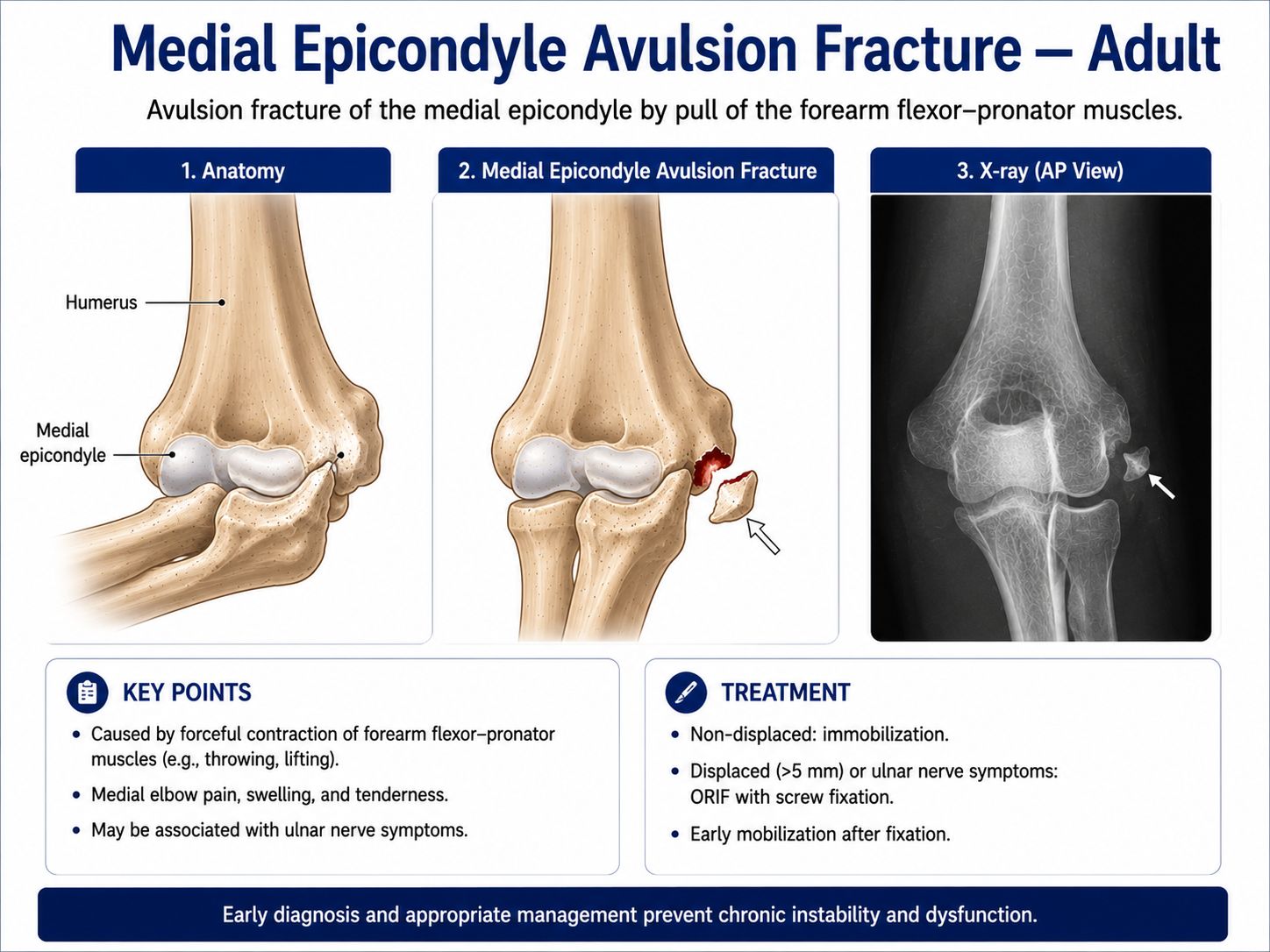
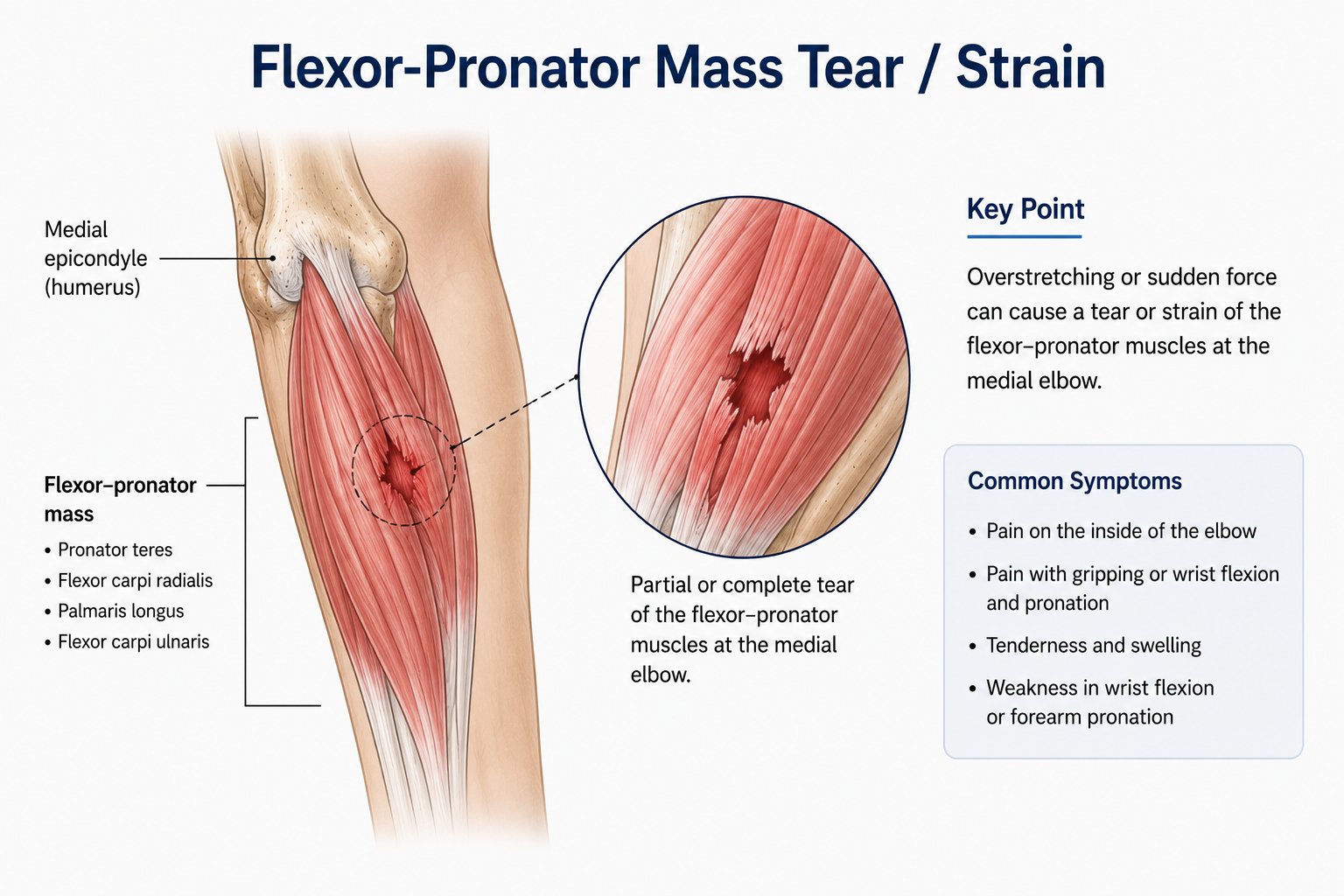
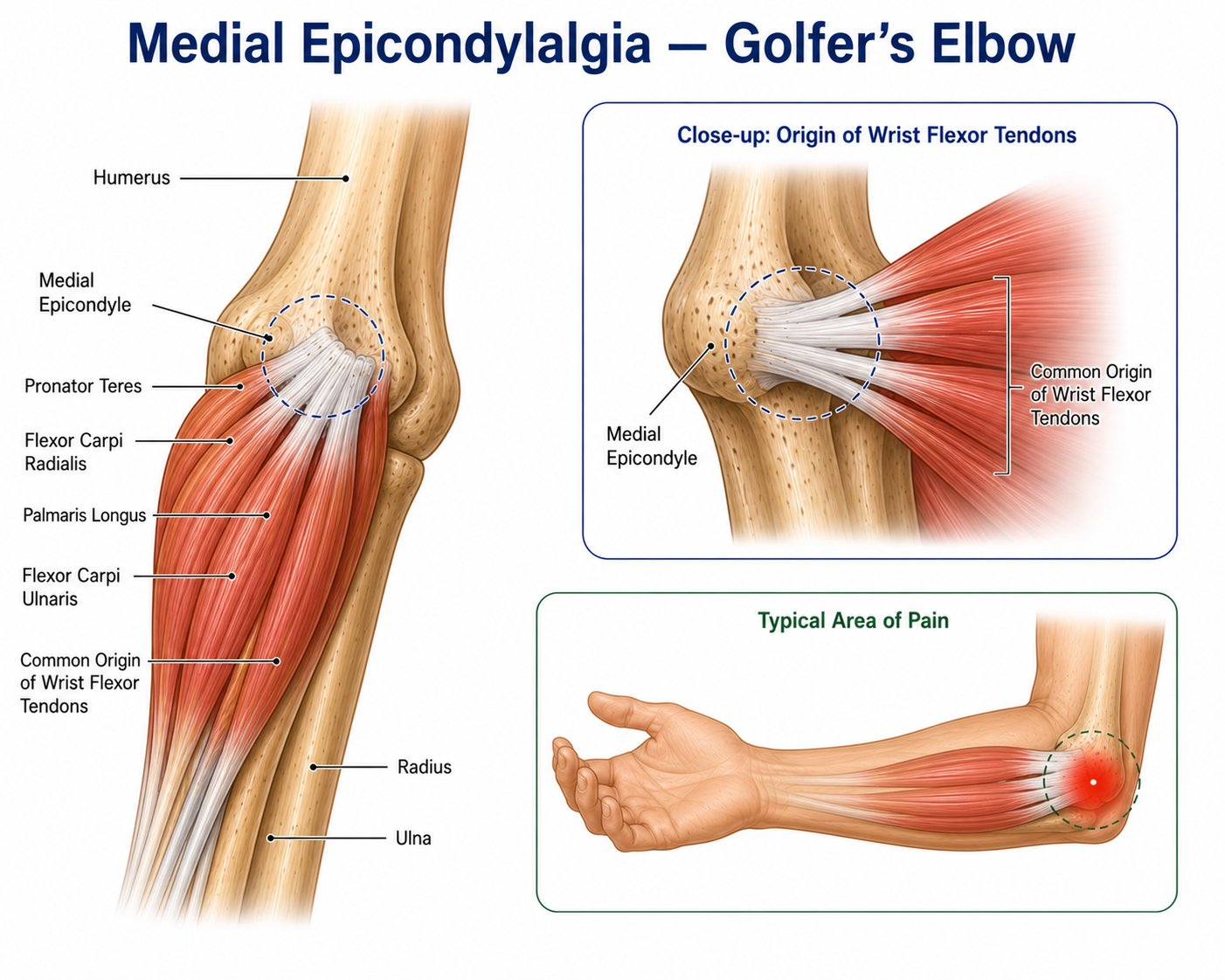
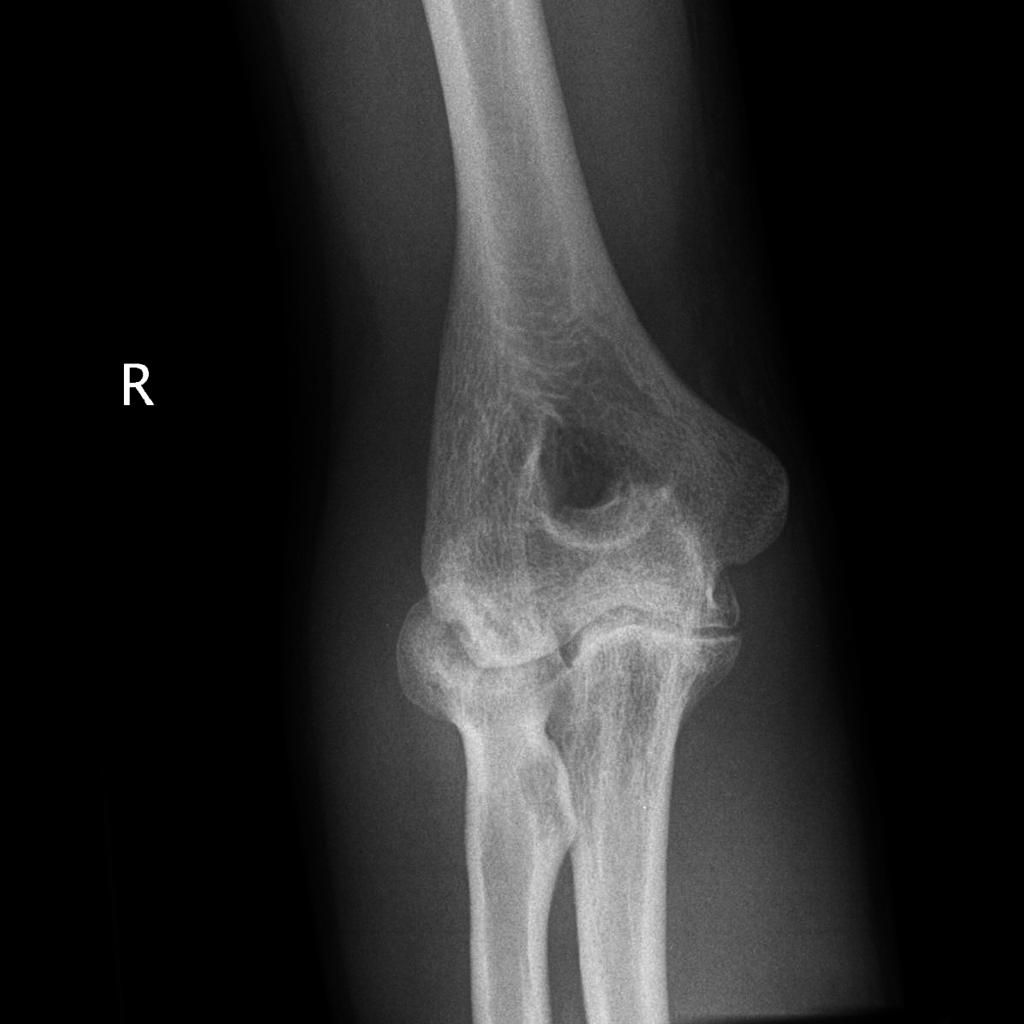
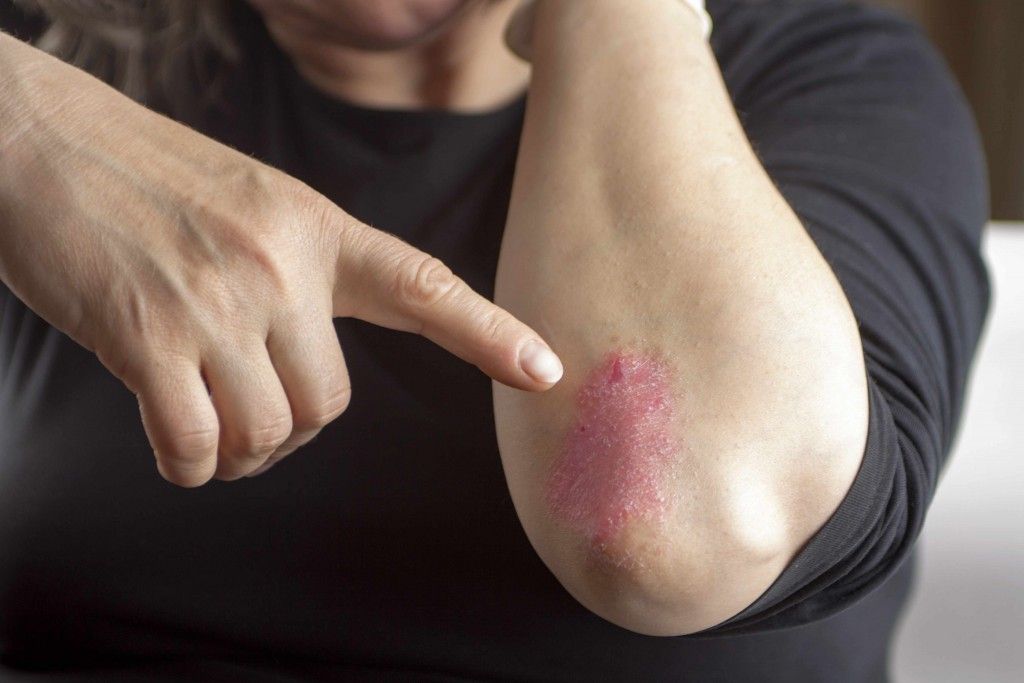
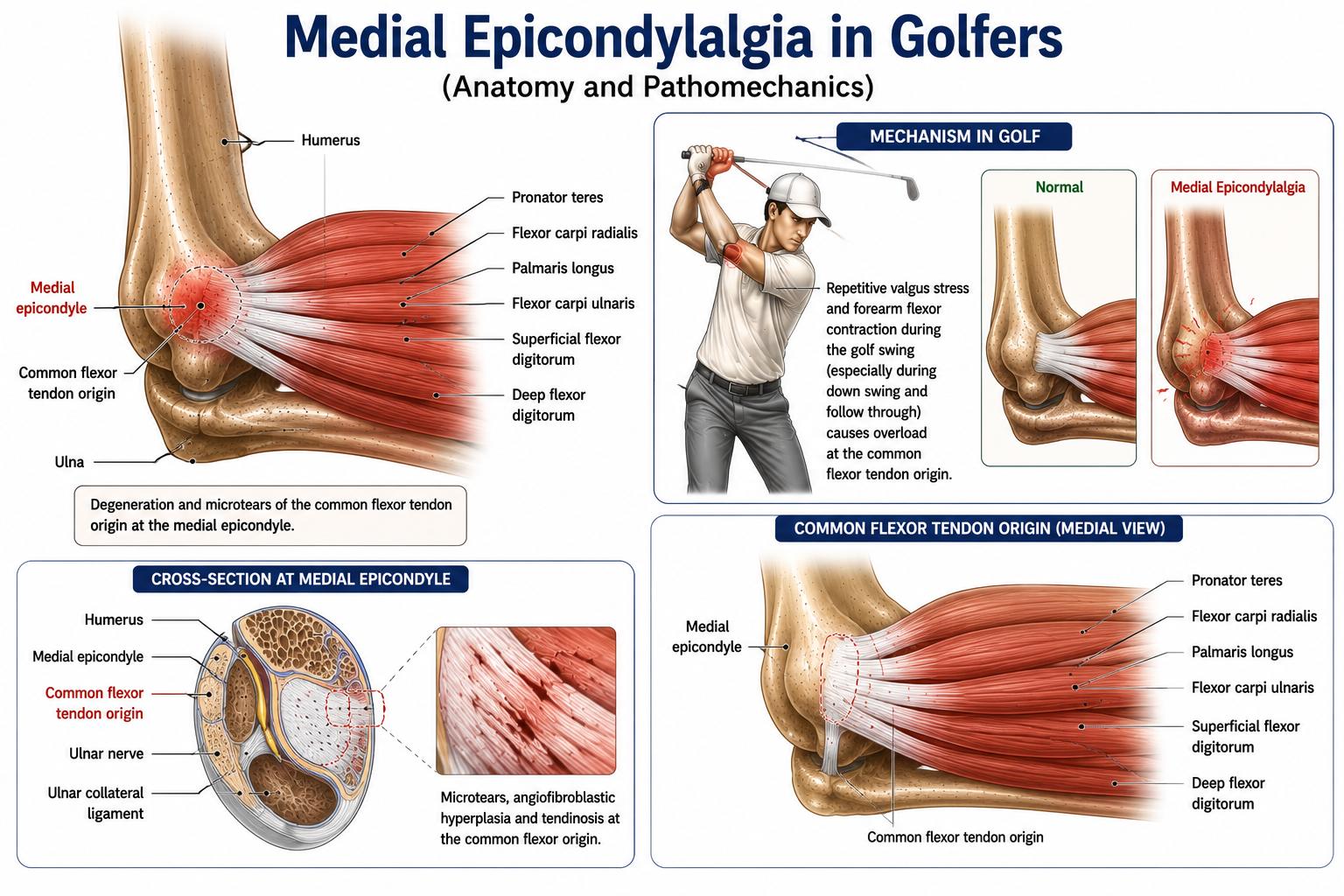
Medial epicondylalgia (golfer’s elbow) in golfers and overhead athletes is an angiofibroblastic tendinopathy of the common flexor-pronator origin at the medial epicondyle — the same degenerative pathology as lateral epicondylalgia but on the medial side. In golfers, the condition is driven by the mechanical loading of the wrist flexors and forearm pronators during the golf swing — particularly during the downswing and impact phases when maximum forearm pronation and wrist flexion torques are generated.
The condition in golfers has several distinct features compared to the general population: the swing mechanics are the primary modifiable risk factor; the trailing arm (typically the right arm in right-handed golfers) is more affected due to the wrist flexion and pronation demands of impact; and the management must integrate swing biomechanics modification alongside the standard tendinopathy treatment pathway.
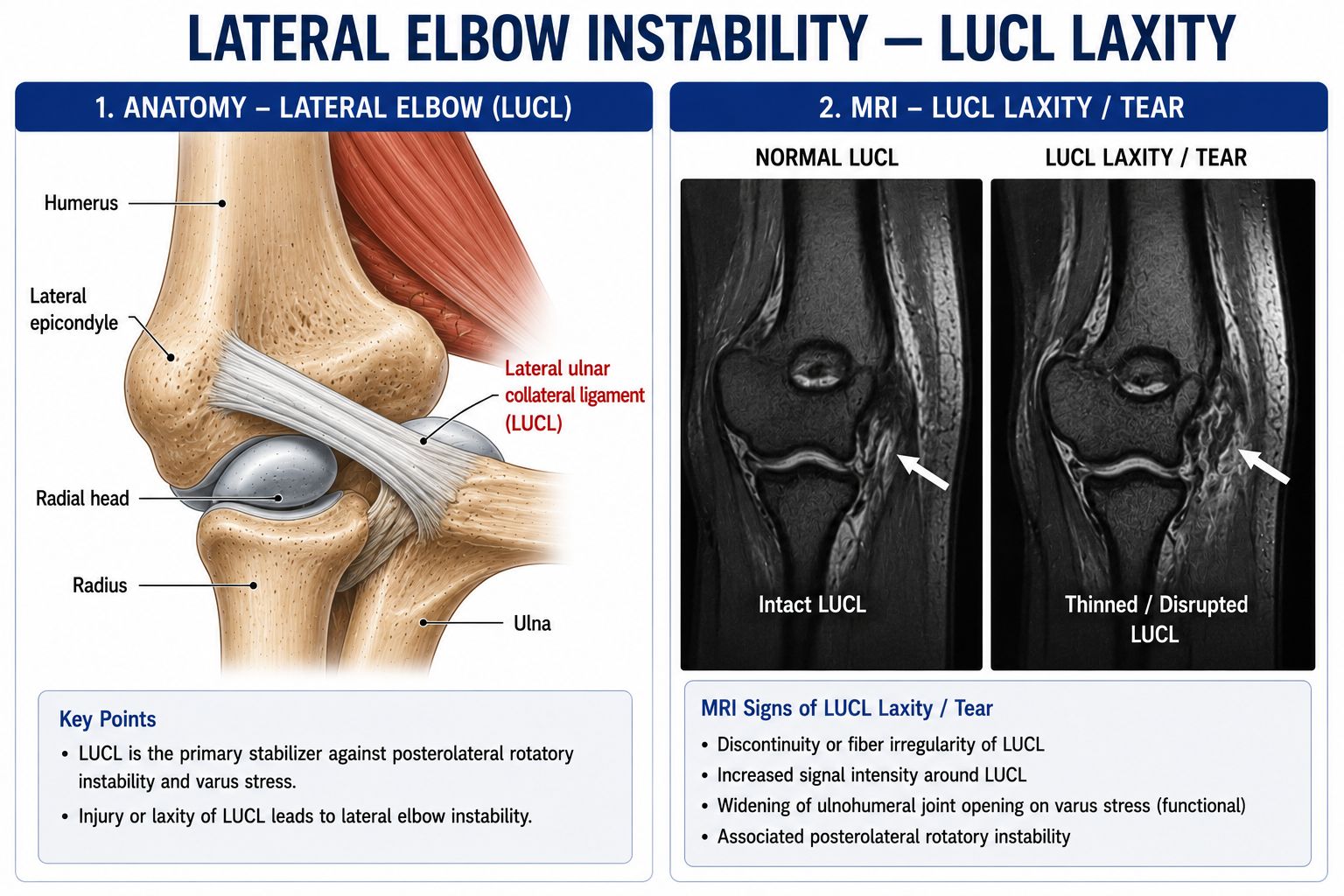
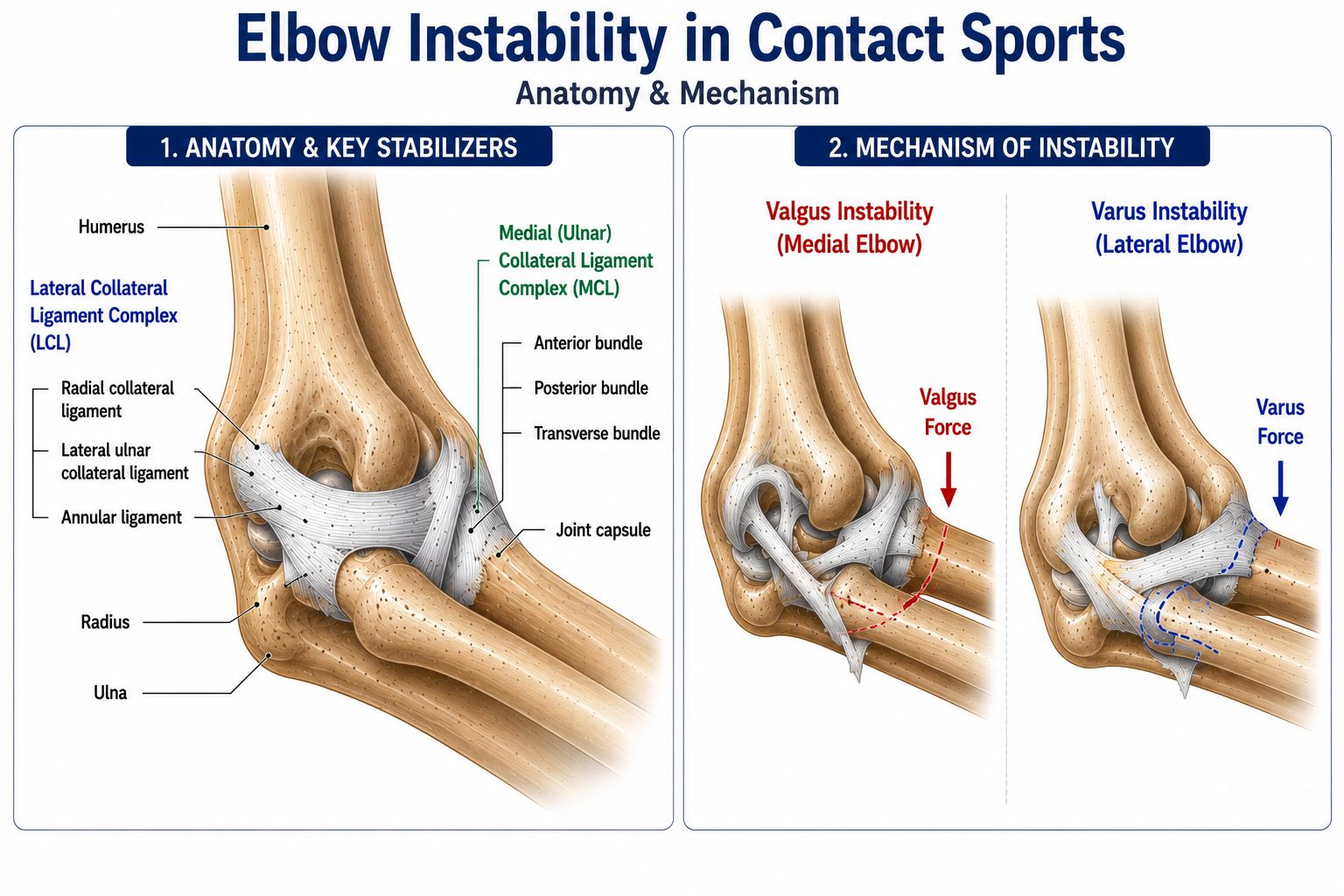
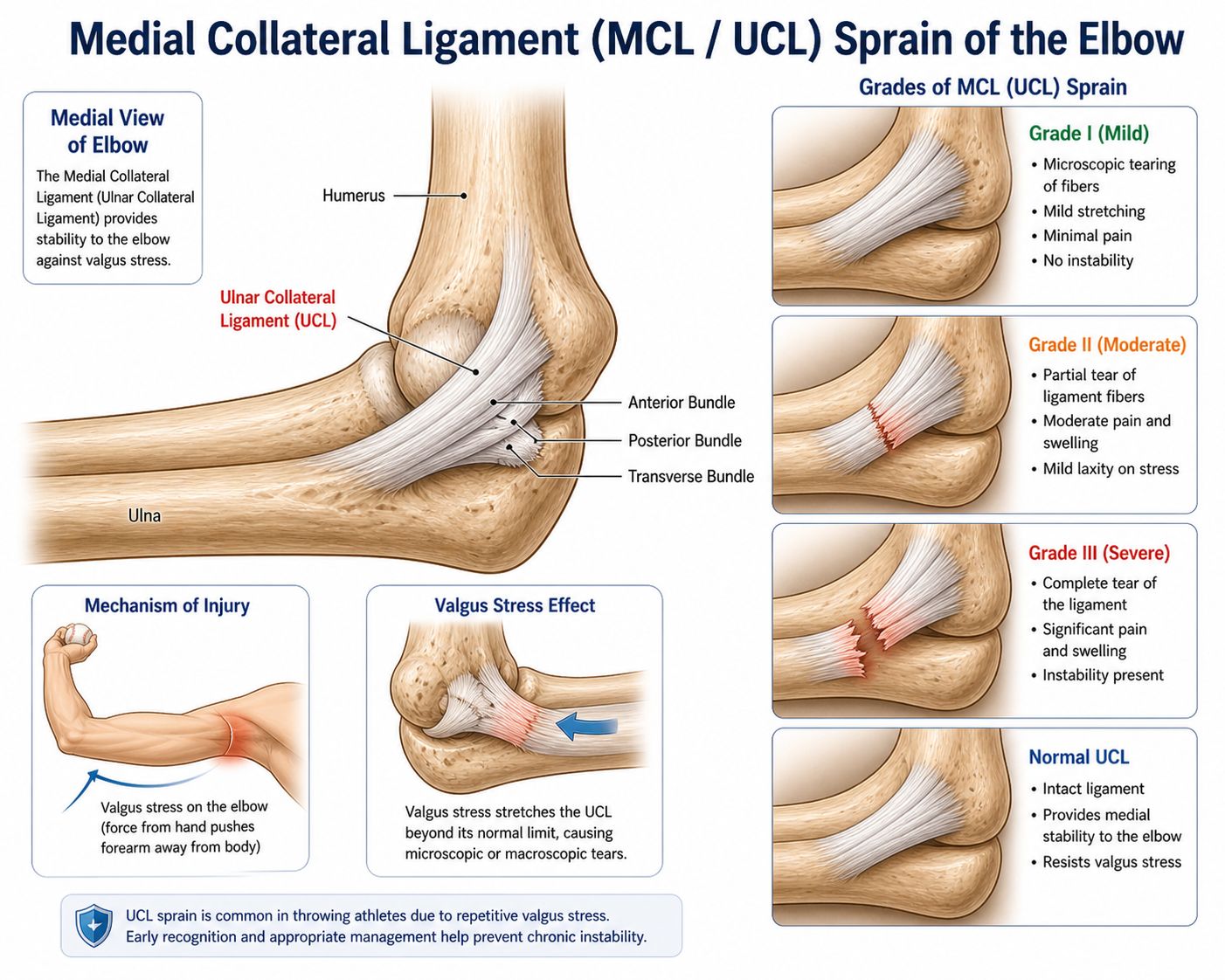
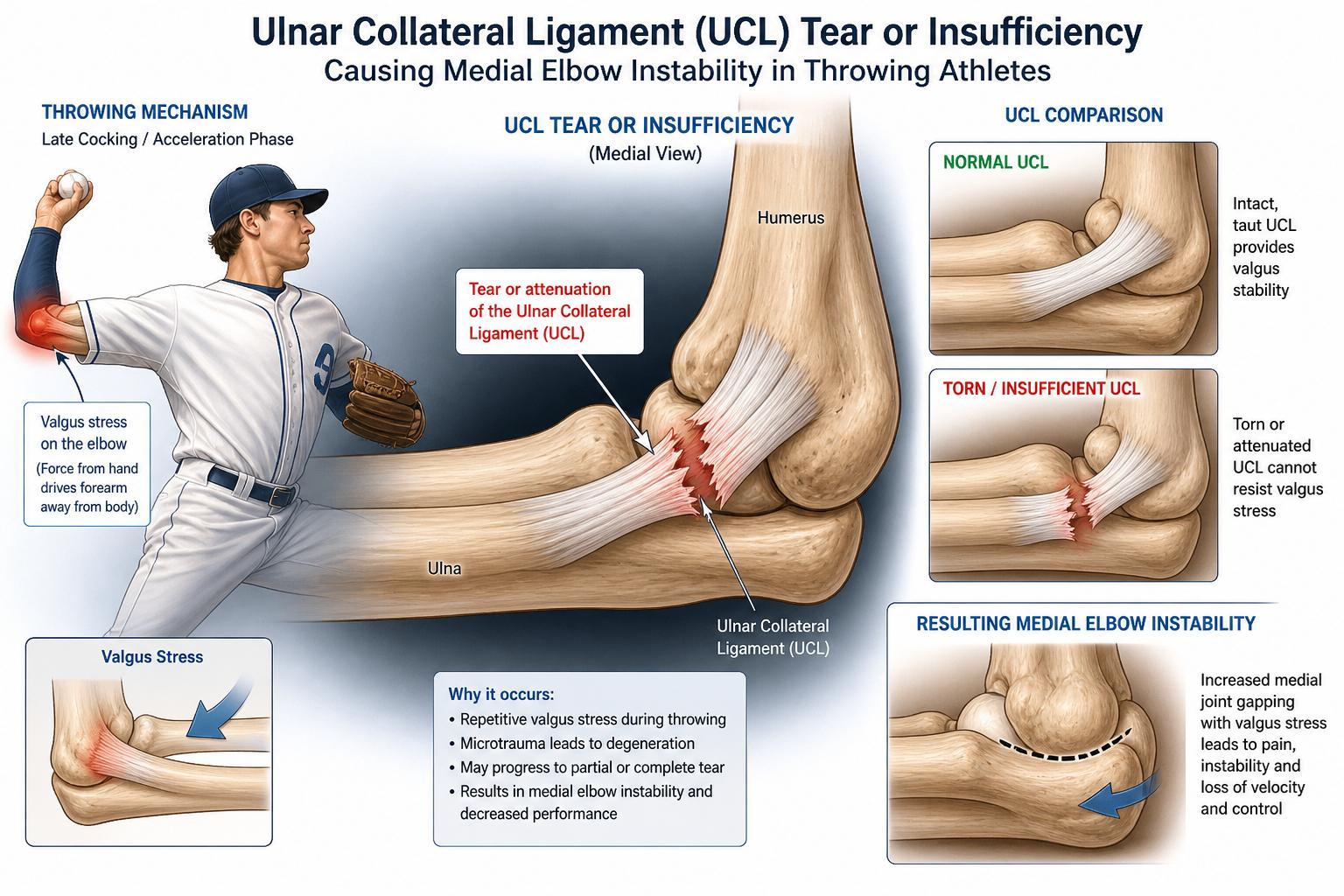
A critical clinical consideration is the concurrent assessment for UCL insufficiency and cubital tunnel syndrome — both of which can coexist with medial epicondylalgia in golfers and throwing athletes. Failure to identify these concurrent conditions leads to incomplete treatment and persistent symptoms despite technically correct tendinopathy management.
Quick Facts | Details |
Also Known As | Golfer’s Elbow, Medial Epicondylitis — Golf, Flexor-Pronator Tendinopathy — Athlete |
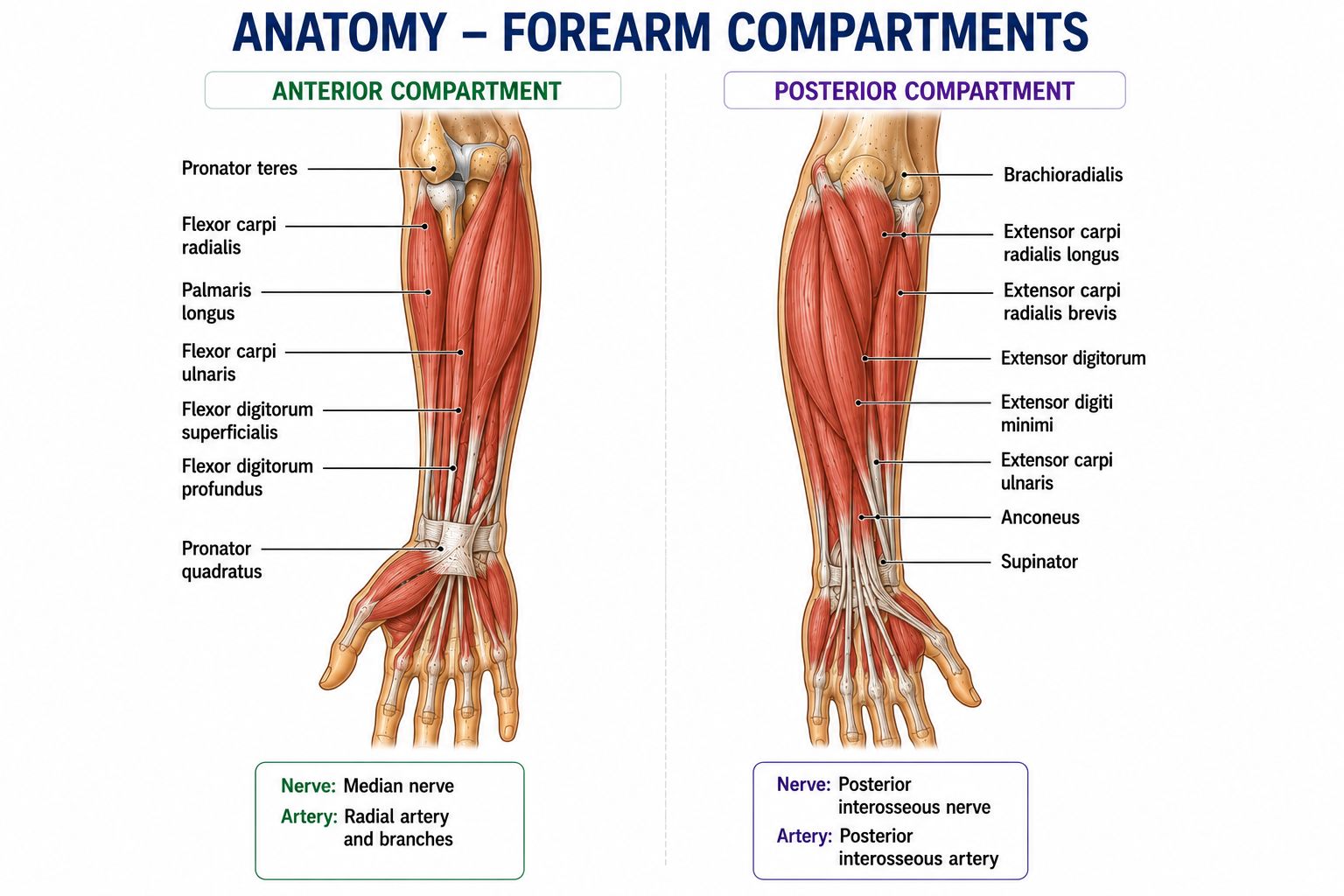
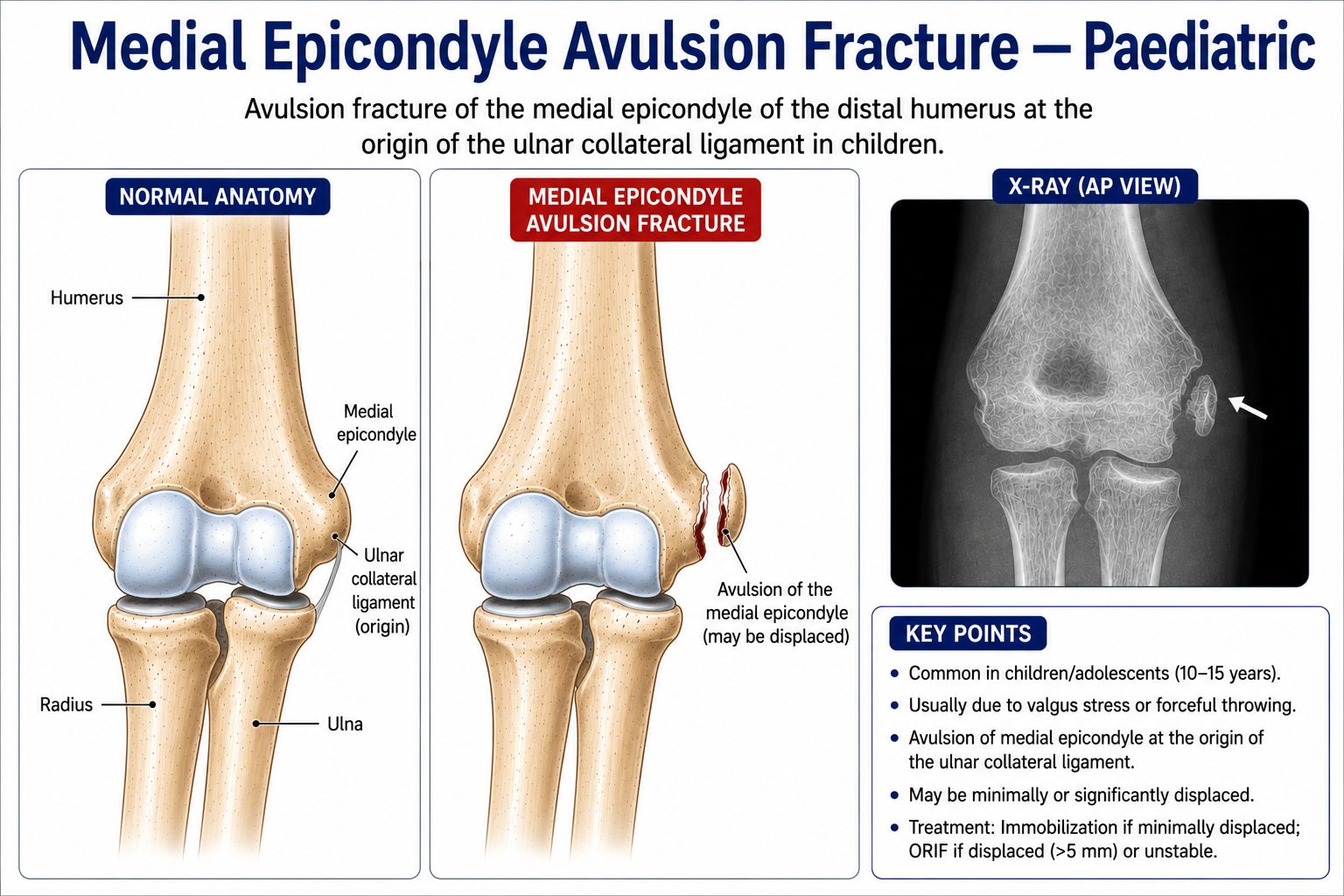
Affected Area | Common flexor-pronator origin at the medial epicondyle — primarily pronator teres and flexor carpi radialis; adjacent to the UCL and ulnar nerve |
Who It Affects | Golfers (all handicap levels); overhead sport athletes; manual workers performing repetitive wrist flexion and forearm pronation; affects both recreational and professional golfers; the trailing arm (right arm in right-handed golfer) is typically affected |
Prevalence | Affects approximately 35% of golfers at some point; the most common elbow injury in golf; significantly more common in golfers with high handicaps (suboptimal mechanics) than professional players; also seen in rock climbers, baseball players, and weightlifters |
Treatment | Swing technique modification; wrist flexor stretching and strengthening; ultrasound-guided corticosteroid or PRP injection; surgical common flexor origin release (with UCL protection) if 12+ months refractory; concurrent assessment for cubital tunnel syndrome |
Causes & Risk Factors
- Golf swing mechanics — the downswing and impact phases generate maximum flexor-pronator loading; faults such as “casting” (releasing the wrist angle early), overactive leading wrist, or scooping at impact dramatically increase medial elbow load
- Repetitive pronation and wrist flexion — any sport or occupation requiring these movements: throwing sports, climbing, weight training (barbell rows, curls)
- Grip pressure — excessive grip pressure throughout the swing increases constant flexor-pronator activation
- Golf equipment — grips that are too thin (promote over-gripping); clubs that are too heavy
- Sudden increase in golf volume — taking up golf or dramatically increasing round frequency without a conditioning period
- Age-related tendon degeneration — the flexor-pronator origin degenerates similarly to the extensor origin; more prevalent after age 35
Symptoms
- Medial elbow pain — at the medial epicondyle; provoked by the golf swing, particularly at impact
- Pain during the downswing or at impact — well-localised to the inner elbow; the athlete may describe pain “at the bottom of the swing”
- Tenderness over the medial epicondyle — 1–2cm distal to the epicondyle over the CFO
- Pain with resisted wrist flexion and forearm pronation — reproduces the pain
- Reduced grip strength and endurance — difficulty completing a full round without pain
- Ulnar nerve tingling — in ring and little fingers; suggests concurrent cubital tunnel involvement
- Morning stiffness — aching and stiffness at the medial elbow after rest
How is it Diagnosed?
- Clinical examination — medial epicondyle tenderness; resisted wrist flexion and forearm pronation provocation; distinguish from UCL tenderness (valgus stress test); check cubital tunnel (Tinel, elbow flexion test); ulnar nerve motor and sensory testing
- Golf swing video analysis — assess downswing mechanics; identify “casting”, early release, scoop impact, and grip pressure; this is a sport-specific diagnostic tool that directly informs treatment
- Ultrasound — hypoechoic tendinopathy at the CFO; Doppler neovascularity; guides injection
- MRI — T2 signal changes in CFO; concurrent UCL signal; medial elbow cartilage assessment
- EMG/NCS — if concurrent cubital tunnel syndrome symptoms are present

Treatment Options
Treatment Type | Details |
Golf Swing Modification (First-Line) | Professional golf coaching assessment and correction: eliminate “casting” (premature wrist release); maintain wrist lag; reduce grip pressure; strengthen hip and trunk rotation to reduce arm-dominant mechanics; swing modification is the primary long-term prevention strategy |
Equipment Assessment | Grip size optimisation; softer grip material (reduces vibration transmission); appropriate club weight and flex; these changes are often the most practical immediate intervention |
Physiotherapy — Eccentric Programme | Eccentric wrist flexion and pronation loading; flexibility training; periscapular and rotator cuff conditioning to offload the medial elbow; 6–12 weeks |
Corticosteroid Injection | Ultrasound-guided peritendinous injection at the CFO; CAUTION: proximity to UCL and ulnar nerve — must be precisely placed; maximum 3 injections; provides 4–8 weeks of relief; does not address underlying tendinopathy |
PRP Injection | Ultrasound-guided PRP into the degenerate CFO zone; preferred for chronic tendinopathy; 6–12 weeks of modified golf (no full swings) after injection; superior long-term outcomes |
Surgical CFO Release | For truly refractory cases (12+ months despite PRP and swing correction); open medial approach; identify and protect MABC nerve, ulnar nerve, and UCL throughout; excise degenerate tendon tissue; preserve the anterior UCL band; do not exceed 50% of the flexor-pronator width in the release; day-case procedure |
Address Concurrent Pathology | Cubital tunnel syndrome concurrent with golfer’s elbow: in-situ release or transposition at the same operative setting; UCL insufficiency: assess and manage accordingly |
Recovery & Rehabilitation
- Conservative: most resolve within 12–18 months with swing modification + eccentric physiotherapy (slower resolution than tennis elbow)
- PRP injection: 6–12 weeks of modified golf; return to full swing at 12 weeks if pain-free; maintenance programme continues
- After surgical CFO release: sling 48 hours; physiotherapy from week 1; return to putting and chipping 6 weeks; return to full swing 3–4 months; maintain swing correction
- Long-term: swing modification must be maintained as an ongoing practice — reverting to the original mechanics will cause recurrence
- Recurrence: most common when swing faults are not corrected or eccentric programme discontinued prematurely
Why choose Dr Senthilvelan?
Golfer’s elbow in the sports context requires integration of clinical treatment with sport-specific swing analysis and equipment assessment. Dr Senthilvelan combines targeted tendinopathy management (PRP, rehabilitation) with concurrent assessment for UCL and cubital tunnel involvement, ensuring the full medial elbow picture is addressed.
Frequently Asked Questions
1. Which arm does golfer's elbow typically affect in golfers?
In right-handed golfers, the medial elbow of the right (trailing) arm is most commonly affected, because this is the arm that generates wrist flexion and forearm pronation at impact. The right arm’s wrist snap and pronation through impact places the greatest load on the right medial epicondyle. However, the leading arm (left in right-handed golfers) can also be affected, particularly if the swing mechanics involve excessive leading-arm wrist flexion or if the leading elbow is forced into a hyperextended position through impact.
2. What swing faults cause golfer's elbow?
The two most important swing faults are: (1) “casting” — the premature release of the wrist angle during the downswing, which turns what should be a lag-loaded powerful swing into an arm-slapping motion that loads the medial elbow; and (2) the “scoop” — attempting to lift the ball at impact by flexing the wrist rather than allowing the club to naturally descend. Both faults increase the dynamic load through the common flexor-pronator origin. A PGA professional coaching assessment can identify these faults and guide their correction far more effectively than any treatment without swing modification.
3. I have golfer's elbow and also numbness in my ring and little fingers — are they connected?
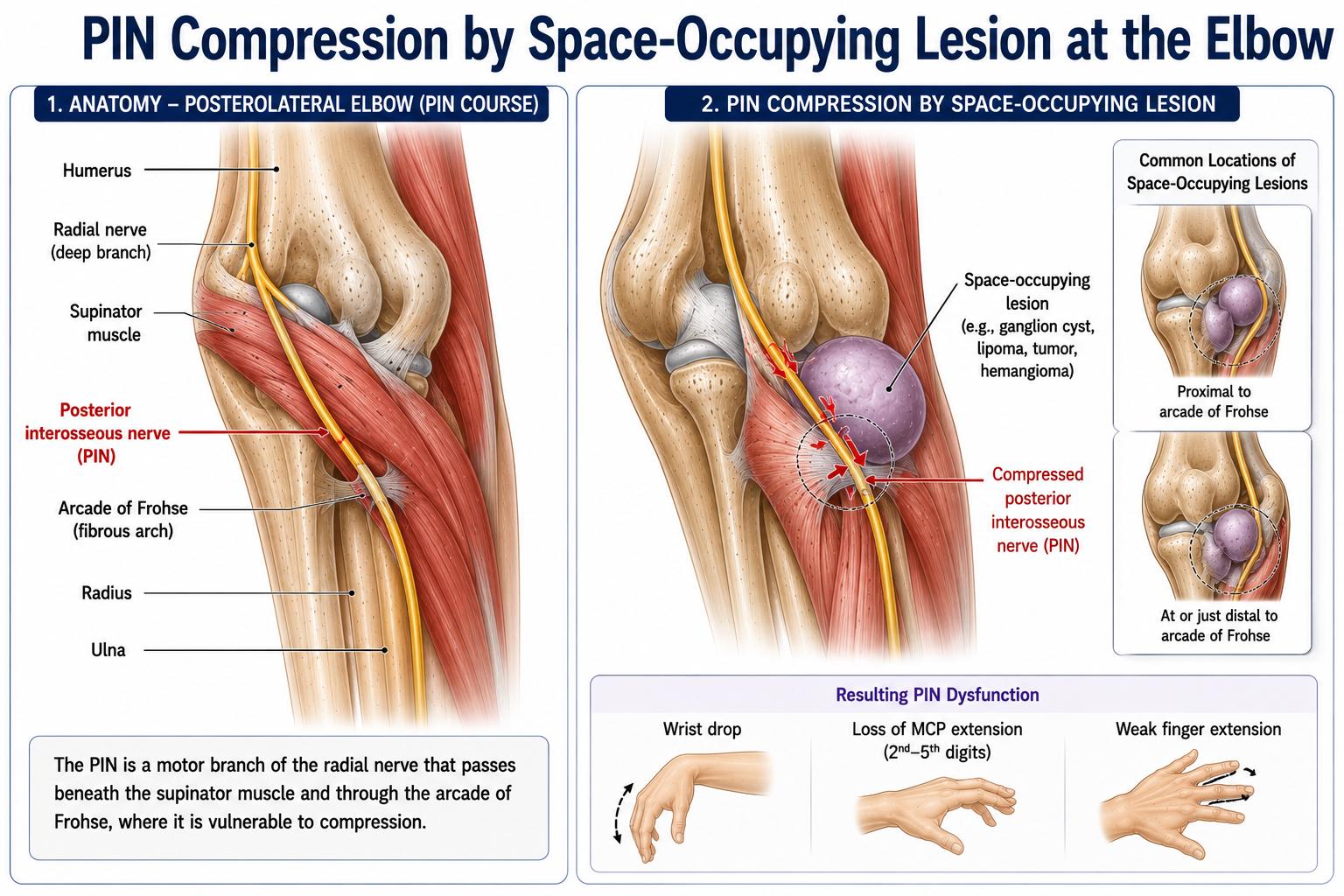
Very possibly — the combination of medial epicondyle pain and ring/little finger tingling suggests concurrent cubital tunnel syndrome (ulnar nerve compression at the elbow). The ulnar nerve runs in the cubital tunnel immediately behind the medial epicondyle, adjacent to the common flexor-pronator origin. The same repetitive medial elbow loading that causes the tendinopathy can also irritate the ulnar nerve. Assessment and treatment of both conditions simultaneously is important — treating only the tendinopathy while ignoring the nerve compression will produce incomplete results.
4. Is surgery for golfer's elbow safe near the UCL?
Yes — but it requires specific expertise. The UCL attaches to the medial epicondyle immediately deep to the common flexor-pronator origin, and surgical release of the flexor-pronator must not violate the UCL. The standard technique limits the release to the anterior and posterior aspects of the CFO, preserving the anterior UCL band in the middle. In experienced hands, this can be performed safely. Surgeons unfamiliar with the medial elbow anatomy risk inadvertent UCL damage — which would cause medial instability. This is why specialist elbow surgery expertise is important for this procedure.
5. How long before I can play golf after golfer's elbow surgery?
Putting and chipping (low-force swing movements) can typically begin at 6 weeks after recovery from the surgical release. The half-swing can be introduced at 8–10 weeks. Full-power swings return at 3–4 months with a graduated programme. Return to competitive golf typically takes 4–6 months. Importantly, the swing modification programme must be integrated into the return-to-golf protocol — returning to the old swing mechanics will cause recurrence even after technically successful surgery.