Overview
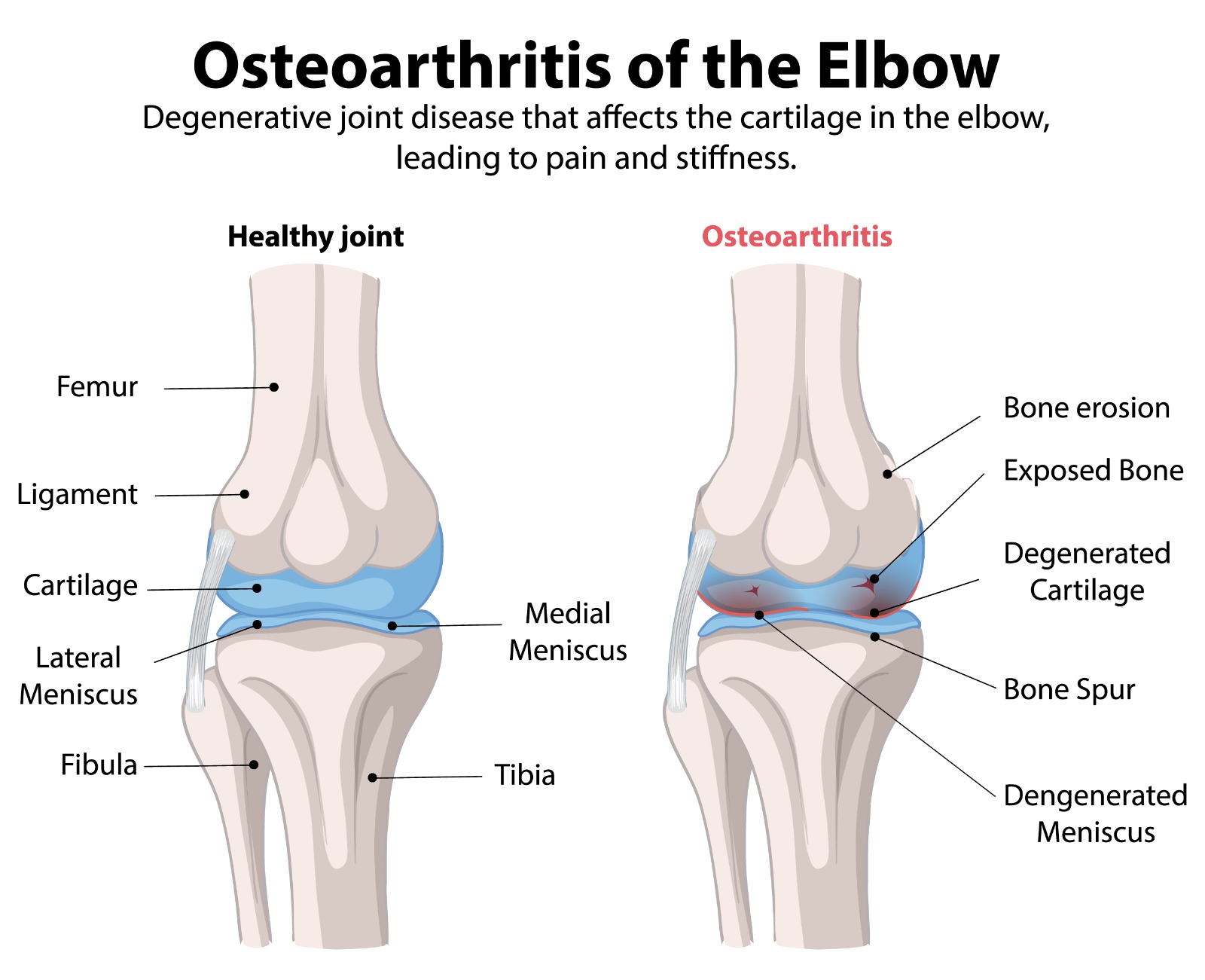
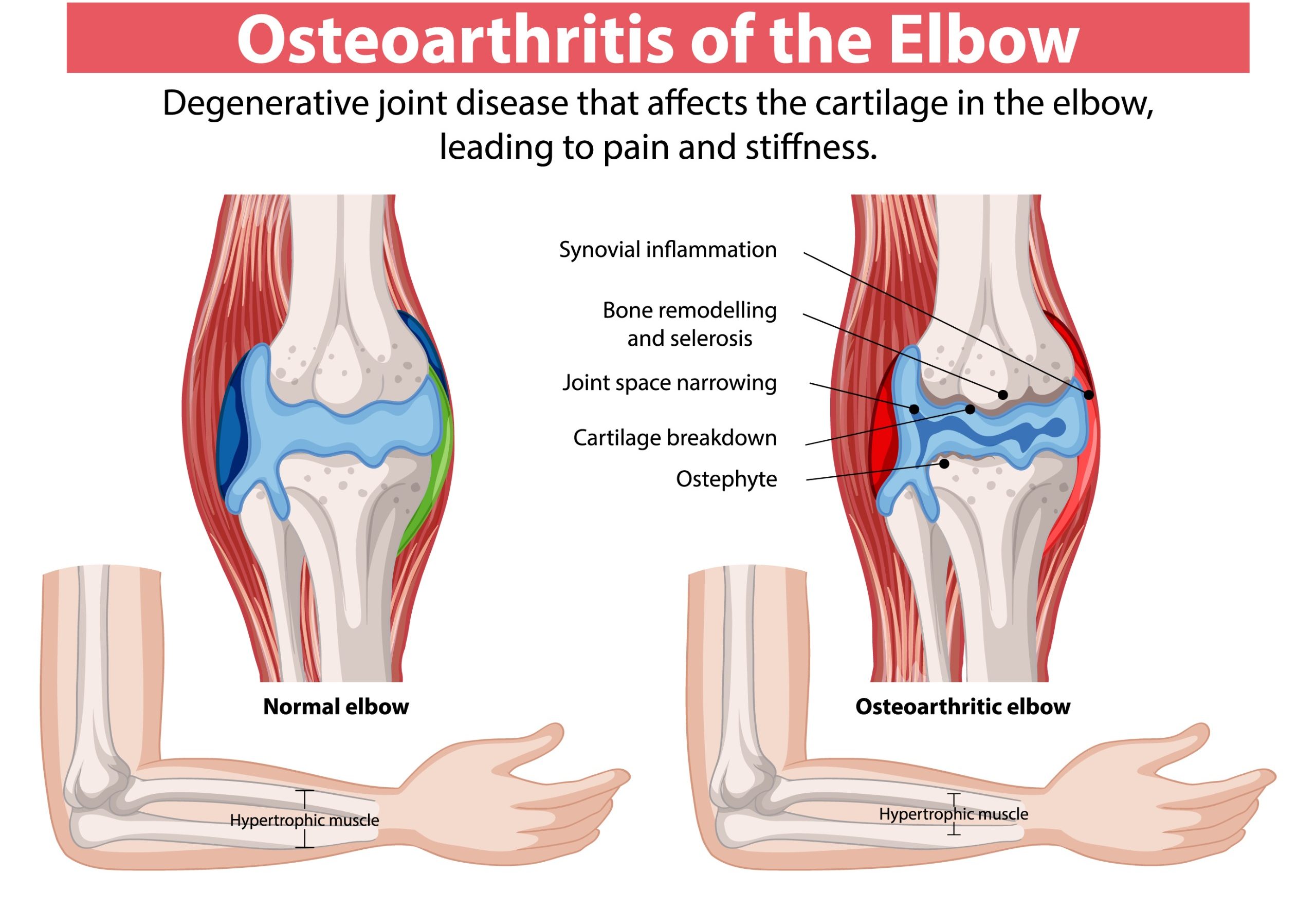
Primary osteoarthritis of the elbow is a degenerative joint condition caused by the gradual wear and breakdown of the articular cartilage — the smooth protective covering on the ends of the bones that form the elbow joint. Unlike secondary (post-traumatic) osteoarthritis, primary OA occurs without a preceding injury and is associated with prolonged mechanical loading of the joint.
The elbow is less commonly affected by primary OA than the hip or knee, but when it does occur it can be significantly disabling — particularly in patients who rely on their arms for work or sport. The hallmark features are loss of the full extension arc of the elbow, pain at the extremes of movement, and the formation of osteophytes (bony spurs) around the joint margins.
Dr Senthilvelan Rajagopalan offers a full range of treatments from conservative management through to the highly specialised Outerbridge-Kashiwagi arthroscopic procedure and, where necessary, total elbow replacement for end-stage disease.
Quick Facts | Details |
Also Known As | Elbow OA, Degenerative Elbow Joint Disease |
Affected Area | Ulnohumeral and radiocapitellar joints of the elbow |
Who It Affects | Middle-aged to elderly adults; more common in men; heavy manual workers and overhead athletes |
Prevalence | 2–3% of the general population; more common than previously recognised |
Treatment | Conservative first (physio, NSAIDs, injections); Arthroscopic débridement; Total Elbow Arthroplasty for end-stage disease |
Causes & Risk Factors
- Prolonged mechanical loading — heavy manual labour, repetitive lifting, overhead work over many years
- Male sex — elbow OA is 4× more common in men than women
- Dominant arm involvement — the working arm is affected more frequently
- Age-related cartilage degeneration — accelerating after the fifth decade
- Genetic predisposition — family history of OA in multiple joints
- Previous microtrauma — repetitive minor injuries accumulating over time without a single identifiable event
- Obesity — increased systemic inflammatory load contributes to cartilage breakdown
Symptoms
- Pain at the end ranges of movement — typically at full extension and full flexion
- Loss of full extension (flexion contracture) — often the earliest and most bothersome symptom; typically 20–30° loss initially
- Crepitus — grinding, clicking or grating sensation when moving the elbow
- Locking or catching — caused by loose bodies (bone and cartilage fragments) within the joint
- Morning stiffness — particularly noticeable after rest or on waking
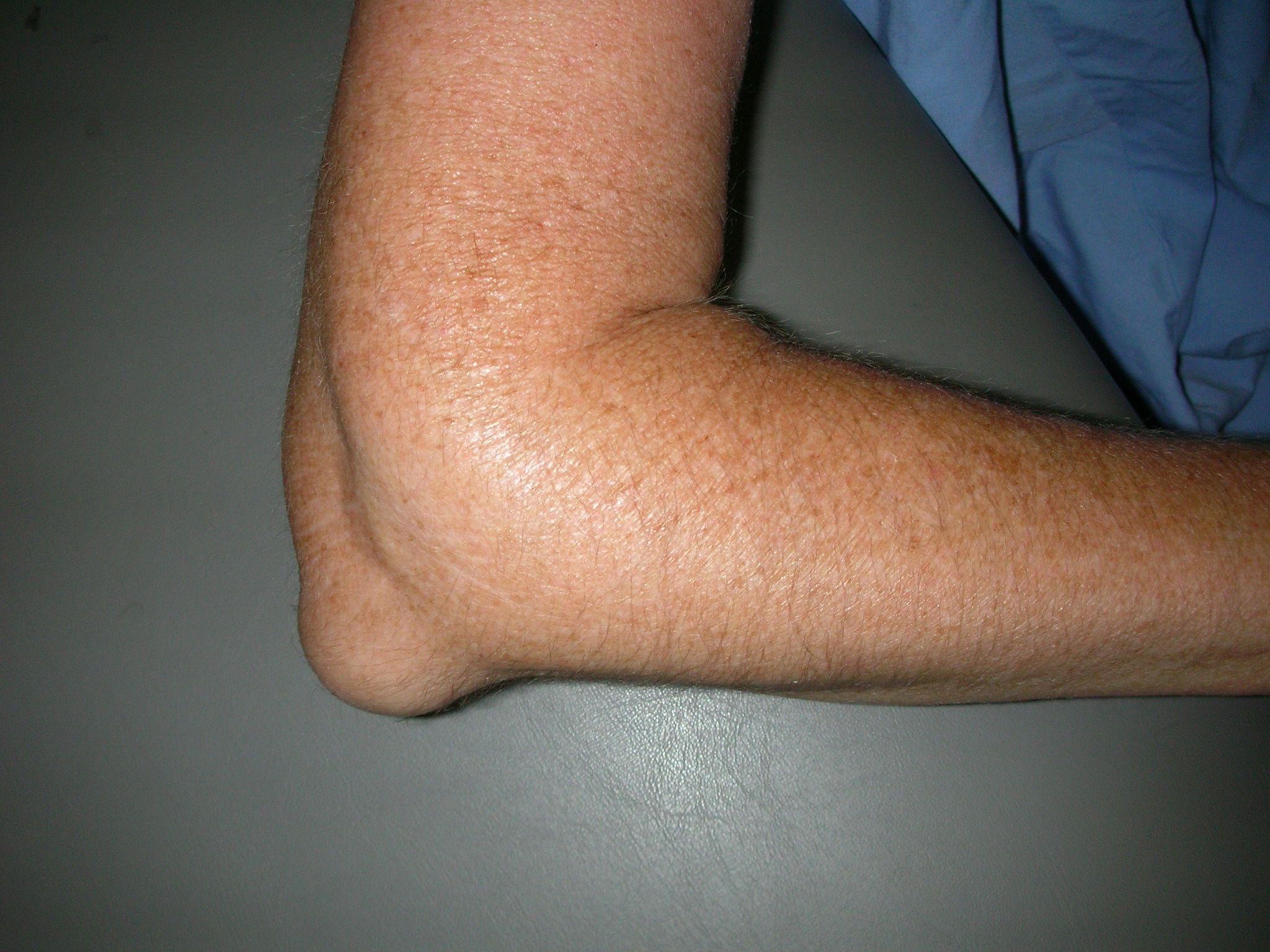
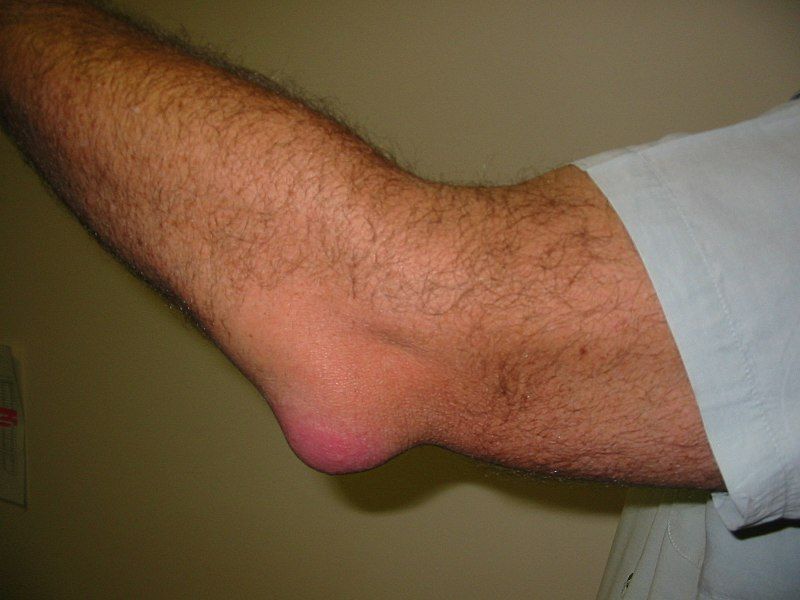
- Swelling around the elbow — synovial inflammation and joint effusion
- Ulnar nerve symptoms — tingling or numbness in the little finger side of the hand (cubital tunnel involvement in advanced cases)
- Gradual loss of function — difficulty straightening arm fully, problems with overhead tasks, reduced grip strength
How is it Diagnosed?
- Clinical examination — assessment of range of motion, crepitus, joint line tenderness, ulnar nerve function
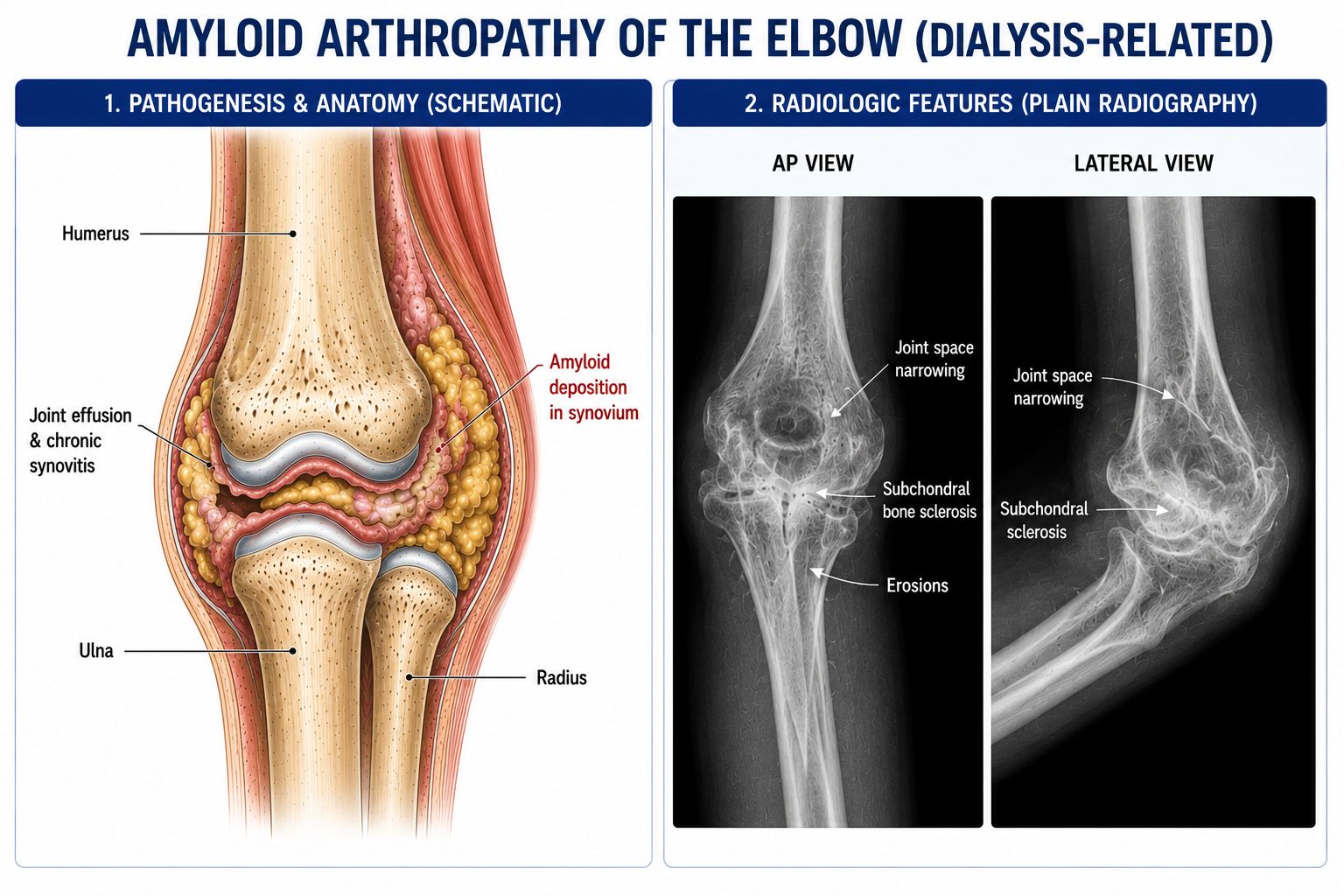
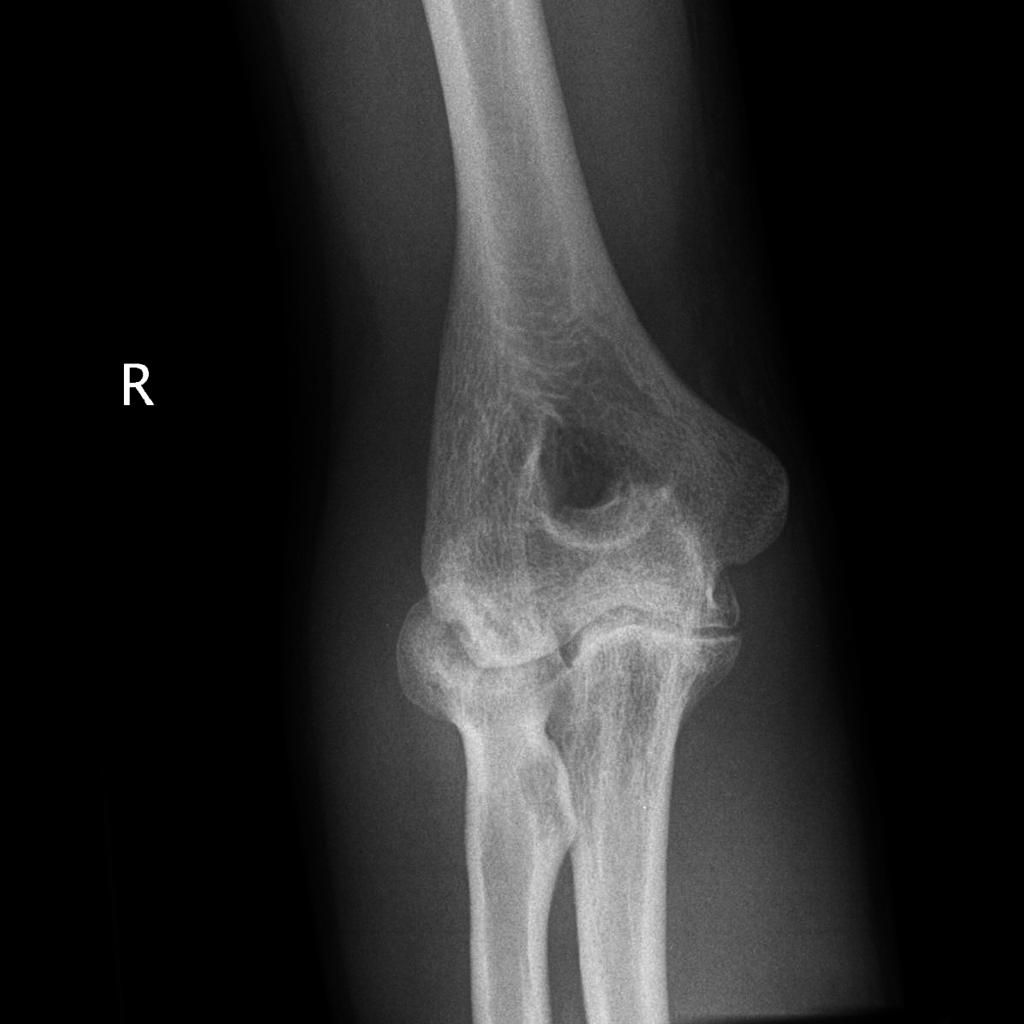
- Plain X-rays (AP + lateral) — shows joint space narrowing, osteophytes at coronoid/olecranon tips, loose bodies, subchondral sclerosis
- CT scan — most useful for precise mapping of osteophyte distribution and loose body location before arthroscopic surgery
- MRI — evaluates cartilage integrity, synovitis, and associated soft tissue pathology; identifies any concurrent cubital tunnel involvement
- Diagnostic ultrasound — useful for guided injection and assessment of joint effusion in outpatient setting
Treatment Options
Treatment Type | Details |
Activity Modification | Avoid activities that provoke end-range pain; ergonomic assessment for manual workers; adjust lifting technique |
Physiotherapy | Range of motion exercises; muscle strengthening; joint mobilisation; heat modalities; hydrotherapy |
NSAIDs / Analgesia | Regular ibuprofen or naproxen for symptomatic periods; paracetamol for background pain; topical NSAID gels |
Intra-articular Corticosteroid | Ultrasound-guided injection into elbow joint; provides 4–12 weeks of pain relief; maximum 3 injections per year |
Viscosupplementation | Intra-articular hyaluronic acid injection; evidence emerging in elbow OA; used as adjunct in moderate disease |
Arthroscopic Débridement | Outerbridge-Kashiwagi procedure: removal of osteophytes, loose bodies, and fenestration of olecranon fossa; day-case procedure; best when >50% joint space preserved |
Open Interposition Arthroplasty | For younger, high-demand patients with moderate-severe OA too young for total replacement; preserves bone stock |
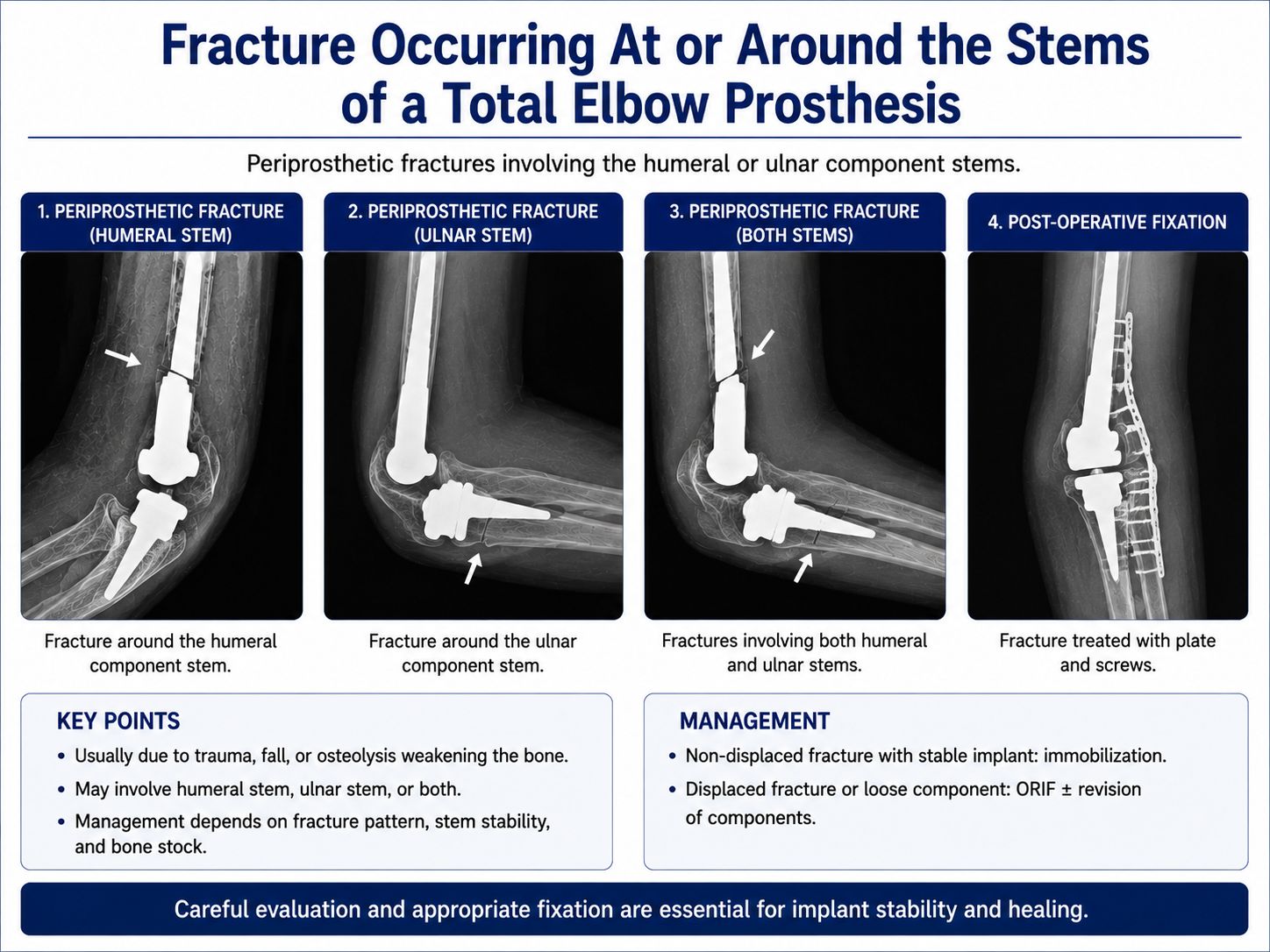
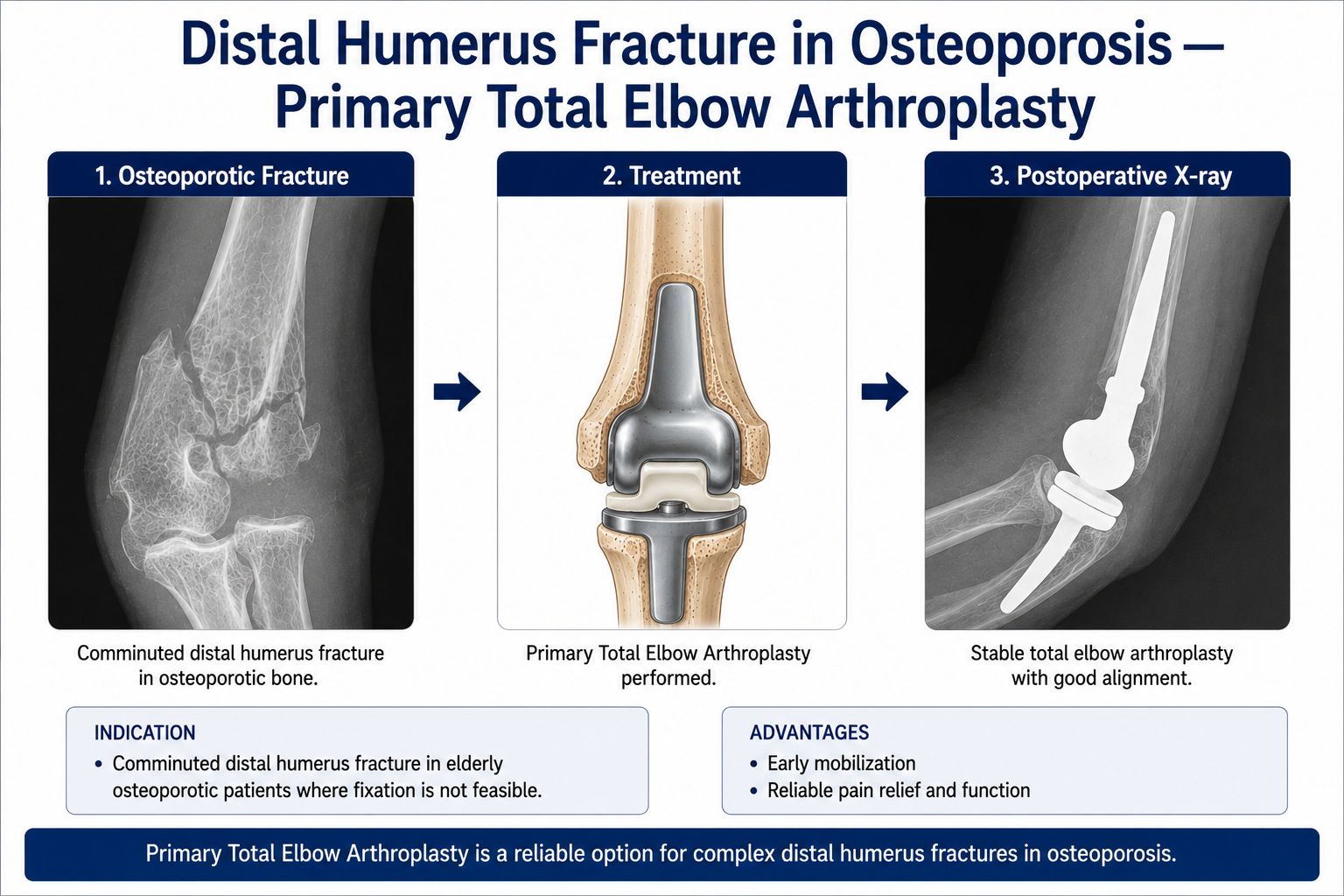
Total Elbow Arthroplasty (TEA) | Semi-constrained linked implant; indicated for end-stage OA in low-demand patients typically >65 years; permanent 1 kg single-hand lifting restriction |
Recovery & Rehabilitation
- Arthroscopic débridement: sling 1–2 days; physiotherapy immediately; return to light work 2–3 weeks; full activity 6–8 weeks
- Total Elbow Arthroplasty: 1–2 days hospital; physiotherapy from 24 hours post-op; light activities 6–8 weeks; maximum function 3–6 months
- Permanent restriction after TEA: no single-hand lifts >1 kg; avoid repetitive use >5 kg — essential to protect implant longevity
- Physiotherapy is critical for both conservative and surgical treatment — home exercise programme continuation is key
- Most patients gain 20–30° extension and significant pain relief following arthroscopic débridement
Why choose Dr Senthilvelan?
Dr Senthilvelan has extensive experience in all stages of elbow osteoarthritis management — from guided injections and arthroscopic Outerbridge-Kashiwagi procedures to total elbow replacement. His UK fellowship training at Royal Bournemouth Hospital included specialised exposure to complex elbow arthroplasty at one of the largest joint replacement centres in the United Kingdom.
Frequently Asked Questions
1. Can elbow osteoarthritis be treated without surgery?
Yes — the majority of patients with elbow OA respond well to non-surgical treatment. Physiotherapy, activity modification, NSAIDs, and corticosteroid injections can provide good symptom control for many years. Surgery is only recommended when these measures have failed and the pain or stiffness is significantly affecting quality of life and daily function.
2. What is the Outerbridge-Kashiwagi procedure and is it right for me?
The Outerbridge-Kashiwagi (OK) procedure is an arthroscopic operation to remove osteophytes (bone spurs) from both the front and back of the elbow, and to create a small fenestration through the base of the olecranon fossa. This allows the elbow to move more freely and relieves impingement pain. It is most effective when the joint cartilage is still partly preserved — generally when more than 50% of the original joint space remains on X-ray. It is a day-case keyhole operation with a rapid recovery.
3. How long will a total elbow replacement last?
Modern cemented total elbow replacements typically last 10–15 years or longer in appropriately selected patients. The most important factor affecting longevity is adherence to the permanent weight restriction (no lifting >1 kg single-handed). Patients with rheumatoid arthritis, who tend to have lower physical demands, generally achieve excellent long-term outcomes.
4. I have pins and needles in my little finger — is this related to my elbow OA?
Very possibly. Advanced elbow osteoarthritis can cause narrowing of the cubital tunnel — the groove behind the medial epicondyle through which the ulnar nerve passes. This nerve compression can cause tingling, numbness or weakness in the ring and little fingers. This is called cubital tunnel syndrome and is a recognised complication of elbow OA. It is assessed at your consultation and, if present, may be addressed at the same time as the arthroscopic or replacement procedure.
5. Can I drive after elbow surgery?
After arthroscopic débridement, most patients can drive an automatic car within 2–3 weeks once they have full control of the arm and are off strong pain medication. After total elbow replacement, return to driving is typically at 6–8 weeks. Dr Senthilvelan will advise you specifically based on which arm was operated on, the type of surgery, and your progress at follow-up.