Overview
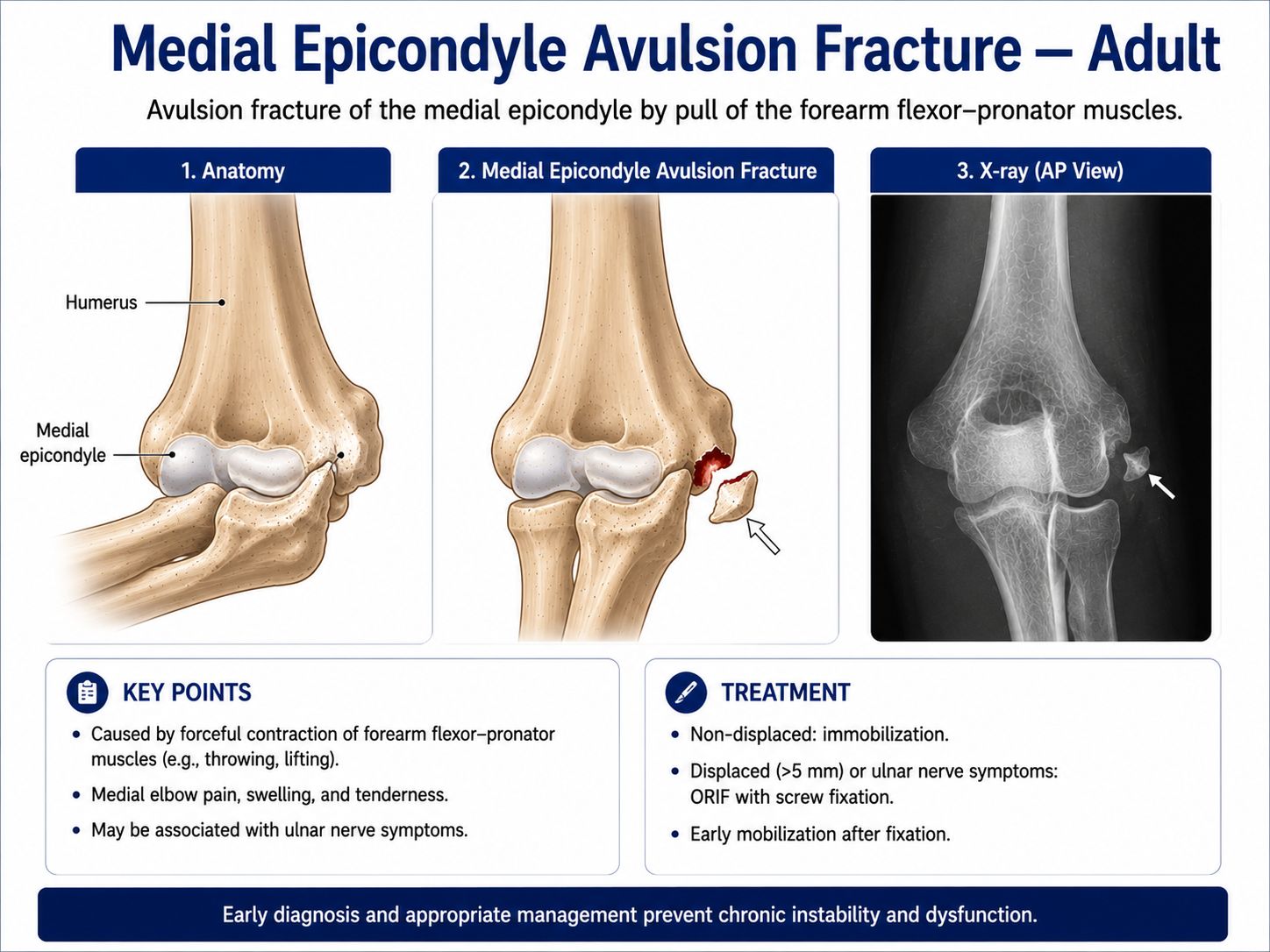
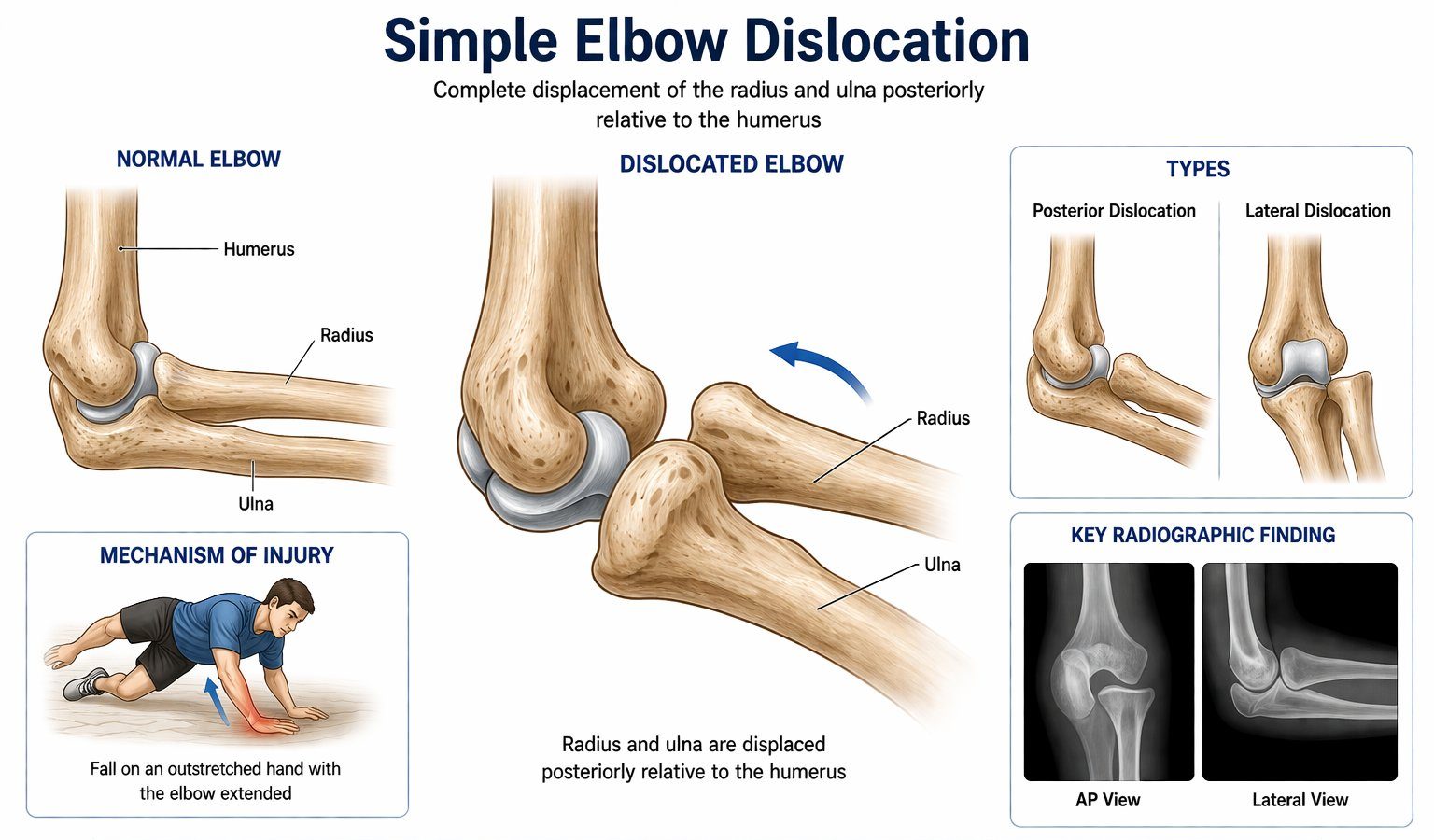
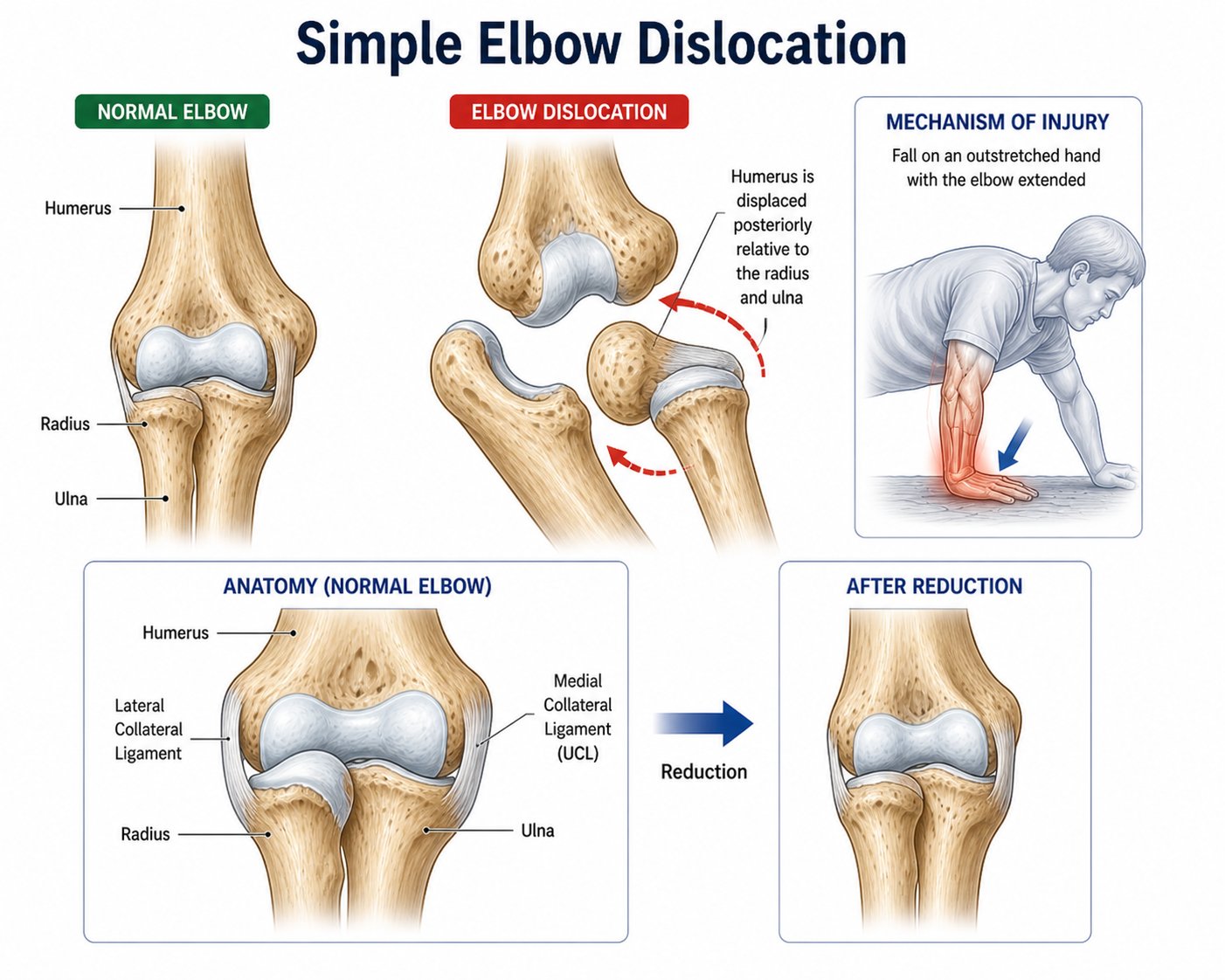
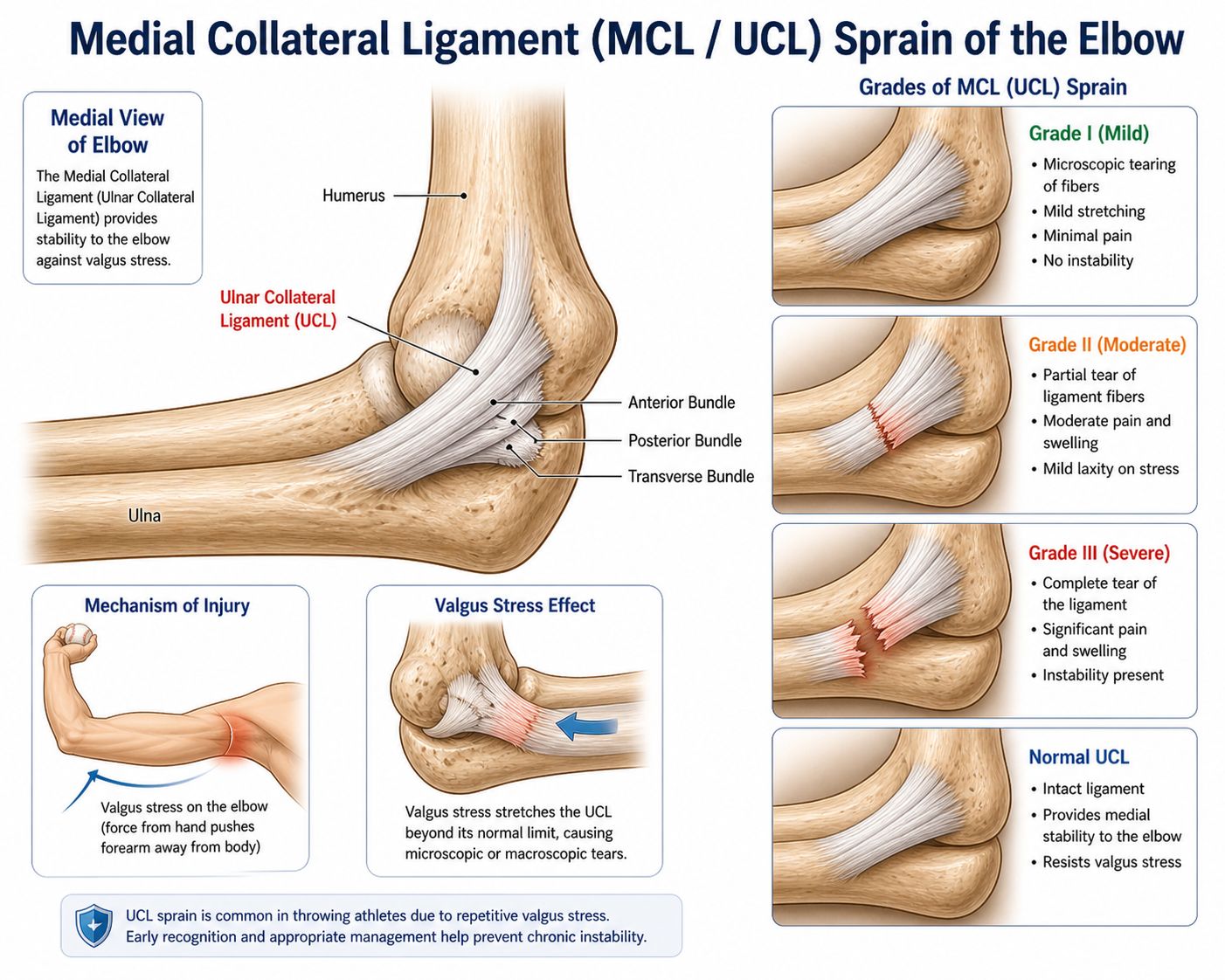
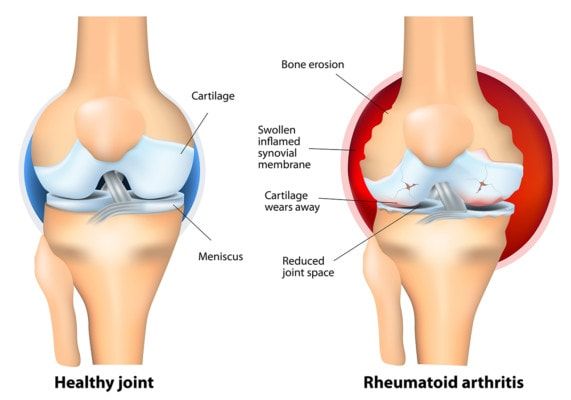
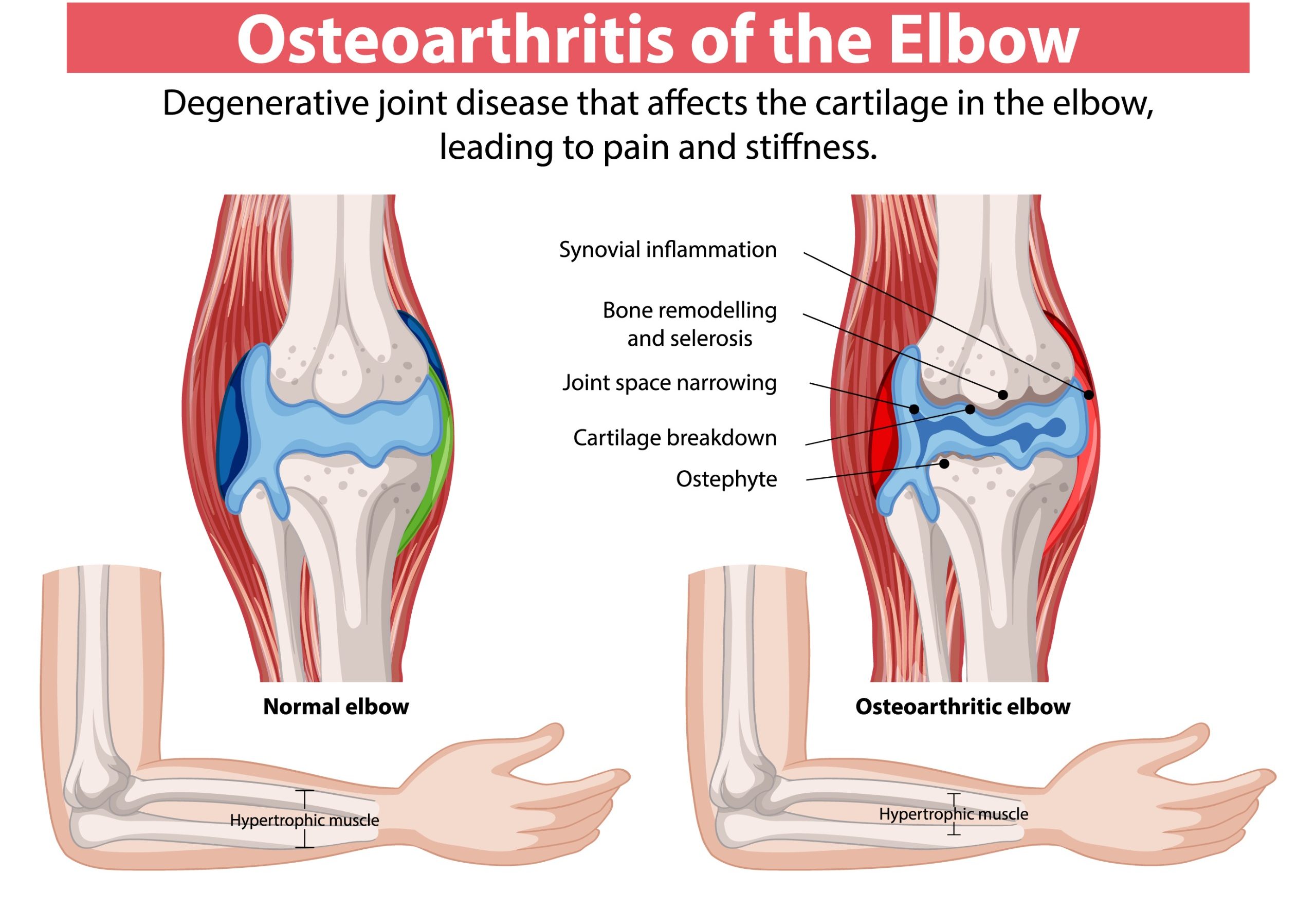
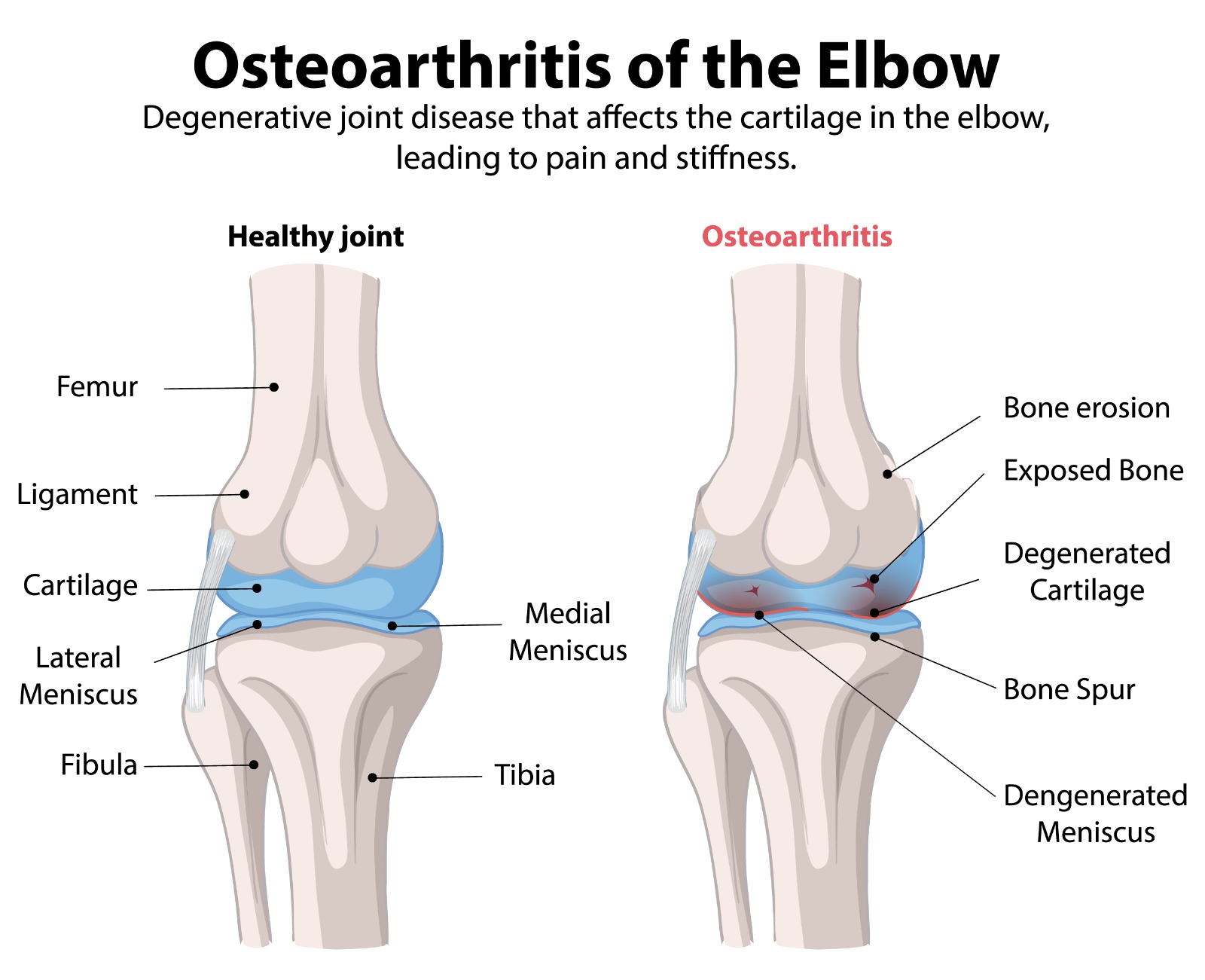
Post-traumatic osteoarthritis (PTOA) of the elbow develops as a secondary consequence of prior injury to the joint — typically a fracture, fracture-dislocation, or severe ligamentous injury. Even when an initial injury is treated promptly and correctly, cartilage damage sustained at the time of trauma accelerates the degenerative process, leading to progressive joint space narrowing, osteophyte formation, and eventual loss of function.
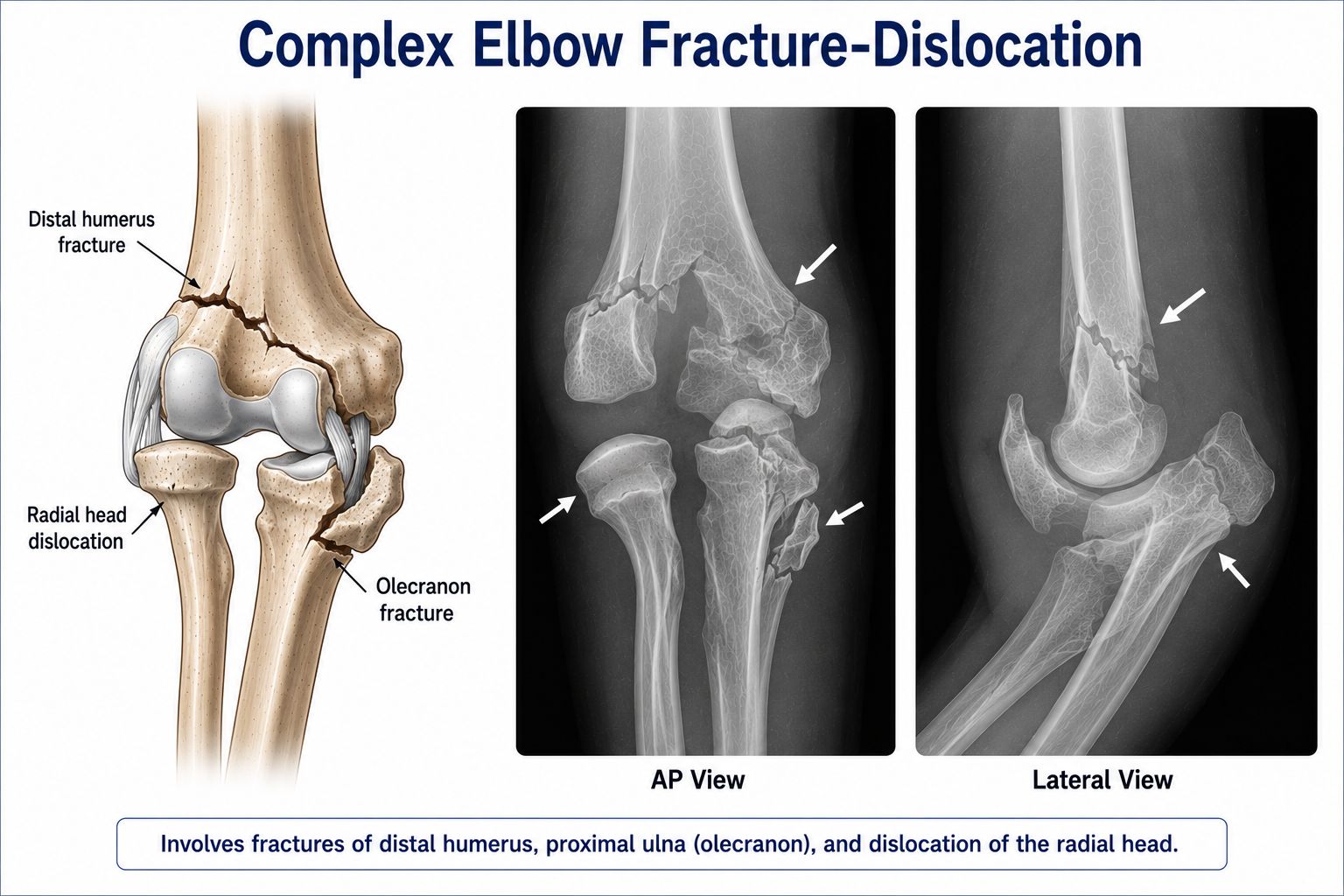
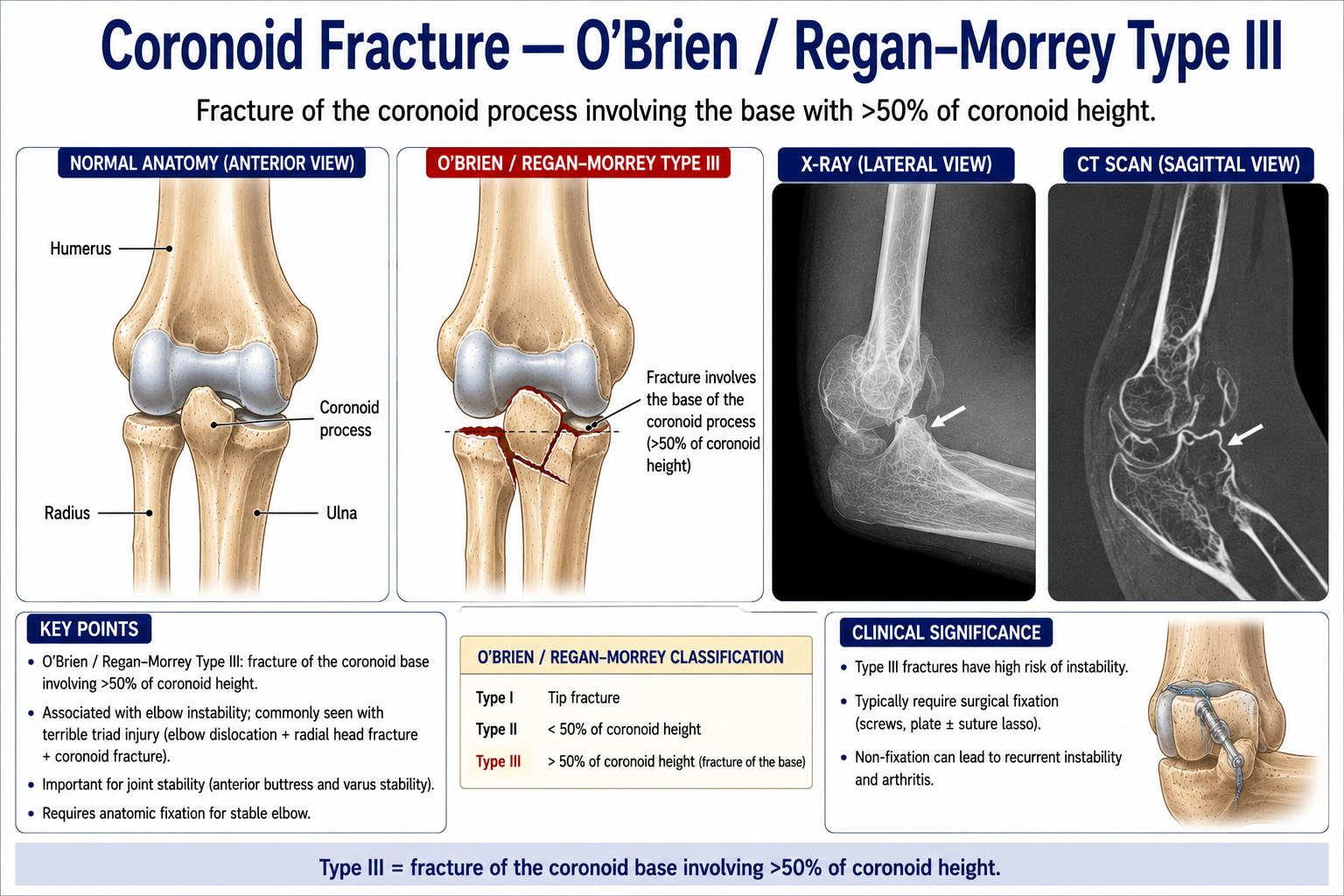
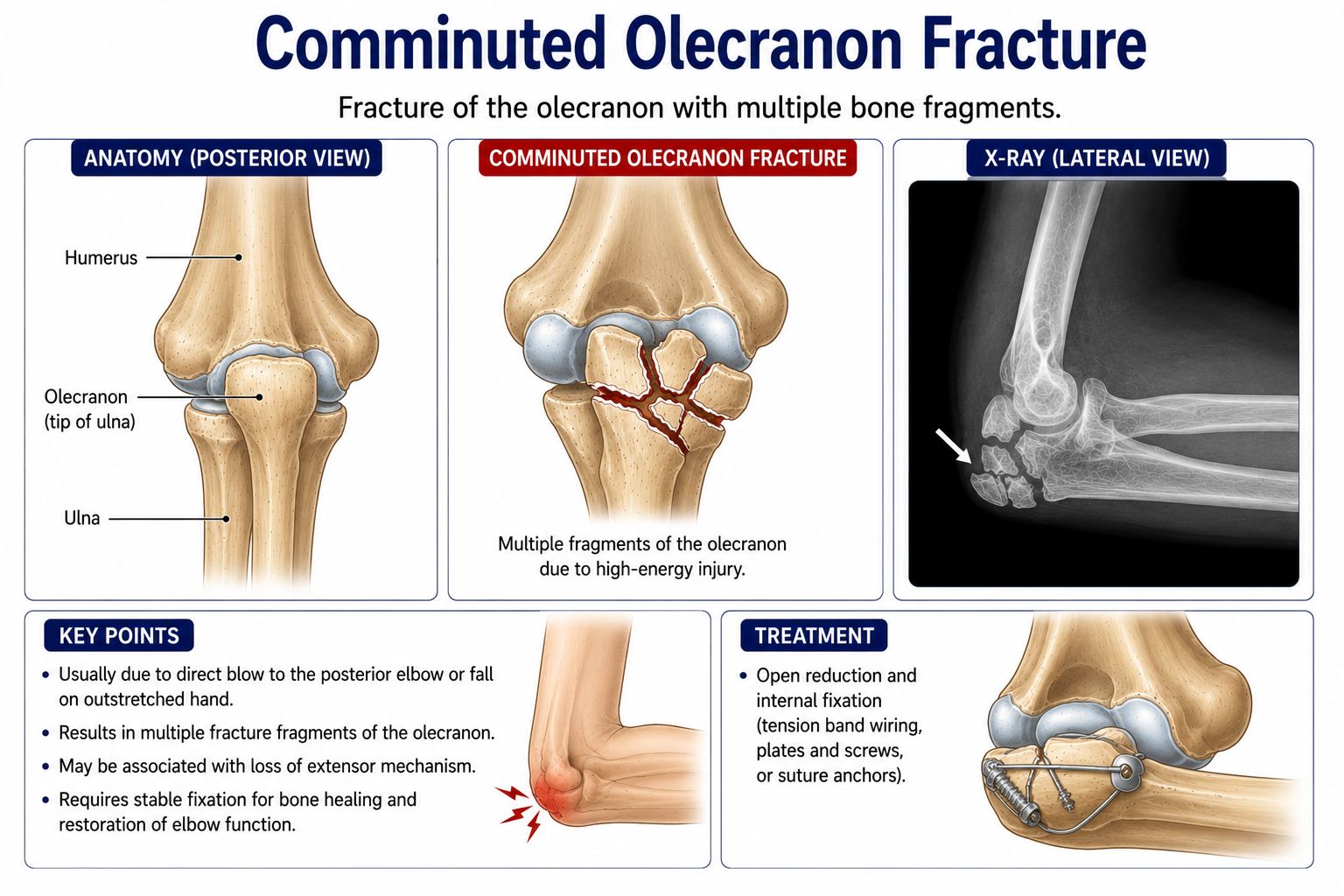
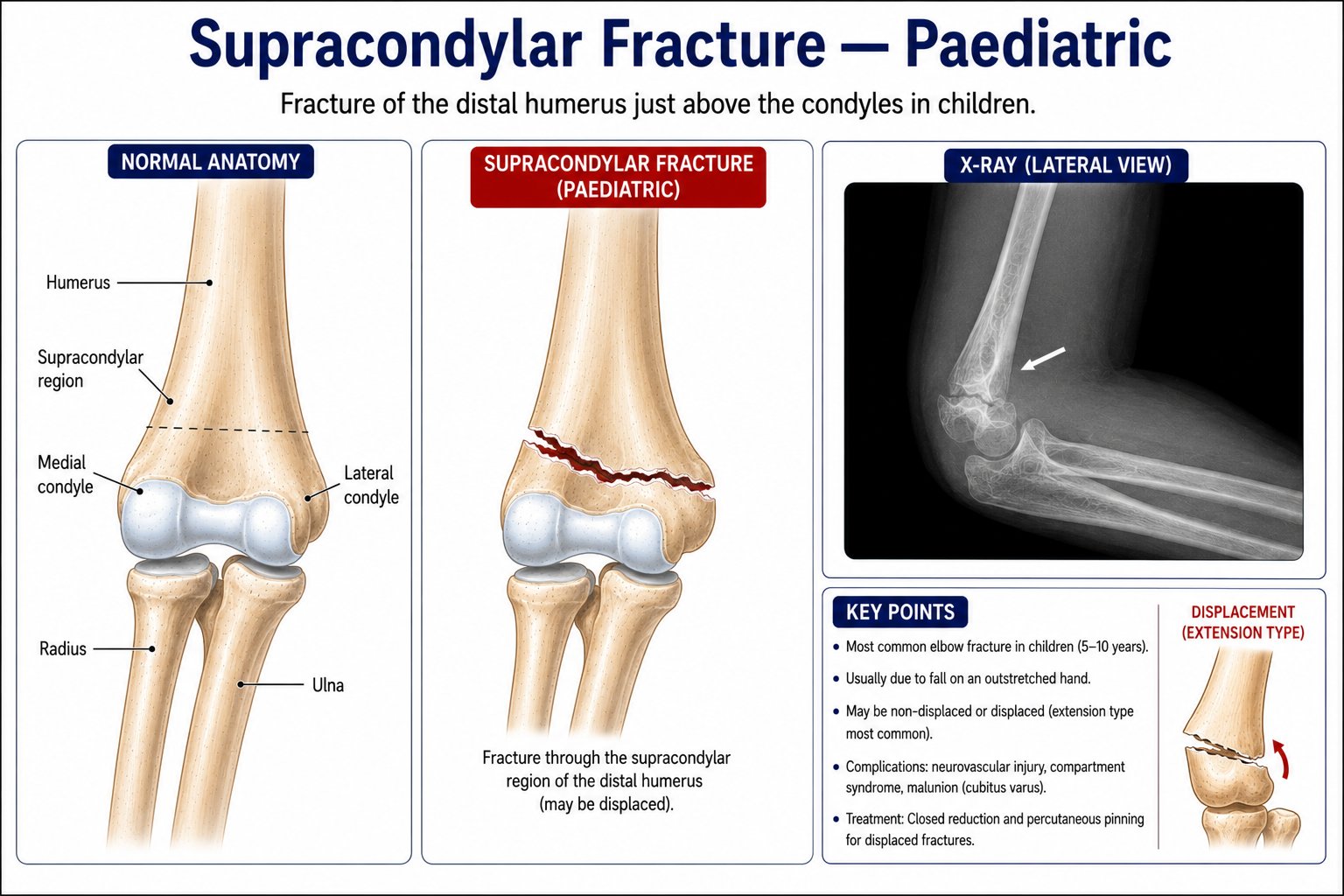
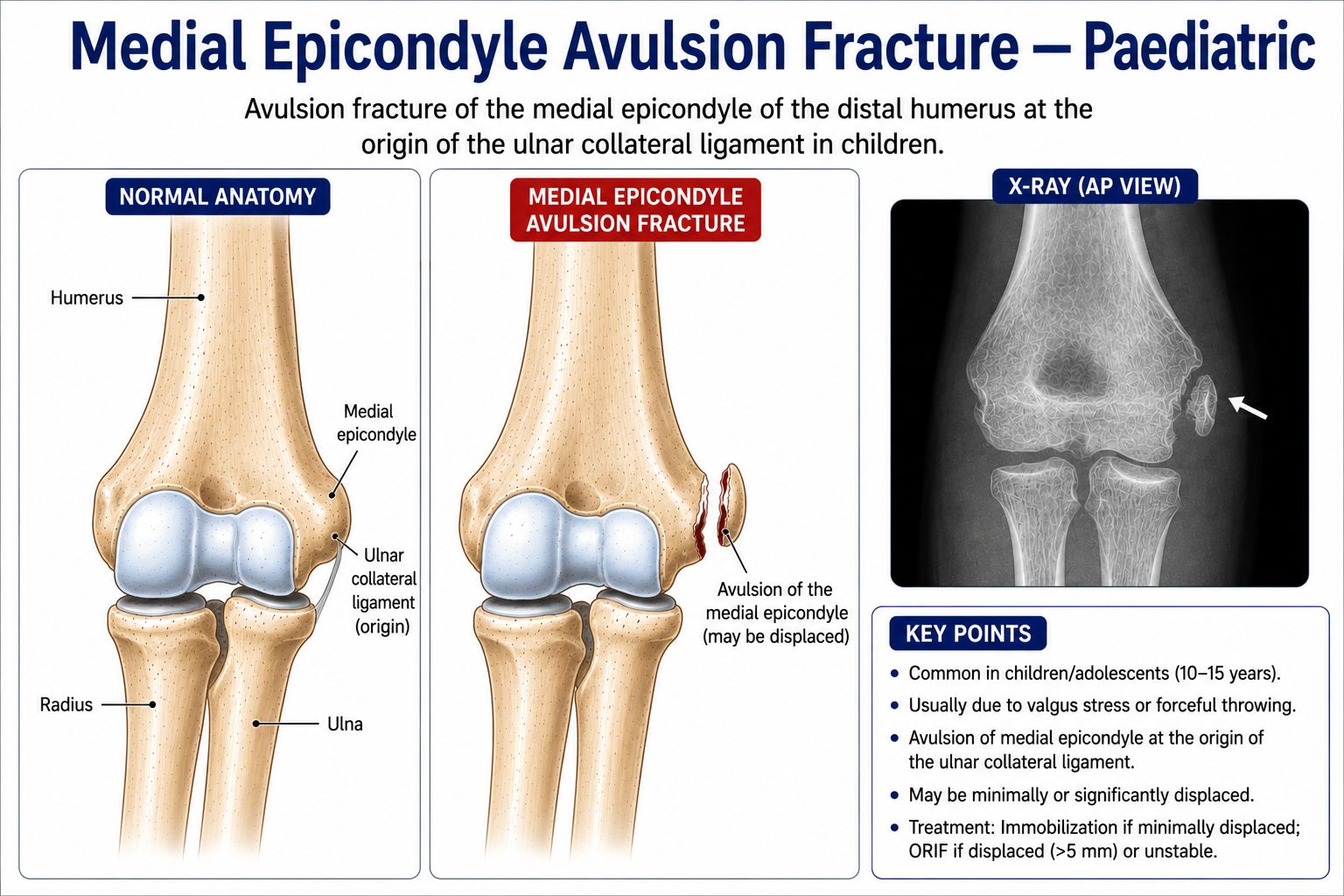
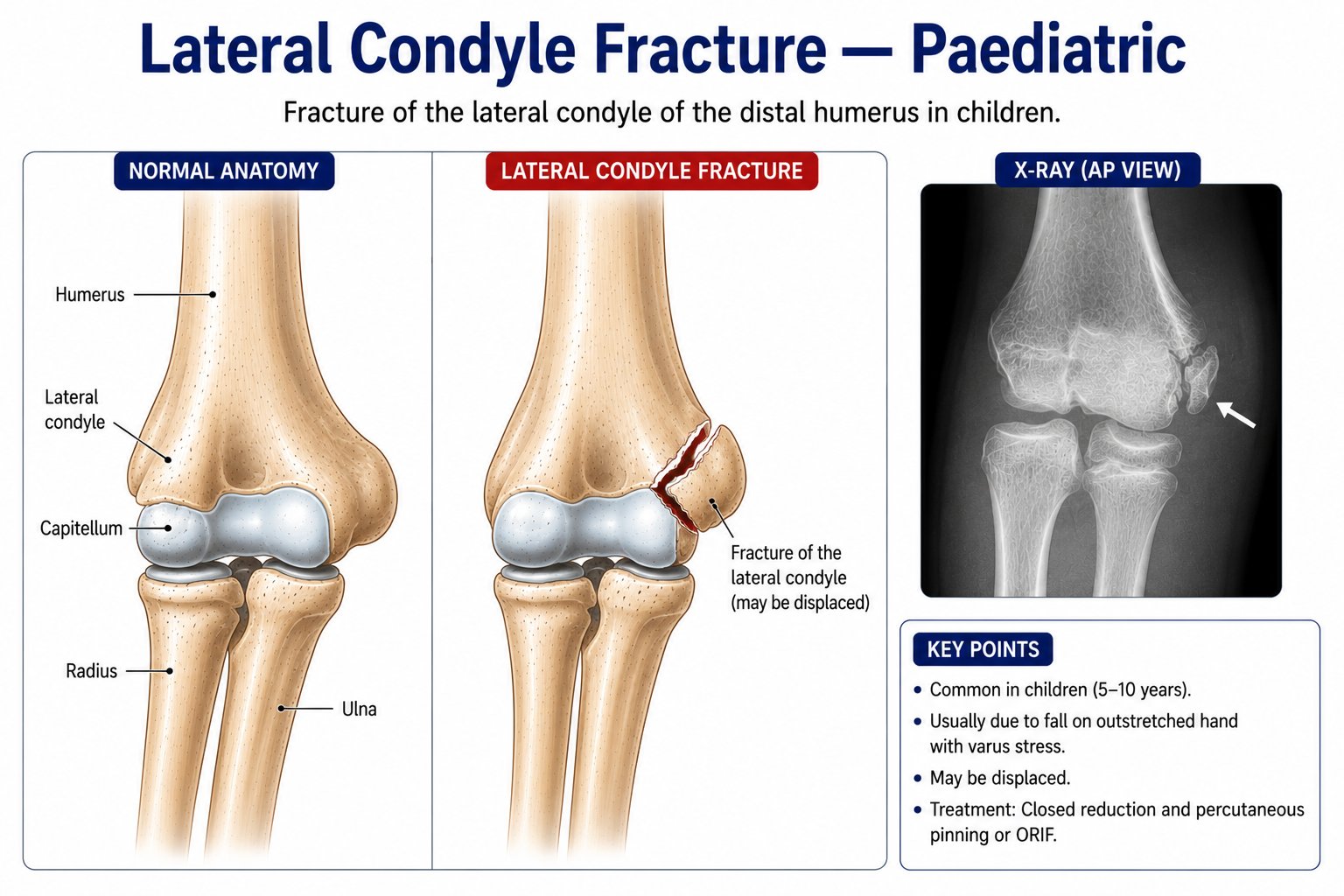
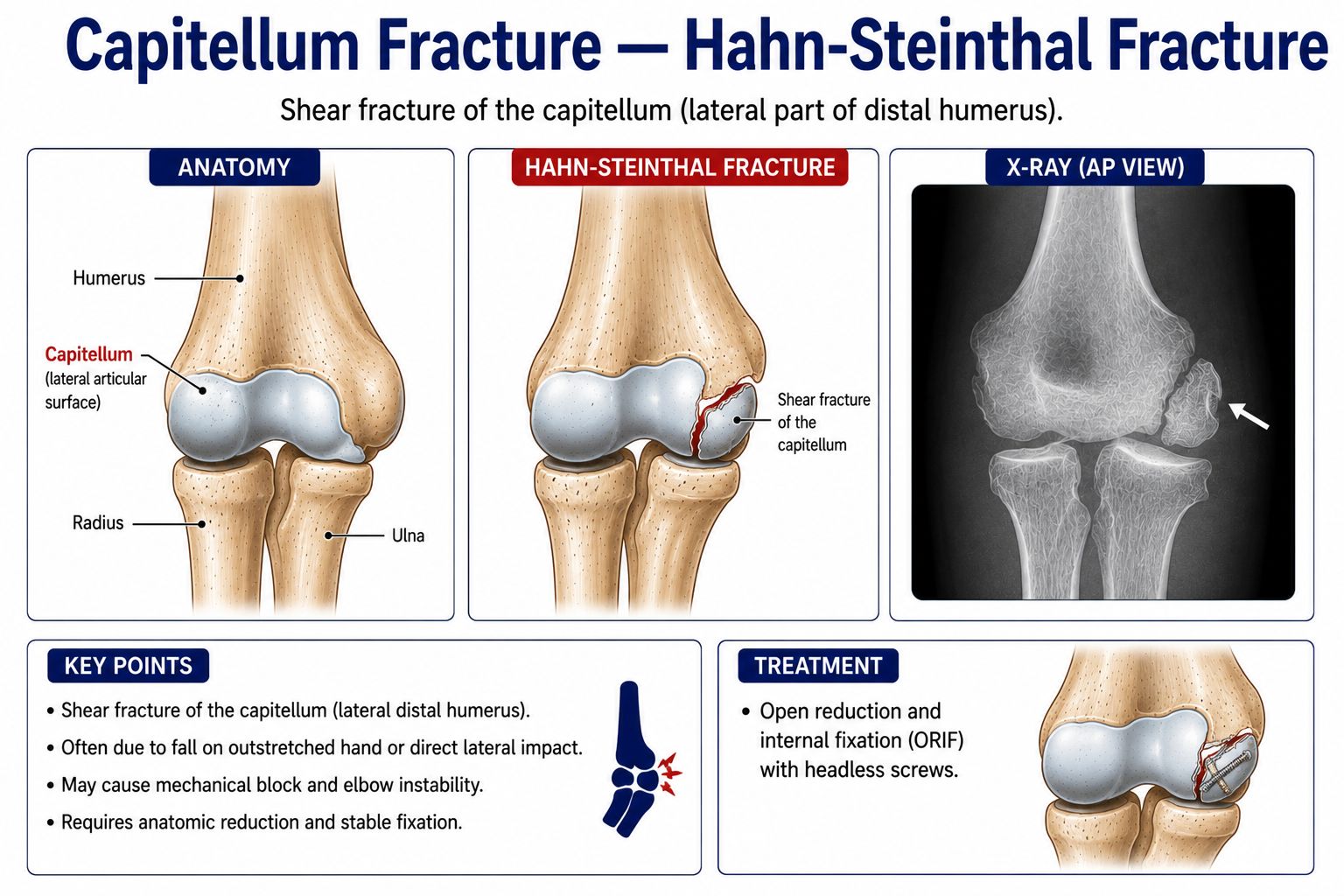
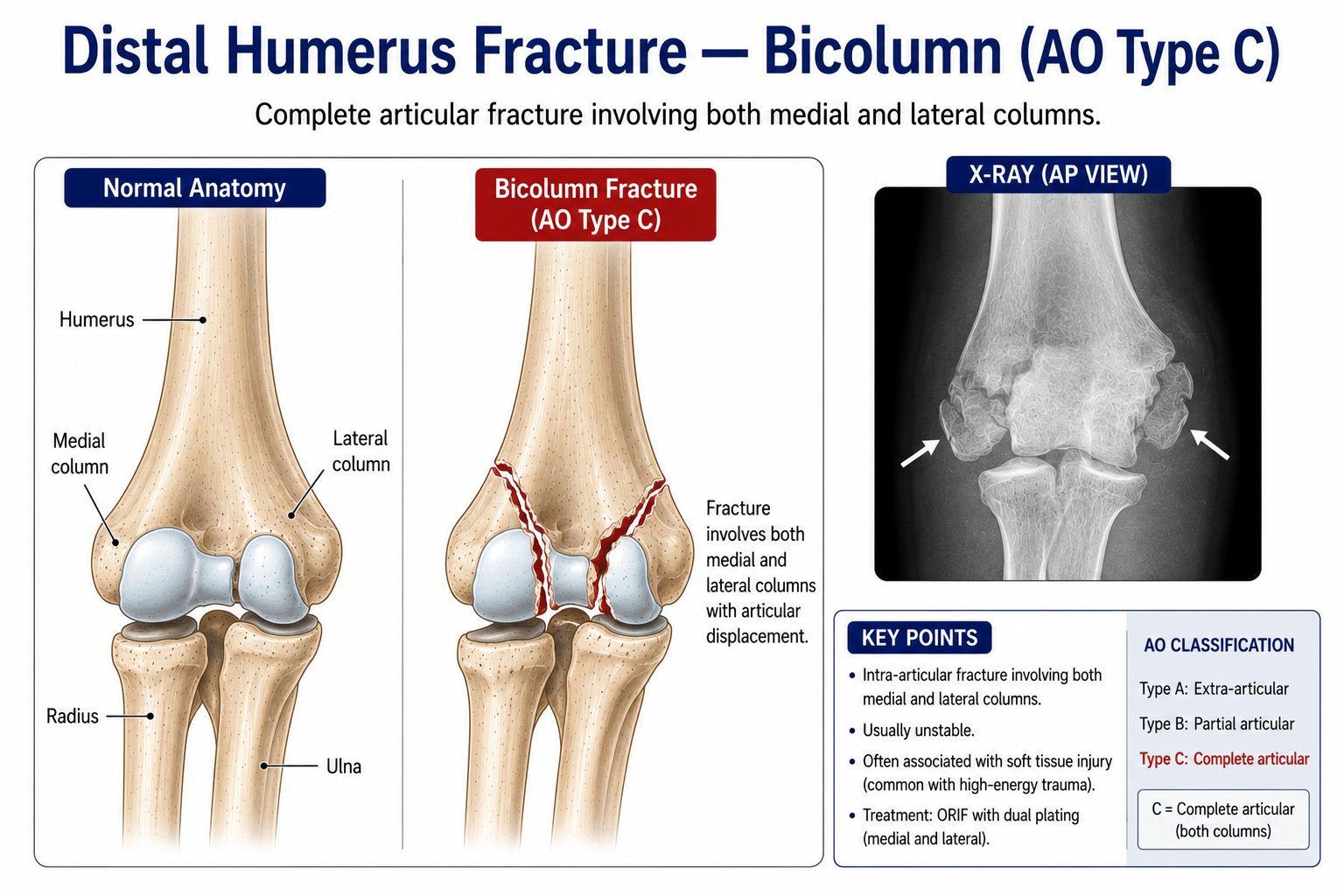
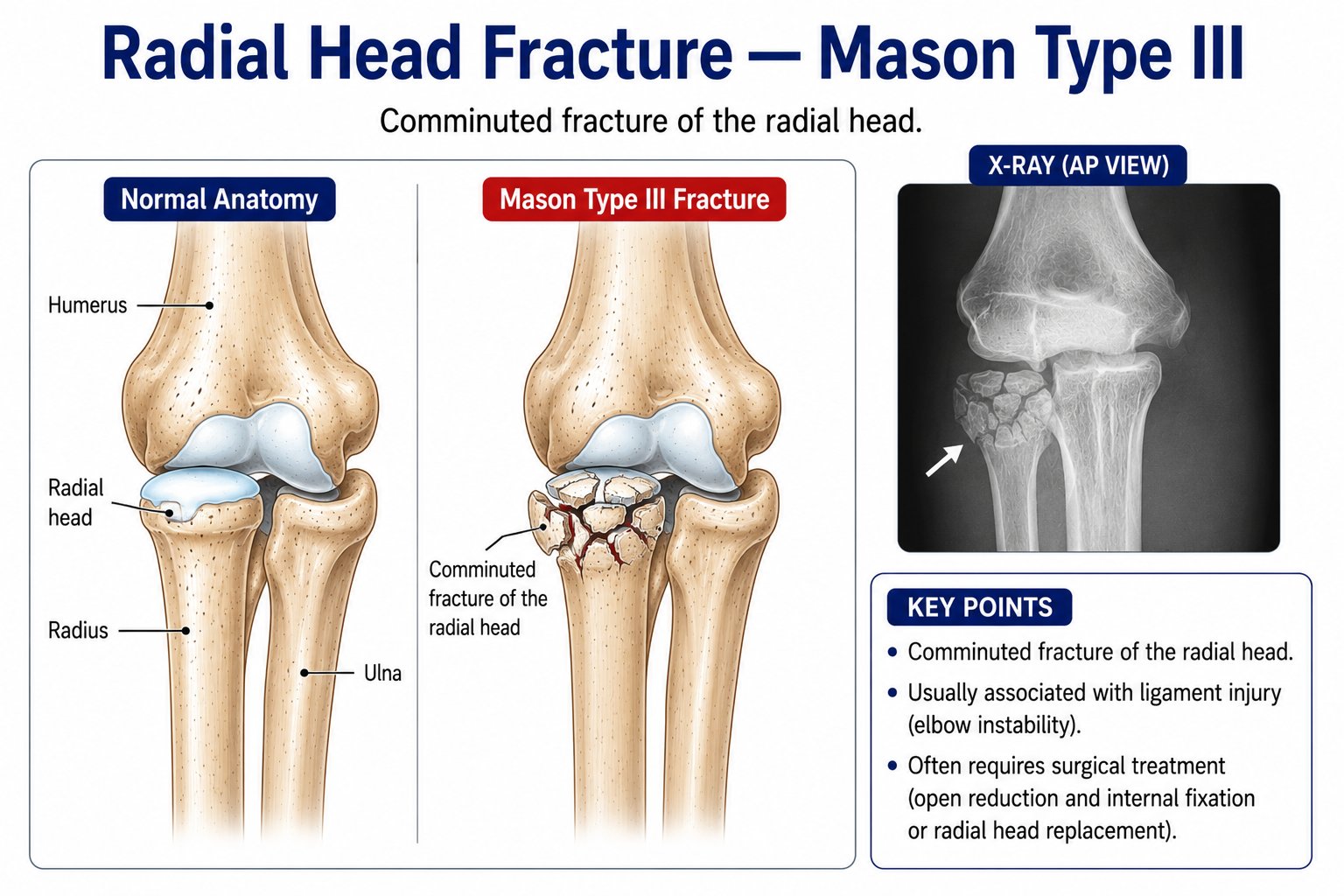
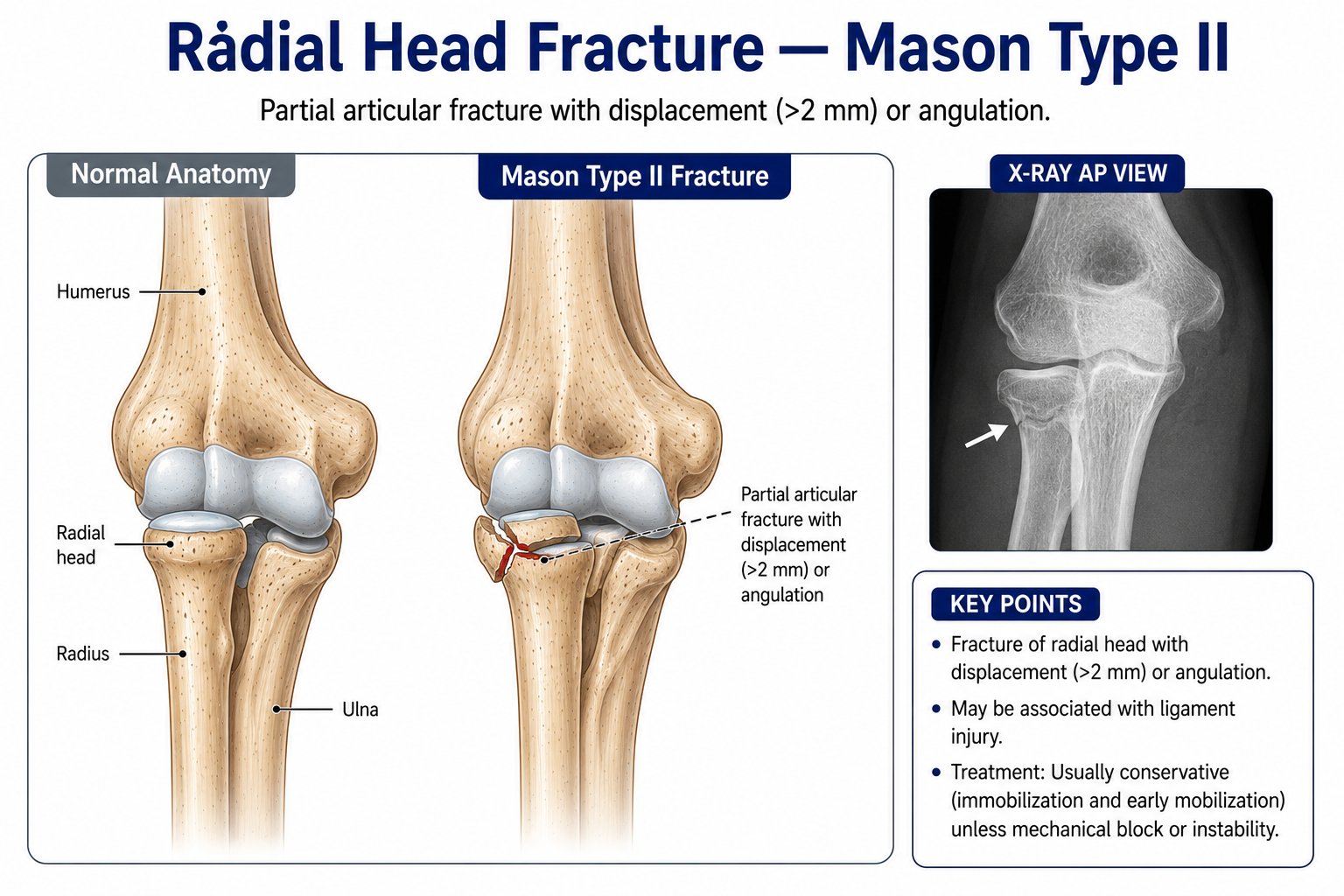
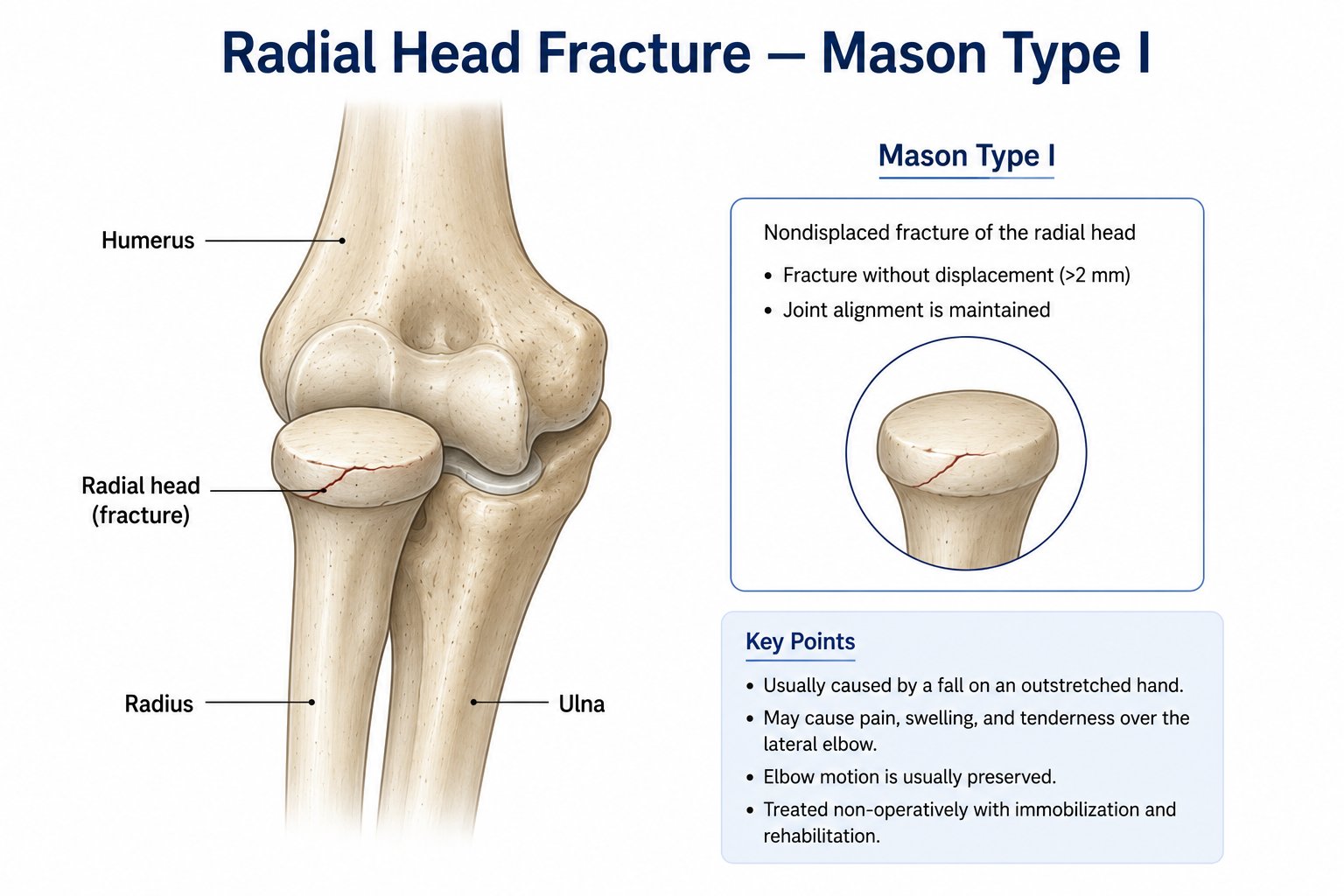
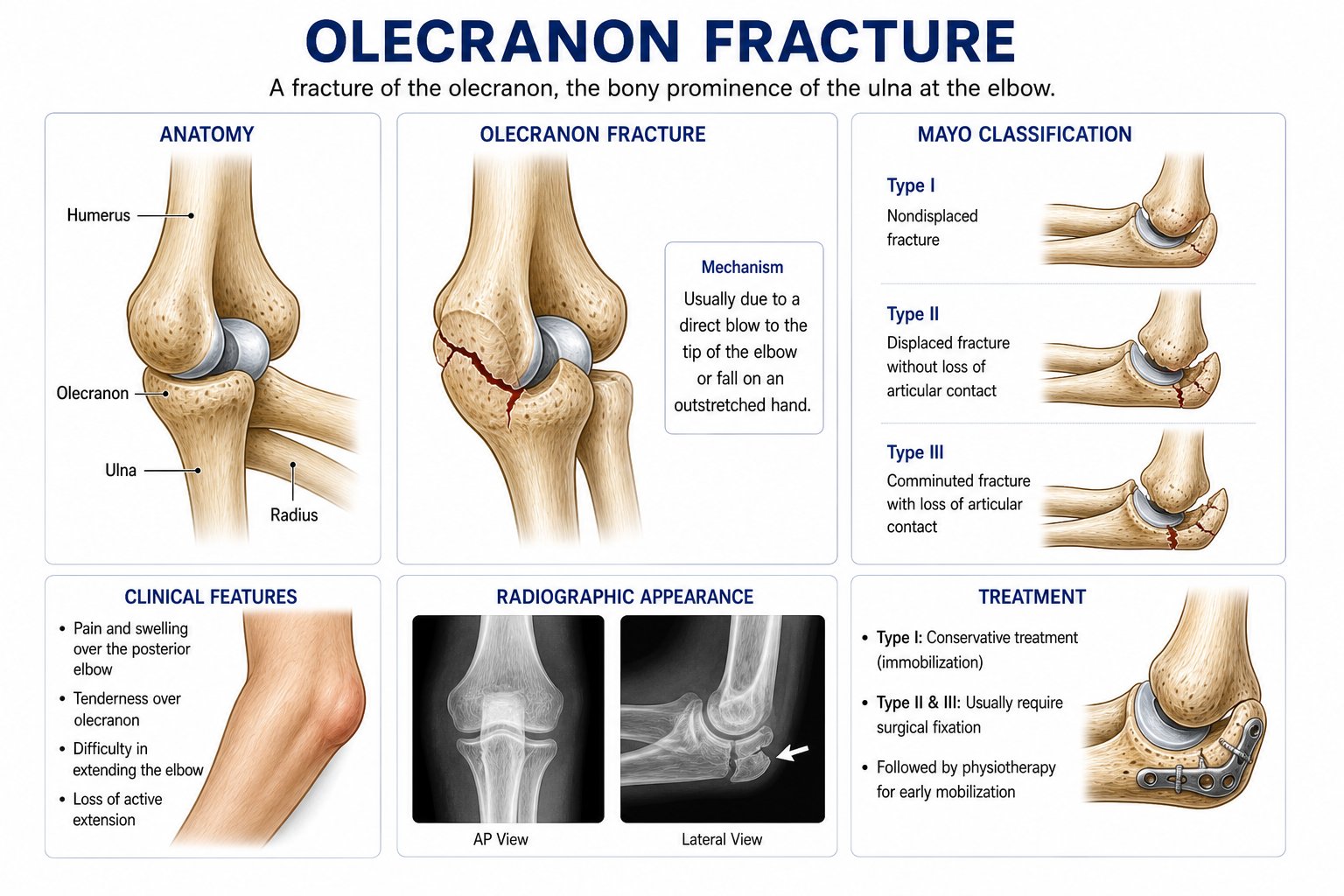
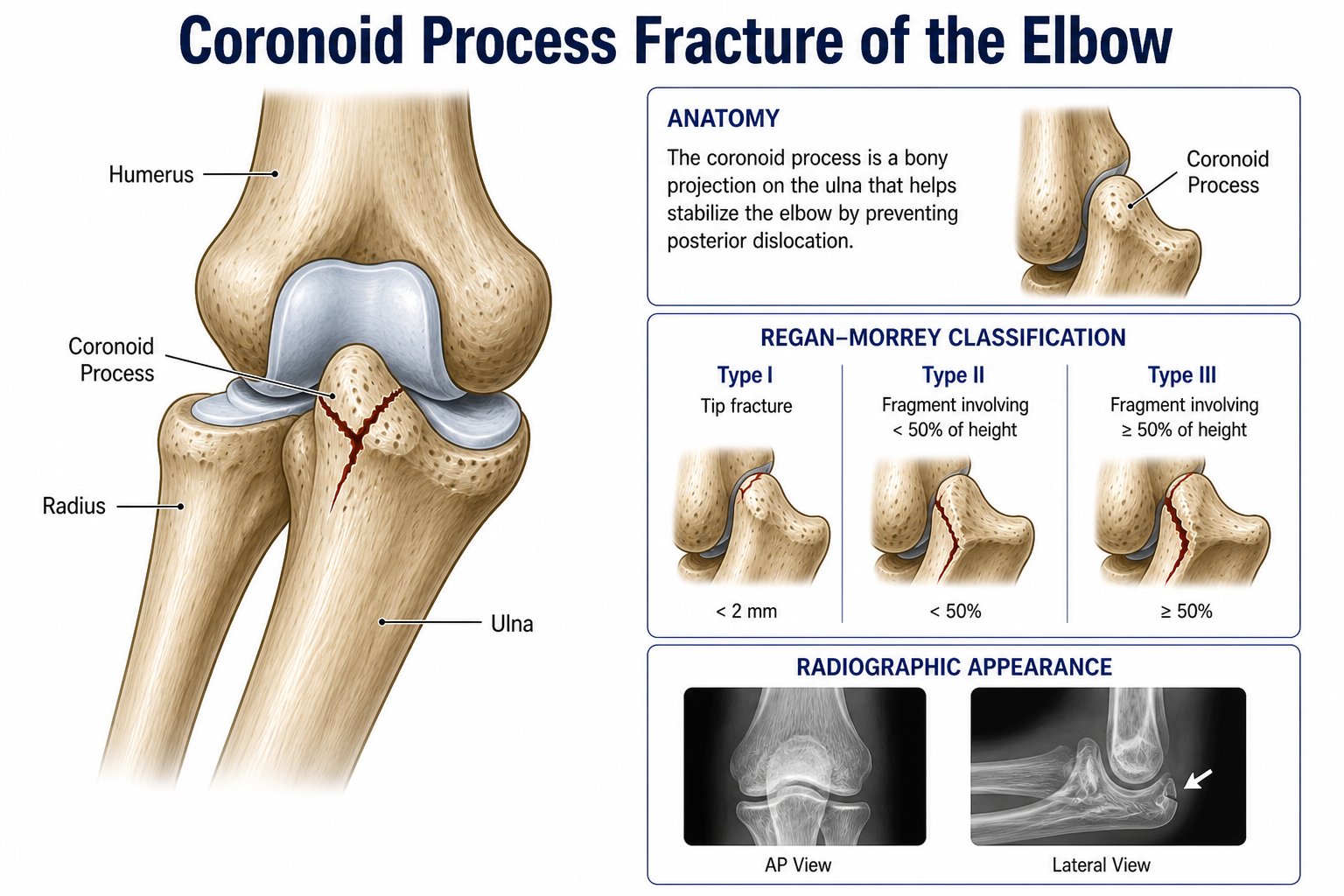
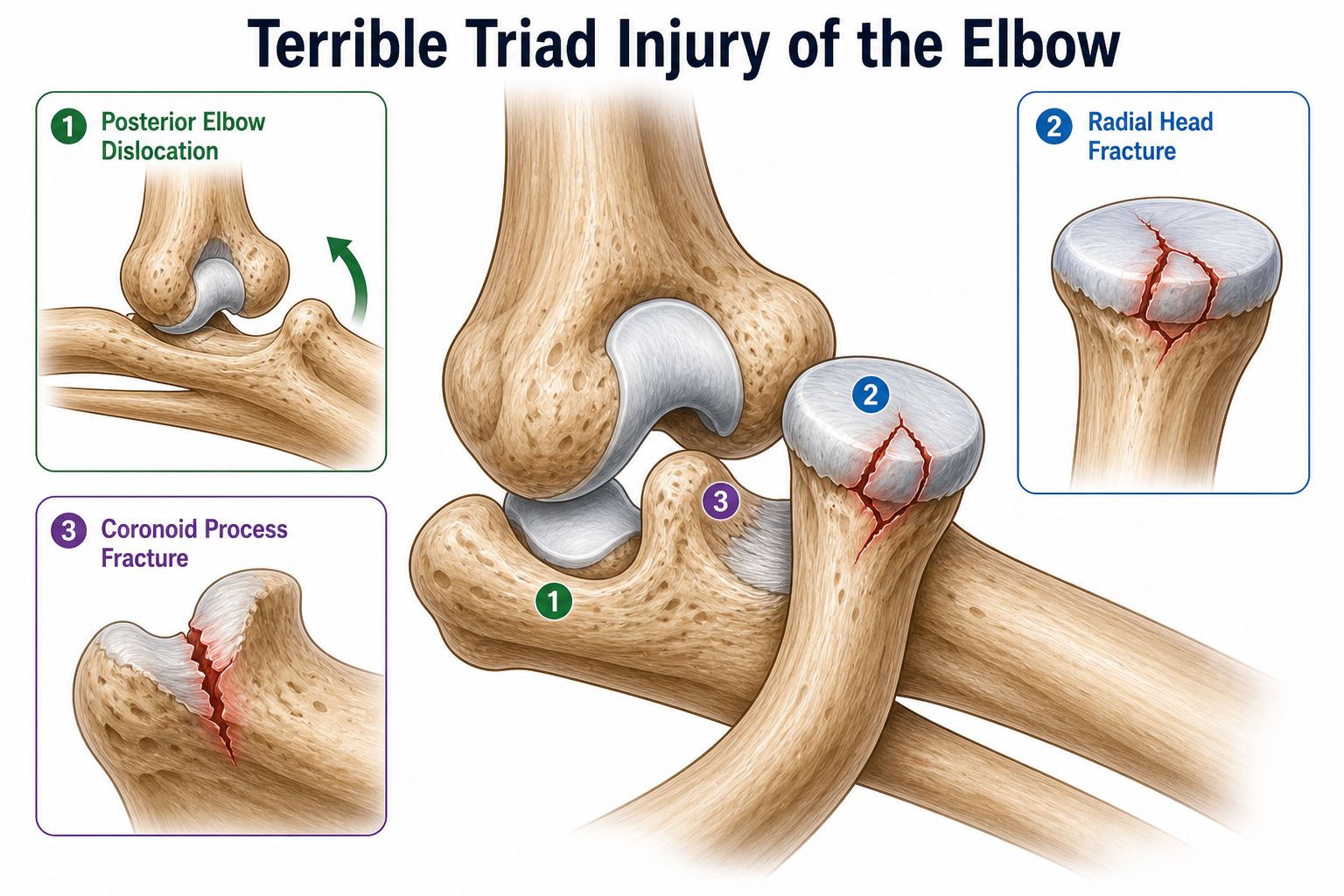
Common precipitating injuries include distal humerus fractures (especially bicondylar types), radial head fractures, terrible triad injuries (dislocation combined with radial head and coronoid fractures), and olecranon fractures. Even apparently well-healed injuries can lead to symptomatic OA within 5–15 years.
Post-traumatic OA is particularly challenging because it often affects younger, more active individuals who require a durable solution with fewer restrictions than a total elbow replacement. Dr Senthilvelan tailors treatment to age, activity level, the extent of joint damage, and the specific joints involved.
Quick Facts | Details |
Also Known As | Secondary elbow osteoarthritis, post-fracture elbow arthritis |
Affected Area | Any or all compartments of the elbow joint, depending on the pattern of prior injury |
Who It Affects | Adults of any age following significant elbow trauma; most common cause of elbow arthritis in patients under 65 years |
Prevalence | Most common cause of elbow arthritis in working-age adults; significant disability and economic impact in this group |
Treatment | Conservative management first; arthroscopic débridement for moderate disease; interposition arthroplasty (young); TEA (elderly or low-demand) |
Causes & Risk Factors
- Previous distal humerus fracture — especially complex bicondylar or intra-articular types
- Radial head fracture — particularly Mason III (comminuted) fractures treated by excision without replacement
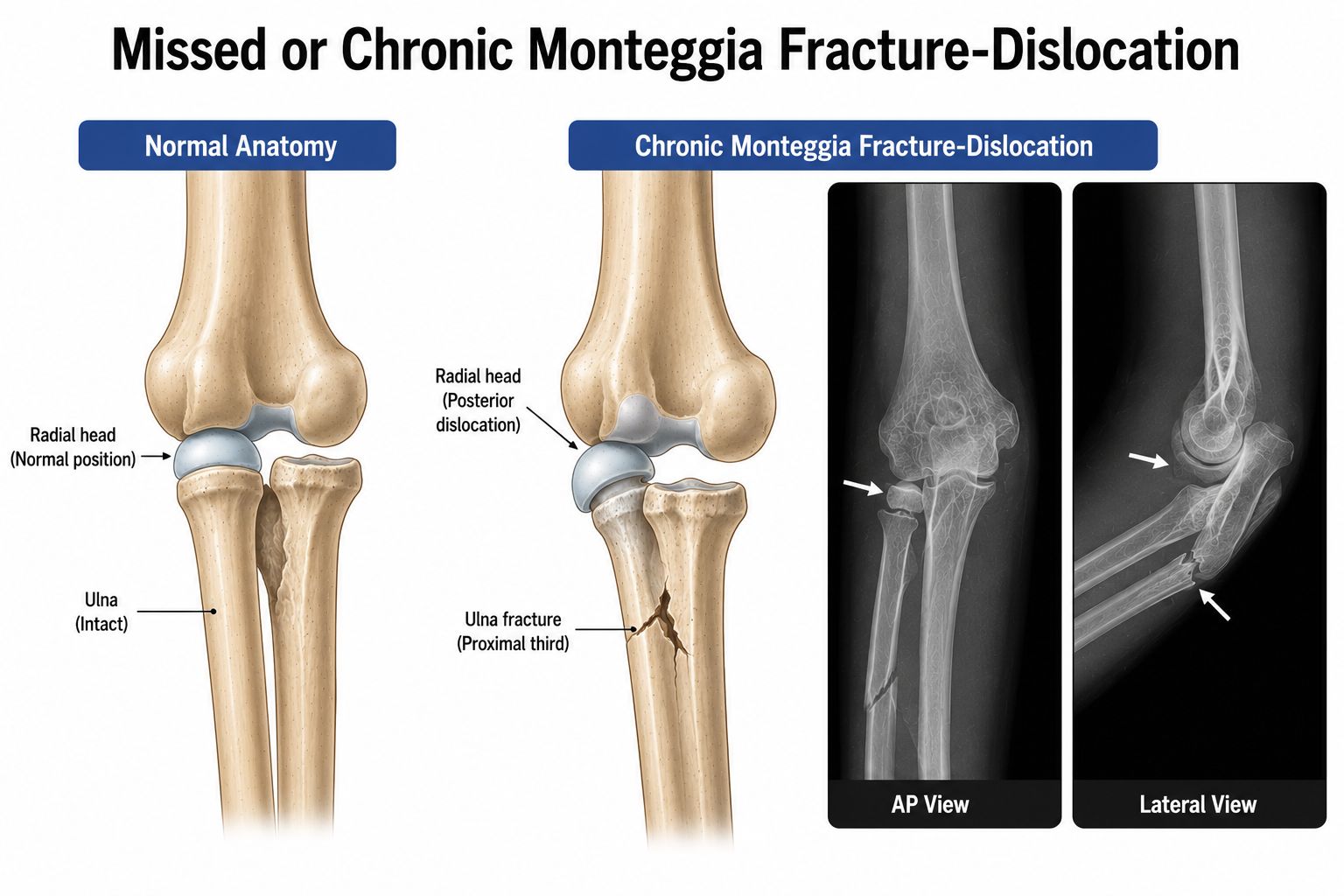
- Elbow fracture-dislocation (terrible triad, Monteggia, posterior Monteggia)
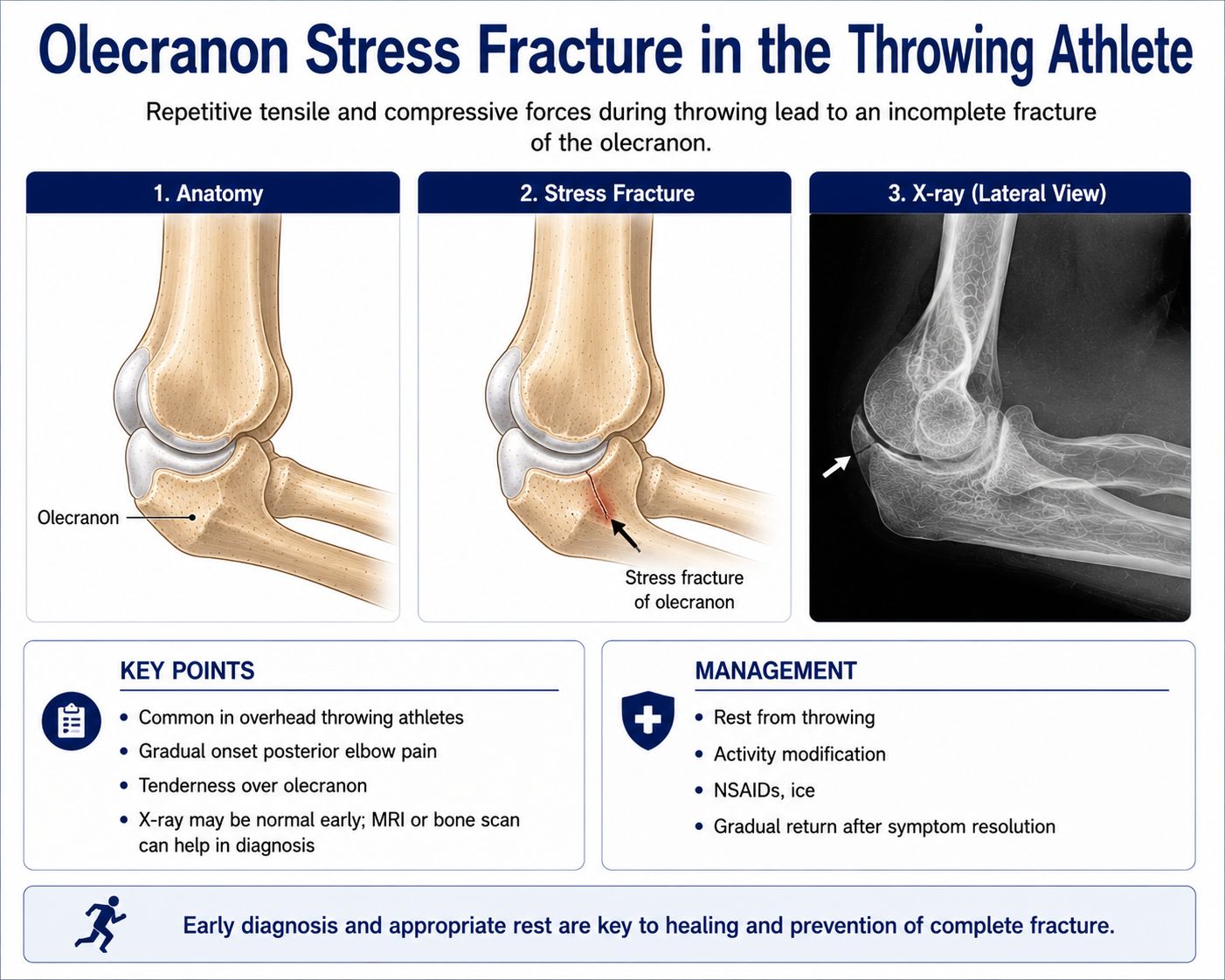
- Olecranon fracture with articular incongruence
- Chronic elbow instability — untreated or recurrent dislocation leading to cartilage erosion
- Septic arthritis (infection) causing irreversible cartilage destruction
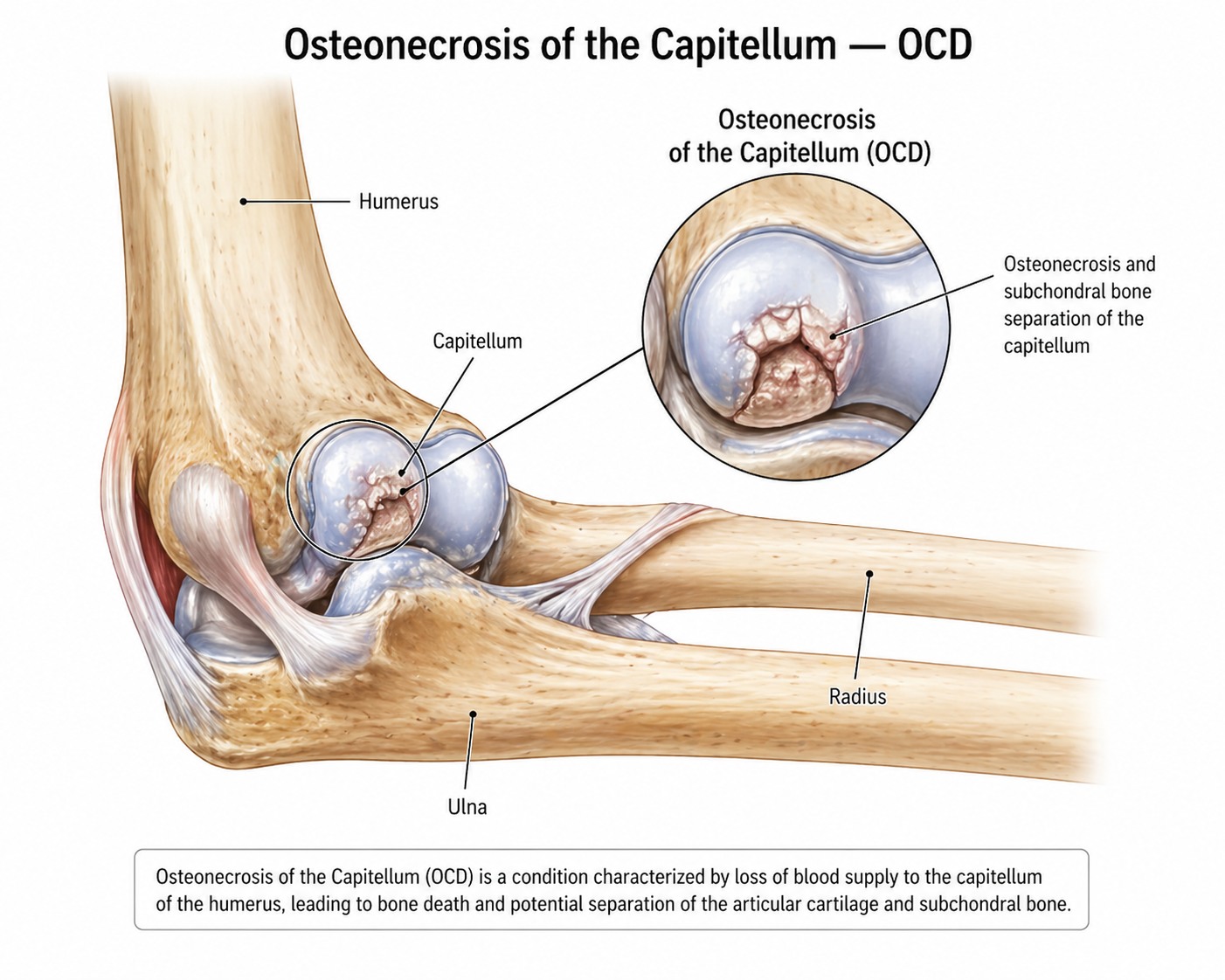
- Osteonecrosis following AVN of the capitellum or trochlea
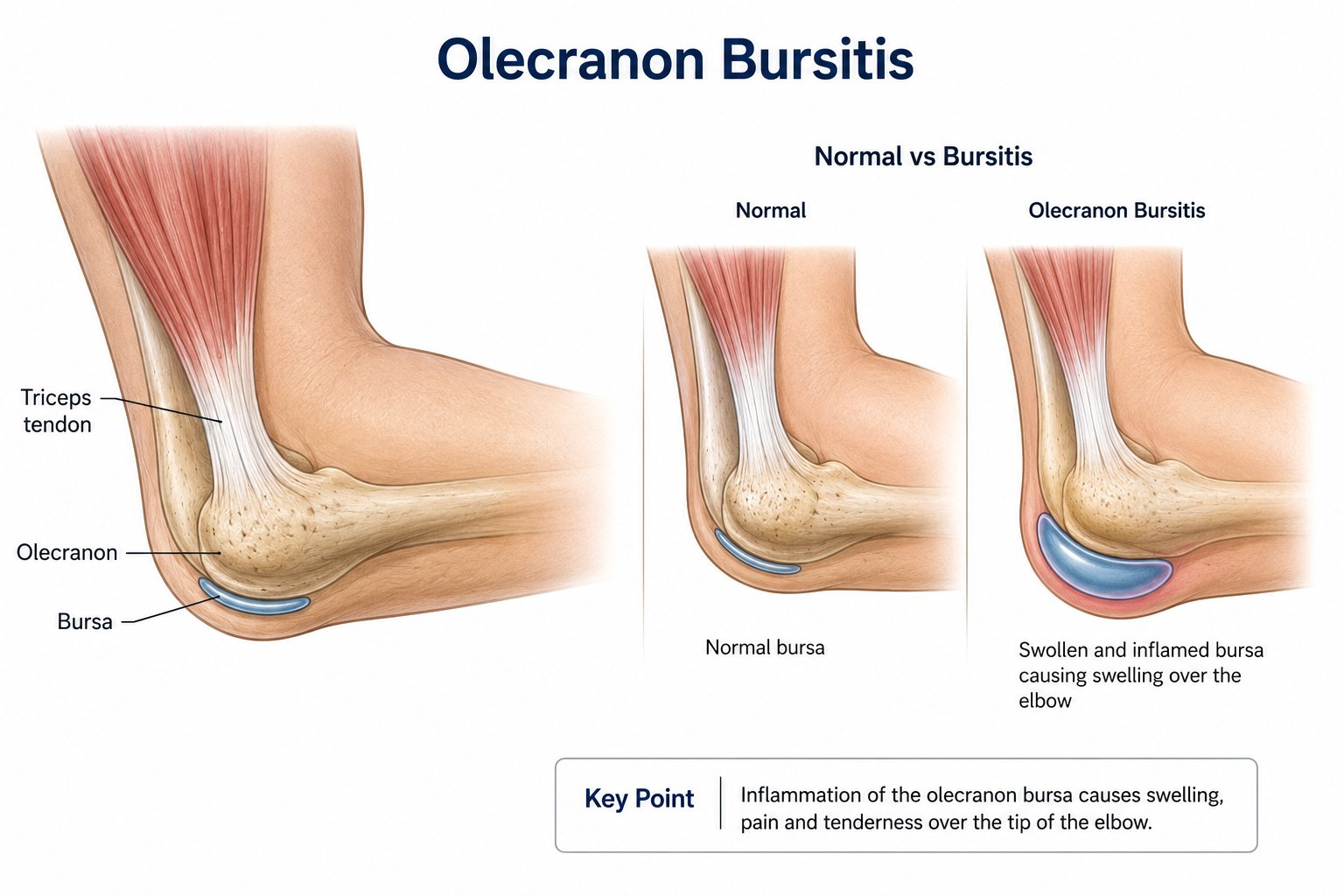
- Post-surgical changes — scarring, hardware impingement, or adhesions following ORIF
Symptoms
- Pain with activity — initially at extremes of movement, progressing to pain throughout the range
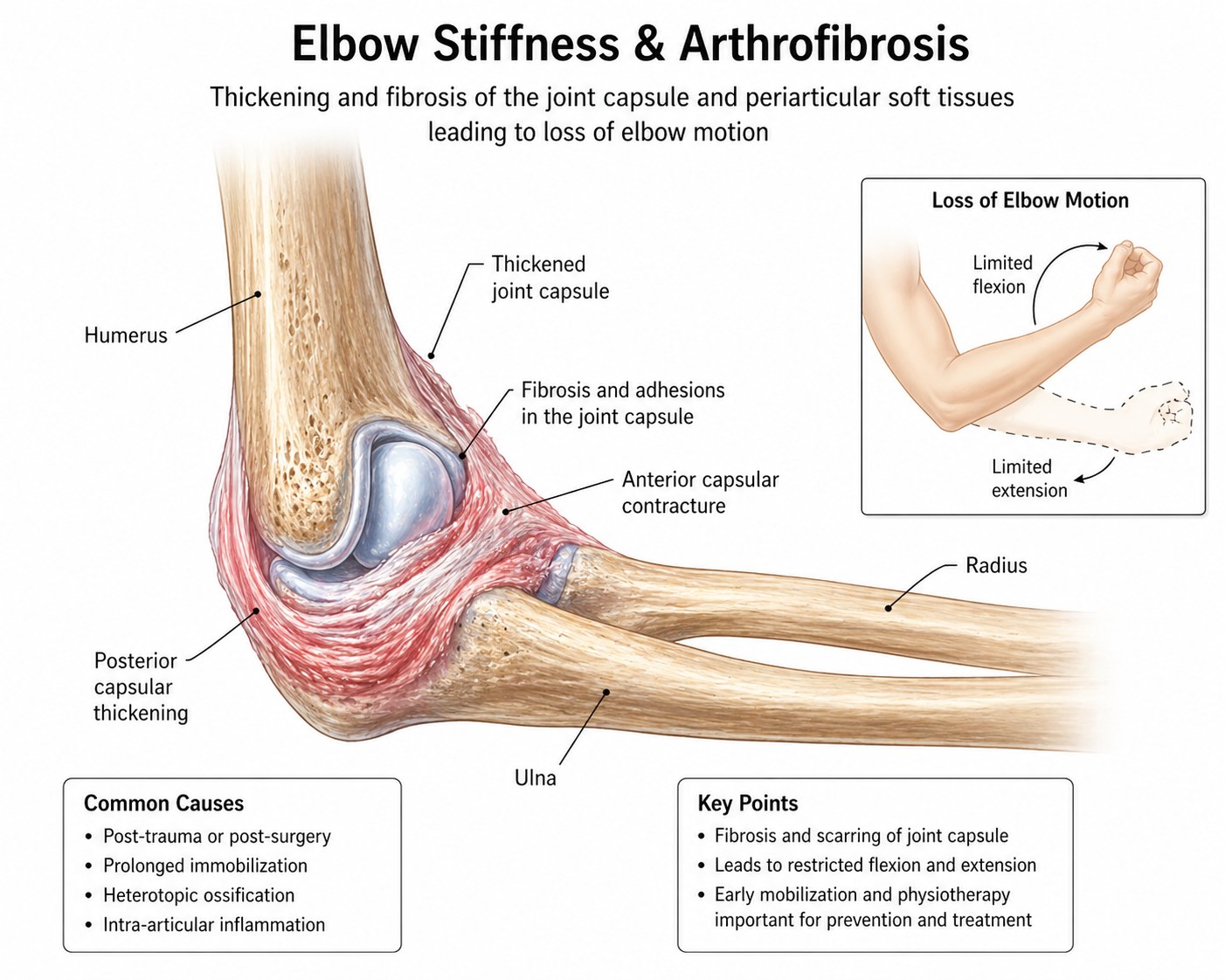
- Stiffness — loss of full extension (flexion contracture) and loss of full flexion
- Crepitus and grinding — particularly if articular surface incongruence is present
- Locking or catching — loose bodies from prior fracture or ongoing degeneration
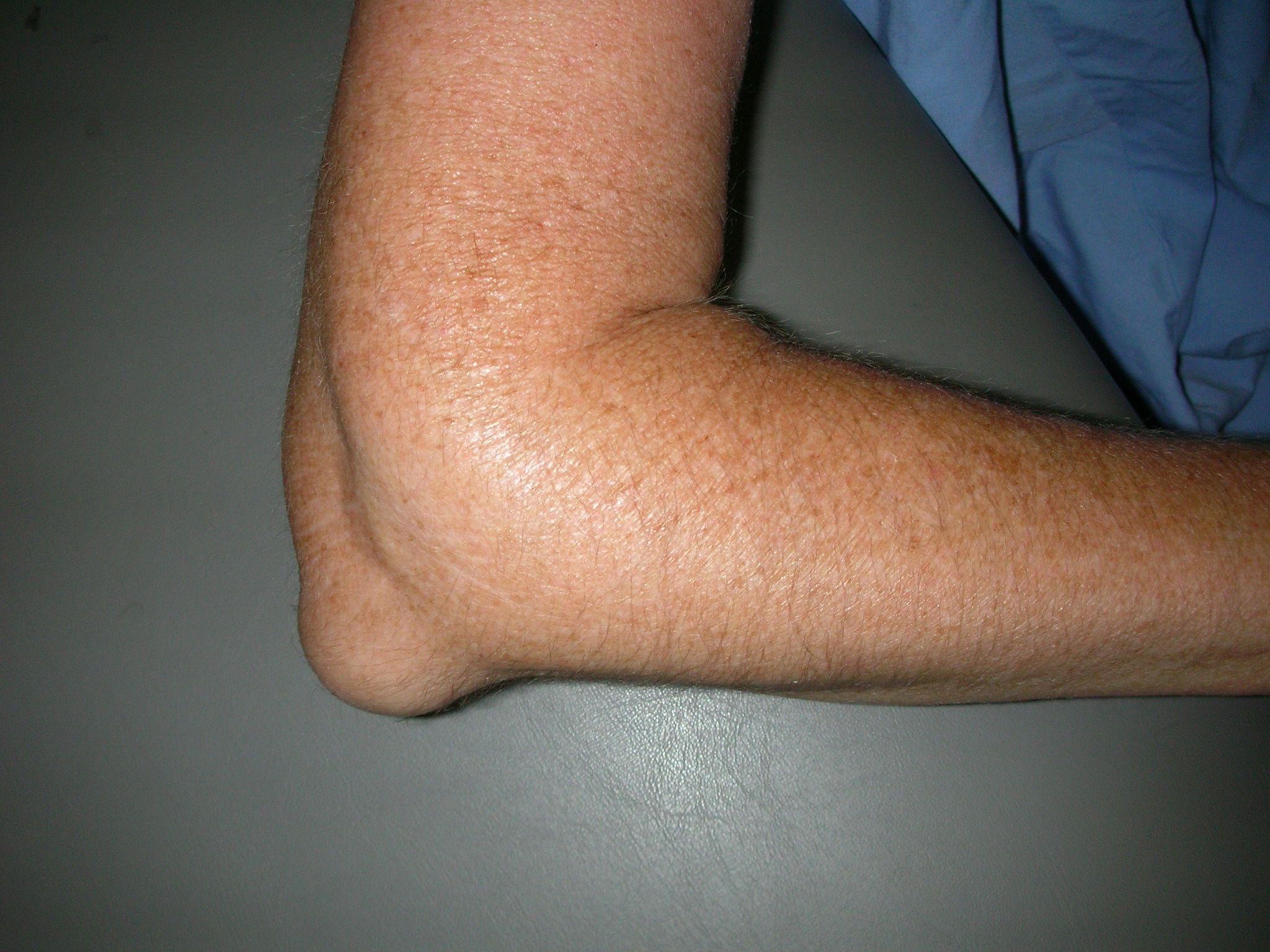
- Swelling — persistent or episodic joint effusion
- Weakness — reduced grip and forearm rotation strength
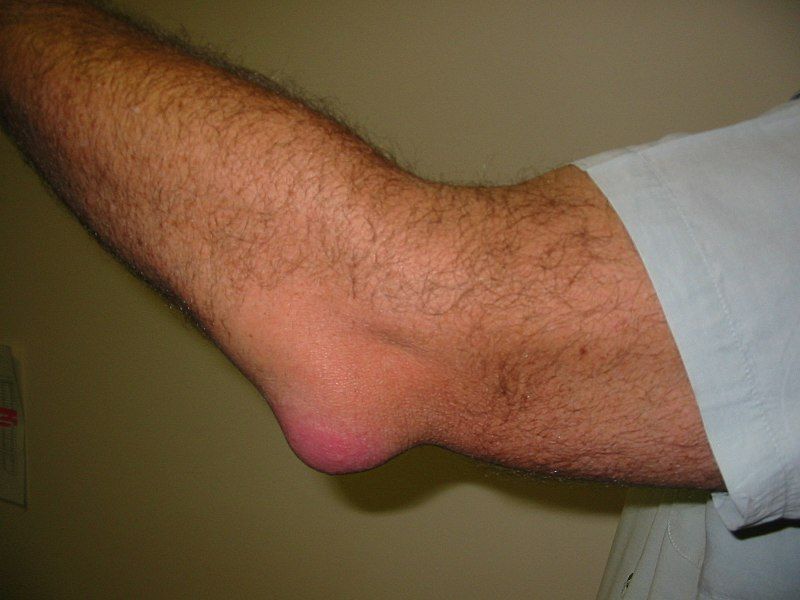
- Deformity — visible alteration of elbow contour from prior malunion or bone loss
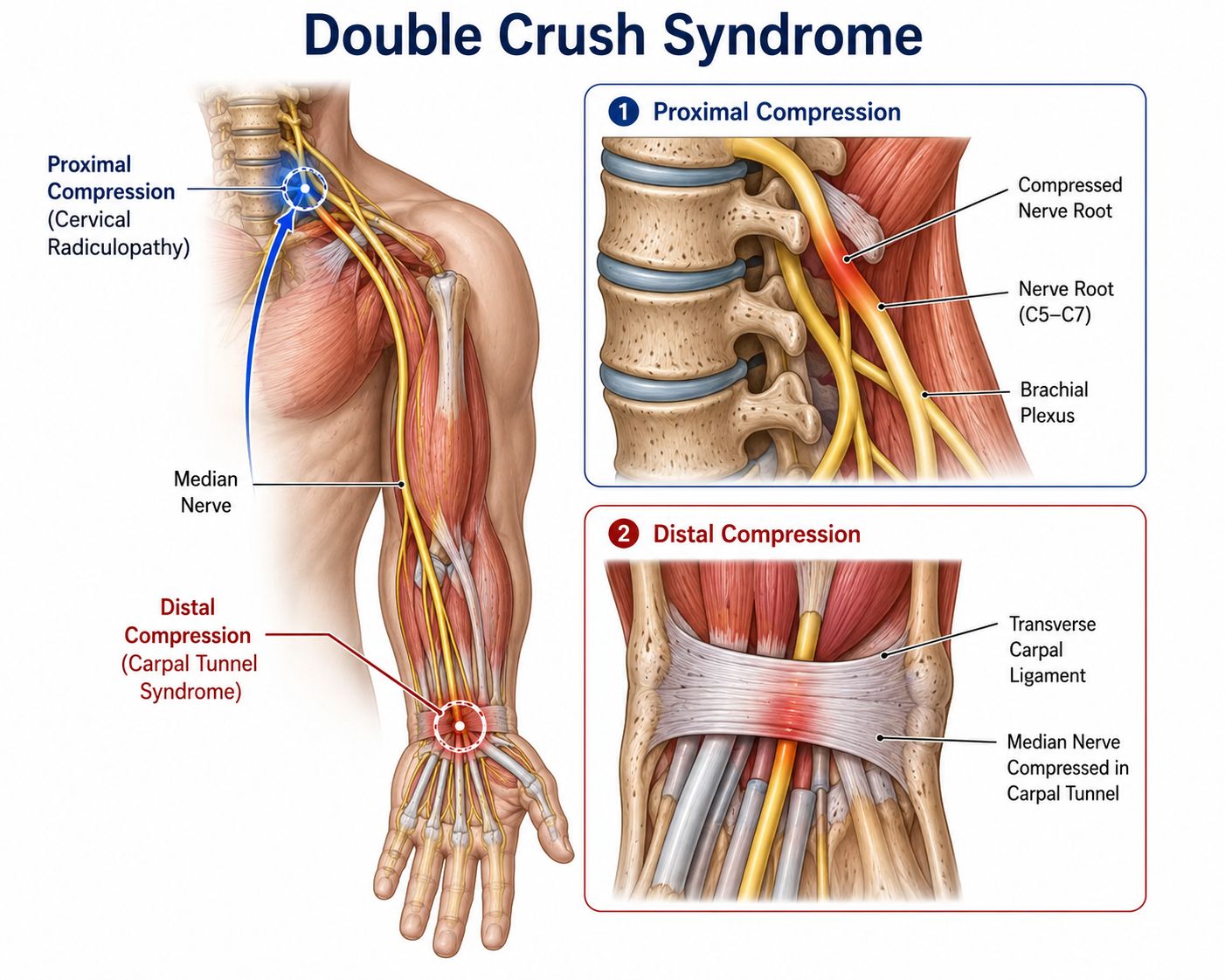
- Nerve symptoms — ulnar nerve involvement (cubital tunnel) in up to 20% of post-traumatic OA cases
How is it Diagnosed?
- Detailed history — nature of original injury, previous surgery, current functional limitations
- Clinical examination — range of motion measurement, stability assessment, nerve function testing
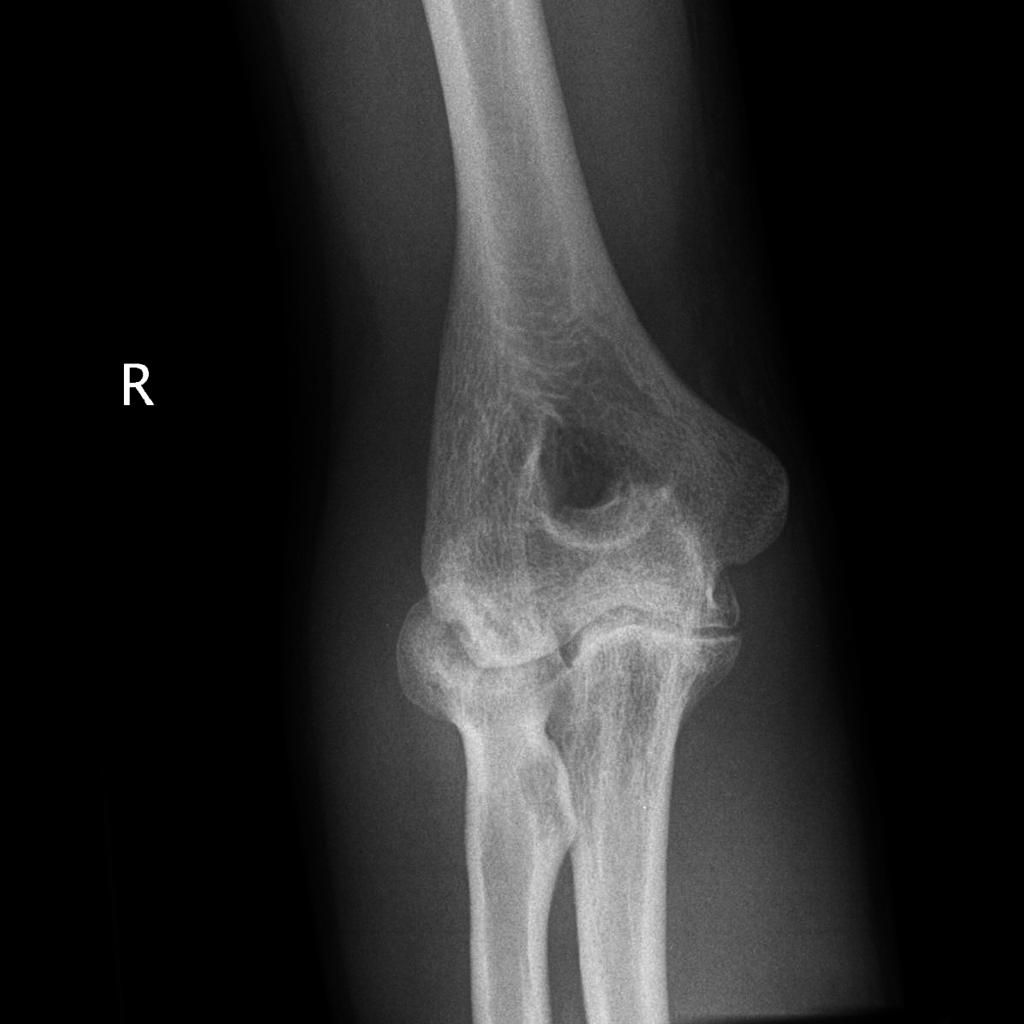
- Plain X-rays (AP + lateral) — joint space assessment, osteophyte mapping, hardware assessment if prior ORIF
- CT scan — essential for detailed 3D assessment of osteophyte distribution, loose bodies, and bony architecture prior to arthroscopic surgery
- MRI — cartilage quality assessment, soft tissue evaluation, identification of avascular necrosis
- EMG / nerve conduction studies — if concurrent ulnar nerve symptoms are present
Treatment Options
Treatment Type | Details |
Physiotherapy & Activity Modification | ROM exercises, strengthening, ergonomic modification; most effective in early-stage disease |
NSAIDs & Analgesia | Oral or topical NSAIDs for pain management; regular dosing during flares |
Intra-articular Corticosteroid Injection | Ultrasound-guided injection; 4–12 weeks of relief; maximum 3 per year |
Arthroscopic Débridement | Removal of osteophytes, loose bodies, and adhesions; Outerbridge-Kashiwagi fenestration; most effective when >50% joint space preserved; day-case procedure |
Open Contracture Release | For severe fixed flexion contracture >60°; combined with osteophyte removal; requires meticulous ulnar nerve management |
Interposition Arthroplasty | For younger, high-demand patients with end-stage OA unsuitable for TEA; biologic spacer between joint surfaces; preserves bone stock |
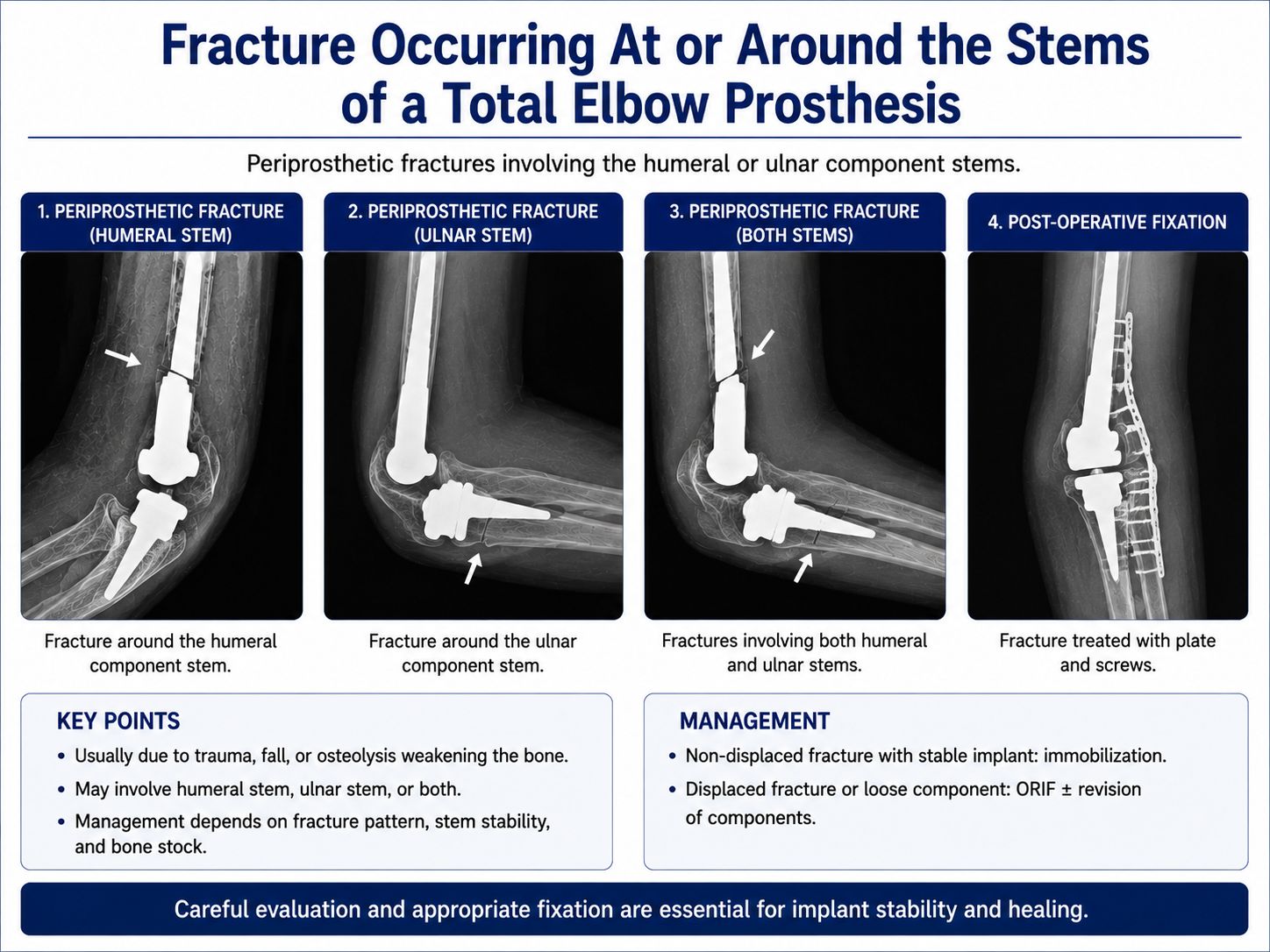
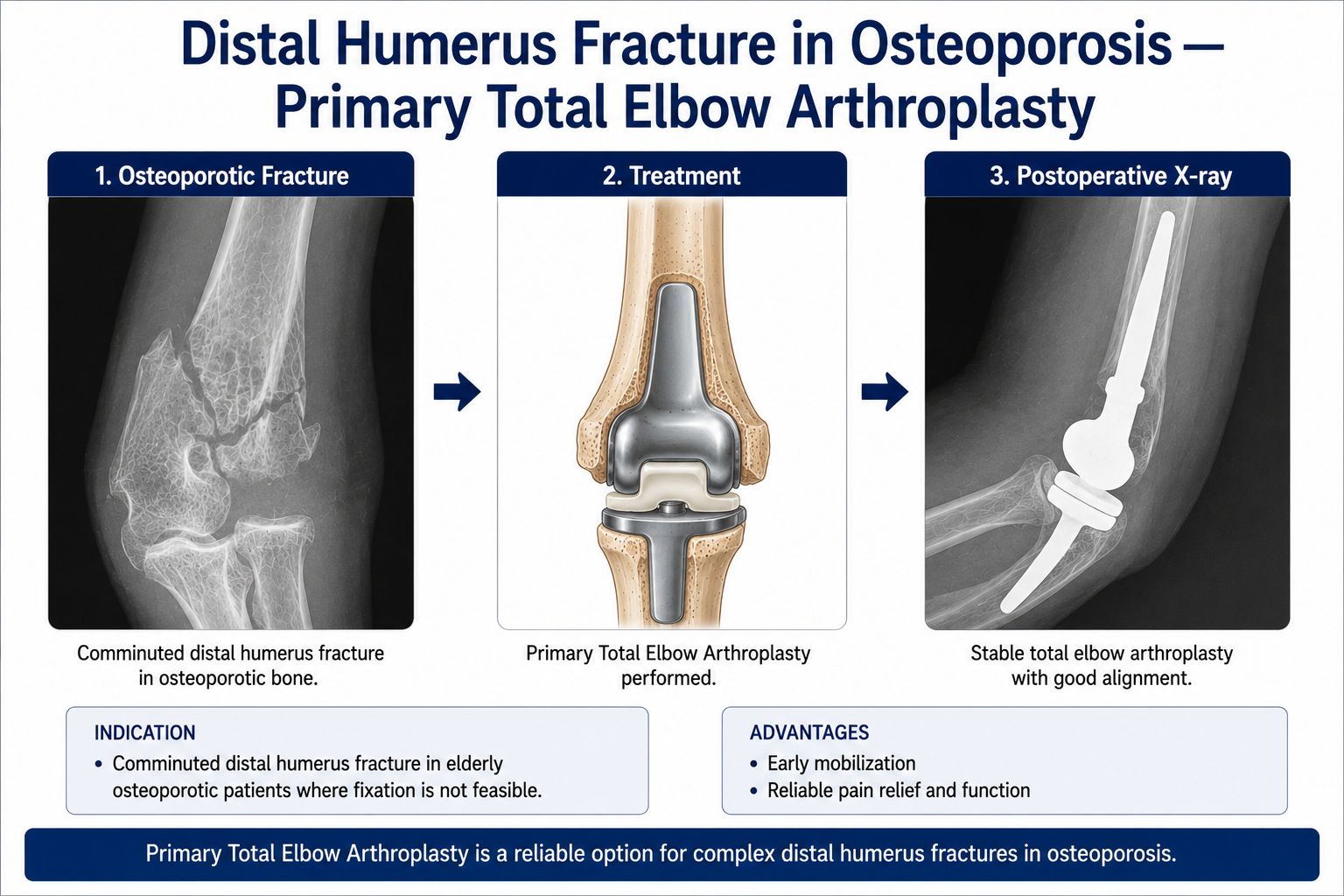
Total Elbow Arthroplasty (TEA) | Semi-constrained linked implant for elderly or low-demand patients; permanent 1 kg lifting restriction |
Radial Head Replacement | If prior radial head excision contributed to arthritis: replacement restores lateral column support and can arrest progression |
Recovery & Rehabilitation
- Arthroscopic débridement: day-case surgery; immediate mobilisation; return to light work 2–4 weeks; sport 6–12 weeks
- Open contracture release: overnight stay; physiotherapy from within 24 hours; hinged brace 6 weeks; full recovery 3–6 months
- Total elbow replacement: 1–2 nights; physio from day 1; light activities 6–8 weeks; permanent 1 kg lift restriction
- Outcome after arthroscopic débridement: typically 70–80% patient satisfaction; average 20° extension gain; significant pain reduction
- Ongoing physiotherapy and a formal home exercise programme are essential — gains can be lost without continued effort
Why choose Dr Senthilvelan?
Post-traumatic elbow arthritis requires a surgeon experienced in both arthroscopic techniques and complex elbow reconstruction. Dr Senthilvelan has UK fellowship training in all aspects of elbow surgery, from arthroscopic débridement and contracture release to total elbow replacement. He carefully matches the procedure to each patient’s age, activity level, and the severity of joint damage.
Frequently Asked Questions
1. I fractured my elbow 5 years ago. It was well-treated but now hurts again — is this normal?
Unfortunately, yes. Even a well-treated intra-articular elbow fracture can lead to post-traumatic arthritis years later. The cartilage damage sustained at the time of injury, even if the bones healed in excellent position, sets in motion a gradual degenerative process. This is one of the most common causes of elbow arthritis in working-age adults. The good news is that there are effective treatments at every stage.
2. Can keyhole (arthroscopic) surgery help post-traumatic elbow arthritis?
Yes — arthroscopic débridement is very effective in the early-to-moderate stages of post-traumatic OA, particularly when there is a preserved joint space (>50%), loose bodies, or osteophyte impingement. The procedure removes osteophytes and loose bodies, cleans up the joint lining, and can significantly improve pain and range of motion. It is performed as a day-case surgery with a quick recovery.
3. I am 45 years old and active — am I too young for a total elbow replacement?
Total elbow replacement carries a permanent lifting restriction (no more than 1 kg single-handed) and is generally reserved for low-demand patients or those over 65. For a younger, active person, alternatives such as arthroscopic débridement, contracture release, or interposition arthroplasty are preferable to preserve bone stock and avoid the restrictions of a prosthesis. Dr Senthilvelan will discuss all options in detail and tailor the treatment to your specific situation.
4. My previous surgeon says my elbow needs replacement — should I get a second opinion? S
Seeking a second opinion from a specialist elbow surgeon before committing to total elbow replacement is always sensible, particularly if you are younger or more active. There may be intermediate surgical options — such as arthroscopic débridement or interposition arthroplasty — that have not been fully explored. Dr Senthilvelan offers specialist consultations including imaging review and a comprehensive discussion of all management options.
5. Will removing the metalwork from my previous elbow fracture help my arthritis?
If prominent or proud metalwork is causing local irritation, impingement or bursitis, removing it may improve symptoms. However, metalwork removal alone will not reverse arthritic changes in the cartilage. It can be a useful adjunct to arthroscopic débridement if hardware is identified as contributing to the symptoms. A CT scan is used to assess the relationship between the hardware and joint surface before any decision is made.