Overview
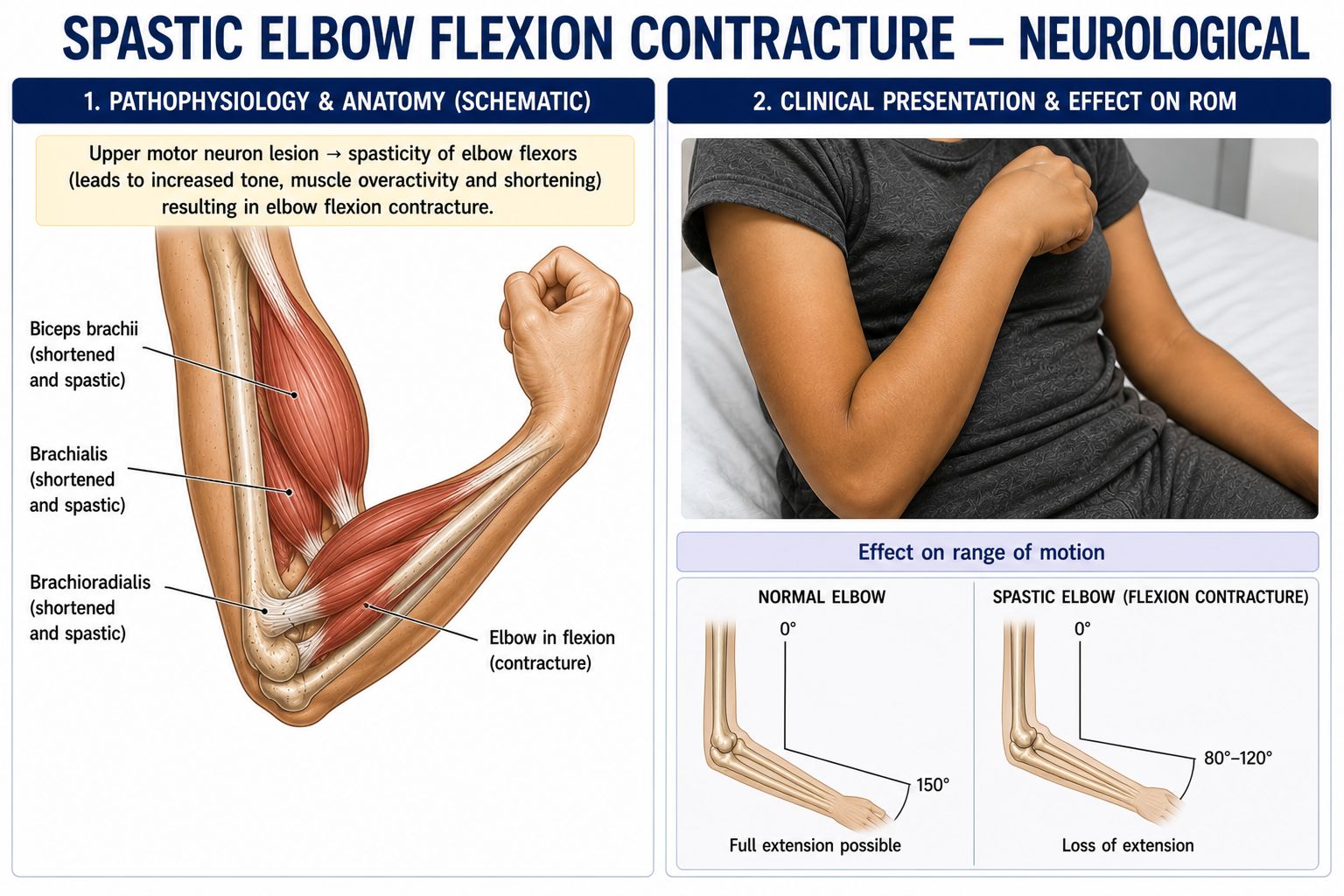
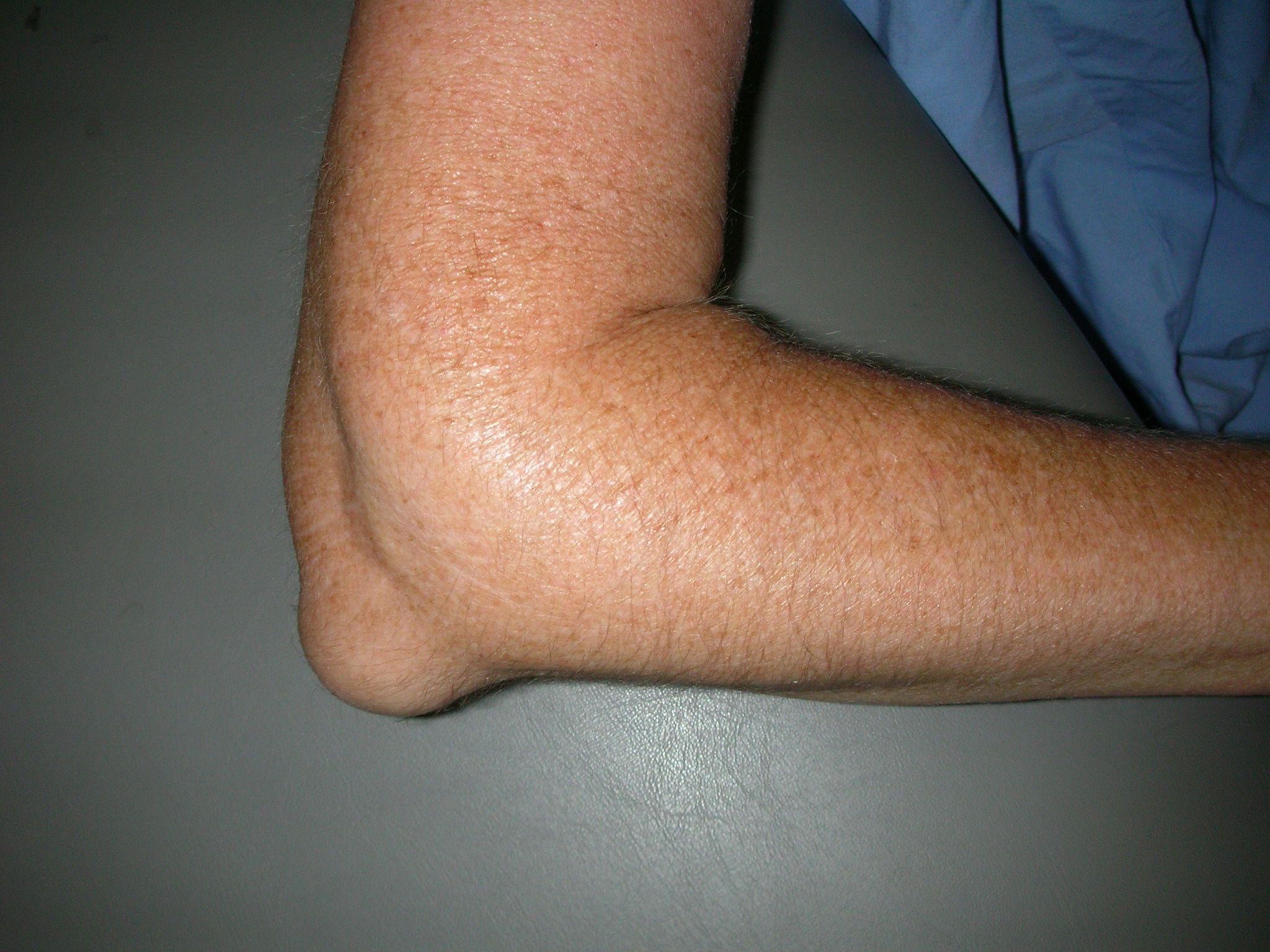
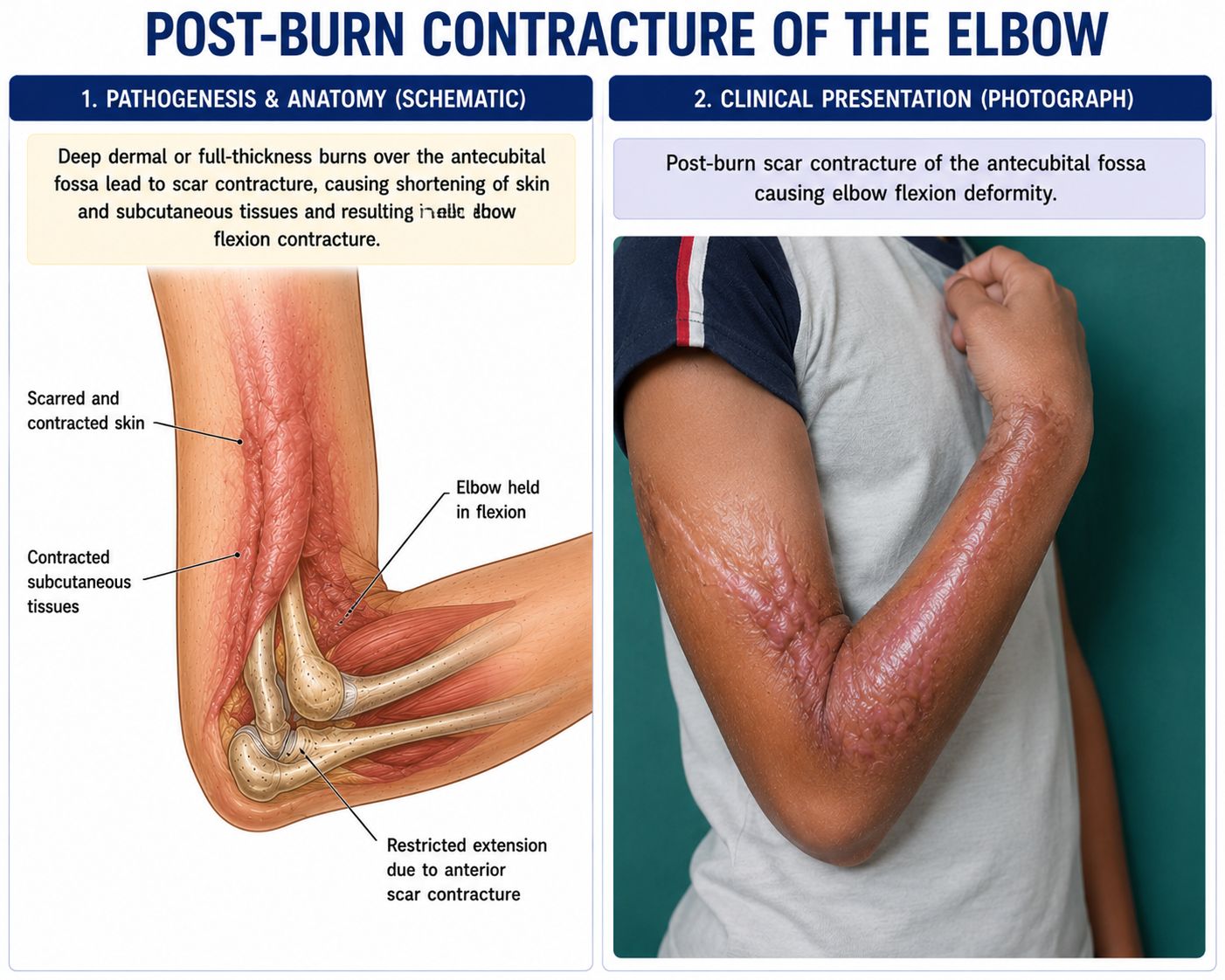
Post-burn elbow contracture is the progressive restriction of elbow extension resulting from scar tissue formation and contraction in the anterior (flexor) surface of the elbow after a burn injury. Burn scar tissue has no elastic properties — it contracts as it heals, pulling the elbow into progressive flexion. Without active prevention (positioning and splinting from the moment of injury), functionally significant elbow contracture is almost inevitable after full-thickness anterior elbow burns.
The severity of post-burn contracture correlates with the depth and extent of the burn, the adequacy of initial wound management, and the compliance with prevention protocols. Superficial burns may cause minimal contracture. Full-thickness burns that cross the anterior elbow joint crease with inadequate early grafting or splinting routinely produce severe, disabling elbow flexion contractures.
Surgical correction depends on the extent of contracture: simple linear scar bands are released with Z-plasty (rearranging the scar tissue to break the linear tension); moderate contractures require local or distant flap cover; extensive contractures require skin grafting. Deep contractures involving the joint capsule require concurrent arthroscopic or open capsular release. Regardless of the surgical technique, early post-operative physiotherapy and continuous nighttime splinting are essential to maintain the correction achieved.
Quick Facts | Details |
Also Known As | Burn Elbow Contracture, Post-Burn Flexion Deformity, Scar Contracture — Elbow |
Affected Area | Anterior elbow skin, subcutaneous tissue, and deep fascia — burn scar contracture restricts elbow extension; deep contracture may also involve the joint capsule and musculotendinous structures |
Who It Affects | Adults and children who have sustained burns affecting the anterior (flexor surface) of the elbow; any burn depth can cause contracture, but full-thickness (third-degree) burns carry the highest risk; without early prevention, contracture is almost inevitable after significant anterior elbow burns |
Prevalence | Elbow contracture affects approximately 20–30% of patients with significant anterior elbow burns despite conservative management; the elbow is one of the most common sites of functional burn contracture; significantly impacts activities of daily living and work capacity |
Treatment | Prevention (most important): correct positioning (elbow extended) + static extension splinting during healing; established contracture: Z-plasty (linear scar), local flap (moderate), skin grafting (extensive); deep contracture: concurrent capsular release; early post-release physiotherapy and continuous splinting |
Causes & Risk Factors
- Full-thickness (third-degree) burns of the anterior elbow — destroy the dermis and subcutaneous tissue; heal by scar formation rather than regeneration; the scar contracts predictably
- Inadequate acute burn care — delayed skin grafting of deep burns; failure to position the elbow in extension during healing; inadequate splinting
- Failure of prevention protocols — the elbow must be positioned in extension and splinted from day 1 of burn care; any deviation causes contracture
- Paediatric burns — children are particularly vulnerable because growth creates progressive tension on the scar, and compliance with splinting is lower
Symptoms
- Elbow flexion deformity — progressive inability to extend the elbow; the angle of fixed flexion depends on the severity of the contracture
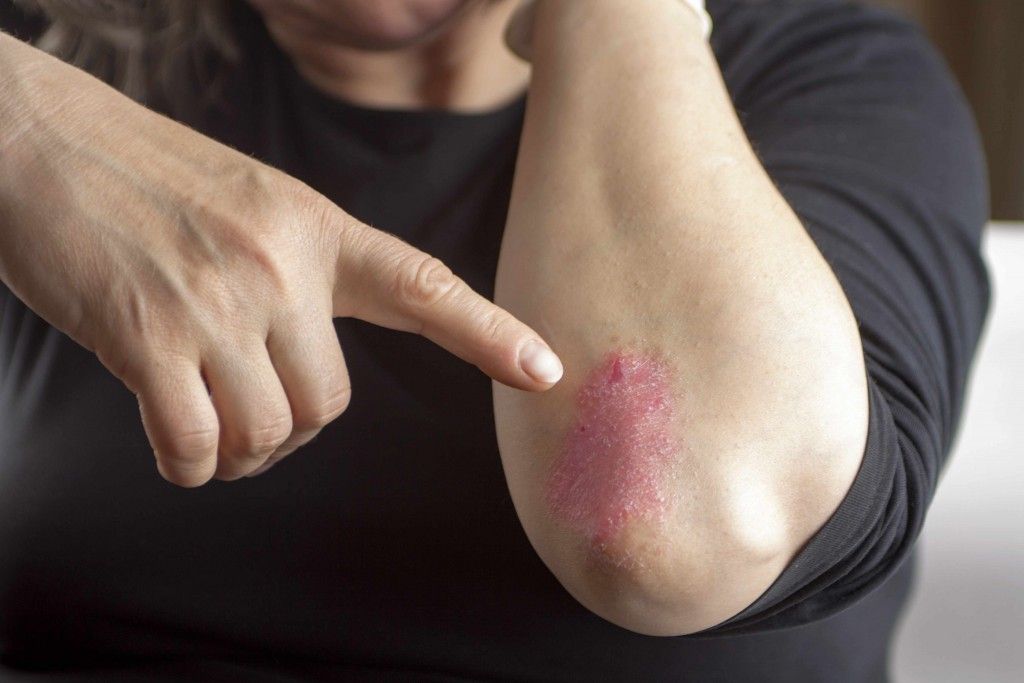
- Visible scar band — a tight, cordlike scar band on the anterior elbow that limits extension; skin puckering and webbing are apparent
- Tight skin over the antecubital fossa — the anterior skin is restricted and inelastic; cannot accommodate elbow extension
- Functional impairment — difficulty reaching, dressing, driving, and performing overhead tasks
- Skin complications — in severe contractures, the skin over the contracted area may be fragile, with recurrent skin breakdown and ulceration from repeated tension
How is it Diagnosed?
- Clinical examination — measure the passive extension deficit; assess scar characteristics (mature vs active); skin graft or donor site availability assessment; assess for deep component (joint capsule involvement)
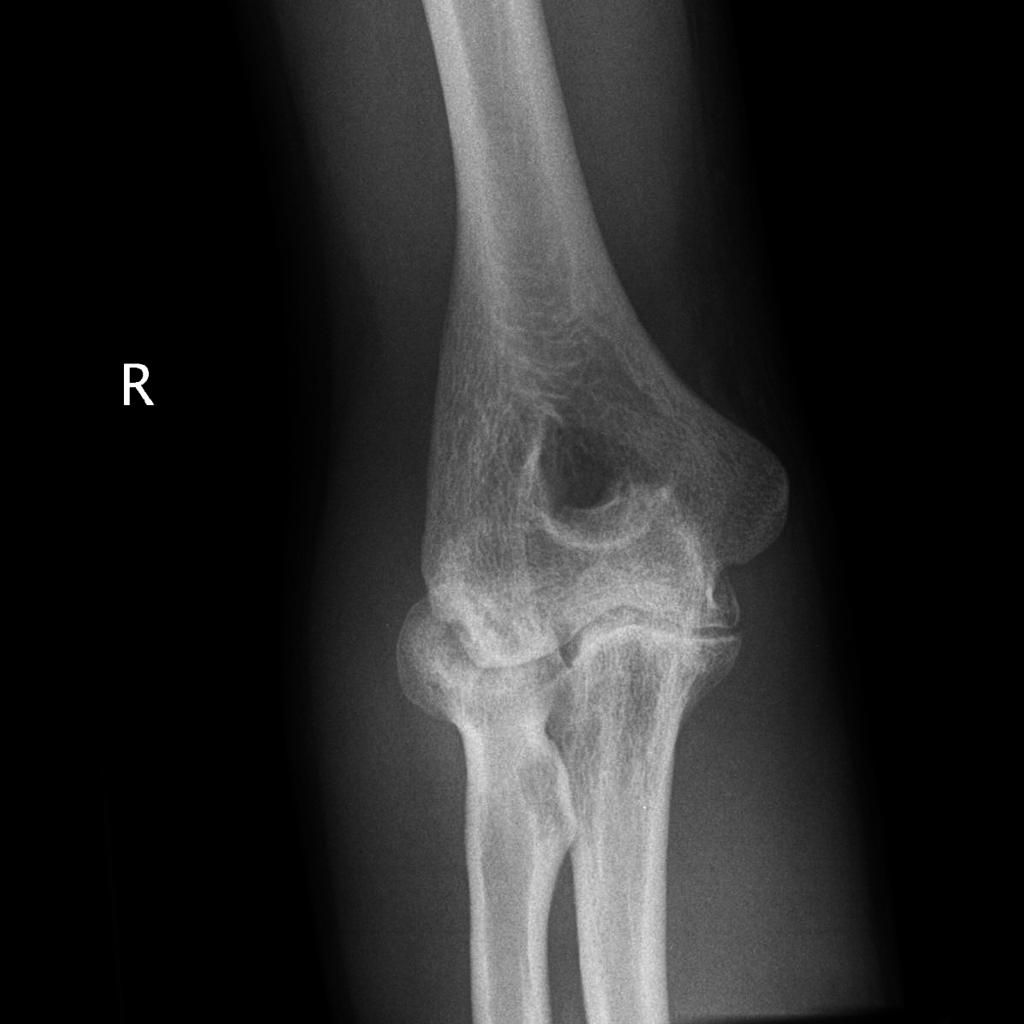
- Plain X-rays — assess joint architecture; any bony deformity from prior trauma; joint space preservation (guides whether capsular release is needed)
- MRI — in complex cases with suspected deep contracture: assesses joint capsule, muscles, and tendons; identifies deep components of the contracture
- Scar maturity assessment — mature scar (pale, flat, pliable): surgical outcome is most predictable; active/immature scar (red, raised, hard): wait for maturity before elective reconstruction (usually 12–18 months post-burn)

Treatment Options
Treatment Type | Details |
Prevention (MOST IMPORTANT) | Position elbow in full extension from day 1 of burn care; thermoplastic extension splint worn full-time during acute healing; physiotherapy from the first day; skin grafting of full-thickness burns as soon as the wound is ready (do not delay grafting on the elbow crease) |
Z-Plasty (Linear Scar Band) | For a single tight linear scar band crossing the anterior elbow; Z-plasty rearranges the scar geometry to break the linear tension and adds effective skin length; the classic technique for isolated scar bands |
Local Flap Reconstruction | For moderate contractures where Z-plasty is insufficient: local skin flaps (transposition, rotation, or advancement flaps) from adjacent skin can provide pliable coverage over the elbow crease; requires local flap planning |
Skin Grafting (Split or Full Thickness) | For extensive contractures where local tissue is insufficient: the scar is excised and replaced with a split-thickness or full-thickness skin graft; full-thickness grafts (FTSG) are preferred at the elbow (more pliable, less secondary contracture); donor site is the groin or upper thigh |
Concurrent Capsular Release | For contractures where the skin correction alone is insufficient (joint capsule involved): concurrent arthroscopic or open anterior capsular release at the same procedure as skin reconstruction; addresses both the skin and capsular components |
Post-Operative Management | Continuous extension splinting for 6–12 months post-surgery; physiotherapy from day 5–7 post-graft take; dynamic extension splinting during the day; static extension splinting at night; pressure garments over the grafted area for scar management |
Recovery & Rehabilitation
- After Z-plasty: wound healing 2 weeks; physiotherapy from week 1; extension splinting for 6 months; excellent outcomes for isolated linear scar bands
- After skin grafting: graft take confirmed at 5–7 days; physiotherapy begins; extension splinting worn continuously for 3 months then at night for 6–12 months
- Extension gained: typically full or near-full extension achievable with well-planned surgery and aggressive post-operative rehabilitation
- Prevention of re-contracture: continuous post-operative splinting for 12 months is the most important factor in preventing re-contracture; recurrence is most common when splinting is discontinued prematurely
Why choose Dr Senthilvelan?
Post-burn elbow contracture requires a plastic and reconstructive surgery approach combined with orthopaedic understanding of the joint component. Dr Senthilvelan manages the deep component of elbow burn contracture — including concurrent capsular release — within the context of the reconstructive plan, ensuring both the skin and joint restrictions are addressed for the best functional outcome.
Frequently Asked Questions
1. How can elbow contracture be prevented after a burn?
The most effective prevention is correct positioning and splinting from day 1 of burn care. The elbow must be positioned in full extension (straight) during healing — the opposite of the comfortable resting position of slight flexion. A thermoplastic extension splint worn continuously during the acute healing phase, combined with daily physiotherapy to maintain passive extension, dramatically reduces the severity of contracture. Skin grafting of full-thickness burns over the elbow crease should not be delayed — early grafting with functional skin replacement is the key to preventing severe contracture.
2. My elbow was burned years ago and is now very stiff — is it too late for surgery?
It is not too late. Established post-burn elbow contracture can be surgically corrected at any stage. The scar should be mature before elective surgery (typically 12–18 months post-burn) — active, raised, red scars are treated with conservative measures first. Once mature, Z-plasty, flap reconstruction, or skin grafting can achieve significant extension improvement. Older, established contractures may require more extensive reconstruction than early contractures, but worthwhile functional improvement is achievable even many years after the original burn.
3. What is Z-plasty and how does it release a burn scar?
Z-plasty is a specific surgical technique used to release linear scar bands. Two diagonal incisions are made at each end of the scar band, creating two triangular flaps. These flaps are transposed (swapped) across the original scar line. The result is that the scar no longer runs in a straight line — it is broken into a Z-shaped pattern. This rearrangement adds effective length perpendicular to the original scar direction (lengthening the tight anterior elbow skin), eliminating the linear tension that was restricting elbow extension. Z-plasty works best for single, isolated scar bands.
4. Why is a skin graft needed for some burn contractures?
Skin grafting is needed when: the scar is too extensive to release with local tissue rearrangement alone; the burn destroyed all the available local skin around the elbow (leaving no flap donor tissue); or the contracture is severe and requires excision of the scar followed by resurfacing with new skin. The excised scar is replaced with a skin graft harvested from a donor site (usually the thigh). Full-thickness skin grafts are preferred at the elbow because they are more pliable than split-thickness grafts and undergo less secondary contracture.
5. How long will I need to wear the splint after surgery?
Post-operative splinting after burn scar contracture release is one of the most important components of treatment — and one of the most frequently under-estimated by patients. The corrected position must be maintained continuously for at least 3 months post-surgery, followed by nighttime splinting for a further 6–9 months. Premature discontinuation of splinting is the most common cause of re-contracture after surgery. During the daytime (when wearing the splint intermittently), dynamic extension splinting and physiotherapy sessions are performed to maintain the gains and build strength.