Overview
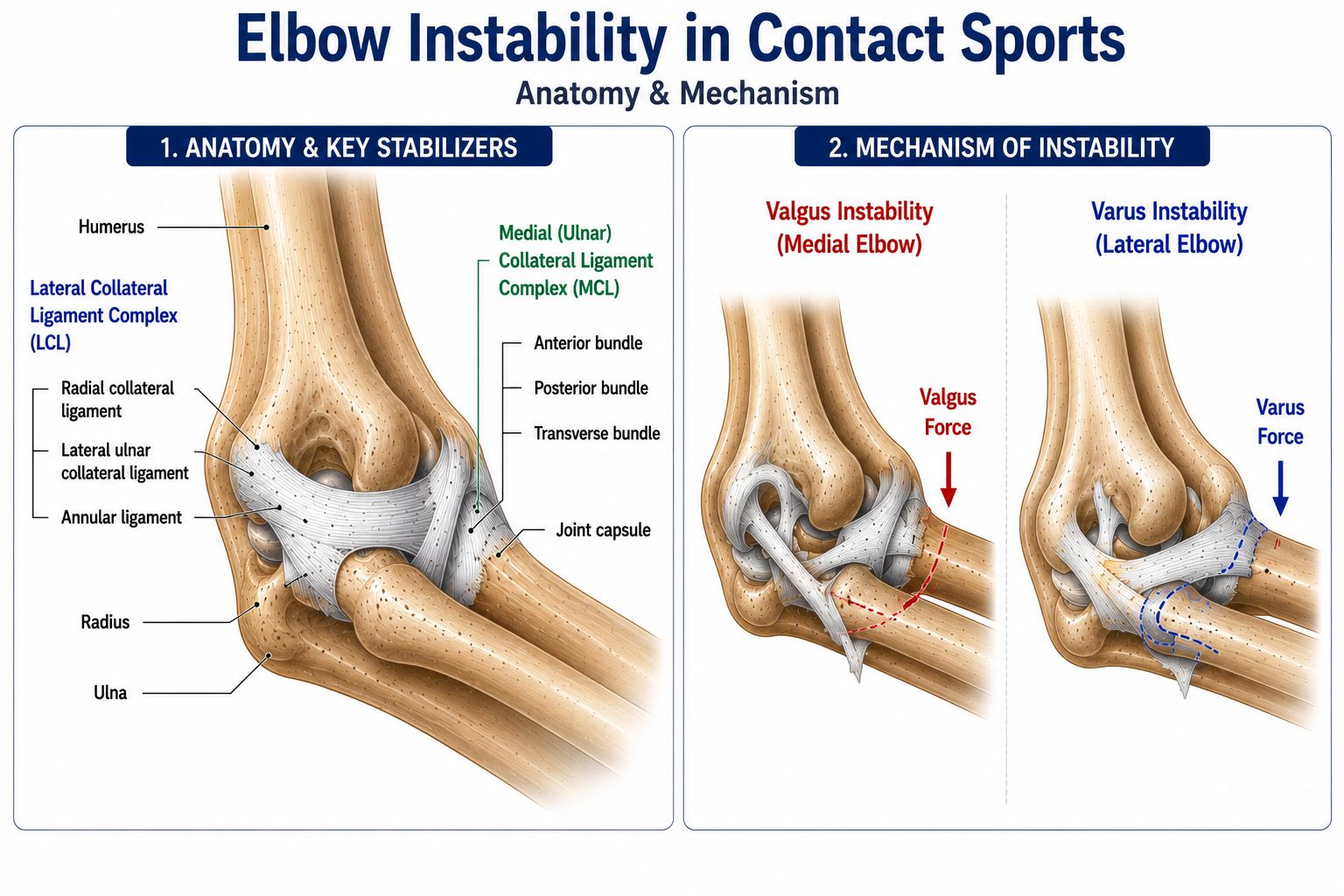
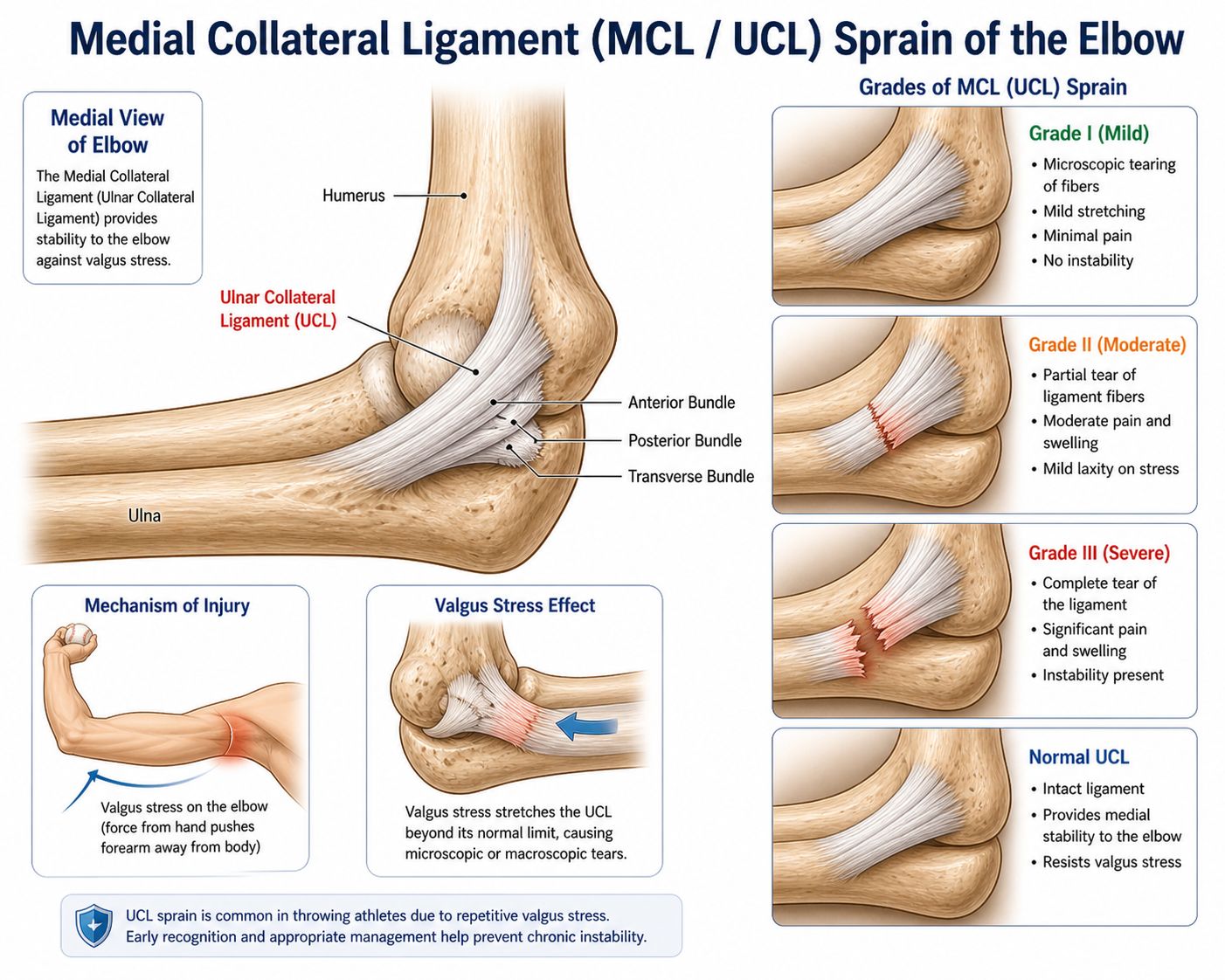
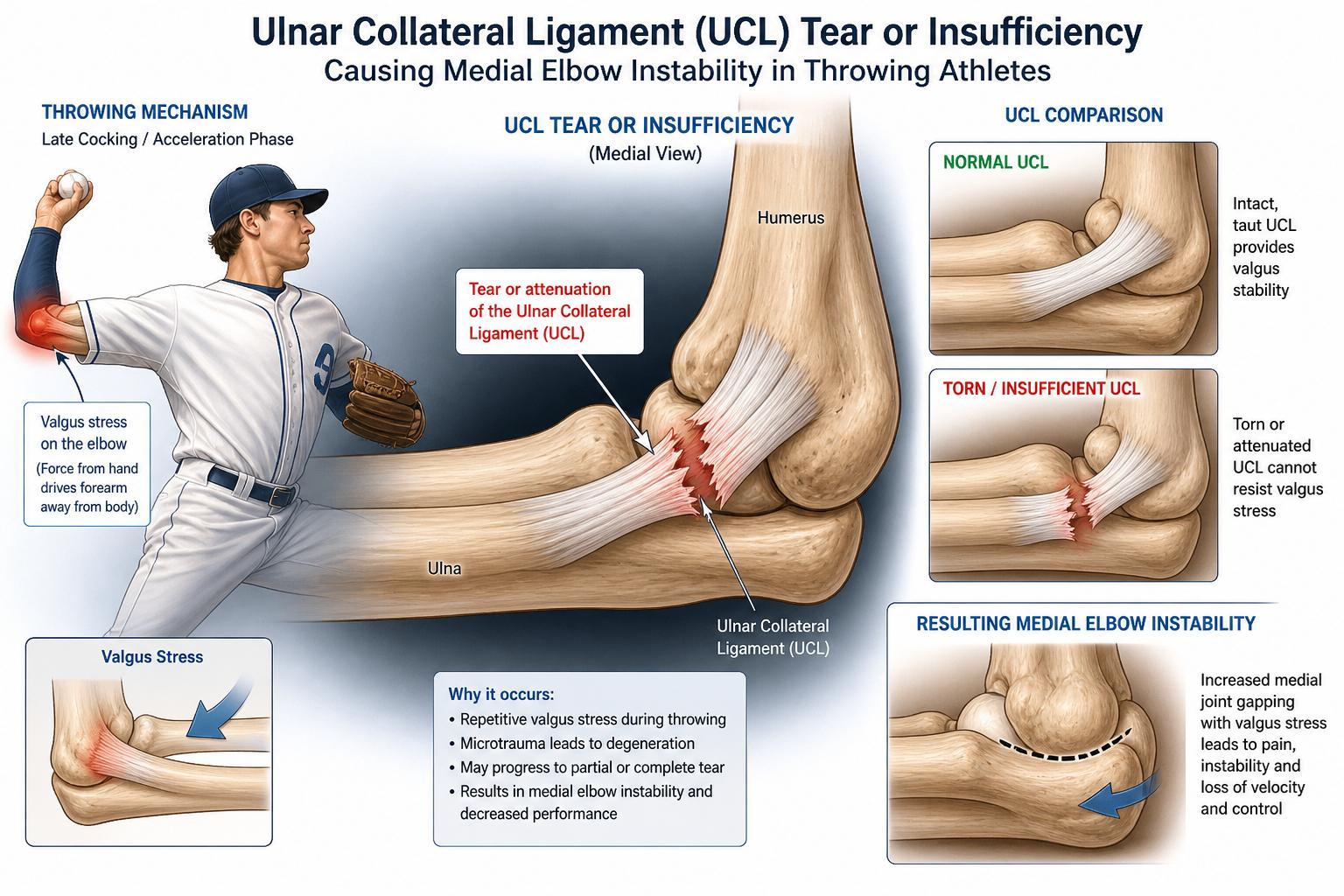
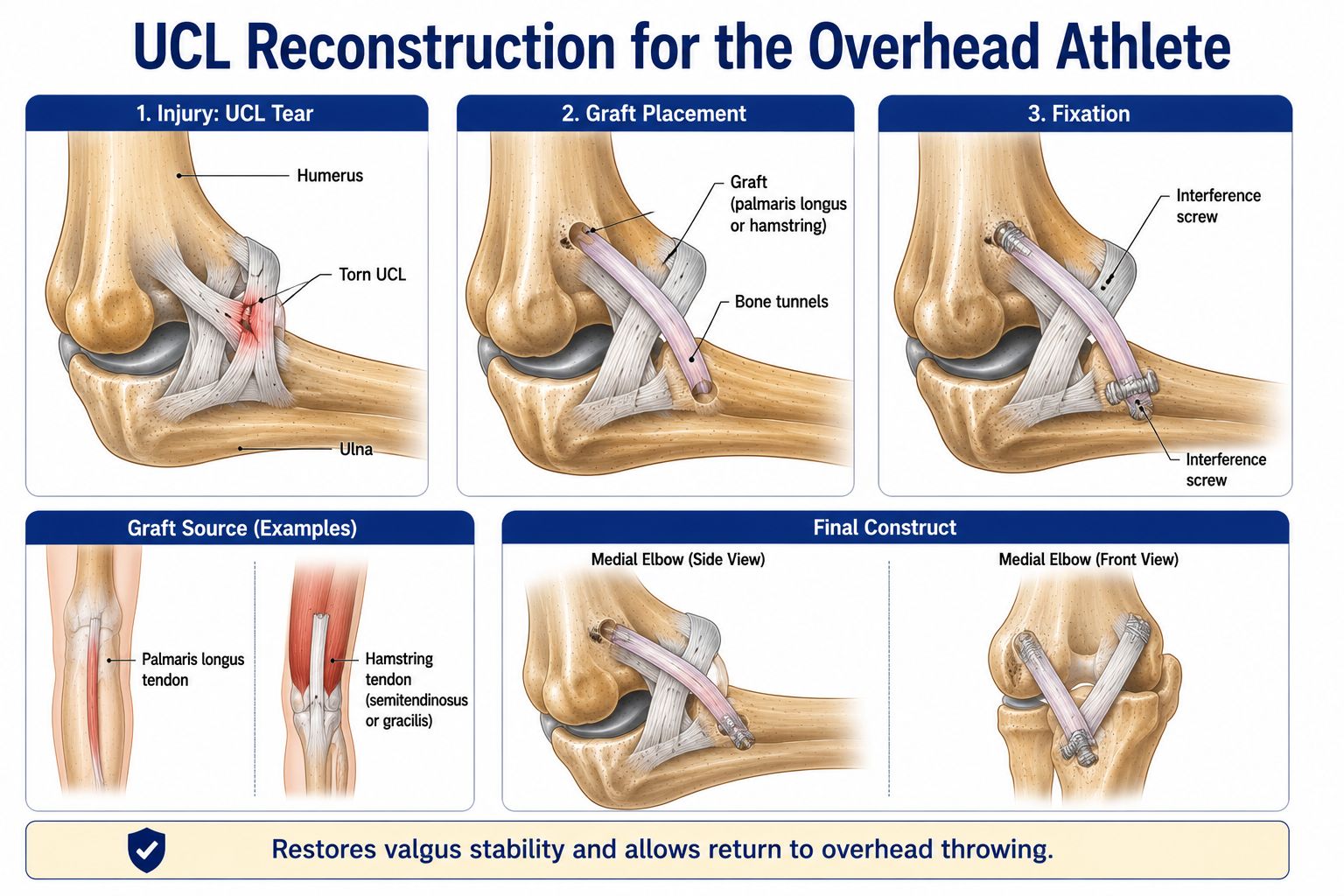
UCL reconstruction for the overhead athlete — universally called Tommy John surgery after the baseball pitcher who first underwent the procedure in 1974 — is the gold-standard surgical treatment for complete UCL tears or symptomatic UCL insufficiency in competitive throwing athletes who have failed conservative management. The procedure replaces the insufficient ligament with a tendon graft harvested from elsewhere in the body, rebuilding the primary medial stabiliser of the throwing elbow.
The docking technique — in which the graft is passed through the ulna (via a single tunnel at the sublime tubercle) and “docked” into two tunnels drilled in the medial epicondyle — has become the preferred technique due to its strong fixation, metal-free construct, and ability to adjust graft tension before final locking. The technique achieves biomechanical properties close to the native UCL and has a documented rate of return to competitive throwing exceeding 80–85% for professional athletes.
Return to competitive throwing is a 9–12 month process — one of the longest rehabilitation timelines in sports surgery. This extended timeline reflects the biology of tendon-to-bone healing (12 weeks), neuromuscular re-education, gradual progressive loading, and the systematic interval throwing programme that carefully rebuilds throwing volume and intensity before return to competitive performance.
Quick Facts | Details |
Also Known As | Tommy John Surgery, UCL Reconstruction, Medial Collateral Ligament Reconstruction — Elbow, Docking Technique |
Affected Area | Anterior band of the ulnar collateral ligament (UCL); medial elbow; ulnohumeral joint medial compartment; sublime tubercle of ulna |
Who It Affects | Competitive throwing athletes — cricket fast bowlers, baseball pitchers, javelin throwers, quarterbacks; recreational throwers and overhead sport athletes when symptoms significantly limit participation; incidence rising with year-round youth sport specialisation |
Prevalence | UCL reconstruction is the most commonly performed procedure in professional cricket and baseball elbow surgery; the incidence of UCL reconstruction has risen dramatically over the past 20 years with increased year-round youth throwing; one of the most studied sports surgery procedures worldwide |
Treatment | Palmaris longus (or gracilis) graft; docking technique (preferred); routine subcutaneous ulnar nerve transposition; return to competitive throwing 9–12 months; preceded by complete conservative trial including PRP for partial tears |
Causes & Risk Factors
- Repetitive valgus overload — the cumulative effect of thousands of high-velocity throws loading the UCL beyond its fatigue limit; accounts for most professional athlete UCL tears
- Acute complete rupture — a single violent throw creates a pop with immediate medial pain; accounts for approximately 20% of UCL tears
- Failed conservative treatment of partial UCL tear — partial tears that do not heal with 3–6 months of rest and PRP injection in athletes wishing to return to competitive throwing
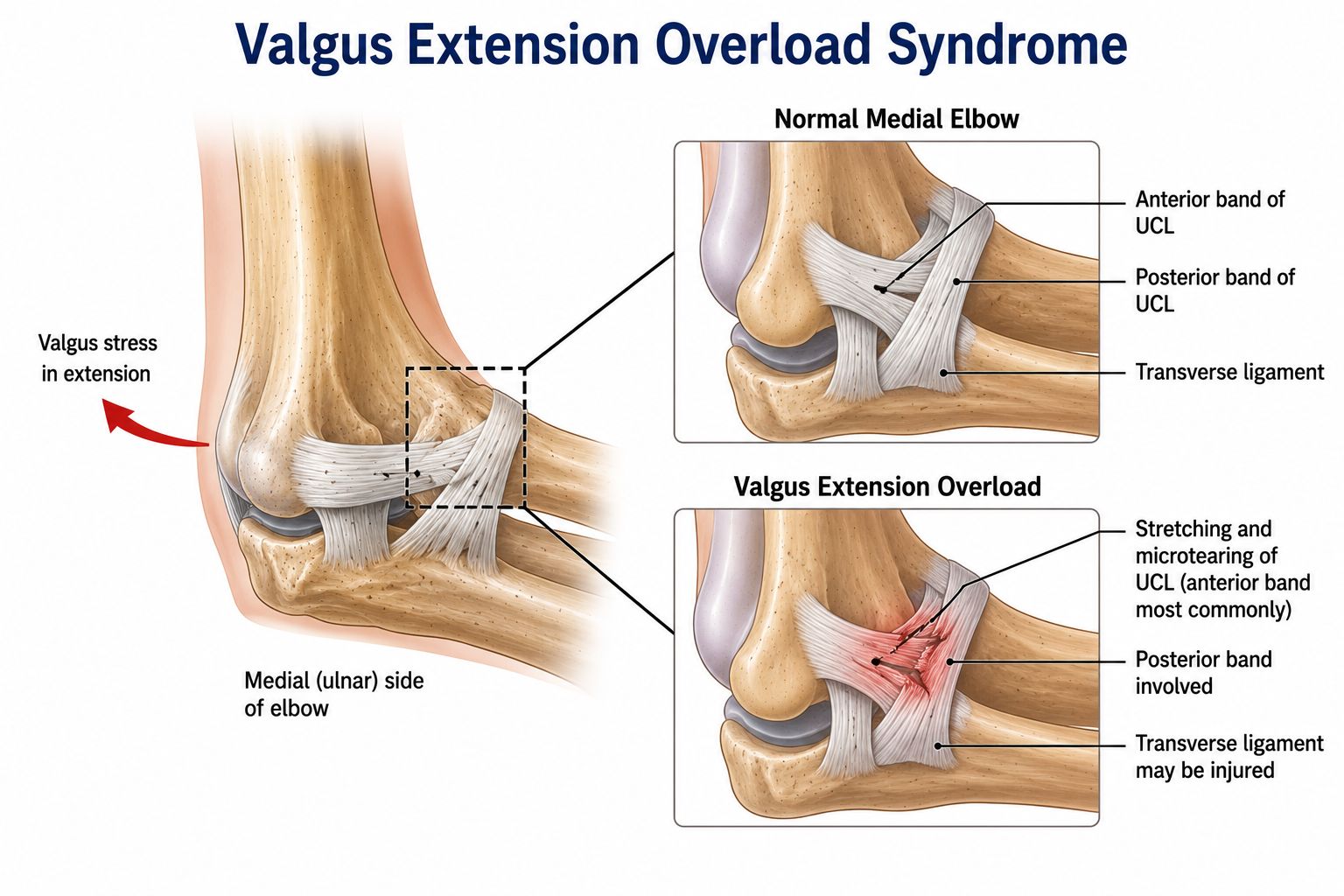
- UCL insufficiency following VEOS treatment — athletes with concurrent posteromedial osteophyte excision (Condition 61) in whom UCL insufficiency was identified
- Youth athlete overuse — year-round throwing without adequate rest; increasing incidence in adolescents
Symptoms
- Medial elbow pain during throwing — maximal during late cocking and early acceleration; the medial elbow generates forces exceeding the UCL’s tensile strength at these phases
- Decreased throwing velocity and accuracy — often the first functional sign before pain becomes limiting
- Inability to throw at maximum effort — athlete pulls back from full-effort throws due to medial pain
- Acute pop with sudden severe medial pain — in complete acute rupture
- Medial elbow tenderness — over the UCL origin and distal attachment at the sublime tubercle
- Positive moving valgus stress test — reproduction of medial elbow pain from 120–70° arc during dynamic valgus loading
- Concurrent cubital tunnel symptoms — ulnar nerve tingling in ring and little fingers; present in 40% of UCL injuries
How is it Diagnosed?
- Clinical examination — moving valgus stress test (highest sensitivity and specificity); Milking manoeuvre; static valgus stress test at 30° flexion; ulnar nerve assessment
- MRI ± arthrogram — T-sign on MR arthrogram (contrast tracking under UCL) most sensitive for partial articular-sided tears; full-thickness tear on standard MRI; concurrent posteromedial chondral damage and loose bodies
- Ultrasound — dynamic valgus stress under ultrasound; UCL thickening; calcification; partial tears
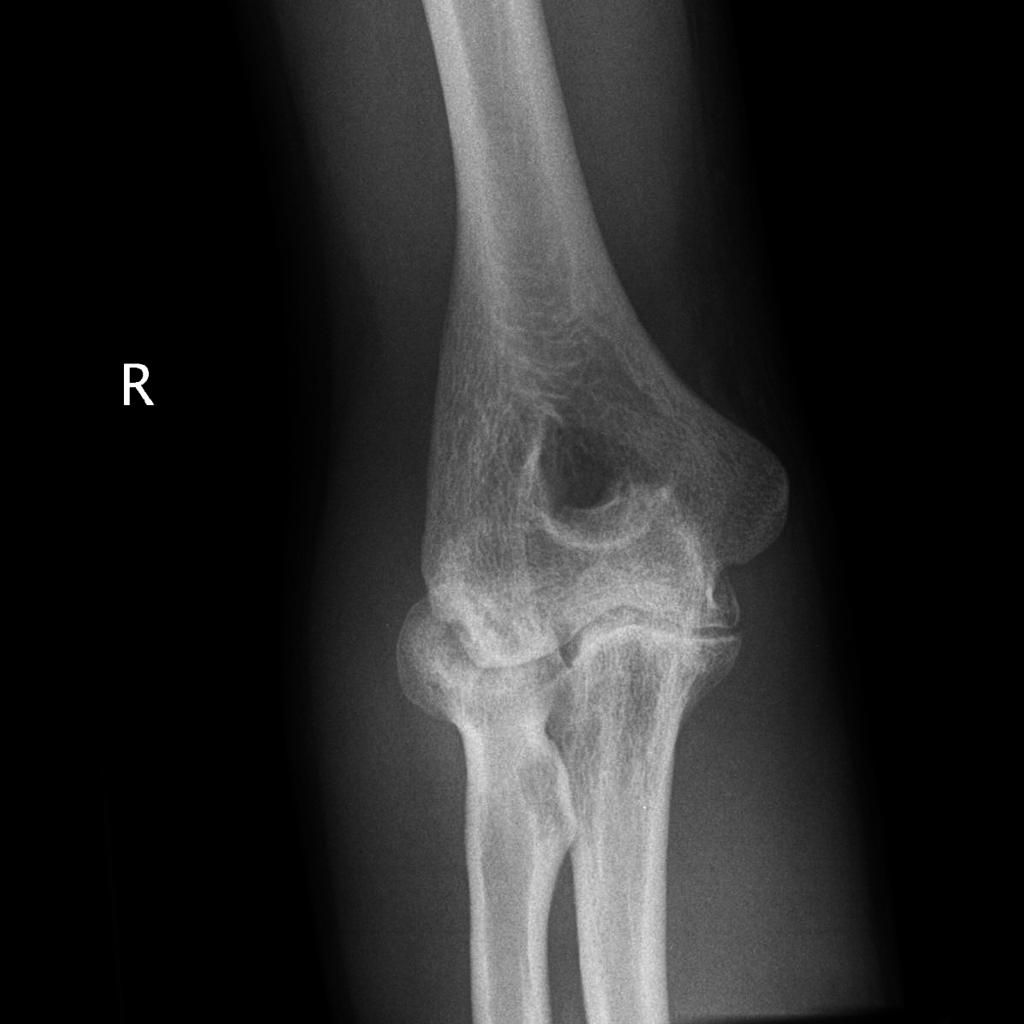
- Plain X-rays — medial calcification (chronic UCL traction); posteromedial osteophytes; loose bodies
- Examination under anaesthesia + arthroscopy — definitive: >1mm medial ulnohumeral joint opening under direct arthroscopic vision confirms UCL insufficiency; identifies concurrent posteromedial pathology
Treatment Options
Treatment Type | Details |
Graft Harvest | Palmaris longus tendon (preferred — present in 85%; harvested via 2 small wrist incisions; no functional loss); Gracilis tendon (if palmaris absent; inner thigh; slightly thicker graft); Plantaris tendon (alternative donor) |
Docking Technique — Ulnar Tunnel | Single tunnel drilled through the sublime tubercle of the ulna; graft passed through and looped; two limbs exit proximally to be docked into the humeral tunnels |
Docking Technique — Humeral Tunnels | Two small docking holes drilled in the medial epicondyle (the “dock”); the graft limbs are passed into these tunnels and tied over the bony bridge; adjustable tensioning before final locking; metal-free; very strong fixation |
Graft Tensioning | Tensioned at 30° elbow flexion with the forearm pronated; recreates the isometric behaviour of the native UCL anterior band; over-tensioning causes stiffness; under-tensioning fails to restore stability |
Routine Ulnar Nerve Transposition | Subcutaneous anterior transposition performed concurrently in almost all cases; protects the nerve from postoperative adhesions and cubital tunnel compression; prevents symptomatic cubital tunnel syndrome during the extended rehabilitation |
Concurrent VEOS Management | If posteromedial osteophytes are present (concurrent VEOS): arthroscopic excision performed at the same operative setting before ligament reconstruction |
Post-operative Rehab Programme | Phase 1 (0–3 weeks): sling, gentle ROM; Phase 2 (3–6 weeks): progressive ROM, light strengthening; Phase 3 (6–16 weeks): strengthening; Phase 4 (4–6 months): interval throwing programme initiation; Phase 5 (6–9 months): progressive throwing; Phase 6 (9–12 months): return to competition |
Recovery & Rehabilitation
- Sling for 2 weeks; physiotherapy from day 1; full ROM targeted by 6 weeks; strengthening phase weeks 6–16
- Interval throwing programme begins at 4–5 months; flat-ground throwing at 50% effort progressing to 75% then full effort
- Return to competitive bowling/pitching: 9–12 months post-op
- Return to competition benchmarks: full ROM; 90% strength vs contralateral arm; pain-free throwing at full velocity through a full session
- Return rate: 83–87% of professional athletes return to the same or higher competitive level after UCL reconstruction
- Re-tear rate: 5–10% of athletes sustain a UCL re-tear; often occurs in the 9–18 month post-op window during aggressive return to full competition
Why choose Dr Senthilvelan?
UCL reconstruction (Tommy John surgery) is one of the most technically exacting elbow procedures — isometric graft placement and correct tensioning are the two technical factors most strongly associated with outcome. Dr Senthilvelan performs the docking technique with systematic ulnar nerve transposition and arthroscopic VEOS assessment at the same setting, providing the complete medial elbow reconstruction that elite throwing athletes require.
Frequently Asked Questions
1. How long has Tommy John surgery been performed and what are the success rates?
Tommy John surgery was first performed in 1974 by Dr Frank Jobe on baseball pitcher Tommy John, who went on to pitch for 14 more years after the operation. Over 50 years of refinement have produced the modern docking technique with a well-documented return-to-sport rate of 83–87% in professional athletes. The procedure is now performed reliably at specialist centres worldwide, with consistent results in properly selected patients who complete the full 9–12 month rehabilitation programme.
2. Why does UCL reconstruction take 9–12 months to return to competitive throwing?
The extended timeline reflects several biological and functional processes that cannot be accelerated safely. The tendon graft requires 12 weeks to begin establishing a bony attachment at the tunnels. Graft maturation and neuromuscular integration continue over months 3–6. The interval throwing programme, which begins at 4–5 months, must progress gradually to allow the graft to adapt to progressively increasing throwing loads without failing. Rushing this process — particularly in the early months — is the most common cause of re-tear. The 9–12 month timeline is not a rehabilitation choice; it is a biological necessity.
3. What is the docking technique and why is it preferred?
The docking technique involves passing the tendon graft through a single tunnel in the ulna (at the sublime tubercle) and securing the two limbs of the graft into two small tunnels (the ‘dock’) drilled into the medial epicondyle, tied over the intervening bony bridge. Advantages over older techniques include: metal-free fixation (no screws or anchors that can be felt or cause imaging artefact); adjustable graft tension before final locking (allowing optimal biomechanics to be set intra-operatively); very strong bone-tendon fixation; and excellent long-term outcomes. It is now the most widely used technique in high-volume elbow surgery centres.
4. I am 17 years old — can I have Tommy John surgery?
Yes — UCL reconstruction is performed in adolescent athletes when the UCL is clearly insufficient and conservative management (including PRP) has failed, and when the athlete is committed to returning to competitive throwing. The surgery is technically identical to adults. In adolescents, the timing relative to skeletal maturity is considered — graft tunnels should not violate open physes in very young athletes (under 14–15). Growth plates in the medial epicondyle close by approximately 15–17 years, and in most adolescent competitive throwers, the procedure can be safely performed once the physes are confirmed closed on X-ray.
5. Can I avoid Tommy John surgery with injections alone?
For partial UCL tears (less than 50% thickness on MRI arthrogram), PRP injection combined with 6–12 weeks of rest from throwing gives approximately 30–50% of athletes a satisfactory return to competitive throwing without surgery. However, for complete UCL tears in competitive throwing athletes, PRP and rest alone are rarely sufficient to restore adequate medial elbow stability for high-intensity throwing. Tommy John surgery is recommended for complete tears in athletes who wish to return to competitive throwing because it provides structural restoration of the ligament — which no injection can replicate.