Overview
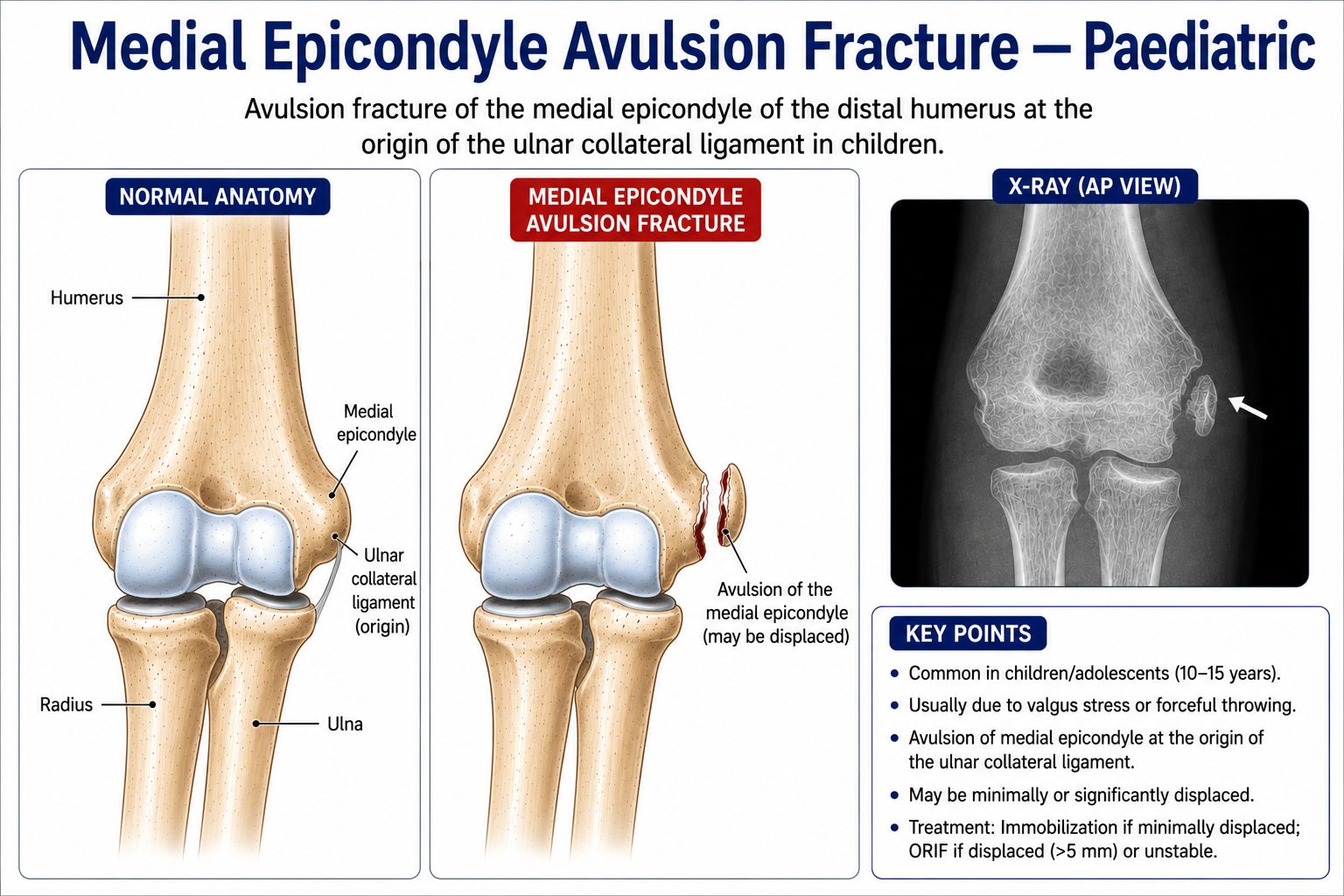
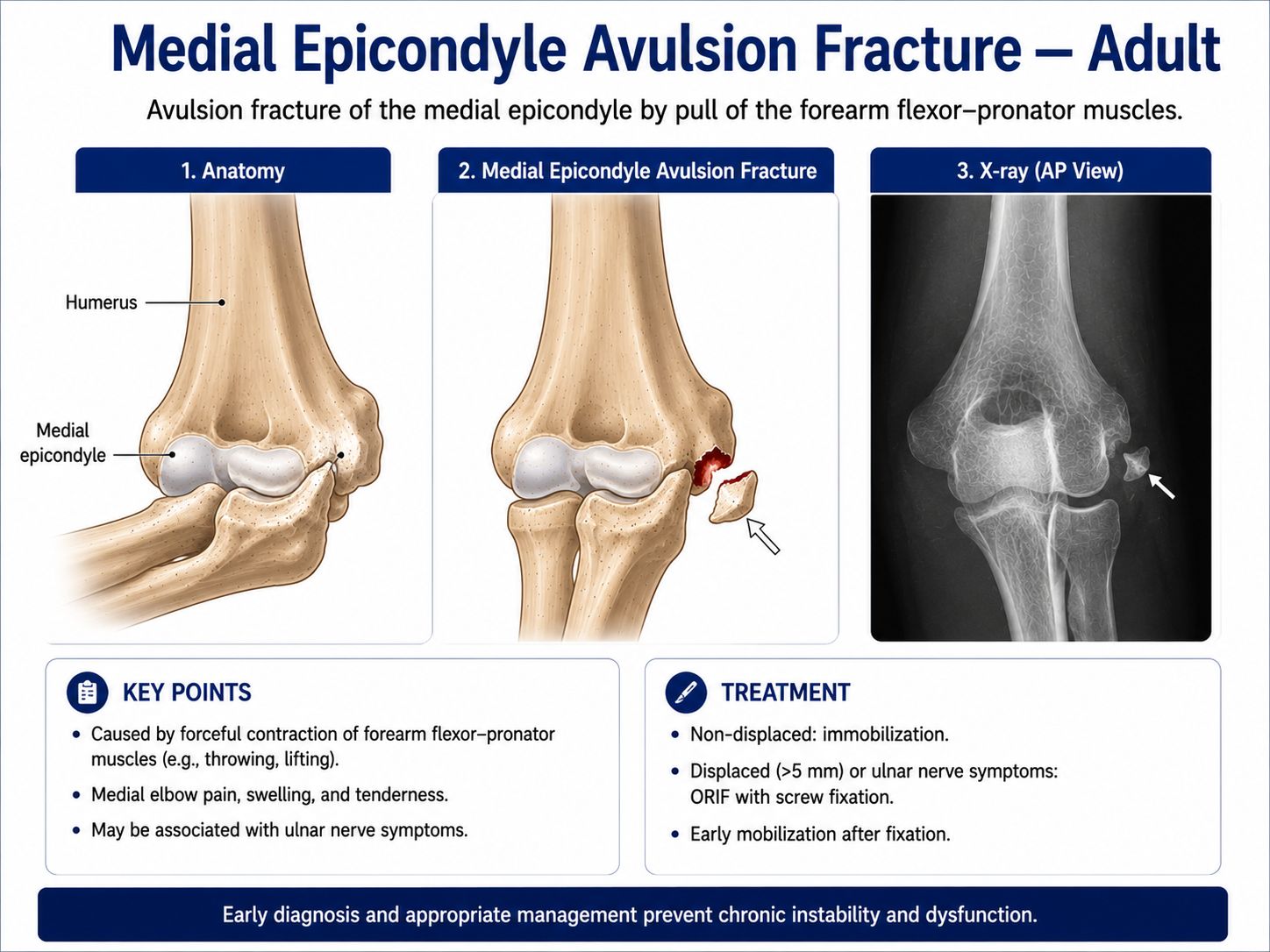
In adults, the medial epicondyle apophysis has fully fused to the humerus, so medial epicondyle fractures represent true cortical avulsions rather than apophyseal pull-offs. They occur through the same mechanisms as in children — acute valgus loading during throwing, elbow dislocation, or direct trauma — but the fractured bone has different healing characteristics and the management thresholds are slightly different.
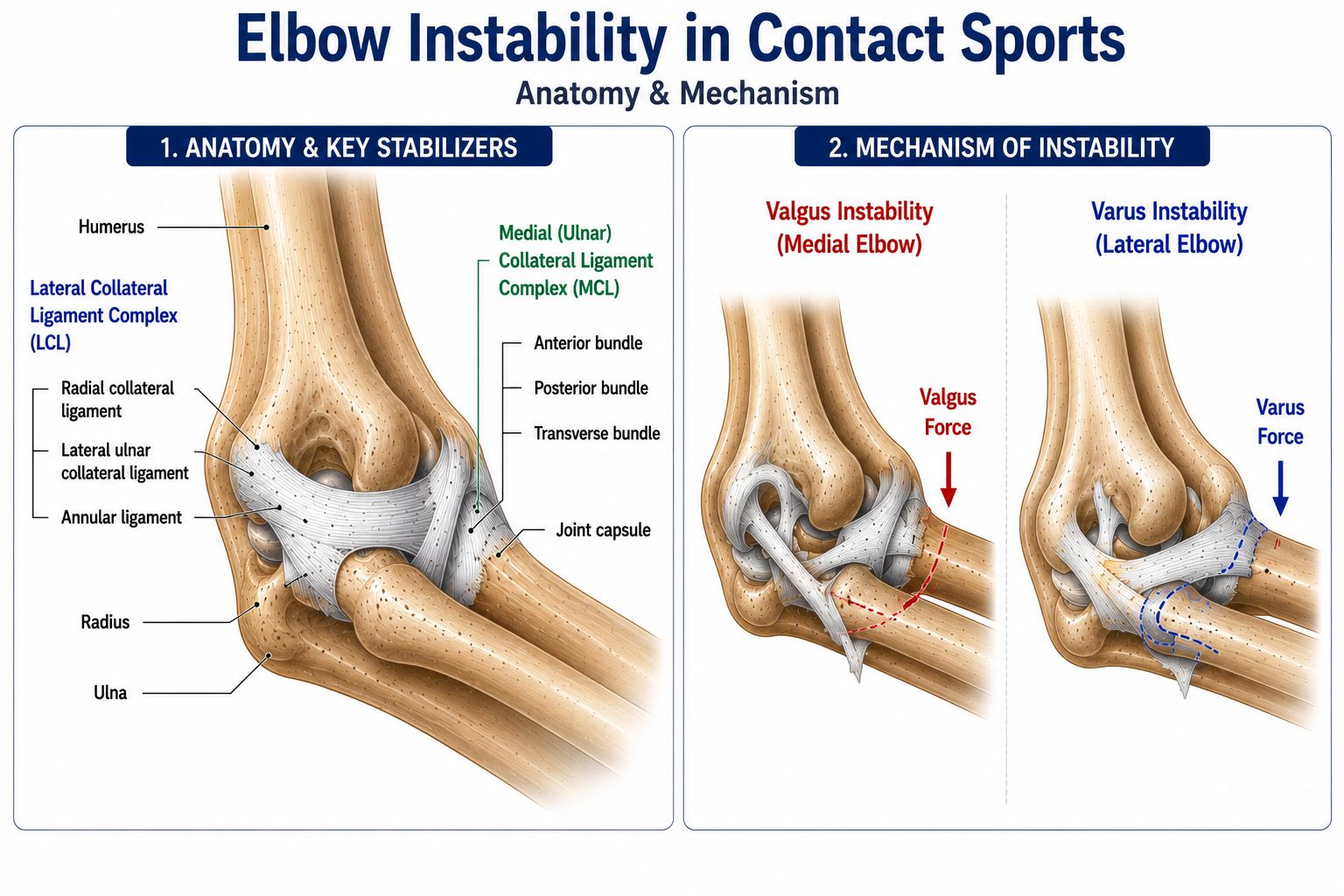
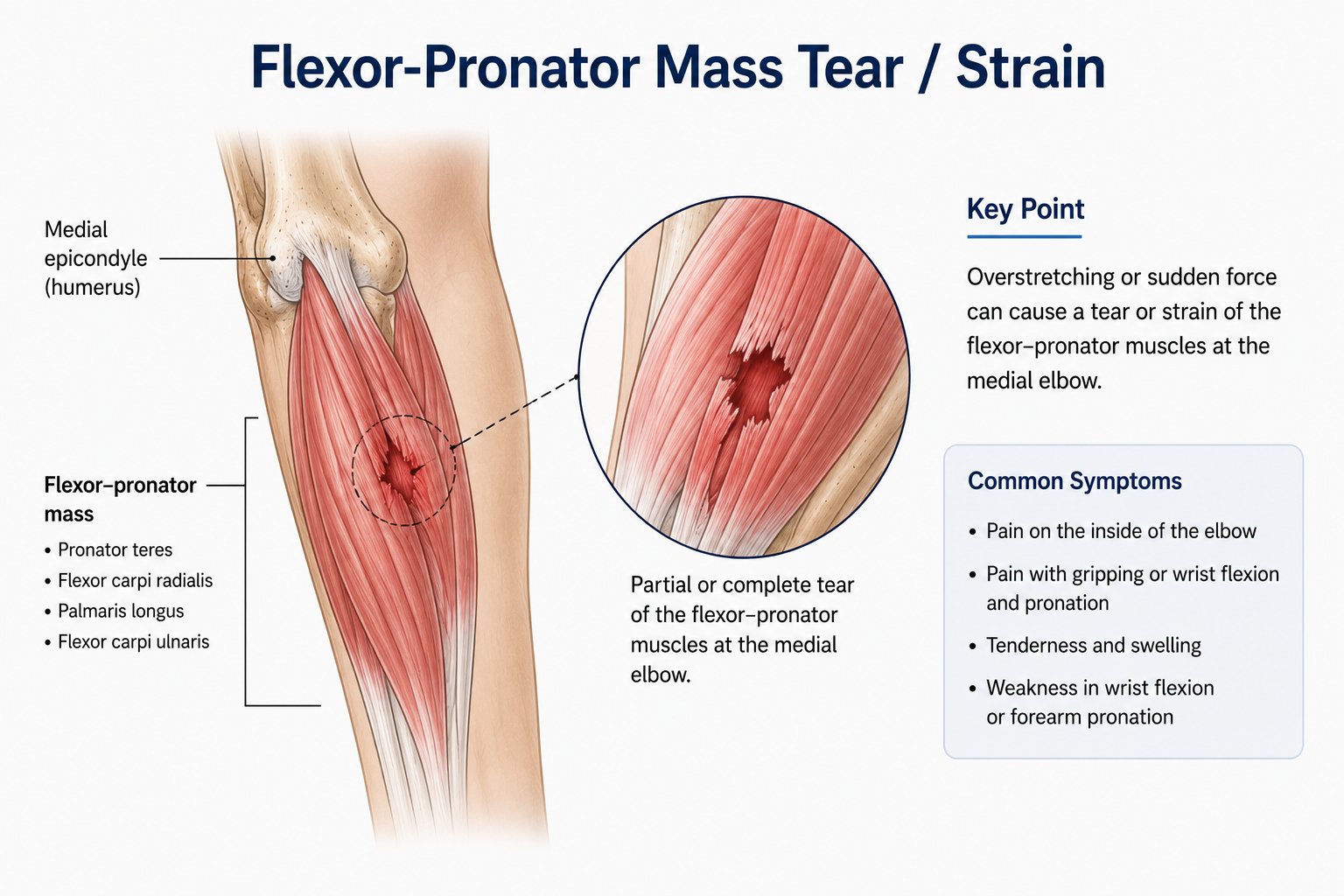
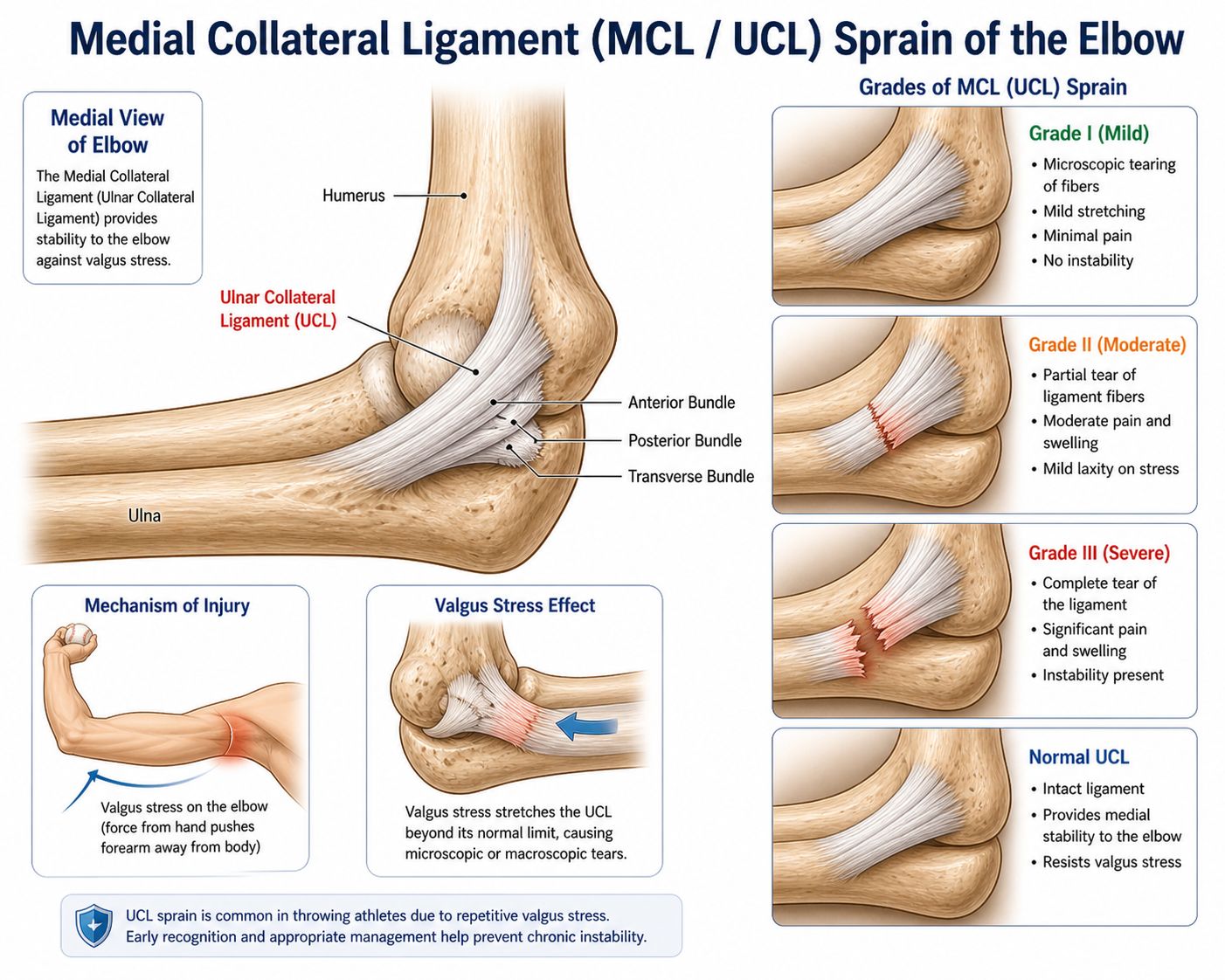
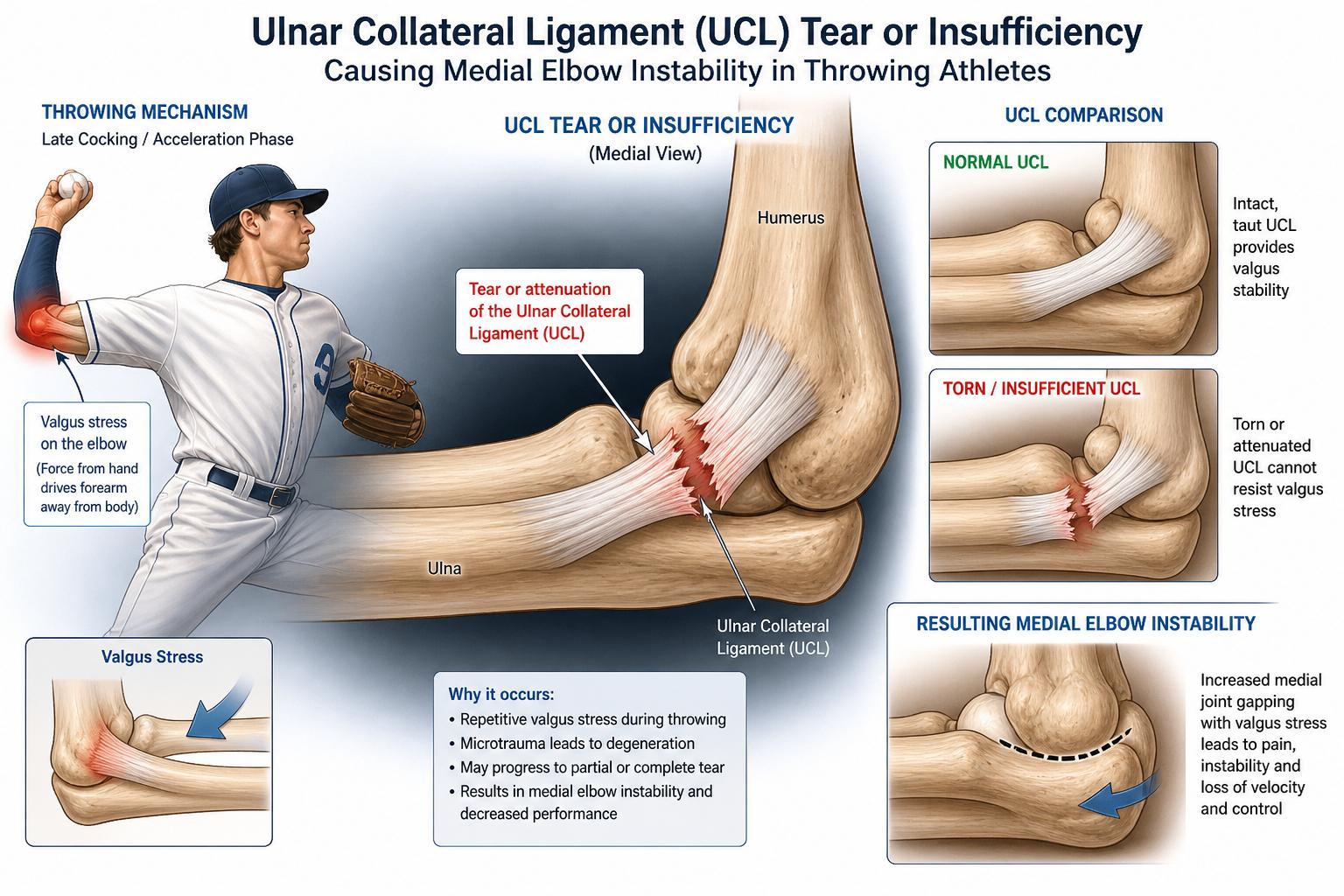
The most clinically important scenario is the adult competitive throwing athlete (fast bowler, baseball pitcher) who sustains a medial epicondyle avulsion fracture with concurrent UCL disruption. In this setting, the fracture represents a bony avulsion of the UCL origin from the medial epicondyle — the entire UCL complex (including its medial epicondyle attachment) has been pulled off. ORIF of the epicondyle simultaneously restores the UCL attachment, and may avoid the need for formal UCL reconstruction.
The decision between non-operative and surgical management in adults is primarily based on displacement (>5mm), the presence of valgus instability, and whether the patient is a competitive throwing athlete. Non-throwing patients with minimal displacement can be managed conservatively with excellent results. Throwing athletes with displacement or instability require ORIF to restore the UCL attachment.
Quick Facts | Details |
Also Known As | Adult Medial Epicondyle Fracture, Medial Epicondyle Avulsion — Adult, Common Flexor Origin Avulsion |
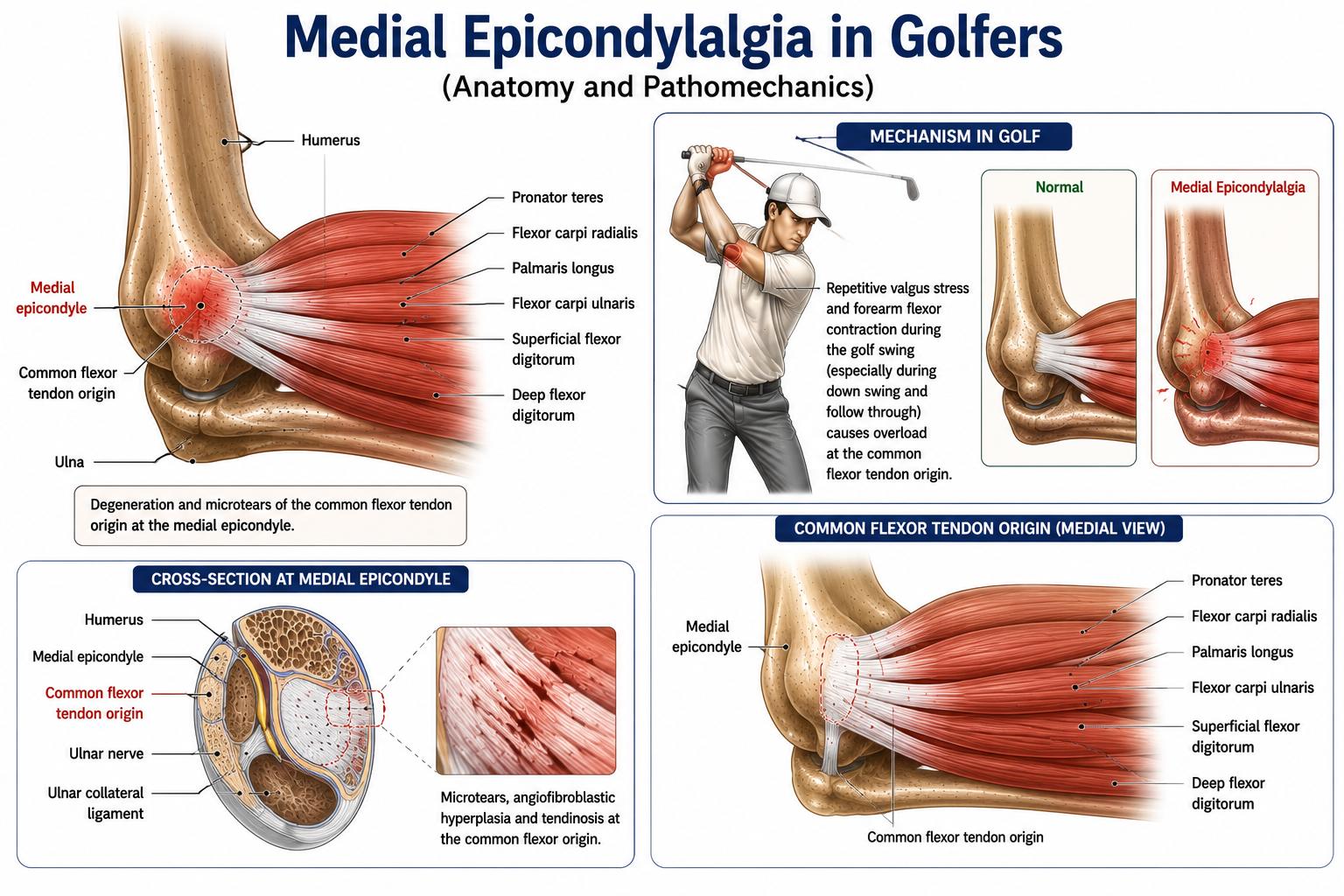
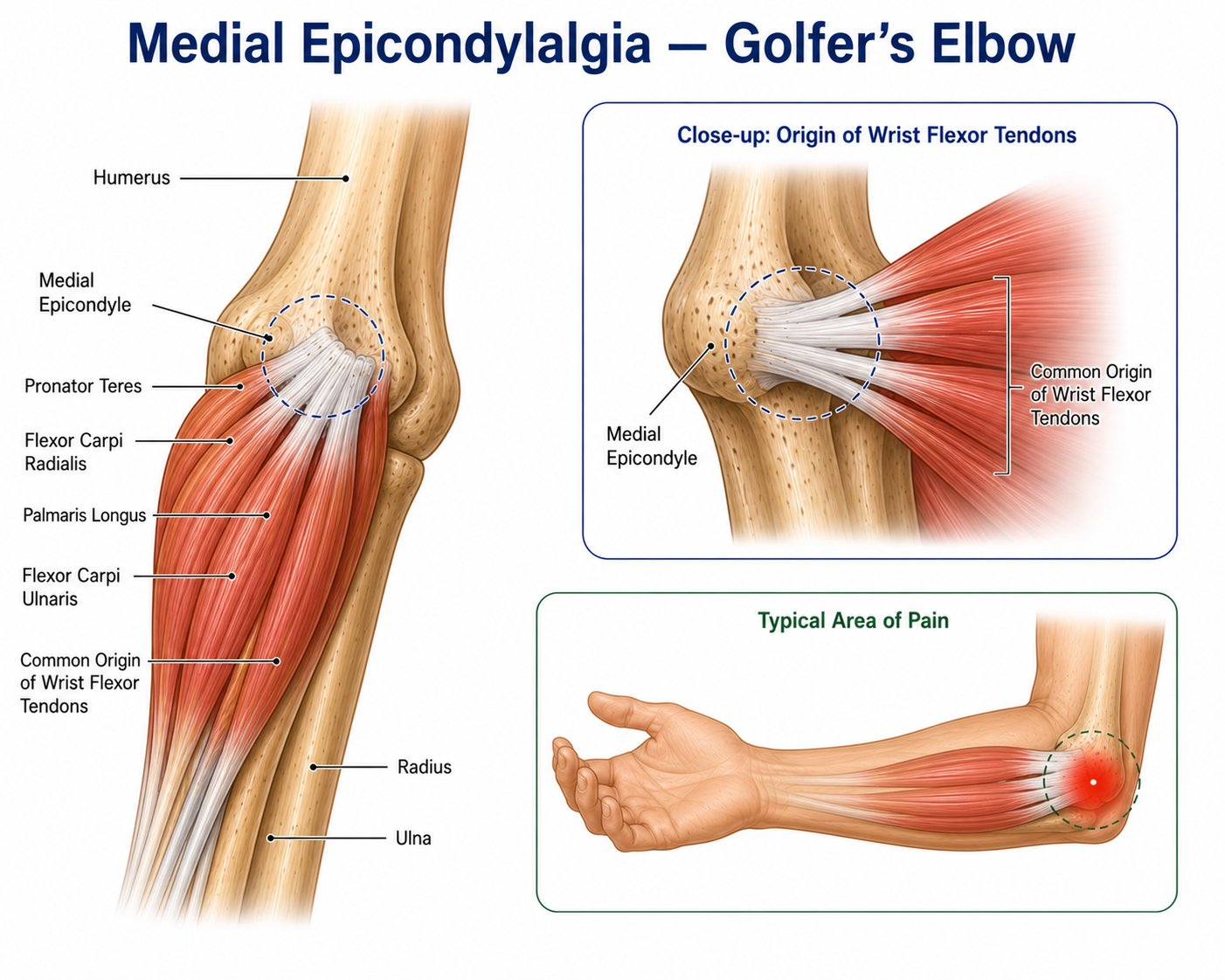
Affected Area | Medial epicondyle of the distal humerus — the bony attachment for the UCL and common flexor-pronator origin; in adults, a true cortical avulsion rather than an apophyseal injury |
Who It Affects | Adults of any age; throwing athletes with acute UCL overload; adults following elbow dislocation; or a direct blow to the medial epicondyle |
Prevalence | Less common than paediatric medial epicondyle fractures (where the apophysis is present); in adults, medial epicondyle fractures account for approximately 1–2% of elbow fractures; most significant in competitive throwing athletes where UCL function is essential |
Treatment | Undisplaced (<5mm): non-operative with functional bracing and physiotherapy; Displaced (>5mm) in active patients or athletes with concurrent UCL disruption and valgus instability: ORIF with single compression screw; assess UCL concurrently |
Causes & Risk Factors
- Acute valgus overload during throwing — a violent throw or bowl avulses the medial epicondyle through the pull of the UCL
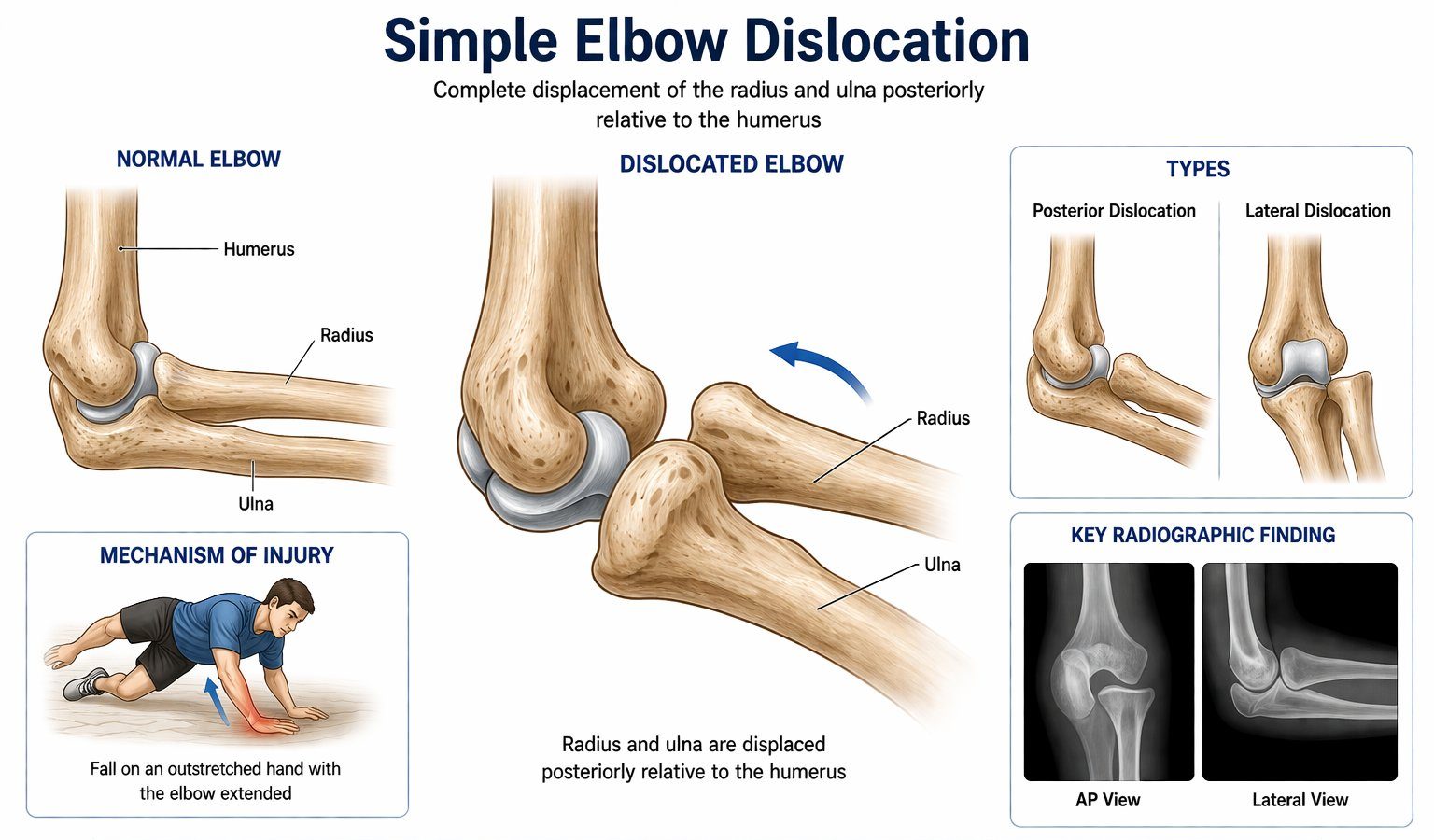
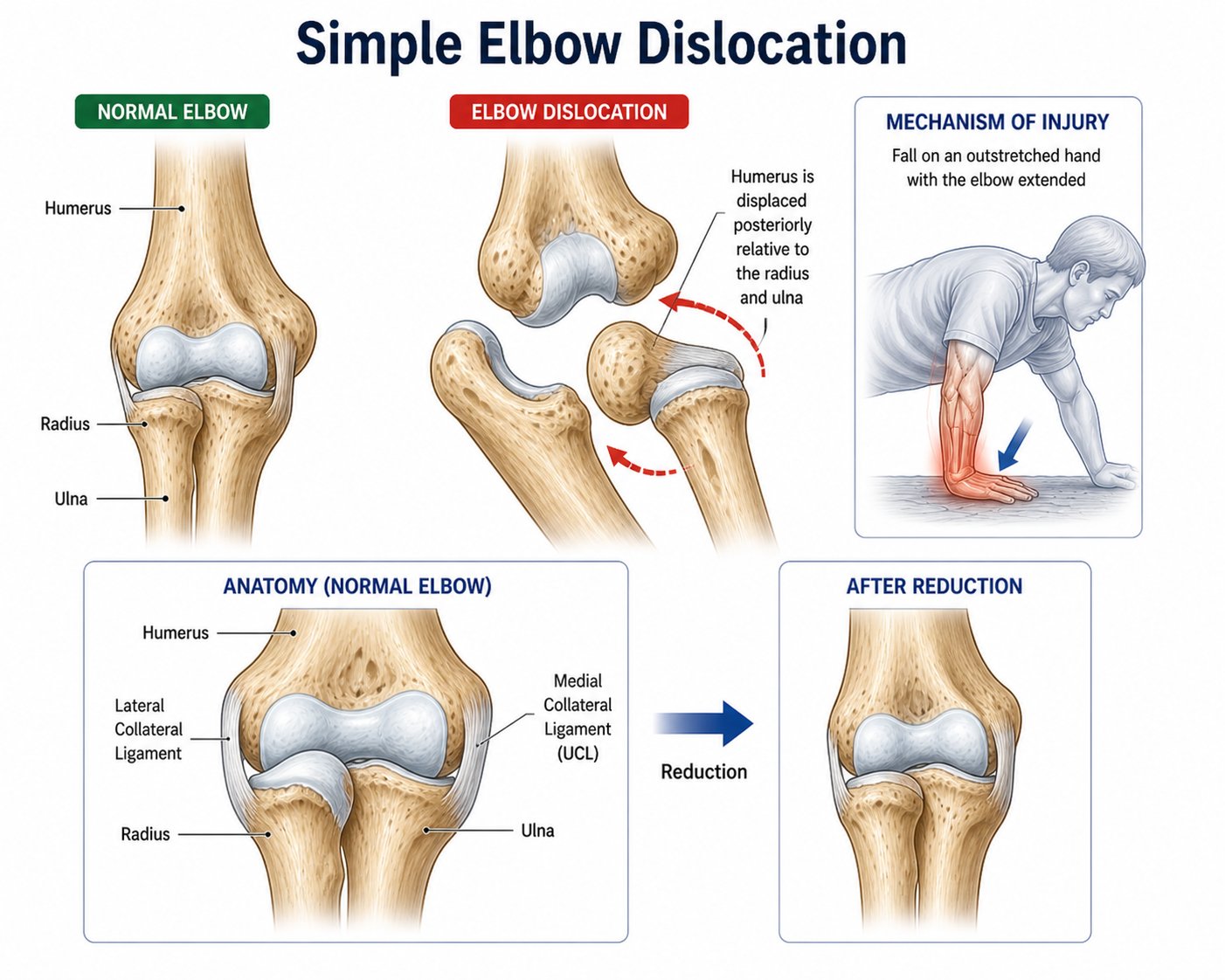
- Elbow dislocation — the medial epicondyle can be avulsed as the elbow dislocates (same mechanism as in children, though less common in adults as the apophysis has fused)
- Direct trauma — a fall or blow directly onto the medial epicondyle
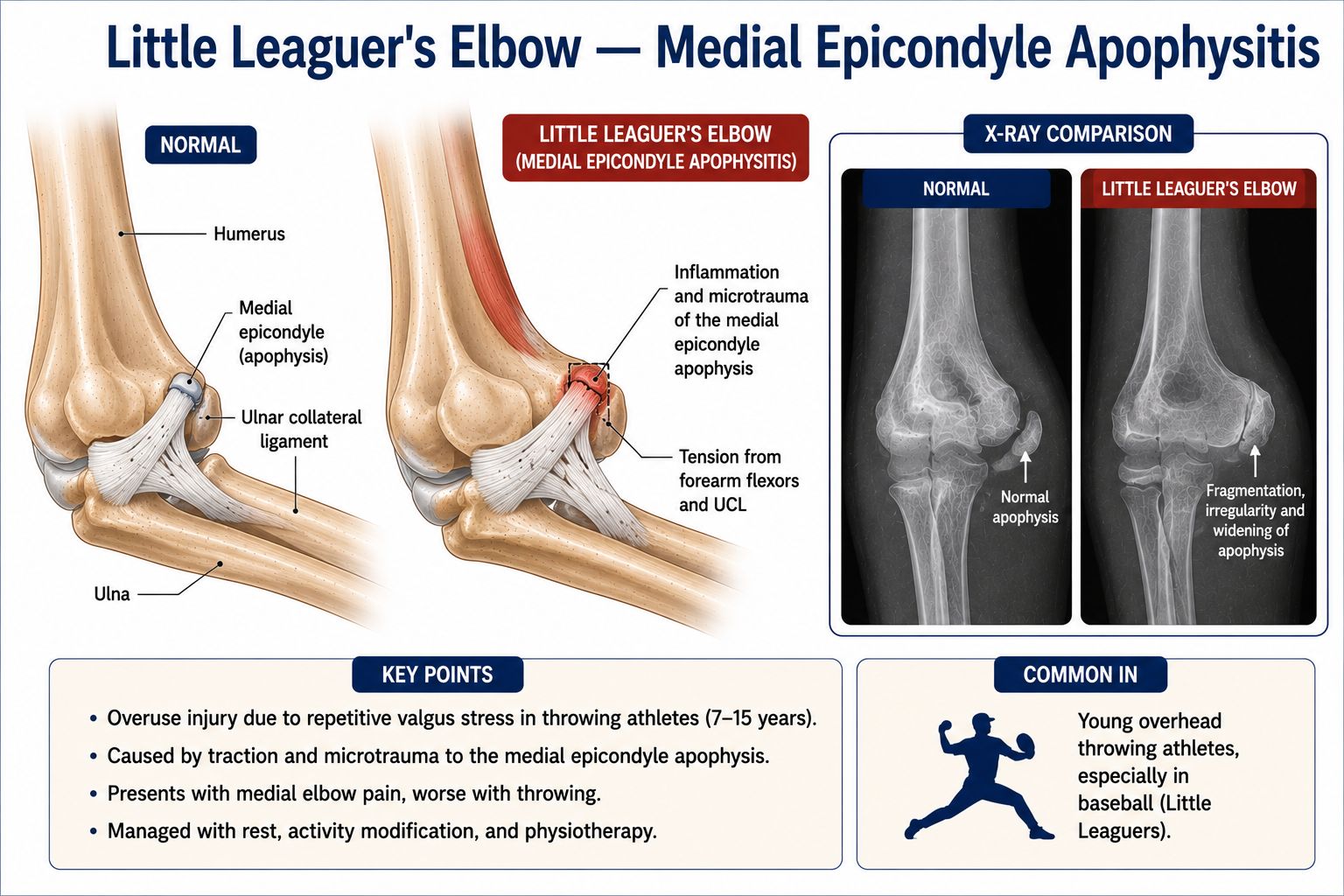
- Prior medial epicondyle stress — in throwing athletes, medial epicondyle stress reactions and apophyseal sclerosis can progress to acute avulsion with a final high-effort throw
Symptoms
- Acute medial elbow pain — well-localised to the medial epicondyle; following a throwing event or fall
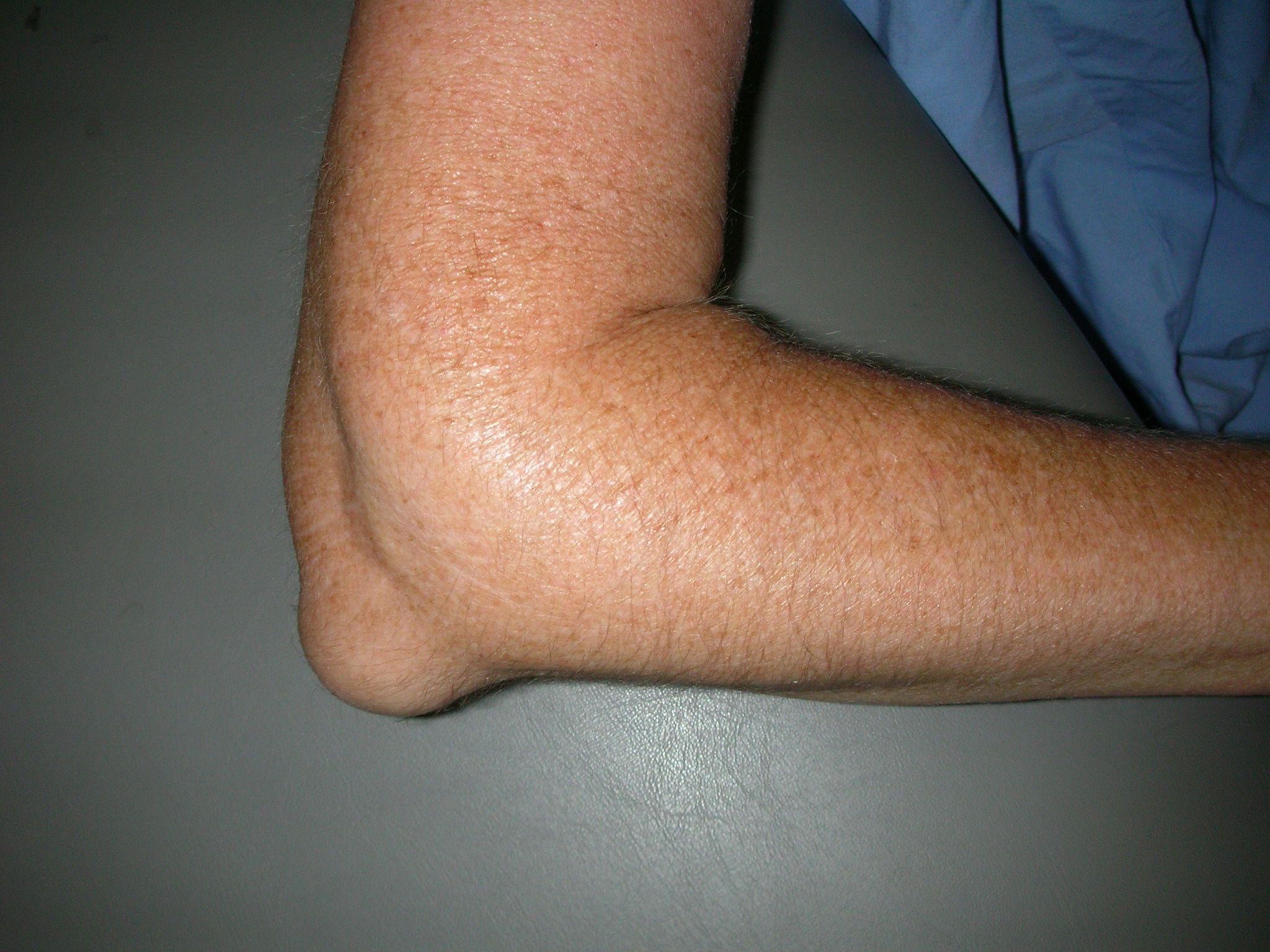
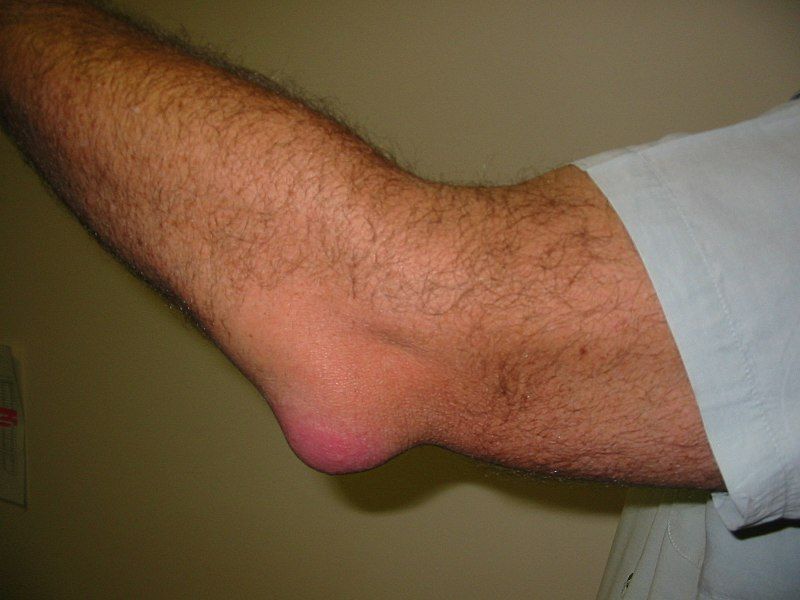
- Swelling and bruising — medial elbow ecchymosis
- Tenderness directly over the medial epicondyle
- Valgus instability — in fractures with concurrent UCL disruption; felt as medial opening during valgus stress
- Reduced throwing ability — the athlete cannot throw at full effort without pain
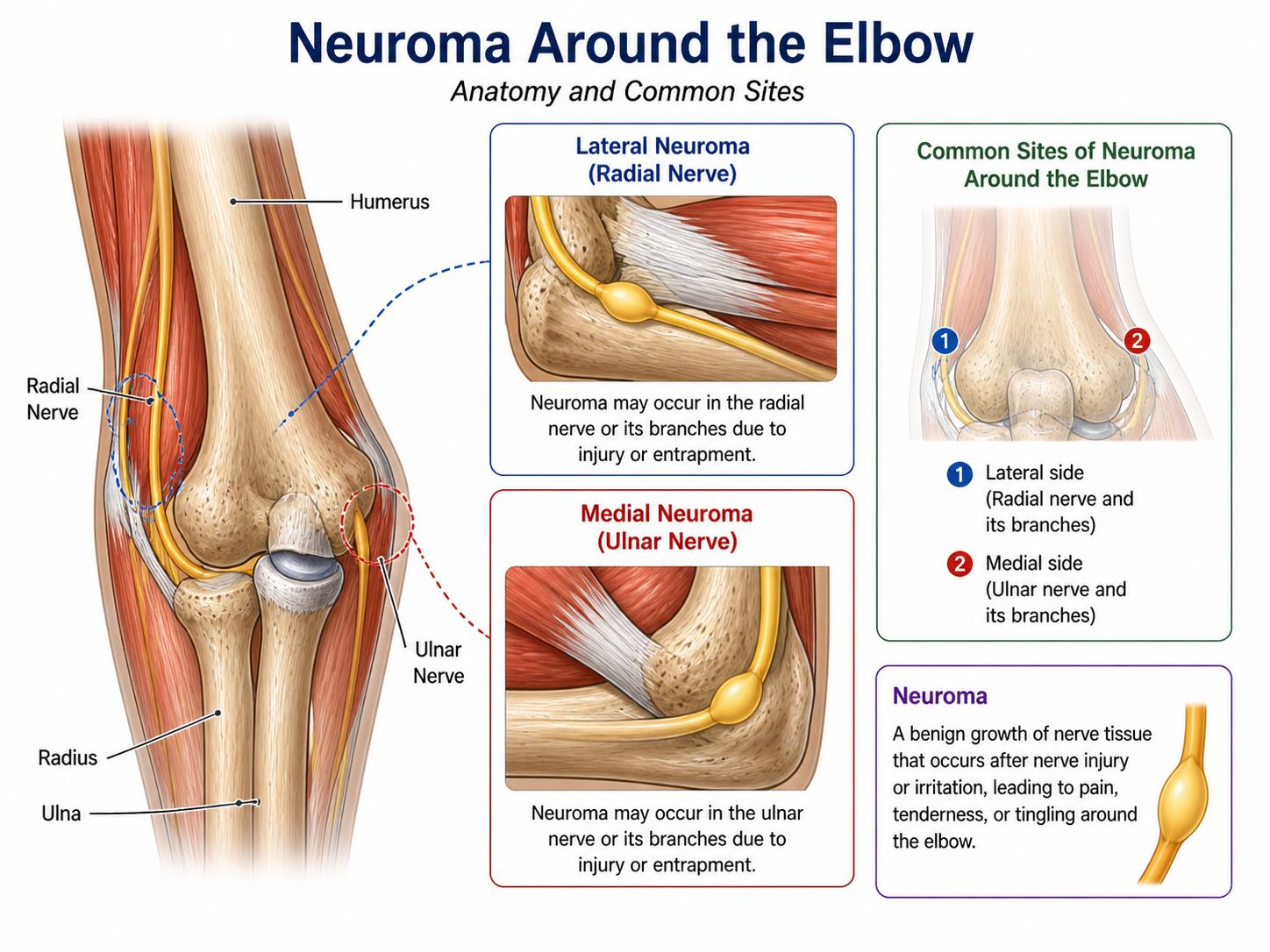
- Ulnar nerve symptoms — tingling in ring and little fingers; proximity of ulnar nerve to medial epicondyle
How is it Diagnosed?
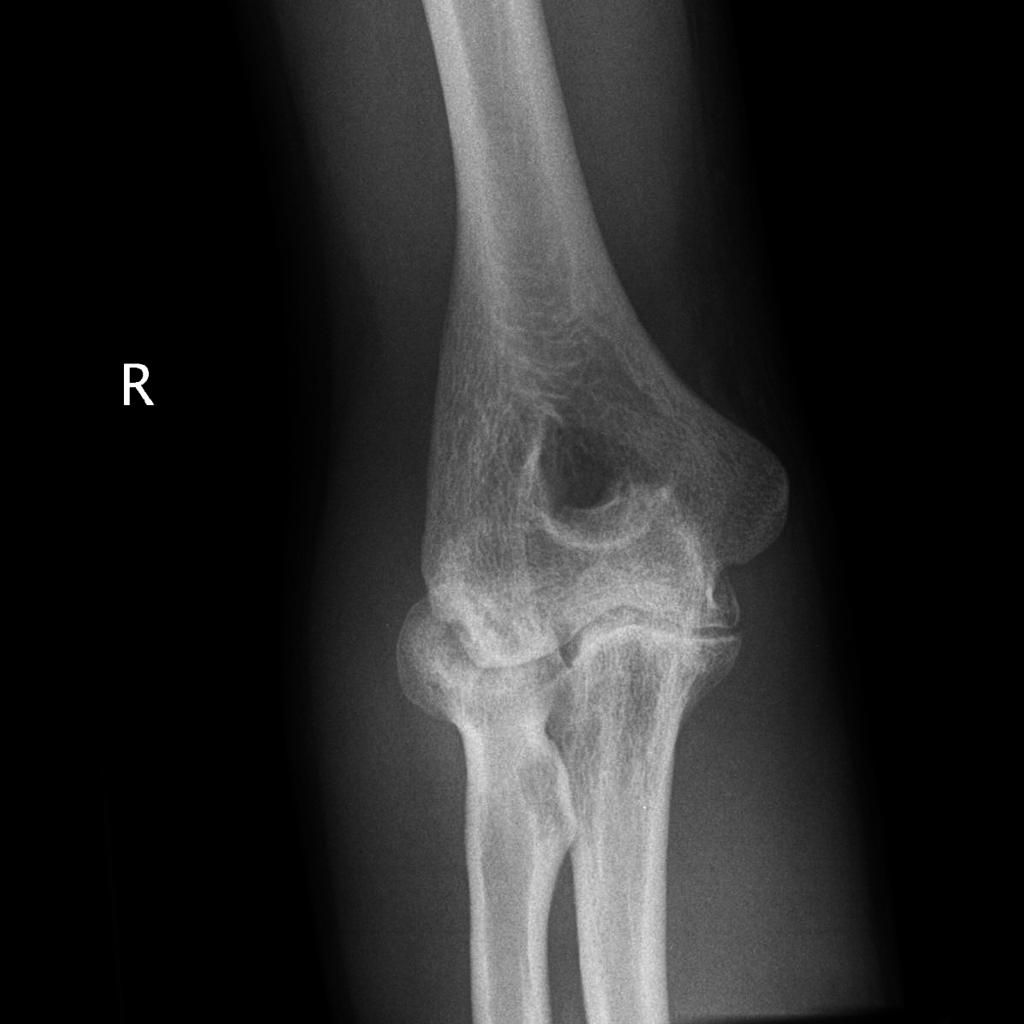
- Plain X-rays (AP + lateral + oblique) — displaced medial epicondyle fragment; cortical step at the medial epicondyle
- Valgus stress X-ray — compares medial ulnohumeral joint opening vs the contralateral side under valgus force; >3mm asymmetric opening confirms UCL disruption
- MRI or MR arthrogram — UCL integrity; extent of bony avulsion; soft tissue injury assessment
- CT scan — precise fragment size and displacement in complex cases

Treatment Options
Treatment Type | Details |
Non-Operative (<5mm, Non-Athlete) | Functional sling or hinged brace for 4–6 weeks; valgus stress protection; physiotherapy from week 2; serial X-ray to confirm no displacement |
ORIF — Single Compression Screw (>5mm, Athlete, Valgus Instability) | Medial approach; identify and protect MABC nerve and ulnar nerve; reduce fragment anatomically; single 4mm partially-threaded AO compression screw; washers used if bone quality poor; confirm stable reduction under fluoroscopic valgus stress; above-elbow splint 3–4 weeks post-op |
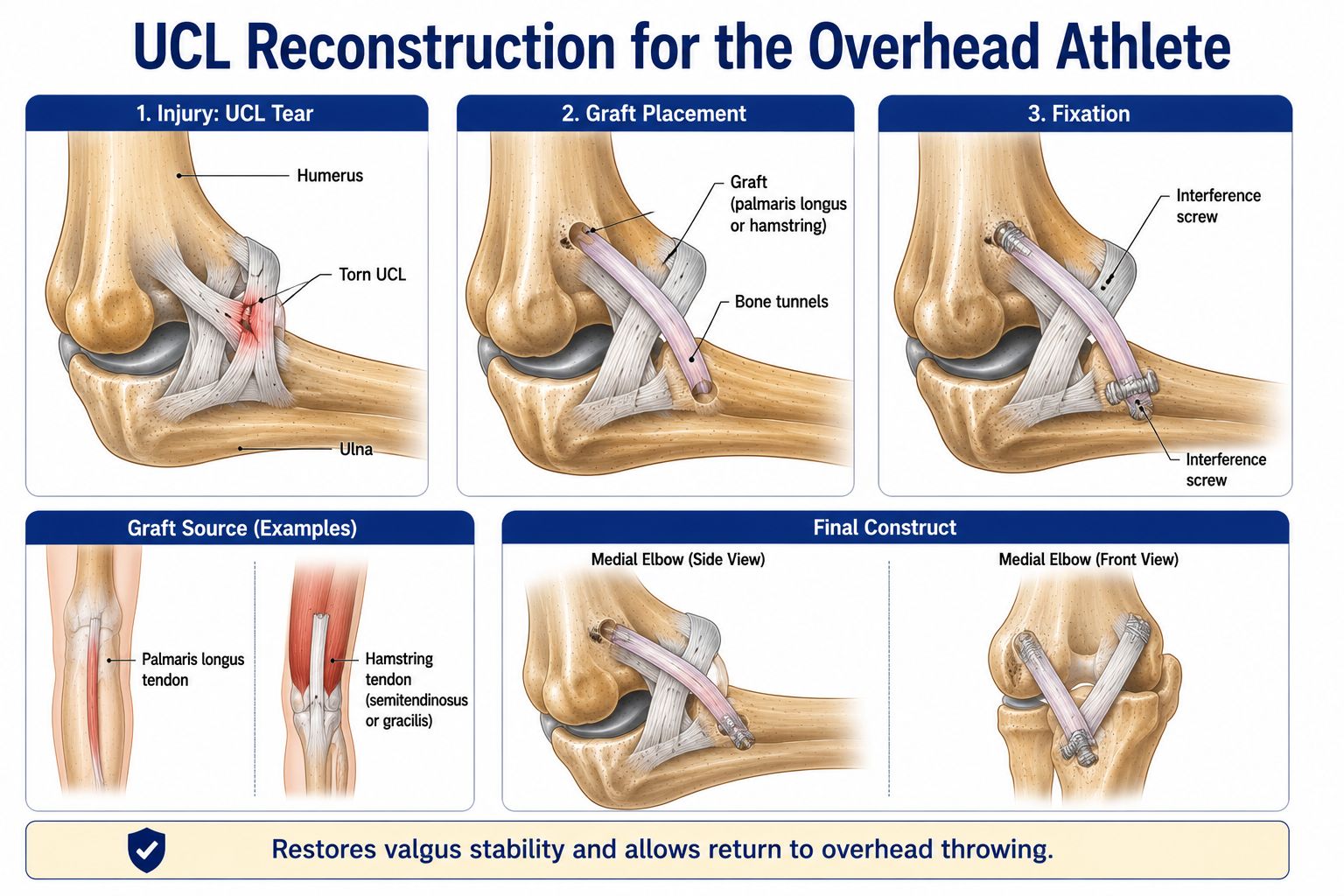
UCL Assessment Concurrent | After fragment fixation: test elbow stability under fluoroscopy valgus stress; if UCL still insufficient after anatomical fragment reduction (soft tissue disruption beyond the bony avulsion): UCL repair or reconstruction required concurrently (see Condition 13) |
Conservative For Elite Thrower (Borderline) | For high-level throwing athletes with minimal displacement (<5mm) and no instability: closely supervised conservative management with serial X-rays and graduated return-to-throw programme; surgery if displacement or instability develops |
Recovery & Rehabilitation
- Non-operative: sling 4–6 weeks; physiotherapy; return to light activity 8 weeks; return to throwing (non-elite): 3 months
- After ORIF: splint 3–4 weeks; physiotherapy from week 3; return to throwing programme: 3–4 months; competitive throwing: 4–6 months
- Screw removal: typically not required unless prominent; screw removal is simpler in adults than in children (no apophysis concerns)
- Concurrent UCL reconstruction: extends recovery to 9–12 months for competitive throwing athletes
Why choose Dr Senthilvelan?
Adult medial epicondyle avulsion fractures in competitive throwing athletes require meticulous assessment of concurrent UCL integrity and precise screw fixation to restore the UCL attachment. Dr Senthilvelan evaluates every case with imaging and stress examination to determine whether the fracture fixation alone restores stability or whether concurrent UCL reconstruction is required.
Frequently Asked Questions
1. Is an adult medial epicondyle fracture treated the same as in a child?
The treatment principles are similar but there are important differences. In adults, the apophysis has fully fused, so there is no growth plate to protect, and the threshold for accepting displacement is slightly different. In adults, displacement >5mm combined with valgus instability or competitive throwing is the typical surgical threshold — similar to children but with somewhat more nuance around the patient’s activity level. In both age groups, the incarcerated fragment (trapped in the joint) requires urgent surgical retrieval.
2. If I have my medial epicondyle fixed, do I also need UCL reconstruction?
Not necessarily. If the medial epicondyle fracture is the sole cause of UCL instability (the ligament tissue itself is intact but detached from the bone), then anatomical reduction and fixation of the fracture simultaneously restores the UCL attachment — and no separate ligament reconstruction is needed. However, if the UCL has been disrupted in its substance (partial or complete tear through the ligament tissue itself, in addition to the bony avulsion), then a concurrent UCL repair or reconstruction is required. MRI arthrography and intra-operative fluoroscopic stability testing help determine this.
3. Can I return to competitive bowling after a medial epicondyle fracture with ORIF?
Yes — the majority of competitive throwing athletes return to their previous level of performance after medial epicondyle ORIF. The fixation restores the UCL attachment point, and the rehabilitation programme gradually restores flexor-pronator strength and throwing mechanics. A formal interval throwing programme is followed from approximately 3 months post-surgery, with return to competitive performance targeted at 4–6 months. If concurrent UCL reconstruction was required, the timeline extends to 9–12 months.
4. Why is the ulnar nerve at risk in this fracture?
The ulnar nerve runs in the cubital tunnel immediately behind the medial epicondyle — literally adjacent to the fracture site. It can be stretched or compressed by the displaced fragment, by the haematoma, or during the surgical approach. Careful identification and protection of the ulnar nerve is mandatory during ORIF of the medial epicondyle. Transient ulnar nerve tingling (neuropraxia from the original injury) is common and typically resolves as the fracture heals and swelling resolves.
5. What is the difference between a medial epicondyle fracture and a UCL injury?
A medial epicondyle fracture is a bony injury — the medial epicondyle (with the UCL and flexor-pronator mass attached) has been pulled off the humerus as a piece of bone. A UCL tear is a soft tissue injury — the ligament itself has been disrupted within its substance without an avulsion fracture. Both cause medial elbow pain and instability, but treatment differs: the bony avulsion is repaired with a compression screw; a UCL tear requires ligament repair or reconstruction. Imaging (X-ray for bony avulsion; MRI for ligament tear) distinguishes them clearly.