Overview
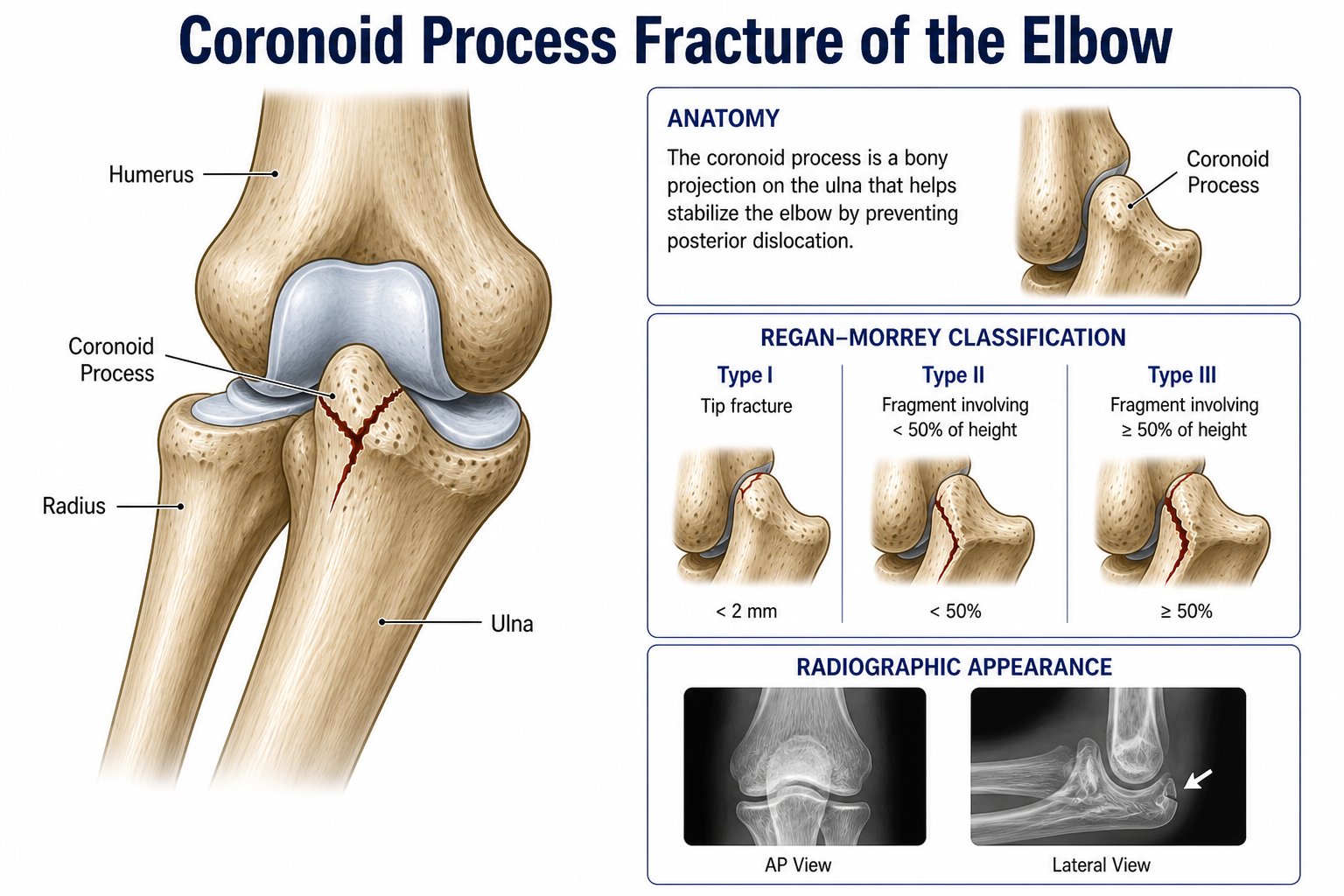
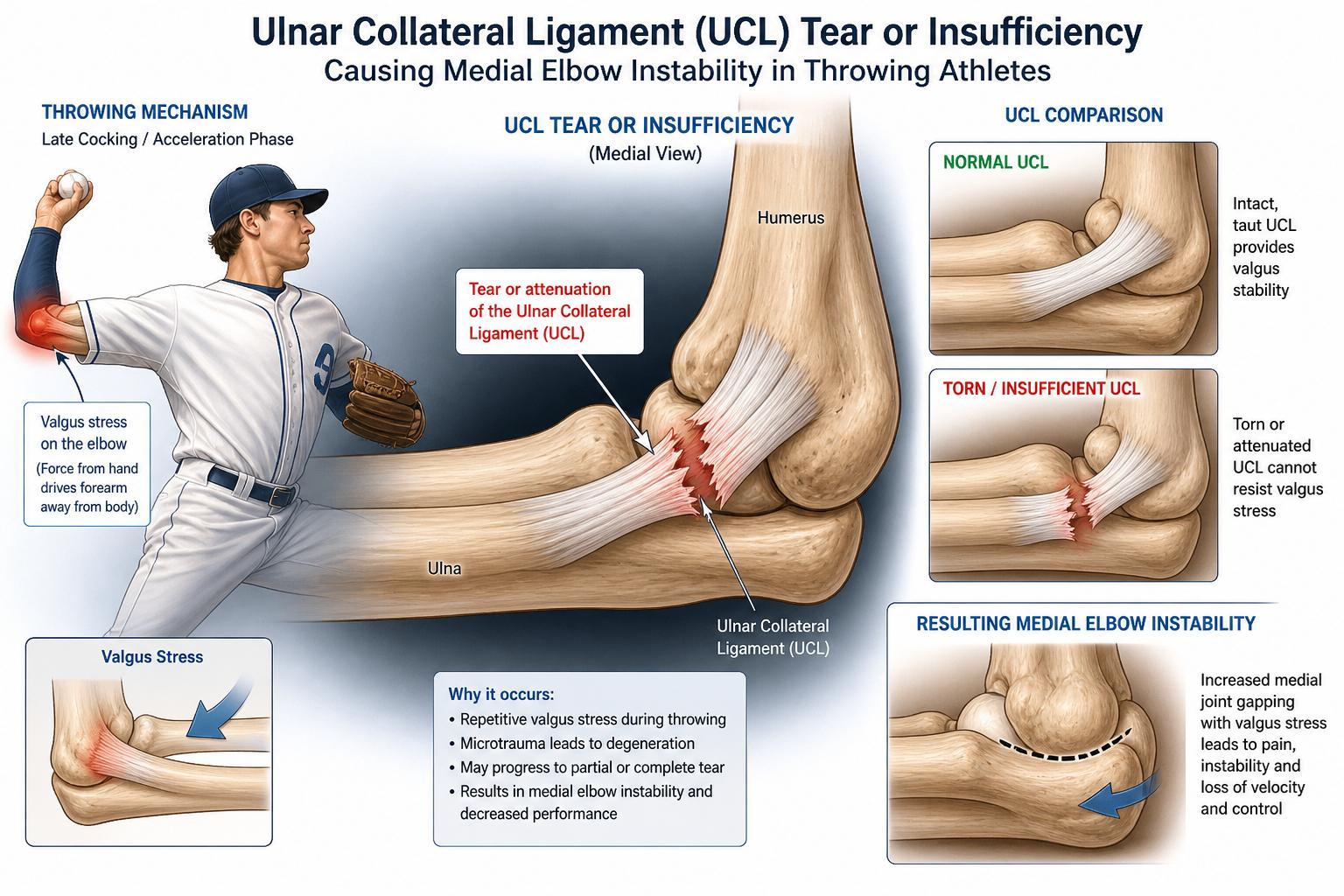
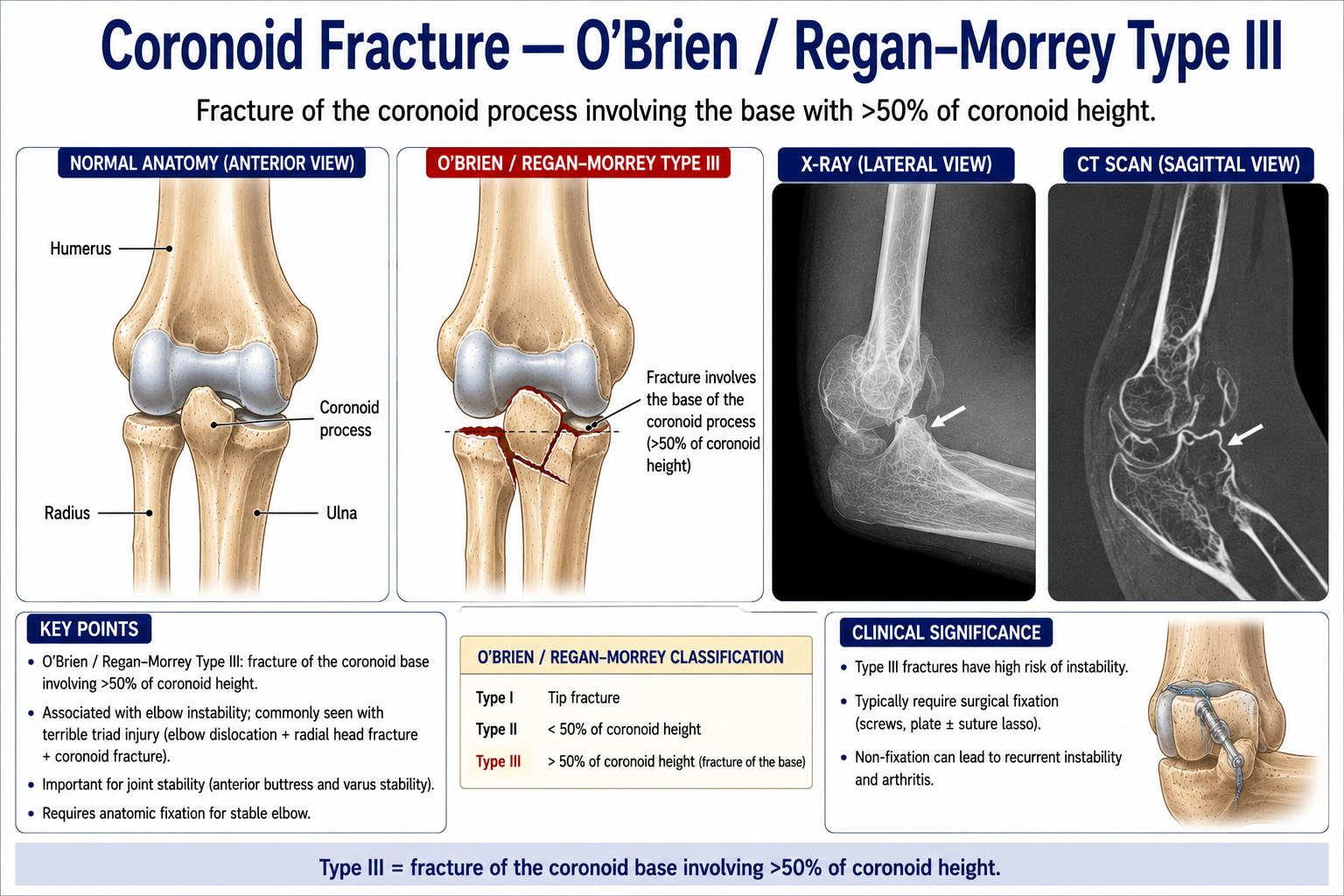
A Type III coronoid fracture (>50% of the coronoid height) is the most severe classification of coronoid fracture. It removes the majority of the bony buttress that prevents posterior subluxation of the ulnohumeral joint, makes the sublime tubercle (the UCL attachment on the ulna) part of the fracture fragment, and eliminates the anterior restraint to elbow dislocation. Without fixation, the elbow will be persistently unstable.
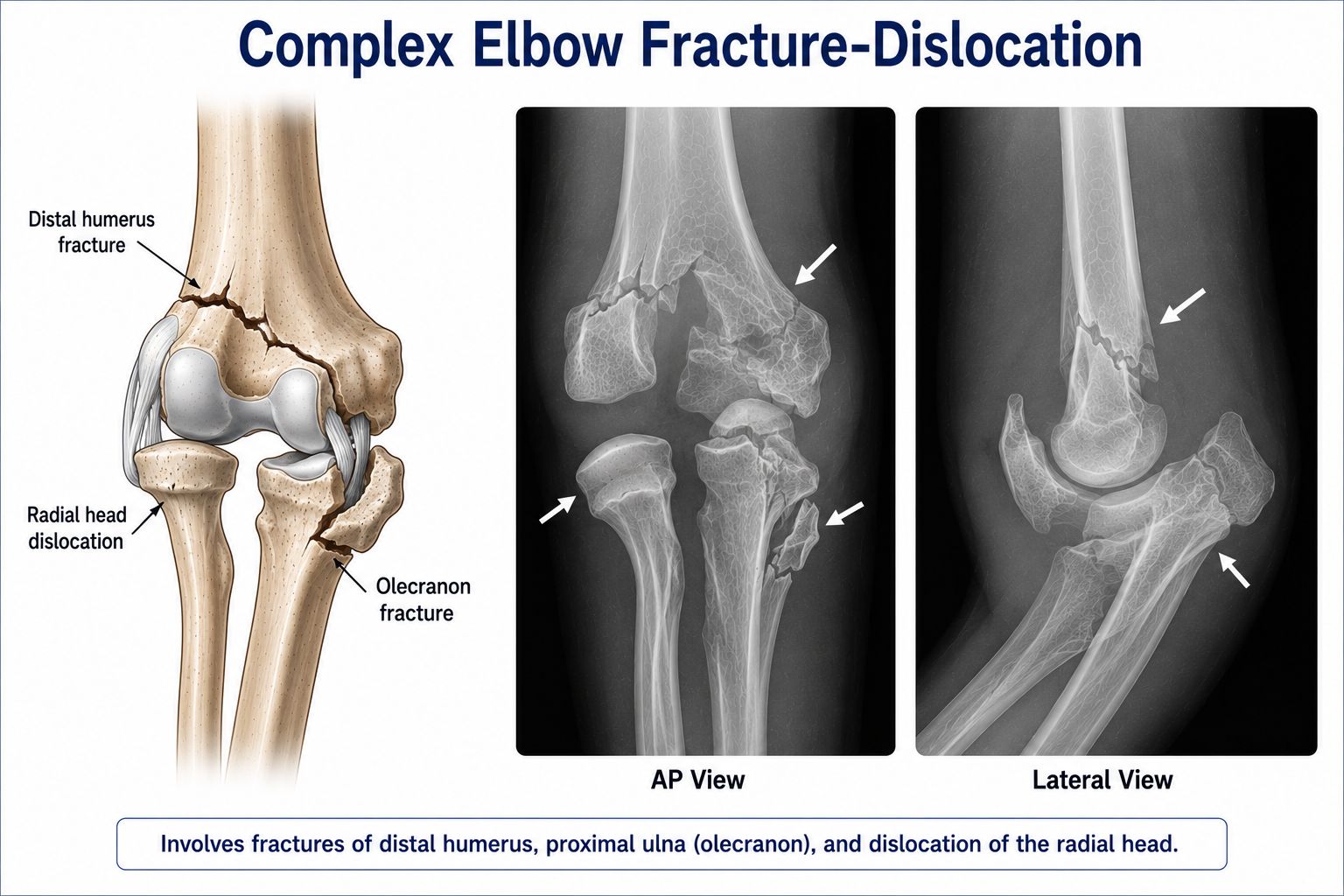
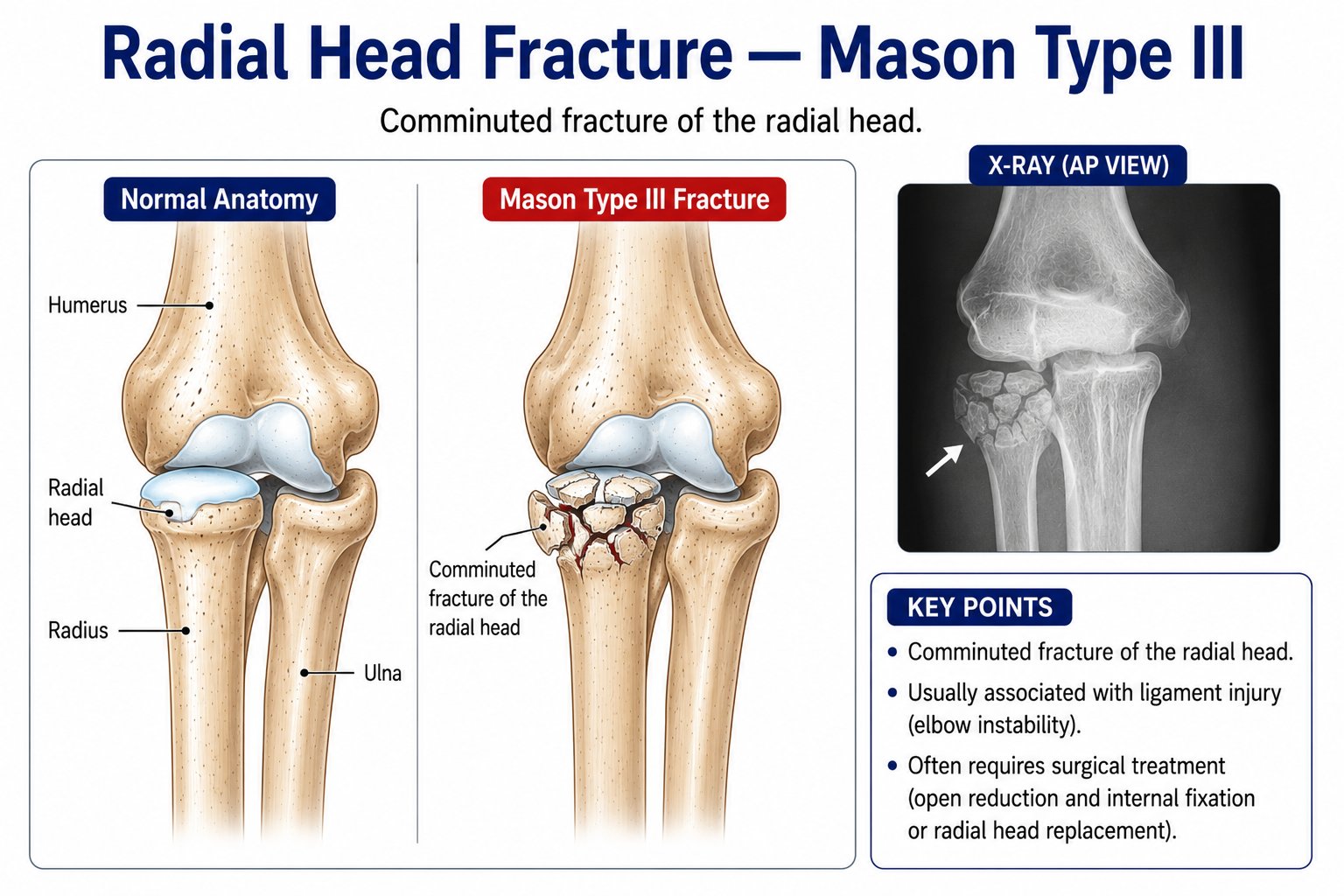
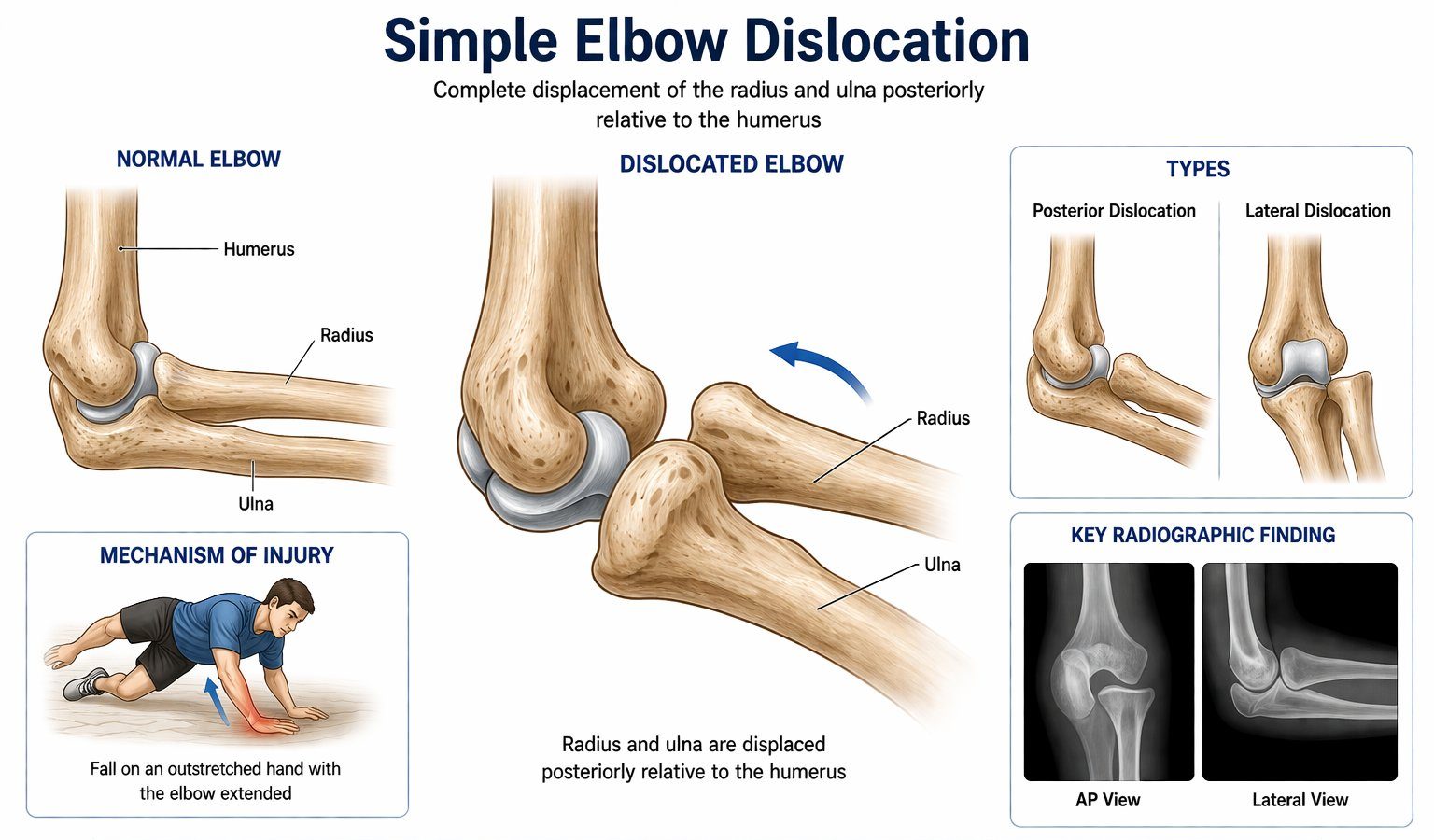
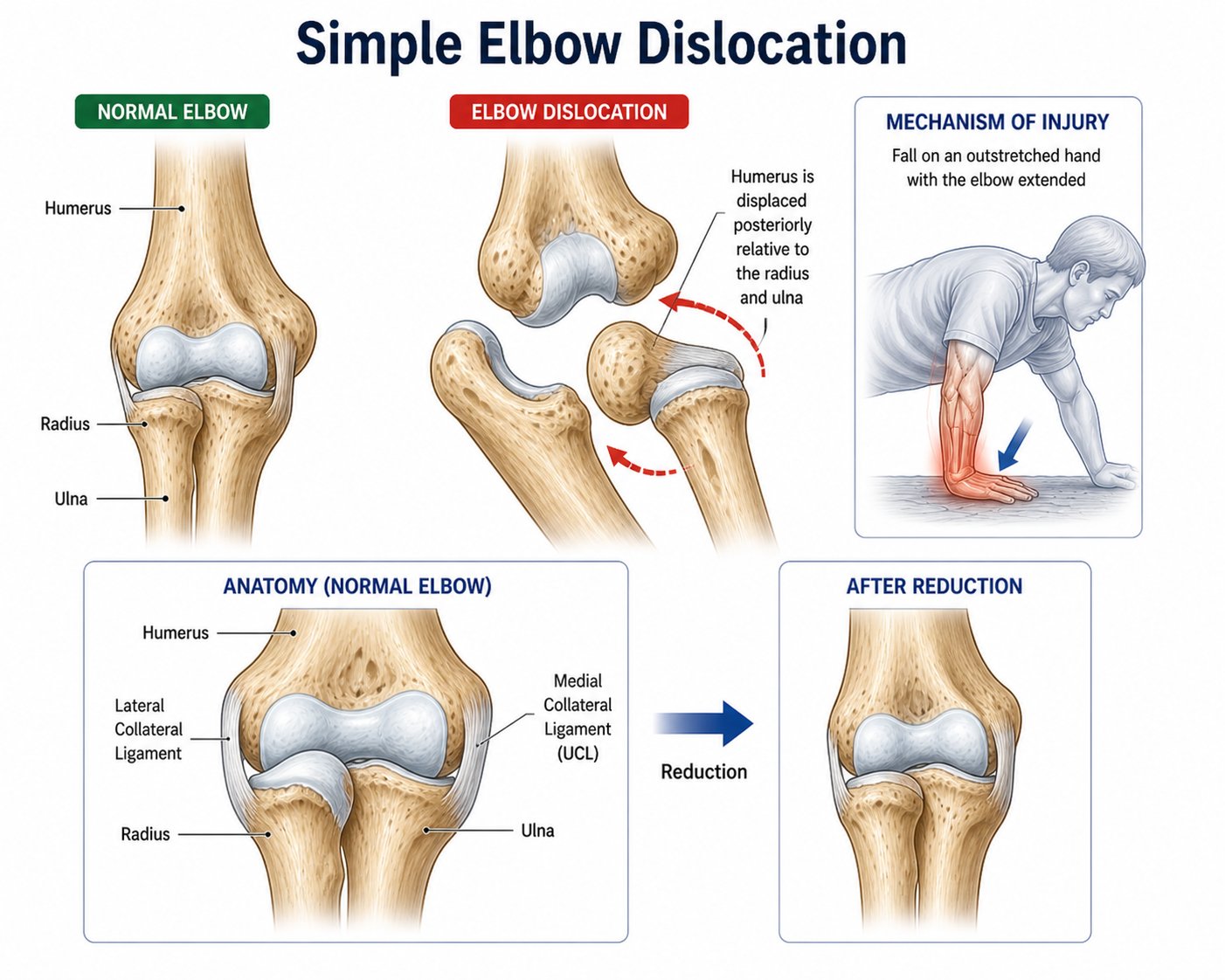
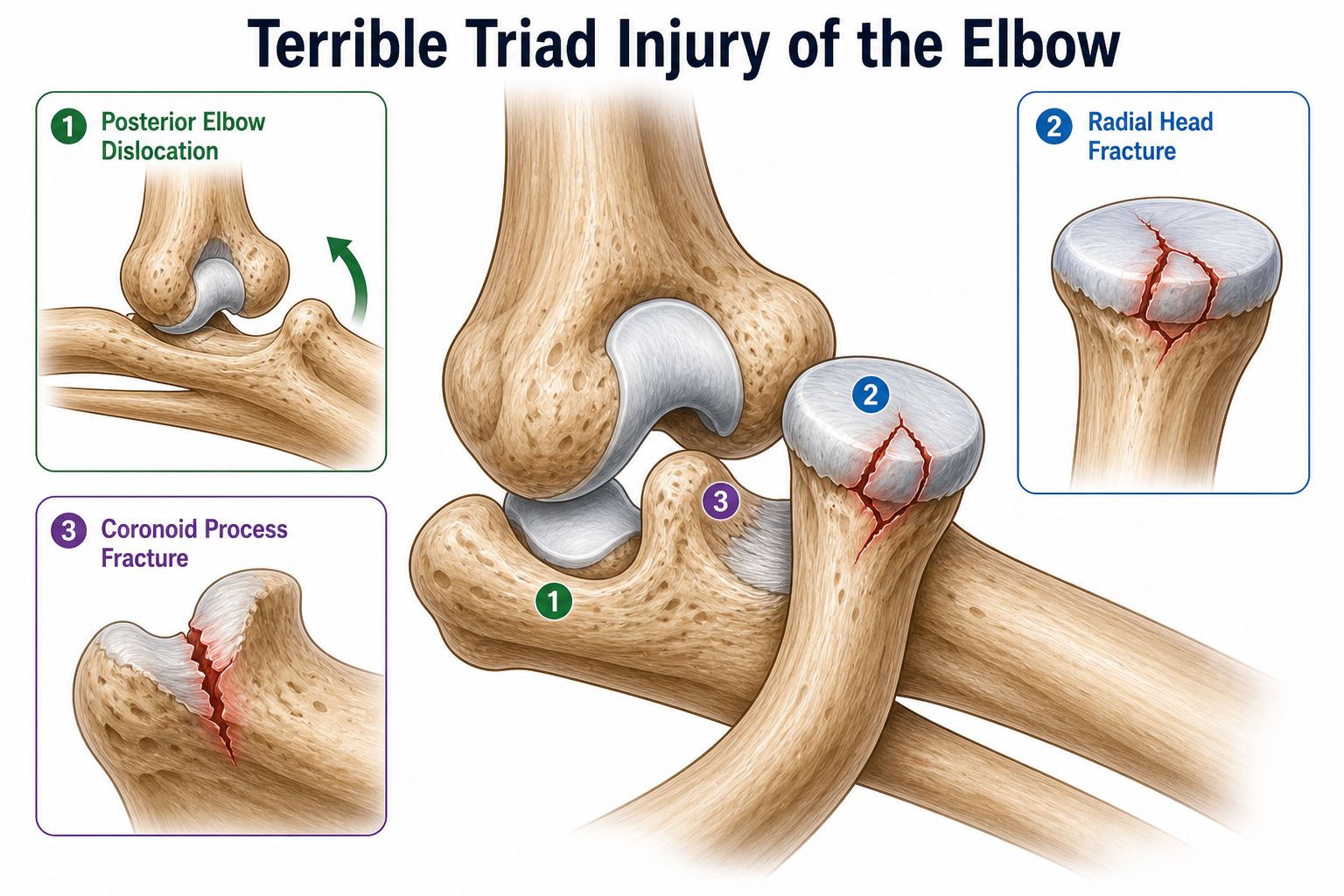
Type III coronoid fractures almost never occur in isolation — they are invariably associated with elbow dislocation, ligament disruption, and often concurrent radial head fracture (forming the terrible triad pattern, Condition 16) or other fracture-dislocation variants. The systematic surgical approach to these injuries follows the same sequence as for the terrible triad: coronoid ORIF first (the foundation of stability), then radial head management, then LCL repair.
The surgical approach to the large coronoid fragment depends on its exact morphology on CT: for fractures involving the anteromedial facet specifically, the Hotchkiss ‘over-the-top’ medial approach provides the best access. For large sagittal-plane fractures (involving the coronoid tip and body), the Henry anterior approach provides direct visualisation. Both approaches require careful identification and protection of the ulnar nerve (medial) and the PIN (anterior approach).
Quick Facts | Details |
Also Known As | Large Coronoid Fracture, Regan-Morrey Type III Coronoid, O’Brien Coronoid Fracture |
Affected Area | Coronoid process of the proximal ulna — fracture involving >50% of the coronoid height; includes the sublime tubercle (UCL attachment) and the anteromedial facet |
Who It Affects | Adults of any age; typically from a fall onto an outstretched hand with axial compression; most commonly associated with complex elbow fracture-dislocations including the terrible triad pattern |
Prevalence | True Type III (>50% height) isolated coronoid fractures are uncommon; they are most significant in the context of combined elbow injuries; this fracture pattern is the most important coronoid fracture for elbow stability |
Treatment | ORIF via medial (Hotchkiss over-the-top) or anterior (Henry) approach; suture-lasso or headless compression screws depending on fragment morphology; concurrent LCL repair and radial head management at same setting; stability is the primary goal |
Causes & Risk Factors
- Fall onto an outstretched hand — axial load plus posterior translation shears the coronoid; the larger the fragment, the more force was involved
- Elbow dislocation — the dislocating elbow shears the coronoid as the forearm translates posteriorly; large Type III fragments require much greater force than Type I tips
- Terrible triad mechanism — combined dislocation, radial head fracture, and large coronoid fracture; see Condition 16
- Varus posteromedial rotatory injury (VPMRI) — the specific mechanism that shears the anteromedial facet; the varus force in this injury creates a different fracture plane than typical posterior dislocation
Symptoms
- Severe elbow pain and swelling — following a significant injury
- Elbow instability — the elbow may feel globally unstable or dislocated at presentation
- Anterior elbow tenderness — directly over the coronoid
- Loss of all elbow ROM — guarding; the child (or adult) will not move the elbow
- Medial bruising — in VPMRI pattern injuries
- Neurovascular assessment — AIN function (thumb IP flexion); PIN (finger extension); median and ulnar nerve sensation; radial pulse
How is it Diagnosed?
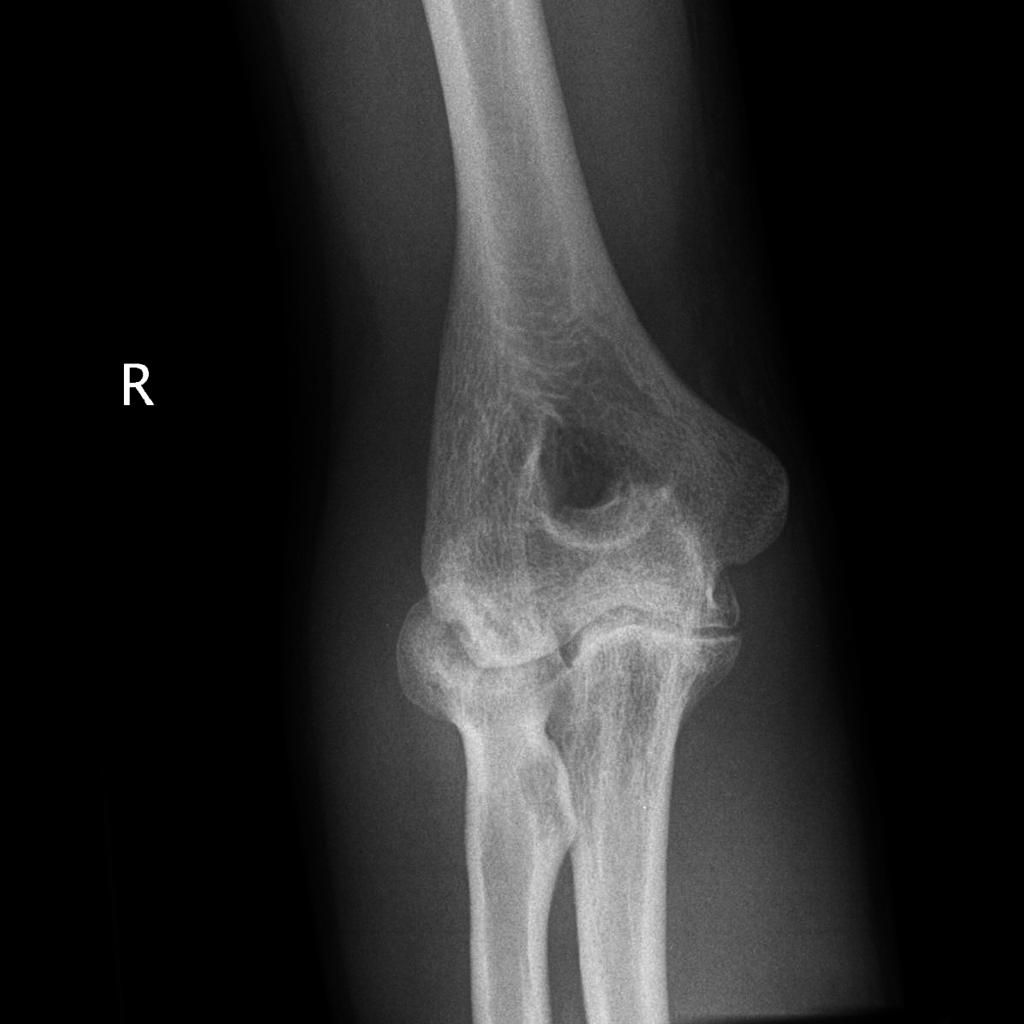
- Plain X-rays (AP + lateral) — large coronoid fragment; concurrent radial head fracture; dislocation; articular incongruity
- CT scan — MANDATORY; 3D reconstruction defines fragment size (>50% height confirms Type III), orientation (sagittal vs anteromedial facet), rotation, and concurrent injuries; critical for approach selection and implant planning
- Post-reduction assessment — after emergency closed reduction: check X-ray for concentricity; test stability under fluoroscopy through arc of motion
Treatment Options
Treatment Type | Details |
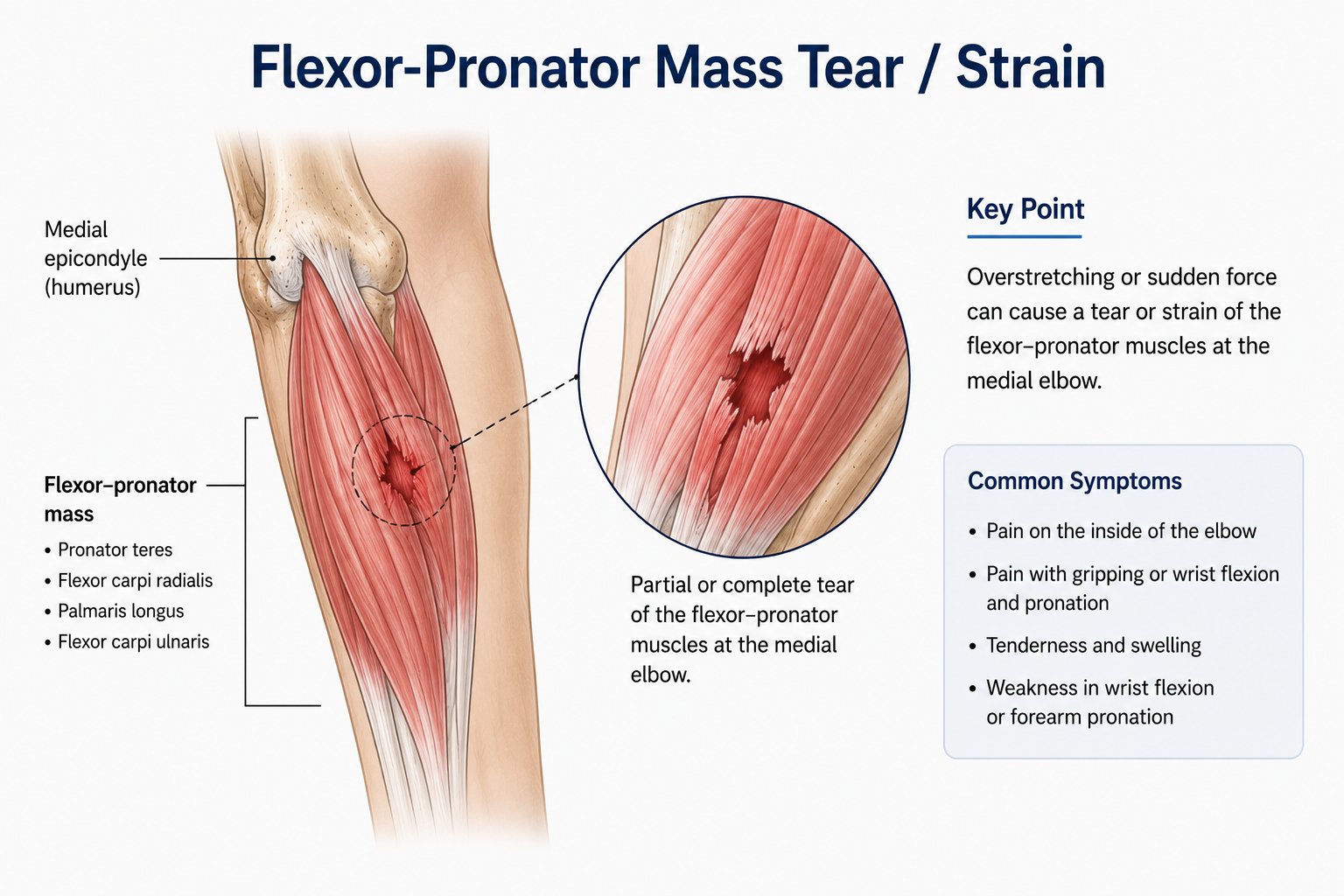
ORIF via Medial Hotchkiss Approach (Anteromedial Facet) | The flexor-pronator origin is elevated off the medial epicondyle (Hotchkiss “over-the-top” approach); the ulnar nerve is identified and protected throughout; direct visualisation of the anteromedial facet; reduction and fixation with a medial buttress plate (mini-fragment 2.0–2.4mm) applied along the medial face of the coronoid; restores UCL attachment |
ORIF via Anterior Henry Approach (Sagittal Fracture) | For large sagittal-plane Type III fragments; direct anterior approach between brachioradialis and pronator teres; excellent articular surface visualisation; 2–3 headless compression screws from anterior to posterior; PIN identified and protected throughout |
Suture-Lasso Technique (Comminuted Fragments) | If the large coronoid fracture is comminuted into multiple small pieces not amenable to screw fixation: sutures passed through drill holes in the base of the coronoid and tied over the posterior cortex; captures the UCL/anterior capsule attachment; restores the functional soft tissue anchor even when bony fixation is insufficient |
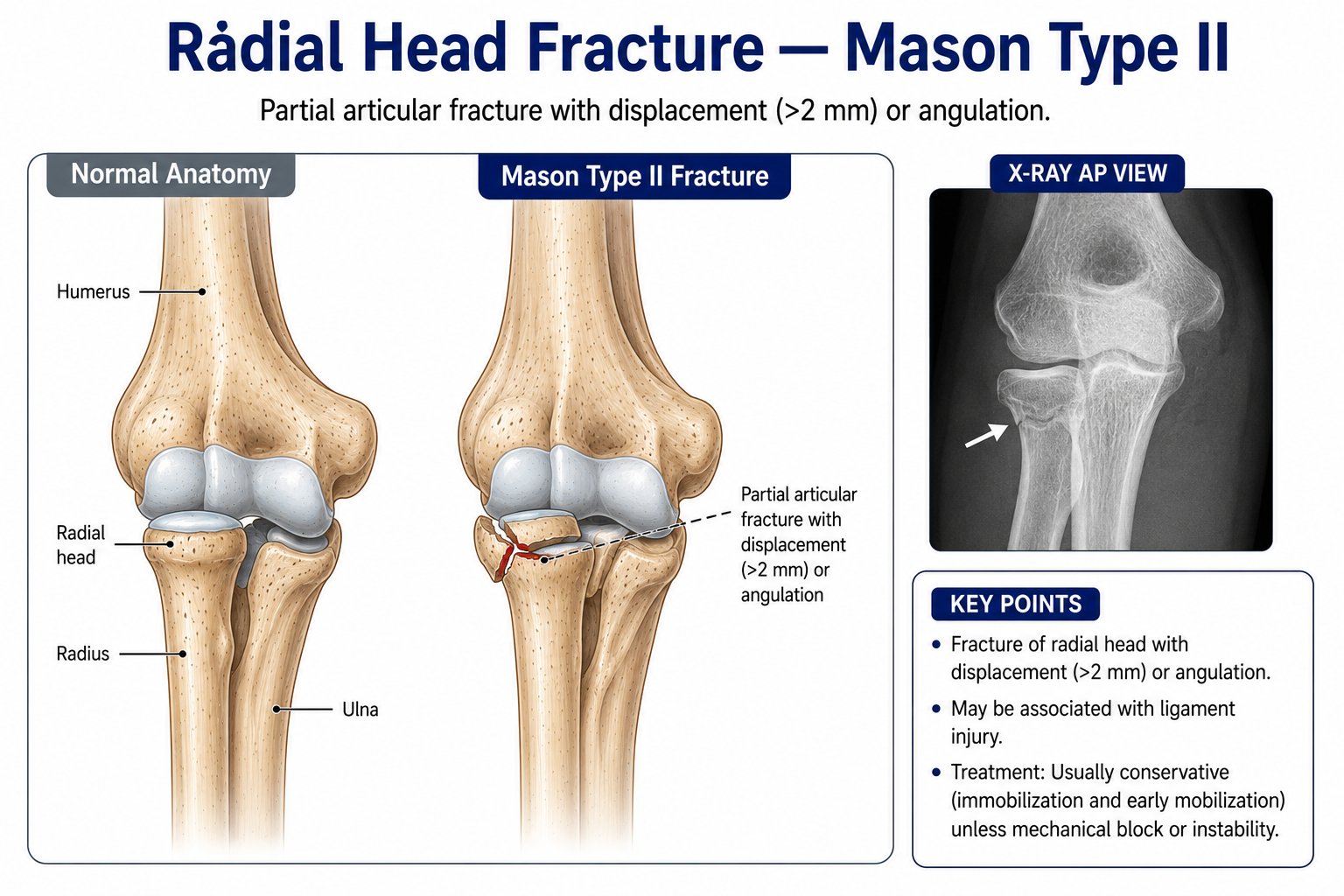
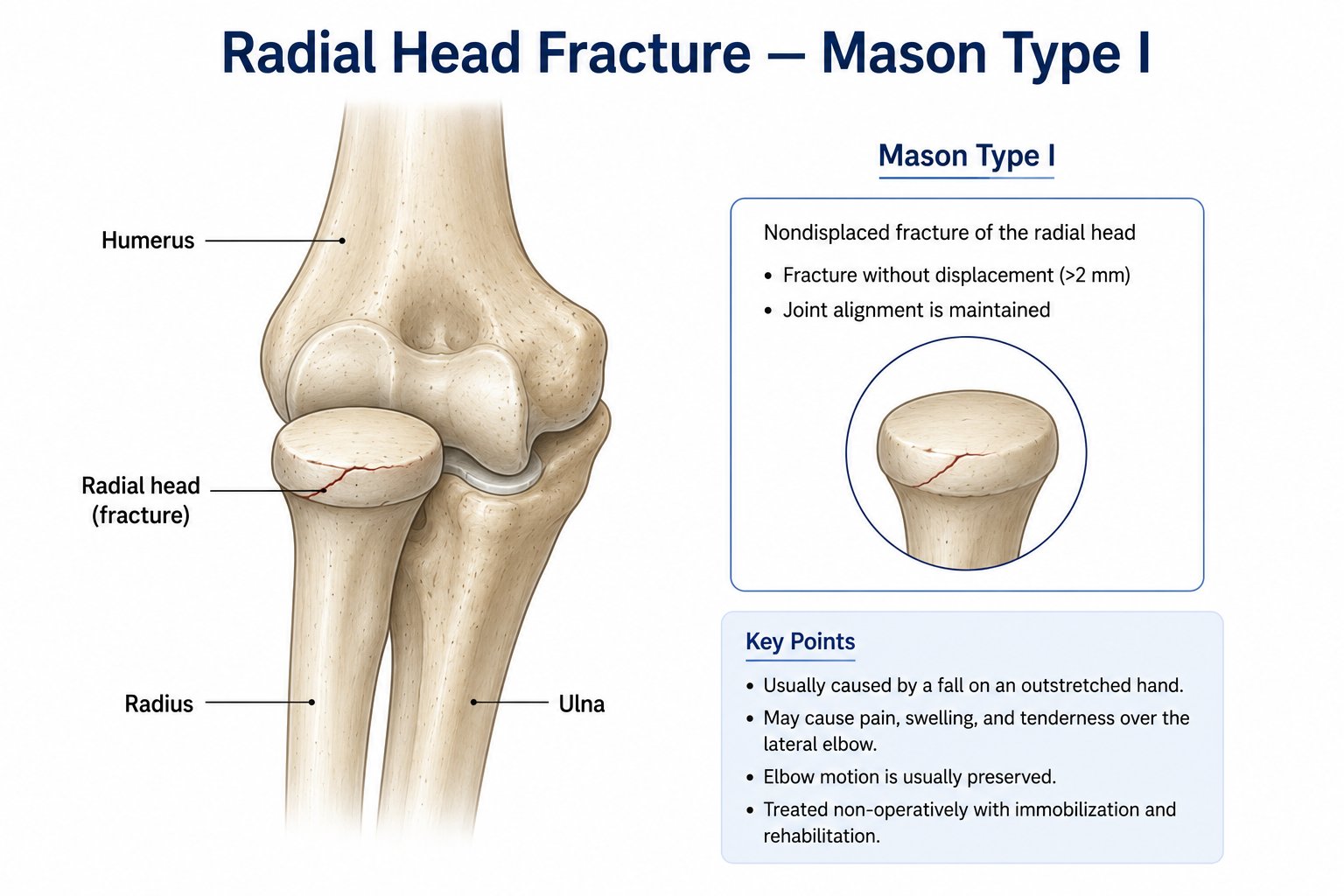
Concurrent Radial Head (Step 2) | After coronoid fixation: address radial head — ORIF if <3 fragments (Condition 46); replacement if comminuted (Condition 47); NEVER excise without replacement in this setting |
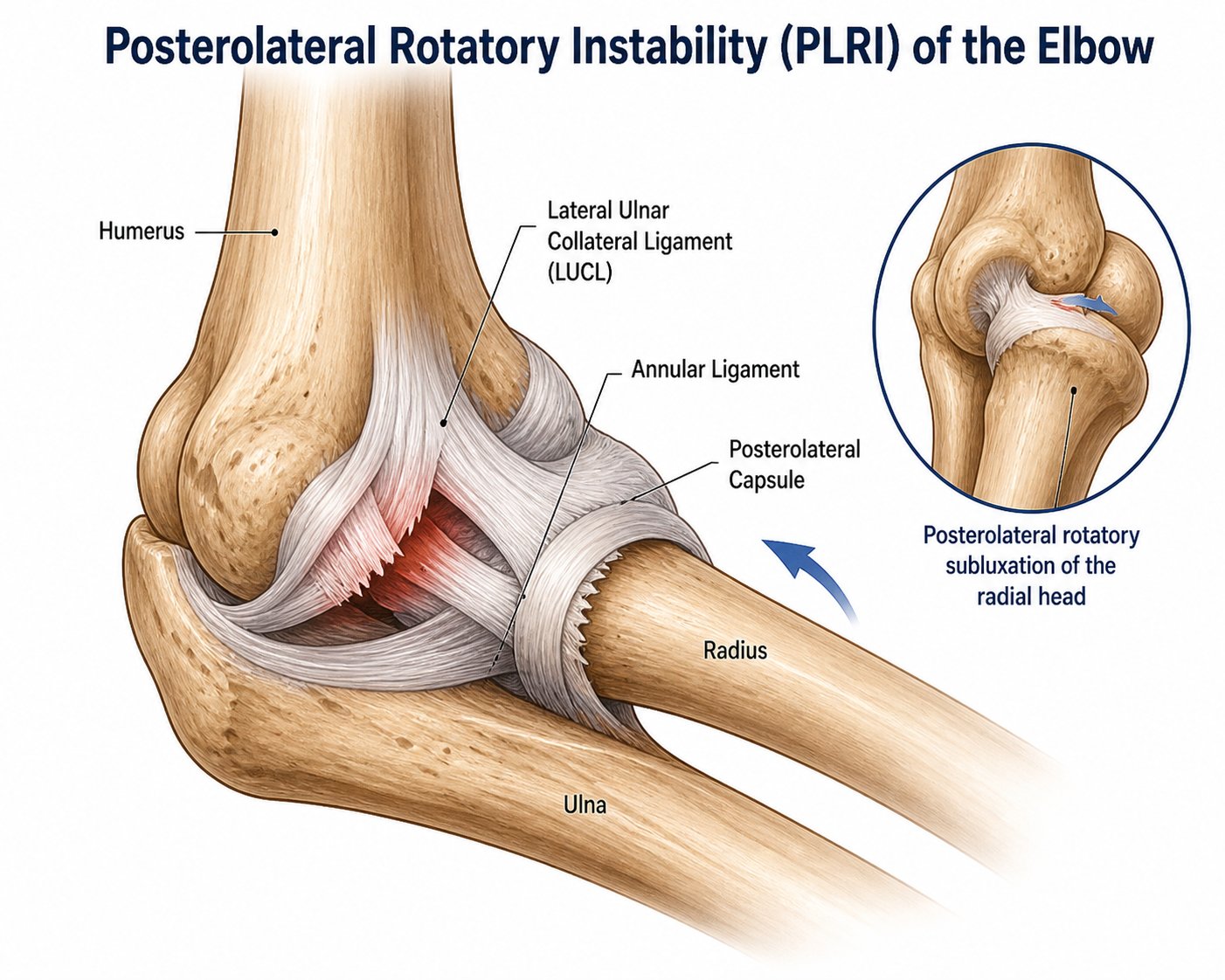
LCL Repair (Step 3) | After radial head: repair the LCL complex to the lateral epicondyle with suture anchors; test elbow stability under fluoroscopy |
Stability Check and MCL | If elbow still unstable after coronoid + radial head + LCL: add MCL/UCL repair or reconstruction; hinged external fixator for residual instability |
Recovery & Rehabilitation
- After reconstruction: sling/splint 48 hours; physiotherapy from day 2; active-assisted ROM immediately
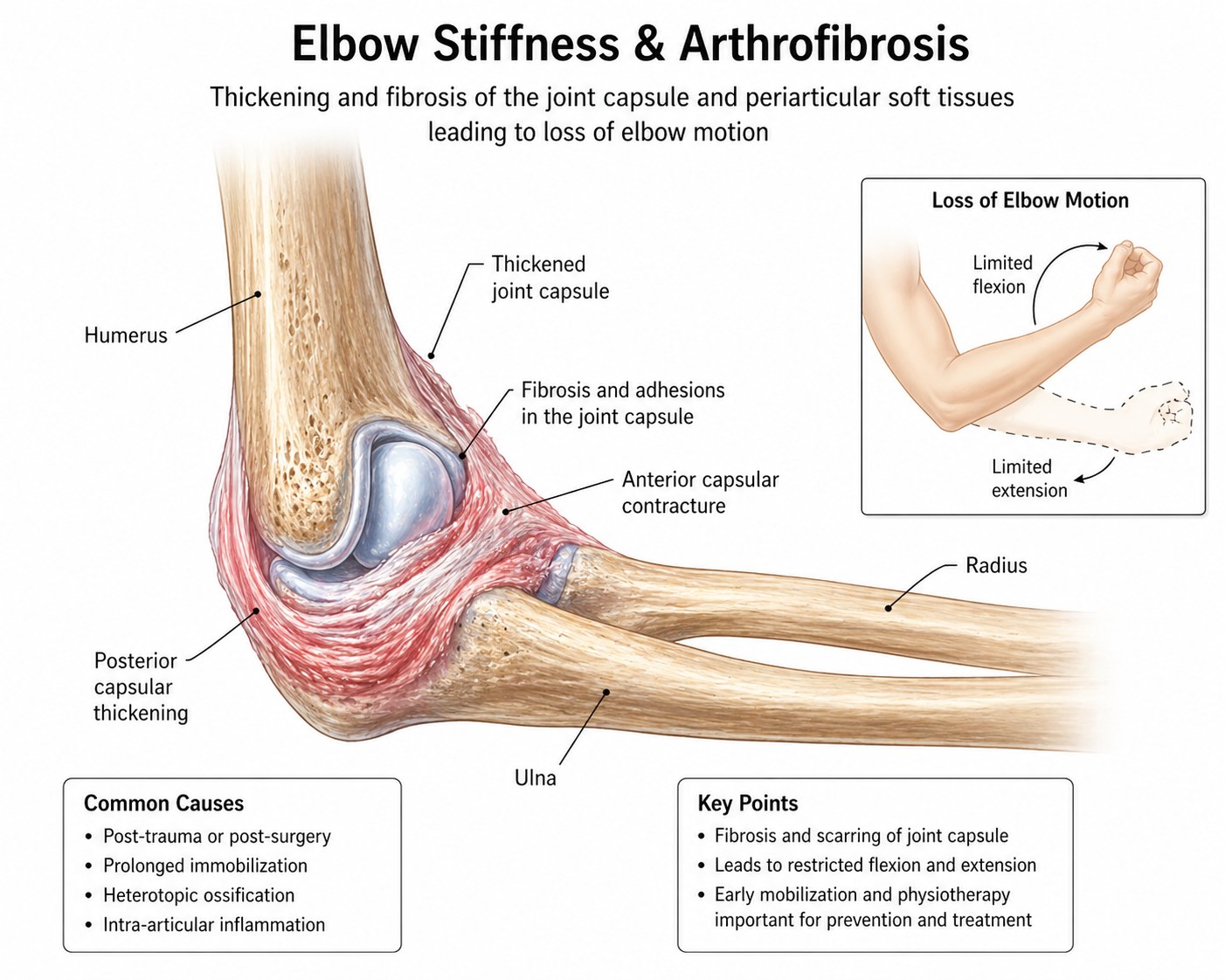
- Full ROM targeted by 8–12 weeks; stiffness is the most common complication — prevented by early physiotherapy
- Strengthening from 8–10 weeks; return to light work 6–8 weeks; manual work 3–4 months
- Concurrent injury management significantly affects recovery timeline; terrible triad reconstruction: see Condition 16
- Outcome: 75–85% good-excellent when systematic reconstruction performed; the coronoid is the keystone — its reduction quality most strongly predicts elbow stability
Why choose Dr Senthilvelan?
Large coronoid fractures are the centrepiece of complex elbow instability. Dr Senthilvelan is trained in all coronoid fixation approaches — the Hotchkiss medial, Henry anterior, and suture-lasso techniques — and applies the systematic O’Brien reconstruction sequence to achieve reliable stability in the most complex elbow fracture-dislocations.
Frequently Asked Questions
1. Why is the coronoid called the "keystone" of elbow stability?
The coronoid is described as the keystone because it provides three essential functions simultaneously: (1) it is the primary bony buttress preventing the ulna from subluxating posteriorly off the trochlea; (2) it is the attachment site of the anterior band of the UCL (via the sublime tubercle) — the primary medial stabiliser; and (3) the brachialis muscle attaches to the coronoid base, providing an anteriorly directed dynamic stabilising force. Loss of more than 50% of the coronoid height removes all three of these functions simultaneously — which is why Type III fractures are so destabilising and why their fixation is the first step in any complex elbow reconstruction.
2. What is the anteromedial facet and why does it have its own approach?
The anteromedial facet is the inner (medial) aspect of the coronoid tip, which specifically supports the anteromedial edge of the trochlea and serves as the medial attachment for the UCL. Anteromedial facet fractures result from a specific varus-posteromedial rotatory injury mechanism and are often missed because they are not visible on standard AP or lateral X-rays — they require CT. The medial Hotchkiss approach provides direct access to this specific part of the coronoid, allowing a mini-fragment buttress plate to be applied to the medial face — the only effective way to support this fracture pattern.
3. I had terrible triad surgery and the surgeon fixed the coronoid first — why is that the priority?
In a terrible triad reconstruction, the coronoid is fixed first because it is the foundation on which all subsequent stability depends. If the radial head is fixed or replaced while the coronoid is still deficient, the elbow will remain unstable because the primary bony buttress against posterior displacement has not been restored. With the coronoid fixed, the radial head replacement restores lateral column support, and the LCL repair restores ligamentous lateral stability. Each step builds on the previous one — skipping or inadequately performing the coronoid step produces a less stable overall result.
4. Can a large coronoid fracture heal without surgery?
No — a Type III coronoid fracture (>50% height) in the context of elbow instability cannot be managed conservatively. Without surgical fixation, the elbow will persistently redislocate because the primary bony buttress has been removed. The UCL attachment (via the sublime tubercle) is disrupted, and the brachialis loses its stabilising insertion. Even if the elbow is reduced and immobilised in a cast, the inherent instability means it will subluxate and heal in a malunited position — leading to permanent instability, pain, and post-traumatic arthritis.
5. What happens to the UCL when the coronoid fractures?
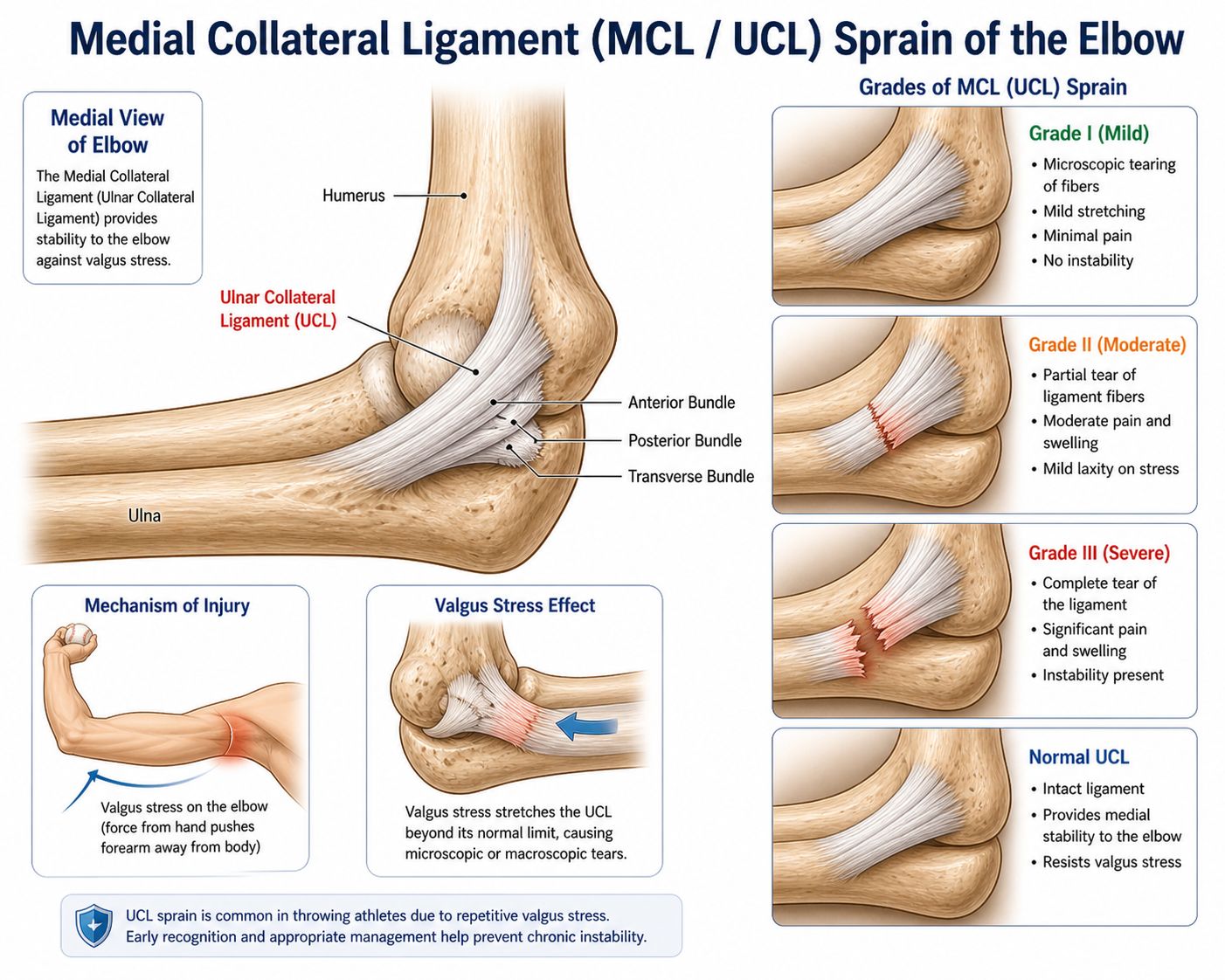
The anterior band of the UCL — the primary medial stabiliser — attaches to the sublime tubercle on the medial base of the coronoid. In a Type III coronoid fracture, the sublime tubercle is invariably part of the fracture fragment. This means the UCL is effectively detached from the ulna — not torn from its substance, but avulsed from its bony insertion along with the coronoid fragment. When the coronoid fragment is anatomically reduced and fixed, the UCL attachment is simultaneously restored to its correct position — this is why anatomical coronoid reduction is as important for ligamentous stability as for bony stability.