Overview
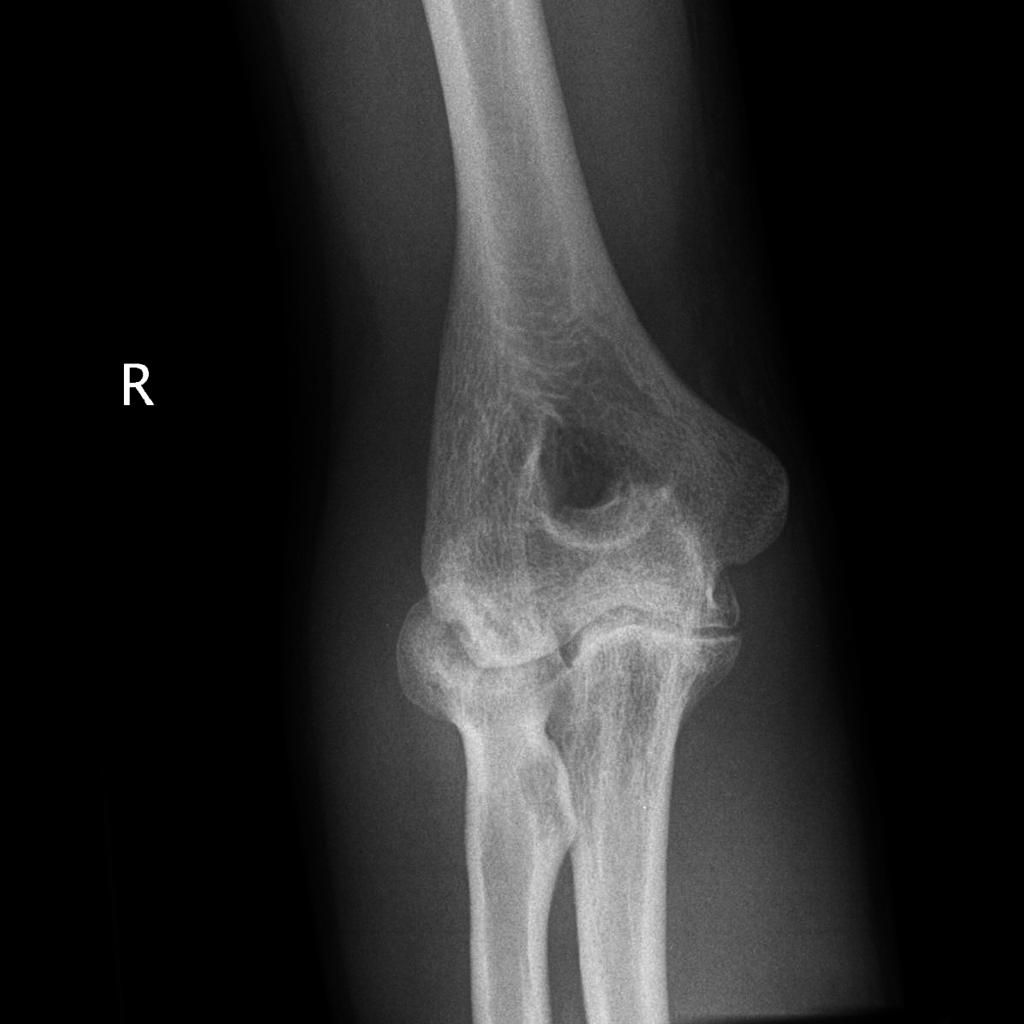
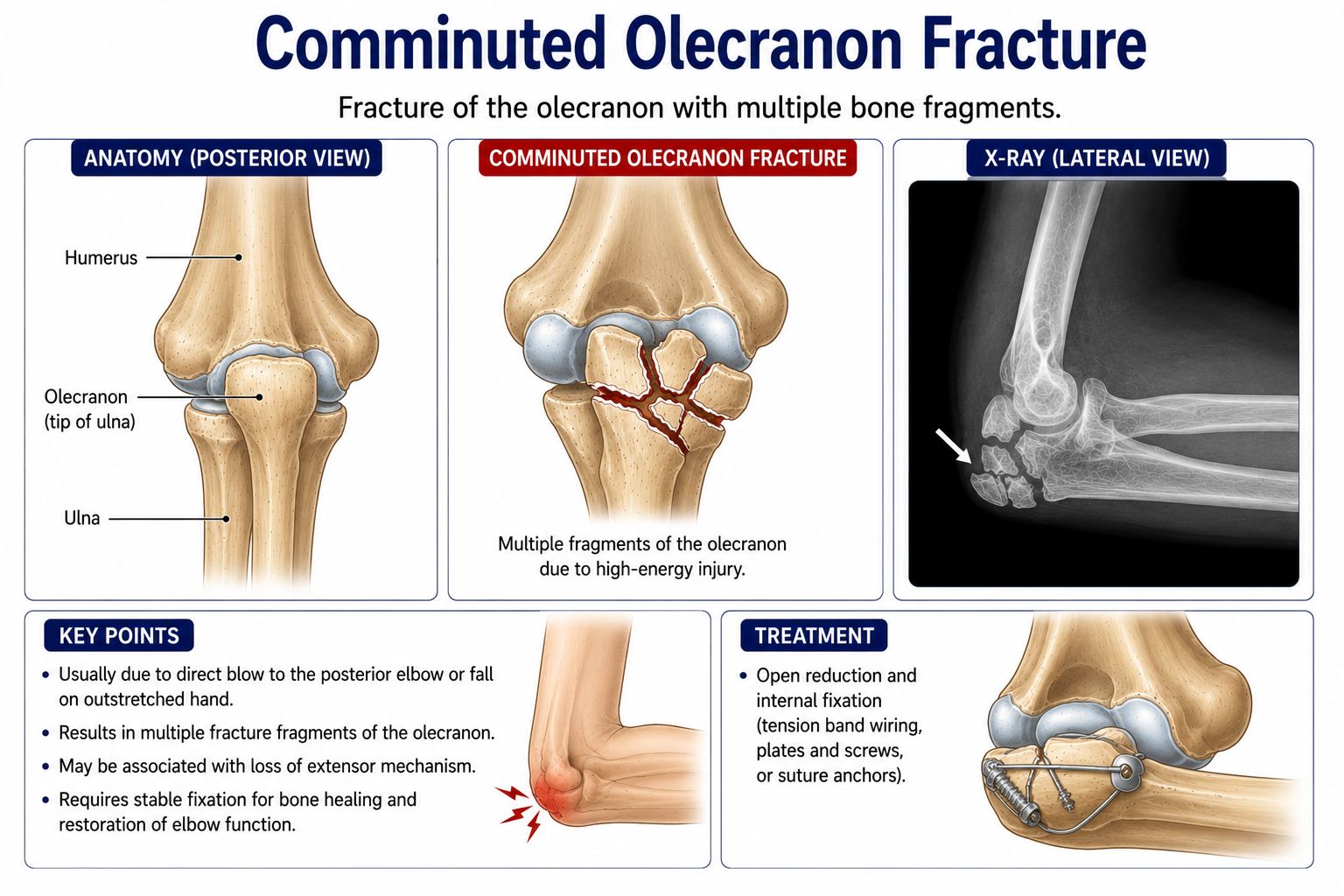
Comminuted olecranon fractures involve three or more fragments and typically extend into the articular surface of the trochlear notch — the concave articular groove that articulates with the trochlea of the humerus. Unlike simple transverse olecranon fractures (where tension band wiring provides reliable fixation), comminuted patterns require more rigid, multi-directional fixation that can support multiple small fragments simultaneously while withstanding the strong pull of the triceps muscle.
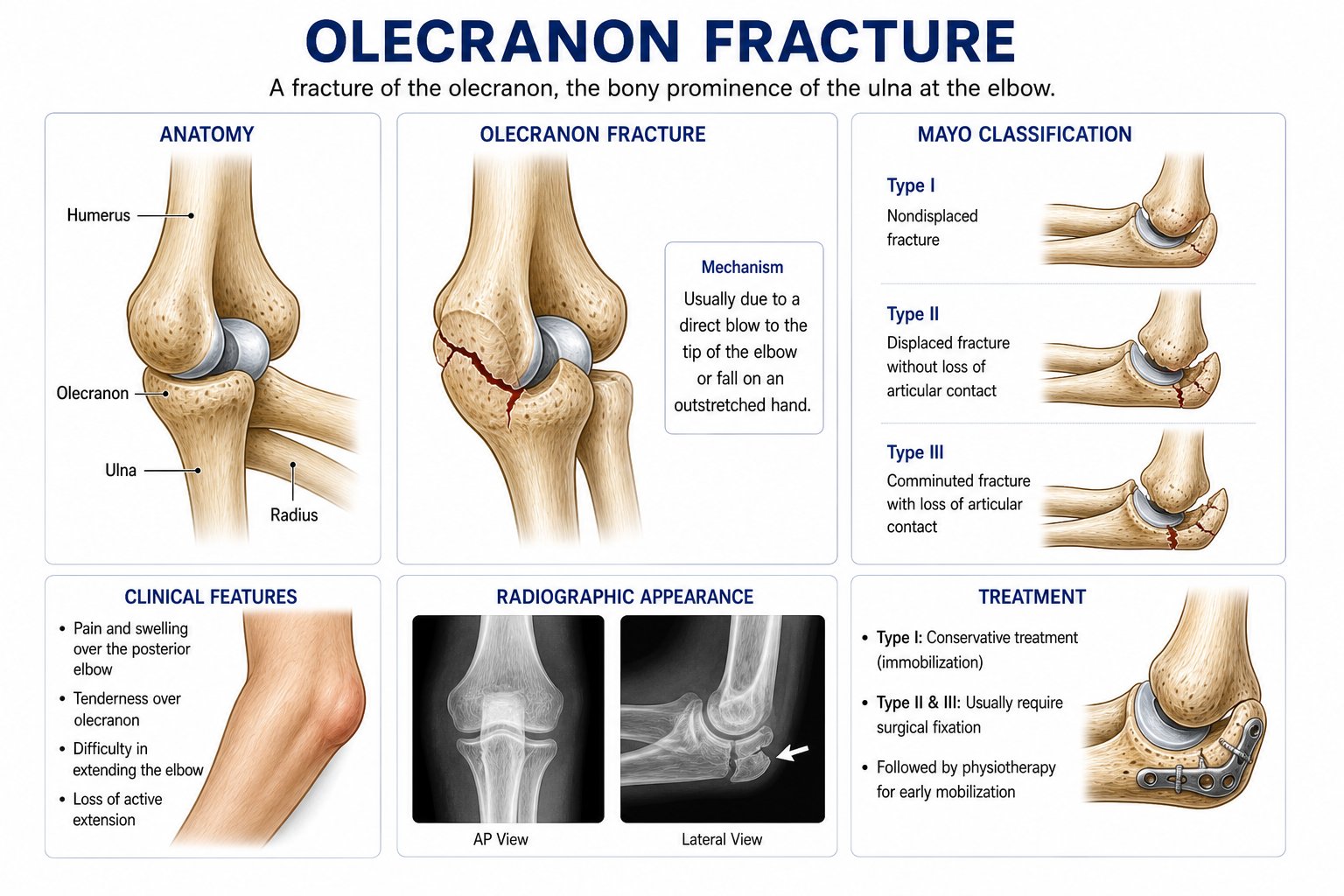
The Mayo classification guides treatment: Type I (non-displaced), Type IIA (displaced, stable — no associated injury), Type IIB (displaced, unstable — associated injuries), Type IIIA (comminuted, stable), Type IIIB (comminuted, unstable). The key distinction in Types II and III is stability — assessed by whether there are associated fractures (radial head, coronoid) or ligamentous injuries that destabilise the elbow beyond the olecranon itself.
Pre-contoured locking plates — specifically designed to match the shape of the olecranon — have replaced tension band wiring as the preferred fixation for comminuted patterns. Locking plate constructs allow stable fixation of multiple small articular fragments, have a lower hardware prominence rate than TBW K-wires, and are more suitable for osteoporotic bone where non-locking screws may not achieve adequate purchase.
Quick Facts | Details |
Also Known As | Complex Olecranon Fracture, Olecranon Comminution, Mayo Type III Olecranon Fracture |
Affected Area | Olecranon process of the proximal ulna — multi-fragment comminuted pattern extending into the trochlear notch; the articular surface is fragmented |
Who It Affects | Higher-energy mechanisms than simple olecranon fractures; young adults from significant trauma; elderly from low-energy falls with osteoporosis; associated fractures and dislocations are more common in this pattern |
Prevalence | Comminuted olecranon fractures (Mayo Type IIB and Type III) account for approximately 30% of all olecranon fractures; they carry higher rates of complications than simple transverse patterns and require more complex surgical management |
Treatment | Pre-contoured locking plate (3.5mm olecranon plate) preferred over tension band wiring for all comminuted patterns; bone graft for defects; concurrent elbow stability assessment; early mobilisation essential |
Causes & Risk Factors
- Higher-energy trauma — falls from height, motor vehicle accidents, industrial injuries; produce comminuted multi-fragment patterns
- Direct blow to the olecranon — a hard impact on the posterior elbow shatters the olecranon into multiple fragments
- Low-energy falls with osteoporosis — in the elderly, the same mechanism as simple olecranon fractures produces a more comminuted pattern due to poor bone quality
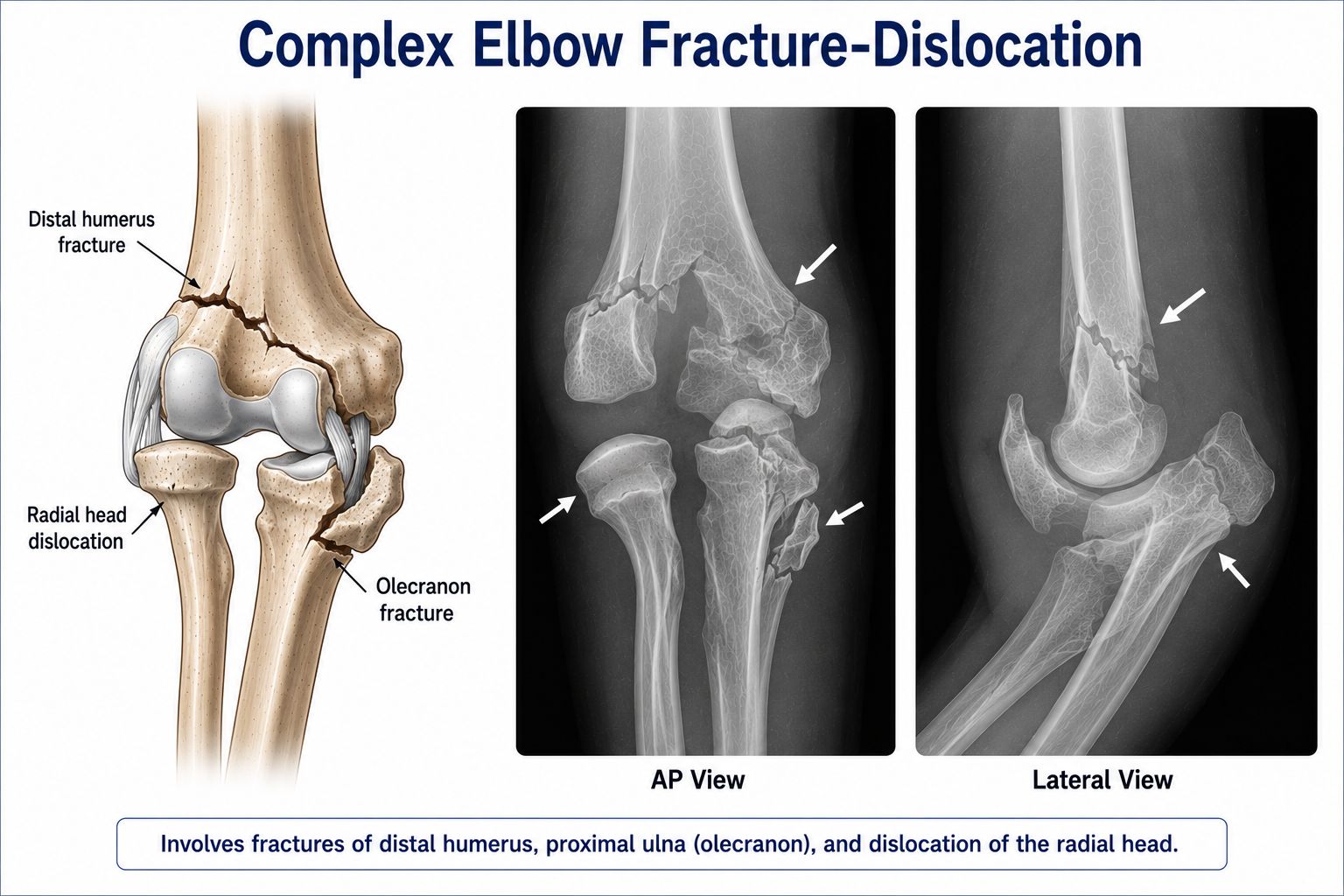
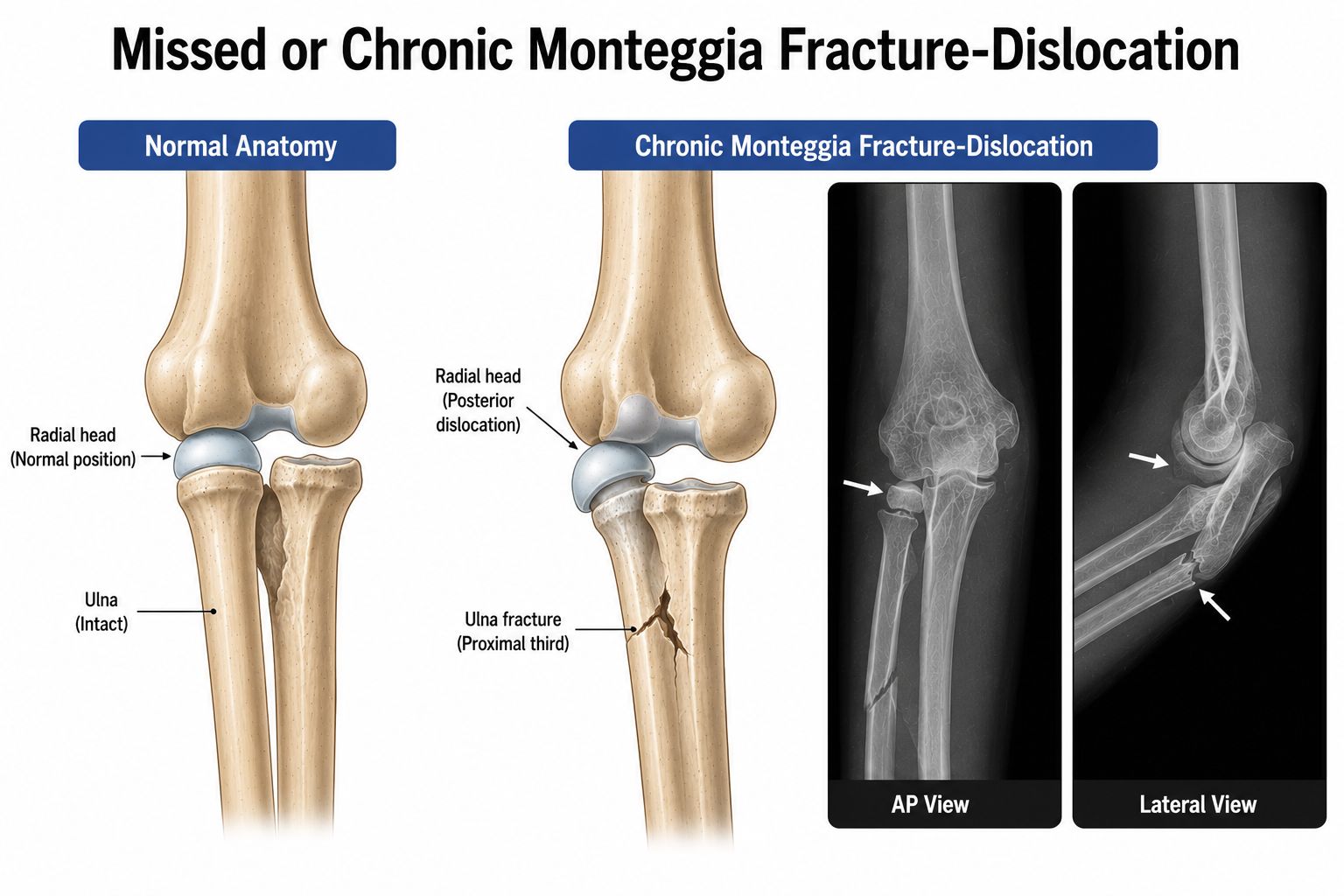
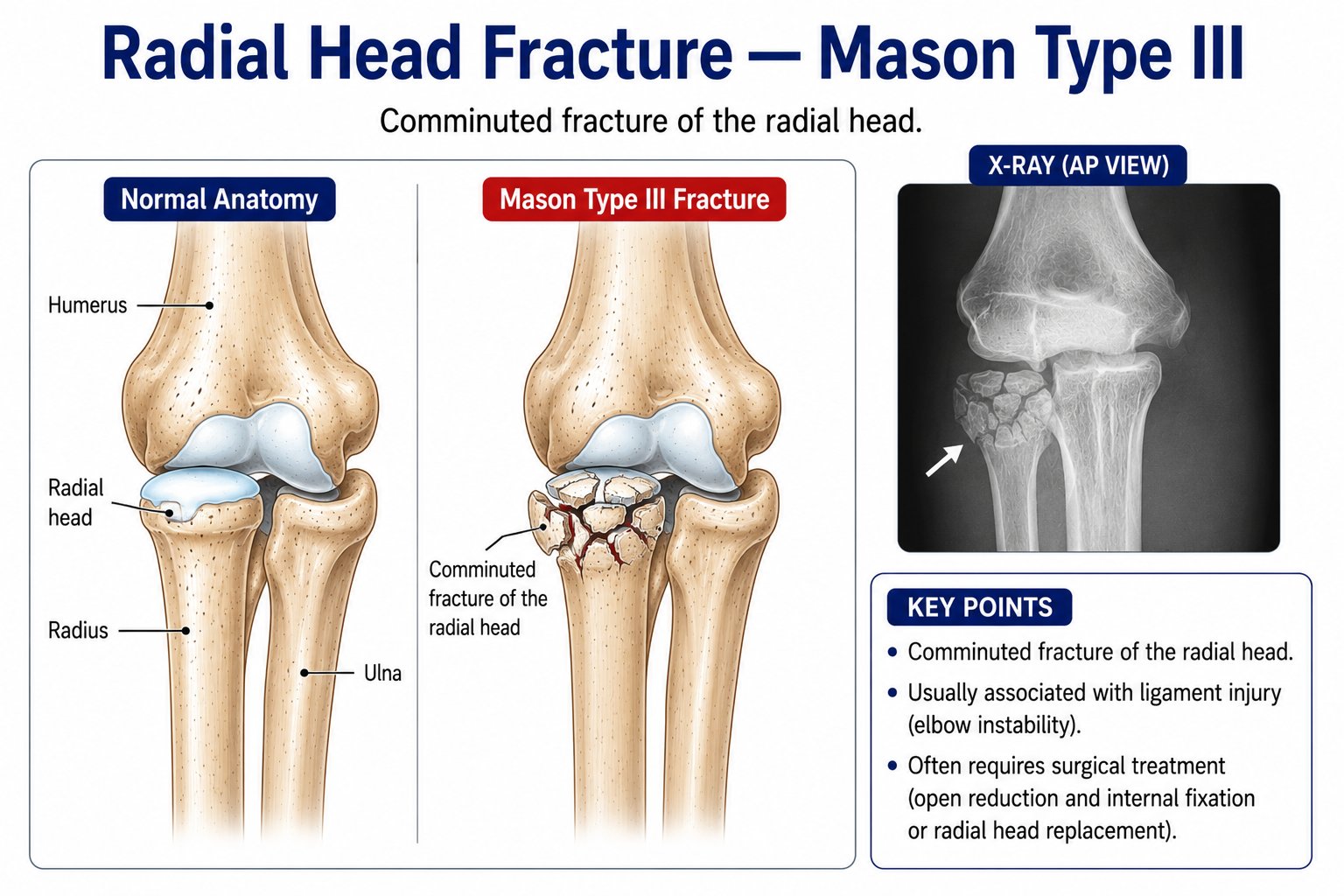
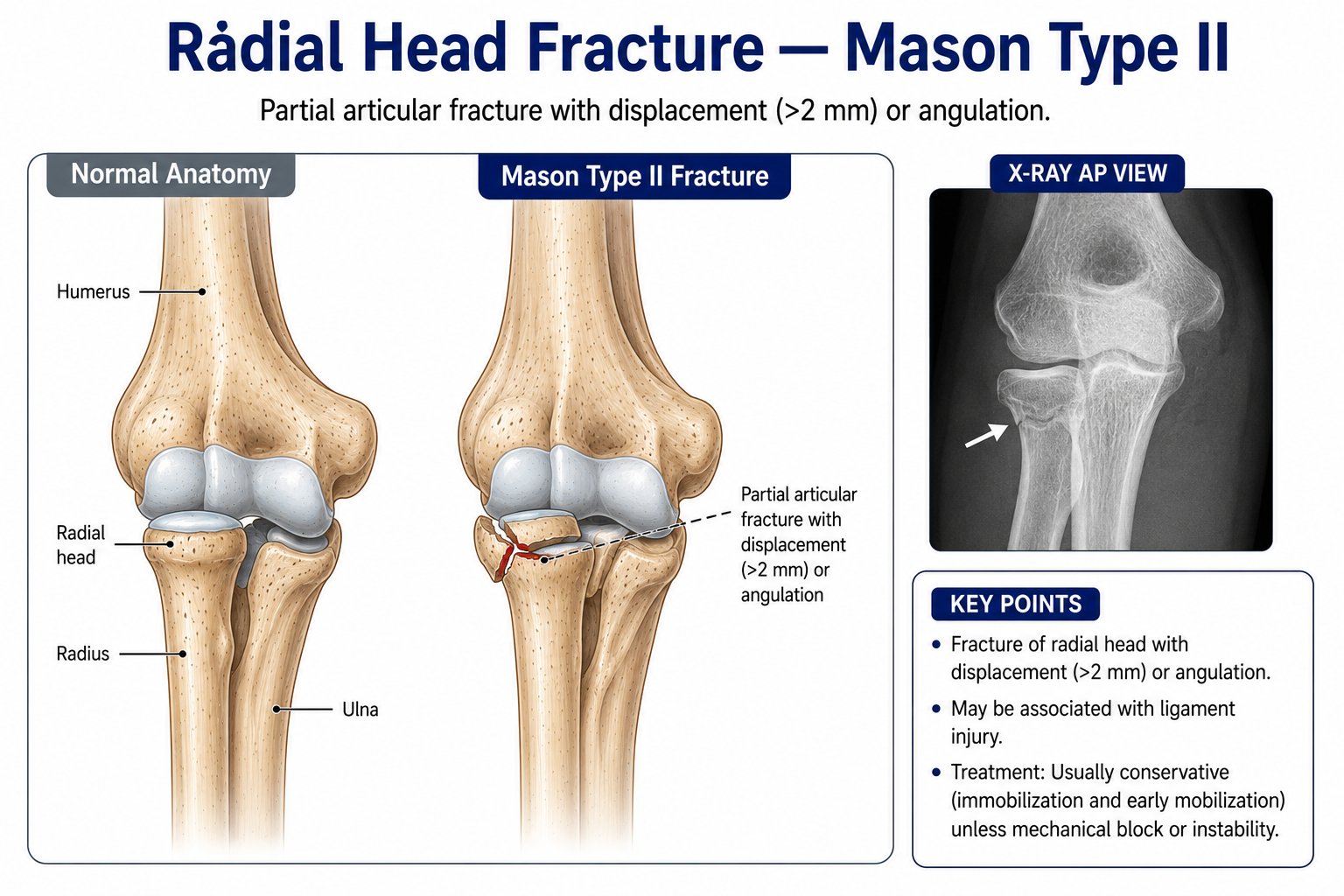
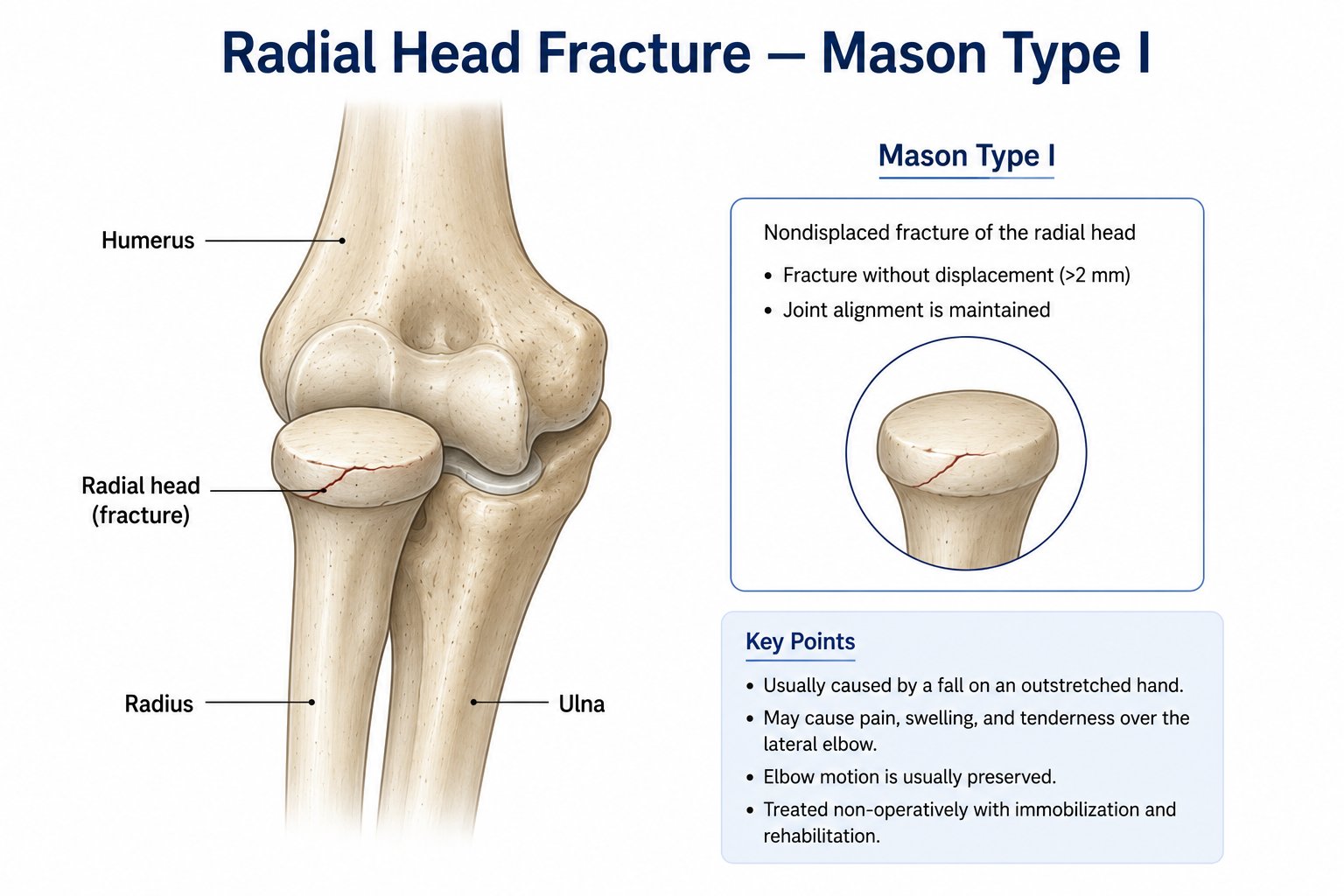
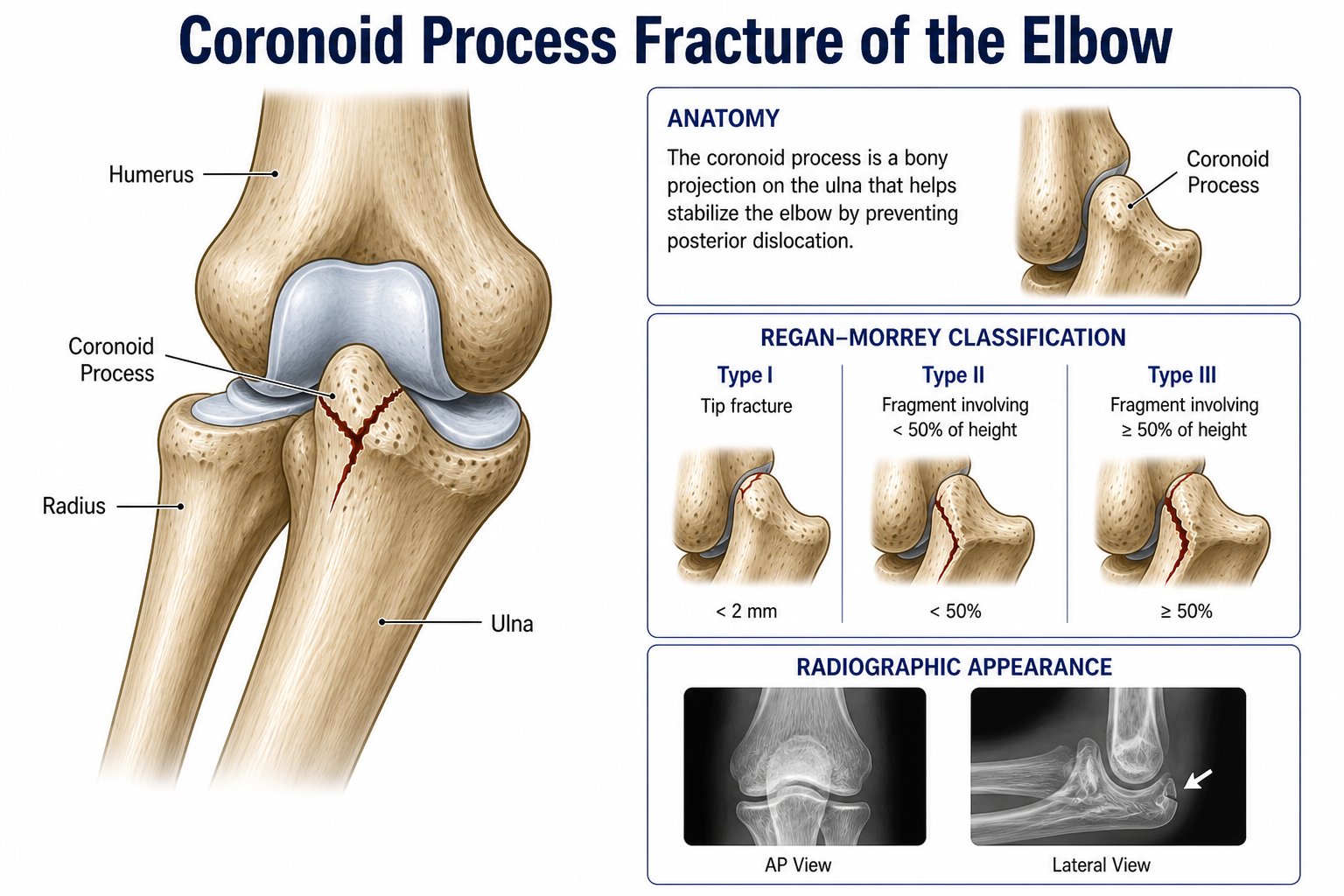
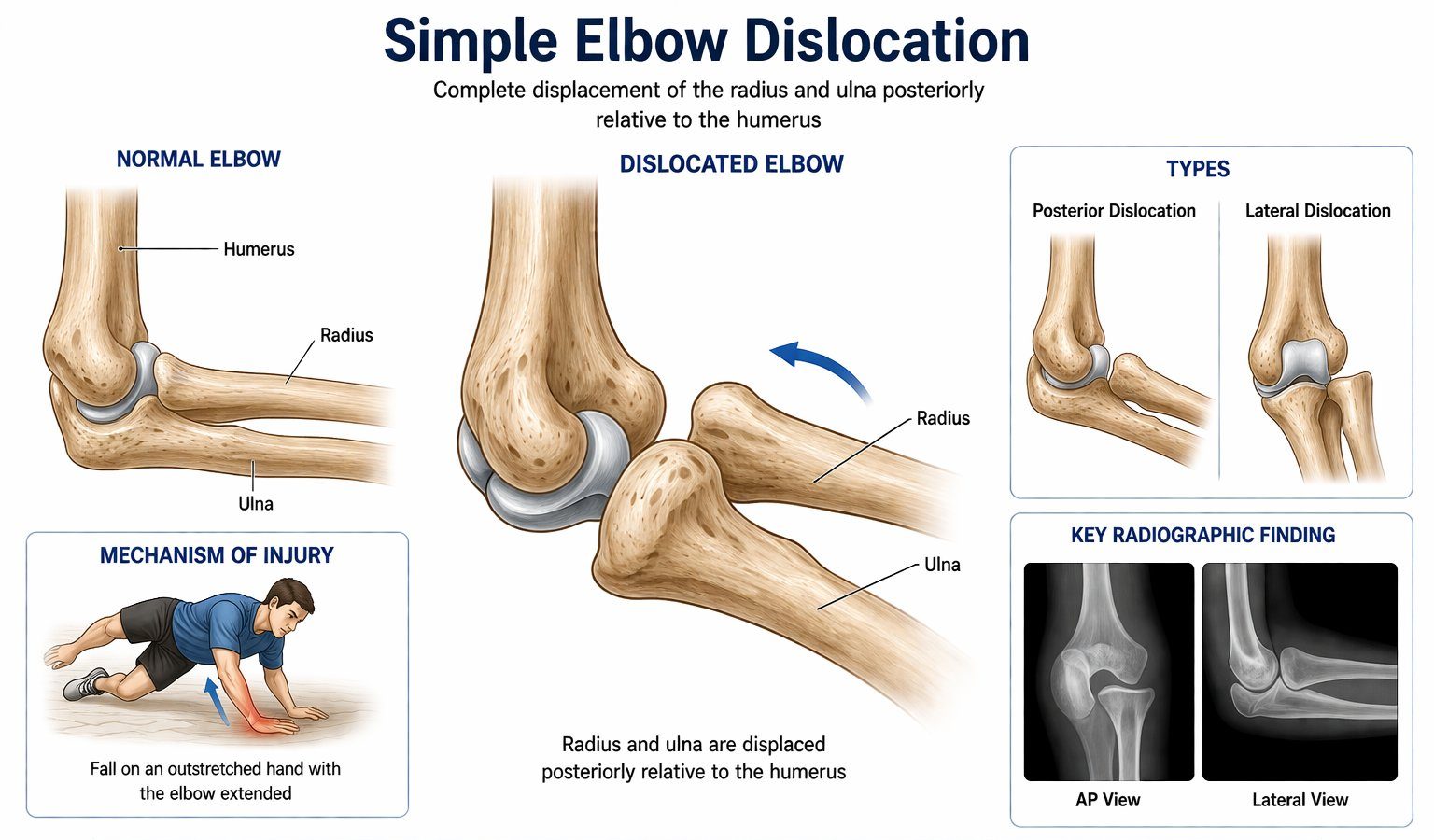
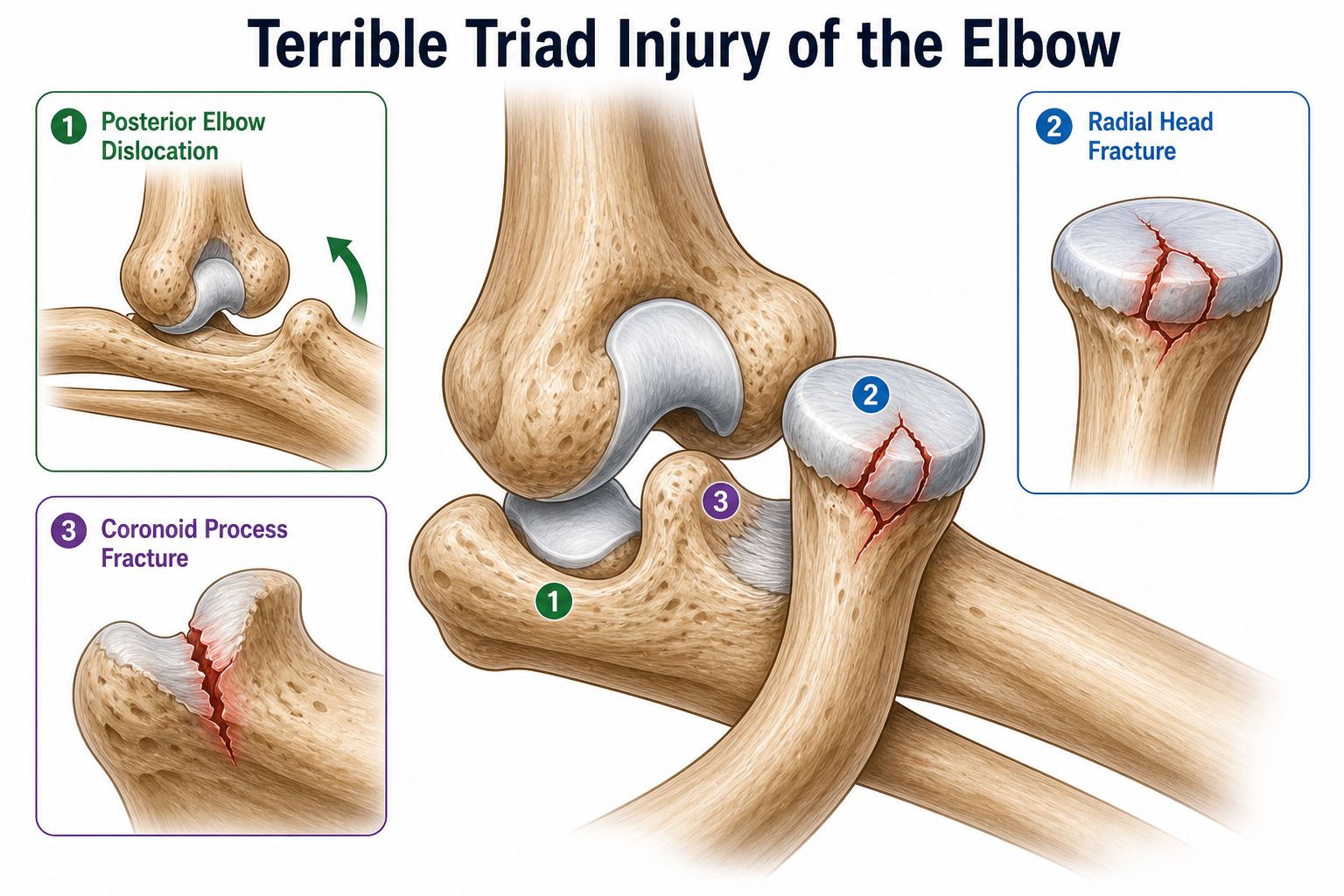
- Associated injuries — comminuted olecranon fractures more commonly occur with concurrent radial head fractures (Bado Type I Monteggia equivalent), coronoid fractures, and elbow dislocations; these must be identified and addressed
Symptoms
- Posterior elbow pain — following a significant impact; often more severe than simple fractures
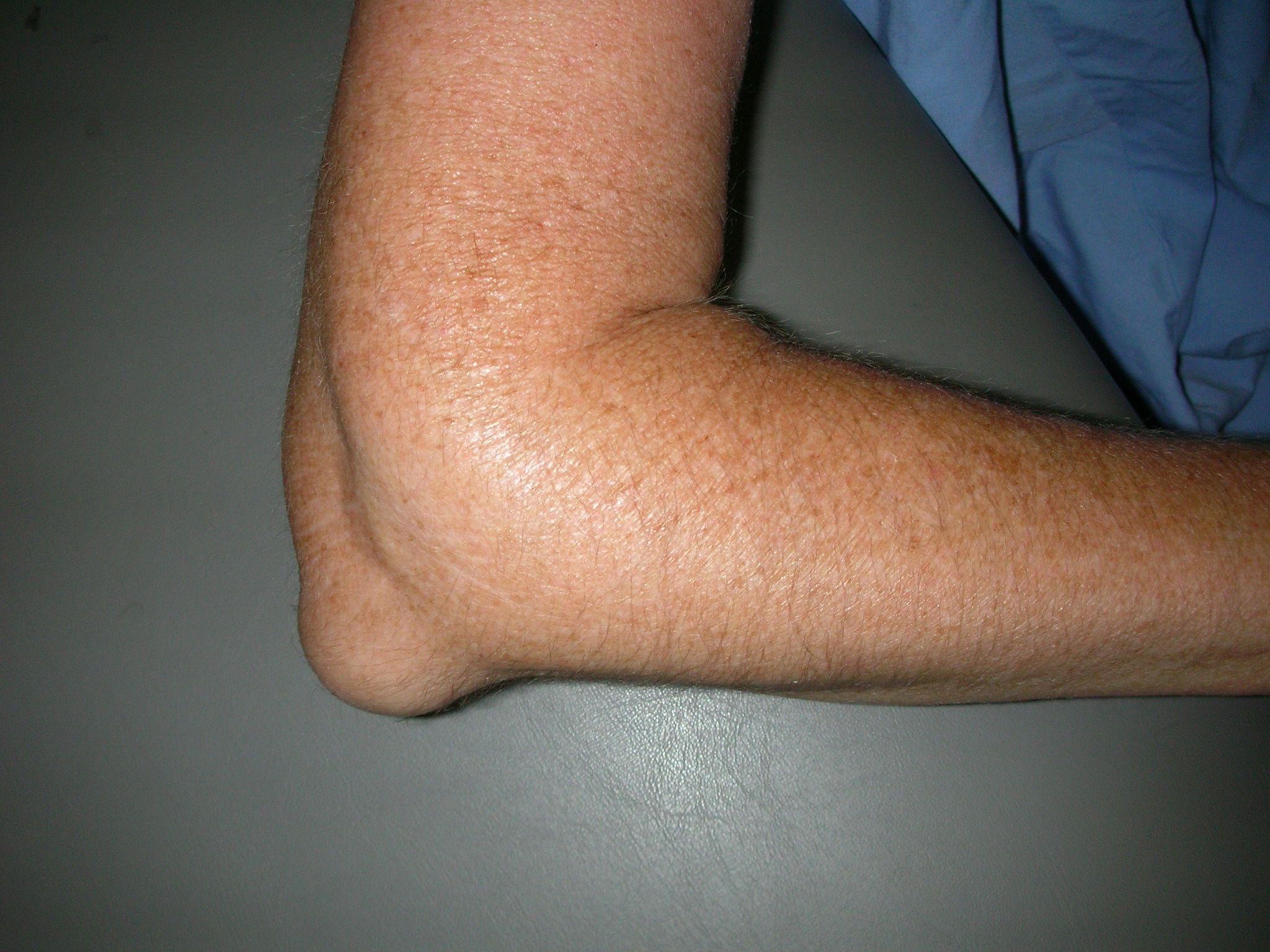
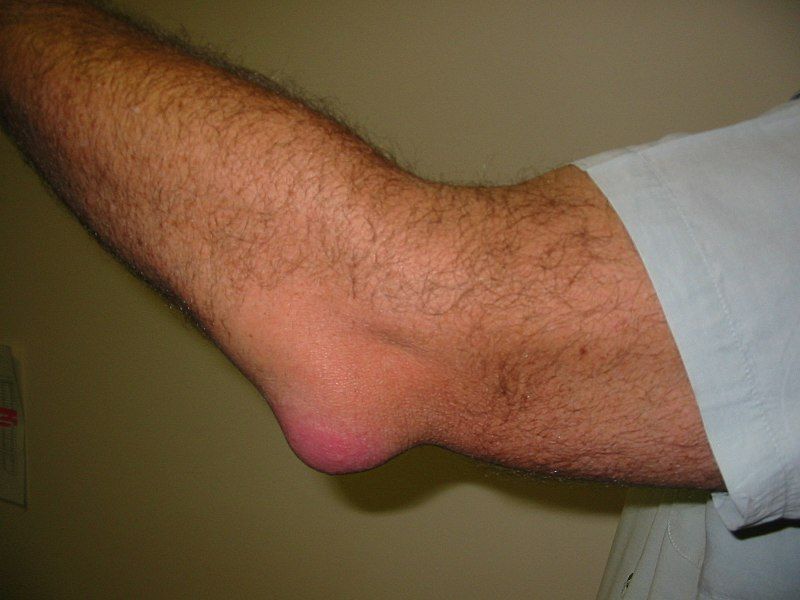
- Gross swelling and bruising — posterior elbow haematoma; rapidly progressive
- Inability to extend the elbow against gravity — extensor mechanism disrupted
- Palpable irregularity — multiple bony prominences or gaps felt over the olecranon
- Skin compromise — the thin posterior elbow skin may be at risk from the fragments; assess carefully
- Associated injury symptoms — lateral elbow pain (radial head fracture); anterior elbow tenderness (coronoid fracture); medial bruising (MCL disruption in unstable Type III
How is it Diagnosed?
Treatment Type | Details |
ORIF — Pre-Contoured Locking Plate (Primary) | Posterior midline approach; protect ulnar nerve medially; reduce articular surface first (provisional K-wire fixation of fragments); apply pre-contoured 3.5mm olecranon locking plate to posterior ulna; multiple locking screws achieve fixation in all fragments; proximal screws directed into the coronoid for strong fixation; plate extends to mid-diaphyseal ulna for length |
Bone Graft | For fractures with significant bone loss or comminuted gaps that do not reduce to cortical contact; autologous iliac crest graft or synthetic substitute packed into defects; essential to support plate fixation and prevent hardware failure |
Tension Band Wiring (NOT for Comminuted) | TBW is explicitly contraindicated for comminuted olecranon fractures — it cannot provide stable multi-fragment fixation and has much higher failure rates in comminuted patterns; its use should be reserved for simple transverse fractures only |
Olecranon Excision (Selected Elderly) | For very elderly, low-demand patients with severe comminution: excision of the proximal fragment and direct triceps reattachment; avoids the complexity of plate fixation; accepts permanent mild extension weakness; good results in low-demand patients |
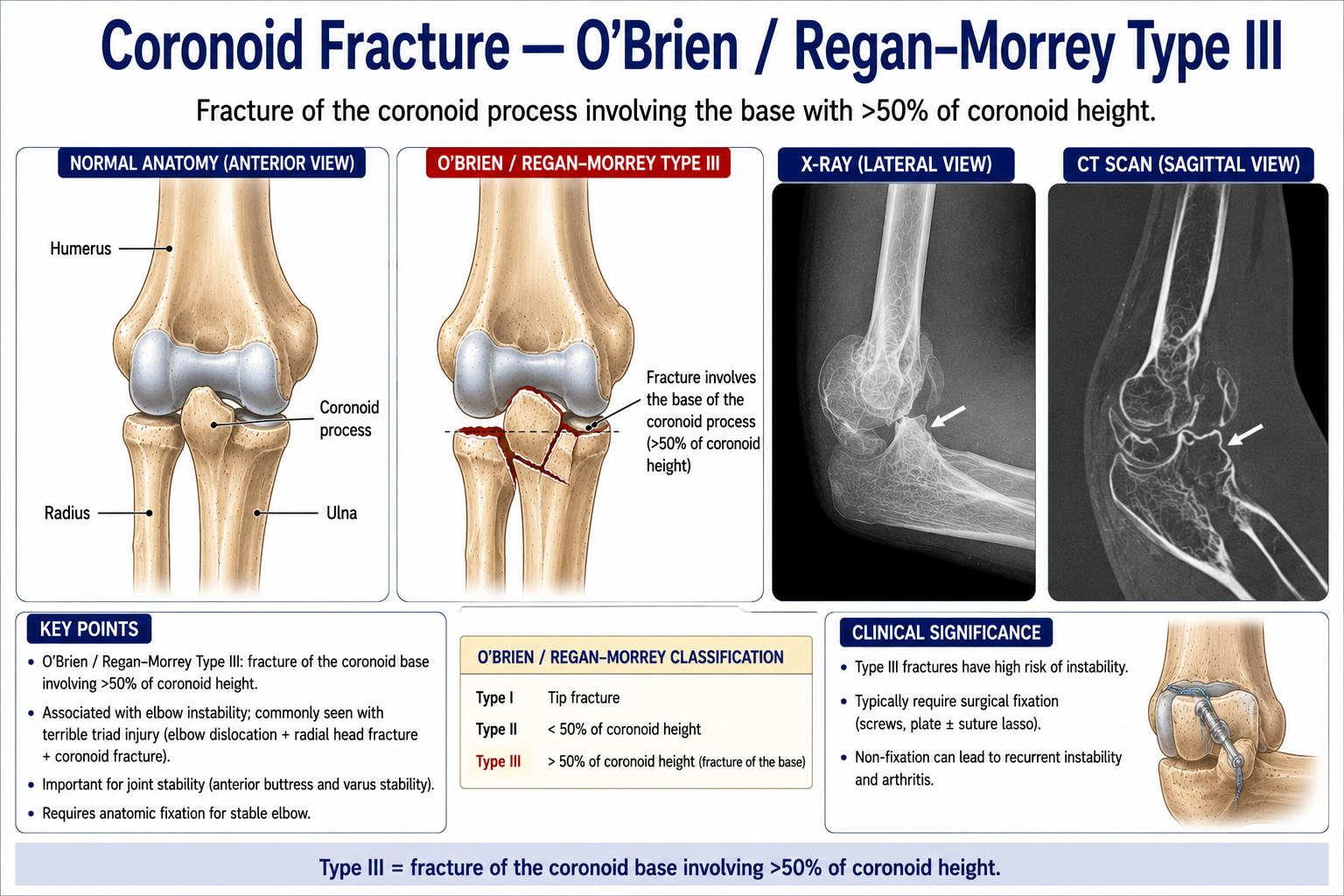
Concurrent Injury Management | Radial head: ORIF or replacement (see Conditions 46–47); Coronoid: ORIF if >50% height (see Condition 54); LCL repair if disrupted; address all concurrent injuries at the same operative setting |
Hardware Removal | At 12–18 months if hardware prominent or symptomatic; locking plates have lower removal rates than TBW but proximal plate end over the olecranon tip is a common site of local irritation |

Treatment Options
Treatment Type | Details |
Non-Operative (Jakob Stage I, <2mm) | Above-elbow cast in 90° flexion for 3–4 weeks; weekly X-ray for first 3 weeks to confirm no displacement; if displacement occurs: convert to surgery immediately |
ORIF with K-Wires (Jakob Stage II-III) | Closed or open reduction; 2 smooth K-wires (1.6–2.0mm) inserted laterally through the skin; confirm anatomical reduction fluoroscopically including articular surface; K-wires left percutaneous for removal at 3–4 weeks; above-elbow cast for 4 weeks |
Open Reduction | For Stage III (completely rotated fragment) or when closed reduction fails; lateral approach; open the fracture plane; reduce fragment anatomically (articular surface must be perfectly reduced); K-wire fixation; send fragment for histology only if tumour suspected — routine histology not needed |
Cannulated Screw Fixation (Older Children) | In children over 8 years with larger ossified fragments: cannulated compression screw provides stronger fixation than K-wires; buried under skin (avoids infection risk of percutaneous K-wires) |
Malunion Treatment | Late presentation (>3 weeks) or established malunion: open reduction may still be possible at 3–6 weeks; after 6+ weeks: correction more difficult; cubitus valgus osteotomy for symptomatic deformity and tardy ulnar nerve palsy |
Recovery & Rehabilitation
- After locking plate ORIF: sling 48 hours; active-assisted ROM from 48–72 hours; physiotherapy from day 1; full ROM targeted by 8–12 weeks
- Strengthening: begins at 8–12 weeks when fracture consolidation confirmed on X-ray
- Return to work: office work 4–6 weeks; light manual work 10–12 weeks; heavy manual work 4–6 months
- Outcome: 80–85% good-excellent results with plate fixation; better than TBW for comminuted patterns; post-traumatic arthritis related to initial articular damage
- Key complication: hardware prominence (proximal plate end); managed by removal at 12–18 months; less common than TBW prominence
Why choose Dr Senthilvelan?
Comminuted olecranon fractures require meticulous pre-operative CT planning, precise articular surface reconstruction, and stable plate fixation. Dr Senthilvelan uses pre-contoured locking olecranon plates with systematic fragment reduction and routine concurrent injury assessment to achieve stable fixation and early mobilisation.
Frequently Asked Questions
1. Why is a plate better than a wire technique for a comminuted olecranon fracture?
Tension band wiring (TBW) relies on two parallel K-wires and a figure-of-8 wire to stabilise the fracture. This construct works well for simple, two-fragment transverse fractures by compressing the two pieces together. For comminuted fractures with three or more fragments, TBW cannot provide individual fixation for each fragment, and the pull of the triceps tends to cause fragmentation and loss of reduction over the first few weeks. A pre-contoured locking plate spans all the fragments and locks each one in place independently — providing far more stable, reliable fixation for complex patterns.
2. I was told my bone quality is poor — does this affect treatment options?
Yes — significantly. In patients with osteoporosis, non-locking screws may not achieve adequate grip in the softer bone, and TBW K-wires can cut through. Locking plates are specifically designed for osteoporotic bone — the locking screws form a fixed-angle construct that acts as an internal splint, deriving stability from the plate-screw construct geometry rather than requiring screw purchase in soft bone. For very elderly, low-demand patients with severe comminution and very poor bone, olecranon excision and direct triceps reattachment to the remaining ulna is the simplest and most reliable option.
3. How long does the plate stay in after surgery?
In most cases, the locking plate remains permanently — it causes no problems and removal is an additional procedure. The main reason for removal is hardware prominence: the proximal end of the plate sits over the olecranon tip where the skin is thin, and some patients notice the plate end as a palpable lump that becomes uncomfortable, particularly when pressing the elbow on a table. If this occurs, the plate can be removed at 12–18 months (once healing is confirmed) as a straightforward day-case procedure.
4. Can I move my elbow straight after surgery?
Yes — one of the primary goals of plate fixation is to achieve stability sufficient for early mobilisation. Active-assisted elbow flexion and extension begin within 48–72 hours of surgery, guided by the physiotherapist. Early movement is critical for preventing the stiffness that complicates prolonged immobilisation. The plate is strong enough for immediate active movement — the restriction is pain, not fixation stability.
5. I have heard some people have elbow replacement for this type of fracture — when is that needed?
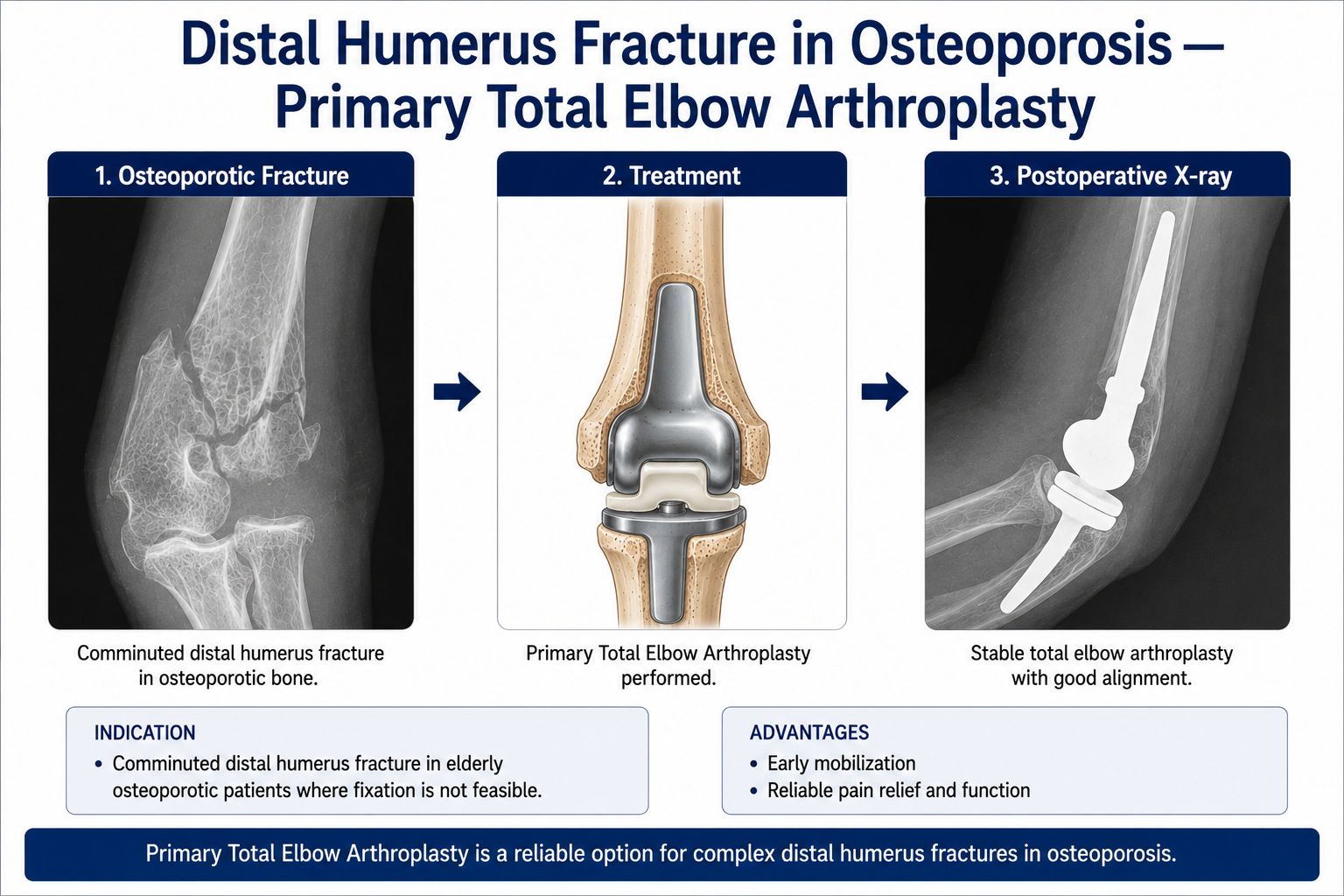
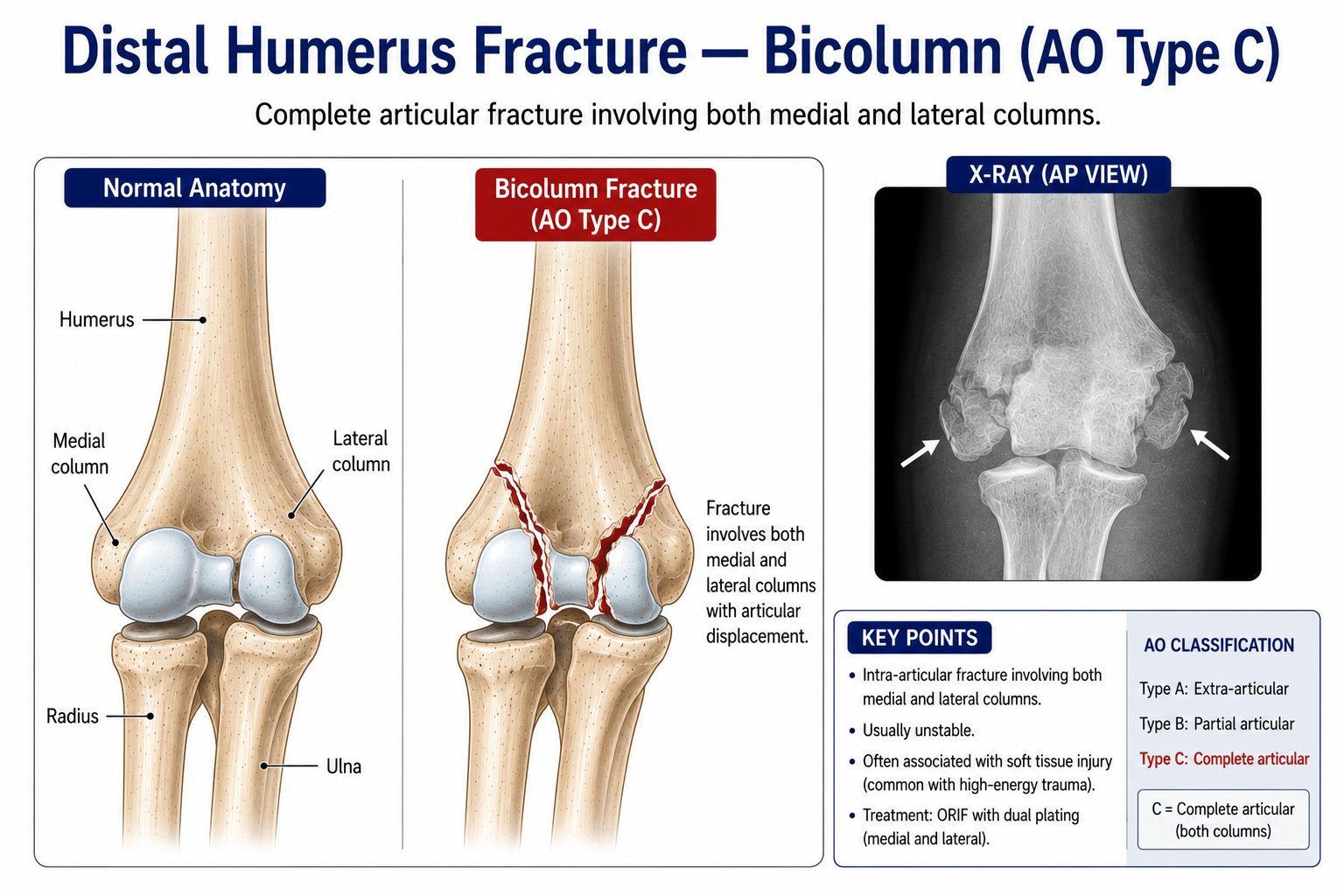
Total elbow arthroplasty is occasionally used for comminuted olecranon fractures in specific circumstances: when the fracture is combined with a complex distal humerus fracture (AO Type C) in an elderly osteoporotic patient where the combined injury makes the whole joint unreconstructable; or very rarely, when the olecranon fracture occurs through severe arthritic bone. For isolated comminuted olecranon fractures, even in elderly patients, ORIF with a locking plate or excision + triceps repair is typically performed rather than full elbow replacement.