Overview
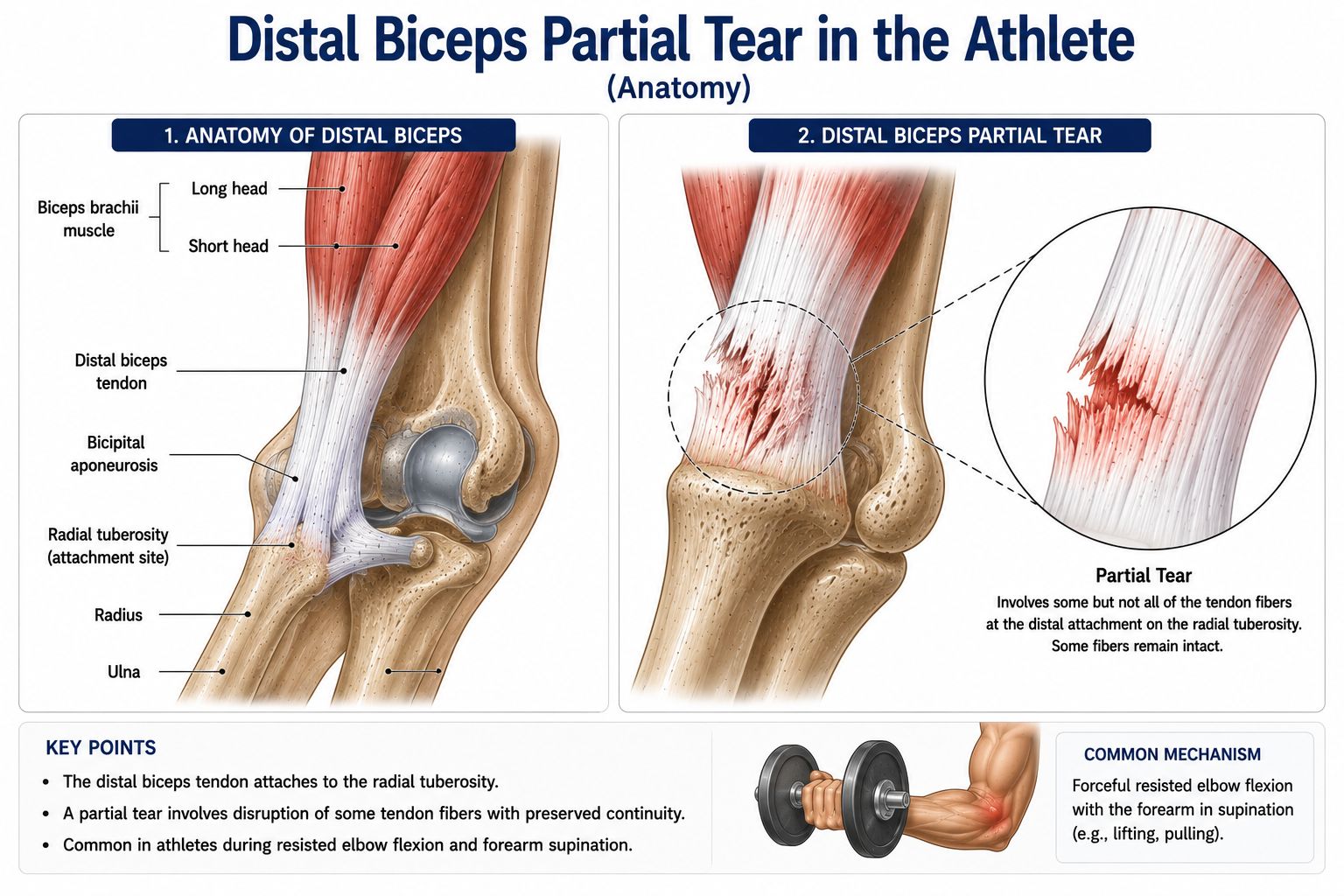
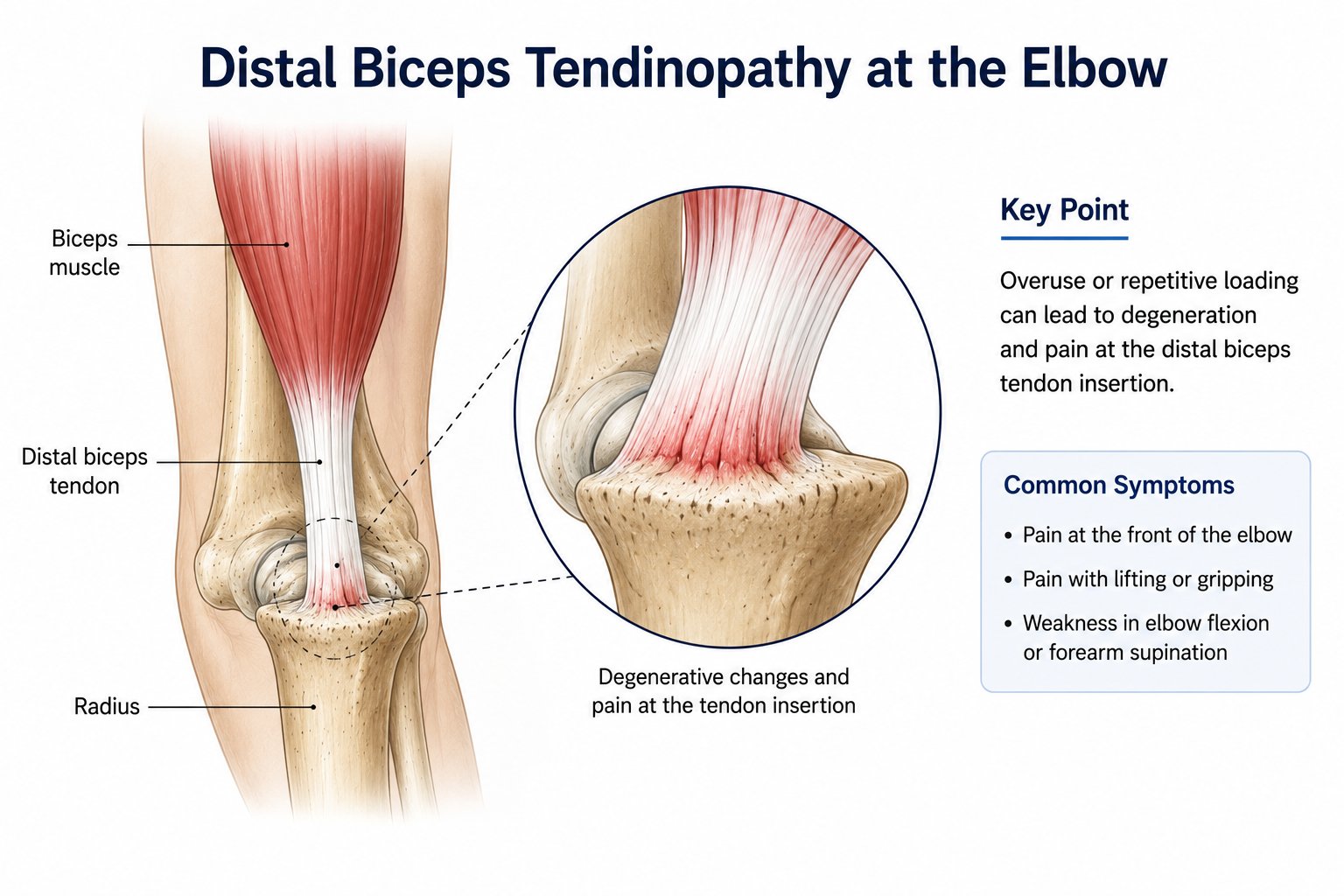
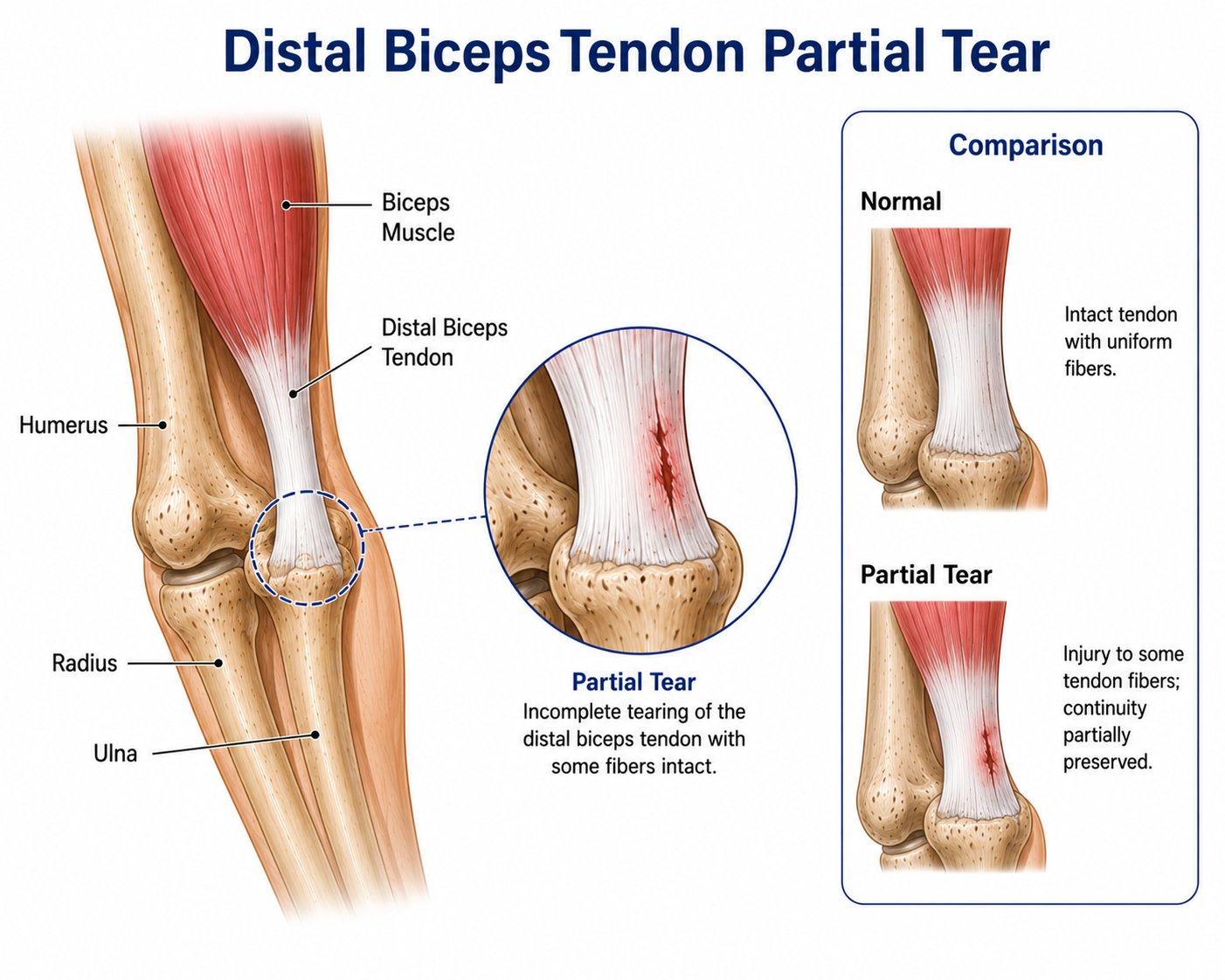
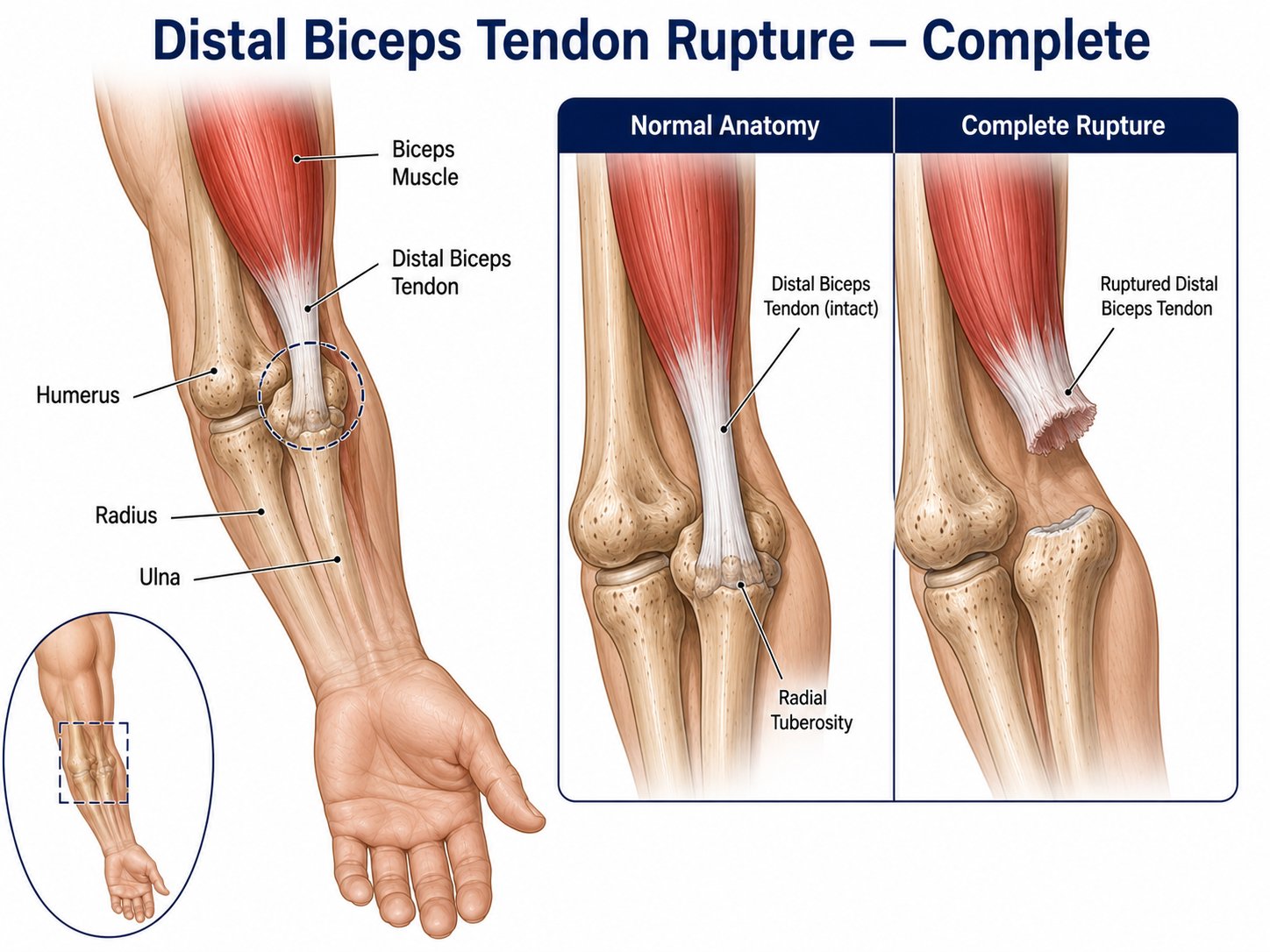
The distal biceps tendon inserts onto the radial tuberosity — a roughened prominence on the proximal radius — providing both elbow flexion power and, critically, forearm supination strength. A complete distal biceps rupture causes a characteristic ‘Popeye sign’ deformity as the biceps muscle retracts proximally, combined with a significant loss of forearm supination strength (loss of 50%) and a moderate reduction in elbow flexion strength (loss of 30%). These functional losses are most disabling in manual workers and athletes.
Rupture almost always occurs through an eccentric loading mechanism — a sudden, unexpected heavy load applied to the elbow during elbow flexion (e.g. catching a falling weight, sudden deceleration in a tug-of-war, or an unexpected load during a barbell curl). The tendon typically avulses from the radial tuberosity, retracting proximally within the antecubital fossa.
Surgical repair within the first 3–4 weeks (acute) gives the best outcomes — the tendon end can be directly reattached to the radial tuberosity without significant scarring, shortening, or tissue quality loss. Beyond 4 weeks (chronic rupture), the tendon retracts further, scar tissue forms around it, and direct repair without graft augmentation becomes technically challenging or impossible.
Quick Facts | Details |
Also Known As | Distal Biceps Avulsion, Ruptured Biceps Tendon, Biceps Tendon Rupture at Elbow |
Affected Area | Distal biceps tendon at its insertion onto the radial tuberosity; bicipitoradial bursa; anterior antecubital fossa |
Who It Affects | Men predominantly (>95%); typically aged 40–60 years; associated with sudden eccentric elbow loading; weight trainers, manual workers; also associated with anabolic steroid use and smoking |
Prevalence | Incidence approximately 1.2 per 100,000 per year; far less common than proximal biceps rupture (long head); accounts for only 3% of all biceps tendon ruptures but causes significant functional impairment when missed |
Treatment | Complete acute rupture (<4 weeks) in active patients: surgical repair (single anterior incision with endobutton, suture anchors, or interference screw); non-operative for elderly low-demand patients; chronic rupture: repair with graft augmentation |
Causes & Risk Factors
- Eccentric elbow loading — the primary mechanism; a sudden unexpected load applied to a biceps in active contraction (e.g. catching a heavy weight, loading during a curl)
- Pre-existing tendon degeneration — intratendinous degeneration (tendinopathy) at the insertion weakens the tendon prior to rupture; most ruptures occur through degenerate tissue
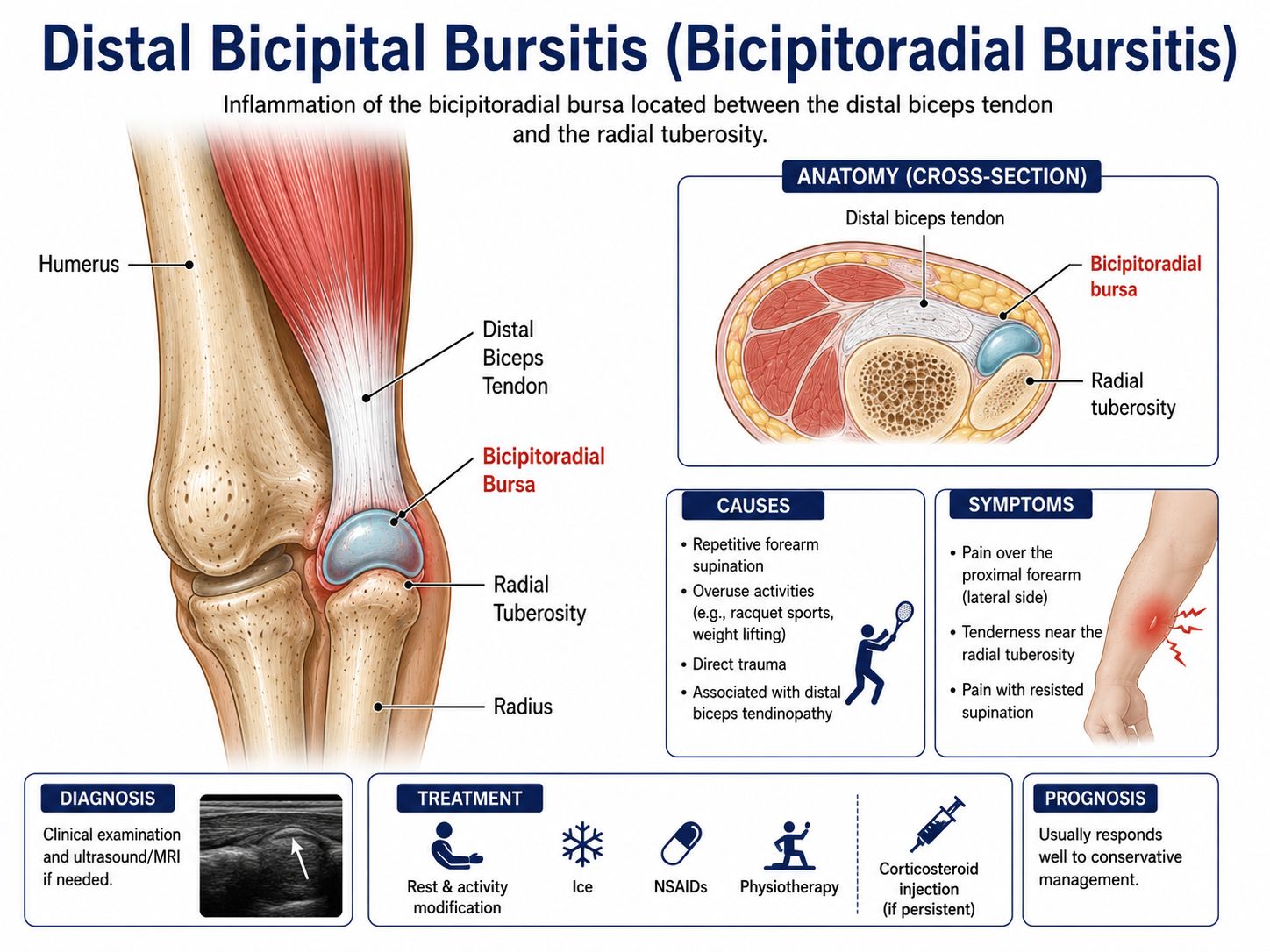
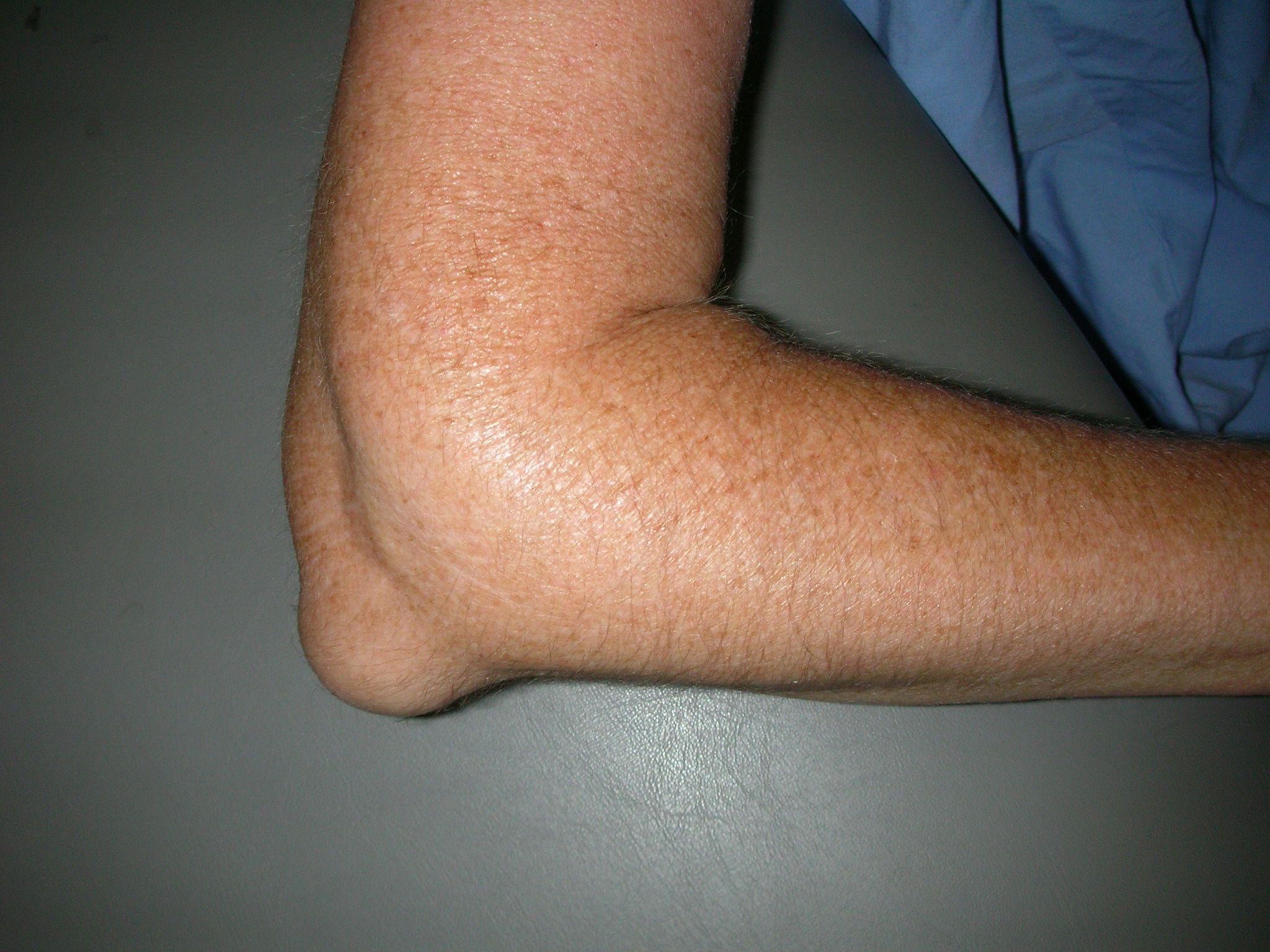
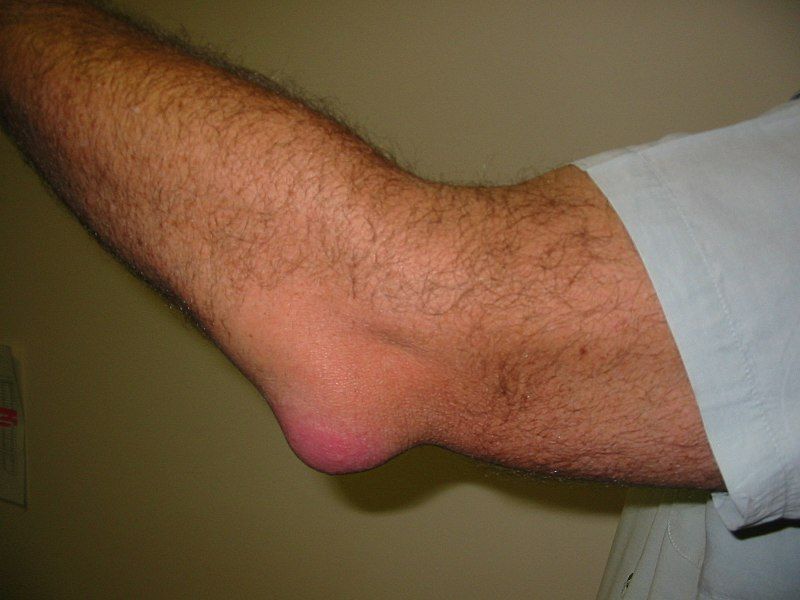
- Bicipitoradial bursitis — chronic bursitis at the bicipitoradial bursa can cause tendon degeneration at the insertion
- Age-related tendon weakening — the tendon becomes progressively less elastic after the fourth decade
- Anabolic steroid use — significantly increases tendon rupture risk by causing tendon degeneration and reduced elasticity
- Smoking — nicotine impairs tendon vascularity and collagen synthesis; significantly associated with distal biceps rupture
- Fluoroquinolone antibiotics — associated with tendon weakness and rupture risk
Symptoms
- Sudden pop or tearing sensation — at the front of the elbow during the injury event
- Immediate pain — in the antecubital fossa; often severe initially but frequently improves over days
- Popeye deformity — the biceps muscle retracts proximally, creating a visible lump in the mid-upper arm (the retracted muscle belly) and a flat antecubital fossa
- Bruising — ecchymosis over the anterior elbow and forearm develops over 24–48 hours
- Loss of supination strength — the most functionally significant deficit; forearm rotation against resistance is markedly weakened (turning screwdrivers, opening jars)
- Reduced elbow flexion strength — 30% reduction; less disabling than the supination loss
- Hook test positive — examiner hooks a finger under the distal biceps tendon at the elbow; if the tendon is intact, a distinct cord is felt; if ruptured, no cord is palpable — this simple bedside test has very high sensitivity and specificity for complete rupture
How is it Diagnosed?
- Clinical examination — hook test (most sensitive and specific bedside test); visible proximal biceps retraction (Popeye sign); assess supination strength vs contralateral side; bruising pattern
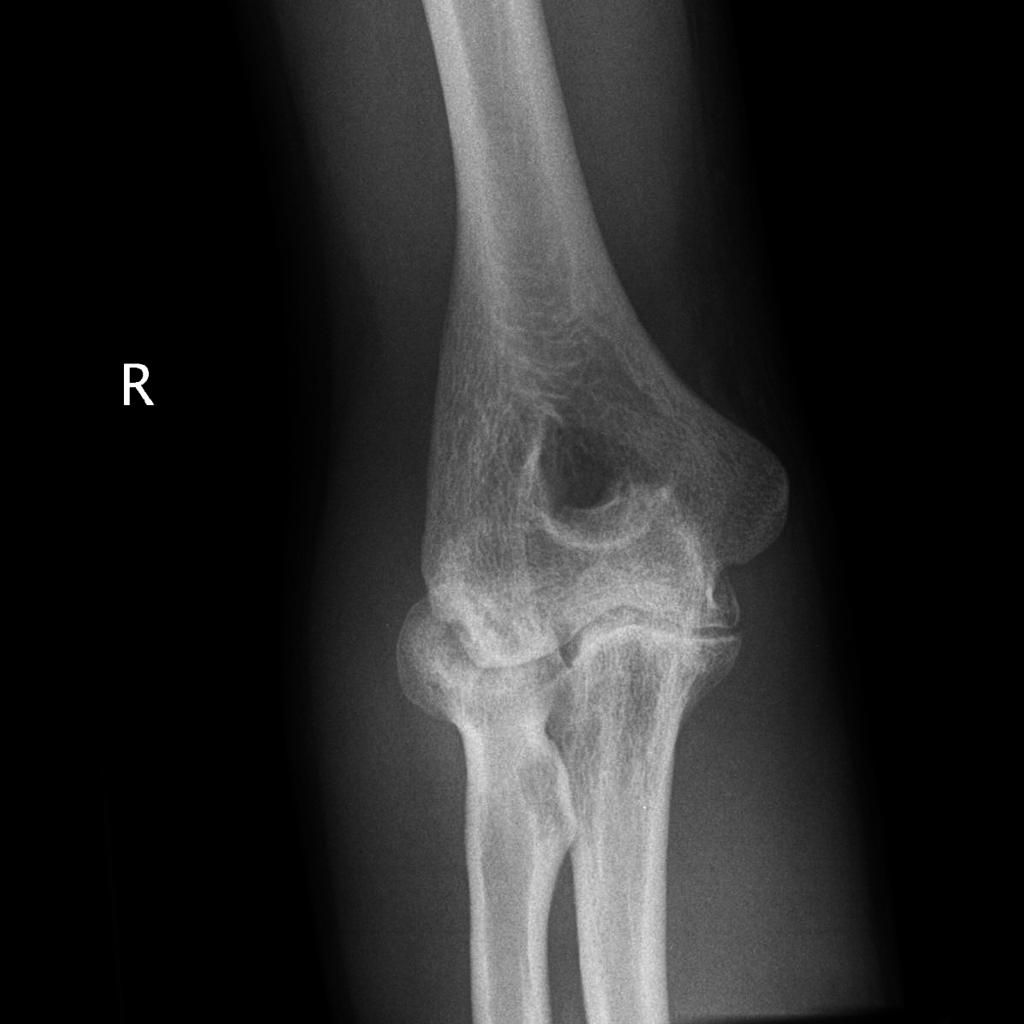
- Plain X-rays — usually normal; may show small avulsion fragment from radial tuberosity in the rare bony avulsion variant
- MRI — gold standard for confirming complete vs partial rupture; shows the tendon gap and retraction distance; essential if clinical picture is uncertain; also assesses tendon length available for repair
- Ultrasound — can confirm complete rupture and measure retraction; useful in the acute setting; operator-dependent

Treatment Options
Treatment Type | Details |
Surgical Repair — Single Anterior Incision | Gold standard for acute complete rupture in active patients; single transverse incision in the antecubital fossa; PIN identified and protected throughout; tendon retrieved from the bicipitoradial space; radial tuberosity débrided; fixation options: endobutton (cortical button through radial tuberosity — strongest fixation), suture anchors, or interference screw (in the tuberosity canal) |
Two-Incision Technique (Boyd-Anderson Modified) | Traditional approach; second incision on the dorsal forearm over the radial tuberosity; theoretical advantage of anatomical footprint restoration; increased risk of proximal radioulnar synostosis vs single incision; used by some surgeons for specific anatomical situations |
Non-Operative (Selected Patients) | Elderly, low-demand patients; acceptable persistent functional deficit with forearm rotation; avoid surgery if: significant medical comorbidities, low activity level, patient preference; expect permanent 50% supination strength loss |
Chronic Rupture Repair (>4 weeks) | Significantly more complex; tendon end found in proximal forearm beneath the brachialis; scarred, shortened, and poor quality; may require graft augmentation (semitendinosus, gracilis, or acellular dermal allograft); longer recovery; outcomes less predictable than acute repair |
Recovery & Rehabilitation
- After acute surgical repair: posterior splint at 90° for 2 weeks; active-assisted ROM begins at 2 weeks; full ROM by 6 weeks; strengthening begins at 6 weeks; full supination strength restored by 4–6 months
- Return to manual work: 3–4 months; heavy manual labour: 4–6 months
- Return to sport: 4–6 months; weight training at 6 months with graduated loading
- Outcome: >90% restoration of supination strength; 85–95% restoration of flexion strength; patient satisfaction very high with acute repair
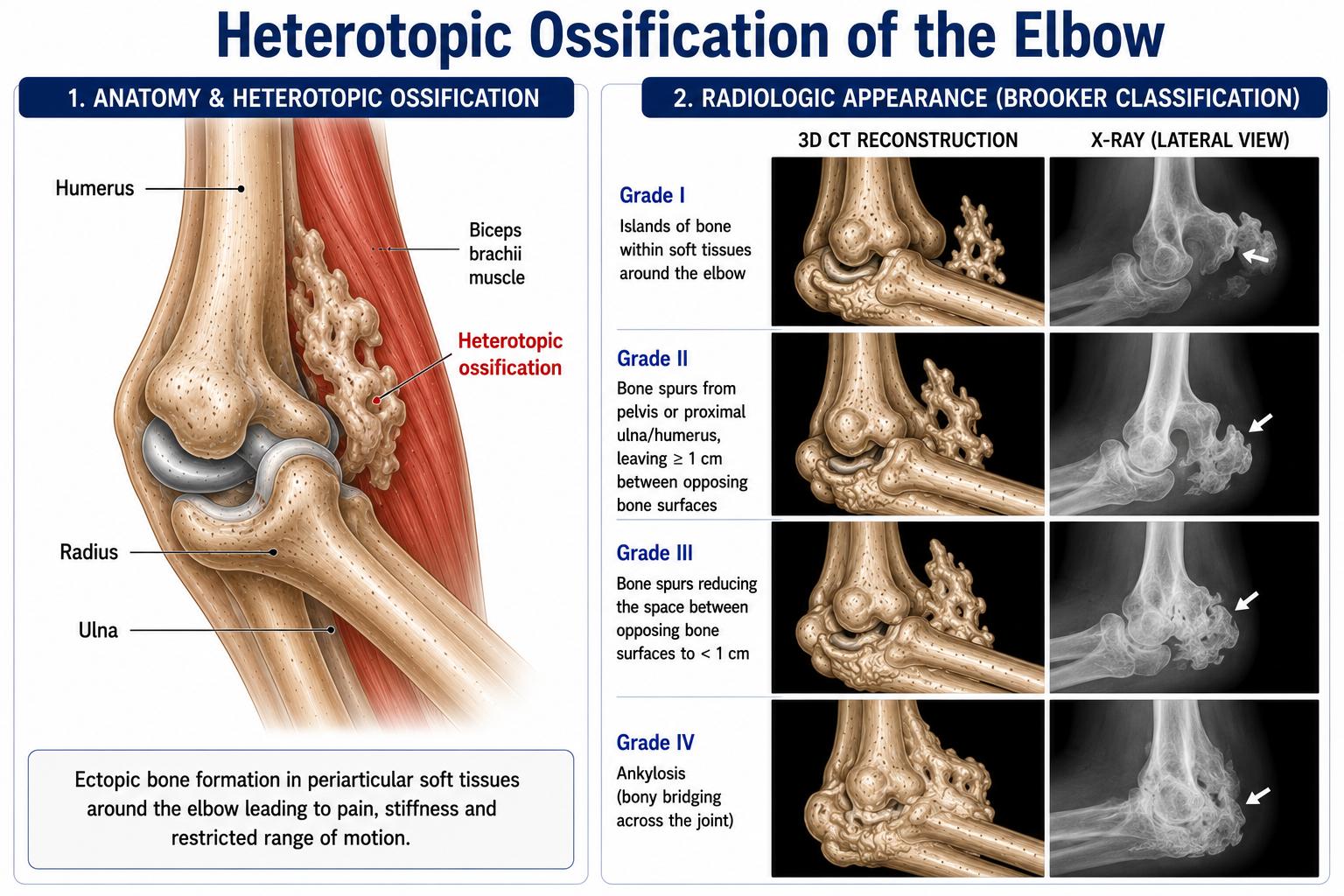
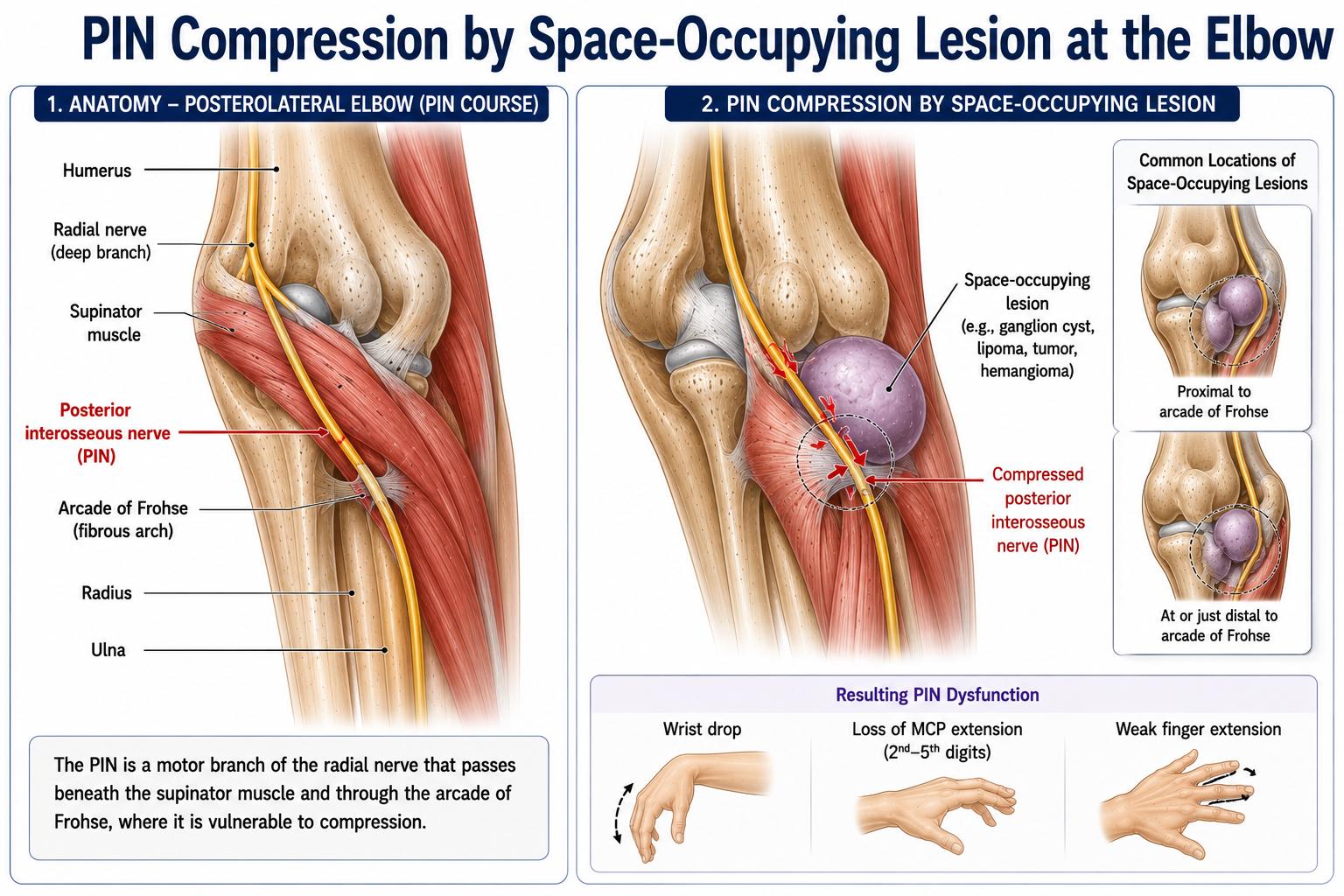
- Complications: PIN palsy (rare, usually neuropraxia — recovers spontaneously); heterotopic ossification; re-rupture (<5%)
- Non-operative patients: accept permanent 50% supination strength loss; flexion loss of 30%; adequate for low-demand daily function but NOT for manual work or sport
Why choose Dr Senthilvelan?
Distal biceps tendon repair is a time-sensitive procedure where the window for optimal outcomes is the first 3–4 weeks. Dr Senthilvelan performs single-incision endobutton repair with systematic PIN protection, achieving reliable anatomical tendon reinsertion and excellent functional recovery. His training at Royal Bournemouth Hospital included dedicated upper limb arthroplasty and reconstruction exposure.
Frequently Asked Questions
1. I heard a pop in my elbow and the front of my arm looks different — have I ruptured my biceps?
The combination of a sudden pop, pain at the front of the elbow, and a visible change in the contour of the upper arm (a bulge in the mid-arm with flattening at the elbow fold) is the classic presentation of a distal biceps tendon rupture. The “hook test” — hooking a finger under the tendon cord at the front of the elbow — is a simple bedside test with very high accuracy. If no tendon cord is felt, the tendon is almost certainly ruptured. You should seek urgent orthopaedic assessment within the first 1–2 weeks, as surgical repair within 3–4 weeks gives the best outcomes.
2. What happens if I do not have surgery for a distal biceps rupture?
Non-operative management results in a permanent 50% reduction in forearm supination strength (turning screwdrivers, opening jars, playing sports with racket or bat) and approximately 30% reduction in elbow flexion strength. These losses may be acceptable for an elderly, low-demand individual. For any working-age patient, manual worker, or anyone who uses their arm actively, these functional losses are usually significantly disabling. Repair within 3–4 weeks gives >90% restoration of both supination and flexion strength — which is why surgery is strongly recommended in active patients.
3. What is the endobutton technique and how does it work?
The endobutton technique uses a small titanium cortical button attached to sutures that are looped through the distal biceps tendon. A drill creates a hole through the radial tuberosity, and the button is passed through this hole and flipped to sit on the far (dorsal) cortex of the radius. The sutures attached to the tendon are then tensioned through the tuberosity, pulling the tendon end firmly into the bony canal. When the button locks on the far cortex, the tendon is secured very strongly — the endobutton construct is one of the strongest fixation methods, and the initial fixation is strong enough to allow early active elbow motion.
4. Can the biceps tendon rupture again after surgery?
Re-rupture after surgical repair is uncommon — occurring in approximately 2–5% of cases. Risk factors include: early return to heavy loading before adequate tendon-to-bone healing (which takes a full 12 weeks), a fall directly onto the repaired arm, or a new eccentric loading event during the recovery period. Following the rehabilitation protocol carefully — particularly avoiding heavy supination loads for the first 12 weeks — is the most important factor in preventing re-rupture.
5. Is the nerve at risk during biceps tendon surgery?
Yes — the posterior interosseous nerve (PIN), which controls finger and thumb extension, runs very close to the radial tuberosity. During the single-incision repair technique, the forearm is held in supination throughout the critical part of the procedure — which moves the PIN away from the radial tuberosity and into a safer position. Despite these precautions, transient PIN neuropraxia (temporary weakness of finger extension) occurs in approximately 5% of cases. This almost always resolves spontaneously within 6–12 weeks and does not require further intervention.