Overview
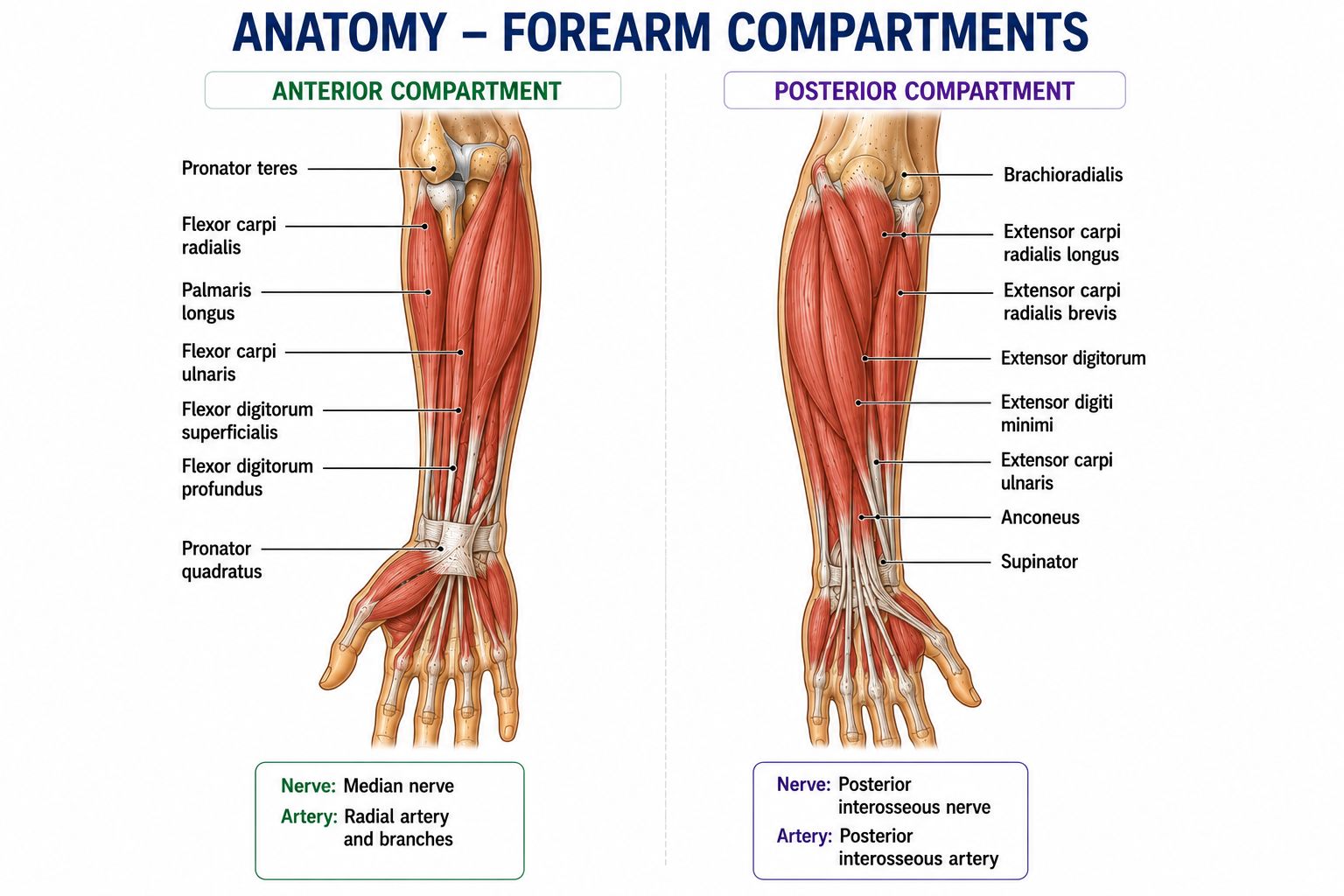
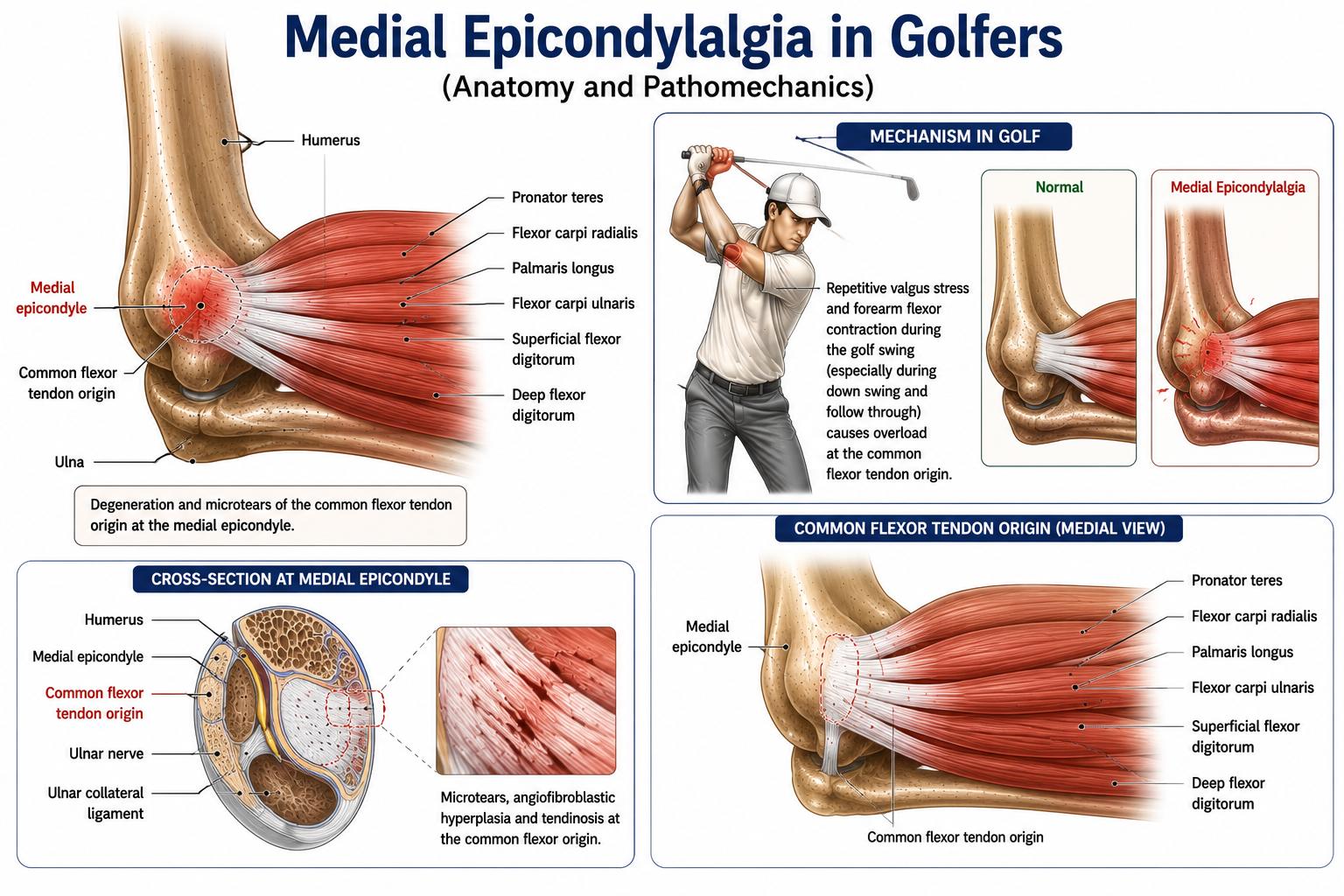
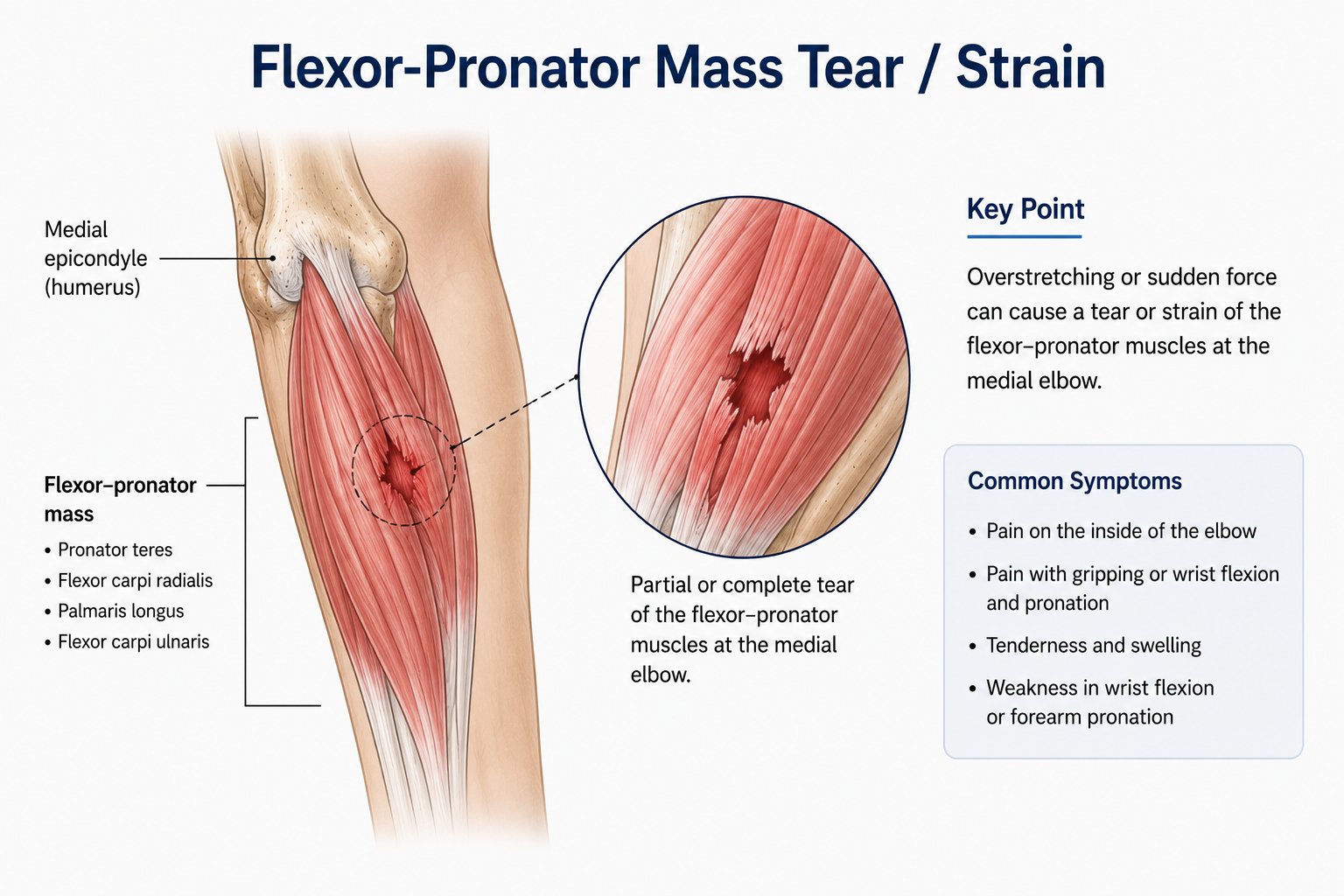
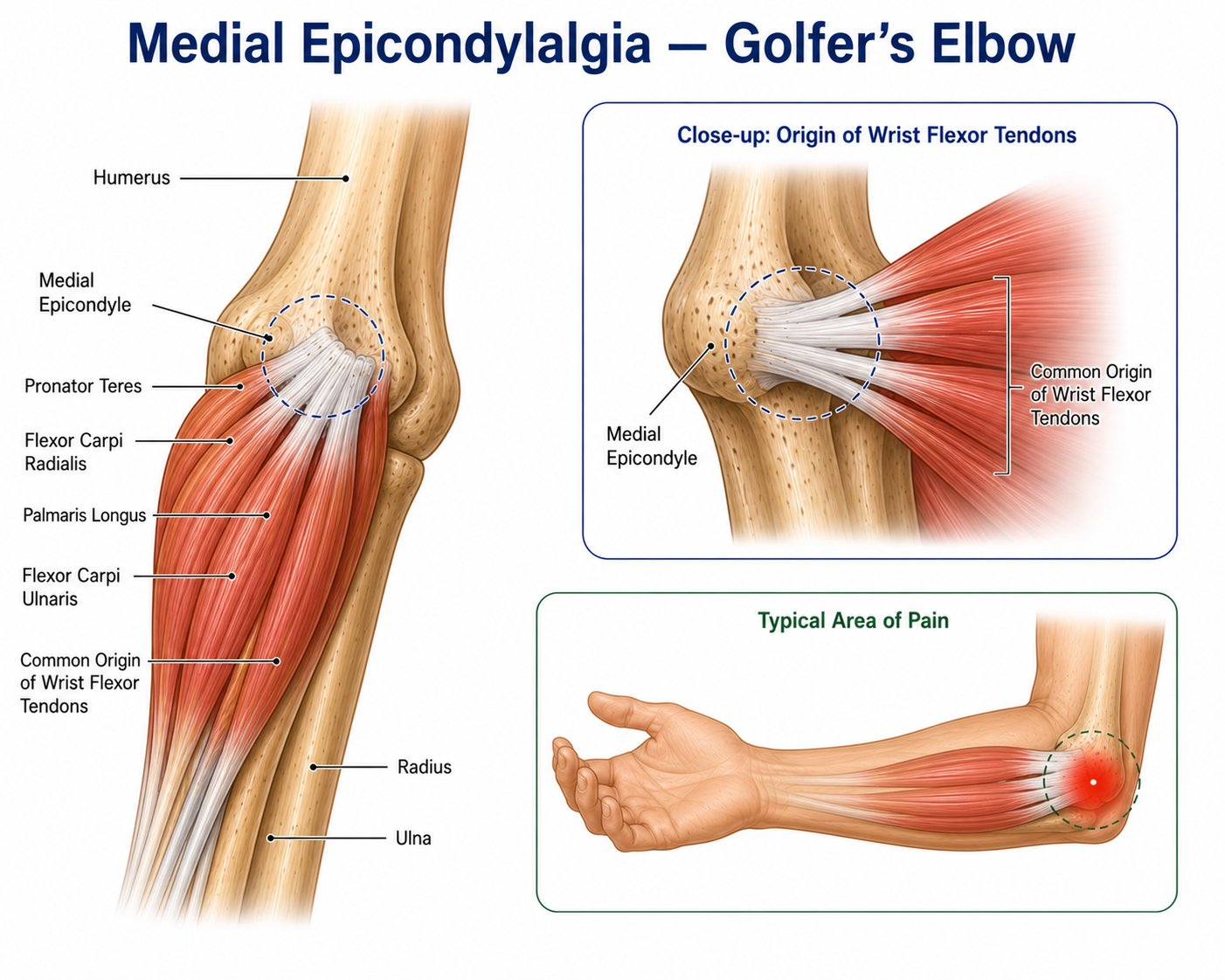
Medial epicondylalgia (golfer’s elbow) is the degenerative equivalent of lateral epicondylalgia but affecting the common flexor-pronator origin at the medial epicondyle. The pathology is angiofibroblastic tendinopathy — the same degenerative process seen in tennis elbow — involving primarily the flexor carpi radialis (FCR) and pronator teres (PT) at their origin from the medial epicondyle.
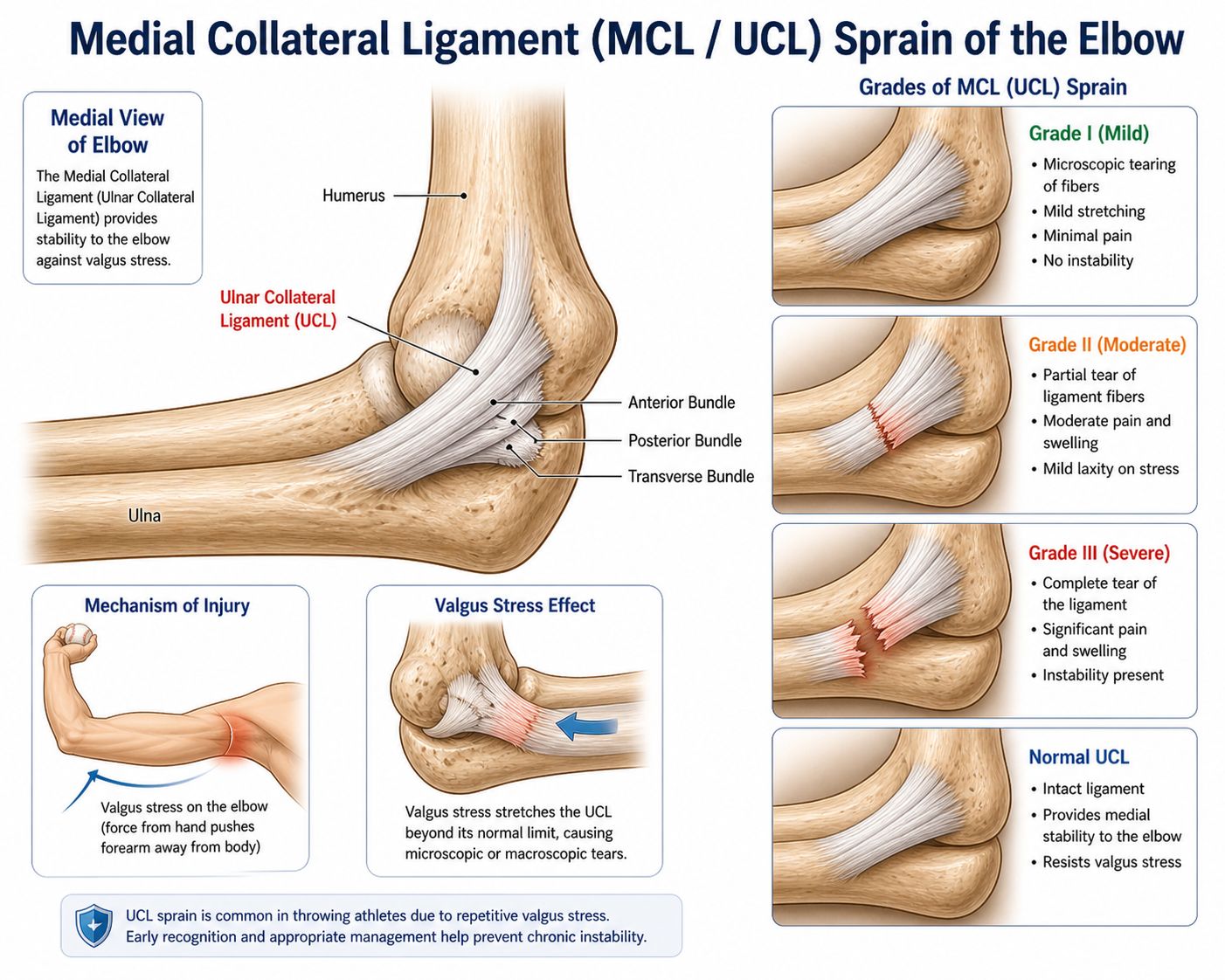
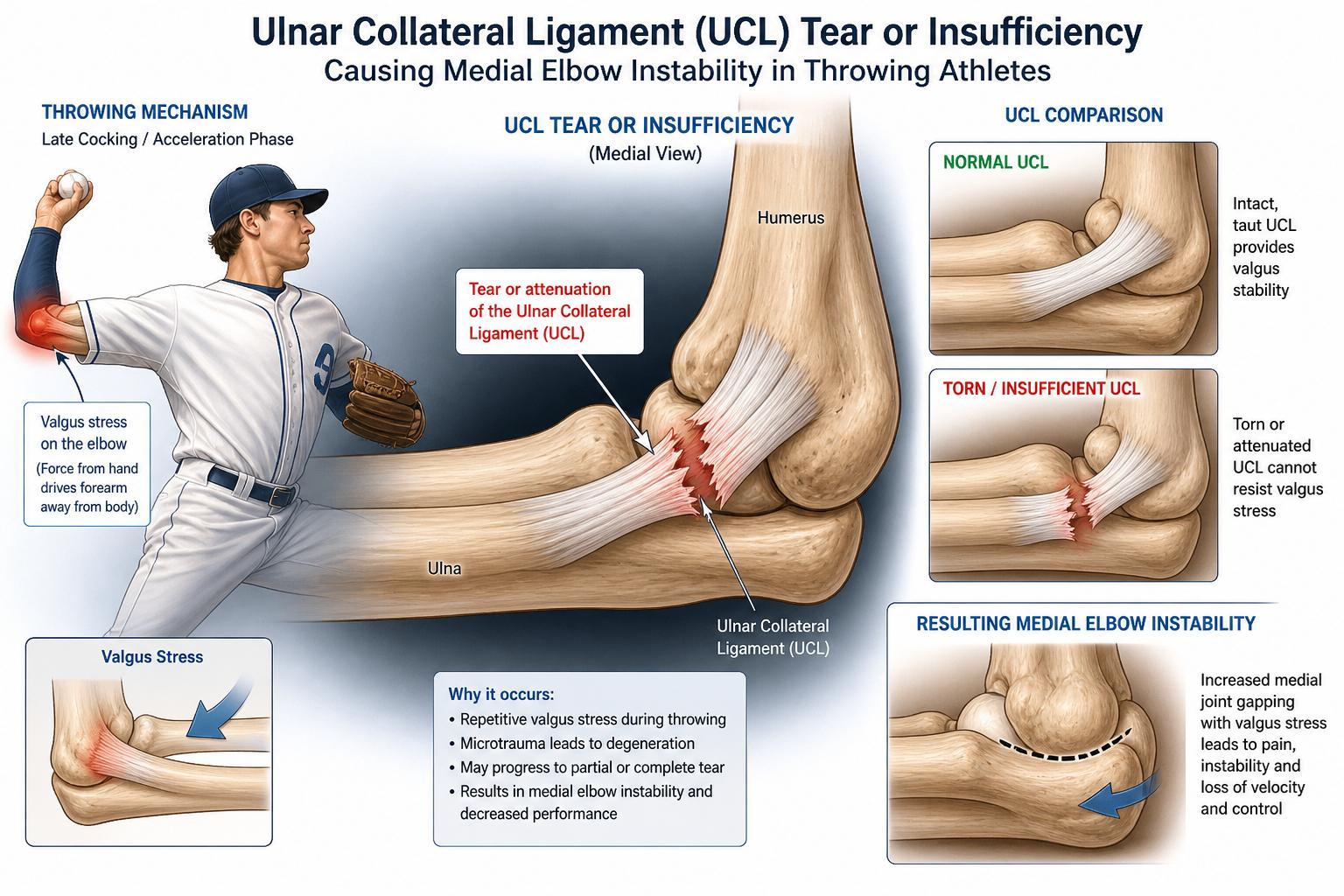
The condition is far less common than tennis elbow but causes significant pain and functional limitation at the medial elbow. It must be carefully distinguished from two important concurrent conditions that frequently co-exist: UCL insufficiency (Condition 13 and 15) — which also causes medial elbow pain — and cubital tunnel syndrome (Condition 23) — with ulnar nerve involvement in the adjacent groove. Failure to recognise concurrent UCL or ulnar nerve pathology is a common reason for treatment failure.
Surgical treatment for golfer’s elbow requires particular caution — the common flexor-pronator origin provides important dynamic support to the UCL and ulnar nerve. Excessive release can inadvertently destabilise the medial elbow or expose the ulnar nerve. A precise, targeted release of only the degenerative tendon tissue — while protecting the UCL, MABC cutaneous nerve, and ulnar nerve — gives the best outcomes.
Quick Facts | Details |
Also Known As | Golfer’s Elbow, Medial Epicondylitis, Common Flexor Origin Tendinopathy, CFO Tendinopathy |
Affected Area | Common flexor-pronator origin — primarily the pronator teres and flexor carpi radialis at the medial epicondyle of the humerus |
Who It Affects | Adults aged 35–60 years; golf players (flexor-pronator loading during golf swing), throwing athletes, overhead sports, manual workers; less common than tennis elbow (approximately 5:1 ratio) |
Prevalence | Affects approximately 0.4% of the general population; accounts for about 15–20% of all epicondylalgia presentations; often associated with concurrent UCL insufficiency and cubital tunnel syndrome in throwing athletes |
Treatment | Conservative: physiotherapy eccentric programme, activity modification, NSAIDs, PRP injection; Surgical: open common flexor origin release with ECRB preservation and UCL protection if >6 months conservative failure |
Causes & Risk Factors
- Golf swing — the flexor-pronator mass is maximally loaded during the late downswing and impact; repeated loading causes cumulative ECRB origin degeneration at the medial epicondyle
- Throwing athletes — the wrist snap phase of throwing; the flexor-pronator mass is the primary dynamic stabiliser of the medial elbow and fatigues under high-volume throwing loads
- Overhead racket sports — serving and overhead strokes load the wrist flexors and pronators repetitively
- Manual occupational exposure — using hand tools requiring forearm pronation and wrist flexion; carpentry, plumbing
- Weight training — heavy biceps curls and wrist curls with improper technique
- Age-related tendon degeneration — similar to lateral epicondylalgia; the flexor-pronator origin degenerates with age, particularly after the fourth decade
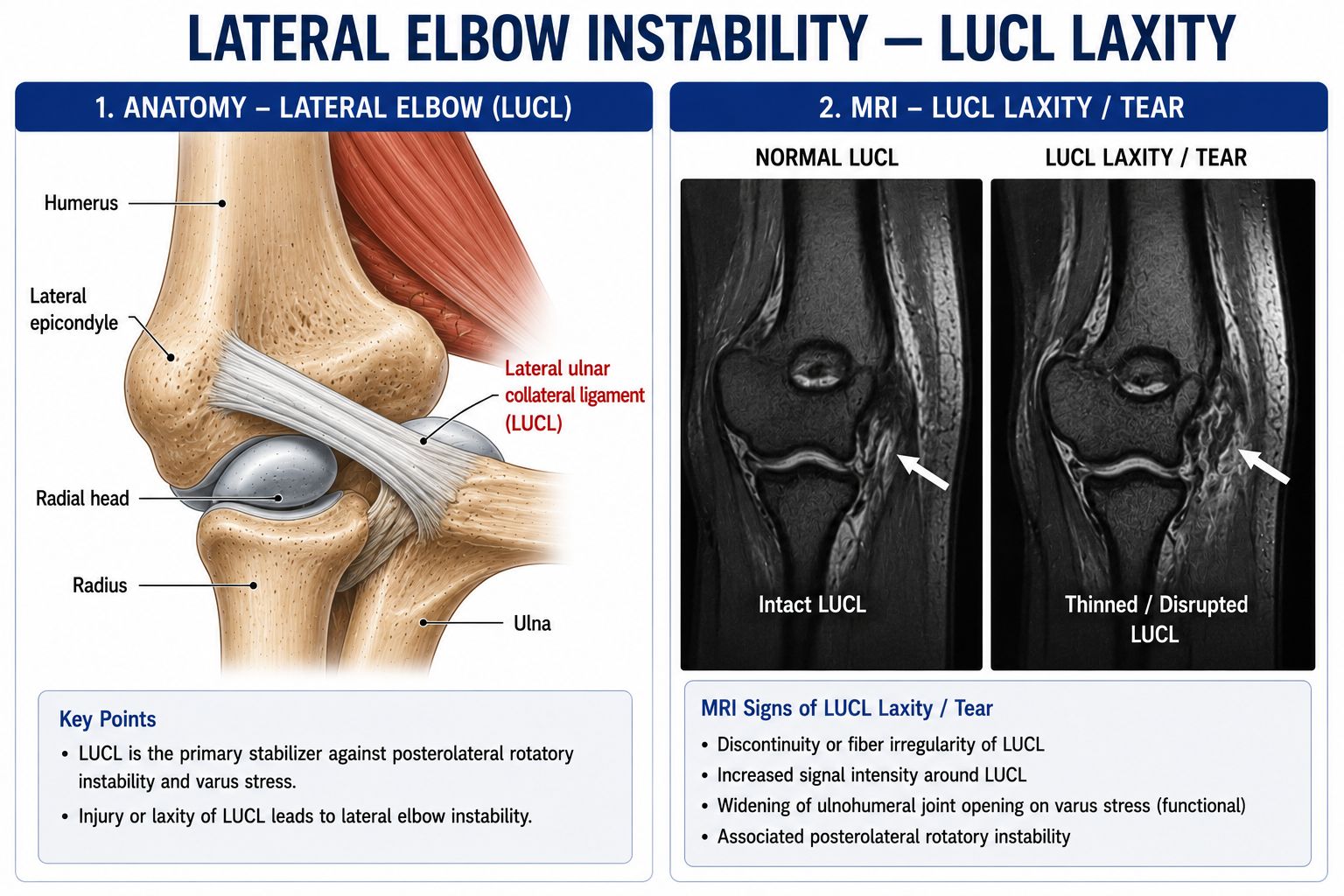
- Concurrent UCL insufficiency — in throwing athletes, the flexor-pronator mass is under increased load when the UCL is deficient; medial epicondylalgia in this context will not resolve without also addressing the UCL
Symptoms
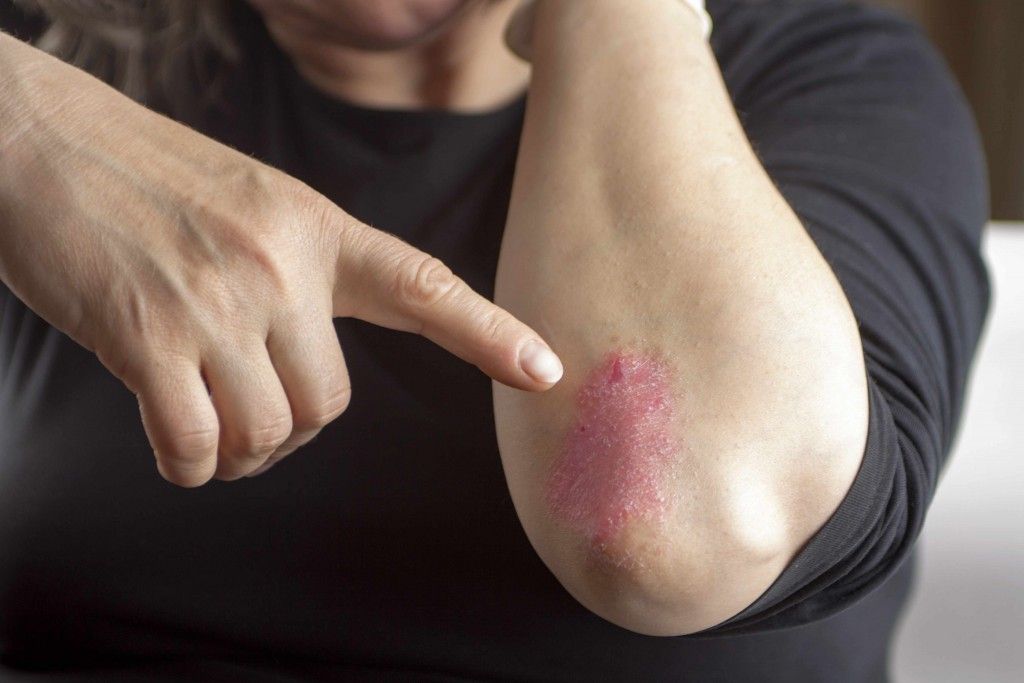
- Pain at the medial epicondyle — aching or sharp pain at the bony prominence on the inner side of the elbow
- Tenderness on palpation — directly over the common flexor-pronator origin, approximately 1–2cm distal to the medial epicondyle
- Pain with resisted wrist flexion and forearm pronation — reproduces medial epicondyle pain
- Pain with gripping — particularly with the wrist and elbow in extension
- Radiation into the medial forearm — aching down the forearm along the flexor-pronator muscle group
- Concurrent cubital tunnel symptoms — tingling in the ring and little fingers in up to 20–30% of cases (the ulnar nerve is in the adjacent groove)
- Concurrent UCL tenderness — in throwing athletes, also tender 2cm distal to the medial epicondyle along the UCL; distinguish from the tendon origin by clinical testing
How is it Diagnosed?
- Clinical examination — medial epicondyle tenderness; resisted wrist flexion and forearm pronation test; distinguish from UCL tenderness (valgus stress test); check cubital tunnel (Tinel, elbow flexion test)
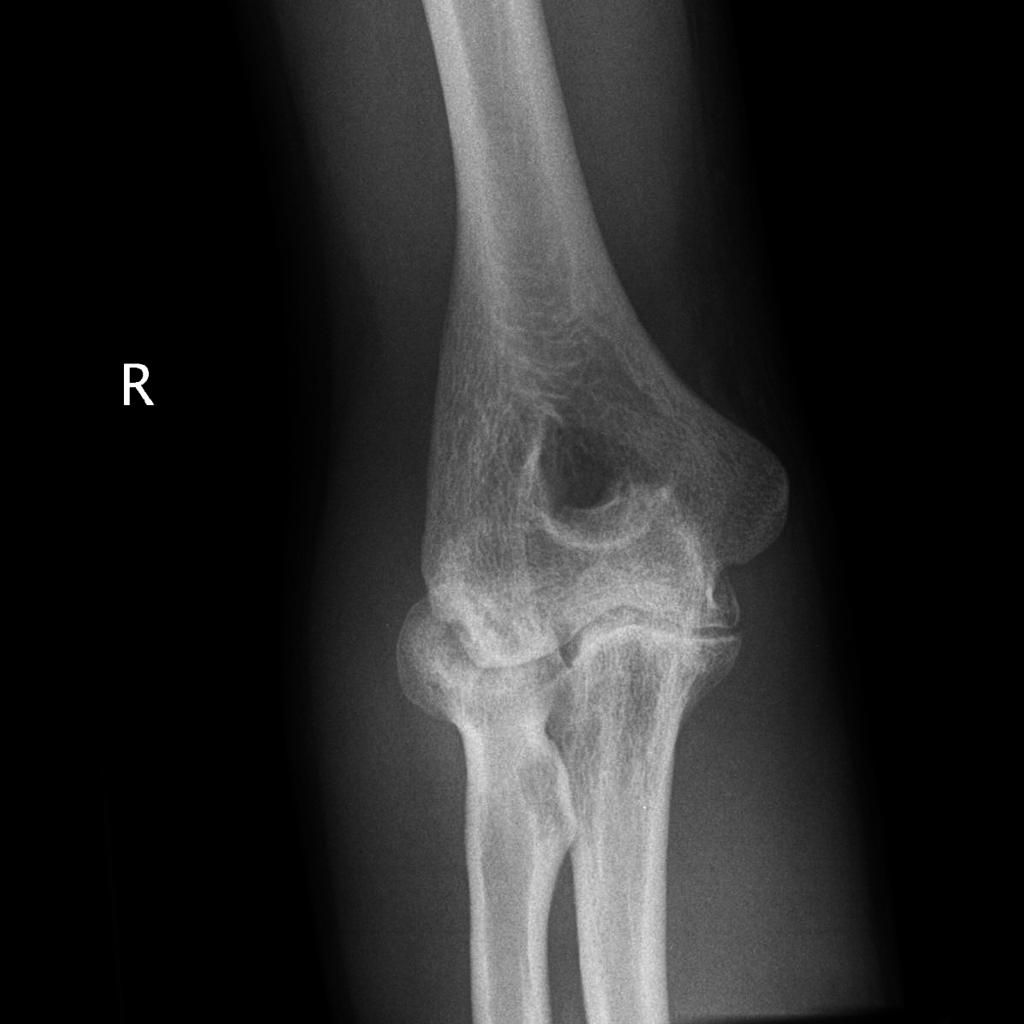
- Plain X-rays — medial epicondyle osteophytes or calcification in chronic disease; exclude loose bodies
- Ultrasound — hypoechoic tendinopathy at the common flexor-pronator origin; Doppler signal (neovascularity); partial tear; guides injection
- MRI — T2 signal changes in the CFO; concurrent UCL signal change; medial elbow cartilage assessment
- EMG/NCS — to assess concurrent cubital tunnel syndrome if ulnar nerve symptoms present

Treatment Options
Treatment Type | Details |
Activity Modification | Reduce golf swing volume; adjust swing mechanics; wrist flexor and forearm pronator load management; ergonomic modification at work |
Physiotherapy — Eccentric Programme | Eccentric wrist flexion and forearm pronation loading programme; progressive tendon loading; 6–12 weeks; cornerstone of conservative treatment |
NSAIDs — Oral or Topical | Anti-inflammatory medication for pain management; short course; limited effect on underlying tendinopathy |
Corticosteroid Injection | Ultrasound-guided peritendinous injection at the common flexor origin; short-term pain relief; CAUTION: proximity to the UCL and ulnar nerve requires precise ultrasound guidance; maximum 3 injections |
PRP Injection | Ultrasound-guided PRP into the degenerative CFO zone; preferred for chronic tendinopathy unresponsive to physiotherapy; superior long-term outcomes compared to corticosteroid; 6–12 weeks of relative rest after injection |
Surgical CFO Release | Open approach via medial incision; identify and protect the MABC nerve, ulnar nerve, and UCL throughout; excise the degenerative “grey” tendon tissue from the CFO; preserve the anterior band of the UCL (do not release beyond 50% of the flexor-pronator width); freshen the medial epicondyle; day-case procedure |
Recovery & Rehabilitation
- Conservative treatment: 80–90% resolve within 12–18 months with appropriate physiotherapy and activity modification; slower than tennis elbow recovery
- PRP injection: 6 weeks rest from provocative activities; gradual return to golf or throwing at 8–12 weeks
- After surgical release: sling 48 hours; wrist and finger motion immediately; physiotherapy from week 1; return to office work 2–4 weeks; return to golf or throwing 3–6 months
- Concurrent UCL or cubital tunnel pathology: must be treated concurrently with the tendon release; failure to do so significantly worsens outcomes
- Expected surgical outcome: 80–85% good-excellent results in appropriately selected patients who have failed genuine conservative treatment
Why choose Dr Senthilvelan?
Golfer’s elbow at the medial elbow requires precise clinical assessment to distinguish pure tendinopathy from concurrent UCL insufficiency or cubital tunnel syndrome — which require different and additional treatments. Dr Senthilvelan’s specialist expertise in medial elbow anatomy ensures that all contributing pathologies are identified and addressed in a coordinated treatment plan.
Frequently Asked Questions
1. How is golfer's elbow different from tennis elbow?
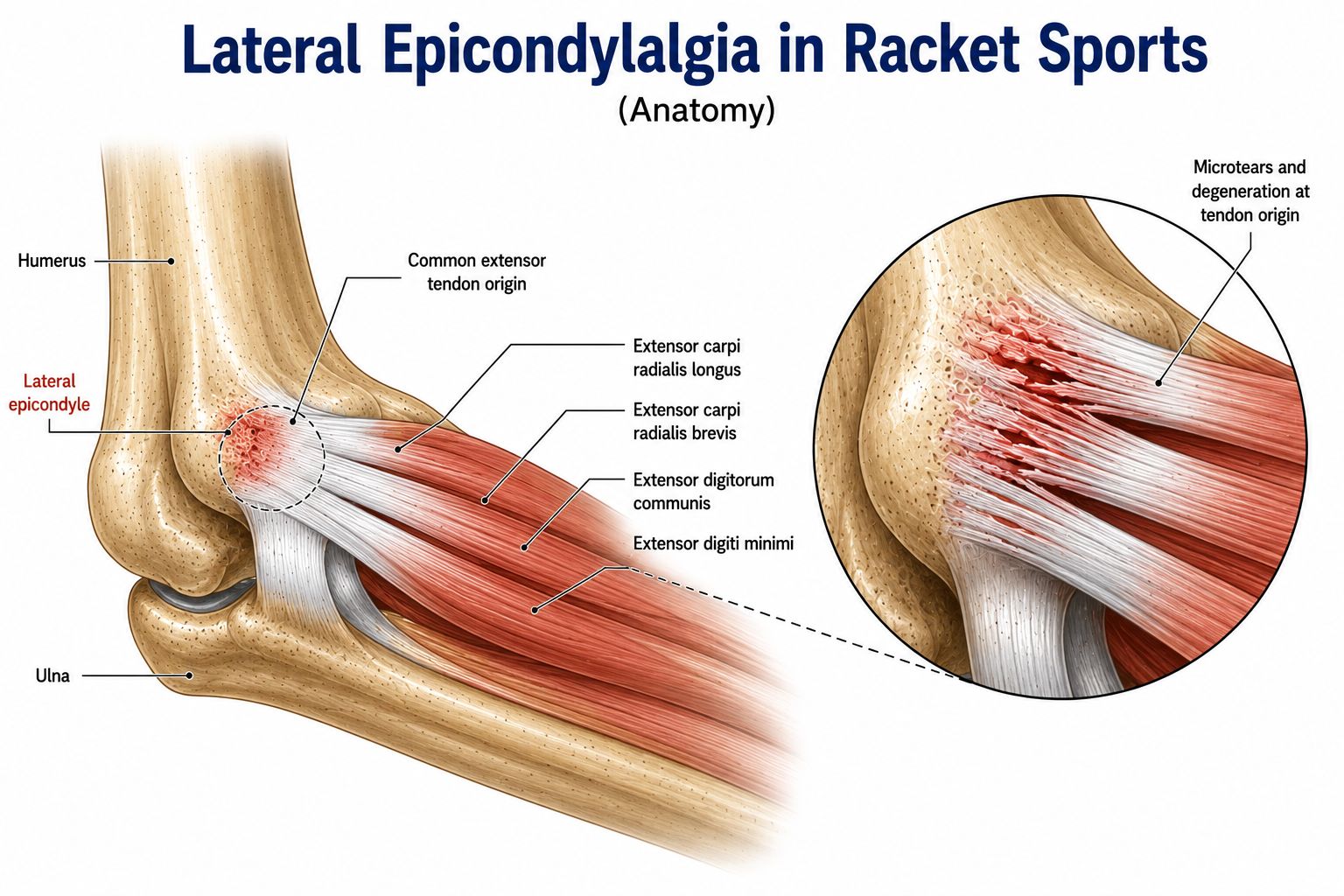
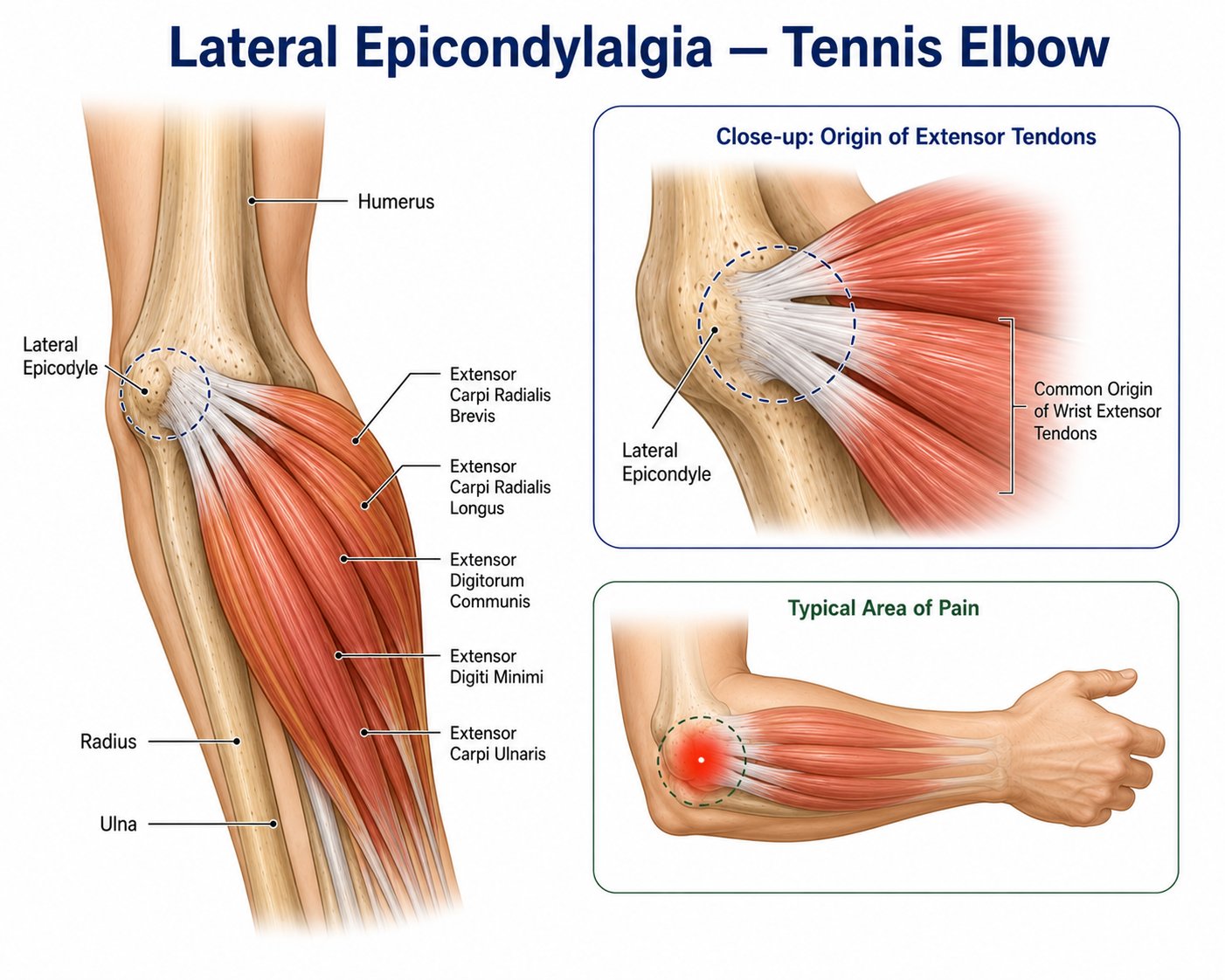
Both are epicondylalgia — degenerative tendinopathies of their respective epicondyle origins — but they are on opposite sides of the elbow. Tennis elbow affects the outer (lateral) epicondyle and the extensor carpi radialis brevis tendon; it is caused by gripping and wrist extension loading. Golfer’s elbow affects the inner (medial) epicondyle and the common flexor-pronator origin; it is caused by wrist flexion and forearm pronation loading. Treatment principles are similar — but golfer’s elbow requires extra care near the UCL and ulnar nerve, which are intimately related to the medial epicondyle.
2. Can golfer's elbow and cubital tunnel syndrome occur together?
Yes — very commonly. The ulnar nerve runs in the cubital tunnel directly behind the medial epicondyle, adjacent to the common flexor-pronator origin. The same repetitive loading that causes flexor-pronator tendinopathy can also irritate the ulnar nerve in the groove. Patients with golfer’s elbow should always be assessed for concurrent cubital tunnel syndrome, particularly if they have any tingling or numbness in the ring and little fingers. Treating the tendinopathy without addressing co-existing cubital tunnel syndrome will give incomplete results.
3. I play golf — do I need to stop playing completely to recover?
Not necessarily. A short period of reduced activity (2–4 weeks) is often needed to allow the initial pain to settle. After this, a graduated return to golf with specific swing modifications can be incorporated alongside the physiotherapy programme. Key technique modifications include: ensuring the grip is relaxed at address (not white-knuckle gripping), keeping the right elbow (for right-handed golfers) closer to the body during the downswing to reduce medial elbow torque, and using a slightly lighter grip. A PGA coach can help analyse and correct technique faults that load the medial elbow excessively.
4. Why is surgery for golfer's elbow more complex than for tennis elbow?
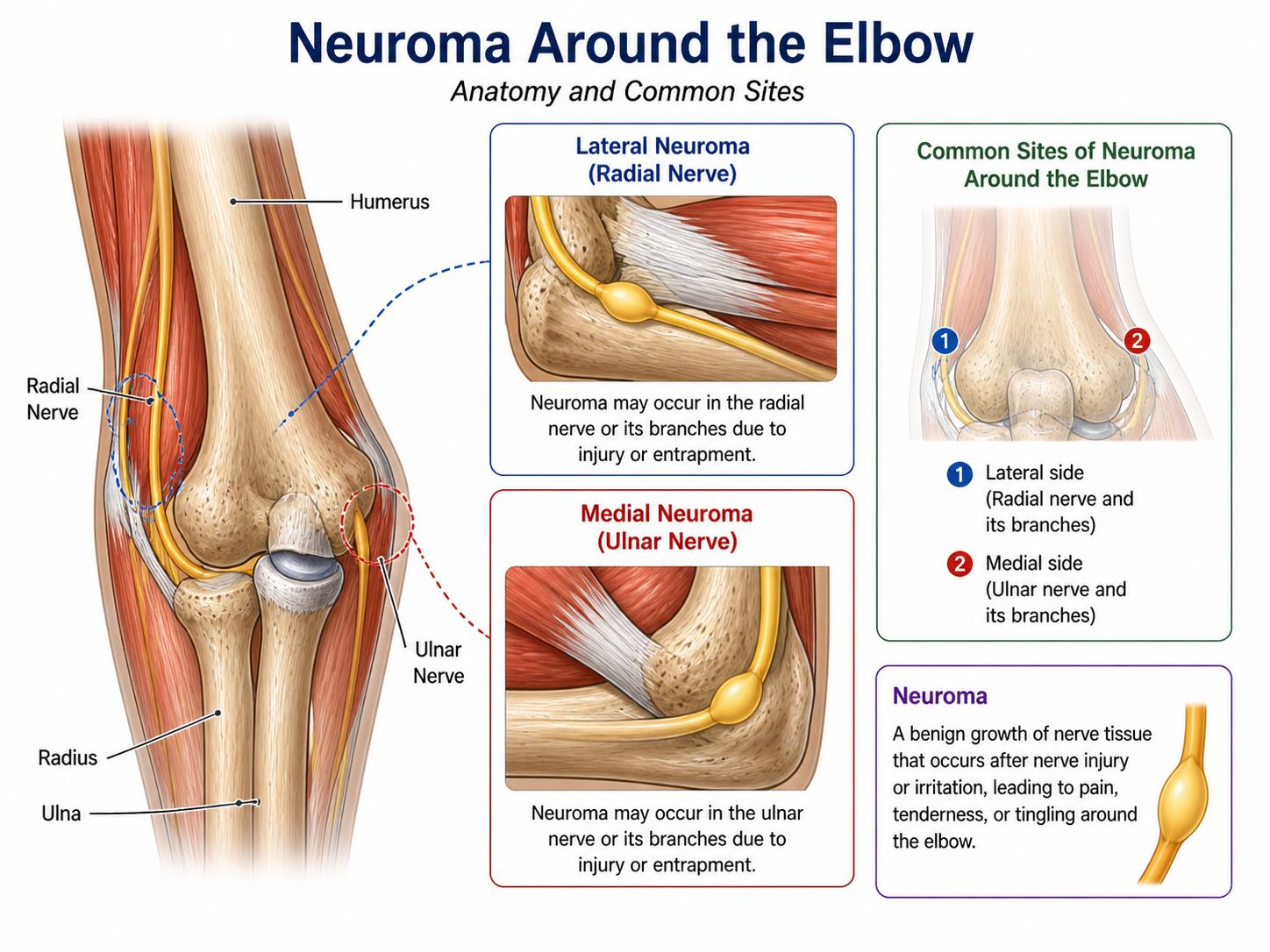
Surgery for medial epicondylalgia is technically more demanding than lateral epicondyle surgery because of three important adjacent structures: (1) the ulnar nerve in the cubital tunnel — which must be identified and protected throughout; (2) the anterior band of the UCL — which provides critical medial stability and must not be released; and (3) the medial antebrachial cutaneous nerve — which crosses the surgical field and can form a painful neuroma if cut. Precise, limited release of only the degenerative tendon tissue while preserving these structures requires specific expertise in medial elbow anatomy.
5. My medial elbow pain is getting worse with throwing — could it be more than golfer's elbow?
Yes — in throwing athletes, medial elbow pain during or after throwing that worsens progressively is a red flag for UCL insufficiency (Condition 13 and 15), not just flexor-pronator tendinopathy. The UCL is the primary medial stabiliser, and its insufficiency causes additional loading of the flexor-pronator mass, perpetuating the tendinopathy. MRI arthrography (gadolinium contrast injection) and a valgus stress examination are needed to distinguish the two. In throwing athletes with both conditions, the UCL must be assessed and treated concurrently for the medial elbow pain to fully resolve.