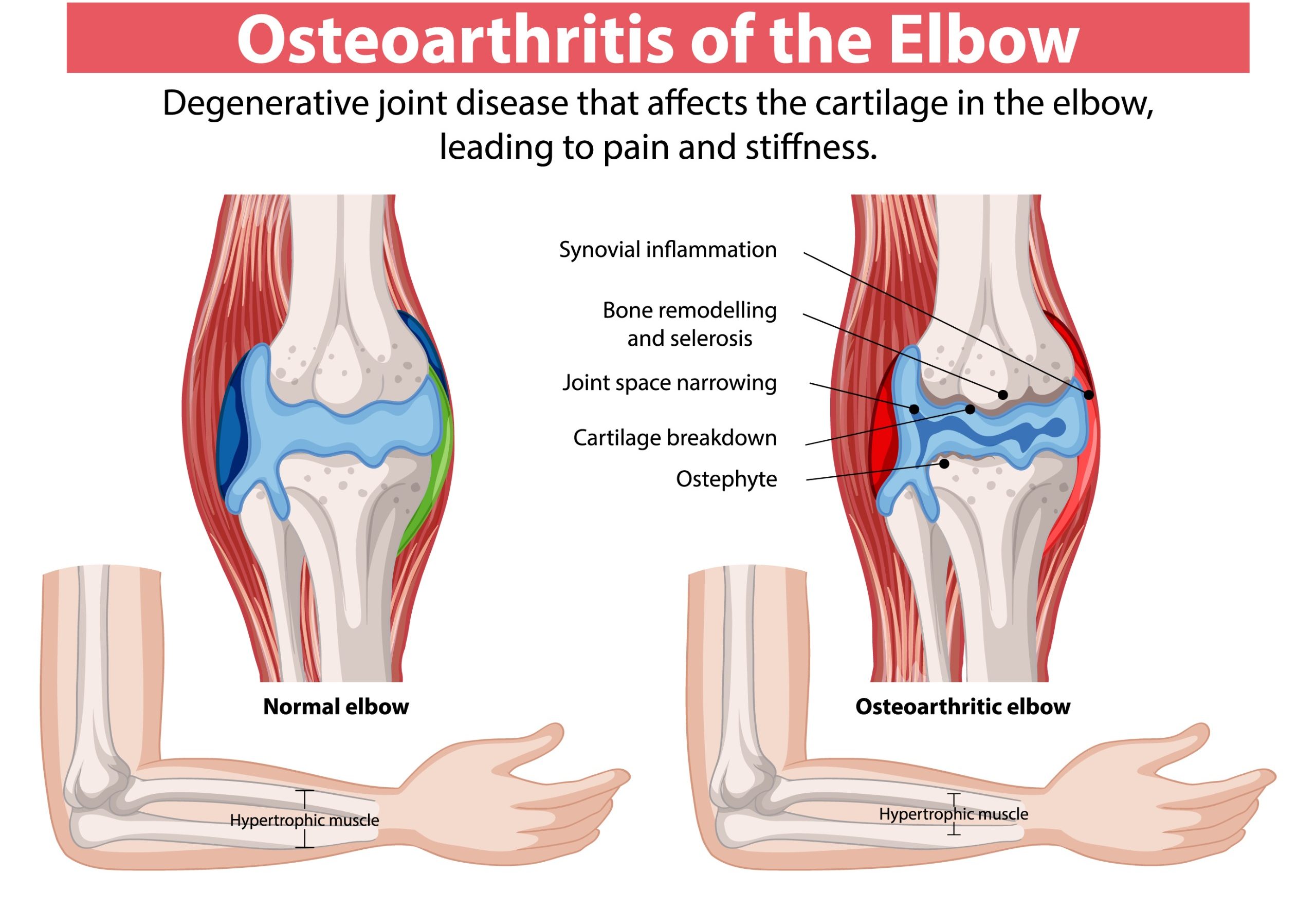
Overview
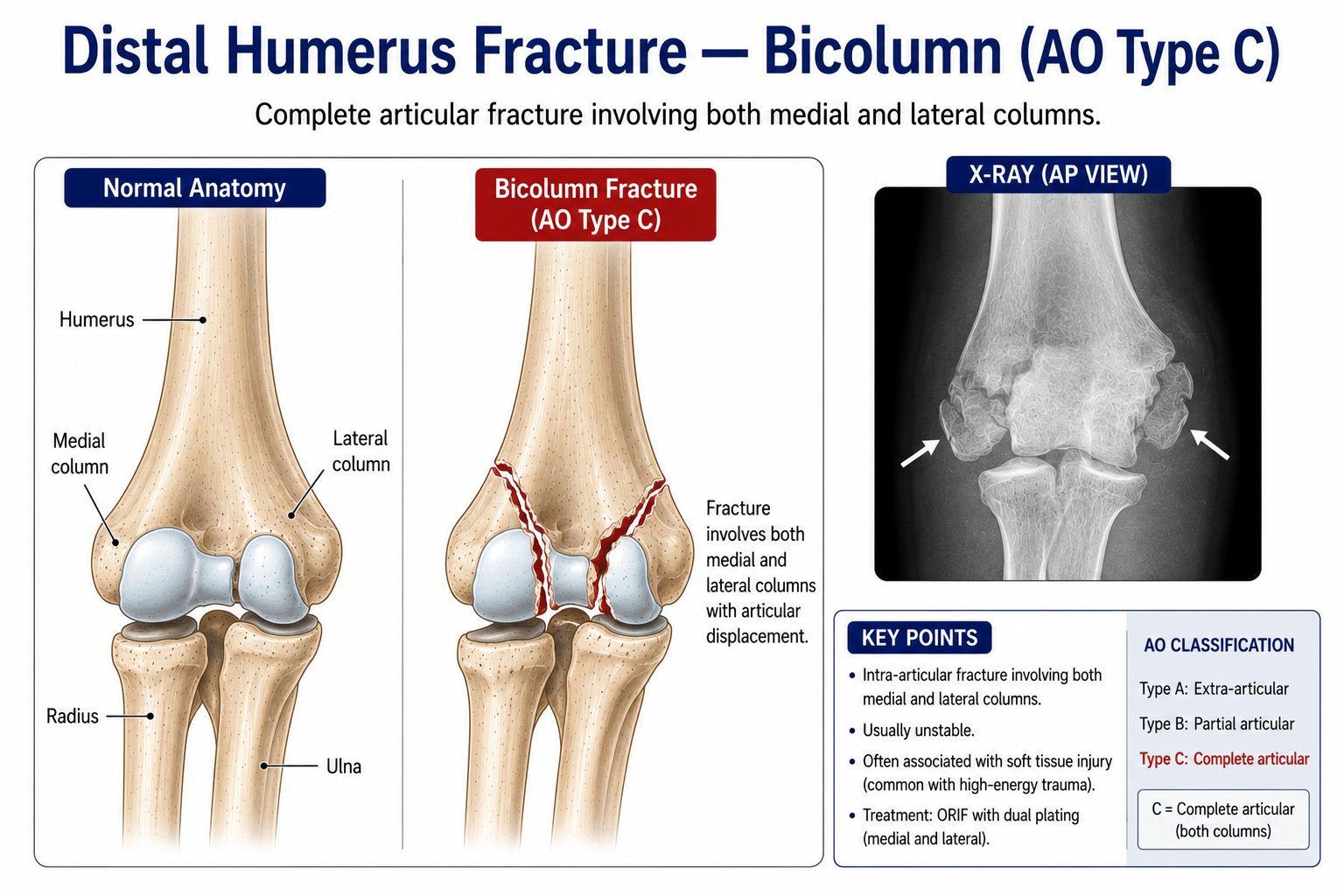
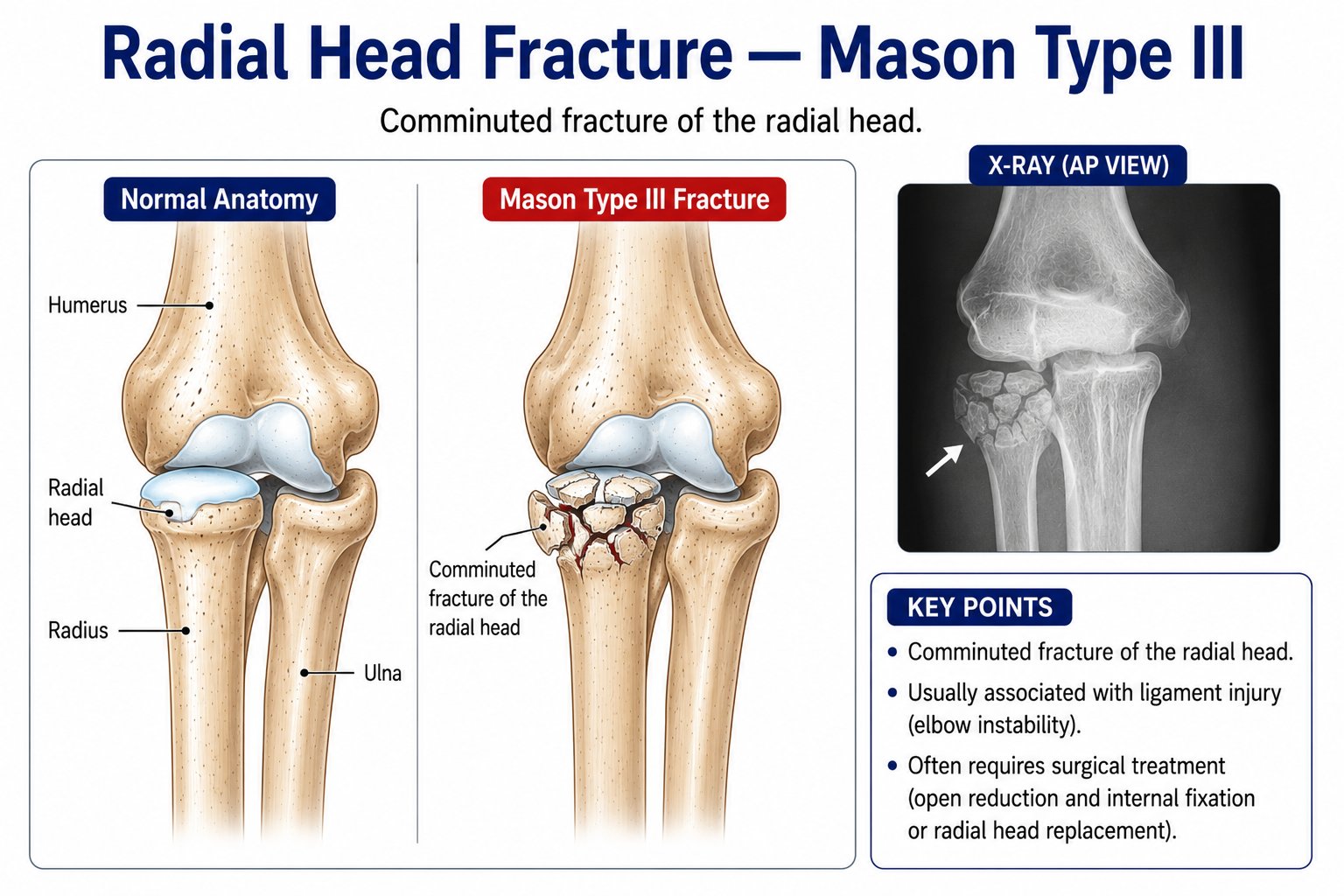
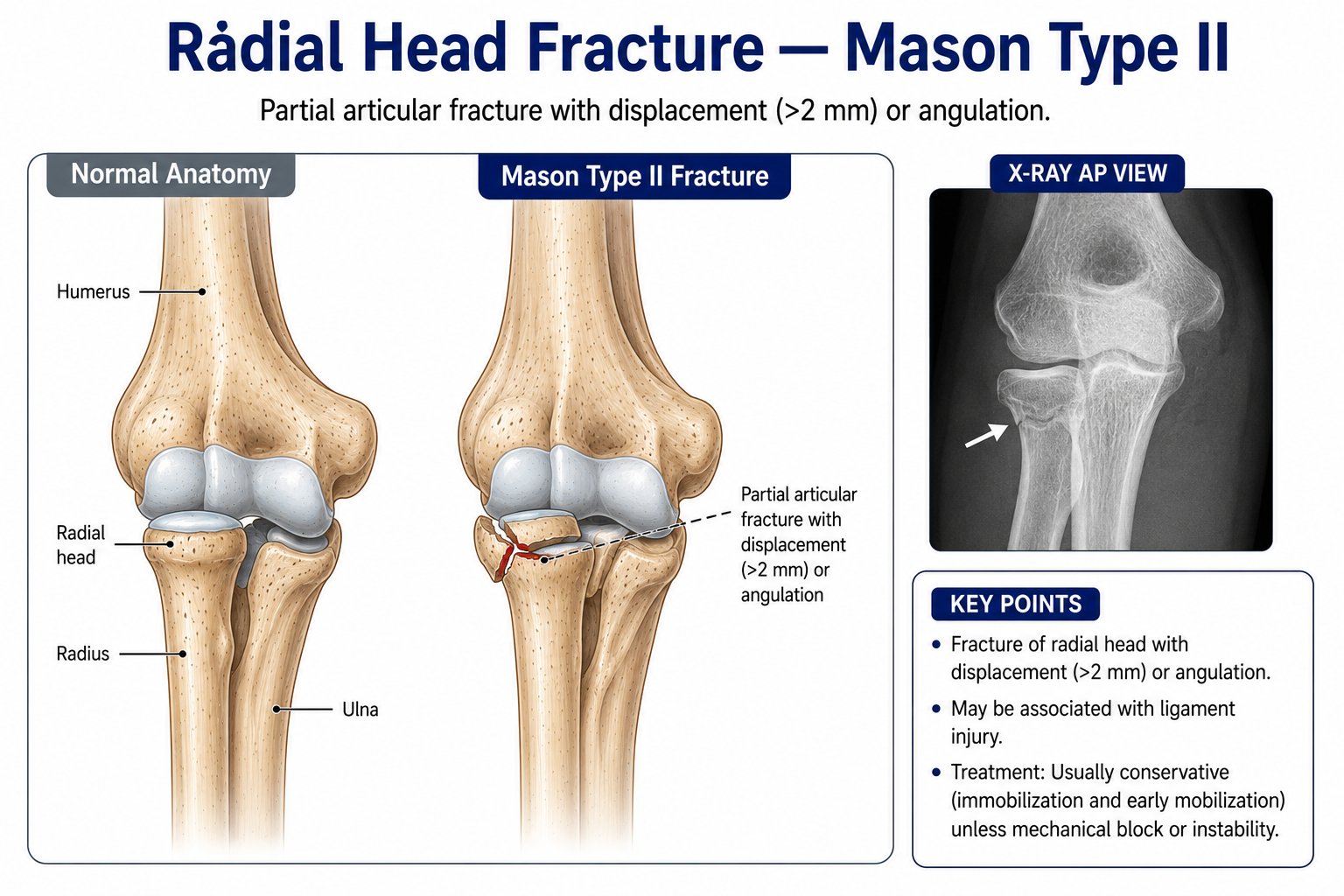
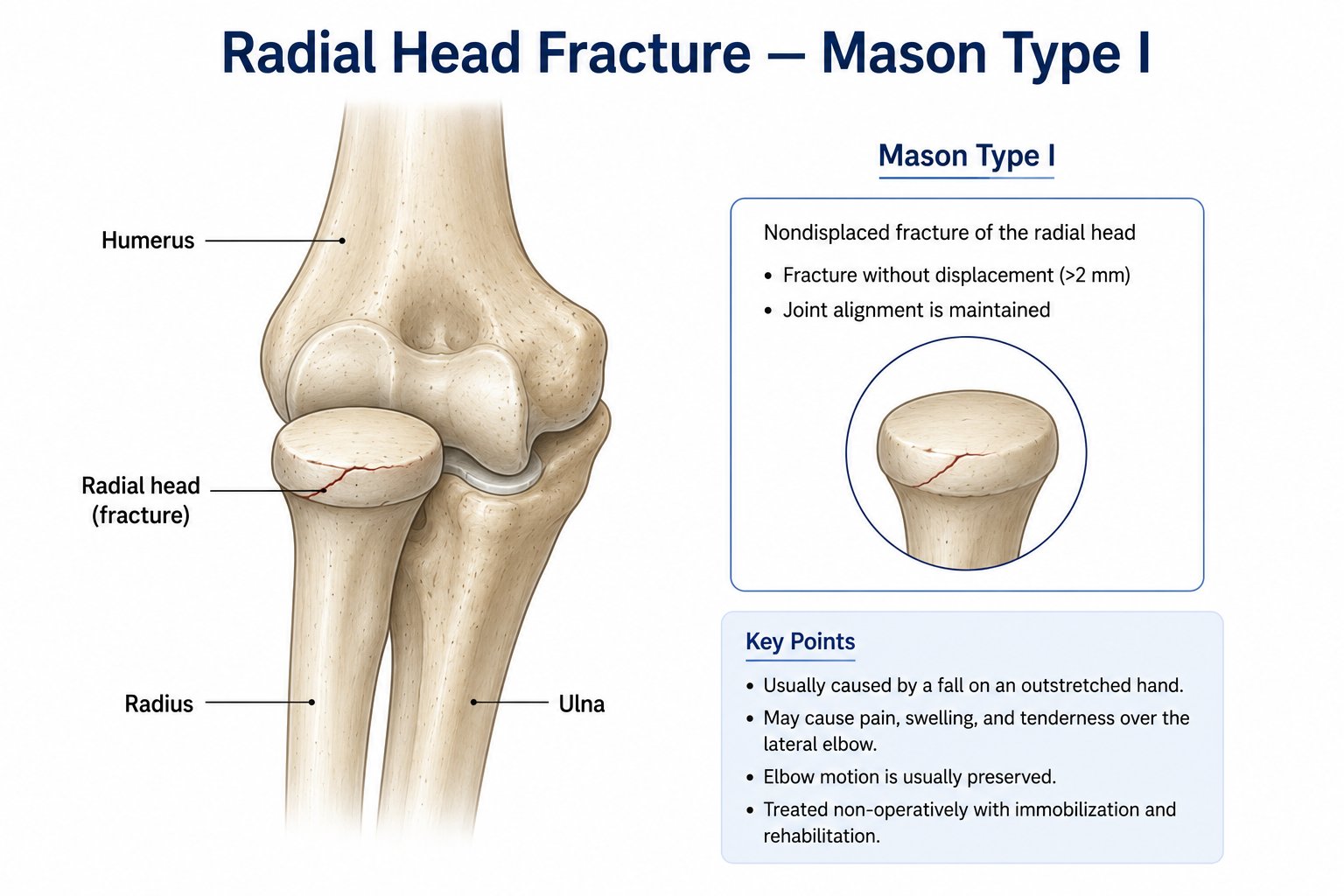
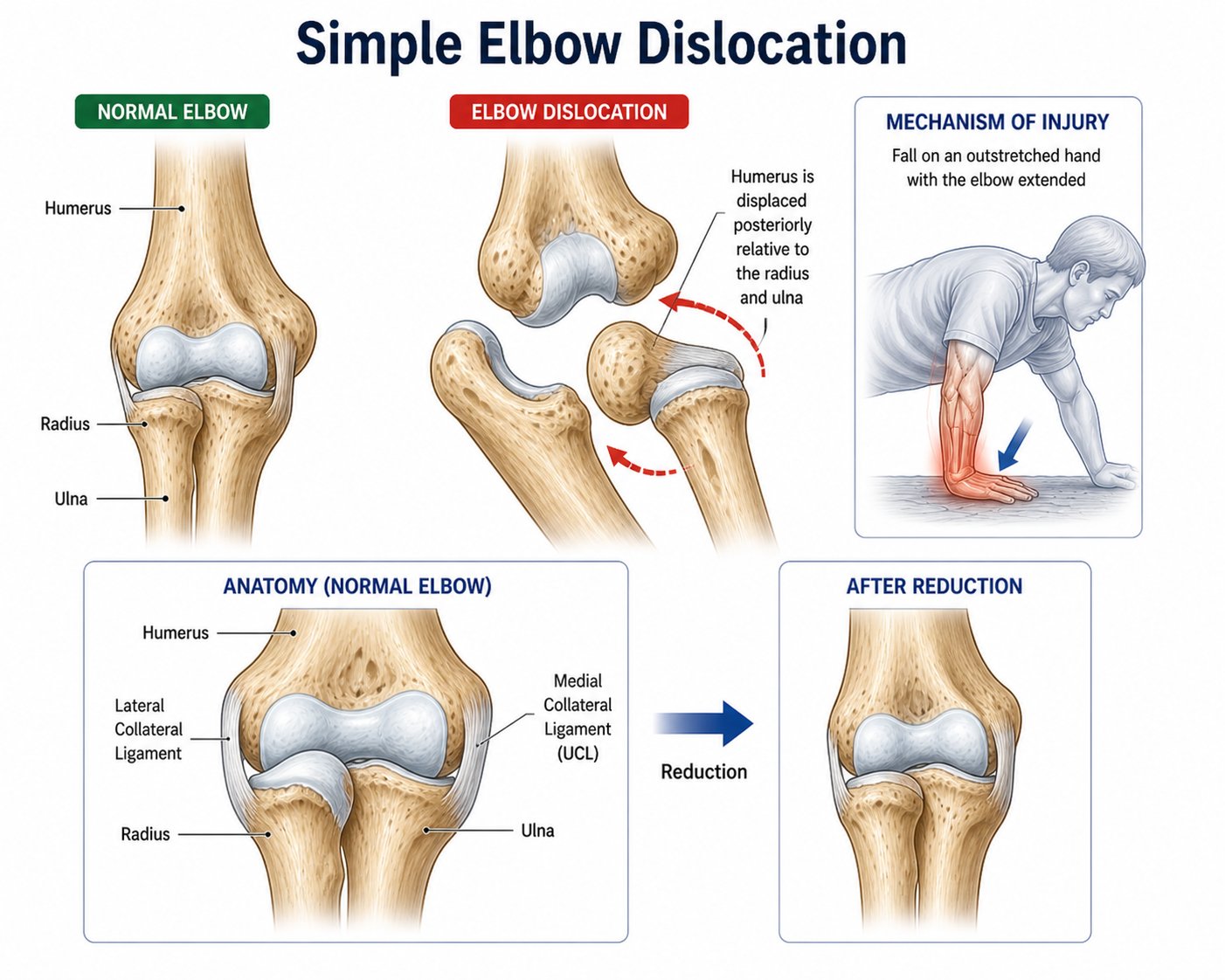
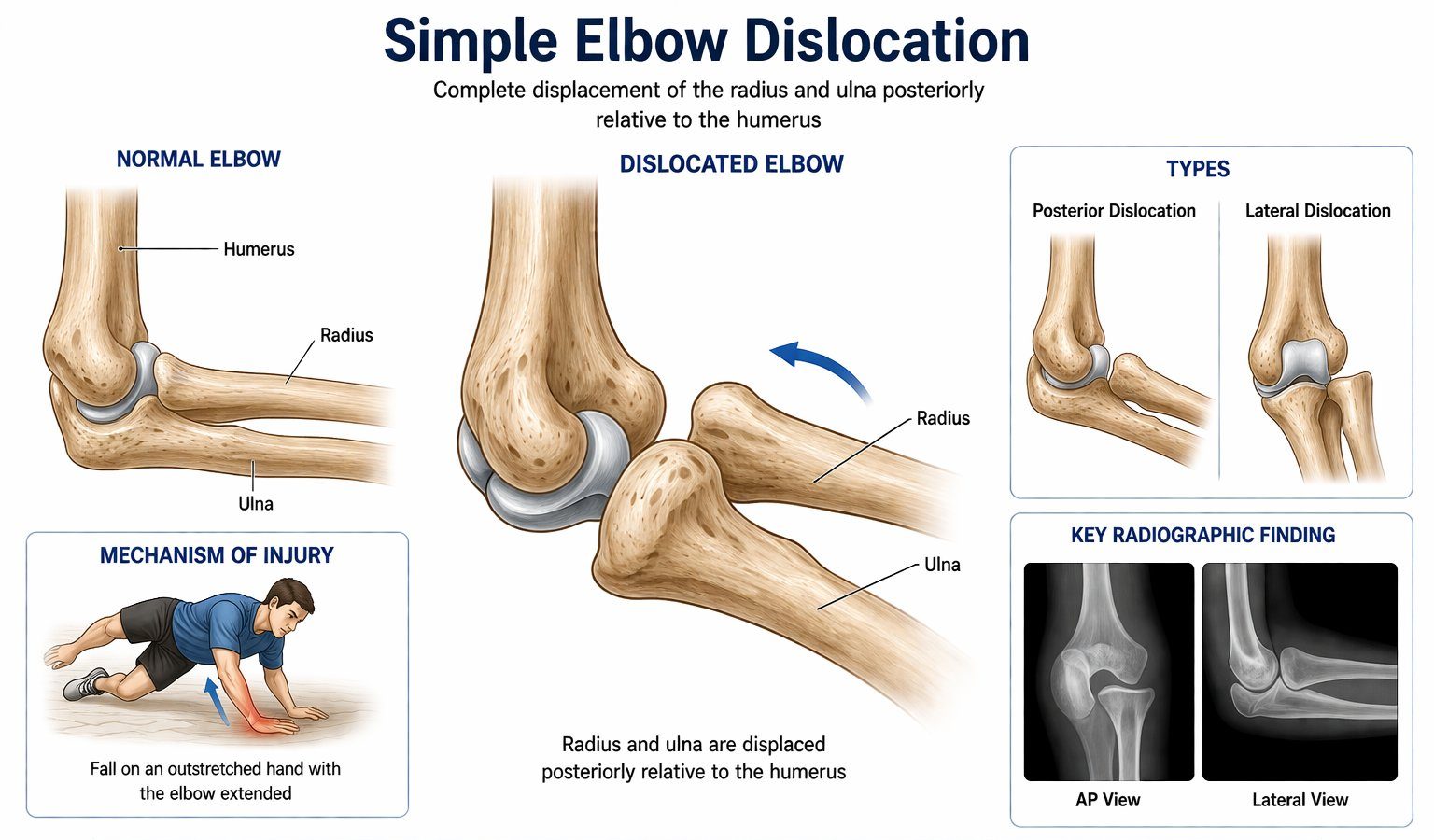
Chronic elbow instability is persistent or recurrent instability beyond 6–12 weeks after the initial injury, resulting from incompletely healed or structurally deficient collateral ligaments, associated bony deficiencies (coronoid or radial head loss), or failed previous surgical management.
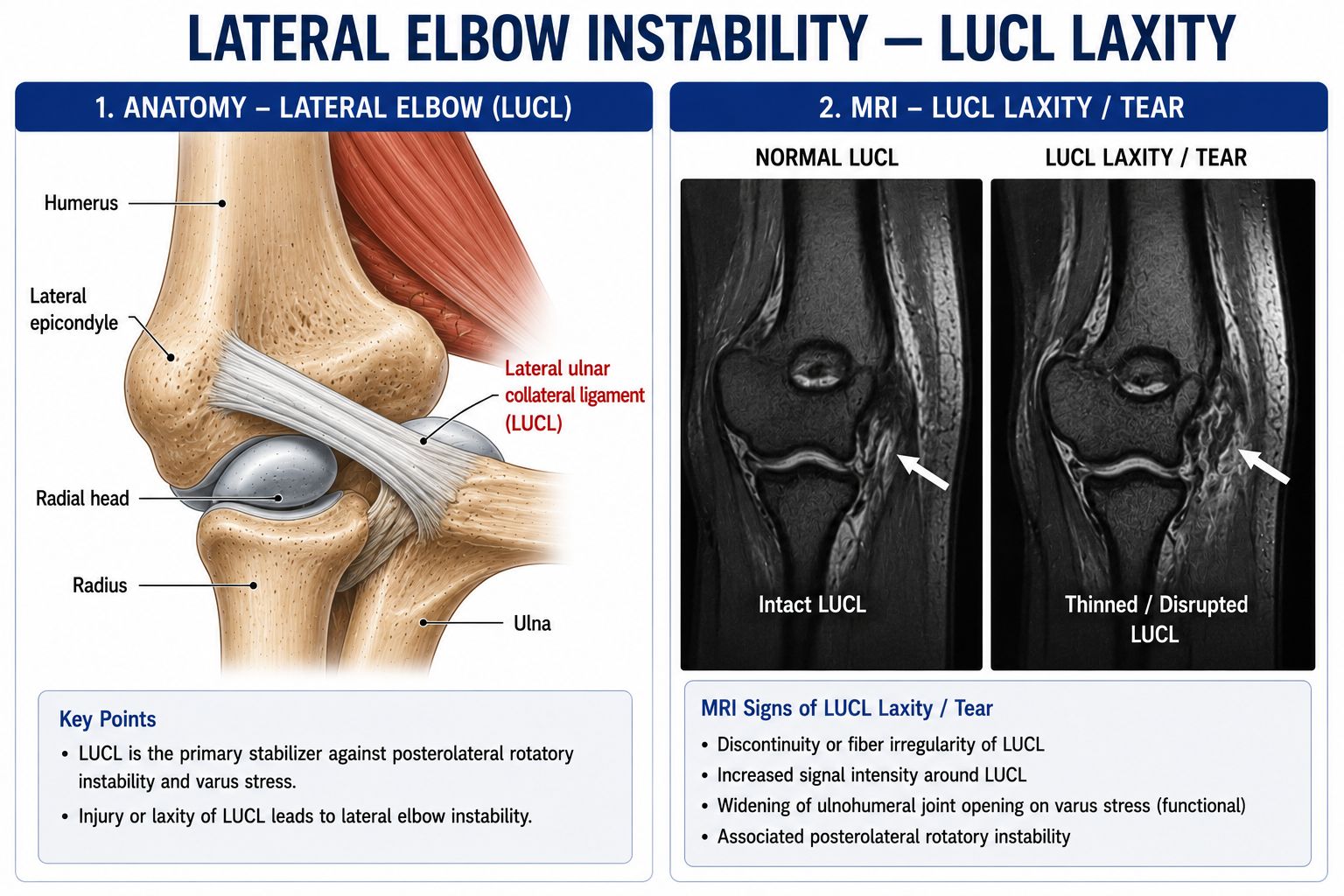
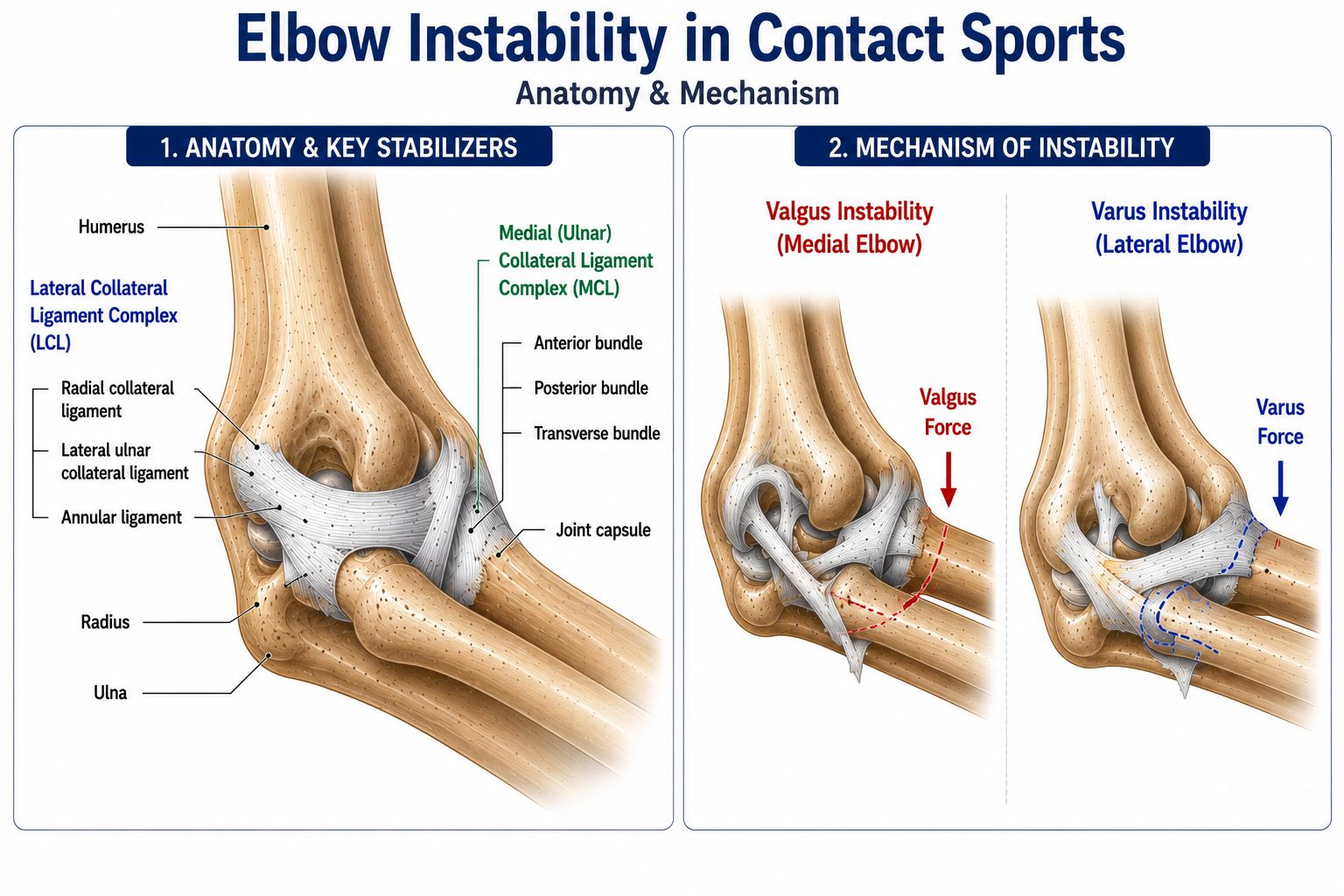
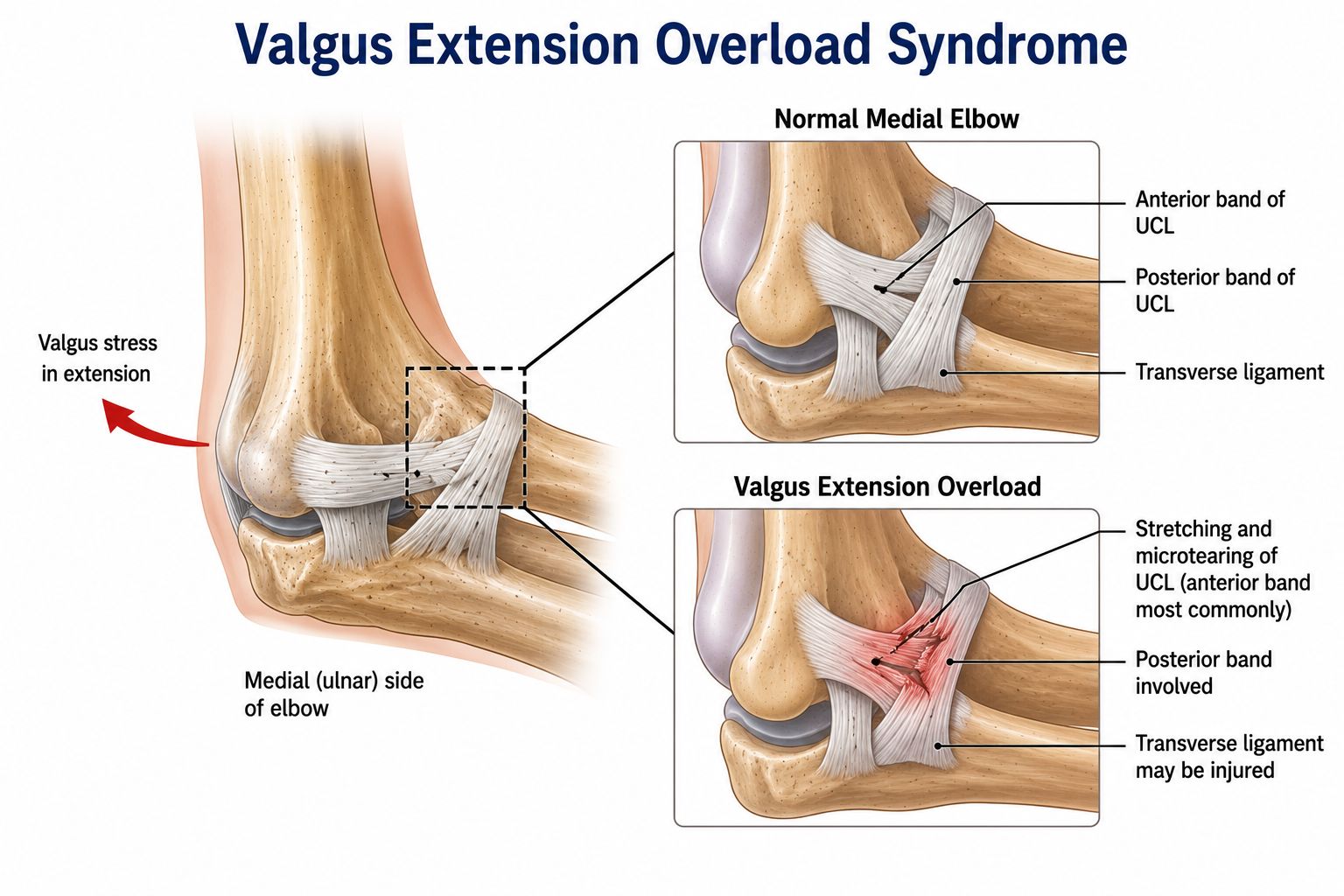
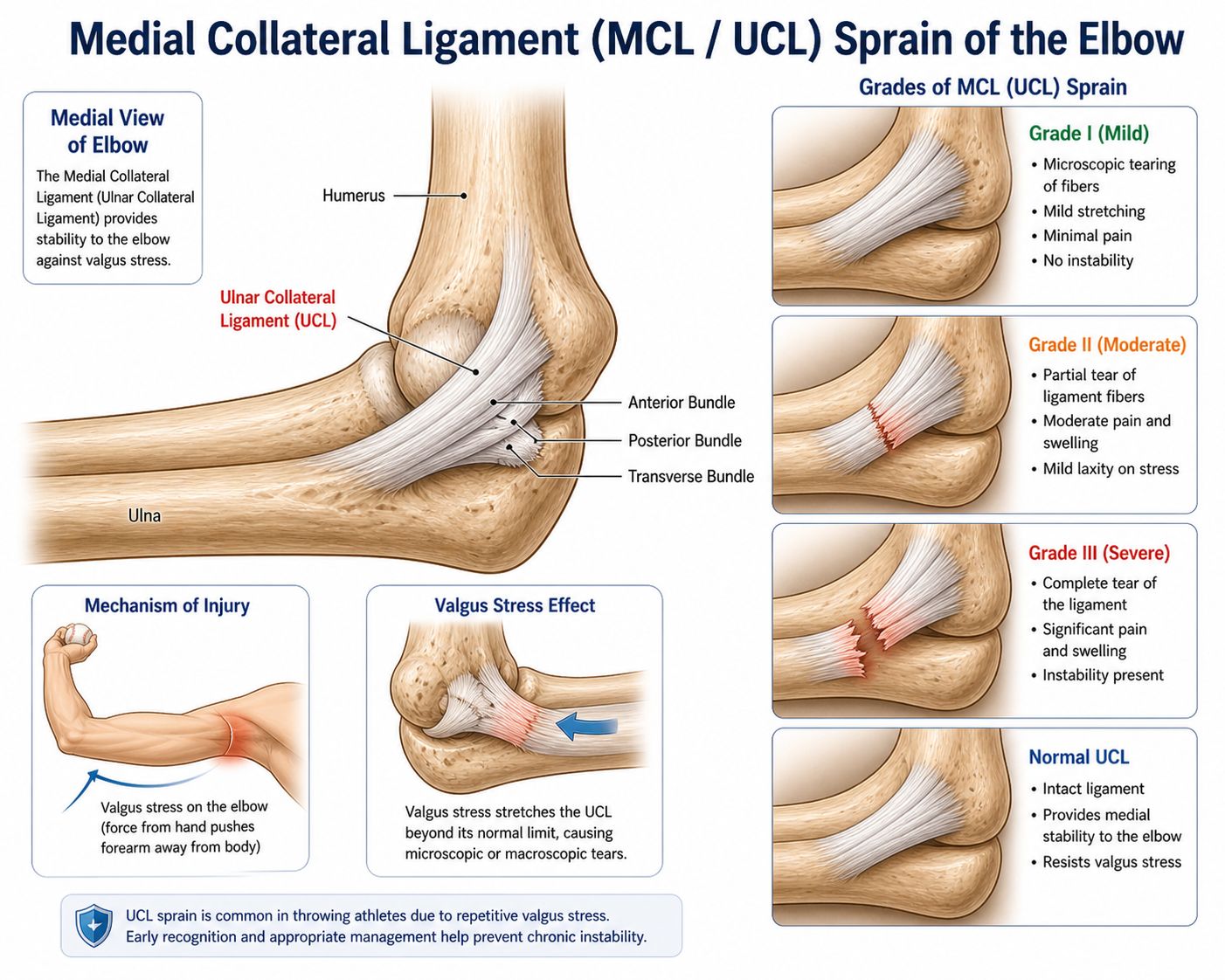
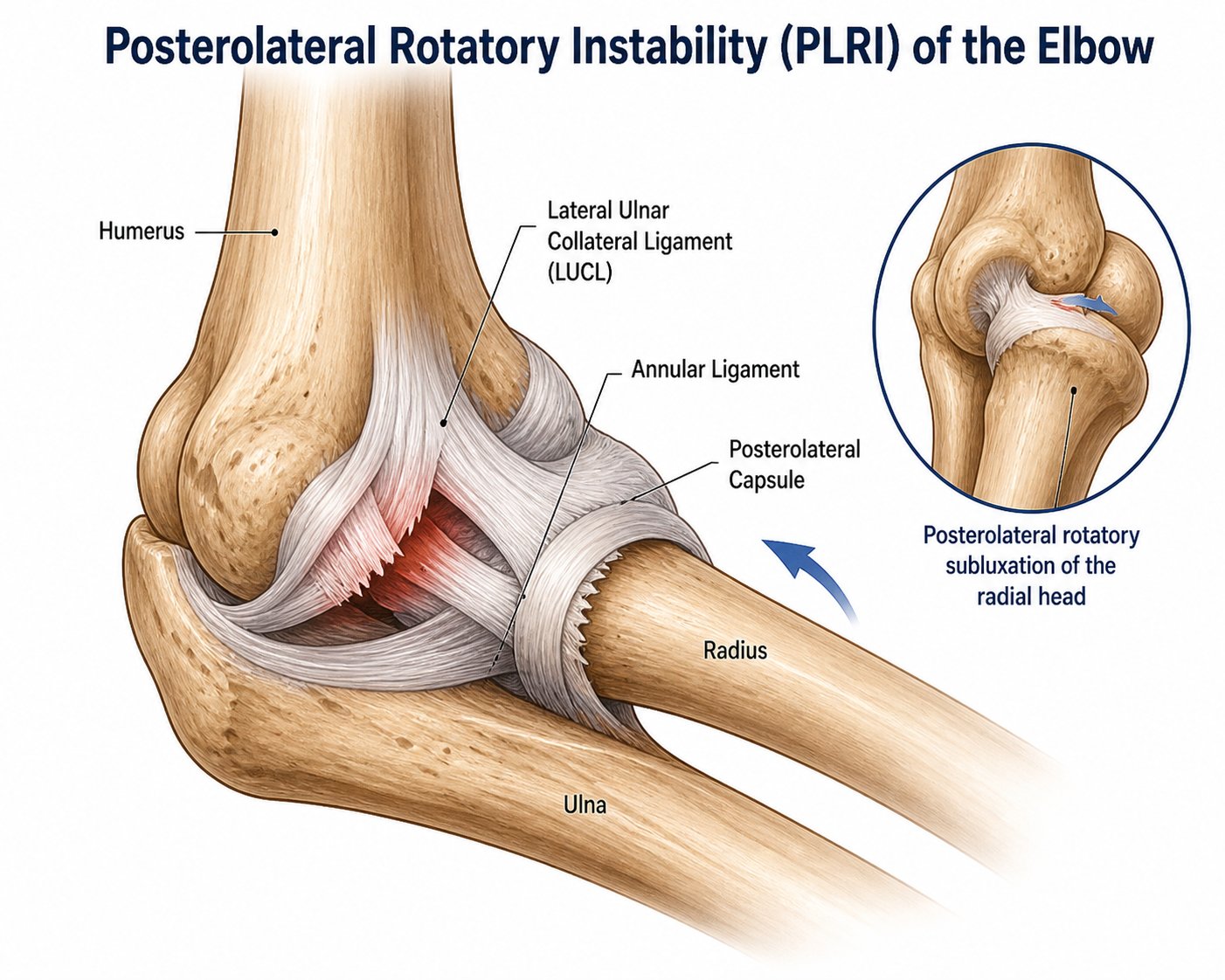
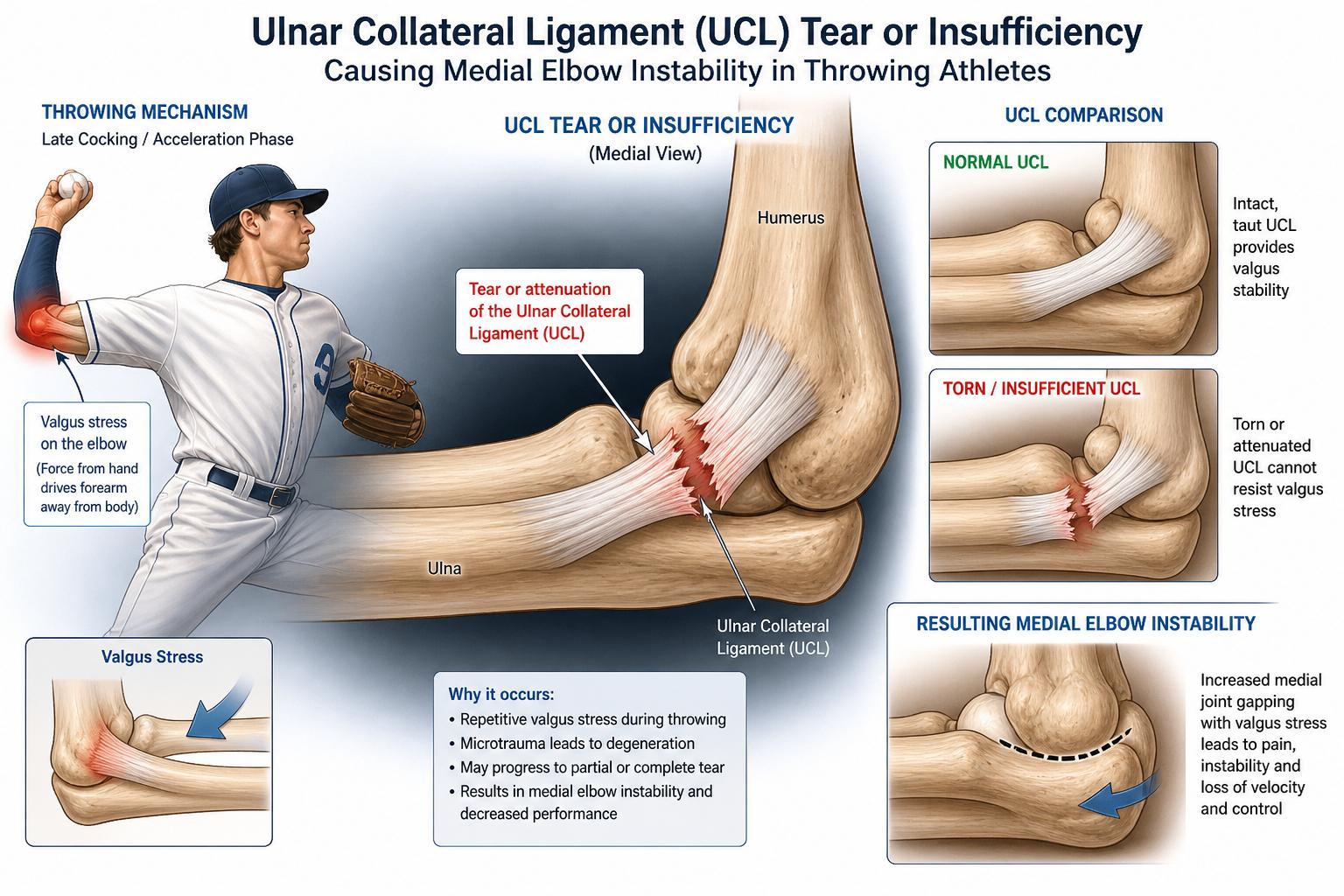
It is classified by direction and mechanism: valgus instability (UCL insufficiency — medial); posterolateral rotatory instability (LUCL — lateral); multidirectional instability (both sides); or complex instability with bone loss. Each pattern requires a different surgical reconstruction strategy.
The challenge is that soft tissue quality is often poor, bone stock may be deficient, and the joint is frequently stiff and arthritic. Comprehensive pre-operative planning with CT and MRI is essential.
Quick Facts | Details |
Also Known As | Recurrent Elbow Instability, Chronic Elbow Subluxation, Persistent Elbow Instability |
Affected Area | Medial and lateral collateral ligament complexes; coronoid; radial head; articular surfaces |
Who It Affects | Adults of any age following elbow dislocation, fracture-dislocation, or ligament injury that was undertreated or failed initial management; athletes with repetitive valgus stress injuries |
Prevalence | Affects approximately 10–15% of patients following complex elbow injuries; significant cause of chronic disability and employment limitation in working-age adults |
Treatment | Hinged external fixator + ligament reconstruction (LCL or UCL depending on pattern); bony deficiency must be addressed with graft or osteotomy; highly individualised surgical planning |
Causes & Risk Factors
- Untreated or undertreated elbow dislocation — failure to recognise associated fractures or inadequate post-reduction stability assessment
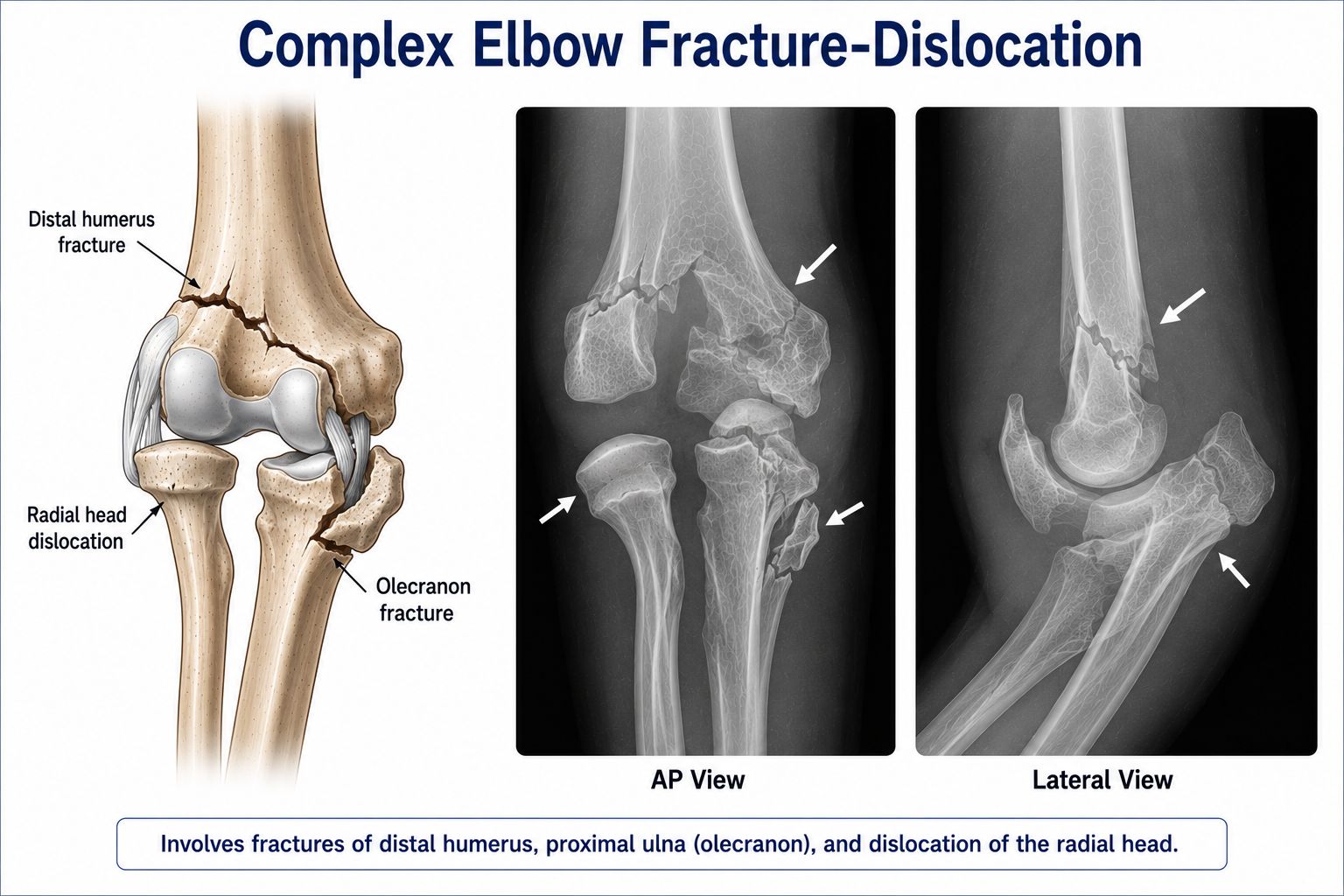
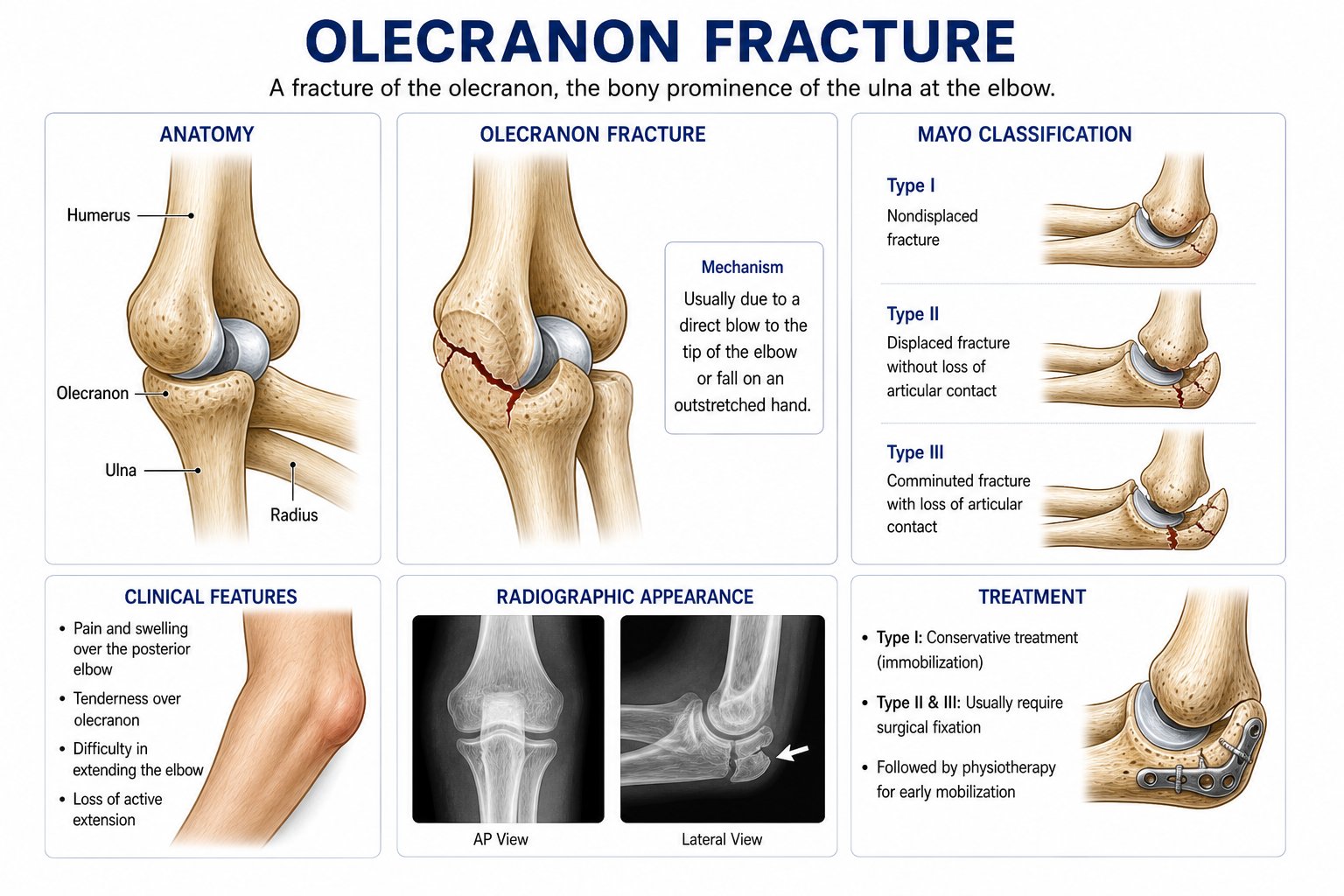
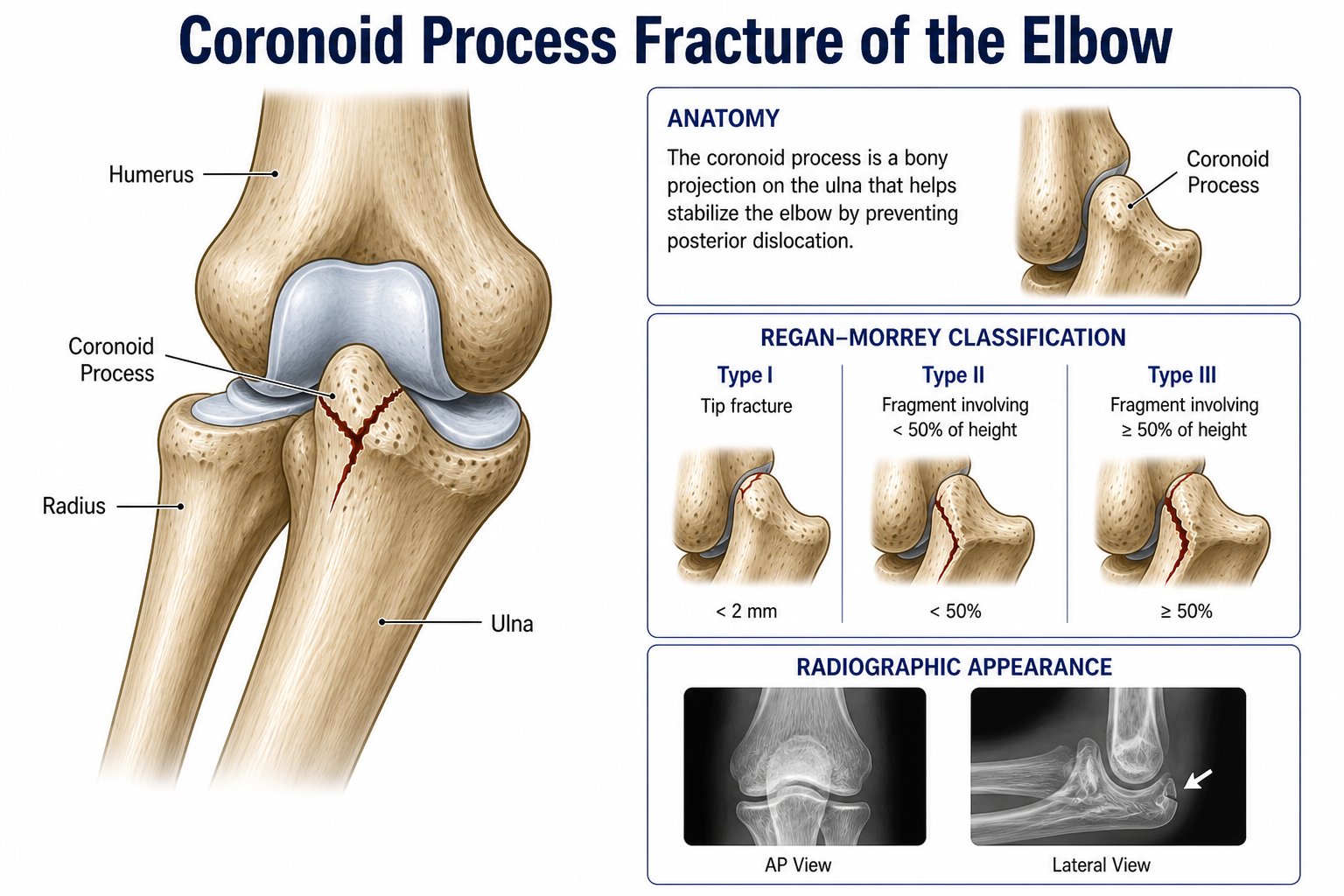
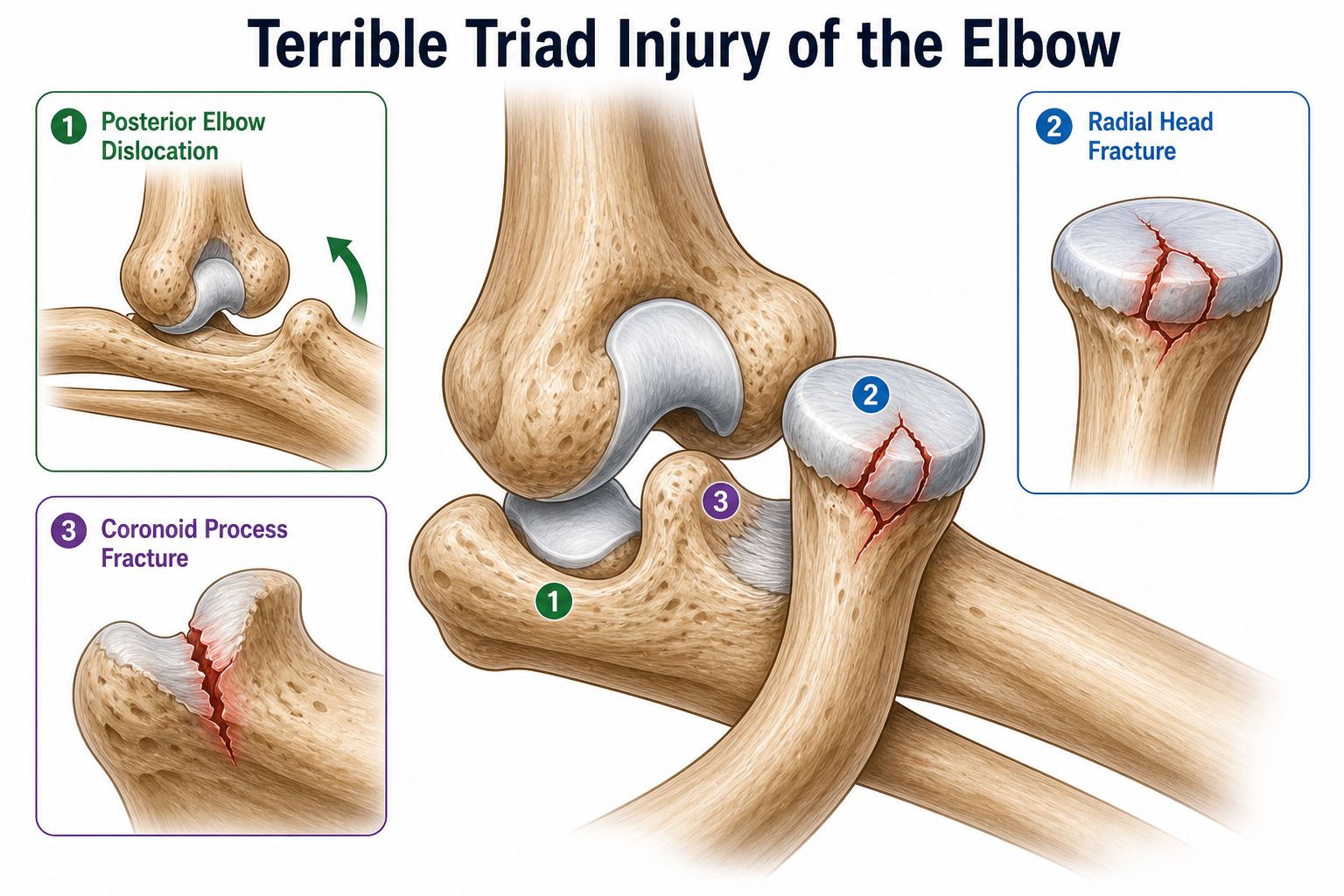
- Terrible triad injury inadequately repaired — failure to fix coronoid or replace radial head leaves a structurally deficient elbow
- Chronic UCL insufficiency in throwing athletes with repeated valgus overload
- PLRI following lateral elbow surgery — inadvertent LUCL damage
- Failed previous ligament reconstruction — graft failure, poor placement, inadequate rehabilitation
- Bone loss — absent radial head (excised without replacement) or deficient coronoid; structural bony deficit prevents ligaments from functioning normally
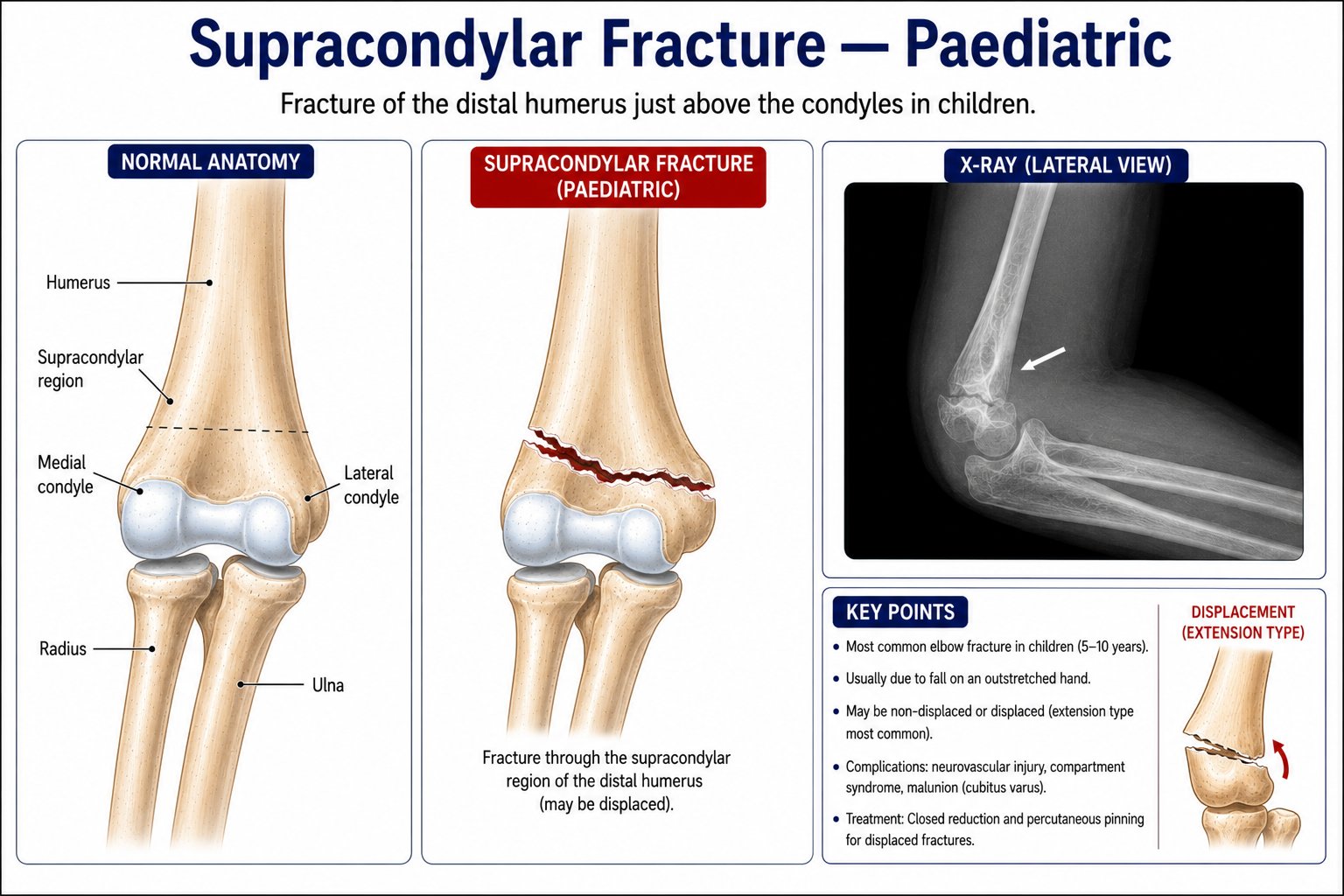
- Cubitus varus deformity from supracondylar malunion creates chronic varus force attenuating LUCL over time
Symptoms
- Recurrent subluxation or dislocation episodes — spontaneous or with minimal provocation
- Chronic medial or lateral elbow pain — depending on which ligament complex is deficient
- Apprehension — fear of the elbow giving way with specific activities
- Functional limitation — inability to carry, lift, or perform overhead activities
- Joint crepitus and effusion from secondary articular cartilage damage
- Ulnar nerve symptoms from chronic medial instability
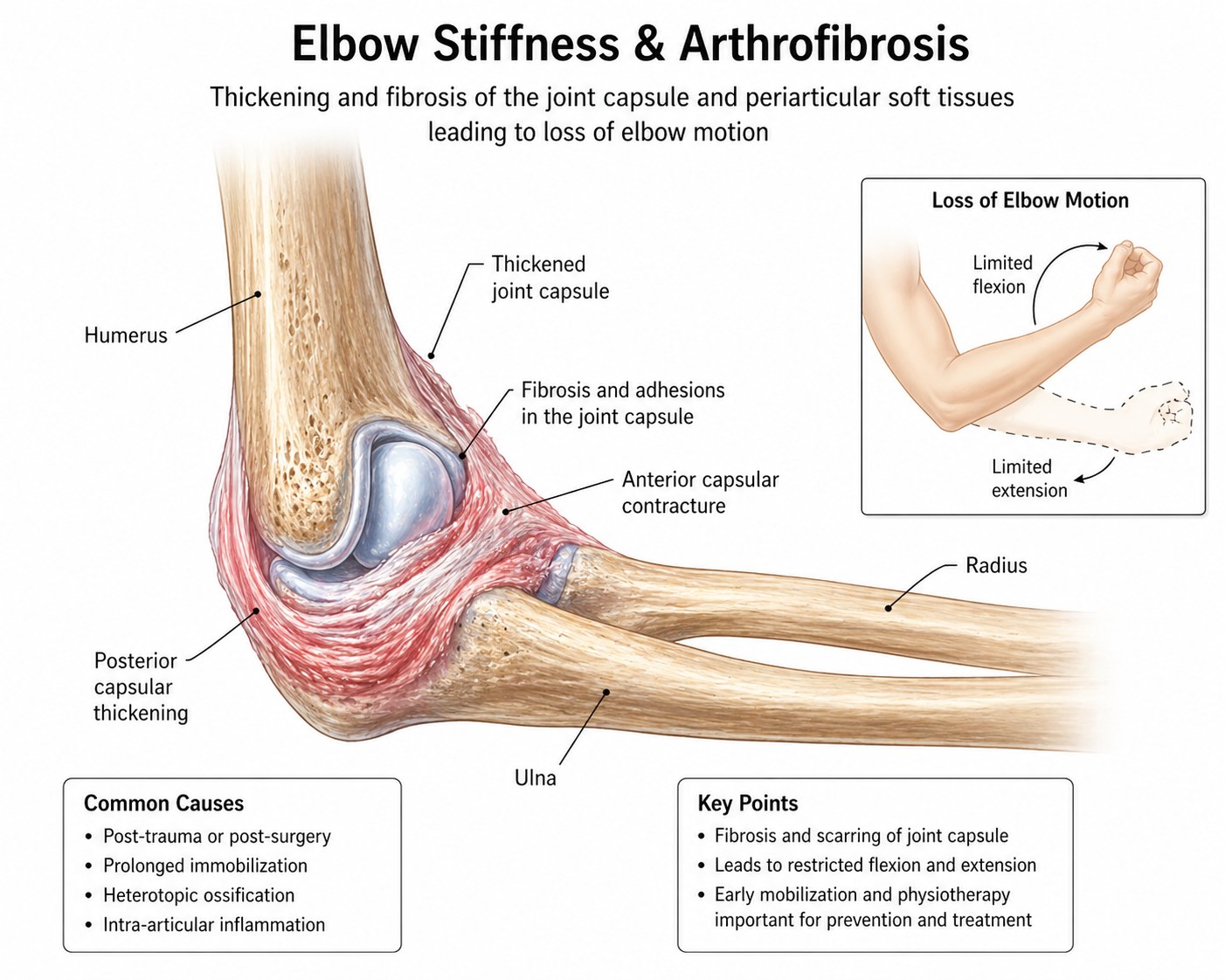
- Reduced range of motion from secondary capsular contracture
How is it Diagnosed?
- Detailed history — original injury, prior treatments, current functional limitations
- Clinical examination — valgus stress test (UCL); lateral pivot shift test (LUCL); assessment of bony deficiency
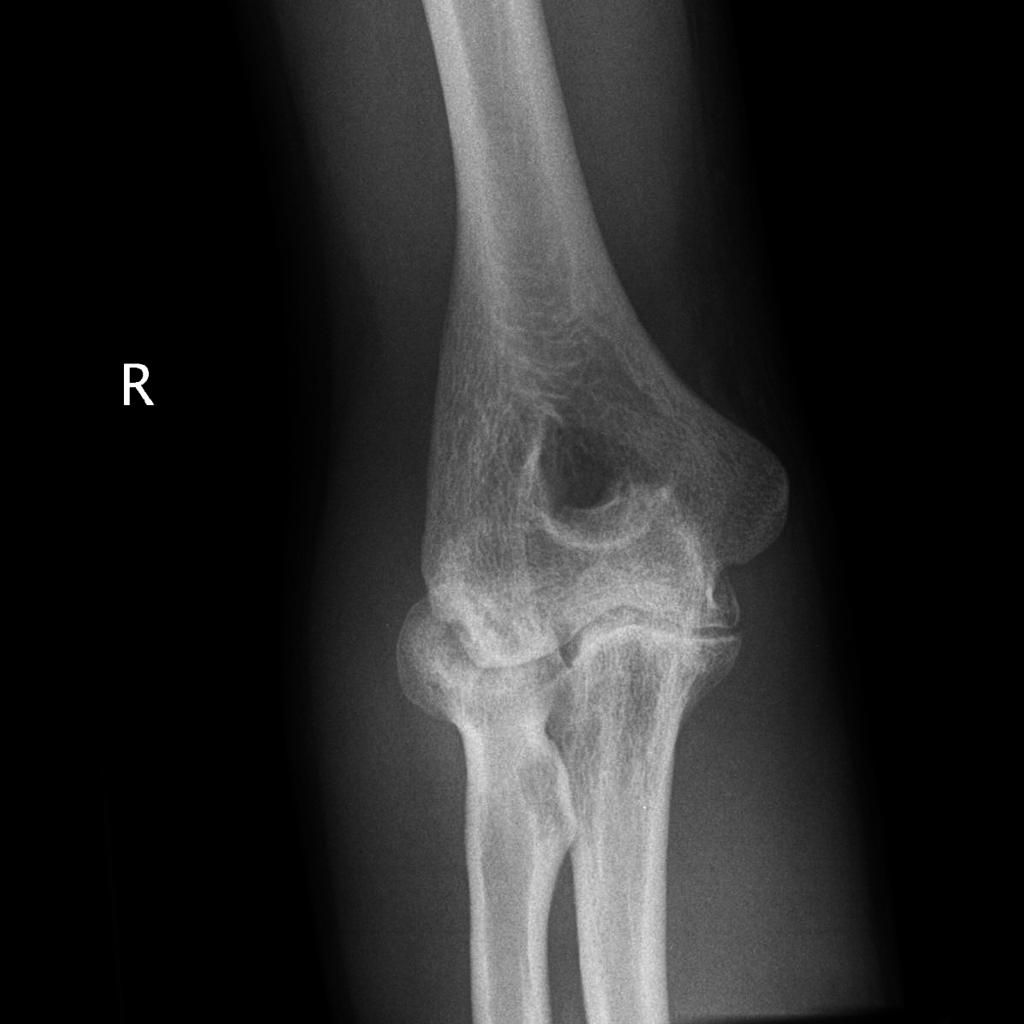
- Plain X-rays — joint alignment, bony deficiencies, deformity, arthritis
- CT scan — map bony deficiency (coronoid, radial head); 3D reconstruction for surgical planning
- MRI — ligament quality; soft tissue assessment; articular cartilage evaluation
- Examination under anaesthesia (EUA) + arthroscopy — definitive instability assessment
Treatment Options
Treatment Type | Details |
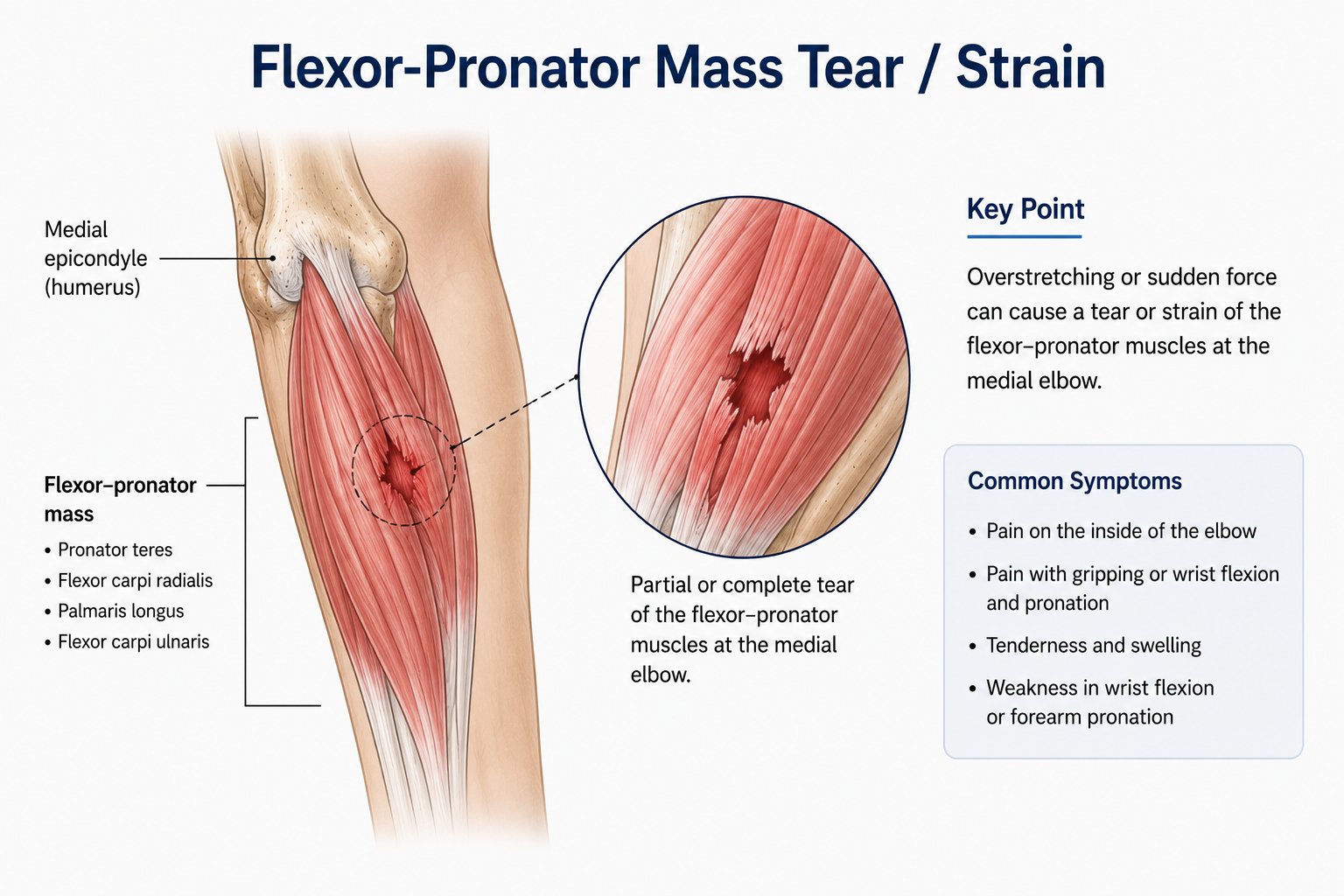
Physiotherapy (Mild Instability) | Dynamic stabilisation; strengthen flexor-pronator mass (medial) or ECRB/supinator (lateral); proprioception training; functional bracing |
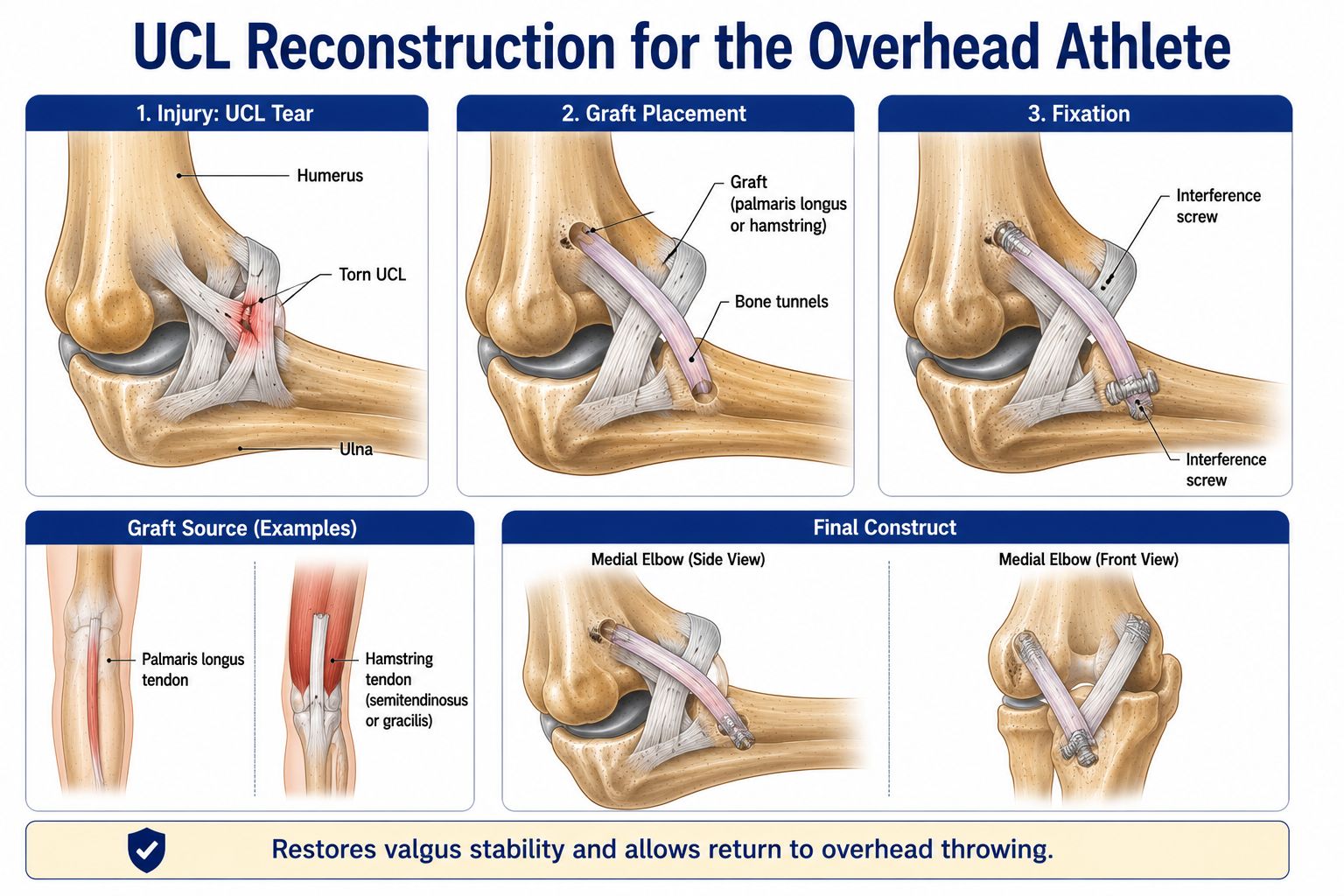
UCL Reconstruction (Valgus Instability) | Palmaris longus or gracilis graft; docking technique; ulnar nerve transposition; see Condition 13 |
LUCL Reconstruction (Posterolateral) | Palmaris longus graft; isometric placement at lateral epicondyle; see Condition 14 |
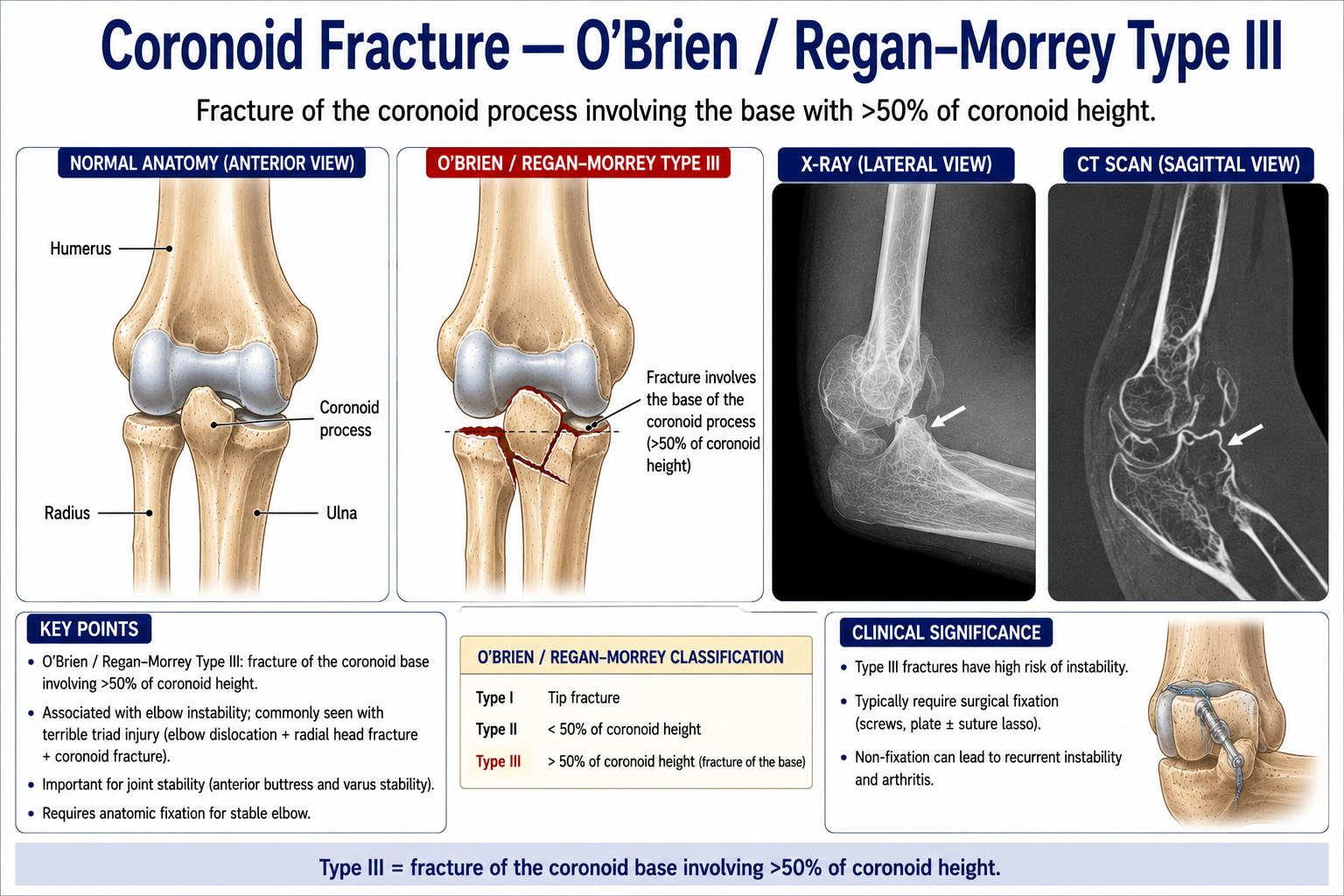
Coronoid Reconstruction | For absent or deficient coronoid: structural iliac crest bone graft to recreate buttress; technically demanding |
Radial Head Replacement | For previous radial head excision causing lateral column deficiency; modular metal prosthesis restores lateral support |
Hinged External Fixator | Maintains concentric reduction while reconstruction heals; allows motion through stable arc; removed at 6 weeks |
Corrective Osteotomy | Cubitus varus deformity: osteotomy to neutralise deformity before or concurrent with LUCL reconstruction |
Recovery & Rehabilitation
- Highly individualised depending on complexity of reconstruction performed
- Simple ligament reconstruction: splint 2 weeks; physiotherapy from week 2; return to function 4–6 months
- Complex bony reconstruction: longer immobilisation; physiotherapy from 4–6 weeks; return to function 6–12 months
- Hinged external fixator: worn 6 weeks; physiotherapy immediately in brace
- Success rate: 80–90% for isolated UCL or LUCL reconstruction; lower for complex multi-structure reconstructions
Why choose Dr Senthilvelan?
Chronic elbow instability is one of the most complex reconstructive challenges in upper limb surgery. Dr Senthilvelan’s advanced training in elbow ligament reconstruction, bony reconstruction, and hinged external fixator management ensures a comprehensive, individualised approach for each patient with this challenging condition.
Frequently Asked Questions
1. My elbow keeps dislocating — is this fixable?
Yes — chronic or recurrent elbow instability is surgically correctable in the majority of cases. The key is to accurately determine the pattern of instability (which ligaments are deficient, whether bone loss is contributing), plan the reconstruction accordingly, and rehabilitate carefully post-operatively. Success rates for well-planned ligament reconstruction are 80–90%.
2. I had my radial head removed years ago and now my elbow is unstable — can this be fixed?
Yes. Radial head excision without replacement removes a critical lateral column stabiliser. A modular metal radial head replacement can restore the lateral support. Whether this alone restores stability, or whether concurrent ligament reconstruction is also needed, depends on the MRI and clinical assessment.
3. What is a hinged external fixator and when is it needed?
A hinged external fixator is a metal frame applied outside the arm — with pins in the humerus and ulna connected by a hinge aligned with the elbow joint axis. It maintains joint reduction and stability while internal ligament reconstruction heals, but allows elbow motion through the stable arc. It is used when soft tissue quality is so poor that ligament repairs alone cannot maintain stability. It is removed at 4–6 weeks as an outpatient procedure.
4. My elbow was operated on twice already and is still unstable — is there anything that can help?
Yes — re-operative elbow instability surgery is challenging but achievable. The first step is understanding exactly what was done previously, what failed, and what the current structural deficits are. Options include repeat ligament reconstruction with fresh graft, bony reconstruction for deficiencies, corrective osteotomy for deformity, and hinged external fixation during healing. Full imaging assessment (CT + MRI) and examination under anaesthesia are needed to plan the definitive procedure.
5. How long will recovery take from complex elbow instability surgery?
Complex reconstruction typically requires 4–6 months before returning to full daily activities and 9–12 months before returning to manual work or sport. Cases involving bony reconstruction or corrective osteotomy take up to 12 months. Physiotherapy throughout is critical to maintaining motion and rebuilding strength.