Overview
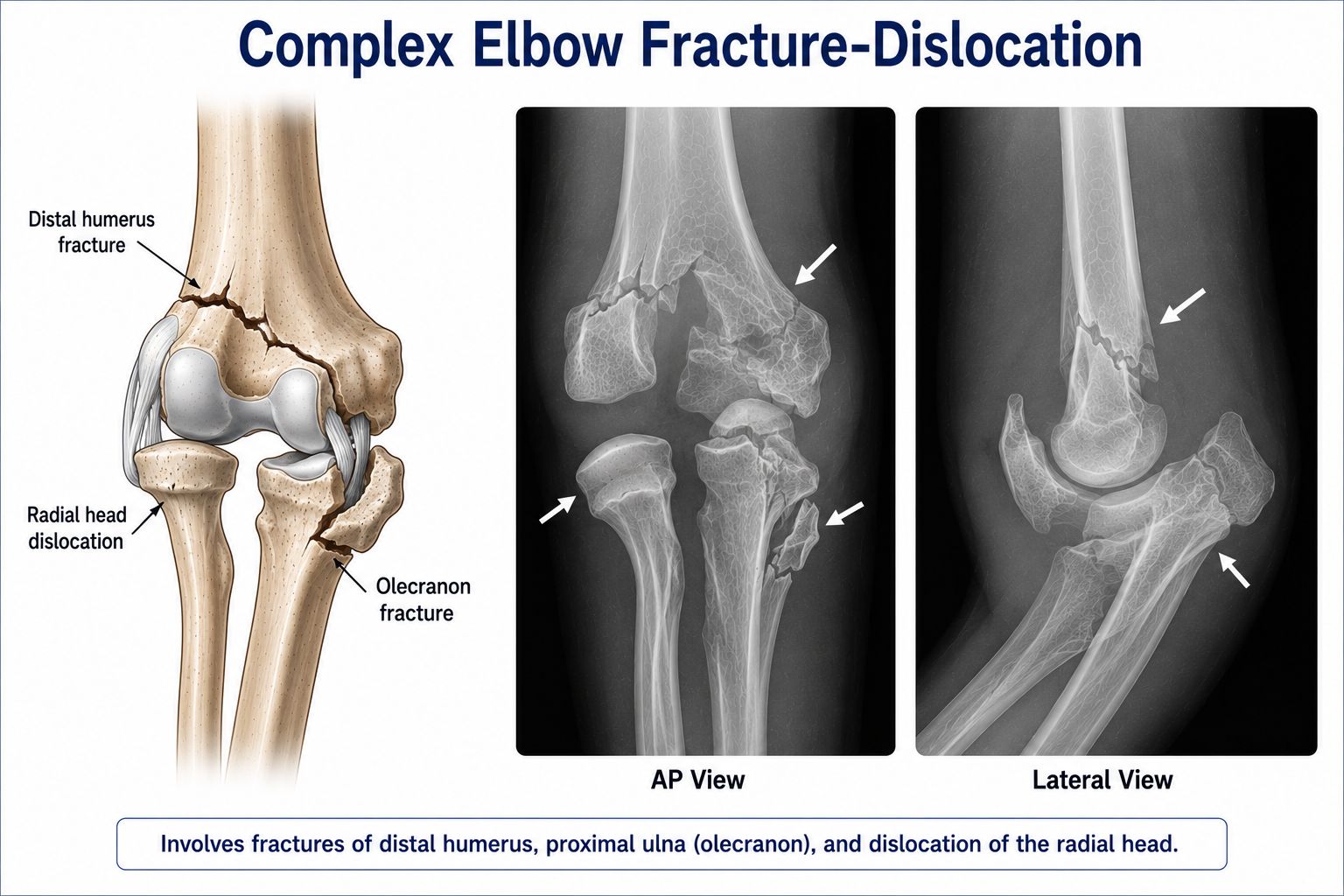
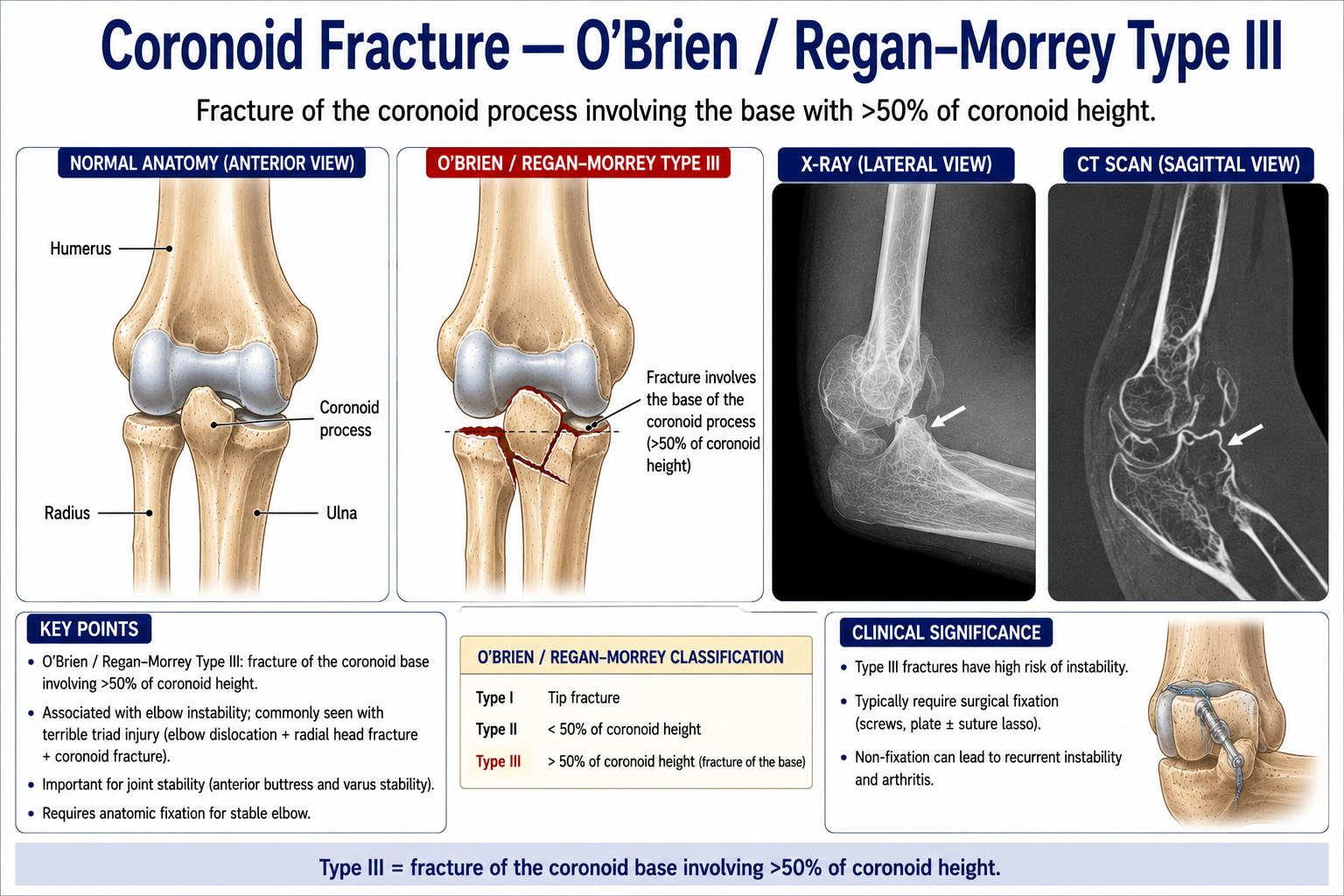
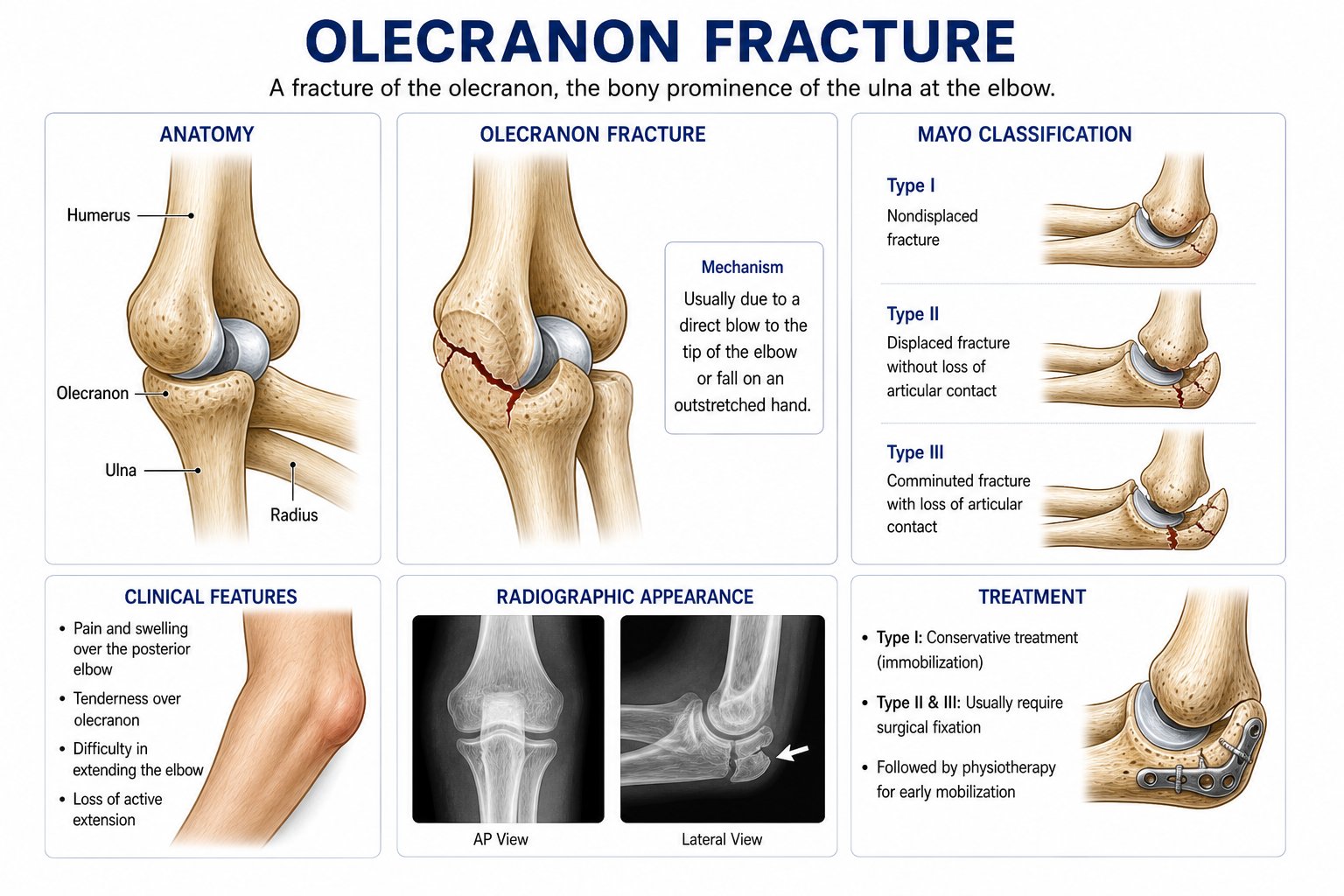
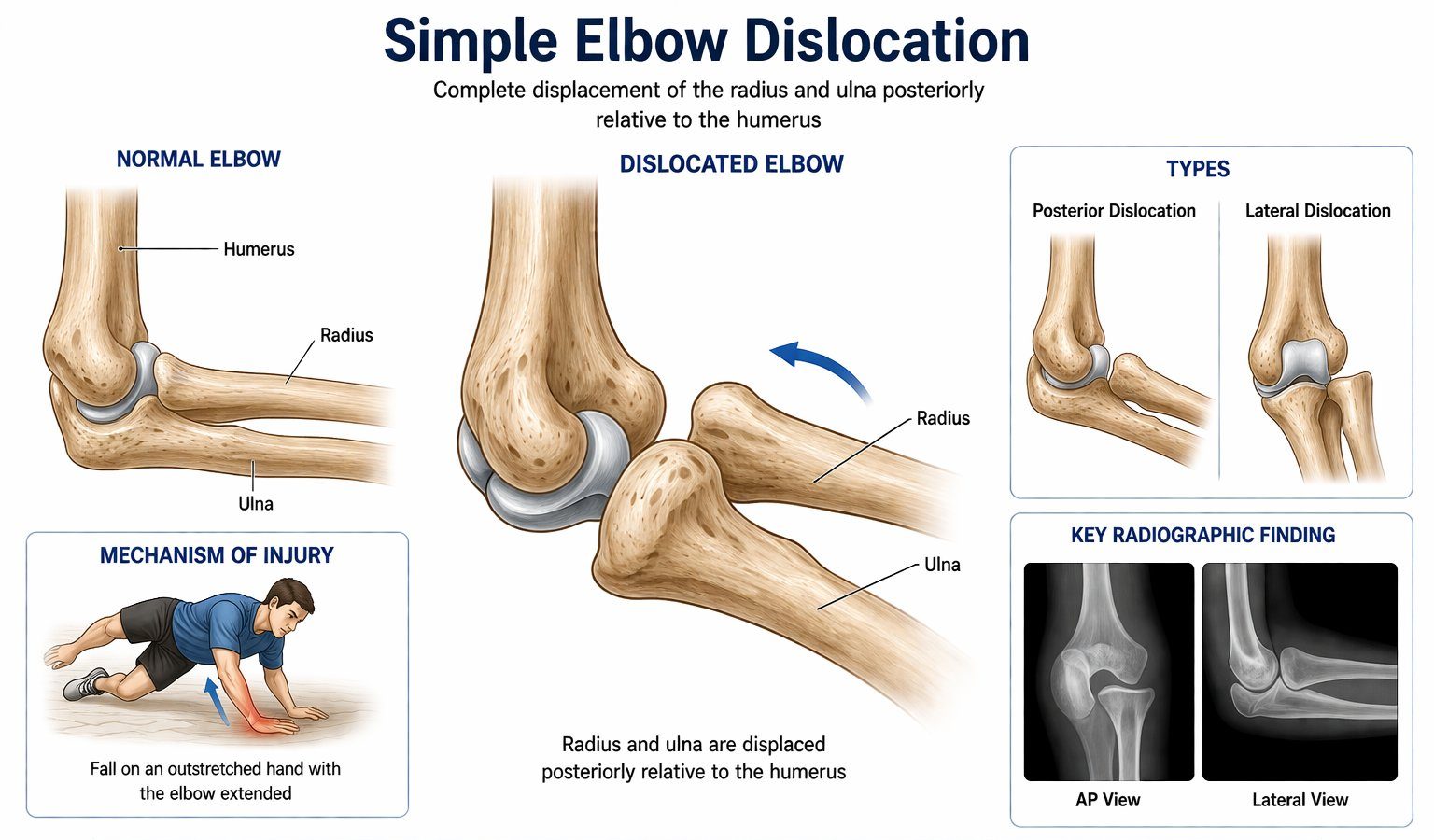
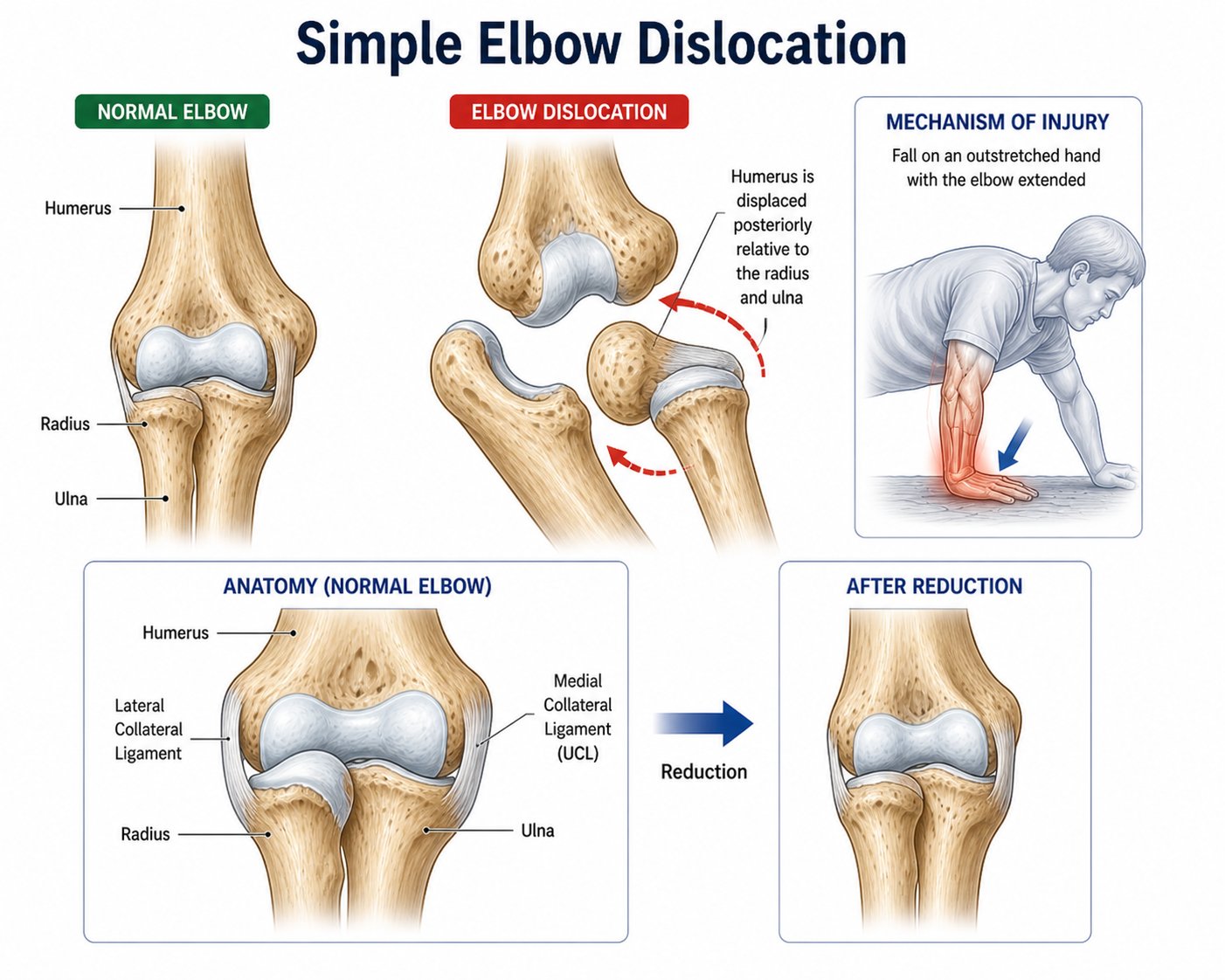
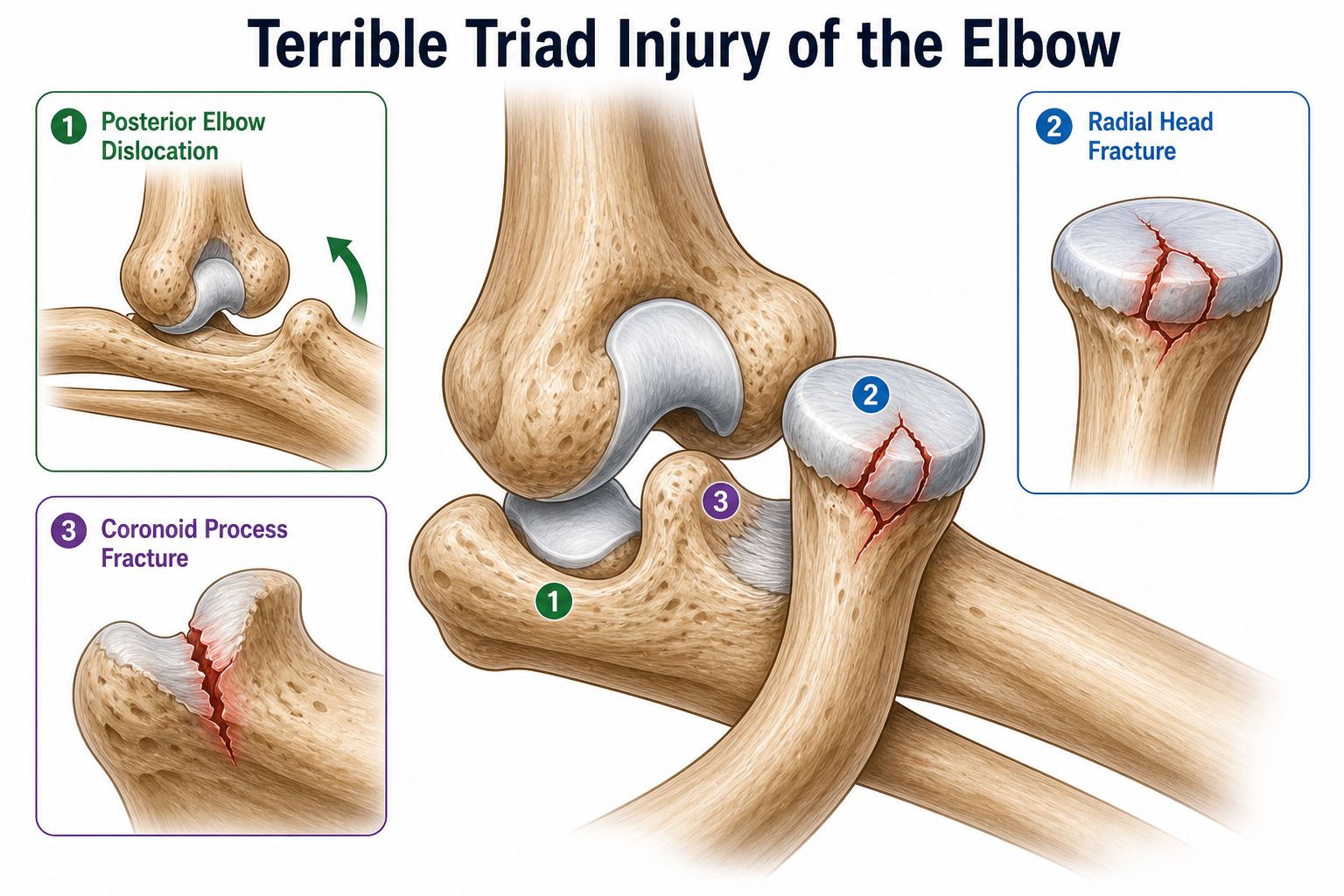
The ‘terrible triad’ involves three simultaneous injuries: elbow dislocation (posterior or posterolateral), radial head fracture, and coronoid process fracture. It is called the ‘terrible triad’ because historically the outcomes were very poor — high rates of recurrent instability, post-traumatic arthritis, and chronic disability when managed non-operatively or with inadequate surgery.
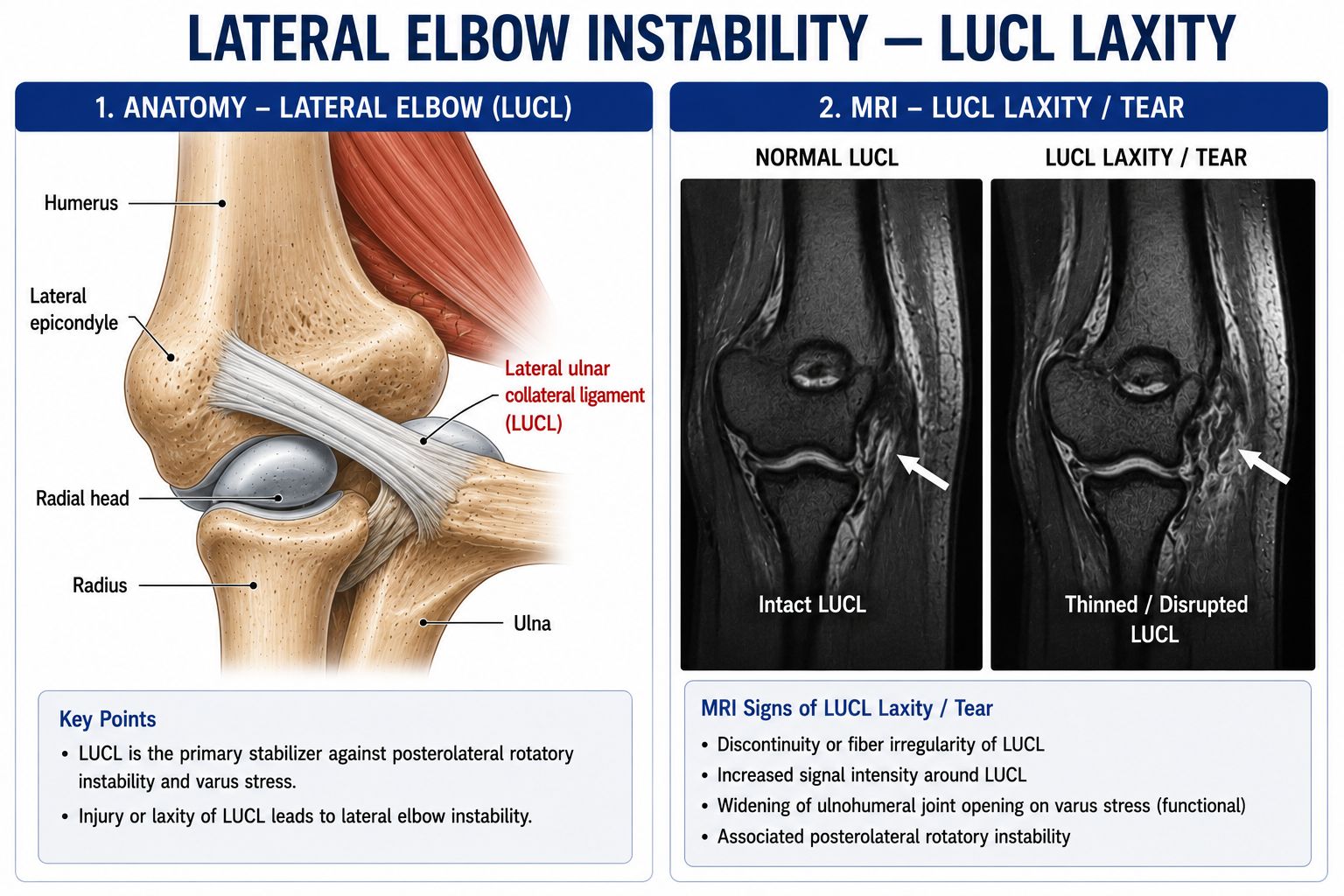
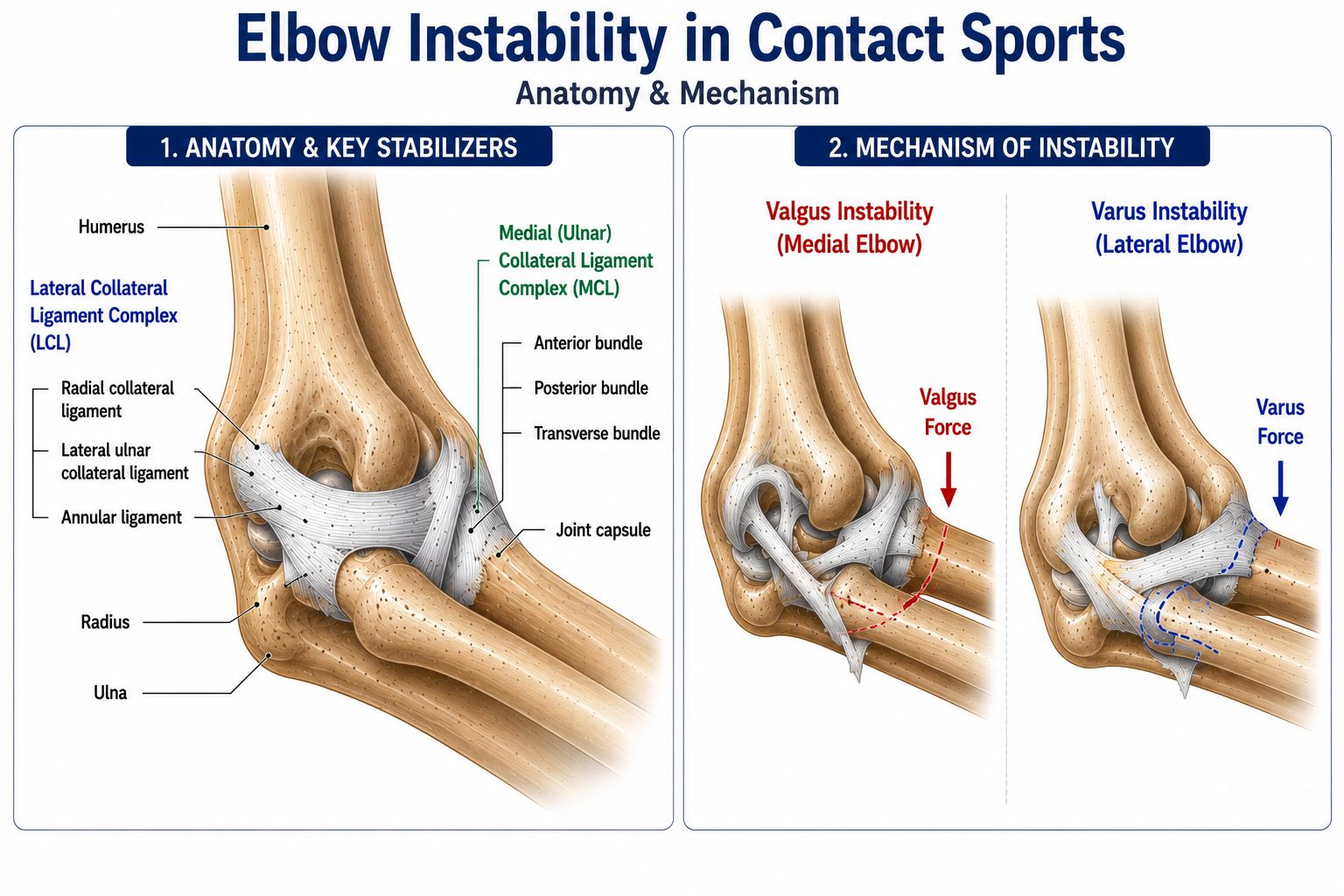
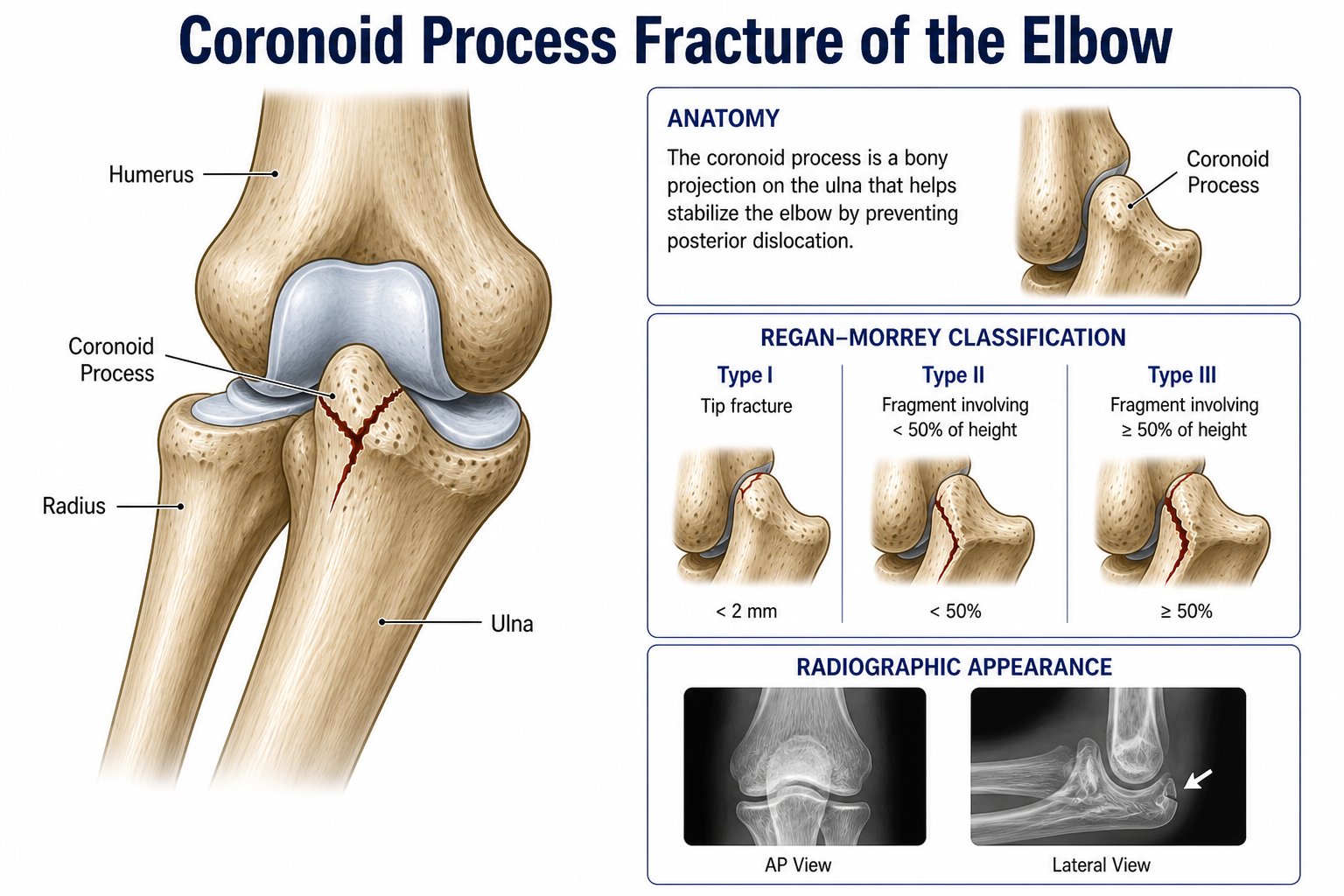
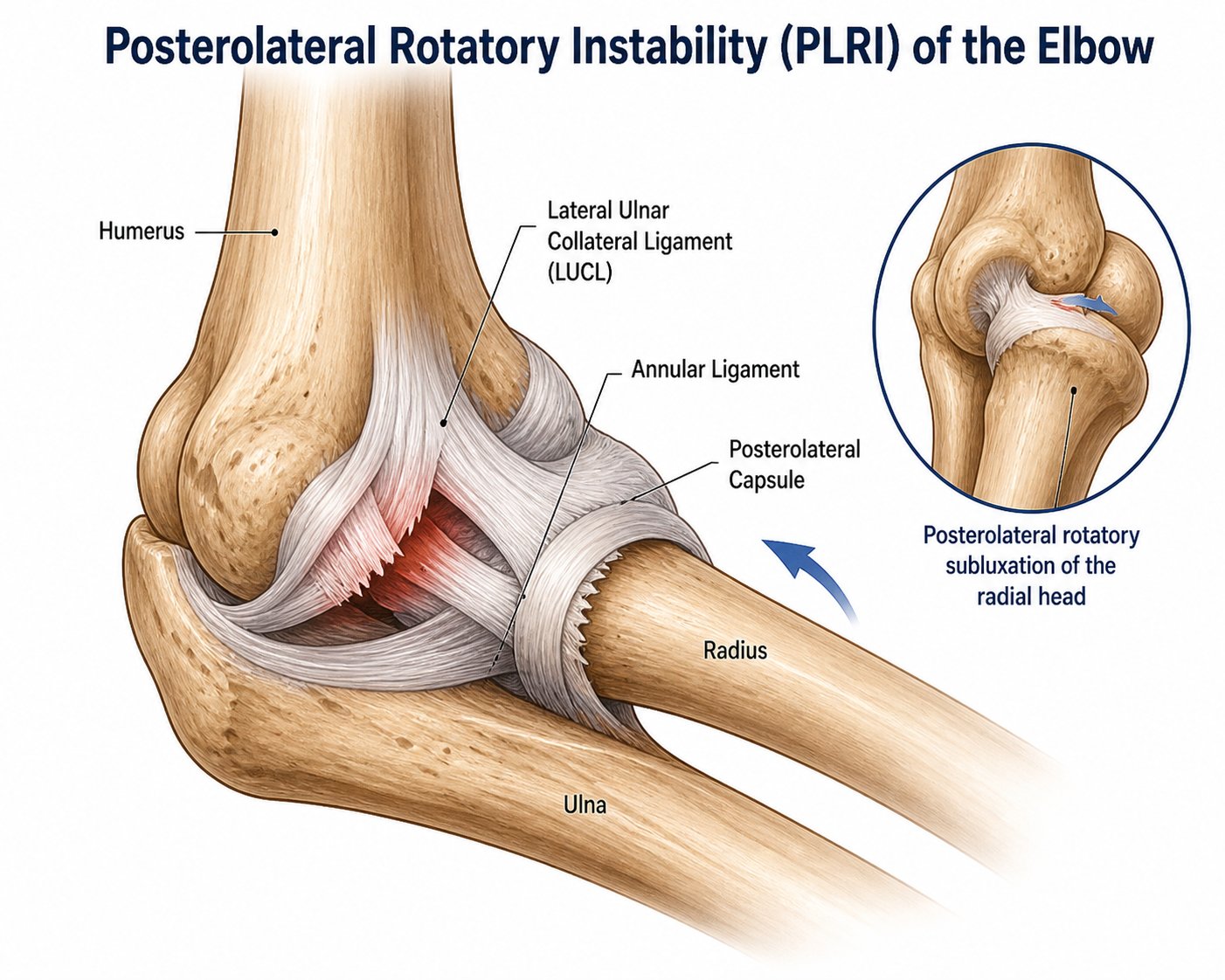
The three components work together to destabilise the elbow: the coronoid fracture removes the bony buttress against posterior subluxation; the radial head fracture removes lateral column support; and the dislocation disrupts the collateral ligaments. Together these leave the elbow with no effective stabiliser — it will redislocate without systematic surgical repair.
Modern management following the O’Brien systematic repair sequence has dramatically improved outcomes. The key principle is to repair each structure in a defined sequence, checking stability after each step and proceeding to the next repair only if instability persists.
Quick Facts | Details |
Also Known As | Elbow Terrible Triad, Complex Elbow Fracture-Dislocation, O’Brien Triad |
Affected Area | Elbow joint: posterior dislocation + coronoid fracture + radial head fracture + LCL disruption; may include MCL injury |
Who It Affects | Adults of any age; typically from a fall onto an outstretched arm; accounts for 3–5% of all elbow injuries; significant disability if inadequately treated |
Prevalence | Less common than simple dislocation but very high rate of recurrent instability and poor outcome without systematic surgical approach; the most complex acute elbow injury pattern |
Treatment | Systematic surgical reconstruction: coronoid ORIF → radial head ORIF or replacement → LCL repair → stability check → MCL/UCL if still unstable → hinged external fixator if residually unstable |
Causes & Risk Factors
- Fall onto an outstretched hand — most common mechanism; axial load combined with valgus and supination forces
- Road traffic accidents — dashboard injuries, motorcycle falls
- Contact sports — tackle injuries with forced arm extension
- The three injuries co-occur because the dislocation force that tears the LCL also creates the radial head fracture through valgus force, and posterior translation impinges against the coronoid
- Age-related: in the elderly, lower-energy falls are sufficient due to osteoporosis
Symptoms
- Acute severe elbow pain — immediately following the injury event
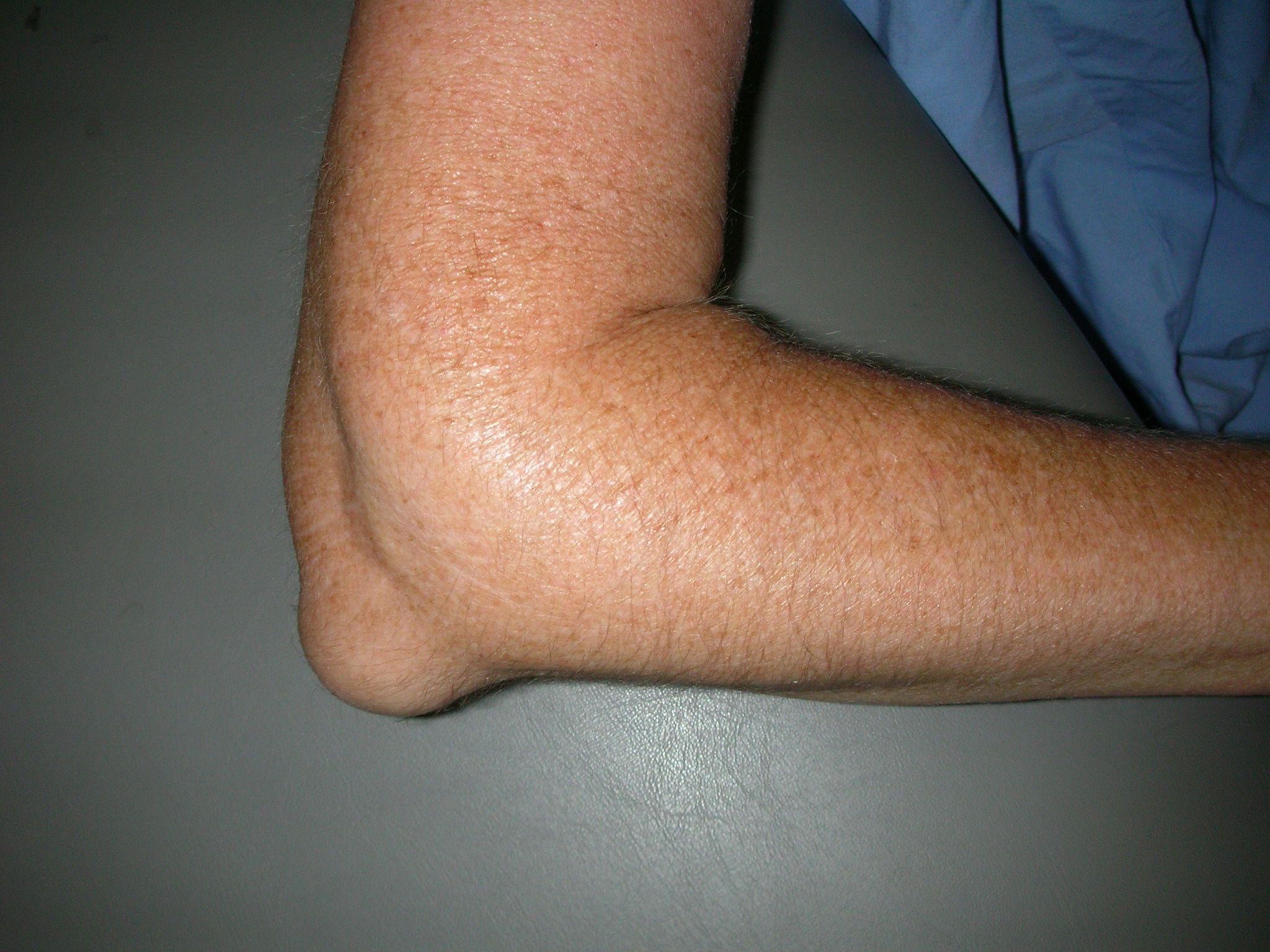
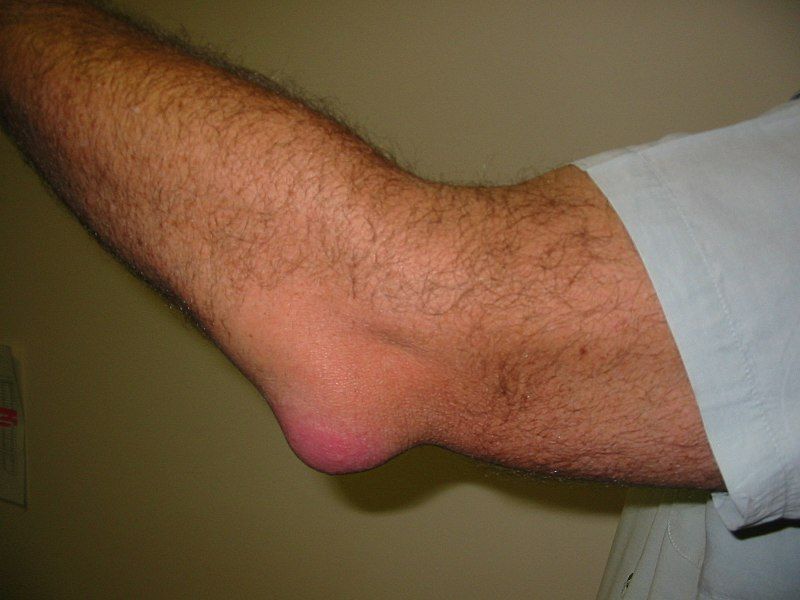
- Visible deformity — elbow appears shortened and posteriorly angulated; patient supports the forearm with the other hand
- Inability to move the elbow — locked in 30–60° flexion
- Rapid swelling and bruising extending along the forearm
- Neurovascular compromise — check AIN function (thumb IP flexion), PIN (finger extension), median and ulnar nerve sensation, radial pulse
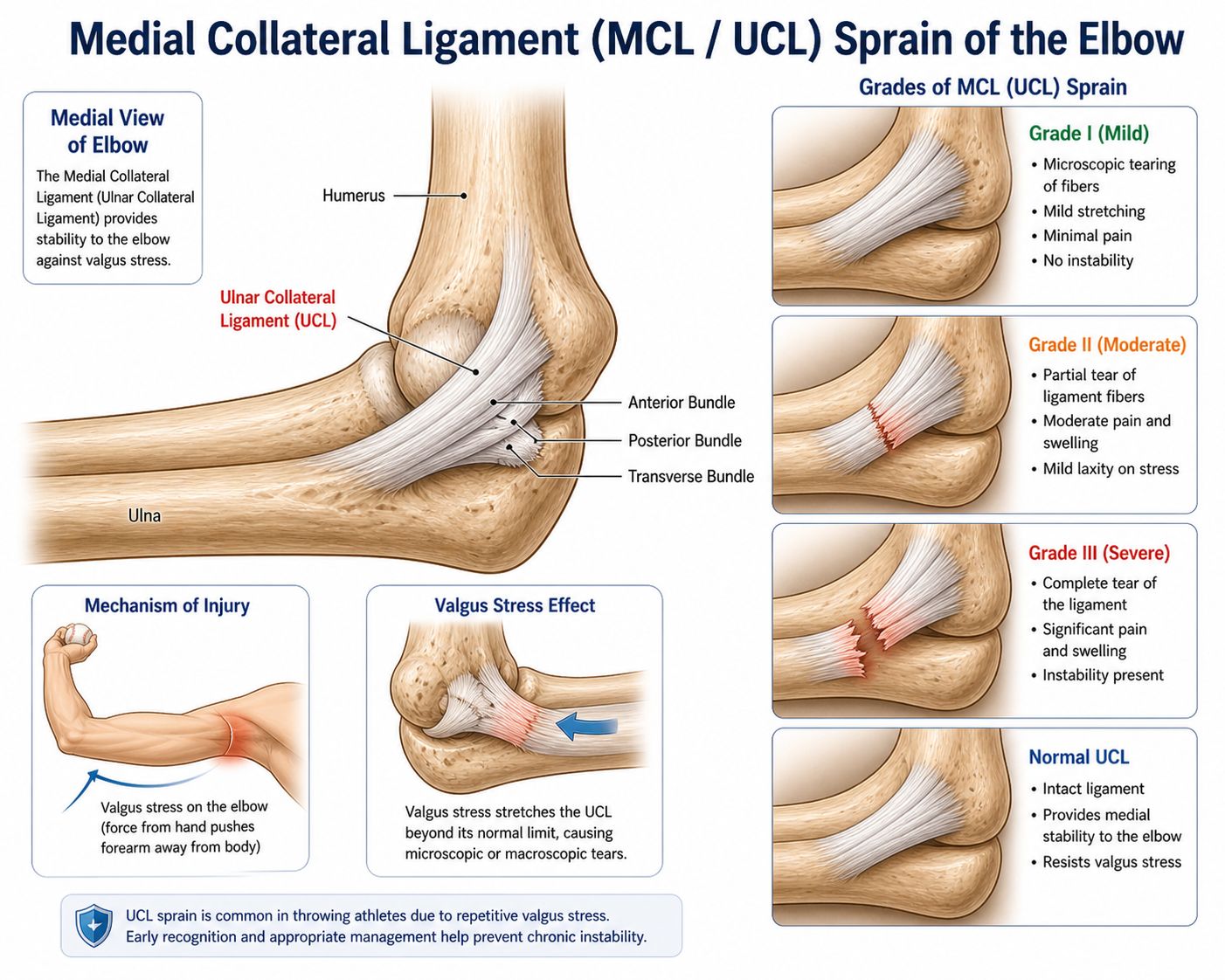
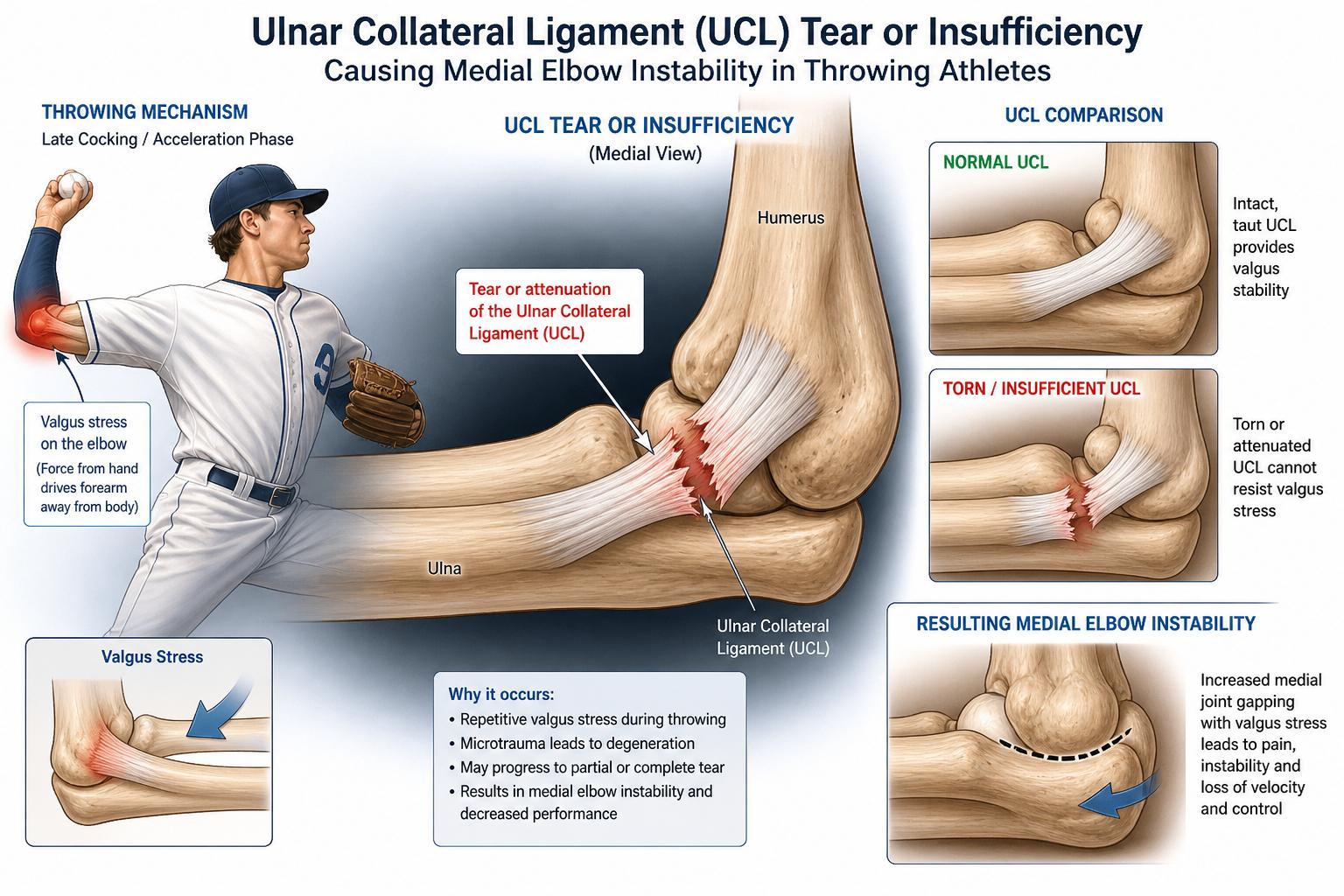
- Medial ecchymosis — indicates UCL disruption and associated medial column injury
How is it Diagnosed?
- Clinical examination — assess neurovascular status urgently; document AIN, PIN, ulnar, and median nerve function and radial pulse
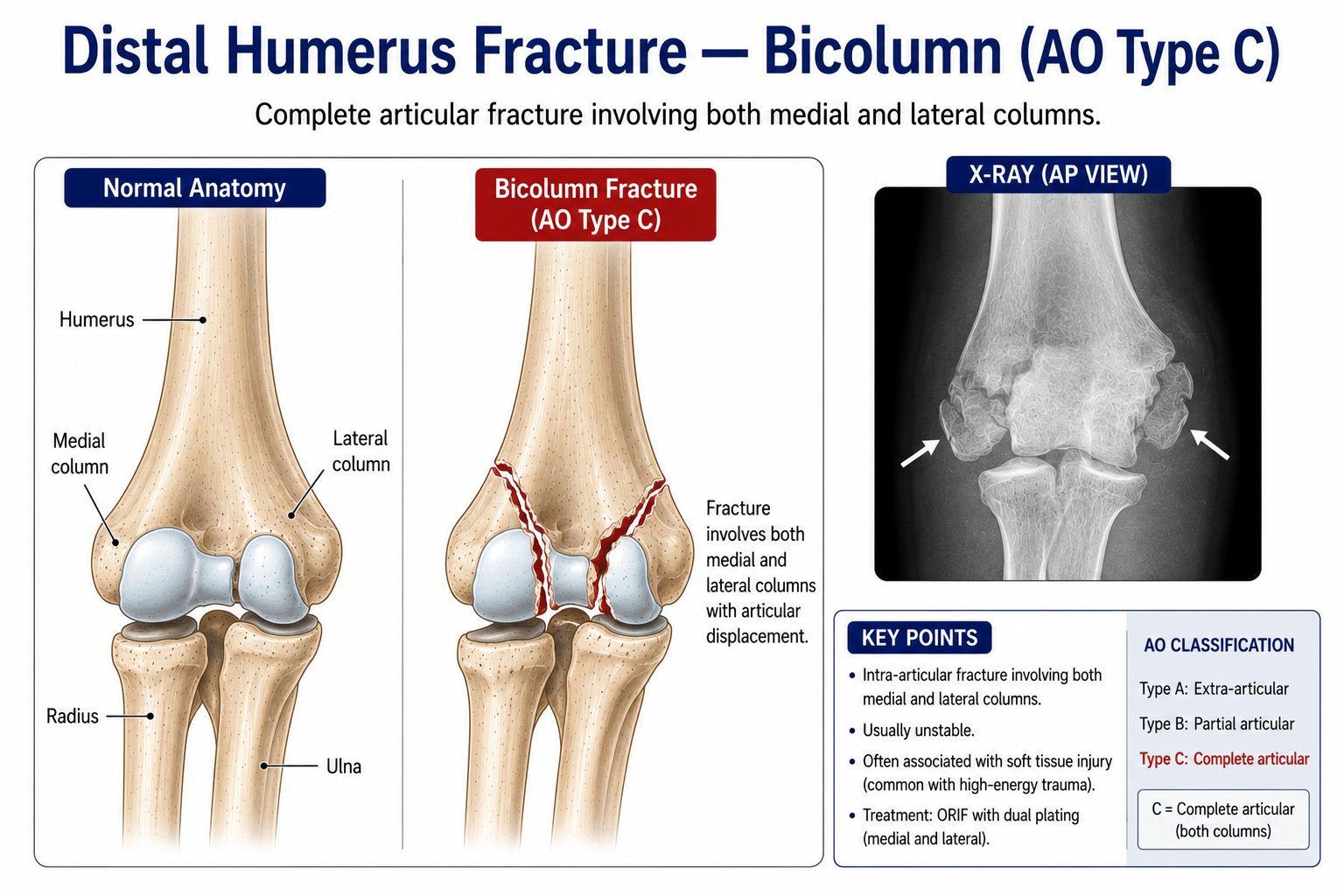
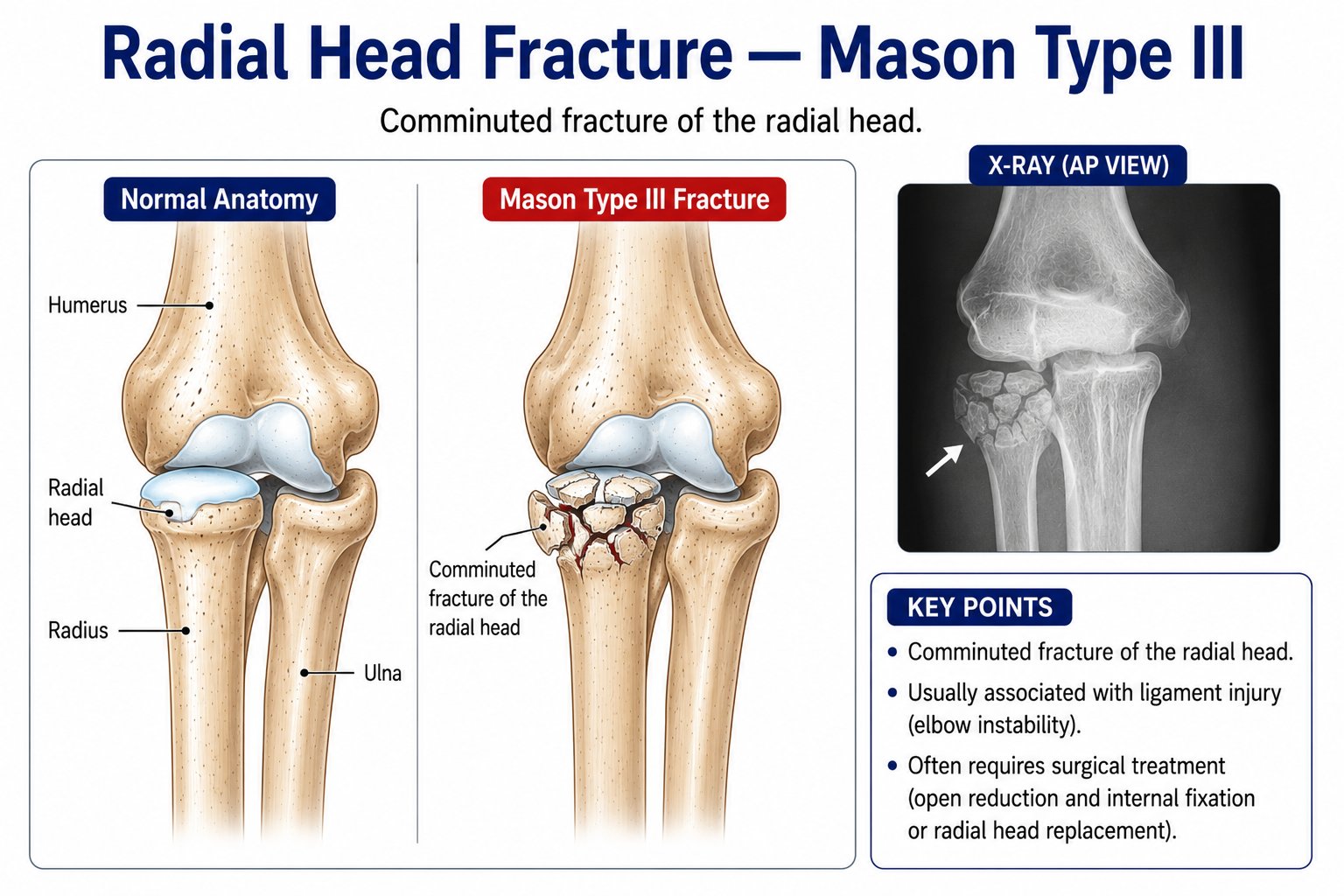
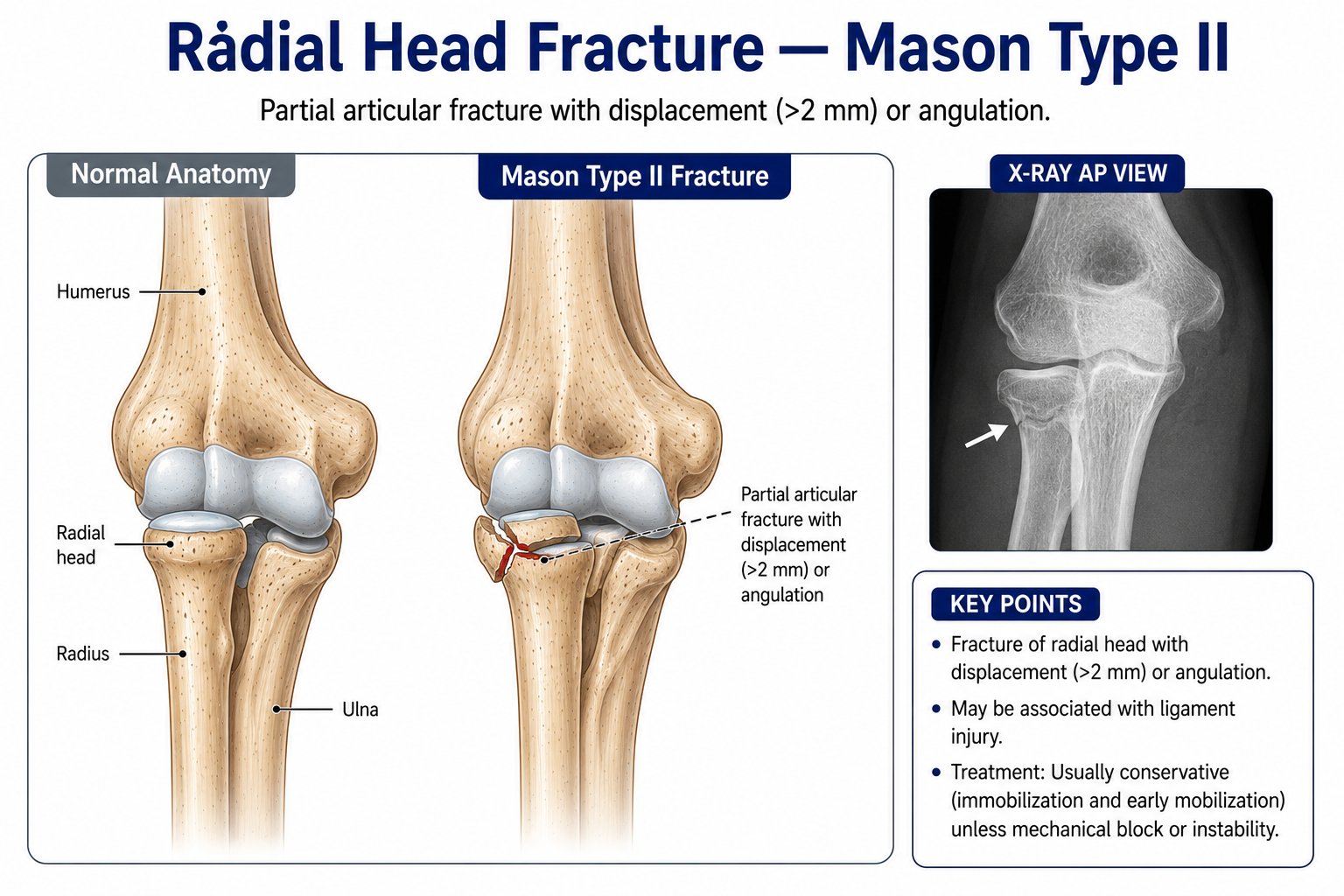
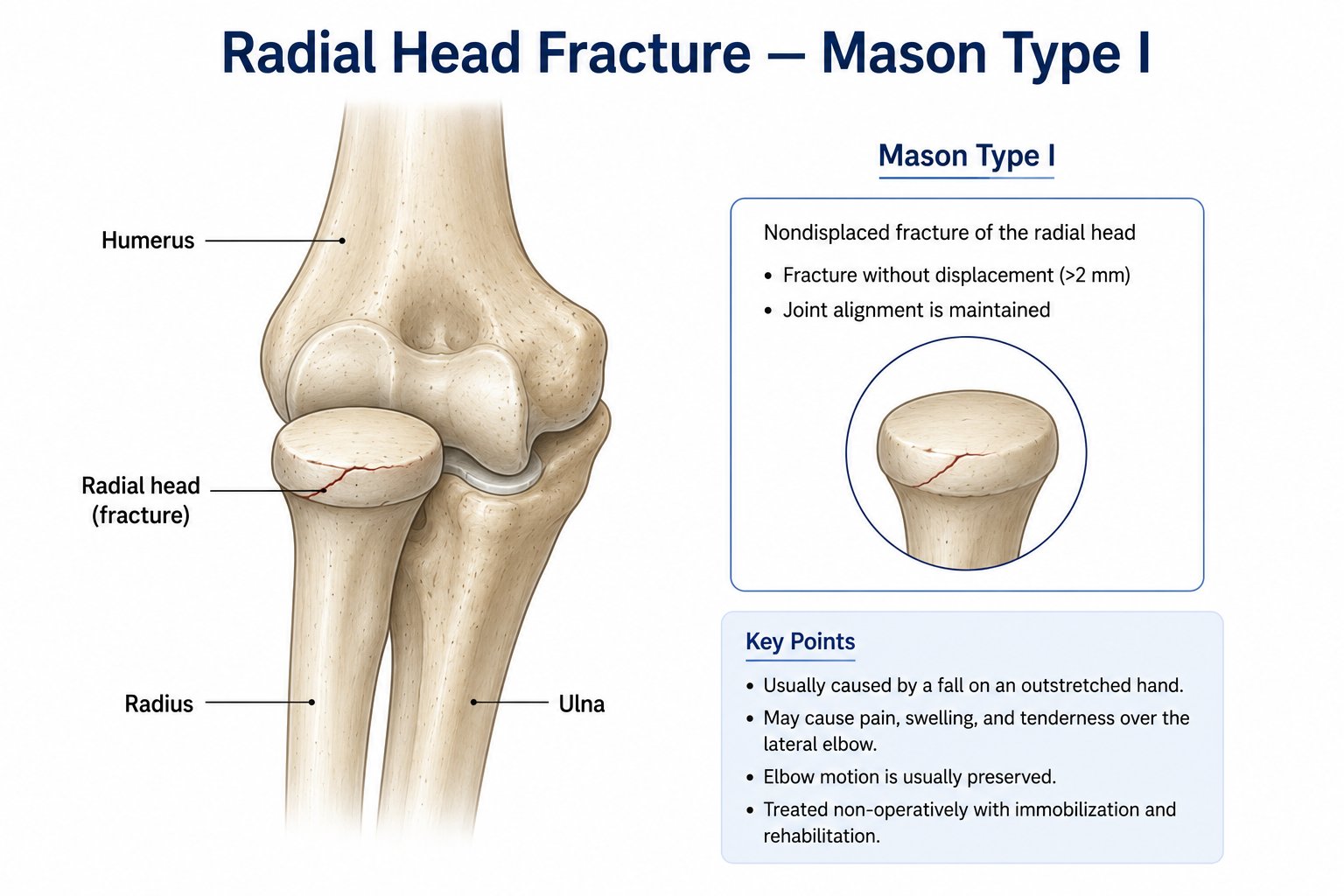
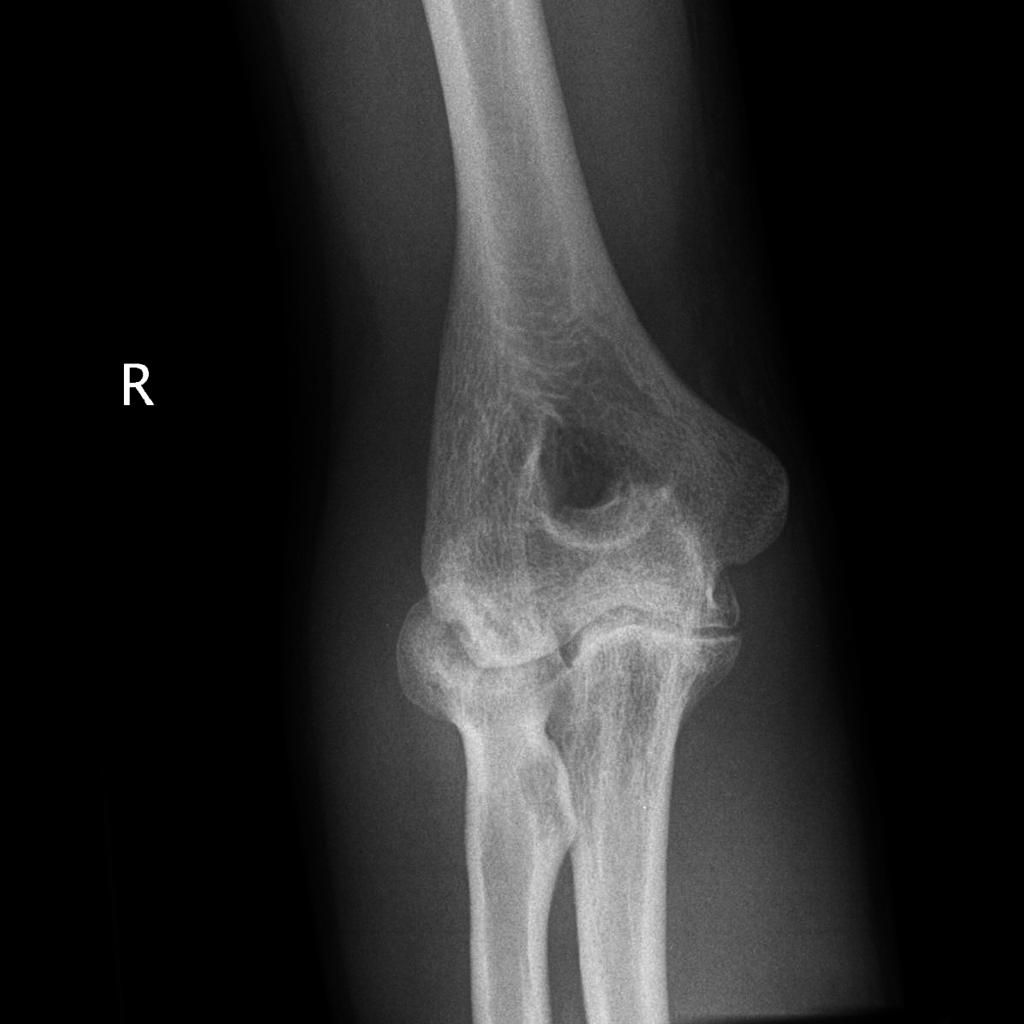
- Plain X-rays (AP + lateral) — confirms dislocation, radial head fracture (Mason type), coronoid fracture (Regan-Morrey or O’Brien type)
- CT scan — MANDATORY; 3D reconstruction defines coronoid fracture pattern, radial head fracture morphology, and any concurrent chondral injury
- MRI — usually deferred; useful post-reduction to assess LCL and UCL injury extent for operative planning
Treatment Options
Treatment Type | Details |
Emergency Reduction | Immediate closed reduction under sedation; check post-reduction X-ray for concentricity; assess range of stable movement; surgical planning begins immediately |
ORIF Coronoid (Step 1) | Fix the coronoid first: Type II and III fractures via medial or anterior approach; suture-lasso for small anteromedial facet fragments; screw fixation for larger fragments; the most critical structure for stability |
Radial Head ORIF or Replacement (Step 2) | ORIF if <3 fragments; Radial Head Replacement (metal modular) if comminuted; NEVER excise without replacement in a terrible triad — this creates complete instability |
LCL Repair (Step 3) | Repair LUCL + RCL back to lateral epicondyle with suture anchors; forearm pronated during repair to correct tension |
Stability Check | After LCL repair: fluoroscopic assessment through full arc; if stable 0–130°: close; if unstable at <90° flexion: repair MCL/UCL via separate medial approach |
Hinged External Fixator | For residual instability despite all ligament repairs; maintains reduction while healing; allows motion; removed at 6 weeks |
Recovery & Rehabilitation
- Post-op: splint at 90° for 48 hours; hinged brace 0–130° from day 2–3; physiotherapy immediately
- ROM: full ROM targeted by 6 weeks; forearm rotation from day 1 post-op
- Strengthening: begins at 6 weeks; progressive resistance from week 12
- Return to work: light work 6–8 weeks; manual work 3–4 months
- Outcomes: 75–85% achieve good to excellent function with systematic repair; key predictors are quality of coronoid fixation and LCL repair
Why choose Dr Senthilvelan?
Terrible triad injuries require a surgeon familiar with the systematic O’Brien repair sequence and experienced in coronoid fixation, radial head replacement, and LCL repair. Dr Senthilvelan has comprehensive training in complex elbow fracture-dislocation surgery from his UK fellowship and performs all components of the terrible triad repair — often in a single operative setting.
Frequently Asked Questions
1. Why is it called the 'terrible triad' — is it always a serious injury?
The ‘terrible triad’ acquired its name from historically poor outcomes before systematic surgical repair protocols were developed. Without appropriate treatment, the elbow redislocates or remains chronically unstable, leading to severe post-traumatic arthritis. With modern systematic surgical repair, outcomes have dramatically improved — most patients achieve a stable, functional elbow. It remains serious but is no longer truly ‘terrible’ in prognosis with expert management.
2. Why is it so important to fix the radial head rather than just remove it?
The radial head is a critical lateral column stabiliser. In the context of a terrible triad — where the coronoid fracture and LCL disruption have already removed two other stabilisers — excising the radial head without replacement leaves the elbow with no effective stabiliser at all. This results in persistent instability, valgus deformity, and progressive radiocapitellar arthritis. In a terrible triad, the radial head must either be repaired or replaced — excision alone is contraindicated.
3. I was told my coronoid fracture is small — does it still need to be fixed?
The decision to fix the coronoid depends not on absolute fragment size but on its role in stability. Even a tip fracture may be significant in a terrible triad where the LCL is also disrupted. Larger coronoid fractures (>50% height) are almost always fixed as they remove the bony buttress preventing posterior subluxation. The systematic approach involves testing elbow stability after each repair step and proceeding only if instability remains.
4. Will I regain full movement after a terrible triad repair?
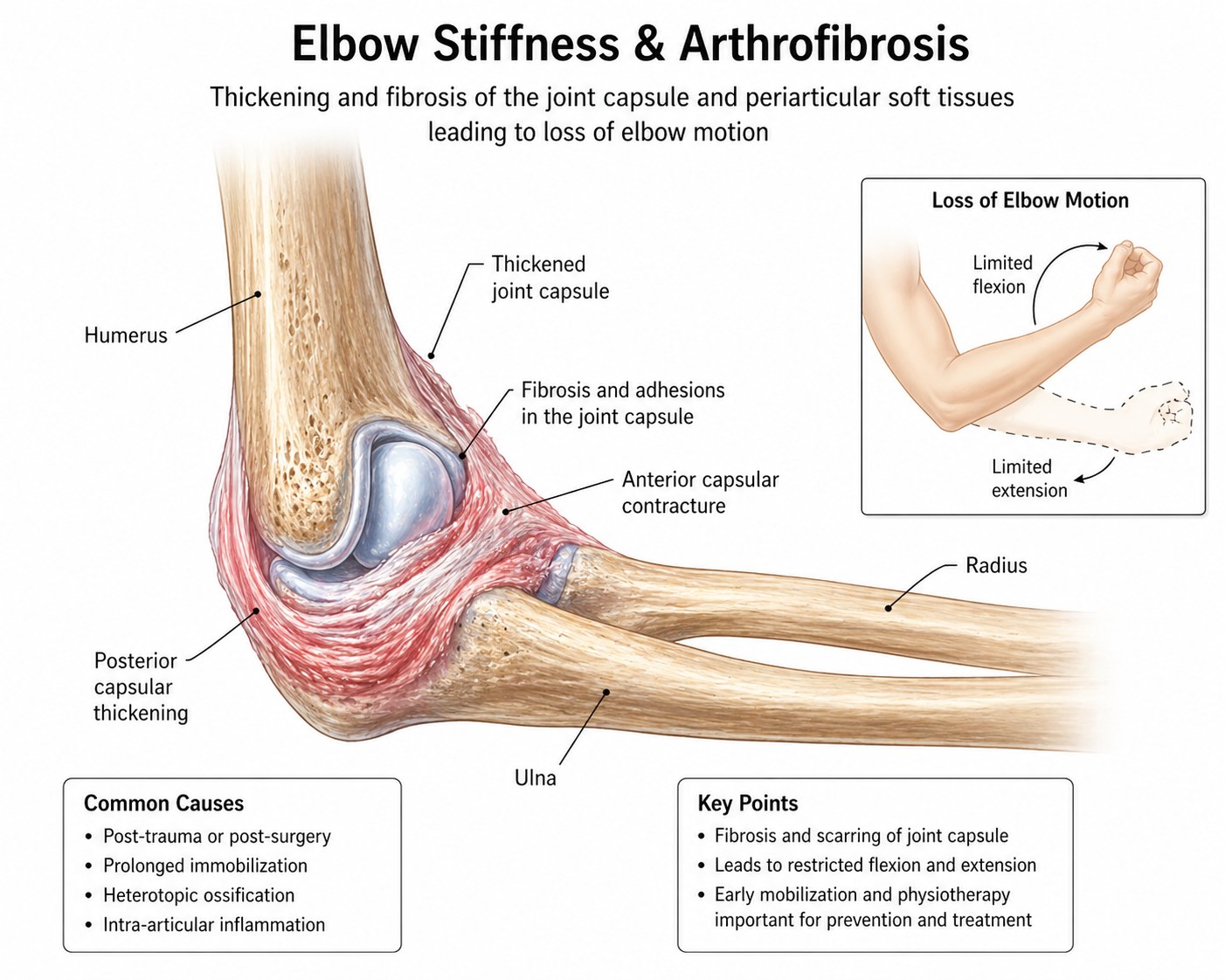
A full arc of motion is the goal but is not always achieved. The majority of patients achieve a functional arc (30–130° flexion-extension). Some extension lag is common. Early, aggressive physiotherapy beginning within days of surgery is critical — elbow stiffness is the most common complication. Patients who comply with post-operative physiotherapy achieve significantly better ROM outcomes.
5. How long will I be off work after a terrible triad repair?
Desk or administrative work can typically be resumed at 4–6 weeks once adequate ROM is regained. Light manual work is possible at 3–4 months. Heavy manual labour and repetitive forearm rotation tasks require 4–6 months of recovery. Each case is assessed individually based on complexity and progress.