Overview
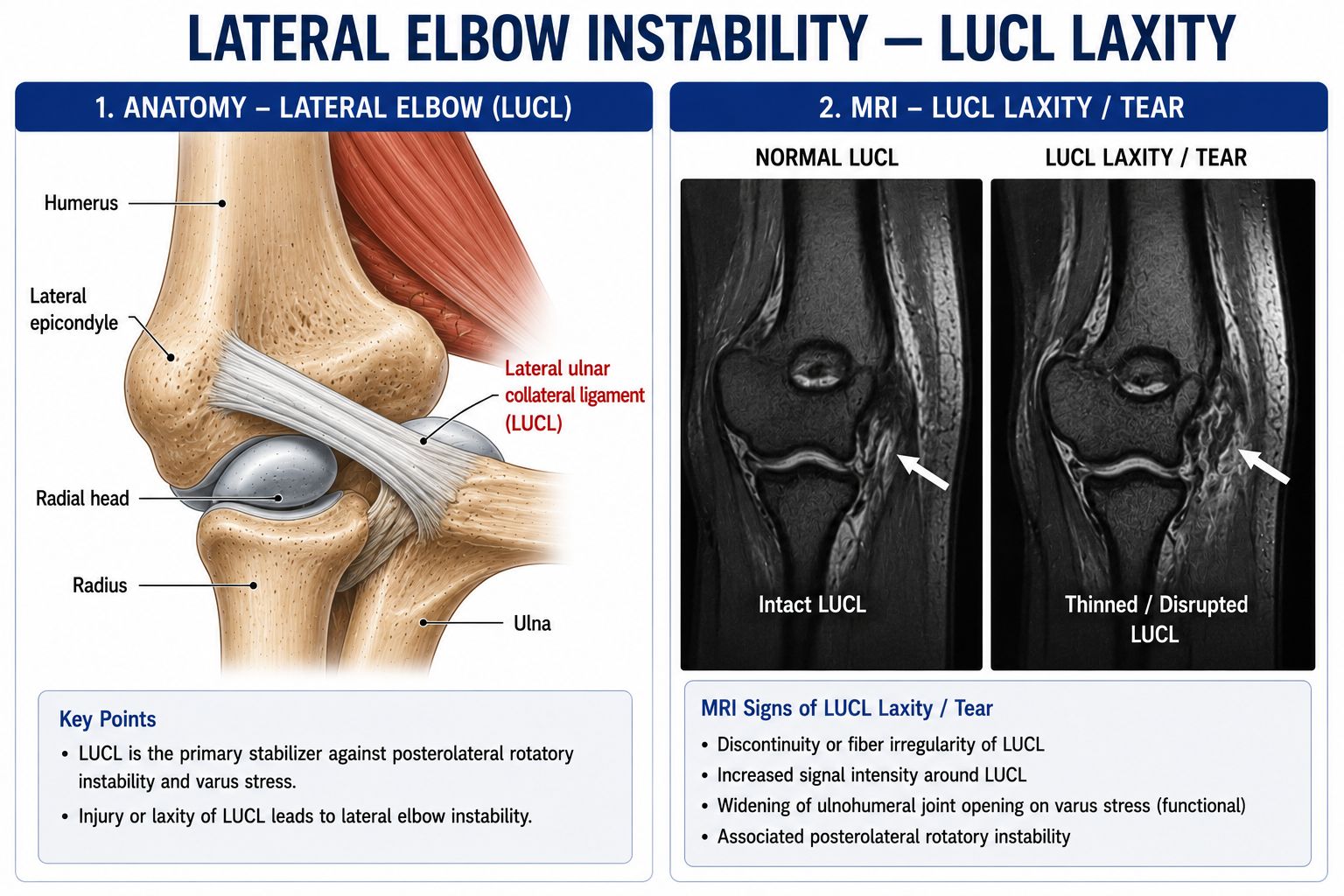
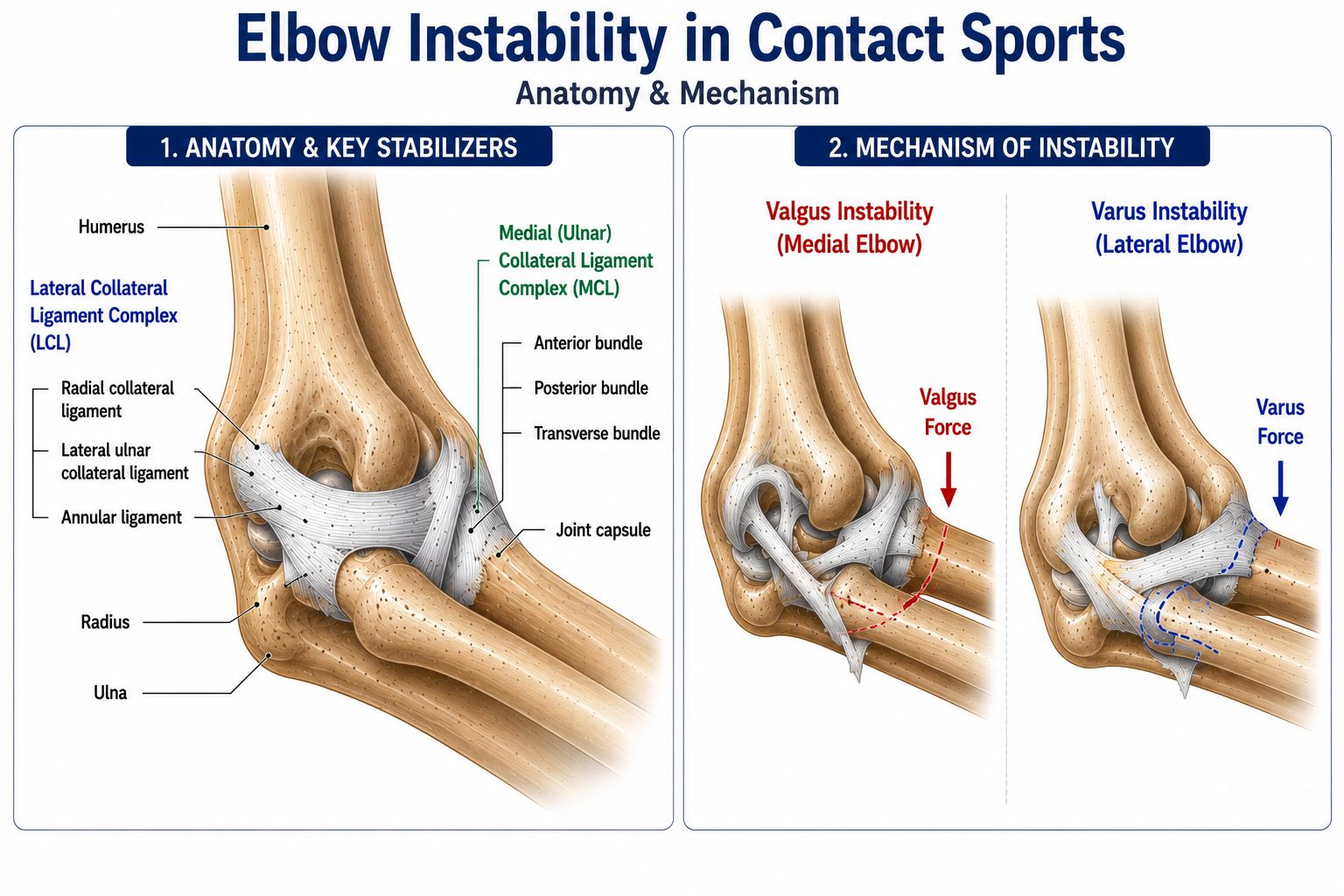
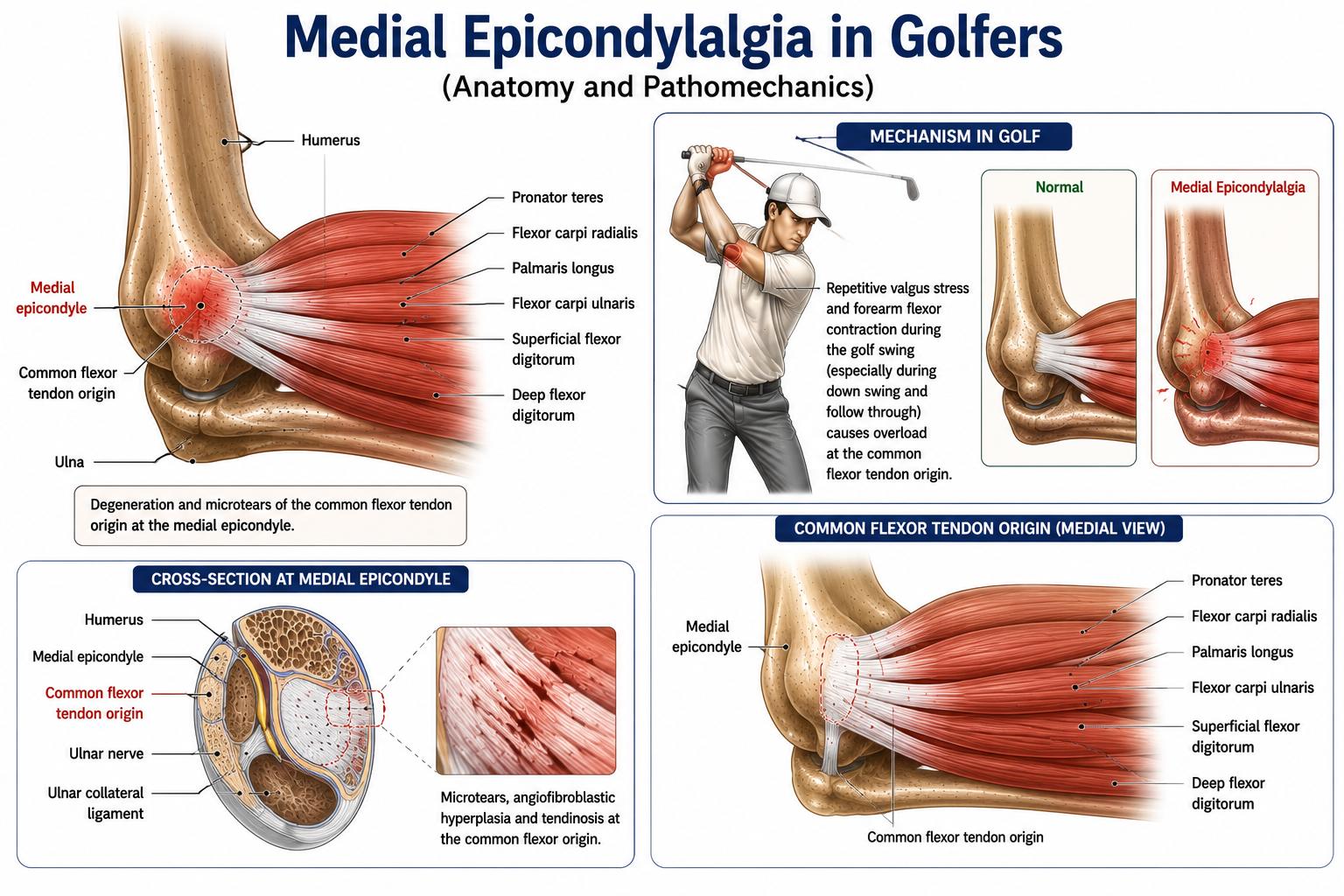
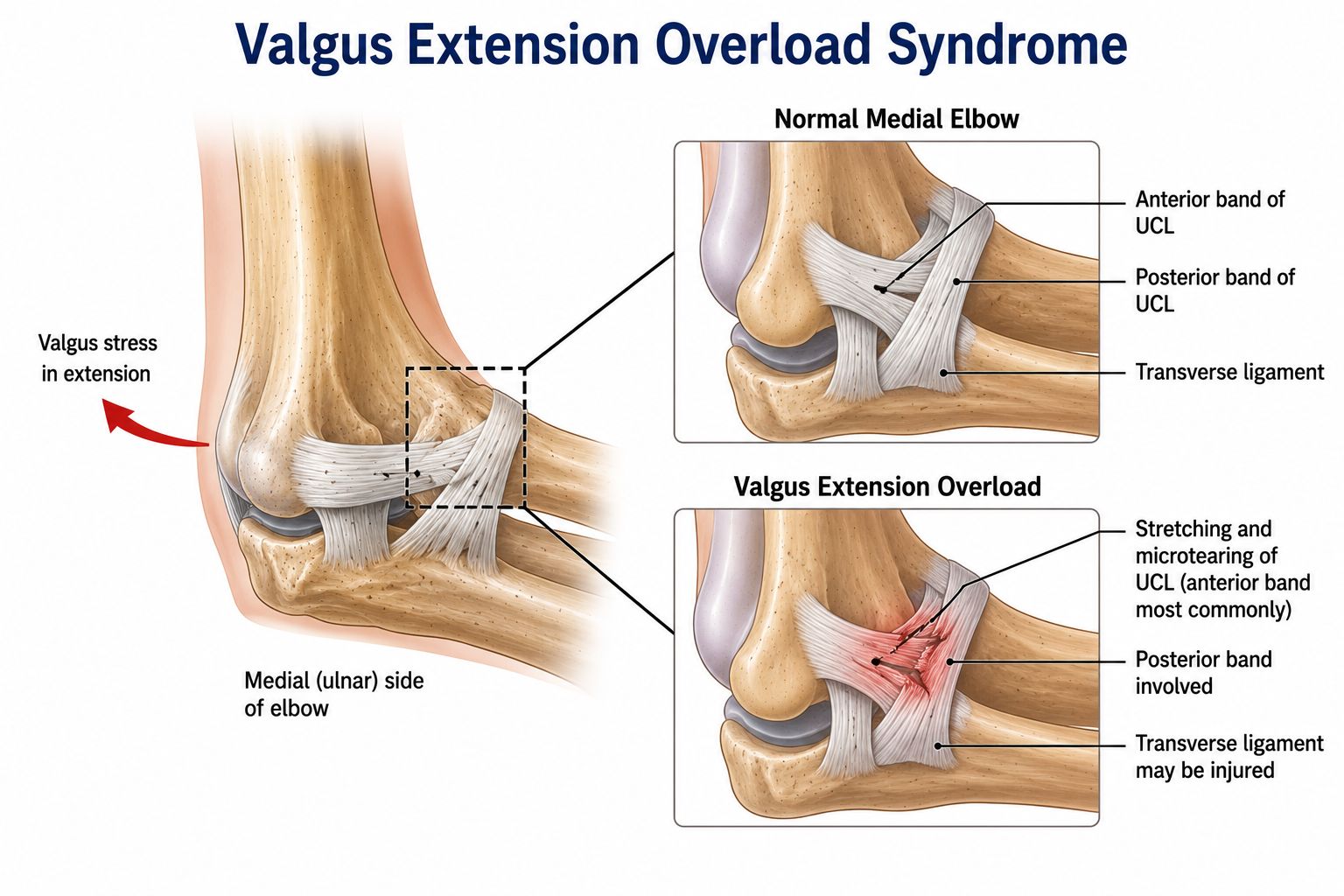
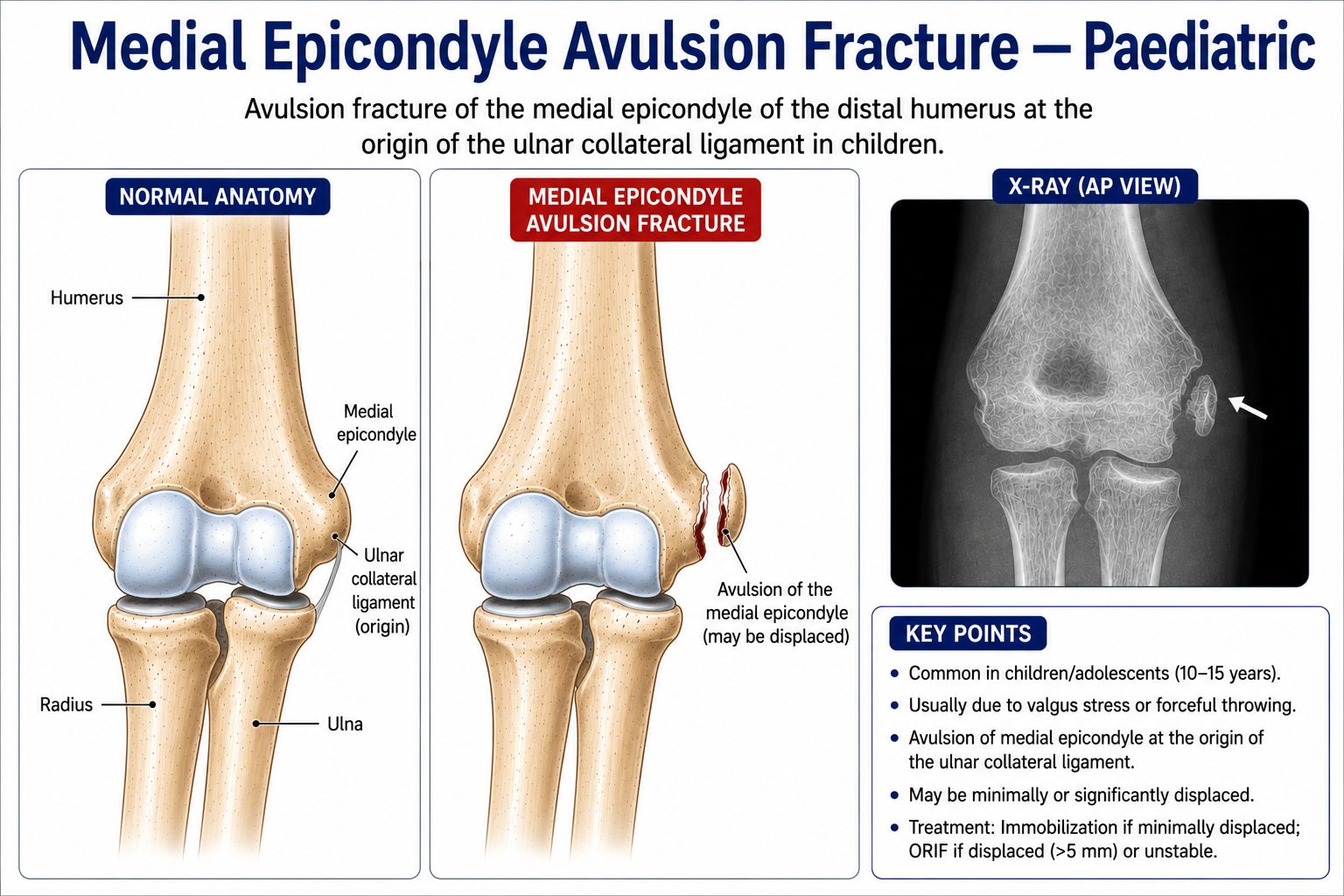
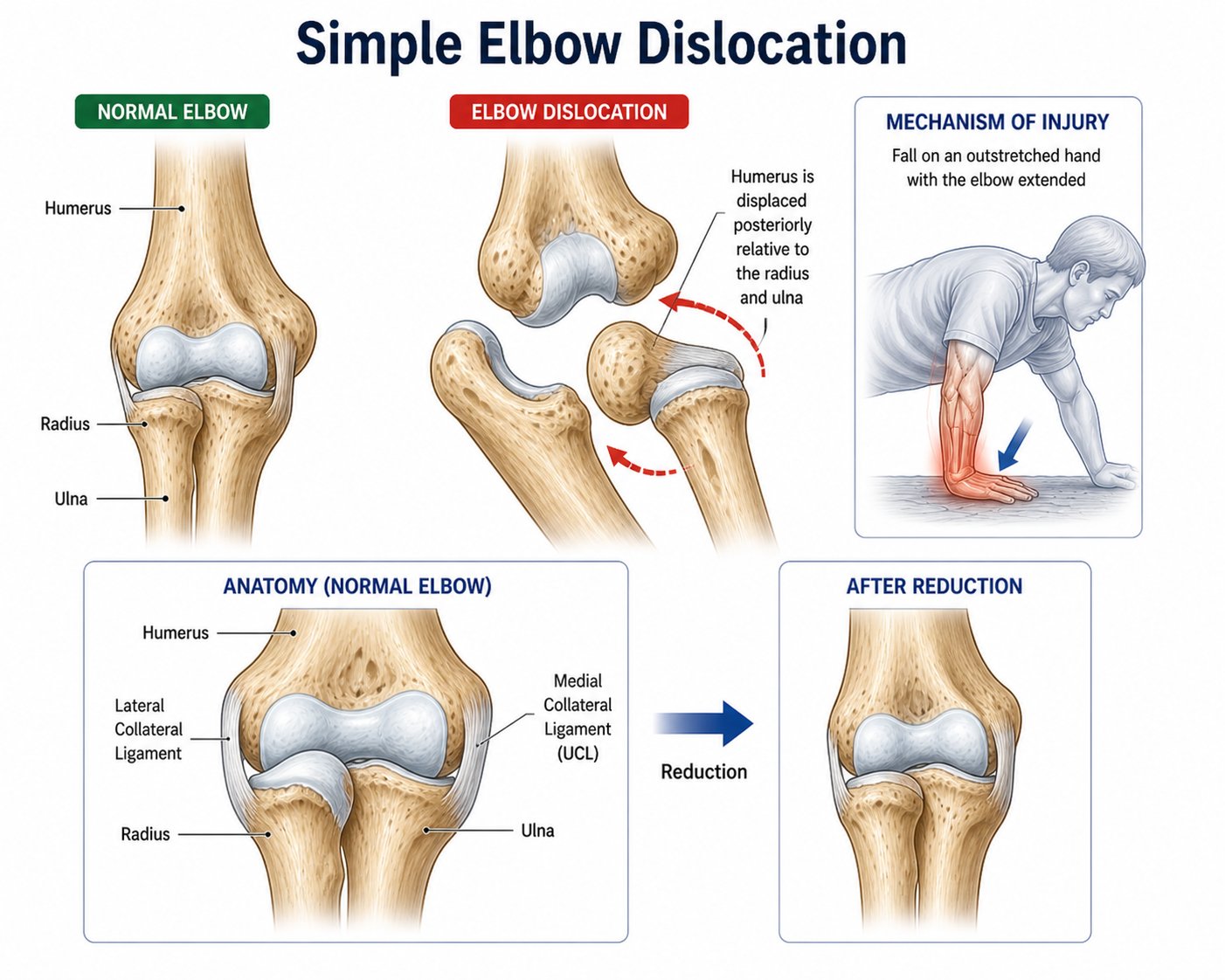
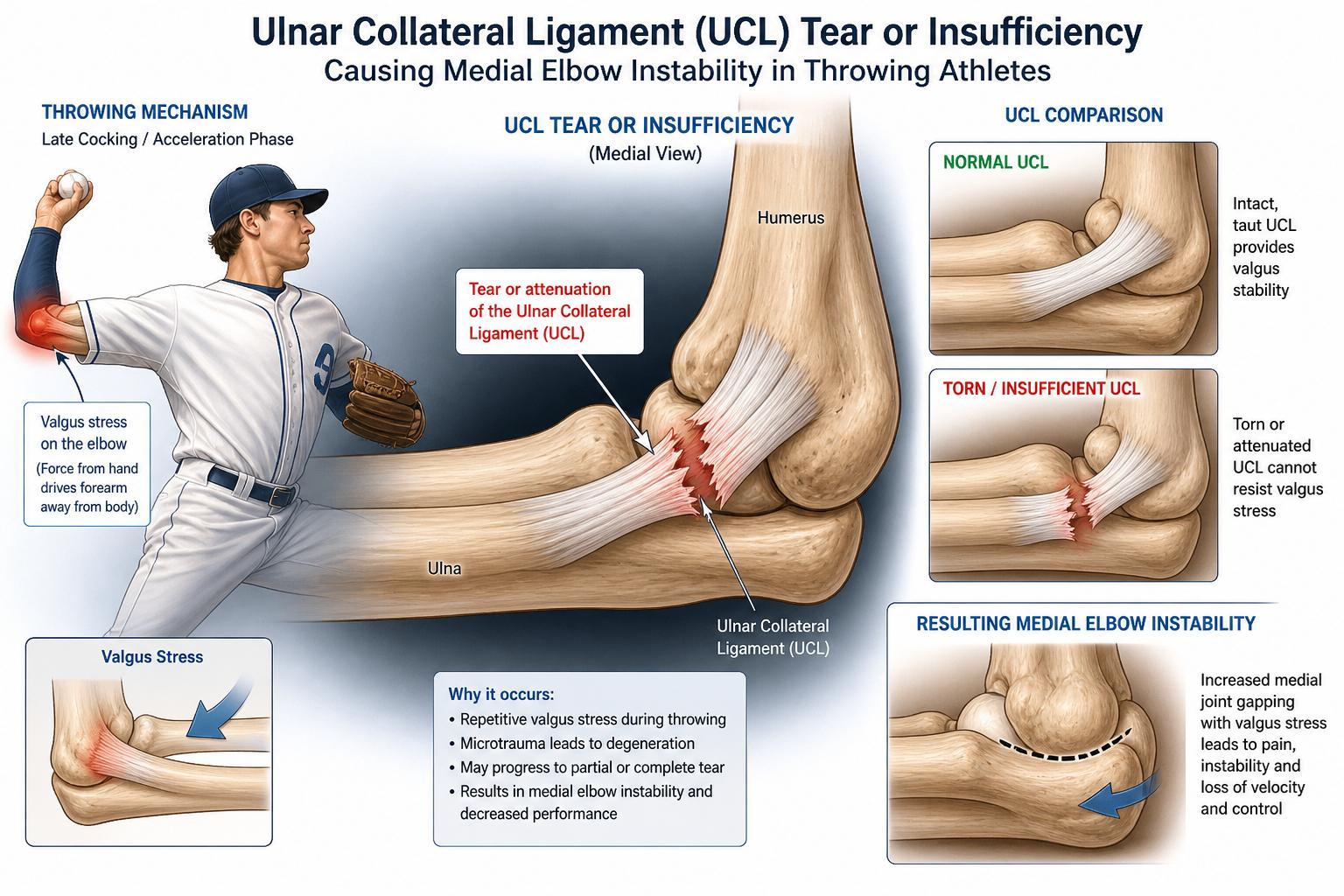
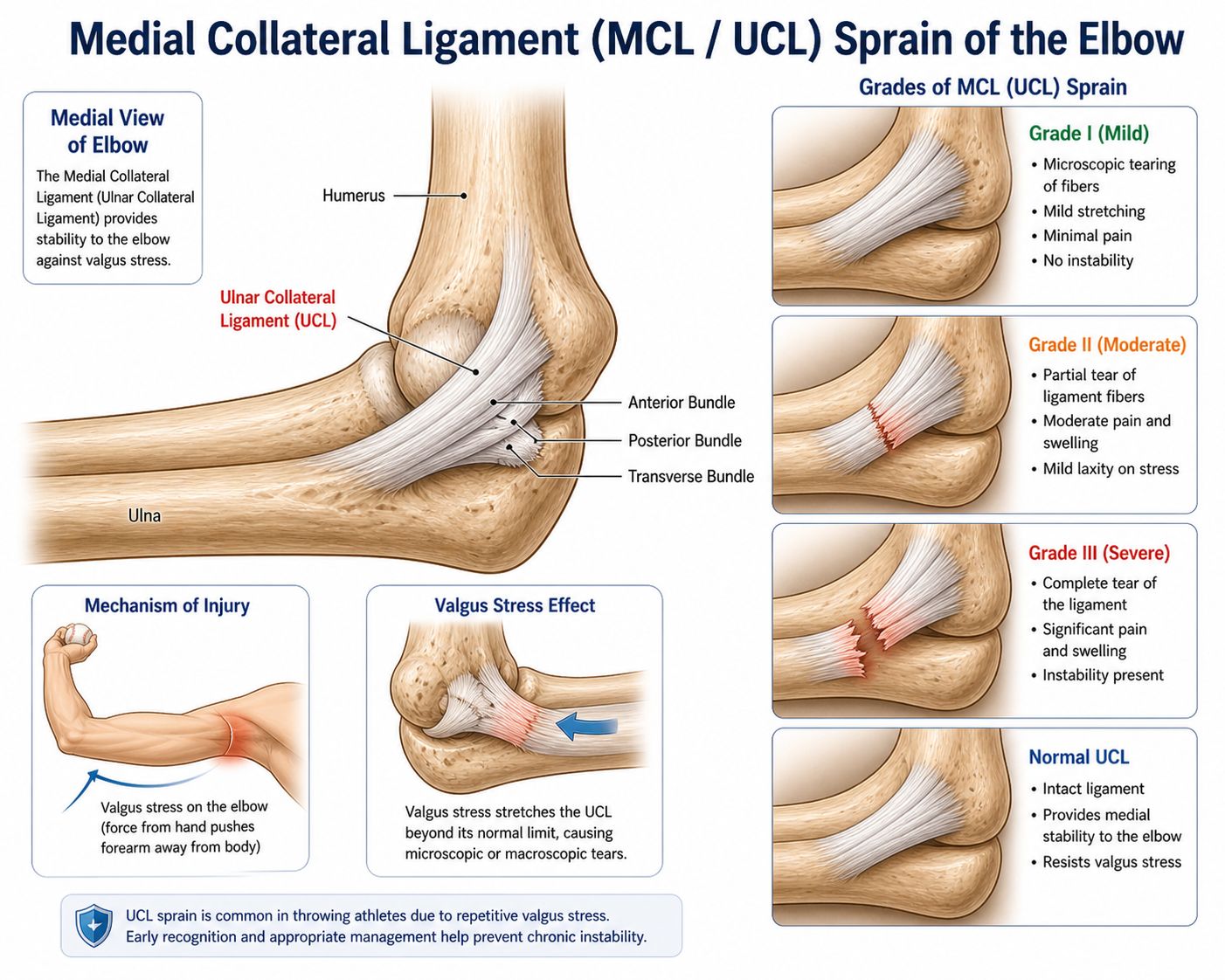
The medial collateral ligament (MCL) of the elbow — also called the UCL — is a triangular ligament complex on the medial side of the elbow. Its anterior band is the most critical component, running from the medial epicondyle to the sublime tubercle of the ulna. It is the primary stabiliser against valgus force at the elbow.
UCL sprains are graded I to III: Grade I involves microscopic tearing without instability; Grade II involves partial tearing with mild instability; Grade III represents complete disruption. In throwing athletes, UCL injuries most commonly occur as Grade II partial tears through chronic overuse or as Grade III acute tears from a single violent event.
Management depends on the grade of injury, the patient’s age and activity level, and whether the athlete intends to return to throwing sport. Grade I and II injuries heal with appropriate non-operative care, while Grade III tears in competitive throwing athletes typically require UCL reconstruction
Quick Facts | Details |
Also Known As | UCL Sprain, MCL Elbow Sprain, Medial Elbow Ligament Injury |
Affected Area | Anterior band of the UCL; medial elbow; medial epicondyle and sublime tubercle of ulna |
Who It Affects | Throwing athletes, overhead sports, contact sports; acute injuries in any adult following a fall or forceful valgus event |
Prevalence | One of the most common elbow injuries in throwing athletes; accounts for ~25% of elbow injuries in cricketers and baseball players; increasing in adolescent athletes |
Treatment | Grade I–II sprains: conservative (RICE, bracing, physiotherapy, PRP); Grade III complete tear in athletes: UCL reconstruction; return to sport 3–12 months depending on grade |
Causes & Risk Factors
- Repetitive valgus loading during throwing — cricket bowling, baseball pitching, javelin; cumulative fatigue damage to the anterior UCL band
- Acute valgus injury — a fall onto an outstretched arm or contact sport blow creating sudden valgus force
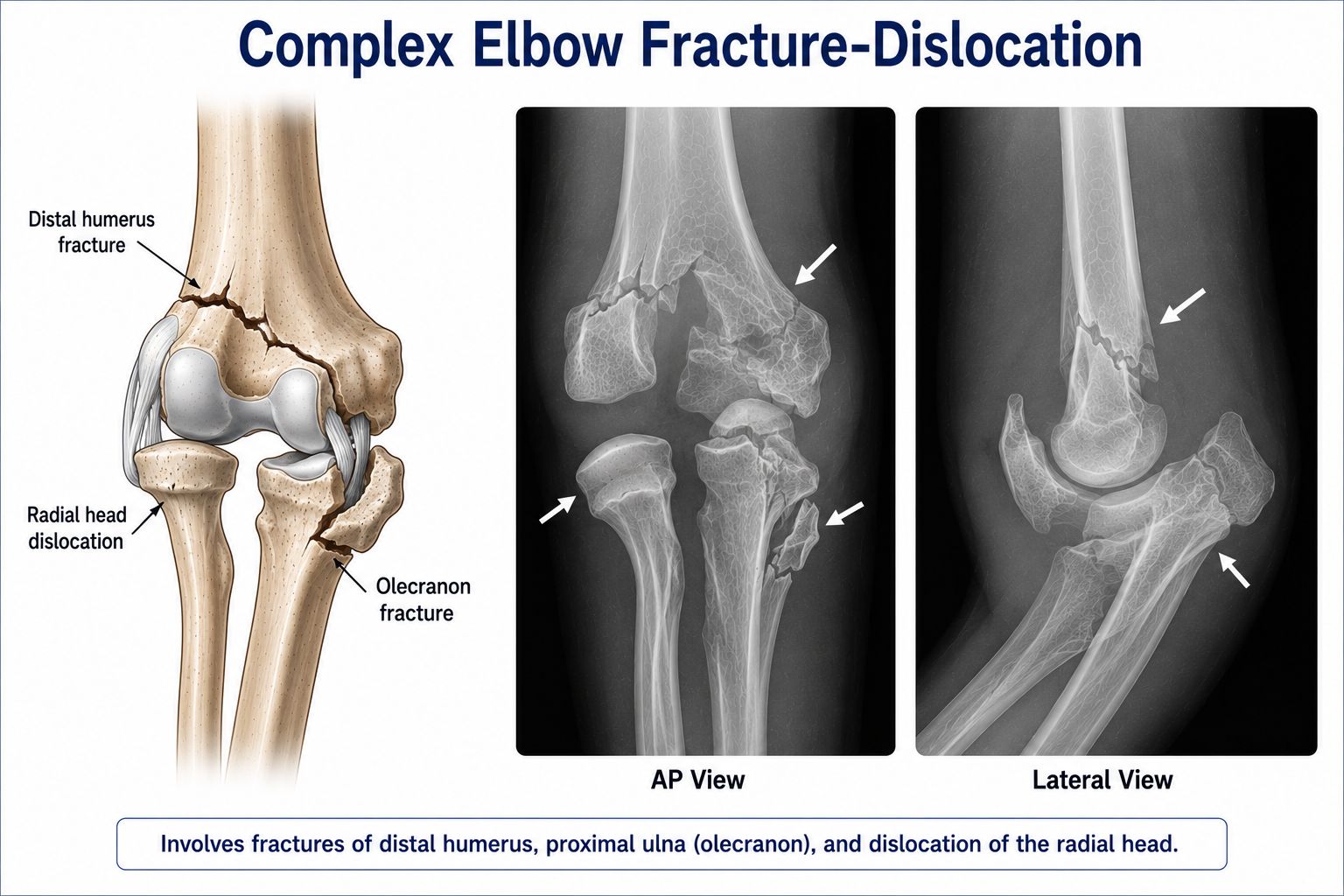
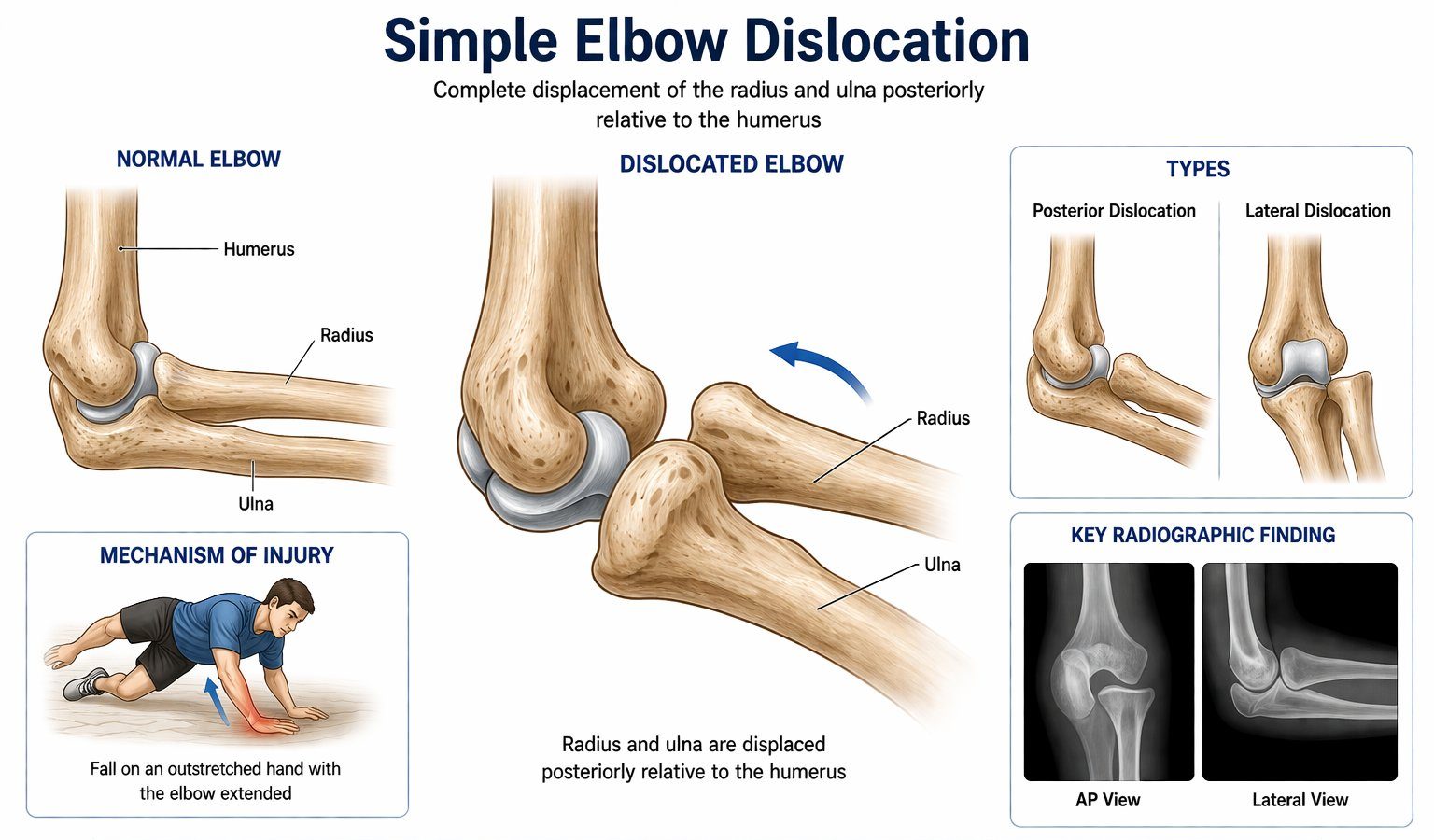
- Elbow dislocation — the UCL is invariably injured; Grade III injury
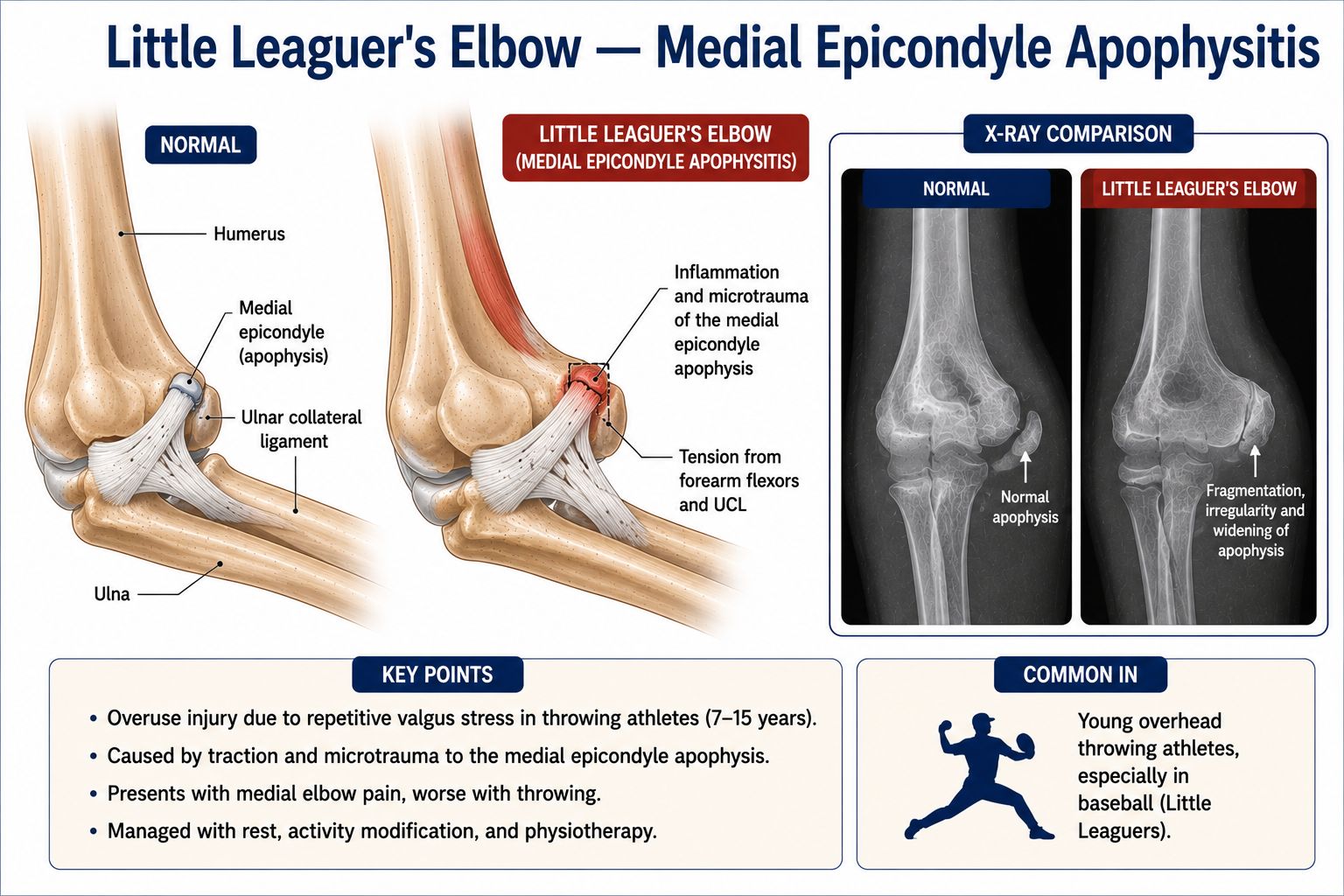
- Adolescent athletes — the medial epicondyle apophysis is weaker than the UCL in children; repetitive valgus causes apophysitis before ligament injury proper
- Hypermobility — generalised ligamentous laxity increases vulnerability
- Poor throwing mechanics — excessive trunk side-bend and premature forearm pronation increase valgus load
Symptoms
- Medial elbow pain — at or just distal to the medial epicondyle; sharp during throwing, aching at rest
- Localised tenderness over the UCL course (2cm distal to medial epicondyle)
- Swelling and bruising in acute Grade III tears
- Reduced throwing performance — decreased velocity, accuracy, or endurance
- Pain at maximum effort — athlete cannot throw at full intensity
- Acute pop or tear sensation — Grade III acute rupture; immediate inability to continue
- Ulnar nerve symptoms — tingling in ring and little fingers; co-exists in up to 40% of UCL injuries
How is it Diagnosed?
- Clinical examination — valgus stress test at 20–30° flexion; moving valgus stress test (highest sensitivity and specificity)
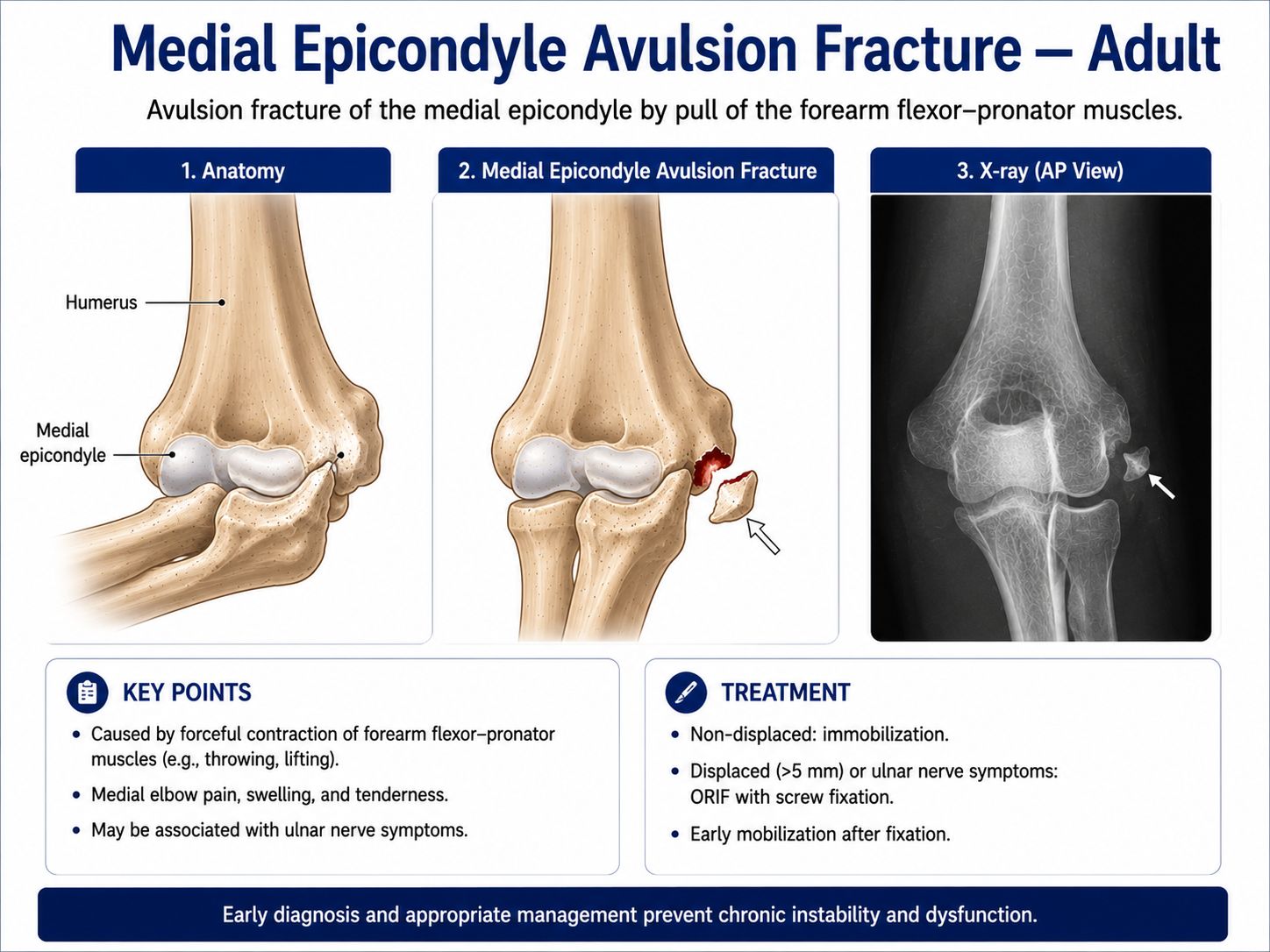
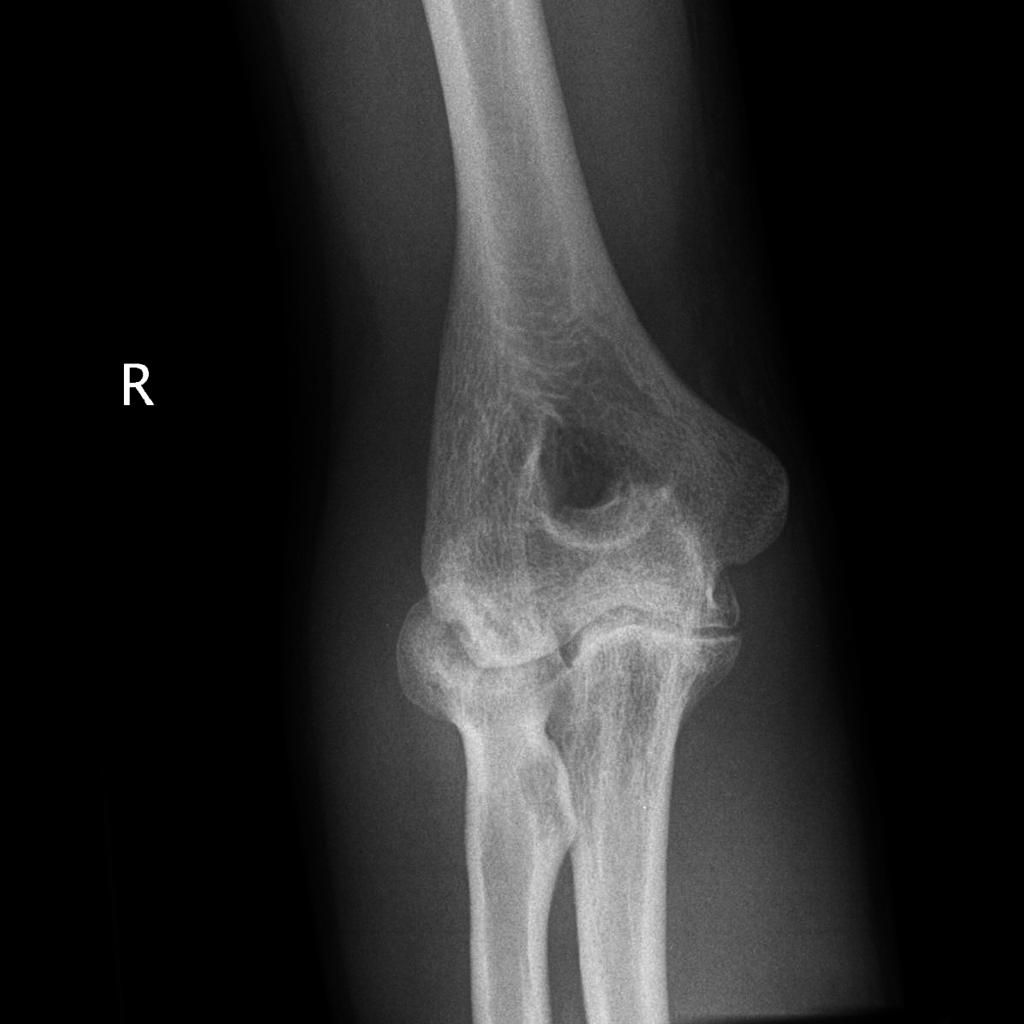
- Plain X-rays — medial calcification; avulsion fragment from medial epicondyle; stress X-ray: >3mm valgus opening vs contralateral
- MRI — Grade I: oedema, intact fibres; Grade II: partial fibre discontinuity; Grade III: complete disruption with full-thickness gap
- MR arthrogram — most sensitive for articular-sided partial tears (T-sign: contrast tracking under the UCL into medial joint)
- Ultrasound — dynamic valgus stress; identifies UCL thickening, tears, and calcification; accessible and cost-effective
Treatment Options
Treatment Type | Details |
RICE (Acute Phase) | Rest, ice, compression, elevation; sling for comfort in acute Grade II–III injuries; 1–2 weeks |
Activity Modification | Complete cessation of throwing for 6–12 weeks for Grade II–III injuries |
Physiotherapy | Restore full ROM; strengthen periscapular and flexor-pronator musculature; address throwing mechanics; graduated return-to-throw protocol |
Functional Bracing | Hinged elbow brace in valgus-unloading position during return to throwing; protects healing UCL |
PRP Injection | Best evidence for partial (<50%) articular-sided tears; ultrasound-guided; 6–12 weeks rest after; 30–50% return to sport without surgery |
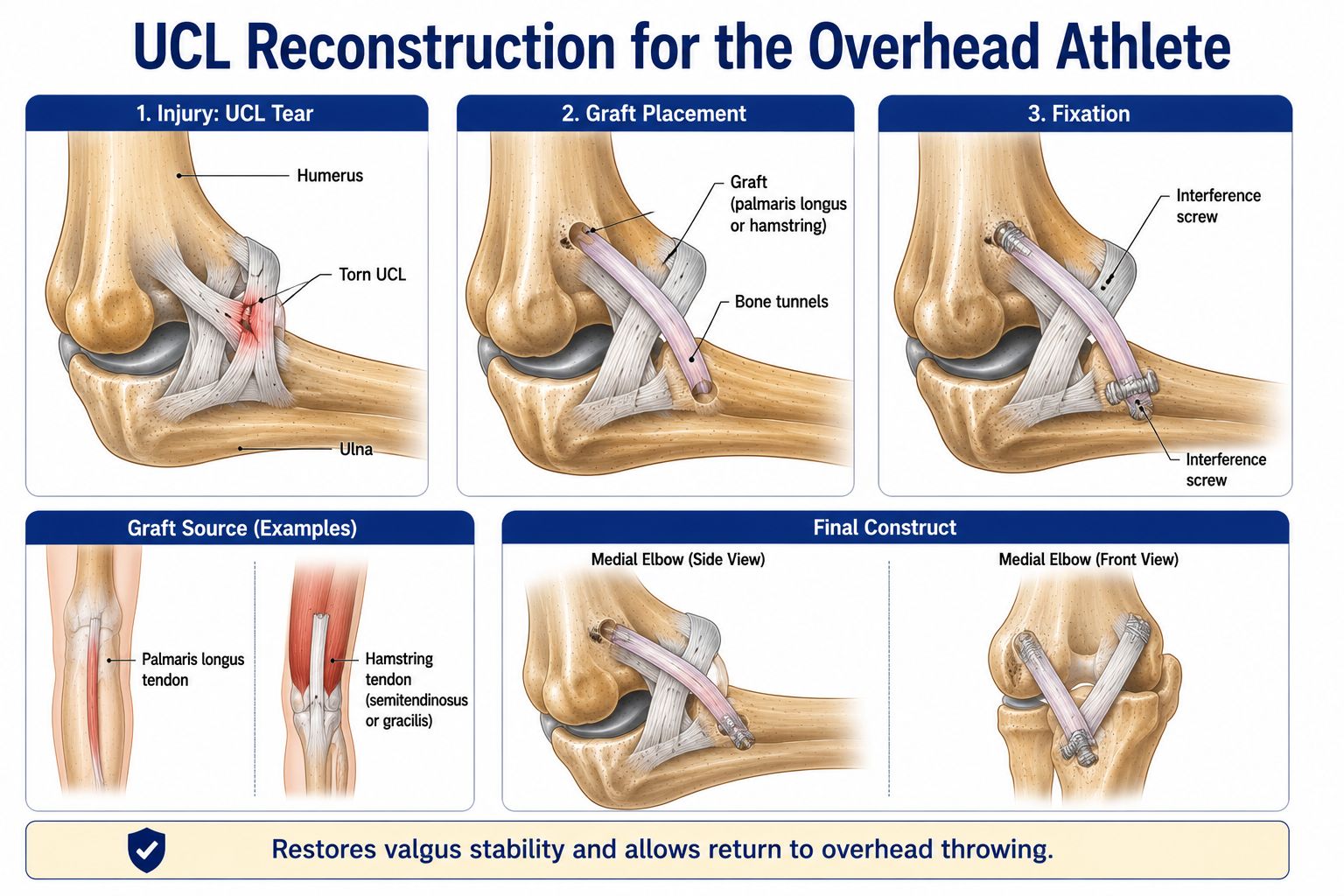
UCL Reconstruction (Tommy John) | Grade III complete tears in competitive throwing athletes; failed conservative treatment >3–6 months; return to sport 9–12 months; see Condition 13 |
Direct Repair | Acute high-grade proximal avulsion with good tissue quality; suture anchor repair; shorter recovery than reconstruction |
Recovery & Rehabilitation
- Grade I: return to throwing in 2–6 weeks with physiotherapy
- Grade II: conservative treatment with PRP: 50–70% return to throwing sport without surgery at 3–4 months
- Grade III non-operative: 12–24 weeks conservative; reconstruction if unsatisfactory
- Grade III UCL reconstruction: 9–12 months return to competitive throwing (see Condition 13)
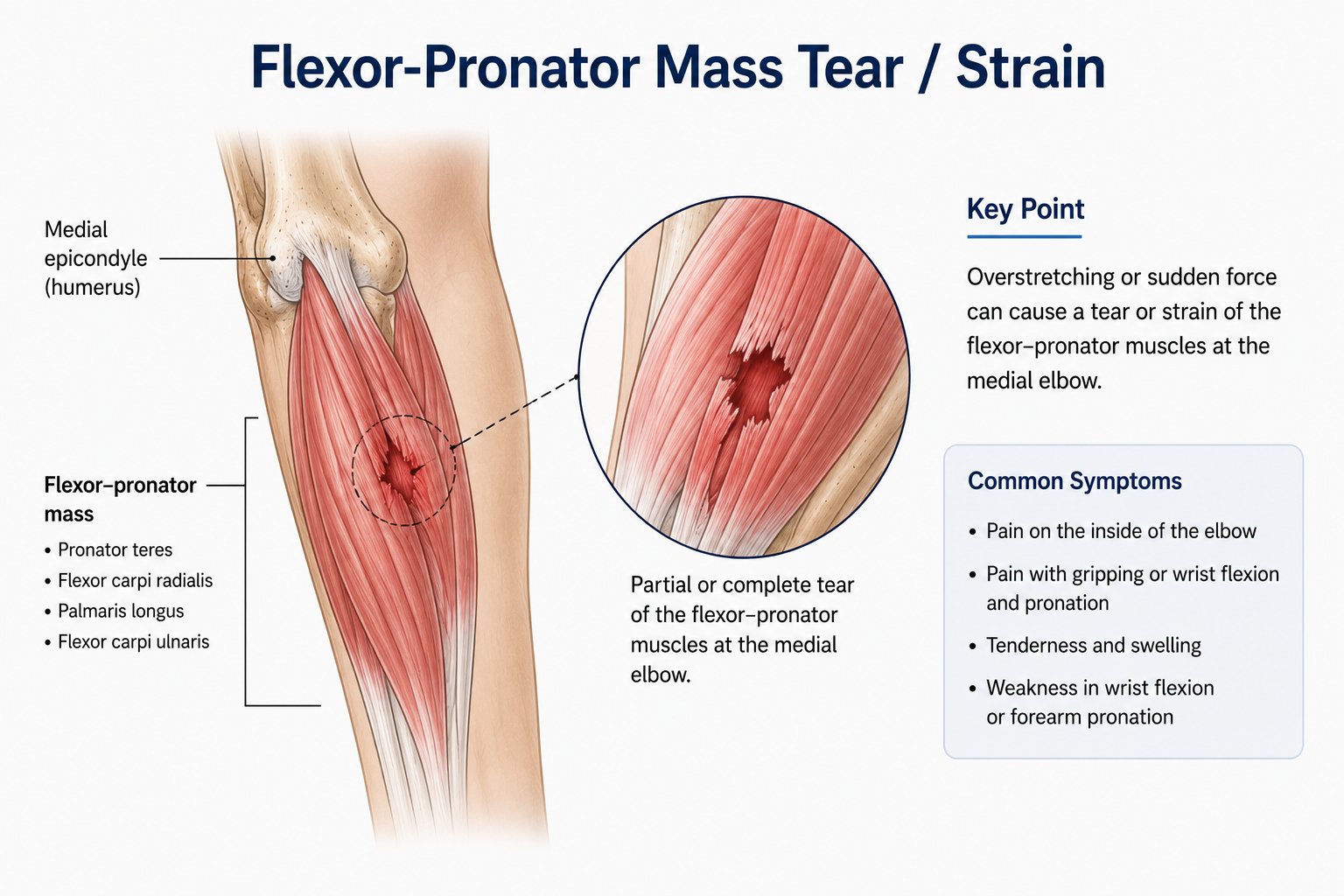
- Key principle: ensure dynamic stabilisers (flexor-pronator mass) are fully rehabilitated before any return to throwing activity
Why choose Dr Senthilvelan?
Medial elbow ligament injuries require precise diagnosis and a carefully individualised treatment plan. Dr Senthilvelan assesses all UCL injuries with imaging review and clinical testing, offering the full range from PRP injection through to UCL reconstruction based on each athlete’s specific grade of injury and competitive goals.
Frequently Asked Questions
1. I felt a pop in my elbow while bowling — do I definitely need surgery?
Not necessarily. A pop during throwing does not always indicate a complete UCL tear requiring surgery. It can occur with a Grade II partial tear, which may heal with conservative treatment. Prompt assessment with X-ray and MRI is essential to accurately grade the injury. If imaging shows a complete Grade III tear and you are a competitive throwing athlete, surgery (UCL reconstruction) gives the best chance of returning to your previous performance level.
2. What is PRP and can it heal a UCL tear?
PRP (platelet-rich plasma) is a preparation from your own blood concentrated with growth factors. When injected under ultrasound guidance into a partial UCL tear, these growth factors promote local healing within the ligament. PRP is most effective for partial articular-sided tears of less than 50% thickness. It is not effective for complete Grade III tears or chronic degenerative UCL disease. Studies show that 30–50% of athletes with appropriate partial tears avoid surgery with PRP.
3. Can I return to cricket if I do not have surgery for a UCL injury?
Possibly — depending on the grade of injury. Grade I and II partial UCL tears have a reasonable chance of returning to cricket with appropriate rest, physiotherapy, and PRP. Grade III complete tears may allow return to recreational cricket without surgery, but competitive fast bowling at full pace is unlikely without UCL reconstruction.
4. How long should I rest before considering PRP injection?
After an acute UCL injury, a brief initial rest of 2–4 weeks allows the acute inflammatory phase to settle. PRP is then most effective when followed by 6 weeks of complete rest from throwing. Starting a return-to-throwing programme too early after PRP risks re-injury before adequate ligament remodelling has occurred.
5. Is there a risk to the ulnar nerve with UCL surgery or injection?
The ulnar nerve runs immediately posterior to the medial epicondyle — adjacent to the UCL. During UCL reconstruction, the nerve is routinely identified and protected throughout, and many surgeons routinely transpose it anteriorly to reduce traction injury risk. For ultrasound-guided PRP injection, the nerve is visualised in real time and the needle approach avoids the nerve’s course.