Overview
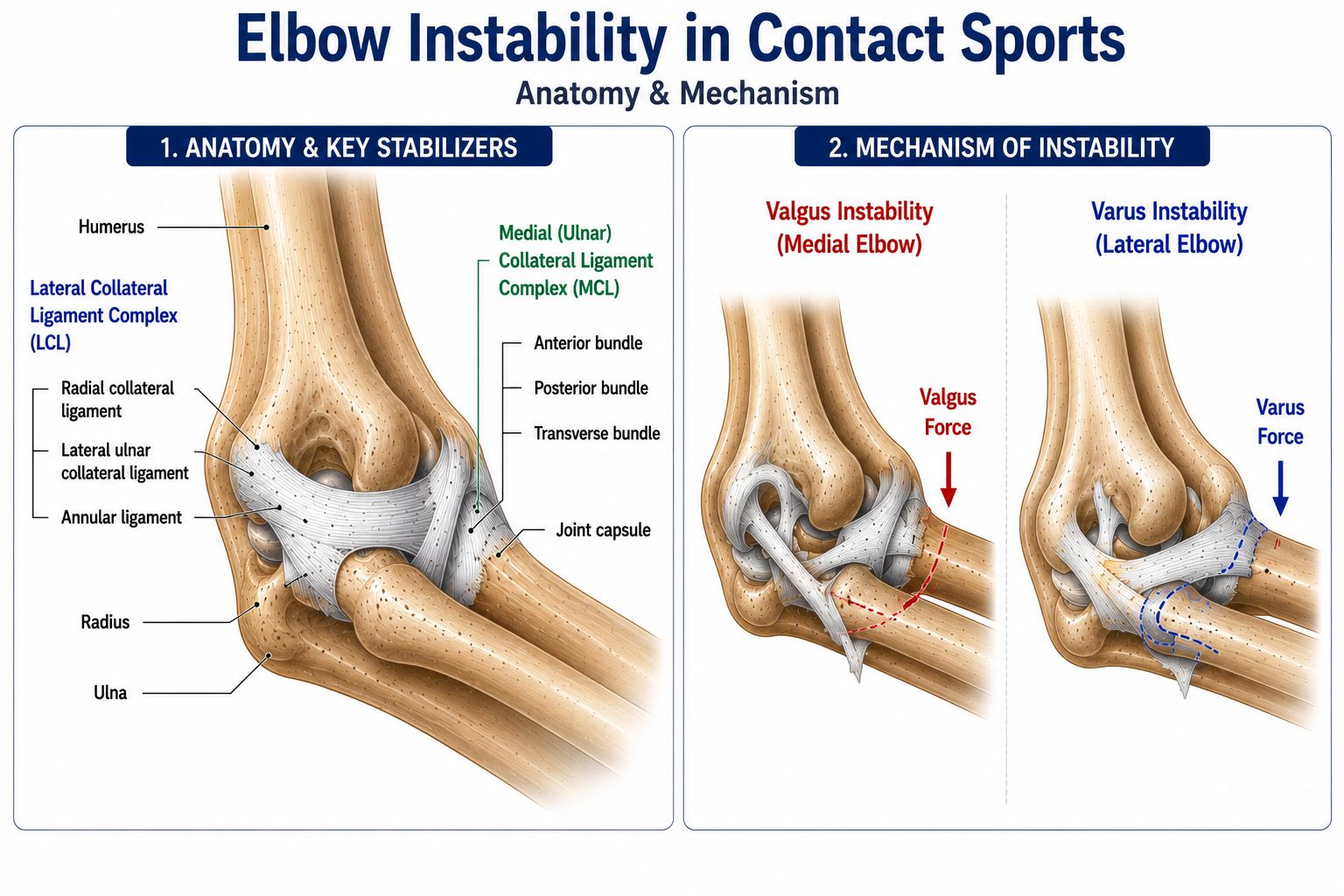
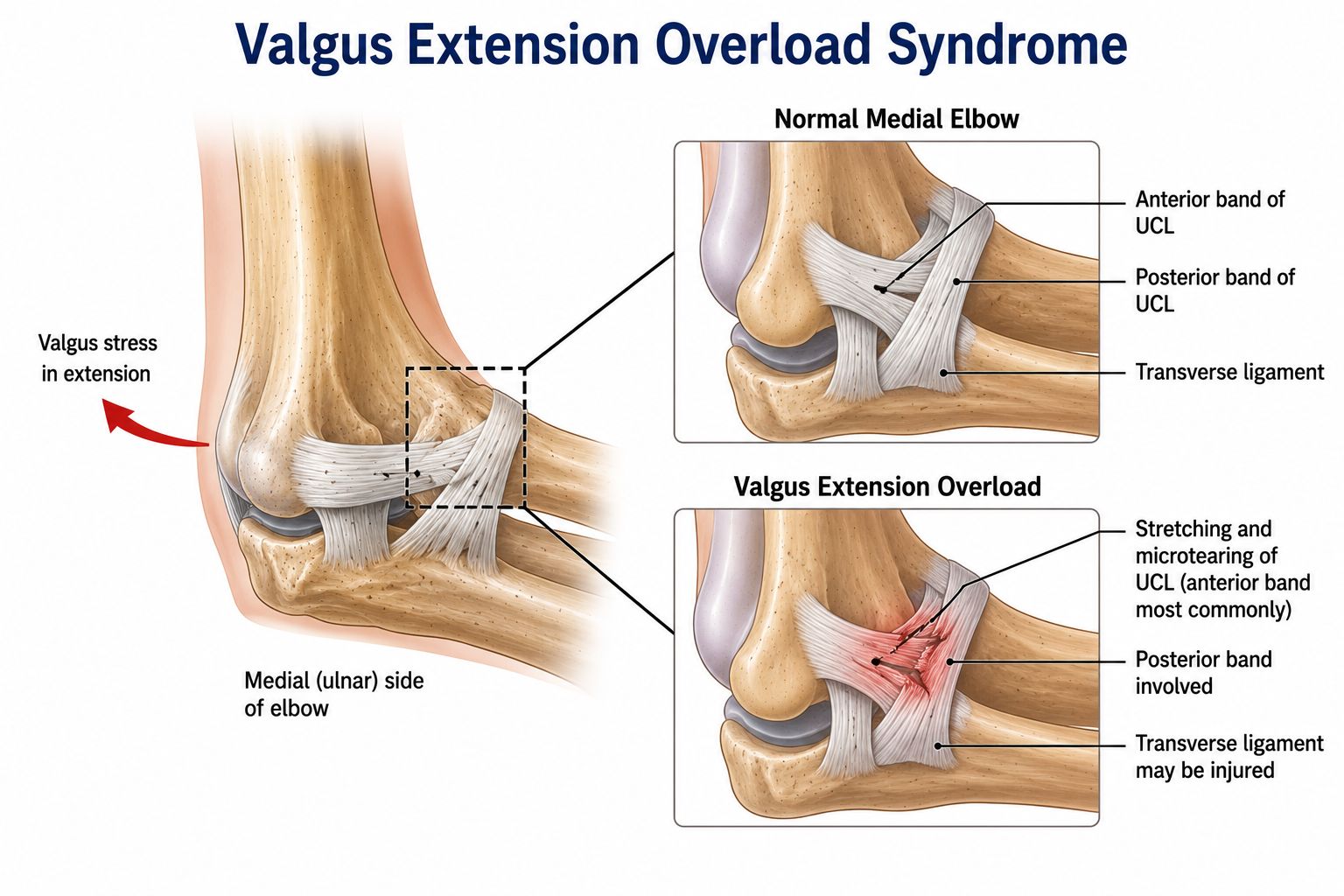
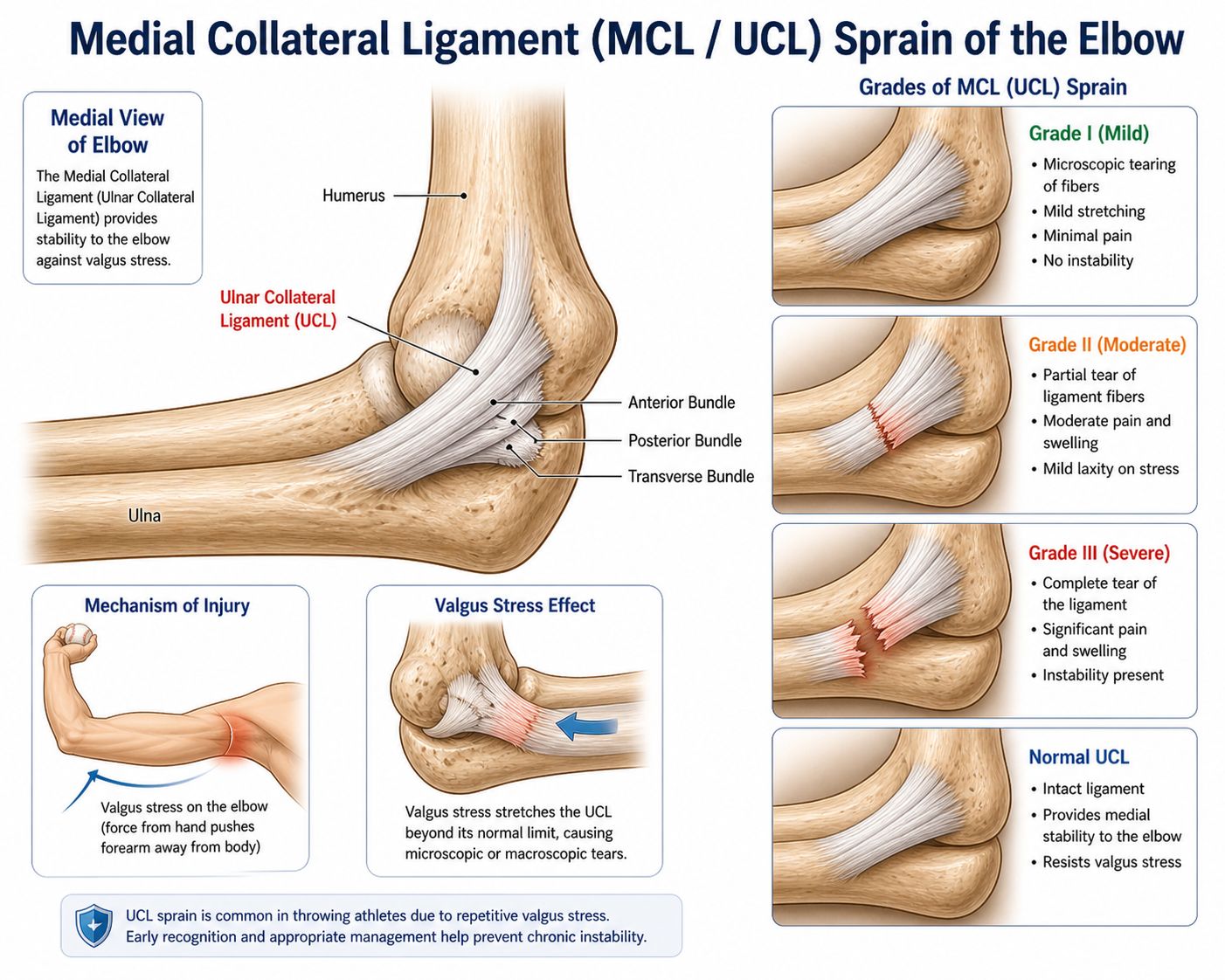
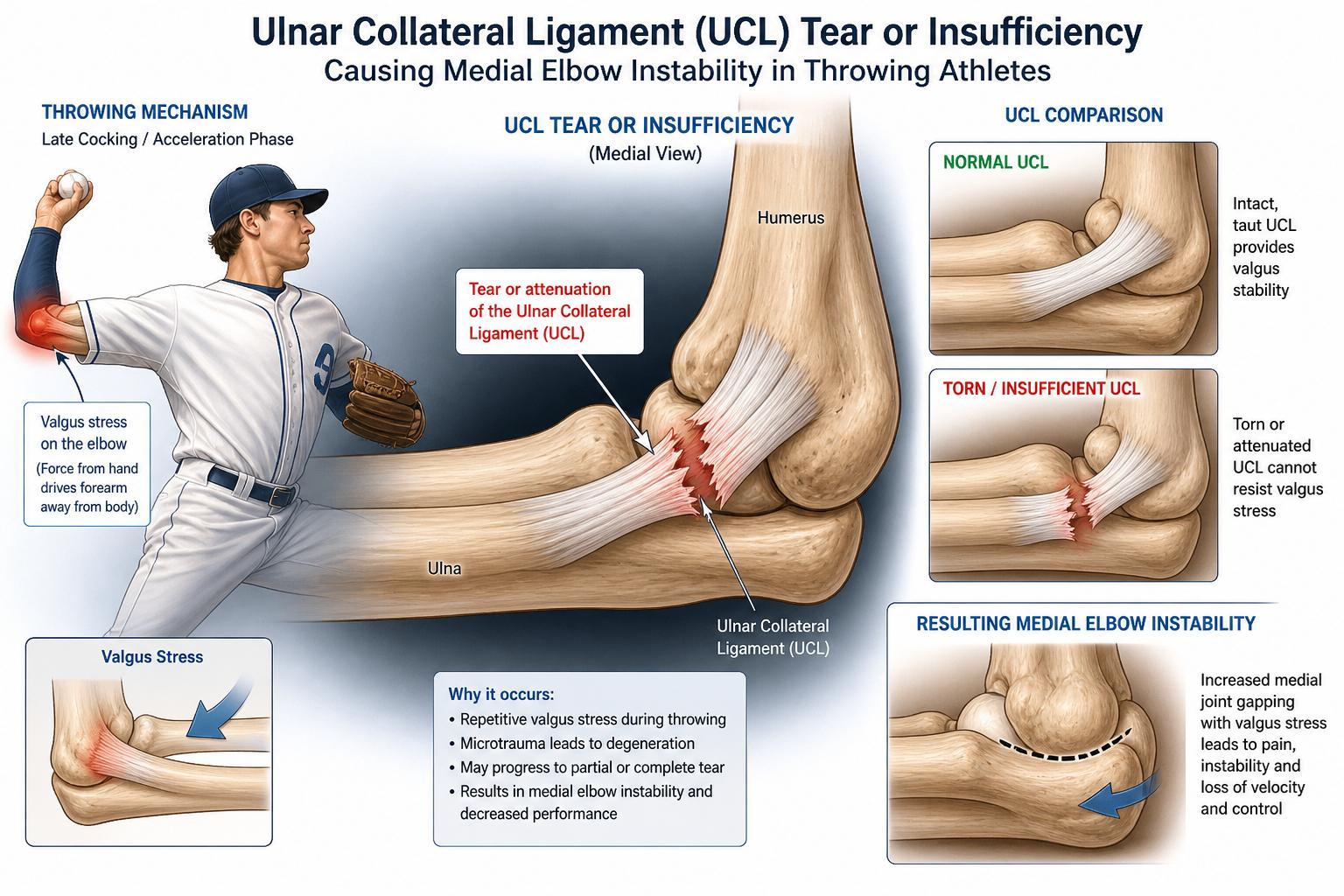
The ulnar collateral ligament (UCL) — also called the medial collateral ligament (MCL) of the elbow — is the primary stabiliser against valgus stress at the elbow. The anterior band is the most critically important component and is the structure most frequently torn in throwing athletes.
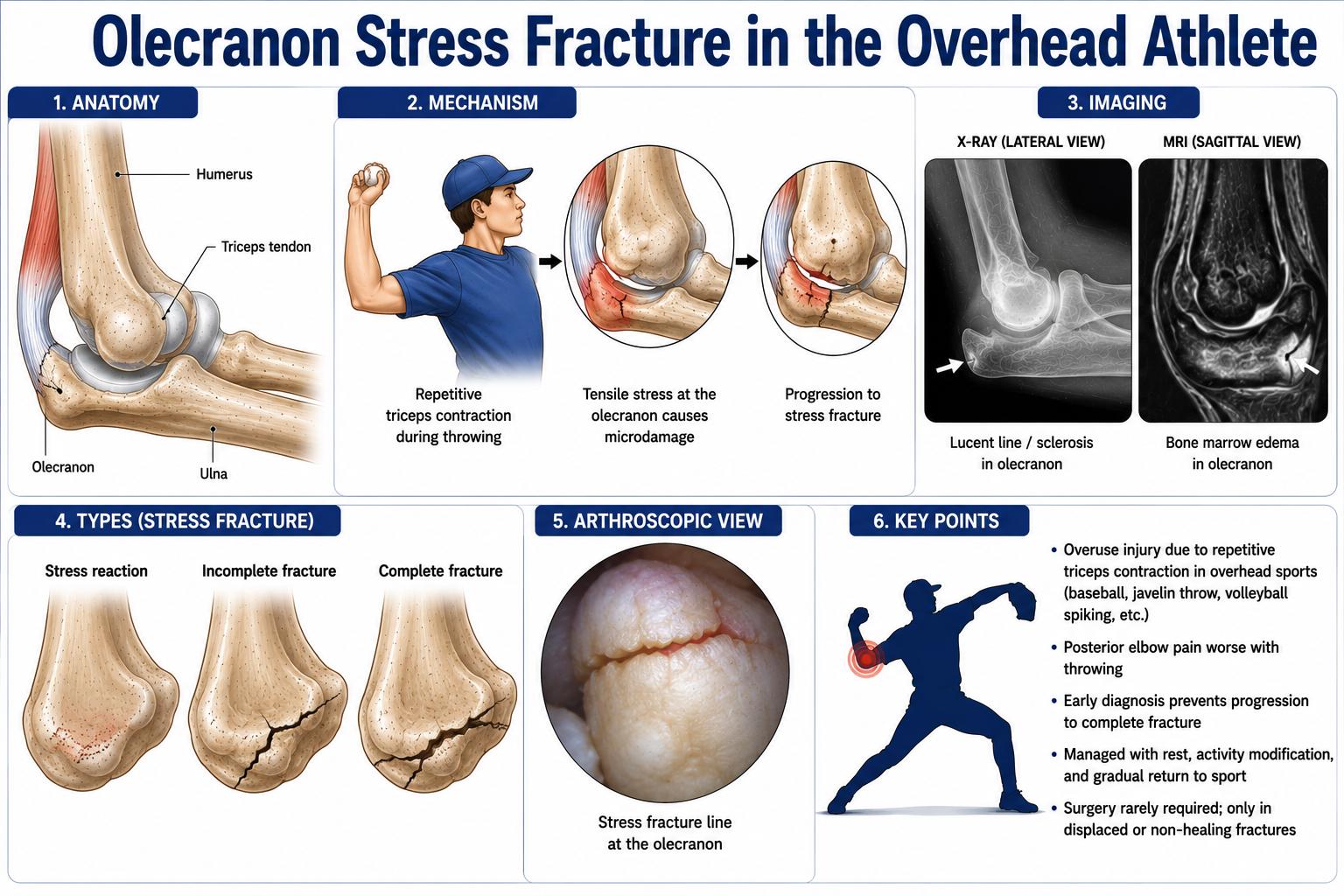
During the late cocking and acceleration phases of throwing, the medial elbow is subjected to enormous valgus forces that can exceed the tensile strength of the UCL. In athletes who throw at high velocity and volume, repetitive micro-damage accumulates over time, eventually leading to partial or complete UCL insufficiency.
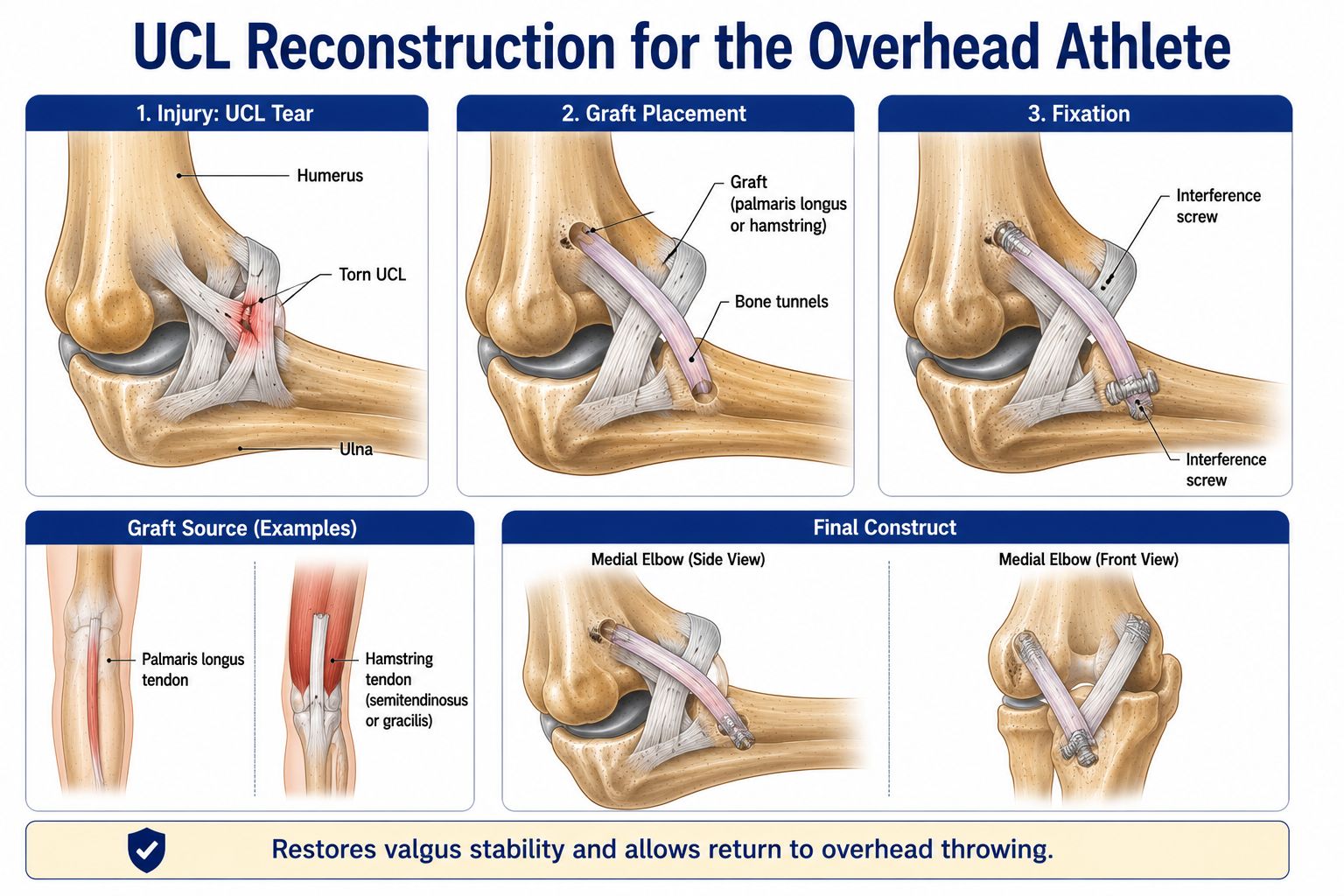
UCL reconstruction — universally known as Tommy John surgery — involves replacing the torn ligament with a tendon graft (most commonly palmaris longus or gracilis). The procedure has revolutionised the careers of throwing athletes, with over 80% returning to the same or higher level of competition.
Quick Facts | Details |
Also Known As | Tommy John Injury, UCL Tear, Medial Collateral Ligament (MCL) Insufficiency — Elbow |
Affected Area | Anterior band of the ulnar collateral ligament (UCL/MCL) — medial elbow; ulnohumeral joint medial compartment |
Who It Affects | Throwing athletes (cricket bowlers, baseball pitchers, javelin throwers, quarterbacks); overhead racket sports; adolescent and adult competitive athletes predominantly |
Prevalence | Most common elbow injury requiring surgery in throwing athletes; incidence increasing due to year-round competitive play in younger athletes; cricket and baseball pitchers at highest risk |
Treatment | Non-operative: physiotherapy, PRP injection for partial tears; Surgical: UCL reconstruction (Tommy John) for complete tears or failed conservative treatment; return to sport 9–12 months |
Causes & Risk Factors
- Repetitive valgus stress during throwing — the late cocking and early acceleration phases generate forces approaching the UCL’s failure load; repetitive loading causes cumulative damage
- High throwing velocity and volume — fast bowlers, baseball pitchers, and javelin throwers at highest risk
- Year-round throwing without adequate rest and off-season recovery
- Poor throwing mechanics — increased trunk tilt, early forearm pronation, reduced lower limb drive increase medial elbow load
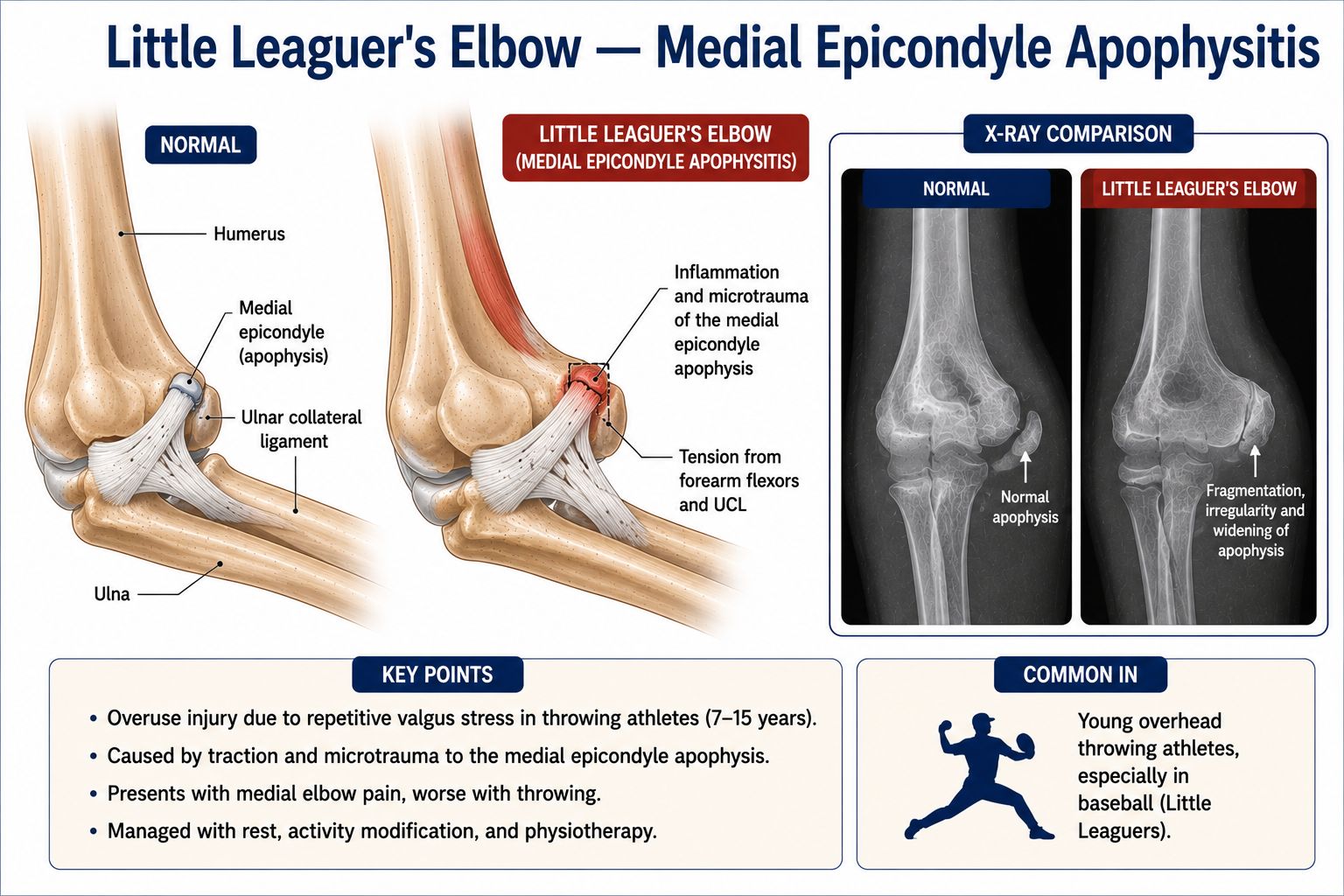
- Adolescent athletes — UCL vulnerable during growth spurt; medial apophysitis precedes UCL injury in younger athletes
- Acute injury — a single violent throw can cause acute UCL rupture, often felt as a “pop” on the medial side
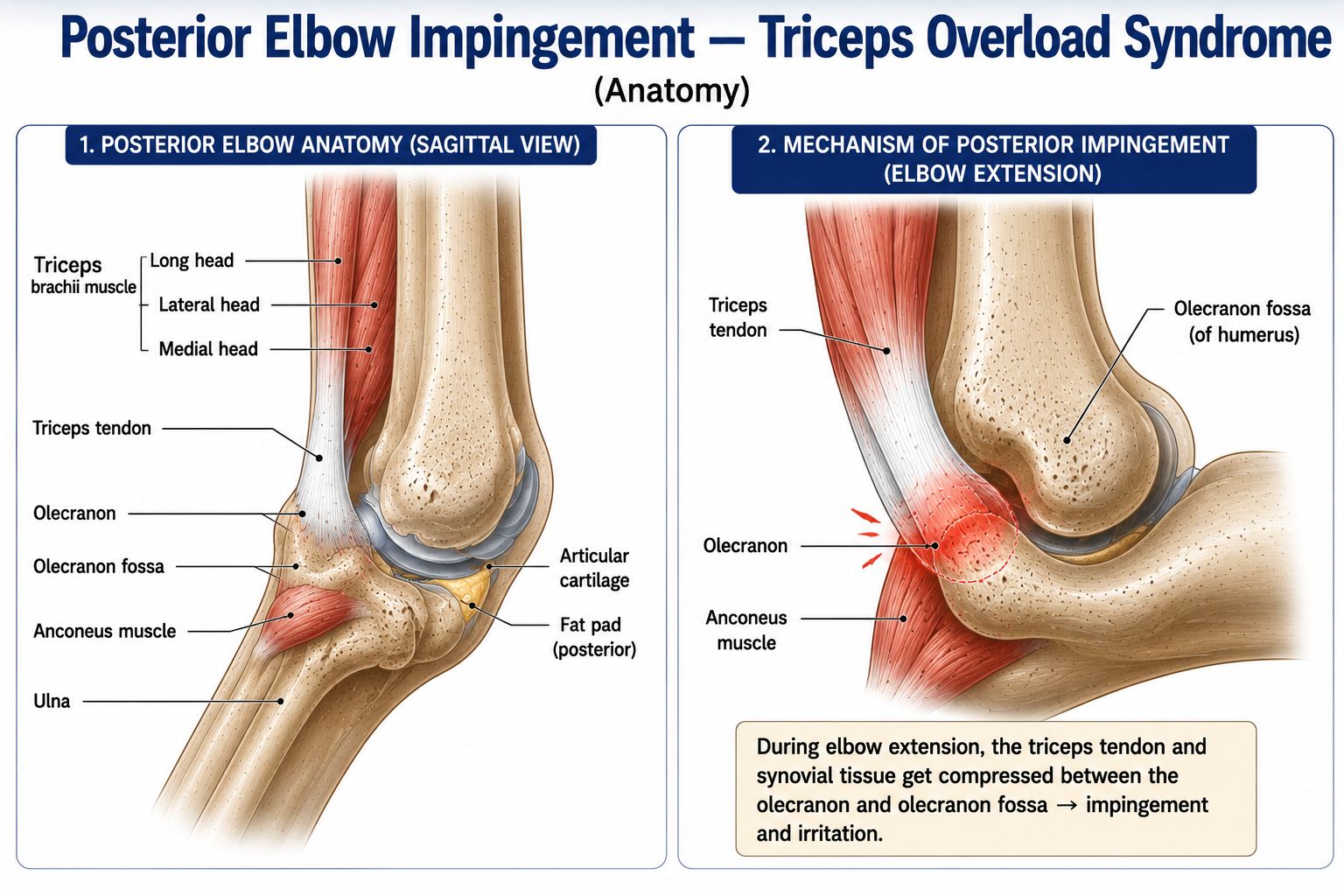
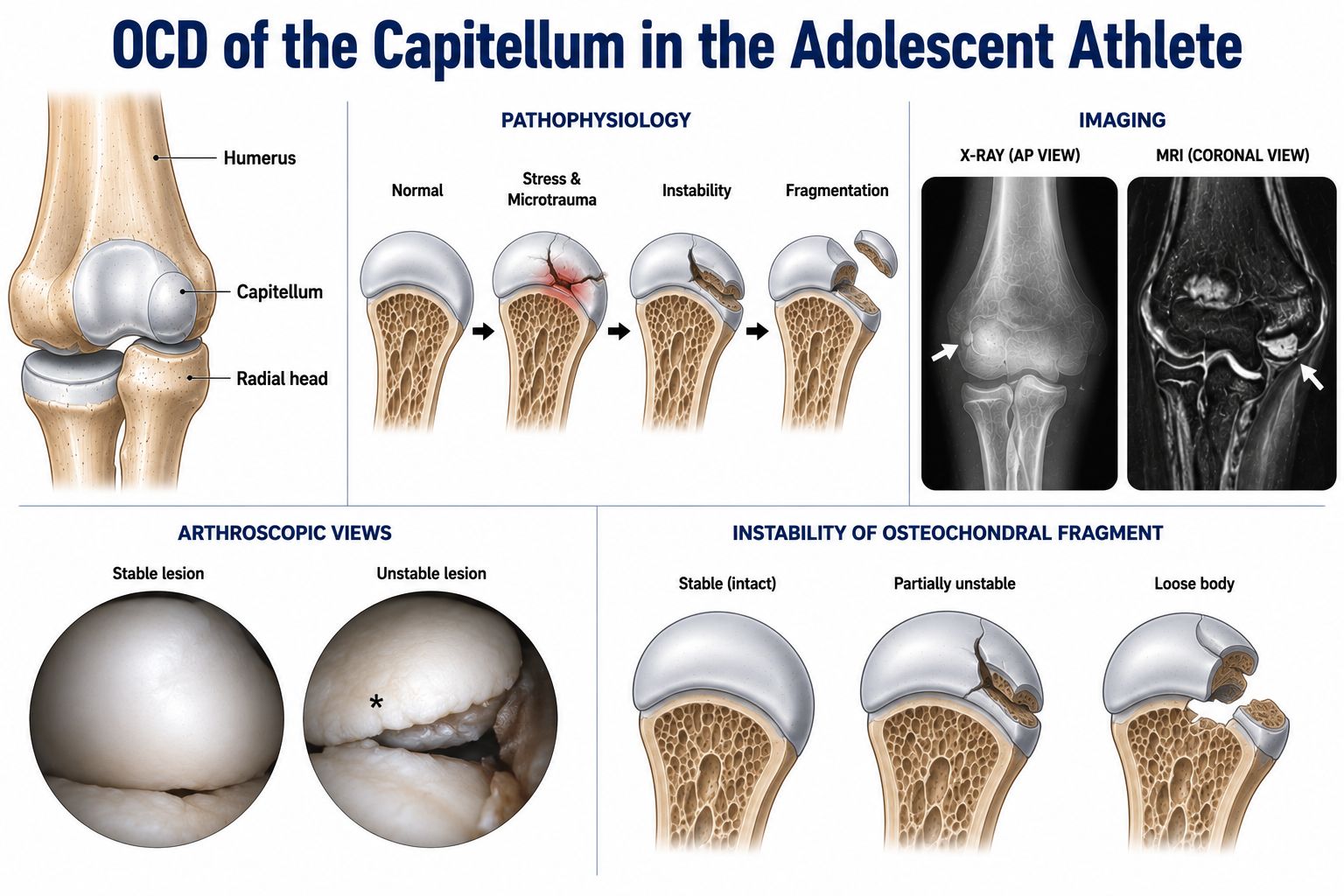
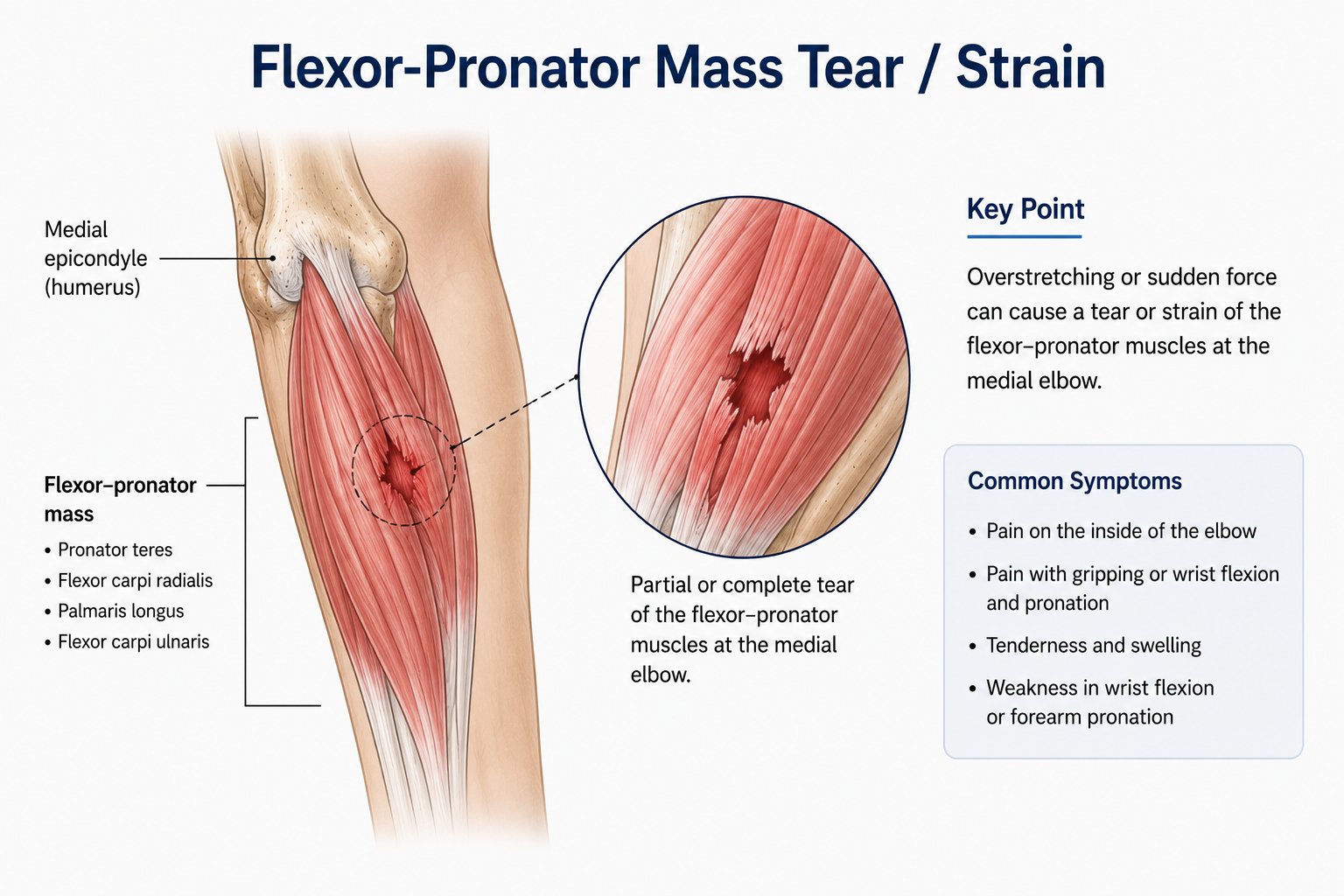
- Associated injuries — valgus extension overload syndrome, posteromedial impingement, and cubital tunnel syndrome frequently co-exist
Symptoms
- Medial elbow pain during throwing — maximal during late cocking and early acceleration; reproduced by valgus stress
- Decreased throwing velocity or accuracy — UCL insufficiency reduces the athlete’s ability to maximally load the arm
- Pain or apprehension at maximum effort — athlete pulls back from throwing through pain
- Acute onset variant — sudden medial pain with or without an audible pop during a throw; immediate inability to continue
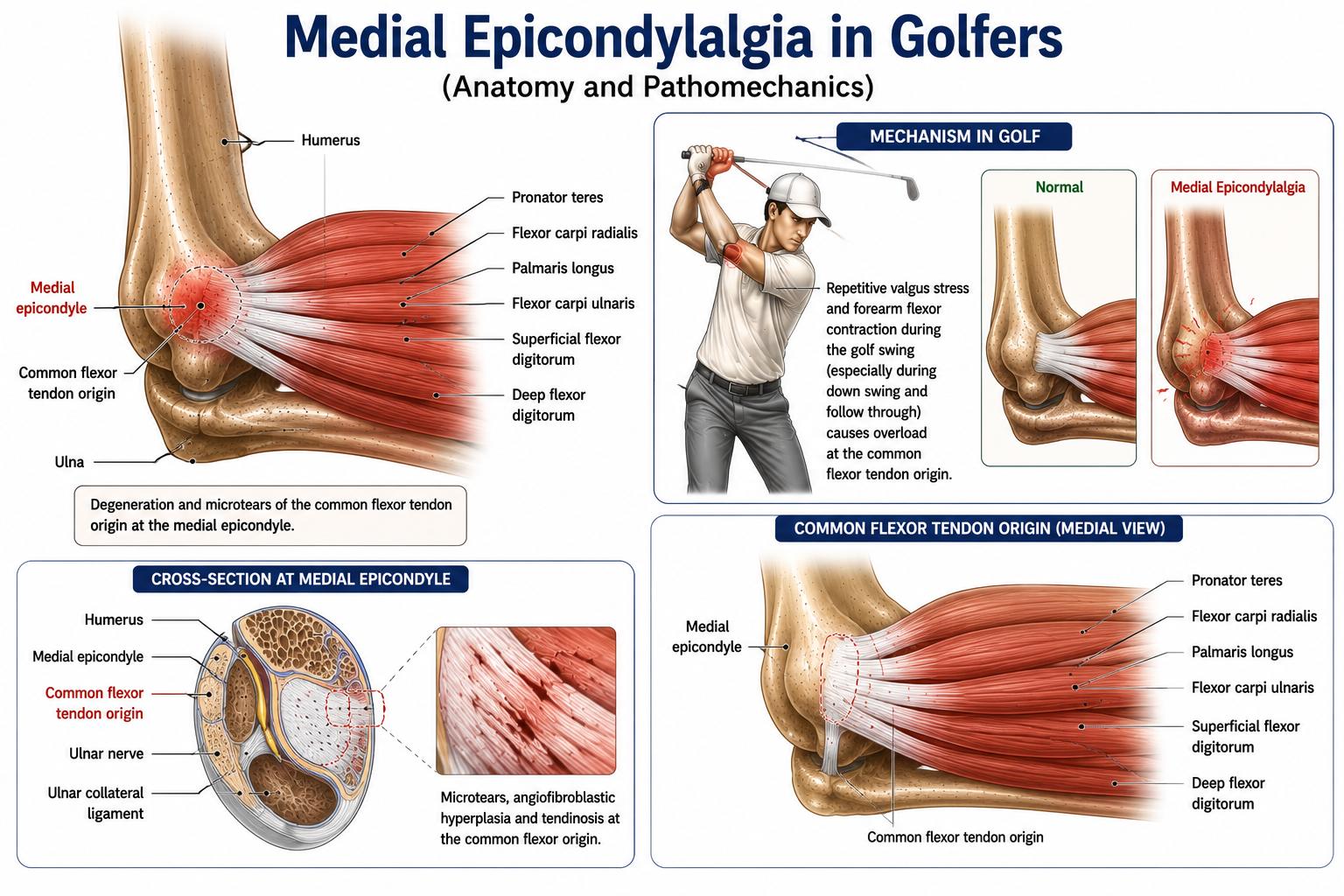
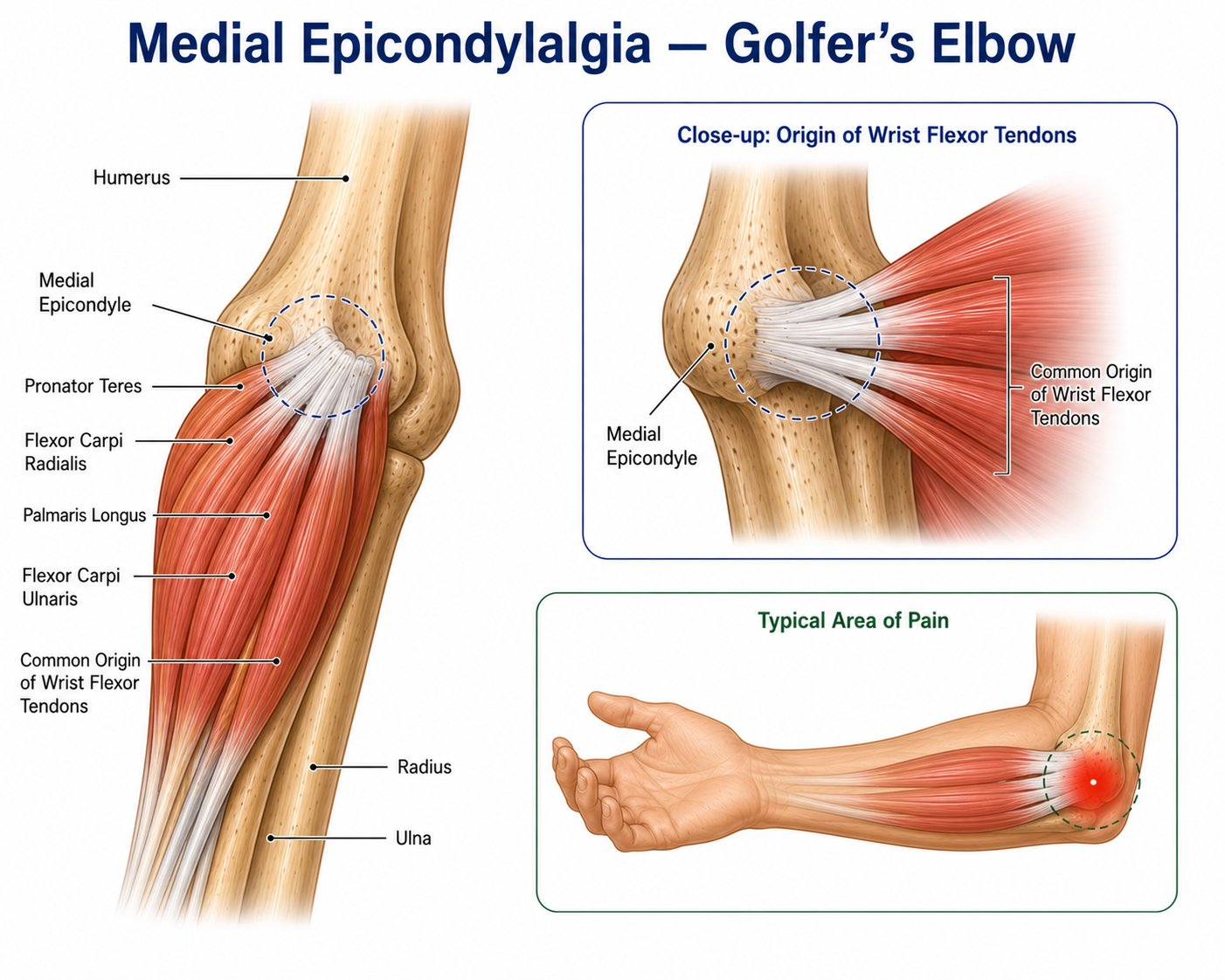
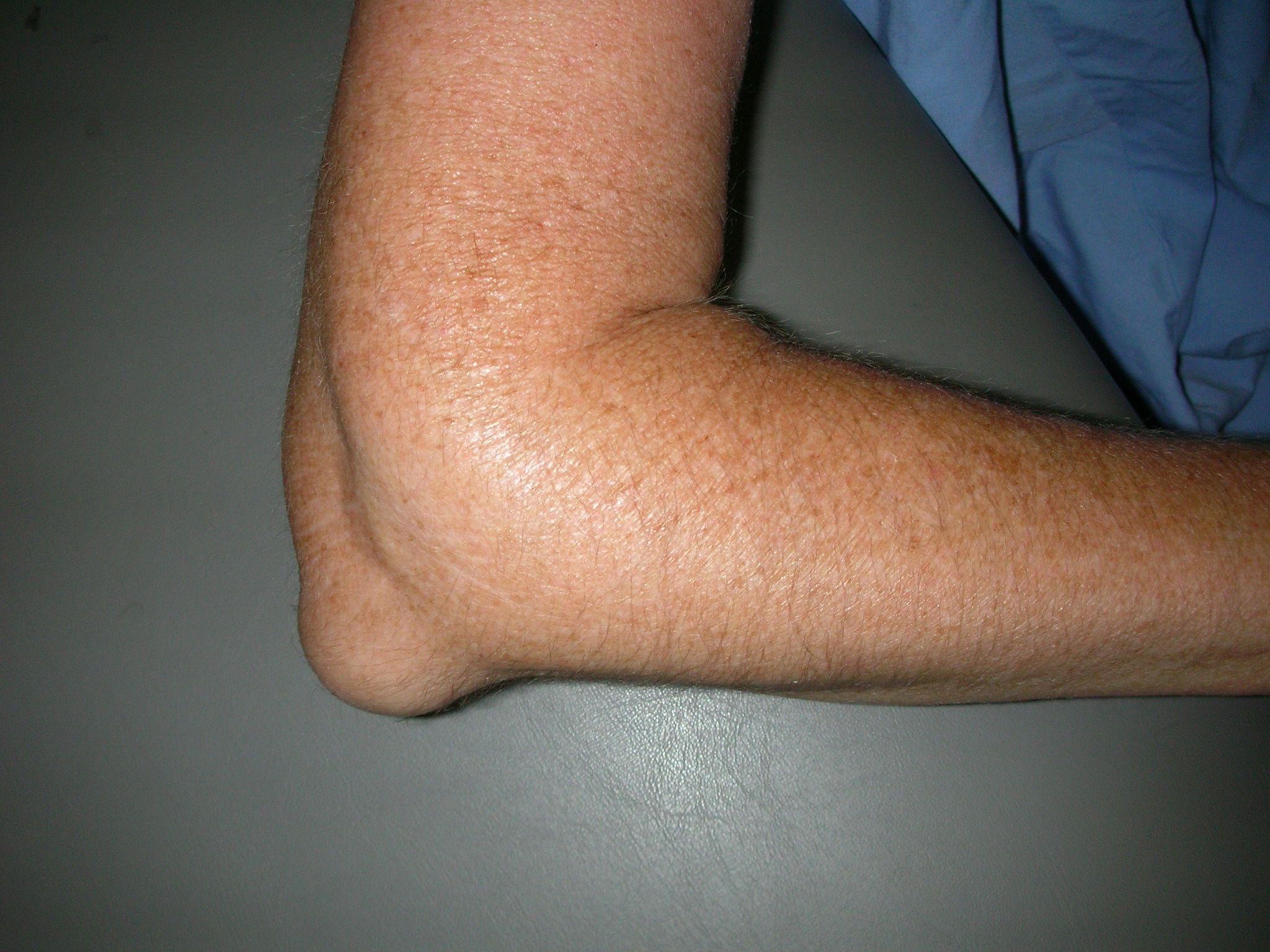
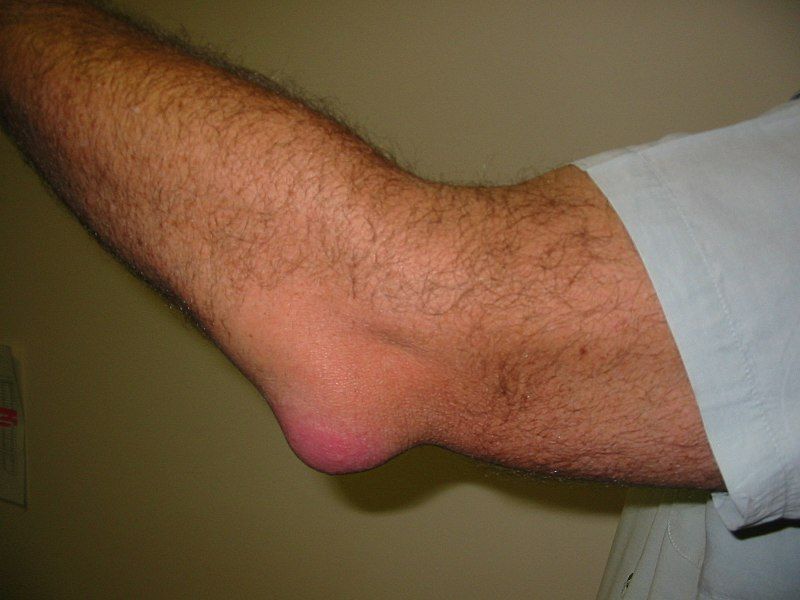
- Medial elbow swelling and tenderness over the UCL origin on the medial epicondyle
- Ulnar nerve symptoms — tingling or numbness in ring and little fingers in up to 40% of UCL injuries
- Loss of elbow extension — flexion contracture common in chronic UCL insufficiency
How is it Diagnosed?
- Clinical examination — valgus stress test at 30° flexion; milking manoeuvre; moving valgus stress test (most sensitive: pain reproduced from 70–120° flexion arc)
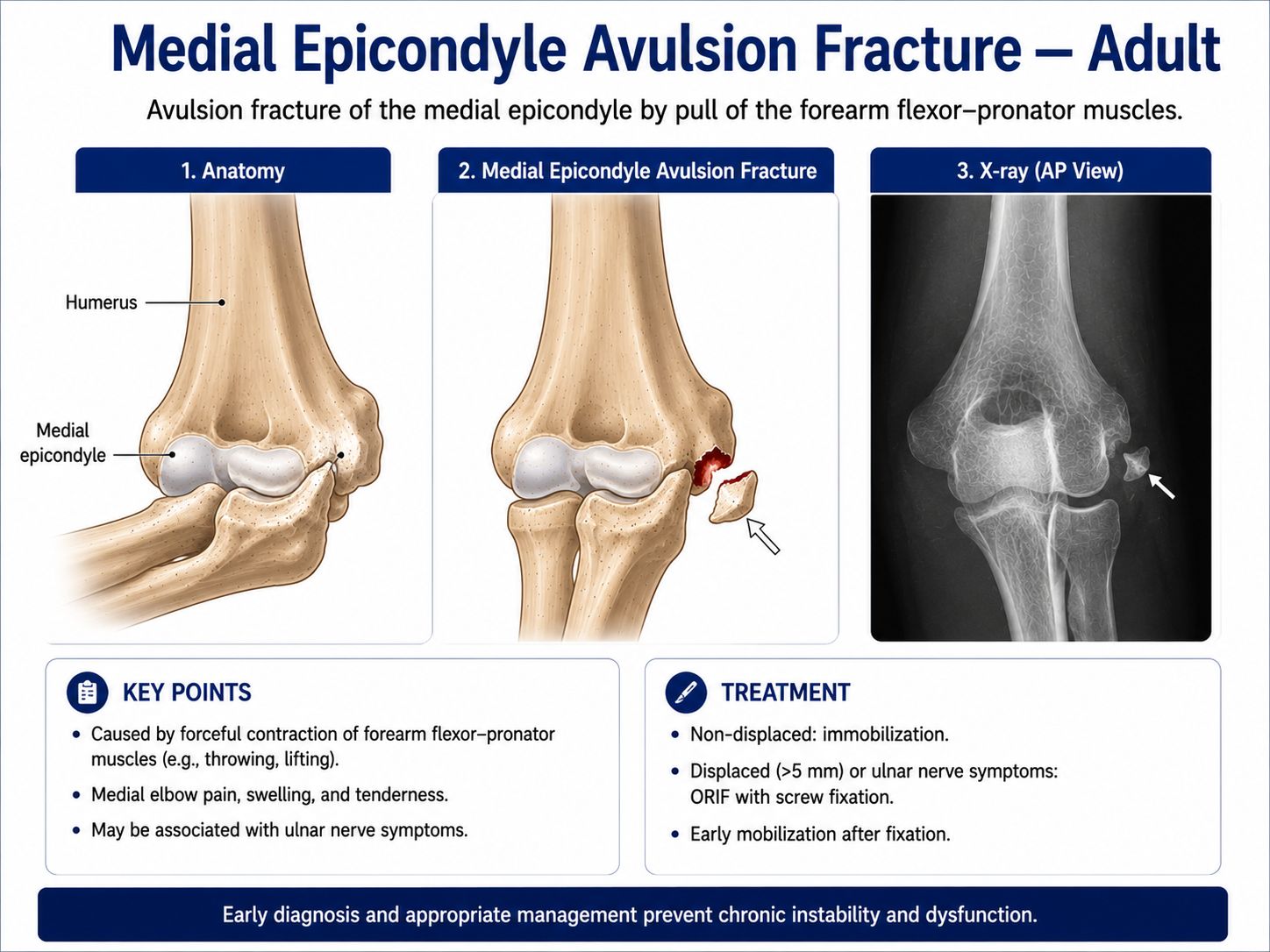
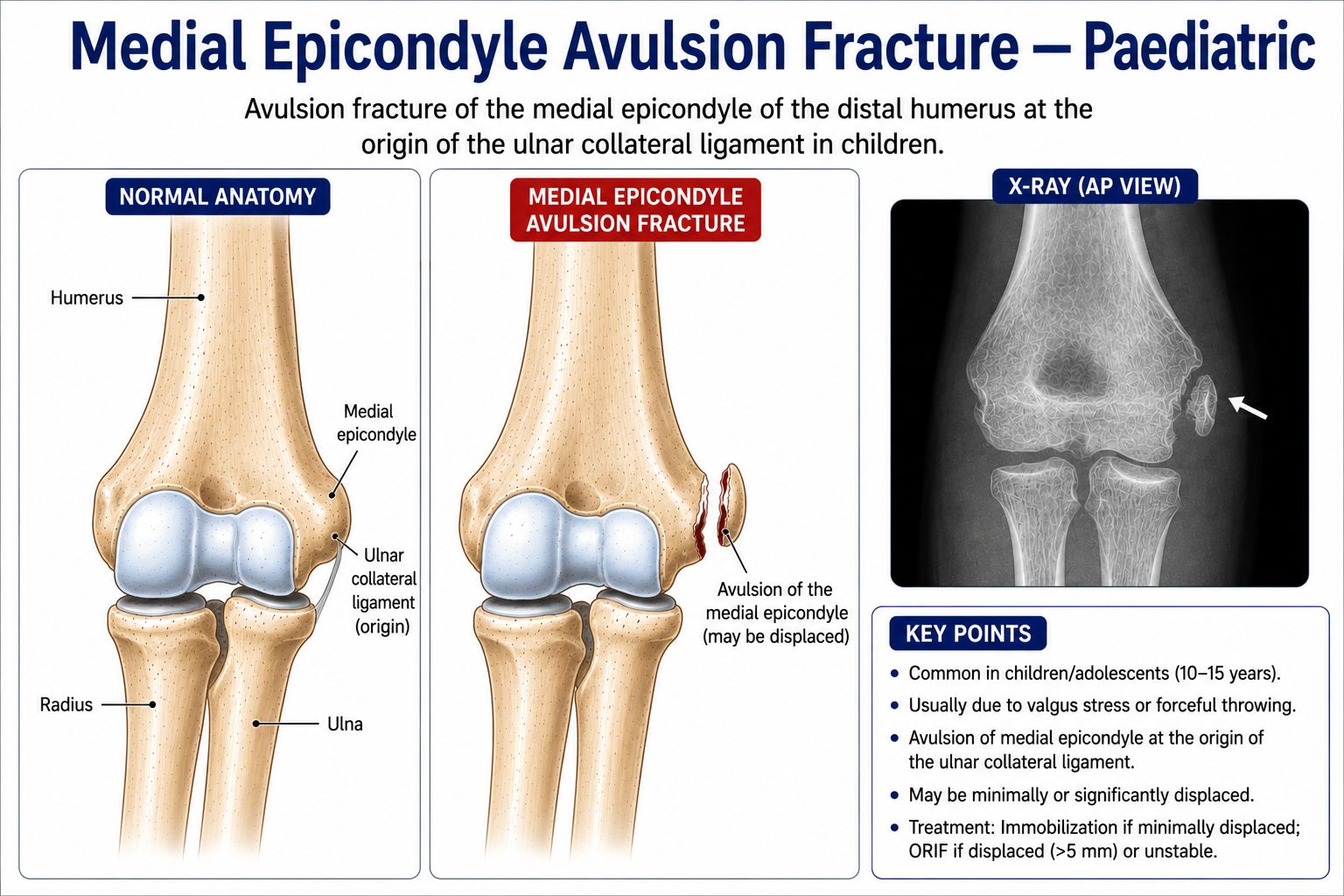
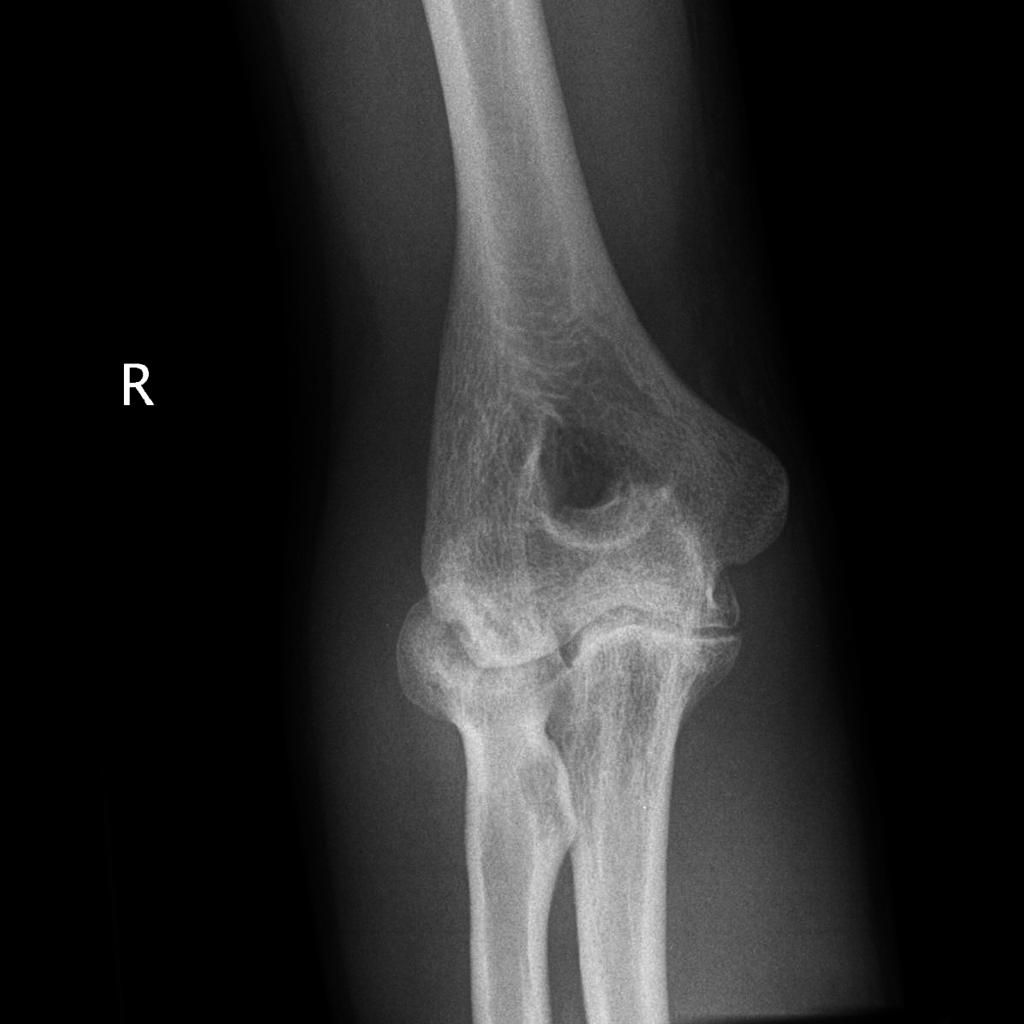
- Plain X-rays — medial calcification, loose bodies, posteromedial osteophytes, or medial epicondyle avulsion
- MRI ± arthrogram — T-sign appearance of UCL tear; partial articular-sided tears best seen on MR arthrogram (gadolinium); assess concurrent chondral damage and impingement
- Ultrasound — dynamic valgus stress assessment; identifies partial tears and thickening; operator-dependent
- Arthroscopy — valgus stress test under direct vision: >1mm medial ulnohumeral opening confirms UCL insufficiency; identifies concurrent pathology
Treatment Options
Treatment Type | Details |
Activity Modification & Rest | Cessation of throwing; 6–12 weeks; for partial tears or initial management in non-throwing athletes |
Physiotherapy | Restore full ROM; strengthen periscapular, rotator cuff, flexor-pronator mass (dynamic UCL stabilisers); correct throwing mechanics |
PRP Injection | Best evidence for partial (<50%) articular-sided tears; ultrasound-guided; 6–12 weeks rest after; 30–50% avoid surgery |
UCL Reconstruction (Tommy John) | Complete tears, failed conservative treatment in throwing athletes, or partial tears >50% failing non-op treatment; palmaris longus or gracilis graft; docking technique preferred; ulnar nerve transposition routinely concurrent |
Docking Technique Details | Two tunnels in medial epicondyle (humeral docking holes) + tunnel in sublime tubercle of ulna; graft tensioned and docked at 30° flexion; metal-free fixation; strongest published technique |
Direct UCL Repair | For acute proximal avulsion in young athletes with good tissue quality; suture anchor repair; shorter recovery; reserved for specific indications |
Recovery & Rehabilitation
- After UCL reconstruction: sling 2 weeks; physiotherapy from day 1; full ROM by week 6; strengthening phase weeks 6–16; interval throwing programme month 4–5; return to competition for pitchers/bowlers: 9–12 months
- After PRP injection: rest from throwing 6 weeks; graduated return to throwing 3–4 months; 50–70% return to sport without surgery
- Key milestones: full pain-free ROM at 6 weeks; 50% throwing effort at 5 months; 75% at 7 months; game intensity at 9–12 months
- Ulnar nerve: if transposition performed concurrently, tingling may persist weeks to months post-op
- Return-to-sport criteria: full ROM, 90% strength vs contralateral side, pain-free throwing at full velocity
Why choose Dr Senthilvelan?
UCL reconstruction is one of the most technically demanding elbow procedures — the outcome depends critically on correct graft placement at the isometric point, appropriate tensioning, and ulnar nerve management. Dr Senthilvelan has advanced training in elbow ligament reconstruction and performs both the docking and figure-8 techniques based on intraoperative findings.
Frequently Asked Questions
1 every UCL tear require Tommy John surgery?. Does
No — not all UCL tears require surgery. Partial tears involving less than 50% of the ligament have a good chance of healing with rest, physiotherapy, and PRP injection. Complete UCL tears in non-throwing athletes may also be managed conservatively. Surgery is primarily recommended for competitive throwing athletes with complete tears or partial tears that have failed 3–6 months of conservative treatment.
2. What is the Tommy John procedure?
Tommy John surgery is the reconstruction of the torn UCL using a tendon graft — most commonly the palmaris longus from the same forearm, or the gracilis from the thigh. The graft is passed through bone tunnels drilled in the medial epicondyle and ulna, then tensioned and fixed to recreate the native UCL function. The Docking technique, which creates a very secure, metal-free fixation, is the most commonly used approach today.
3. How long to return to cricket bowling or baseball pitching after Tommy John surgery?
Return to competitive throwing at full intensity typically takes 9–12 months after UCL reconstruction. This is one of the longest rehabilitation timelines in sports surgery and reflects the biology of tendon-to-bone healing and progressive neuromuscular re-education required before throwing at full velocity is safe. Some athletes take up to 18 months to return to pre-injury performance. Rushing the timeline significantly increases re-tear risk.
4. I am a 16-year-old fast bowler with medial elbow pain — what should I do?
Medial elbow pain in a young throwing athlete must be assessed urgently. In adolescents, the growth plate of the medial epicondyle (the apophysis) is actually weaker than the UCL itself — repetitive valgus loading more commonly causes medial epicondyle apophysitis (Little Leaguer’s elbow) rather than UCL rupture. X-ray and MRI will distinguish between these. Treatment almost always begins with rest from throwing and correction of training loads and mechanics before any surgical decision.
5. Can UCL insufficiency be prevented?
To a significant extent, yes. The most important preventive strategies are: enforcing pitch or bowling count limits (especially in adolescents), ensuring adequate rest between throwing sessions, correcting biomechanical faults in the throwing action, avoiding year-round throwing without an off-season, and treating early warning signs (medial elbow pain during throwing) before they progress to ligament failure.